





Melanoma is a kind of skin cancer that develops when the cells that are normally responsible for skin pigment production become malignant. This type of tumor affects the cells in the skin that are responsible for pigment synthesis. The main risk factor for the development of this particular cancer type is regular exposure to solar radiation during summer outdoor activities and intentional tanning. Therefore, the annual increase in incidence is an urgent public health issue that needs to be addressed by improving methods for its detection and management.
Several advanced methods of melanoma therapy are actively being implemented in treatment protocols, bringing hope even in advanced stages of cancer. These novel methods include targeted therapy and immunotherapy based on cells, viruses, or checkpoint inhibitors. Depending on the situation, doctors use a combination of these methods together with more standard treatments, including surgery and radiotherapy. The melanoma treatment strategy is often determined by the availability of innovative technologies in cancer centers. Therefore, melanoma patients might seek treatment abroad to get access to the best treatment possible according to their situation. German cancer centers combine highly skilled doctors and an excellent technological base to provide melanoma treatment in line with modern technologies. This guide provides information about what melanoma is, how it is diagnosed and staged, and how patients with this diagnosis can be treated.
Melanoma Overview
Melanoma is a malignant tumor that develops from melanocytes responsible for pigment synthesis. Skin melanocytes are distributed singly or in clusters, called moles. Most nevi are benign; 30% of melanomas develop from a preexisting nevus, while most arise on skin where no mole was previously present [1].
Although melanoma represents 1.7% of all diagnosed cancers, it causes the majority of deaths attributed to malignancies of the skin. Over the last few decades, skin cancer cases have been increasing rapidly. According to IARC estimates, 325,000 cases of skin cancer melanoma were reported around the world in 2020. SEER statistics place the median age at diagnosis at 67 years.
Australia and New Zealand are among the leaders in incidence, with 36.6 and 31.6 confirmed melanoma patients per 100,000 people. Incidence is also high in Northern and Western Europe, for example in Denmark, Norway, Sweden, the Netherlands, and Switzerland. In populations with darker skin, such as in Africa and Asia, and to a lesser extent in Southern Europe, melanoma is less common due to natural defense from ultraviolet radiation [2].
The clinical outcome is associated with how early the disease is detected. If the tumor is diagnosed as early stage melanoma, the 5-year relative survival rate reaches 95–99%. When the diagnosis occurs at a later stage, after malignancy has already extended to the lymph nodes and to distant organs, the survival rate declines markedly, ranging from 35% down to 10% [3].
Risk for this disease rises under a set of recurrent conditions:
- Excessive exposure to ultraviolet radiation
- Sunburns history
- Light skin phototypes
- A large number of moles, freckles, and large birthmarks
- Familial occurrence
- Weakened immune system
- Genetic predisposition
The most significant and preventable risk factor is exposure to solar radiation. Five or more sunburns during a lifetime double the risk of developing melanoma skin cancer, since sunburn causes DNA damage influencing the affected cells for many years [4].
Melanoma Symptoms and Diagnosis
Early on, the pathology can be mistaken for an ordinary mole or another pigmented lesion. For self-examination, the ABCDE rule is applied:
- Asymmetry is when the two halves of the lesion are not identical.
- Border irregularity is when the edge looks jagged or unclear.
- Color variation indicates that the color is not the same throughout the whole mole, with lighter and darker areas, as well as different color components.
- Diameter is considered concerning when the lesion exceeds 6 mm in width, although smaller lesions still require a checkup.
- Evolving describes an observable change over time, including rapid enlargement, increased pigmentation, pruritus, bleeding, or a shift toward a more raised appearance.
The ABCDE rule is not an alternative to a clinical examination by a physician. Depth of growth and typical location vary depending on the tumor's clinical type. There are several main clinical types of melanoma skin cancer.
Superficial spreading melanoma (SSM) is the predominant subtype, accounting for 70–80% of diagnosed cases. Initially, the lesion remains limited to the top layers of the skin. Over time, however, it extends to deeper layers. This subtype is linked to the BRAF V600E mutation. This mutation makes malignant cells multiply without stopping.
Lentigo maligna melanoma (LMM) is found on chronically sun-exposed skin. LMM accounts for an estimated 5–10% of cases. The tumor grows slowly, and it stays in the top layer of the skin and gets bigger over time. Histological examination reveals characteristic signs of severe chronic sun damage to the skin called solar elastosis that looks like scars. BRAF mutations appear less common in this subtype. By contrast, alterations in NF1, KIT, CCND1, TP53, ARID2, and TERT are detected more often.
Nodular melanoma (NM) presents as a raised, fast-enlarging nodule with dark pigmentation. Growth tends to proceed in depth rather than spreading along the epidermal surface, which indicates higher aggressiveness of the tumor. NRAS mutations happen more often in this type of cancer and normally help cells grow and survive. So, when the NRAS gene is altered, it causes problems because cells get a signal to keep growing.
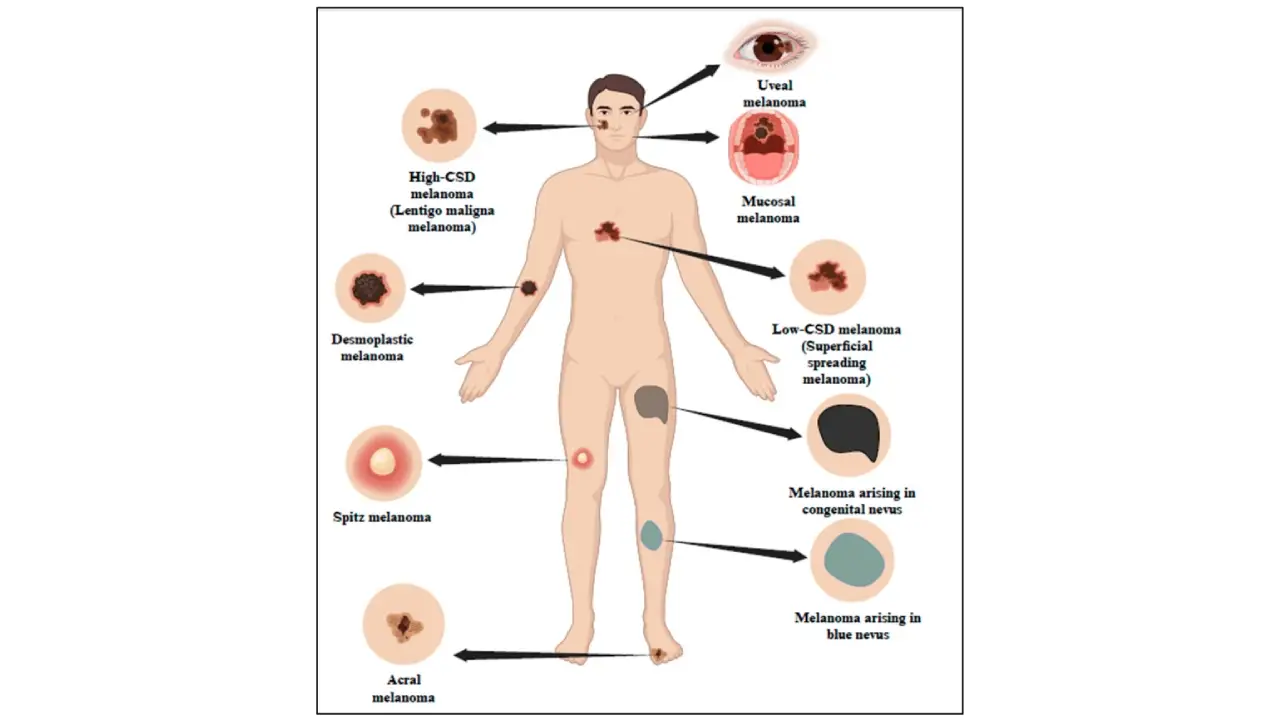
Acral lentiginous melanoma (ALM) shows up on parts of the body that do not have hair, like the hands' palms, the feet' soles, and the nails. ALM appears as a dark spot with irregular edges that gets bigger slowly over time. When the nail is affected by ALM, it looks like a black stripe that goes along the nail. On the molecular level, this type often has copy-number gains in genomic loci. These amplifications involve genes like KIT, CCND1, CDK4, TERT, MDM2, MDM4, and EGFR.
Mucosal melanoma originates in mucous membranes, within the head and neck region and also in anorectal and vulvovaginal areas. This subtype is rare and is not linked to ultraviolet radiation exposure, unlike most other subtypes. Alongside mucosal melanoma, several less frequent variants are described in the literature, including desmoplastic, Spitz melanoma, uveal, and melanoma that develops from a congenital nevus [6].
The suspicious skin formations are first inspected with a dermatoscope by a licensed clinician. A dermatoscope, an instrument that combines magnification with directed light, helps the clinician assess a melanocytic lesion in greater detail. When any findings raise concern, the lesion is either excised or sampled by biopsy, and the specimen is submitted for microscopic examination.
In complex cases, additional methods that are added to histological analysis allow doctors to clarify whether a lesion is derived from melanocytes, confirm its cell division rate, and detect genetic abnormalities. Where the spreading is a concern, diagnostic imaging may be expanded to include ultrasound-based evaluation of regional lymph nodes and further imaging with CT, MRI, or PET/CT to identify metastases in internal organs, lymphatic tissue, or the brain [7].
Melanoma Staging and Risk Assessment
Once the cancer diagnosis has been confirmed, the clinician assigns a stage to the melanoma skin cancer, since staging guides all further management steps. The framework of tumor staging is structured around three principal parameters:
- Tumor: the thickness and other characteristic features
- Node: regional lymph node involvement
- Metastasis: the cancer has spread to distant organs
Based on these indicators, it is assigned to one of several stages, from 0 to IV. For early stage melanoma, the most important prognostic value is the thickness according to Breslow, which estimates the distance from the upper skin layers to the deepest layers where tumor cells can be found. When clinicians suspect that it has spread through the lymphatic system, a sentinel lymph node (SLN) biopsy is suggested. Detection of cancer cells within the node leads to classification as stage III disease. By contrast, stage IV is assigned when distant metastases are present in different parts of the body, for example in the lungs, liver, brain, and bones.
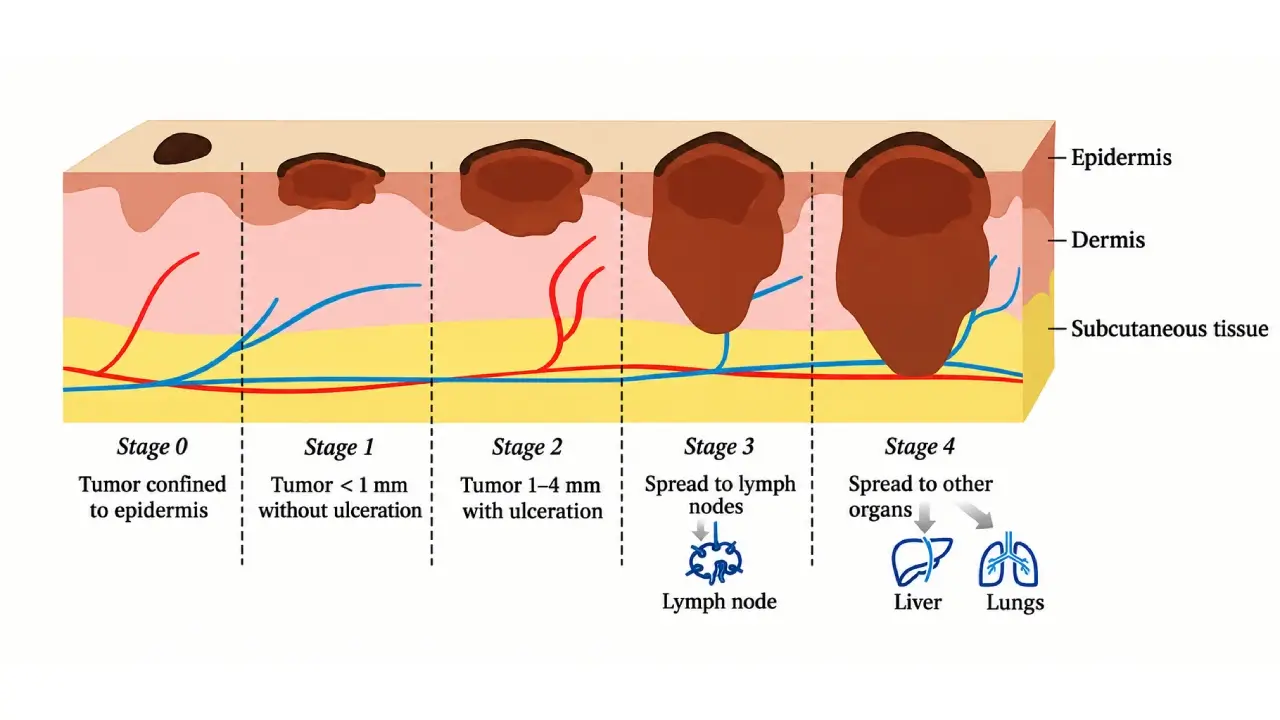
In addition to the stage of the disease, doctors evaluate additional risk factors. Detection at an earlier point, when the lesion remains thin, corresponds to a higher 5-year survival rate [9].
| Stage | Description | Thickness | 5-year overall survival |
|---|---|---|---|
| 0 | Individual cancer cells, tumor in situ | No invasion | ~100% |
| 1 | Limited to the upper skin layers | ≤1 mm, or 1–2 mm without ulceration | ~99% |
| 2 | Invasion to the basal membrane | >1 mm with ulceration, or >2 mm | ~90% |
| 3 | Involvement of the regional nodes, satellite/in-transit metastases | Any thickness | ~77% |
| 4 | Metastasis in the lungs, liver, brain, and other tissues | Any thickness | Depends on the metastasis site and other factors |
Melanoma Treatment Options
Care protocols have developed remarkably over the past several years. Surgical excision of the primary lesion remains the main treatment, especially for early stages of the disease, yet it is no longer the only treatment, as systemic approaches are now in use, such as immunotherapy and molecularly targeted treatment. In certain clinical situations, conventional treatment options, for example, radiation therapy and chemotherapy, are also used.
Surgery for Melanoma
For early stages melanoma, scheduling surgery to remove the tumor serves as the main approach and continues to be the most reliable treatment option for achieving complete tumor removal. When histology findings indicate a tumor thickness exceeding 0.8 mm, a sentinel lymph node biopsy (SLNB) can be performed to exclude the possibility of disease spread.
For ALM of the nail unit or fingertip, management sometimes necessitates partial amputation or resection of a segment of the phalanx. In selected cases of melanoma skin cancer, especially early stage melanoma and lentigo maligna, Mohs micrographic surgery (MMS) is an available option in the early stages. The lesion is excised in successive thin layers, and each layer is examined promptly under microscopy. This allows for maximum preservation of healthy tissue [10].
Sentinel Lymph Node Biopsy for Melanoma
Sentinel lymph node biopsy (SLNB) is performed to assess whether melanoma skin cancer has spread past the primary lesion or is still in the early stages. The first lymph node along the lymphatic drainage pathway is the primary site that cancer cells are expected to reach through the lymphatic channels. A positive finding, namely the detection of metastasis in the sentinel node, demonstrates regional nodal involvement and is consistent with stage III [10].
Immunotherapy for Melanoma
Over the last several years, immunotherapy has significantly changed the course of advanced stage melanoma treatment. Rather than attacking the tumor through conventional systemic treatment options that rely on cytotoxic agents, this strategy works by stimulating the patient’s immune response, enabling it to identify cancer cells and eliminate them. This has widened the available management measures, especially in cases of a need to treat advanced melanoma. A Booking Health article on melanoma immunotherapy in Germany outlines several strategies for stimulating the immune response against the tumor, including immune checkpoint inhibitors, dendritic cell vaccines, cytokine-based therapy, TIL therapy, and CAR T-cell therapy.
Immune Checkpoint Inhibitors
By blocking immune checkpoints, checkpoint inhibitors make the immune system identify melanoma cells and attack them. The agents interact with proteins that regulate T-cell function. Cancer cells express specific proteins that interact with immune checkpoint proteins, including PD-1 and CTLA-4, on the surface of T-cells and suppress the immune response. Blocking these interactions restores T-cell activity, allowing the immune system to attack tumor cells. Yet clinical response to this approach is not uniform, since tumors might possess resistance to immunotherapy or acquire resistance over the course of cancer treatment. Furthermore, immune activation can be accompanied by inflammatory side effects, so this therapy requires regular monitoring by a physician [2].
Dendritic Cell Vaccines
As a form of personalized immunotherapy treatment for melanoma, dendritic cells in treatment of melanoma in Germany are designed to strengthen antigen-specific immune activity against skin cancer. Within the immune system, dendritic cells stand out as the most efficient antigen-presenting population with their capacity to initiate downstream immune responses. It has been one of the key discoveries in immunology for more than 50 years, which is why Ralph Steinman, MD, received the Nobel Prize in Physiology or Medicine in 2011 for the discovery of dendritic cells and the description of their role in triggering the adaptive immune response.
Tumor antigens are taken up by dendritic cells, which then move toward regional lymph nodes and present these antigens to T-cells, initiating a cytotoxic immune response against the tumor. In melanoma skin cancer, this process is suppressed. Immunosuppressive mediators released by the tumor, notably IL-10, TGF-β, and VEGF, interfere with dendritic cell maturation, and this limits both their migratory capacity and their effectiveness in antigen presentation.
Peripheral blood mononuclear cells are obtained from the patient as a first step in producing the personalized cancer vaccine melanoma. Monocytes are then isolated and differentiated into dendritic cells in the laboratory. These cells are incubated with tumor antigens, for example, tumor peptides, tumor lysate, RNA, or other antigenic materials. After that, the cells mature and are infused back into the patient. Following administration, the dendritic cells migrate to the lymph nodes, where they activate CD4+ and CD8+ T-cells, generating a targeted immune response against malignant cells. Therefore, dendritic cell immunotherapy for stage IV melanoma is a personalized treatment specific to the patient’s tumor. For more information on the principles of dendritic cell vaccination and its use in new melanoma treatment in Germany, explore this treatment approach in detail.
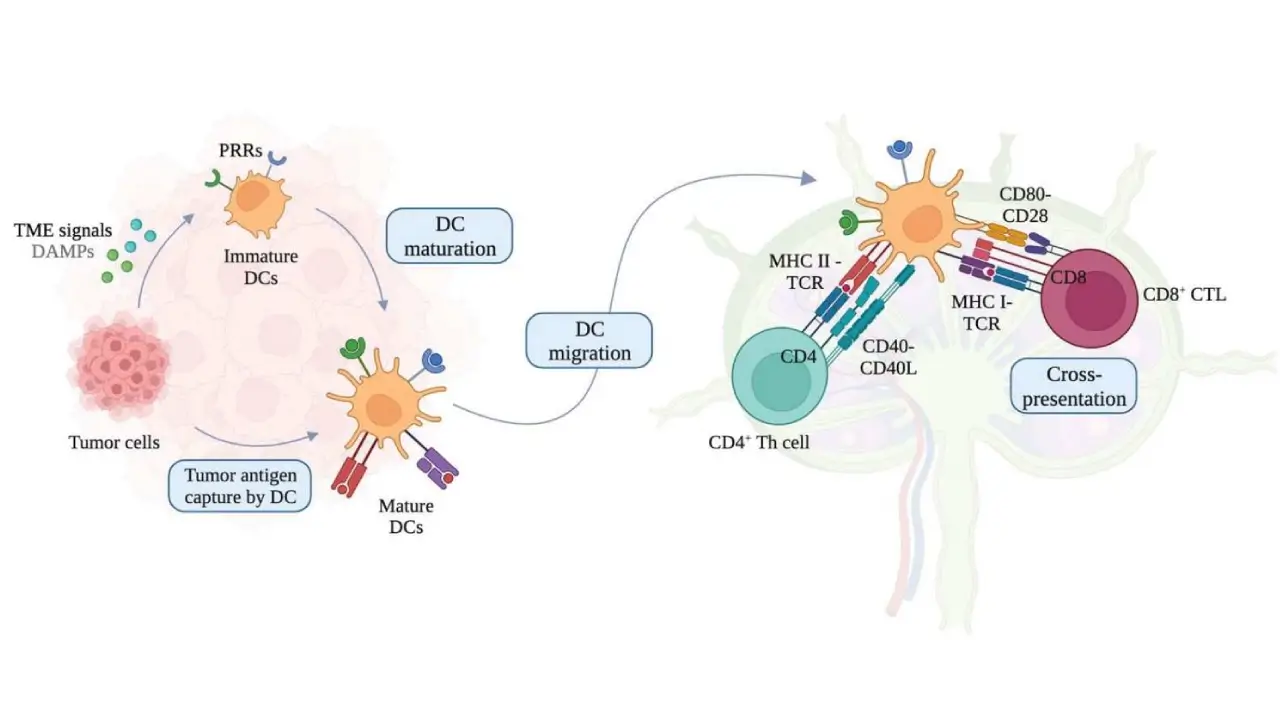
Dendritic cell immunotherapy for melanoma has several limitations. It is not a ready-made drug but a personalized treatment. The preparation of melanoma cancer vaccines requires time and a specialized laboratory for cell cultivation in the presence of tumor-specific antigens. However, this approach offers hope for patients with stage 4 metastatic melanoma treatment as well as other advanced cases.
Cytokine Therapy
Among the earliest advanced melanoma immunotherapy approaches applied was cytokine-based treatment. Acting as signaling proteins within the body's immune system, cytokines mediate communication between immune cells and support antitumor activity. Among skin cancer treatment options, the cytokines examined most extensively are interleukin-2 (IL-2) and interferon-α (IFN-α). However, both agents are characterized by high toxicity and limited efficacy, and are therefore used less frequently than new treatments of stage 4 melanoma immunotherapy [12].
Adoptive Cell Therapy
Adoptive cell therapy for melanoma skin cancer is a personalized cancer treatment option that uses the patient's own immune cells as a starting point. In this context, the most relevant treatment options are:
- Tumor-infiltrating lymphocytes (TIL) therapy
- Chimeric antigen receptor (CAR) T therapy
The best-studied form of this treatment option is tumor-infiltrating lymphocytes (TIL) therapy. It is based on the isolation of T-cells that show a response against the tumor and infiltrate it. Their number is not sufficient to eliminate the tumor. Therefore, cell population number is increased under laboratory conditions. For melanoma cancer treatment, a procedure starts with surgery to remove a tumor fragment from the patient. From that fragment, TIL cells are isolated and cultivated in the laboratory to produce a larger cell population and then these cells are infused back into the patient [13].
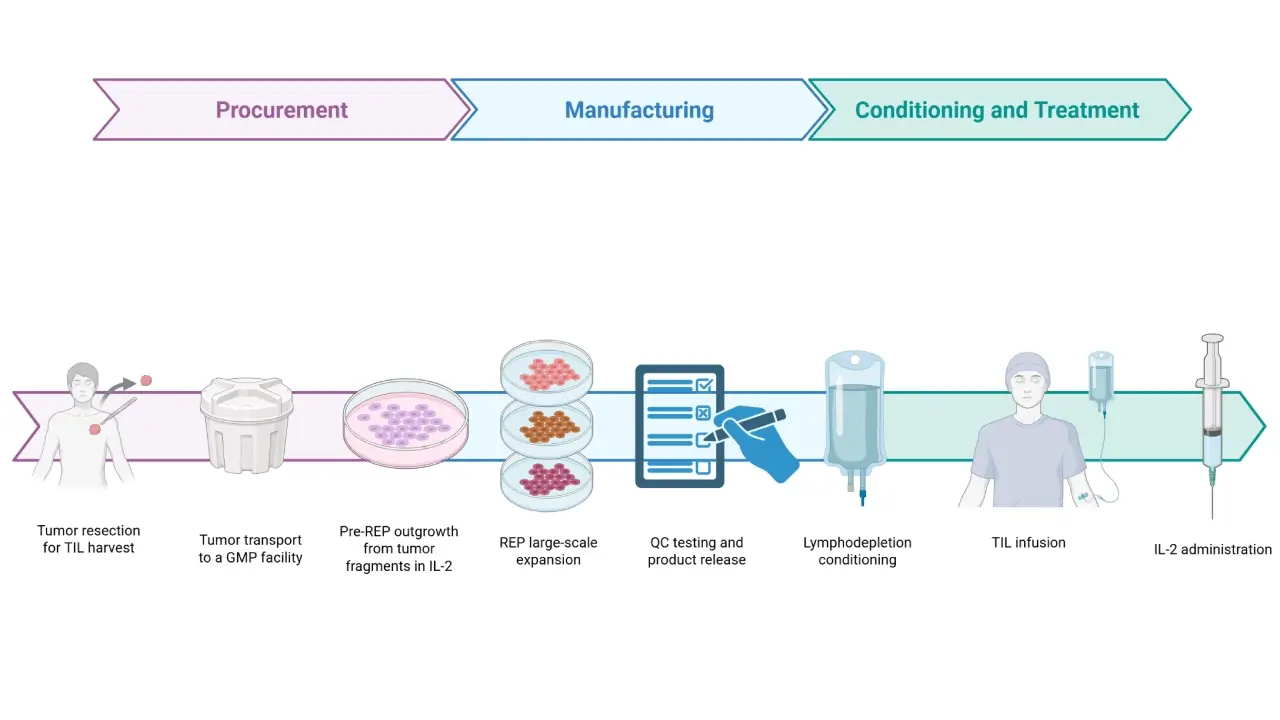
Another treatment option in adoptive cell therapy is CAR T-cell therapy. Here, T cells are collected from the patient’s bloodstream. In the laboratory, these cells are modified by inserting a specific receptor, which improves their ability to detect particular surface molecules of cancer cells. After expansion, these CAR T-cells are returned to the patient, where they find and destroy melanoma cells. However, cells within one tumor differ from each other in their antigen profiles; thus, they might avoid recognition by CAR T-cells. Moreover, the tumor microenvironment suppresses the immune response [14].
Oncolytic Viruses Therapy
Oncolytic virus therapy is a novel way used to treat melanoma cancer. Oncolytic virus therapy for melanoma works by infecting melanoma cells with a modified virus. Tumor cell death caused by this infection releases many tumor-specific molecules, and the immune system of a patient is stimulated in response to these molecules and targets the rest of the tumor cells. Oncolytic virus therapy is a new treatment that is among the advanced melanoma treatment options, but it is not yet a standard way to treat all cases.
Targeted Therapy for Melanoma
Targeted therapy is directed at defined molecular changes that sustain tumor proliferation. Targeted therapy for melanoma in Germany centers on alterations in the BRAF gene, where pharmacological agents interrupt signaling through the BRAF/MEK pathway. Across cutaneous melanoma, BRAF mutations are reported in half of cases. By comparison, NRAS mutations are identified in 20–30% of individuals with cutaneous melanoma. Unlike BRAF, this gene is more difficult to directly block with drugs, so new therapies that are currently under development are aimed at MEK or other downstream targets. Melanoma targeted therapy rapidly reduces advanced cancer tumor burden, but many patients develop resistance to treatment over time [15].
Radiation Therapy for Melanoma
Radiation therapy is applied by delivering high-energy radiation to destroy cancer cells. External radiation therapy is given after melanoma tumor removal surgery to reduce the chance of skin cancer recurrence. It is considered by radiation oncologists for cases that cannot be removed surgically and for palliative management in advanced melanoma. Alongside these established uses, radiotherapy is being investigated as a measure to increase the efficiency of targeted therapy and immunotherapy when used in combination [7].
Chemotherapy for Melanoma
Chemotherapy refers to the use of cytotoxic drugs aimed at damaging cancer cells that proliferate quickly. Chemotherapy is not regarded as a standard cancer treatment approach in current clinical practice due to the limited response. However, it is used when modern treatment options, such as immunotherapy and targeted therapy, are unavailable, not recommended, or when the patient develops resistance [2].
Melanoma Treatment by Stage
Stage 0 Melanoma Treatment
Early stage melanoma treatment involves excising the tumor together with a narrow margin of clinically normal tissue. The pathologist then assesses the histological structure at the tissue margins. When malignant cells are found at the edges of the tissue, another surgery to remove more tissue around the initial margins is needed to ensure complete removal of melanoma cells.
Stage I Melanoma Treatment
Treatment for stage I begins with wide surgical excision. Together with the early stage melanoma tumor, the doctor removes a small margin of normal tissue. In selected patients, clinicians may carry out an ultrasound assessment of the regional lymph nodes, particularly when the primary tumor is thick, or ulceration is evident.
Stage II Melanoma Treatment
Treatment for stage II begins with wide local excision. This procedure is performed after a diagnostic biopsy or initial removal of a suspicious lesion. The doctor re-excises the biopsy area along with a sufficient margin of healthy skin. Because stage II carries a higher risk of spread, the patient may be offered a sentinel lymph node biopsy. At this early stage melanoma, observation after surgery is sufficient. At stage IIB, the risk of recurrence is higher. Therefore, adjuvant immunotherapy is recommended for some patients.
Stage III Melanoma Treatment
Management of stage III is guided by the feasibility of complete surgical removal of the tumor. When the tumor is considered resectable, the treatment option centers on wide local excision of the primary lesion, paired with removal of involved lymph nodes or other treatments. At stage III, tumor samples are frequently examined for BRAF mutations. When the result is positive, clinicians recommend immunotherapy or targeted therapy to lower the likelihood of recurrence. If surgical management cannot achieve complete removal, the doctor will consider systemic treatment options to treat advanced melanoma. These options include immunotherapy, targeted therapy, or conventional radiotherapy.
Stage IV Melanoma Treatment
In stage IV melanoma, the cancer has spread to lymph nodes, skin, soft tissue, or internal organs. Stage 4 melanoma treatment options focus on controlling metastases throughout the body. If there are a few lesions where it has spread and they can be safely removed, a doctor suggests surgery along with radiation therapy. For most patients, though, the main treatment option is systemic therapy that targets cancer cells throughout the parts of the body. Usually, immunotherapy is the first choice for metastatic melanoma treatment in Germany, checkpoint inhibitor therapy in particular. If the tumor has BRAF or NRAS mutations, the doctor suggests targeted therapy. Even when doctors cannot eliminate the tumor, there are palliative procedures that help reduce symptoms and maintain quality of life.
Melanoma Treatment Abroad
Melanoma Treatment in the USA
Melanoma treatment in the USA is offered in specialized centers. Melanoma patients have access to modern treatment options, like melanoma immunotherapy in USA and targeted therapy. The important thing that needs to be assessed is the melanoma treatment cost abroad for non-residents without valid insurance coverage. Moreover, foreign patients need to send all their medical records well in advance for cancer treatment planning and cost assessment. So, patients who plan to access melanoma treatment abroad choose melanoma treatment in the US at the stage of advanced melanoma, when the availability of cutting-edge technology expands treatment options for stage 4 melanoma treatment in the USA.
Melanoma Treatment in the UK
Melanoma treatment in the UK is coordinated by a specialist team, bringing together dermatologists, surgical oncologists, medical oncologists, radiation oncologists, and pathologists. Within this multidisciplinary board, staging is determined and, on that basis, an individualized treatment plan is formulated. UK cancer centers offer access to modern protocols and technologies to treat melanoma, such as melanoma immunotherapy in the UK. Many major cancer centers in the UK that offer melanoma treatment work through the National Health Service referral system. Therefore, it is challenging for a non-resident patient to go through the referral system quickly, which is important, for example, in the case of stage 4 melanoma treatment in the UK.
Melanoma Treatment in Canada
Melanoma treatment in Canada allows access to the latest technologies through modern cancer hospitals. A specific feature that needs to be taken into account when planning cancer treatment in Canada is that this system is based on referrals. In order to get access to treatment programs, such as melanoma immunotherapy in Canada, a patient needs an assessment of their overall condition from a medical oncologist. To be accepted into cancer treatment programs, such as stage 4 melanoma treatment in Canada, the patient needs to get a referral from a licensed Canadian doctor or from an official program board for non-residents. Therefore, going through this system is complicated and time-consuming.
Melanoma Treatment in Australia
Australia, along with New Zealand, is a leader in the number of diagnosed cases, so Australia has a well-developed system for early stage melanoma diagnosis and treatment. This is why Australia has modern guidelines, well-equipped cancer centers, and highly professional specialists. Australia is good at conducting cutting-edge research and implementing it in clinical use, for example, melanoma immunotherapy in Australia. For foreign patients who want to go to Australia for stage 4 melanoma treatment in Australia, it is challenging due to the long transoceanic flights and difficult access to follow-up care when the main treatment is completed.
Melanoma Treatment in Germany
Melanoma treatment in Germany combines highly skilled doctors, strict treatment standards, and a well-organized medical care system. It is common practice to convene a multidisciplinary board, provide a second opinion, and make a personalized decision. In German cancer centers, people access the latest diagnostic and treatment techniques, for example, dendritic cell melanoma treatment in Germany. The treatment path may start with melanoma surgery in Germany and continue with postoperative therapy and follow-up care. When surgery alone does not solve the problem, melanoma immunotherapy in Germany is considered as part of further treatment. Stage 4 melanoma treatment in Germany includes new treatments options, for example, CAR-T therapy, TIL therapy, and dendritic cell immunotherapy for stage IV melanoma cancer. Another feature that attracts foreign patients to melanoma treatment in Germany is the clear calculation of treatment costs.
Melanoma Treatment Cost
The table below presents a comparison of the estimated prices for different treatment options in selected countries.
| Type of Treatment | Germany | USA | UK | Canada | Australia |
|---|---|---|---|---|---|
| Dendritic cell therapy | €20,000 - €38,000 | €100,000 - €150,000 | Not available | Not available | Not available |
| CAR T-cell therapy | €450,000 - €550,000 | $500,000 - $750,000 | Not available | Not available | Not available |
| Targeted therapy | €375,000 - €420,000 for the full course | €600,000 - €1,000,000 for the full course | €400,000 - €500,000 for the full course | Not available | Not available |
| Immune checkpoint inhibitors | €20,000 - €38,000 for 1 cycle | €25,000 - €45,000 for 1 cycle | €35,000 - €60,000 for 1 cycle | Not available | Not available |
| Radiotherapy | €28,000 - €42,000 | €40,000 - €80,000 | €35,000 - €65,000 | €25,000 - €50,000 | €22,000 - €45,000 |
Hospitals for Melanoma Treatment
With skin cancer, treatment outcomes depend on the choice of a hospital. Melanoma treatment should begin with a proper cancer diagnosis. It includes staging through histological assessment and lymph node examination. Other diagnostic steps are included when it is necessary to detect specific mutations through molecular testing or confirm metastatic melanoma through CT, MRI, or PET/CT imaging. As surgery is the main treatment for stage I–III, melanoma surgery abroad may be an option for patients looking for high-quality surgical planning. Patients with stage III-IV or recurrent melanoma should seek treatment at oncology or skin tumor centers with access to modern technologies.
Germany is a good destination for melanoma treatment because the country has specialized cancer centers and offers access to the latest technologies for the best melanoma treatment abroad. Despite the transparency of the German medical system, it is still hard to choose the best hospitals for melanoma treatment and set up treatment in another country independently. Booking Health is a company that helps people find the most appropriate clinic for their individual treatment requirements, get a second opinion from a multidisciplinary board, and arrange travel to the clinic.
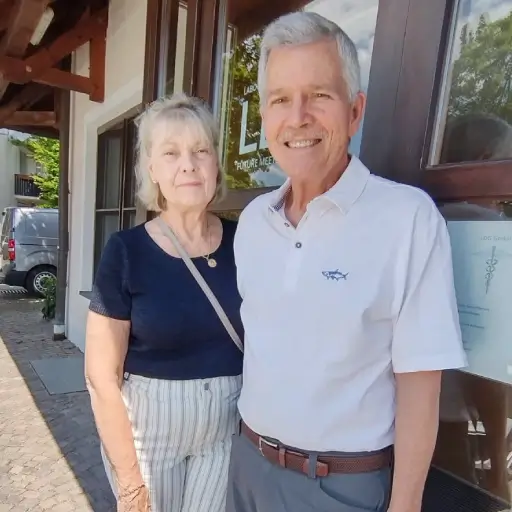
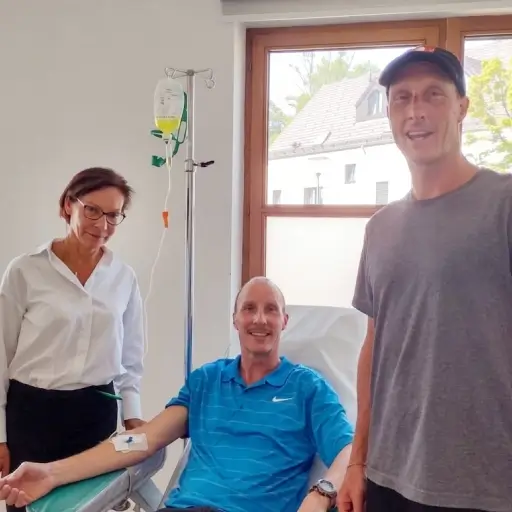
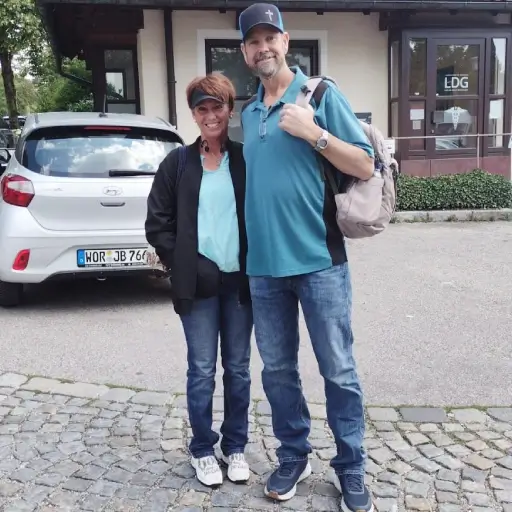
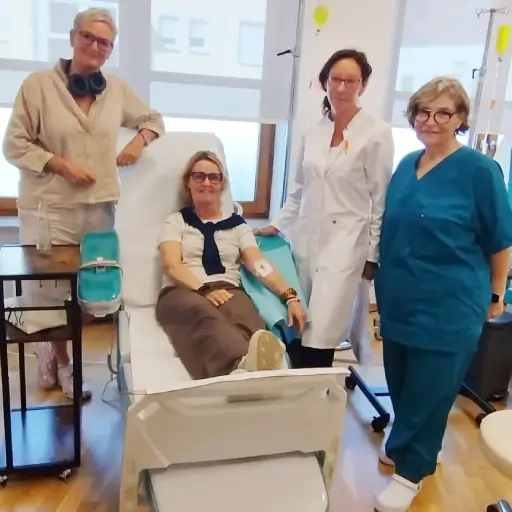
Fighting Cancer Together: Treatment Journeys with Booking Health
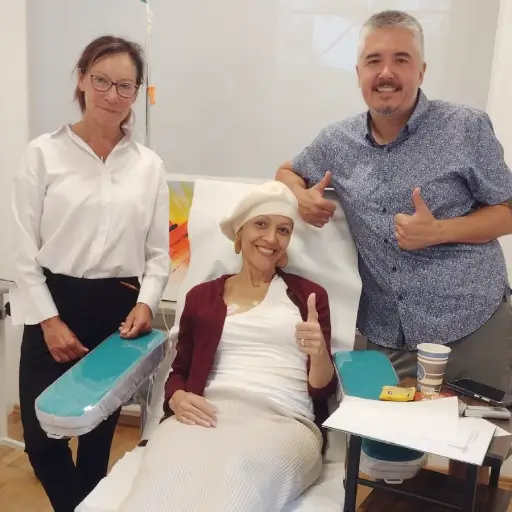


Melanoma Treatment in Germany with Booking Health
When treatment at home has reached its limits, the hardest part is rarely finding information — it is knowing which of the remaining options is real, and which one fits this particular case. That clarity is what Booking Health exists to deliver. Not another folder of scans and second-hand opinions, but one honest, complete picture of what can still be done, and where.
A plan you can act on. Behind every programme is a team whose only job, for more than 12 years, has been to match the right patient to the right clinic. Our medical coordinators — physicians among them — have organised care for over 100,000 patients from more than 75 countries. We have developed a meticulous approach to selecting the best hospital for each case: a unique AI-powered ranking system that analyses over 400 critical quality indicators in each hospital's annual qualification report, so the recommendation rests on evidence rather than reputation. For advanced-stage cancer, that matters more than anywhere else: the wrong clinic is not a lost afternoon; it is lost time you cannot get back. For a fair, transparent price and in a matter of days, you leave not with a stack of disconnected results, but with a single, considered answer — which advanced therapies apply to this case, which clinic is genuinely equipped to deliver them, and what the realistic next step is. Behind that answer is the only thing it was ever about: giving patients and the people beside them a clear path forward, and the confidence that every real option has been looked at.
A Result You Can Hold In Your Hands
For someone whose standard treatment has been exhausted, the most important question is simple: is there anything left to try, and is it worth trying here? Germany is one of the few places where the honest answer is often yes. Our coordinators map each case against innovative therapies used routinely in German clinics — dendritic cell therapy, immunotherapy, TACE (transarterial chemoembolization), local and whole-body hyperthermia, and radioligand treatments such as Lutetium-177 and Actinium-225 — several of which are simply not available in other countries.
These are not experimental long shots; they are established therapies with published results. In the pivotal VISION trial, adding Lutetium-177 radioligand therapy to standard care extended median overall survival in advanced prostate cancer (15.3 vs 11.3 months). In metastatic melanoma, modern immunotherapy has lifted five-year survival from under 10% in the chemotherapy era to roughly 34–52%, and in one landmark trial about half of the patients who responded were still alive ten years later. Dendritic-cell vaccination has been linked to median survival of 19–23 months in advanced prostate cancer, where standard nomograms predicted 11–13. In unresectable liver cancer, TACE regularly achieves median survival in the 15–24 month range. What any one person can expect depends entirely on their diagnosis, stage, and general condition — which is exactly why each case is assessed honestly before anything is recommended.
The value is not a longer list of possibilities. It is a filtered one: which of these methods actually applies to this diagnosis, this stage, this patient — and which clinic has the real experience to carry it out. That is the difference between searching alone through fragments online and walking away knowing your options have been fully and honestly explored, with nothing left unchecked.
Speed That Changes The Answer, Not Just The Schedule
At an advanced stage, time is the one resource that cannot be replaced — and the whole process is built around protecting it. A route that would take weeks of referrals and waiting is compressed into days: a full assessment of the options in one to three days, with urgent access arranged within 48 hours of your first call. Because Booking Health works directly with the clinics and their physicians, you skip the queue at a hospital's international office, where a patient applying alone typically waits two to three weeks just for a first reply. Documents, visa, travel, and scheduling are handled in parallel, not one step at a time — so a family is not losing precious weeks to logistics. And this speed rarely comes at a premium: treatment in Germany is delivered at a transparent, fixed cost agreed in advance, frequently lower than comparable care in the US or UK. Speed here is not about convenience. It is about reaching the right therapy while it can still make a difference.
Peace Of Mind — For You, And For The People Beside You
From here, you carry none of the organising. Booking Health arranges the entire treatment at the highest level — clinic admission, scheduling, transfers, documents, and day-to-day coordination — while the medicine stays in the hands of German board-certified specialists, a status that in Germany requires five to six years of structured specialty training and a state board examination beyond medical school. Rather than one opinion, the relevant experts — an oncologist alongside colleagues in the fields the case touches — assess the findings as a team, in the tumour-board tradition, so the recommendation is cross-checked before treatment begins, within a system where a documented second opinion is a patient right written into law. Just as important, the cost is fixed and transparent from the start: no surprise bills mid-treatment, so a family can plan with a clear head instead of bracing for the unknown.
And there is the part that no one says out loud, but everyone feels. The purpose of these therapies is not only to act against the disease — it is to protect quality of life and to give people more good time. More days that feel like living, not just treatment. More of the moments that matter: watching children and grandchildren grow, seeing a little more of the world, being present with the people you love. That is what a clear plan, delivered quickly and honestly, is ultimately for. Throughout it, one coordinator stays with you — arranging interpreters, keeping the family informed, and handing the findings and recommendations back to your doctors at home — so those closest to the patient can spend their energy being family, not case managers.
We rely on facts, are honest about what the information does and does not show, and speak plainly — without pressure or promises that cannot be guaranteed. To take the first step, contact a Booking Health medical consultant.
Booking Health holds ISO 9001 quality certification, reflecting well-established processes and strict quality control at every stage of the treatment journey — not just at the initial consultation, but throughout.

FAQ About Melanoma Treatment
Melanoma is a type of skin cancer that develops from altered melanocytes. Under normal conditions, these cells produce pigment for the skin and hair.
The treatment of melanoma depends on how advanced the melanoma is. The treatment options may include removing the melanoma tumors with surgery. Sometimes doctors will perform a sentinel lymph node biopsy to check for possible spread. Depending on the melanoma stage, more advanced and personalized treatment options are suggested, including immunotherapy and targeted therapy.
When melanoma is localized, the main treatment option is the surgical removal of the tumor along with a small amount of healthy tissue around it to prevent recurrence.
For a localized tumor, surgery is the first approach, which is sufficient in melanoma treatment if the entire tumor is properly removed. For a tumor that has spread and is more advanced, doctors may use other treatments, for example, systemic methods, in addition to the main surgical approach.
The best way to treat melanoma is to create a personalized treatment plan. It depends on how advanced it is, how thick the tumor is, the condition of the lymph nodes, and the genetic pattern of the malignant cells.
Immunotherapy is used to treat advanced melanoma and recurrent melanoma. It may be suggested after surgery for some patients who are at a higher risk of recurrence.
Doctors use targeted therapy to treat melanoma with defined genetic mutations. The most common mutations among its subtypes occur in the BRAF or NRAS genes.
The speed at which melanoma spreads differs for each type. The most common type grows slowly. In contrast, some subtypes, like nodular melanoma, grow quickly into the deeper layers of the skin and become dangerous early on.
Stage III melanoma treatment depends on whether doctors can remove the tumor. Additionally, lymph node evaluation may be added. In cases of recurrence risk, doctors also recommend immunotherapy, targeted therapy, or radiation therapy.
For stage IV, treatment is aimed at controlling the disease throughout the parts of the body and involves systemic therapy, such as immunotherapy or targeted therapy.
For metastatic melanoma, immunotherapy, targeted therapy, radiation therapy, removal of individual metastases, cell therapy, or regional chemotherapy may be used.
Dendritic cell vaccines produced for an individual patient are used for treatment of stage III-IV. These melanoma cancer vaccines help the immune system to recognize melanoma tumor antigens. Then the patient's immune system targets the melanoma cells and eliminates them.
The melanoma treatment cost varies greatly depending on the country, stage of the disease, chosen method, duration of therapy, and the scope of medical care. Estimates suggest that various treatment methods cost from €18,000–€80,000 for individual treatment stages, such as immune checkpoint inhibitors, radiotherapy, or dendritic cell therapy, and reach €278,000–€660,000 and higher for complex cellular therapies, such as CAR T-cell therapy.
Patients choose melanoma treatment abroad to get access to the latest diagnostic and treatment technologies and get a personalized treatment plan from experienced doctors.
Choose treatment abroad and you will for sure get the best results!
Sources:
01. Ana Paula De Araújo Boleti, Ana Cristina Jacobowski, Tamaeh Monteiro-Alfredo et al. Cutaneous Melanoma: An Overview of Physiological and Therapeutic Aspects and Biotechnological Use of Serine Protease Inhibitors. Molecules. 2024 Aug 16;29(16):3891. doi: 10.3390/molecules29163891. [DOI]
02. Joana Lopes, Cecília M P Rodrigues, Maria Manuela Gaspar, Catarina Pinto Reis. Melanoma Management: From Epidemiology to Treatment and Latest Advances. Cancers (Basel). 2022 Sep 24;14(19):4652. doi: 10.3390/cancers14194652. [DOI]
03. National Cancer Institute. SEER Cancer Stat Facts: Melanoma of the Skin [Internet]. Bethesda, MD: Surveillance, Epidemiology, and End Results (SEER) Program; 2026 [cited 2026 Jun 26]. Available from: https://seer.cancer.gov/statfacts/html/melan.html
04. Pfahlberg A, Kölmel KF, Gefeller O. Timing of excessive ultraviolet radiation and melanoma: epidemiology does not support the existence of a critical period of high susceptibility to solar ultraviolet radiation-induced melanoma. Br J Dermatol. 2001 Mar;144(3):471–5. doi:10.1046/j.1365-2133.2001.04070.x. [DOI]
05. Kiran Kumar Kolathur, Radhakanta Nag, Prathvi V Shenoy et al. Molecular Susceptibility and Treatment Challenges in Melanoma. Cells. 2024 Aug 20;13(16):1383. doi: 10.3390/cells13161383. [DOI]
06. Mattheos Bobos. Histopathologic classification and prognostic factors of melanoma: a 2021 update. Ital J Dermatol Venerol. 2021 Jun;156(3):300-321. doi: 10.23736/S2784-8671.21.06958-3. [DOI]
07. Lauren E Davis, Sara C Shalin, Alan J Tackett. Current state of melanoma diagnosis and treatment. Cancer Biol Ther. 2019 Aug 1;20(11):1366–1379. doi: 10.1080/15384047.2019.1640032. [DOI]
08. Joanna Jaworek-Korjakowska, Pawel Kleczek. eSkin: Study on the Smartphone Application for Early Detection of Malignant Melanoma. Wireless Communications and Mobile Computing. 2018 Mar 7;2018:5767360. doi:10.1155/2018/5767360. [DOI]
09. Camila Caraviello, Gianluca Nazzaro, Gianluca Tavoletti et al. Melanoma Skin Cancer: A Comprehensive Review of Current Knowledge. Cancers (Basel). 2025 Sep 5;17(17):2920. doi: 10.3390/cancers17172920. [DOI]
10. F. Russo-de la Torre. One-Step Surgical Removal of a Cutaneous Melanoma: Current Evidence. Actas Dermo-Sifiliográficas. 2020 Sep;111(7):541-544. doi:10.1016/j.adengl.2019.02.026. [DOI]
11. Kyu-Won Lee, Judy Wai Ping Yam, Xiaowen Mao. Dendritic Cell Vaccines: A Shift from Conventional Approach to New Generations. Cells. 2023 Aug 25;12(17):2147. doi: 10.3390/cells12172147. [DOI]
12. Salah-Eddine Bentebibel, Adi Diab. Cytokines in the Treatment of Melanoma. Curr Oncol Rep. 2021 May 18;23(7):83. doi: 10.1007/s11912-021-01064-4. [DOI]
13. Mislav Mokos, Mirna Šitum. From Immunobiology to Clinical Application: Tumor-Infiltrating Lymphocytes in Melanoma. J Pers Med. 2026 Mar 3;16(3):147. doi:10.3390/jpm16030147. [DOI]
14. Qianrong Hu, Jiangying Xuan, Lu Wang et al. Application of adoptive cell therapy in malignant melanoma. J Transl Med. 2025 Jan 22;23:102. doi: 10.1186/s12967-025-06093-2. [DOI]
15. Manuel Felipe Fernandez, Jacob Choi, Jeffrey Sosman. New Approaches to Targeted Therapy in Melanoma. Cancers (Basel). 2023 Jun 17;15(12):3224. doi: 10.3390/cancers15123224. [DOI]
Read:
01. Immunotherapy for melanoma in Germany
02. Dendritic Cell Therapy for Melanoma Treatment in Germany
03. Treatment Abroad: Advanced Medicine and Personal Patient Care