


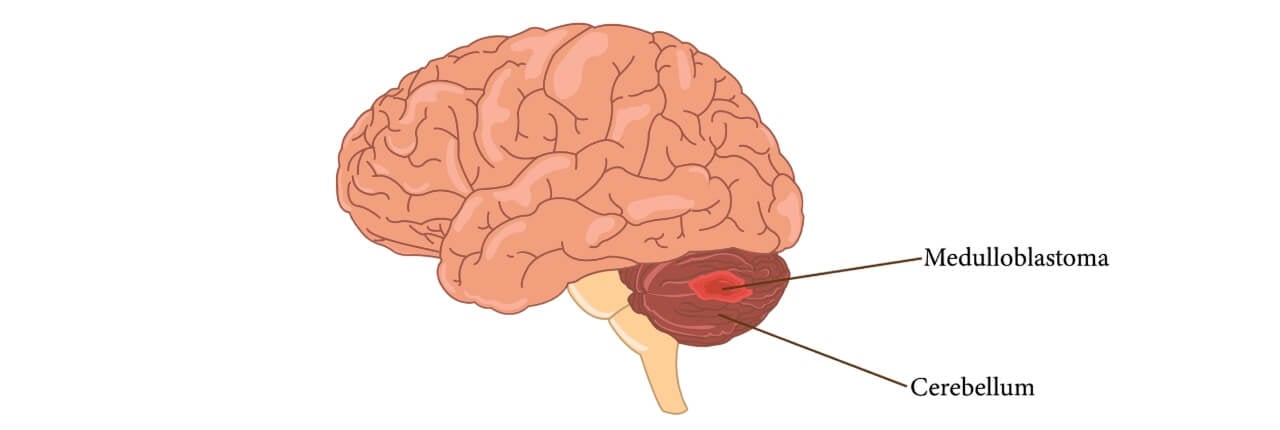
Medulloblastoma is most commonly associated with children but it can also occur in adults (although it is much rarer). Statistical data show, that adult medulloblastoma accounts for less than 1% of all primary brain tumors [1]. Typically, it originates in the cerebellum ー this is the part of the brain responsible for balance, coordination and motor control [2].
Medulloblastoma in adults (similarly to pediatric cases) is characterized by rapid growth. It can spread through the cerebrospinal fluid to other areas of the central nervous system including the spinal cord.
It can be overwhelming to face a diagnosis of medulloblastoma brain cancer as an adult ー this condition most commonly presents between the ages of 20 and 40 with a slightly higher incidence in males. Diagnosis can sometimes be delayed ー due to its rarity. We want to stress, how important it is to not despair. Currently, new and innovative medulloblastoma treatments are improving outcomes and survival for those, diagnosed with this disease.
Medulloblastoma Signs and Symptoms
Medulloblastoma can block the flow of cerebrospinal fluid (leading to increased intracranial pressure and a variety of symptoms). Patients often experience severe headaches, (especially in the morning), nausea, vomiting and problems with balance and coordination ー walking becomes awkward and coordination is impaired. In addition dizziness and double vision, increased fatigue, general weakness and behavioral changes (such as irritability or personality changes) may occur. Seizures or back pain can also be observed ー especially if the tumor spreads to the spinal cord. In general, medulloblastoma in adults symptoms can vary depending on the location and size of the tumor as well as the individual's characteristics.
Diagnostic Procedures
- A neurological examination can assess motor skills, reflexes, vision and coordination
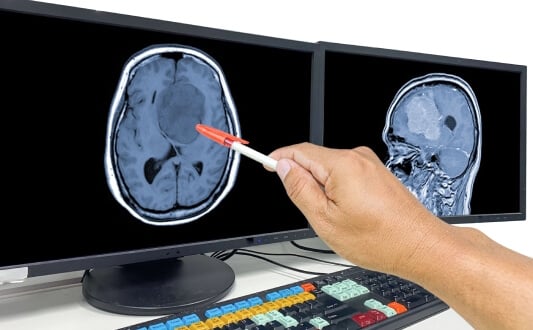
- Magnetic resonance imaging (MRI) of the brain and spinal cord can detect and evaluate the tumor's size and location
- A biopsy is performed to obtain a tissue sample for histological analysis ー it can confirm the diagnosis and identify the tumor subtype
- A lumbar puncture (spinal tap) may be conducted to check for cancer cells in the cerebrospinal fluid indicating potential spread
All medulloblastomas are classified as grade 4 tumors [2]. This means, that they are malignant and fast-growing. Usually, further classification into molecular subgroups helps determine medulloblastoma prognosis adults and customize treatment strategies.
Standard Treatment Options for Medulloblastoma Adults
The standard treatment for medulloblastoma aims to maximize tumor control, while minimizing long-term neurological side effects [3].
Surgical resection is the initial step in treating medulloblastoma. The goal is to remove as much of the tumor as possible (without causing neurological damage). Complete or near-total resection is associated with improved medulloblastoma in adults survival rate. However complete removal may not always be feasible due to the tumor's location in the cerebellum and proximity to critical brain structures. In addition postoperative complications can include posterior fossa syndrome (characterized by speech and motor difficulties).
Following surgery, craniospinal irradiation (CSI) is administered to eliminate residual tumor cells ー it can also prevent metastasis through the cerebrospinal fluid. Typically, standard-risk patients receive a lower dose of CSI. High-risk patients require higher doses. In adults craniospinal irradiation remains a standard component of therapy. Yet, efforts are made to minimize neurocognitive side effects when possible. Proton beam therapy is an alternative that can reduce damage to surrounding healthy tissue.
Chemotherapy can be used in conjunction with surgery and radiation to target remaining cancer cells. Regimens are selected based on molecular subgroup and individual patient factors ー the goal is to maximize treatment efficacy and increase medulloblastoma survival rate in adults.
Multimodal Therapy Based on Risk Stratification
Medulloblastoma treatment plans are customized, based on risk stratification. It considers several factors ー such as age, extent of tumor resection, presence of metastases and molecular subgroup classification. Standard-risk patients often have favorable outcomes with combined modality therapy. On the other hand high-risk patients may require the implementation of more intensive treatment protocols.
Follow-Up Care
Patients undergo regular follow-up to monitor for recurrence and manage long-term side effects (after completing initial treatment). This includes periodic MRI scans, neurological assessments and evaluations for cognitive and endocrine function.
Innovative Therapies for Medulloblastoma and New Approaches
Innovative treatment of medulloblastoma tumors aims to improve survival rates and reduce long-term side effects. Below, we describe the most promising innovative therapies and interventional radiology techniques, that can be recommended for patients aged 18 years and older.
Immunotherapy for Medulloblastoma and Dendritic Cell Research
Immunotherapy is an innovative approach, used to manage brain cancer medulloblastoma in adults. Dendritic cell vaccines can potentially stimulate the immune system to recognize and attack tumor cells ー improving stage 4 medulloblastoma life expectancy in adults.
Dendritic cells are antigen-presenting cells, that can be loaded with tumor antigens to elicit a targeted immune response. Clinical evidence suggests that dendritic cell-based vaccines are safe to use in patients with medulloblastoma and other malignant brain tumors [4].
In 1973, Canadian immunologist Ralph M. Steinman discovered dendritic cells. He demonstrated their role in activating adaptive immunity and was posthumously awarded the Nobel Prize in Physiology or Medicine in 2011. His discovery has helped develop dendritic cell-based vaccines which are now administered for various cancers (including medulloblastoma in adults).
Interventional Radiology for Medulloblastoma
Interventional radiology (IR) can offer minimally invasive image-guided procedures, that can help manage brain tumor medulloblastoma (particularly in cases involving spinal metastases or recurrent disease).
Image-Guided Biopsies and Drainage Procedures. IR techniques can enable image-guided biopsies of central nervous system lesions. This makes it possible to provide an accurate diagnosis with minimal patient discomfort. In addition IR can be employed to drain cystic components of tumors or alleviate cerebrospinal fluid obstructions (thereby reducing intracranial pressure and associated symptoms).
Thermal Ablation Techniques for Medulloblastoma. Radiofrequency ablation (RFA) and microwave ablation (MWA) can utilize heat to destroy tumor cells. MWA can offer several advantages ー higher intratumoral temperatures and larger ablation zones. This makes it effective for treating solid tumors including spinal metastases. These procedures are typically guided by imaging modalities (CT or MRI) ー to ensure accuracy and safety.
Cryoablation for Medulloblastoma. This approach involves the application of extreme cold to induce tumor cell death. It can be beneficial for treating spinal metastases offering quick and sustained pain relief. Studies have reported significant reductions in pain scores post-procedure. Moreover some patients have achieved complete pain relief. Cryoablation also provides high rates of local tumor control.
Electrochemotherapy (ECT) for Medulloblastoma. This method can combine chemotherapy with electrical pulses to enhance drug uptake by tumor cells. It is primarily used for superficial tumors. However ongoing research explores its applicability in deeper-seated lesions (including those in the spine). ECT can offer a targeted approach with minimal systemic toxicity ー it can be viewed as a potential option for patients with recurrent or inoperable tumors [5].
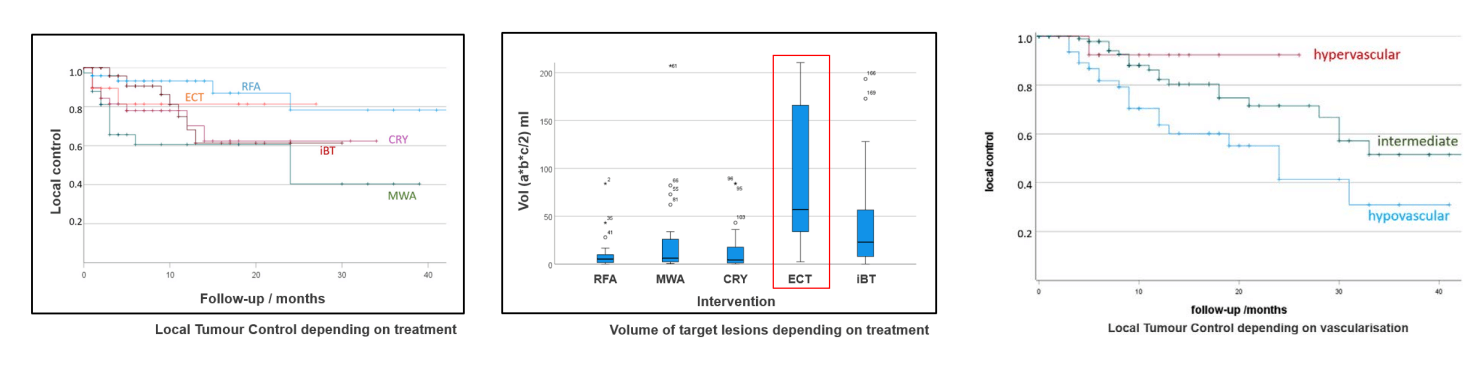
Overall the incorporation of the above-discussed IR techniques into the multidisciplinary management of medulloblastoma can improve patient outcomes (particularly in complex or recurrent cases). Their minimally invasive nature allows for reduced recovery times and the possibility of repeated treatments.
Electrochemotherapy Explained: Why This "New Kid on the Block" is Changing Cancer Treatment
| Therapy Type | 2-Year Survival Rate | Response Rate | Duration | Side Effects |
|---|---|---|---|---|
| Standard Treatments | ~25% for advanced cancer | Less than 10% | Several cycles | Severe (nausea, fatigue, hair loss, immunosuppression, skin irritation) |
| Innovative Methods | ~60% for advanced cancer | 45-65% | Up to 4 sessions | Mild (localized discomfort) |
*Booking Health data
Medical Procedures Costs Around the World for Medulloblastoma
| Treatment Methods | Germany | Great Britain | USA |
|---|---|---|---|
| Standard Treatments | €80,000 - €150,000 full course | €90,000 - €165,000 full course | €100,000 - €180,000 full course |
| Innovative Methods | €25,000 - €60,000 full course | €70,000 - €120,000 full course | €100,000 - €150,000 full course |
*Prices may vary depending on the course of treatment and tumor characteristics.
Overcoming Medulloblastoma with Booking Health
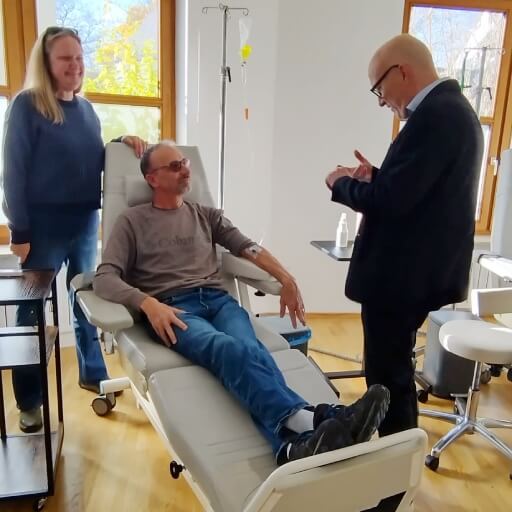
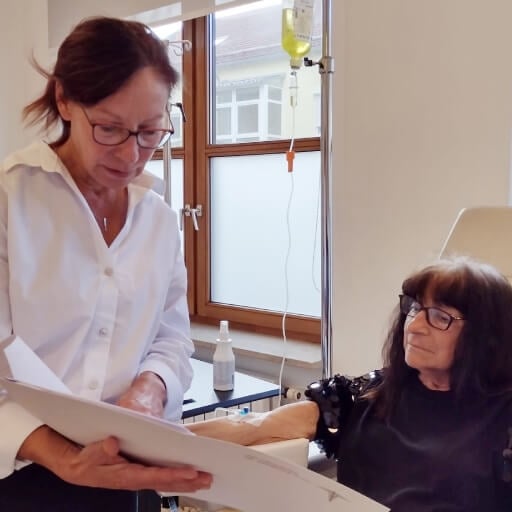
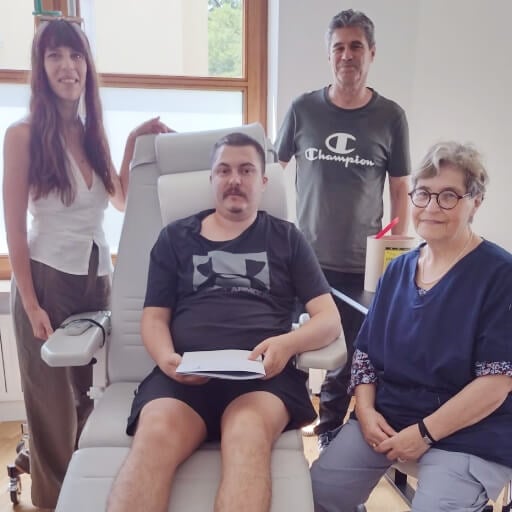
David (Poland) began experiencing persistent headaches and balance difficulties at the age of 32. An MRI revealed, that he had an adult medulloblastoma. David decided to seek the best care which is why he reached out to Booking Health to receive treatment at one of the best neuro-oncology centers in Germany.
David underwent successful tumor resection surgery. Then he received craniospinal irradiation with proton beam therapy and an individual chemotherapy plan. In addition he noted that rehabilitation helped him improve his coordination.
Today David has returned to his normal life. He continues to work and spend time with his family. He shared that his follow-up scans showed no signs of recurrence. He believes that without the personalized approach he received at the German clinic, he would not have achieved such positive results.
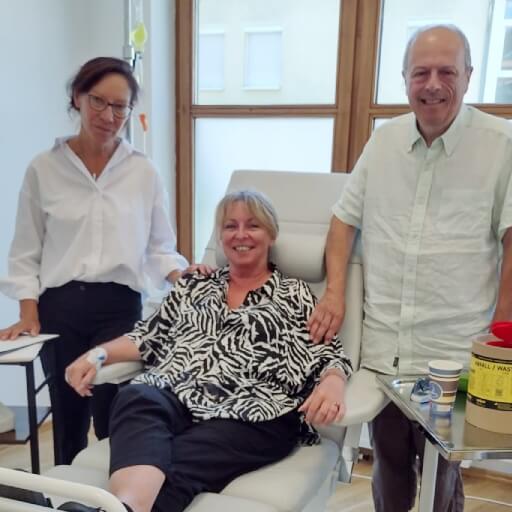
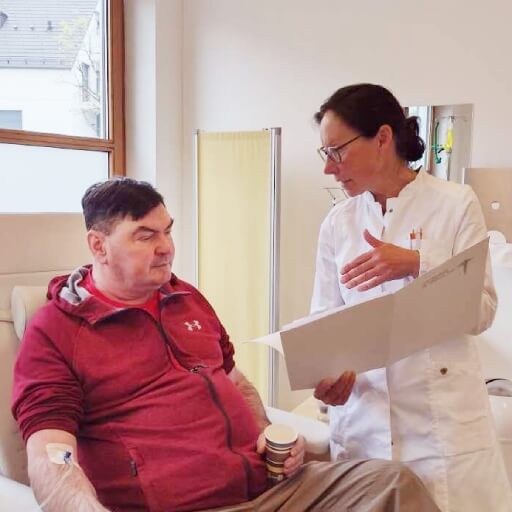
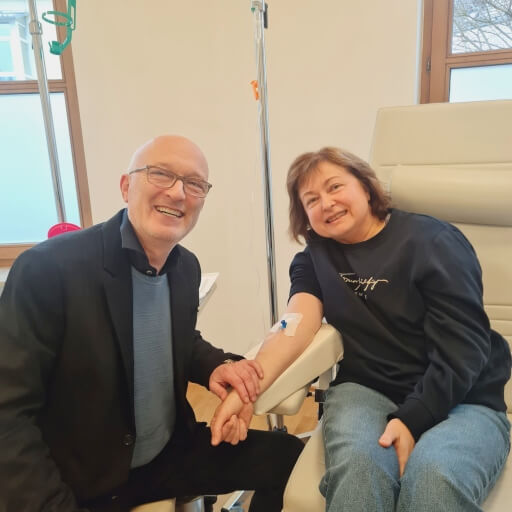
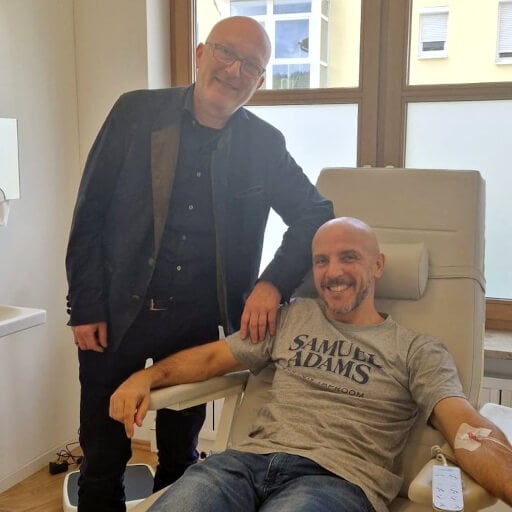
Fighting Cancer Together: Treatment Journeys with Booking Health

Treatment for Advanced and Recurrent Medulloblastoma
Treating advanced or recurrent medulloblastoma can present significant challenges (as standard therapies often become less effective upon relapse). The research notes that ~30% of patients experience recurrence. Moreover outcomes in these cases are generally poor with limited standardized treatment protocols available.
Management strategies for relapsed medulloblastoma involve a combination of approaches ー surgery, re-irradiation, chemotherapy and immunotherapy [6]. Personalized treatment plans are considered crucial to help treat recurrent medulloblastoma.
Despite the difficulties associated with the treatment of recurrent medulloblastoma we want to remind patients, that advancements in treatment strategies and personalized medicine can improve outcomes. This is why they should not lose hope ー as innovative treatments and multidisciplinary approaches to medical care can offer increased medulloblastoma grade 4 survival rate.
Booking Health helps patients with complex forms of medulloblastoma access highly specialized care. We support patients in the later stages, coordinate appointments and consultations with leading neuro-oncologists and help create individual, comprehensive treatment plans.
Booking Health Support Services
Searching for treatment options for medulloblastoma, particularly in complex or advanced cases, can be overwhelming. Challenges, such as limited access to specialized care, insurance constraints, long waiting periods, and high treatment costs, often impede timely intervention. In such critical times, Booking Health offers a solution.
As a trusted medical tourism operator, Booking Health has assisted over 100,000 patients in the past decade, ensuring they receive personalized treatment plans tailored to their specific needs. By utilizing our extensive network of top-tier medical centers, we provide access to innovative therapies and the best specialists in medulloblastoma care.
Organizing treatment abroad might seem difficult, especially when dealing with rare conditions like medulloblastoma. However, with Booking Health, patients can save up to 40-70% on treatment costs and secure urgent (within 48 hours) access to the best medulloblastoma centers in Germany. Our comprehensive services include visa assistance, travel arrangements, accommodation, and continuous support throughout the treatment journey.
Choosing Booking Health means entrusting your care to professionals committed to facilitating access to the most advanced medulloblastoma treatments available. Let us be your partner in this journey towards recovery.
Take the first step towards effective treatment. Contact Booking Health today to explore personalized medulloblastoma care options customized to your needs.
Frequently Asked Questions of Our Patients with Medulloblastoma
Send request for treatmentMedulloblastoma is a fast-growing malignant brain tumor, that originates in the cerebellum.
Many patients want to know ー is medulloblastoma curable? It is a serious disease. However early detection and a combination of treatments (surgery, radiation, electrochemotherapy (ECT) and immunotherapy) can significantly improve the chances of long-term survival and remission.
Early medulloblastoma in adults symptoms include headaches, nausea, vomiting, balance issues and difficulty walking (due to increased pressure in the brain).
Diagnosis of medulloblastoma in adults typically involves neurological examinations, imaging tests (CT or MRI) and sometimes a biopsy to confirm the tumor type and molecular characteristics.
Standard treatments for adult medulloblastoma include surgical removal of the tumor, craniospinal radiation therapy and chemotherapy.
Innovative therapies for adult medulloblastoma include proton beam therapy, targeted molecular treatments, electrochemotherapy and immunotherapies (such as dendritic cell vaccines).
Side effects of radiation therapy in adults with medulloblastoma can include fatigue, nausea, cognitive changes and hormonal imbalances. This can depend on the radiation area, dose and individual patient factors.
Yes. Medulloblastoma can metastasize through cerebrospinal fluid to the spinal cord and other parts of the central nervous system.
Proton therapy for medulloblastoma can deliver radiation doses to the tumor minimizing damage to surrounding healthy tissue.
The 5-year survival rate for adults with medulloblastoma is approximately 50-60%. However the numbers can vary based on factors like age, tumor subtype and treatment response.
Recurrence of medulloblastoma can occur in about 30% of cases (often within the first few years post-treatment).
Long-term effects of medulloblastoma therapy may include cognitive challenges, hearing loss, hormonal deficiencies and increased risk of secondary cancers.
Symptoms of medulloblastoma often include morning headaches, nausea and vomiting, balance and coordination problems, double vision, dizziness, fatigue, and sometimes seizures or back pain if the tumor spreads to the spinal cord.
In Germany, medulloblastoma treatment costs range from €80,000-€150,000 for standard therapy and €25,000-€60,000 for innovative methods. In Great Britain, costs reach €90,000-€165,000 and €70,000-€120,000, respectively, while in the United States, prices average €100,000-€180,000 and €100,000-€150,000. In contrast, Australia often has limited access to advanced therapies. However, even when such treatments are available, they can be three to four times more expensive than in Europe.
For adult medulloblastoma, the 2-year survival rate with standard treatments is about 25%. In contrast, innovative methods (e.g., proton therapy, dendritic cell immunotherapy, interventional radiology, etc.) can increase survival to around 60% (even in advanced cases).
Response rates for medulloblastoma vary by therapy type: less than 10% for standard treatment and 45-65 % for innovative methods (e.g., dendritic cell therapy and electrochemotherapy), which can enhance tumor control and prolong remission.
Standard medulloblastoma therapies may cause fatigue, nausea, hair loss, and immune suppression. On the other hand, innovative treatments generally result in mild, localized discomfort, significantly reducing long-term neurological side effects.
Standard medulloblastoma treatment involves several therapy cycles over months. In turn, innovative approaches (e.g., dendritic cell vaccination, radiofrequency ablation, or cryoablation) typically require up to four sessions. Therefore, such methods can offer shorter treatment times and faster recovery.
The best treatment option for adult medulloblastoma focuses on innovative therapies, that go beyond standard care. In Germany approaches include ーimmunotherapy, dendritic cell vaccines, thermal ablation, cryoablation and electrochemotherapy.
Top hospitals for adult medulloblastoma in Germany are specialized neuro-oncology centers (with experience in advanced therapies). They provide advanced treatment options ー allowing multidisciplinary teams to design personalized treatment plans.
Germany is considered the best country for adult medulloblastoma treatment (due to its leading oncology centers and focus on innovative care). Patients can access immunotherapy, dendritic cell vaccines and image-guided interventional radiology procedures ー gaining advantages over conventional methods and improving outcomes.
Choose treatment abroad and you will for sure get the best results!
Authors:
The article was edited by medical experts, board certified doctors Dr. Nadezhda Ivanisova and Dr. Bohdan Mykhalniuk. For the treatment of the conditions referred to in the article, you must consult a doctor; the information in the article is not intended for self-medication!
Our editorial policy, which details our commitment to accuracy and transparency, is available here. Click this link to review our policies.
Sources:
[1] Maria Teresa Giordana, Paola Schiffer, Michele Lanotte, Paola Girardi, Adriano Chio. Epidemiology of adult medulloblastoma. Int J Cancer. 1999 Mar 1;80(5):689-92. doi: 10.1002/(sici)1097-0215(19990301)80:5<689::aid-ijc10>3.0.co;2-g. [DOI] [PubMed]
[2] Dongjie He, Yahui Yang, Peiwen Wu at al. Epidemiological trends and factors associated with survival in patients with medulloblastoma: A 45-year population-based retrospective study. J Clin Neurosci. 2024 Aug:126:154-161. doi: 10.1016/j.jocn.2024.06.011. Epub 2024 Jun 19. [DOI] [PubMed]
[3] Lisa Mayr, Amedeo A Azizi, Johannes Gojo, Andreas Peyrl. Medulloblastoma: Current Standard of Care and Future Treatment Opportunities. Paediatr Drugs. 2025 Oct 21. doi: 10.1007/s40272-025-00726-1. [DOI] [PubMed]
[4] Jin Zhang, Tianyou Wang. Immune cell landscape and immunotherapy of medulloblastoma. Pediatr Investig. 2021 Jun 21;5(4):299–309. doi: 10.1002/ped4.12261. [DOI] [PMC free article]
[5] Francesca Matilde Schipilliti, Maurizio Onorato, Giulia Arrivi at al. Electrochemotherapy for solid tumors: literature review and presentation of a novel endoscopic approach. Radiol Oncol. 2022 Aug 14;56(3):285-291. doi: 10.2478/raon-2022-0022. [DOI] [PubMed]
[6] Alice Foti, Fabio Allia, Marilena Briglia at al. Medulloblastoma: Molecular Targets and Innovative Theranostic Approaches. Pharmaceutics. 2025 Jun 4;17(6):736. doi: 10.3390/pharmaceutics17060736. [DOI] [PubMed]
Read:
Innovative Treatment for Glioblastoma in Germany: Dendritic Cell Therapy for Cancer