Treatment of laryngeal cancer with extensive resection and tracheostoma placement in Catholic Clinic Koblenz-Montabaur
Catholic Clinic Koblenz-Montabaur
Koblenz, Germany



 BookingHealth Price from:
The Department of Adult and Pediatric Otolaryngology, Head and Neck Surgery, Facial Plastic Surgery at the Catholic Clinic Koblenz-Montabaur offers the full range of medical services in the areas of its specialization. The primary focuses of the department's work include the diagnostics and treatment of hearing loss, diseases of the external, middle, and inner ear, and pathologies of the nose, paranasal sinuses, and skull base. The department includes a specialized Head and Neck Cancer Center, certified in accordance with the requirements of the German Society for Haematology and Medical Oncology (DGHO). A special area of clinical practice at the medical facility is cochlear implantation, which is indicated for patients with complex forms of hearing loss. The department also performs interventions for the implantation of partially and fully implantable hearing aids. The department admits not only adults but also young patients with otolaryngologic diseases. The department's doctors have effective conservative and surgical techniques in their arsenal. The health of patients is in the safe hands of a competent team of doctors, consisting of otolaryngologists, audiologists, pediatric audiologists, and speech therapists. The Head Physician of the department is Prof. Dr. med. Jan Maurer.
The department demonstrates excellent results in cochlear implantation, which is carried out at a specialized center. Cochlear implantation is an innovative treatment for adults and young patients with severe sensorineural hearing loss. The essence of the minimally invasive intervention is the implantation of a special electronic device (a cochlear implant), consisting of an internal and external part. The operation is performed under general anesthesia and lasts about 2 hours. Following the operation, the department's patients undergo rehabilitation, including setting up the device and adapting its speech processor so that a person can hear sounds and distinguish them. Rehabilitation is carried out on an outpatient basis.
The department also successfully performs surgical interventions to improve hearing, such as stapedoplasty and tympanoplasty. The first version of the operation involves the replacement of the stapes with a prosthesis using microsurgical techniques, which allows for the restoration of hearing in a patient with otosclerosis. Tympanoplasty is a surgical procedure performed to repair a damaged eardrum. The intervention is performed under general anesthesia; a surgical approach is provided through the external auditory meatus using a special microscope or through a small skin incision in the postauricular area.
An integral part of the work of the department's otolaryngologists is the treatment of head and neck tumors. For this purpose, a certified center operates here, which is certified by the German Society for Haematology and Medical Oncology (DGHO). Patients are treated by experienced doctors who have saved thousands of lives. Interdisciplinary tumor boards are regularly held here to develop an optimal treatment regimen, in which otolaryngologists, oncologists, radiation therapists, radiologists, and other experts take part. Therapy is selected individually. As a rule, the treatment is based on tumor resection surgery. Minimally invasive techniques are preferred whenever possible. After extensive resections,the department's patients are offered reconstructive plastic surgery. In many cases, the treatment process is quite complicated, so patients receive competent psychological care.
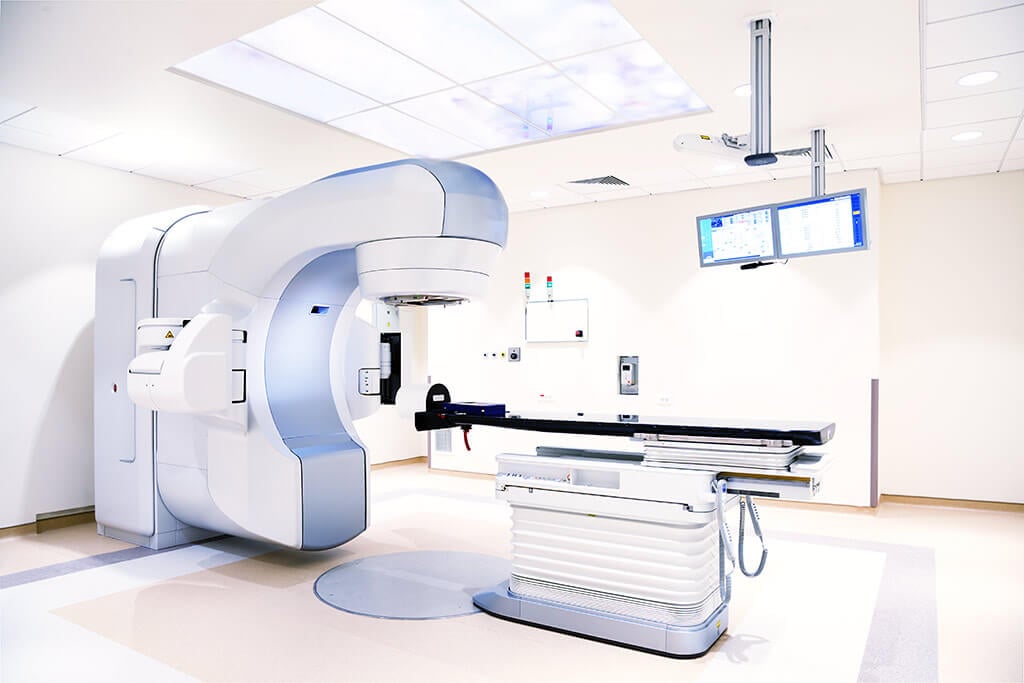
It should be noted that the use of advanced equipment, including endoscopes, microscopes, laser systems, intraoperative neuromonitoring devices, and intraoperative navigation systems, contributes to the outstanding success of surgical treatment. All these devices allow doctors to provide patients with the most sparing and safe surgical treatment.
The department's range of diagnostic services includes:
The department offers the following treatment methods:
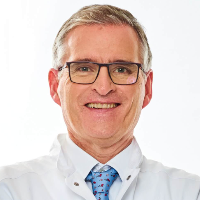
Prof. Dr. med. Jan Maurer is the Head of the Department of Adult and Pediatric Otolaryngology, Head and Neck Surgery, Facial Plastic Surgery at the Catholic Clinic Koblenz-Montabaur. The doctor is board certified in otolaryngology, plastic surgery, special otolaryngologic surgery, tumor drug therapy, and health economics.
Prof. Maurer has a wealth of clinical experience and is well known in professional medical circles. According to the Focus magazine, the doctor ranks among the top German specialists in the treatment of hearing loss and head and neck tumors, as well as performing otoplasty.
Photo of the doctor: (c) Katholisches Klinikum Koblenz - Montabaur
The Catholic Clinic Koblenz-Montabaur enjoys a status of an advanced health facility widely known both in Germany and overseas. It is an academic teaching clinic of the University Hospital Mainz – this very fact opens up the opportunity for patients to gain a unique advantage of getting scientific advances coupled with innovative treatments under one roof from expertly trained and highly experienced medical specialists. The clinic has the broadest spectrum of services and a wealth of resources to provide effective medical care to individuals with both common and extremely complicated or rare cases. The Catholic Clinic Koblenz-Montabaur is proud to be certified under DIN EN ISO 9001:2015, which confirms the high quality of medical services provided and patient-centered care.
The clinic runs 20 departments with 17 expert-level centers incorporated into them. A total of 687 beds are available here to accommodate patients for their in-hospital treatment. The clinic is happy to warmly welcome more than 32,000 inpatients and about 150,000 outpatients every year, offering them top-tier medical services in line with the highest international clinical standards.
The clinic represents a variety of directions of contemporary medicine, among which one can find general and abdominal surgery, bariatric surgery, vascular surgery, thoracic surgery, cardiology, pulmonology, gynecology, urology, neurology, orthopedics, traumatology, radiology, nuclear medicine, and some others. Each of the clinical specialties is available through a highly competent team of doctors and nursing staff with a rich background of experience. Everyone from the medical team does their best to restore the patient's health and contribute to his wellbeing. It is noteworthy that one of the main principles of the clinic's activities is interdisciplinary cooperation, especially when it comes to solving extremely complex health problems – this approach proved to be the most reliable and efficient.
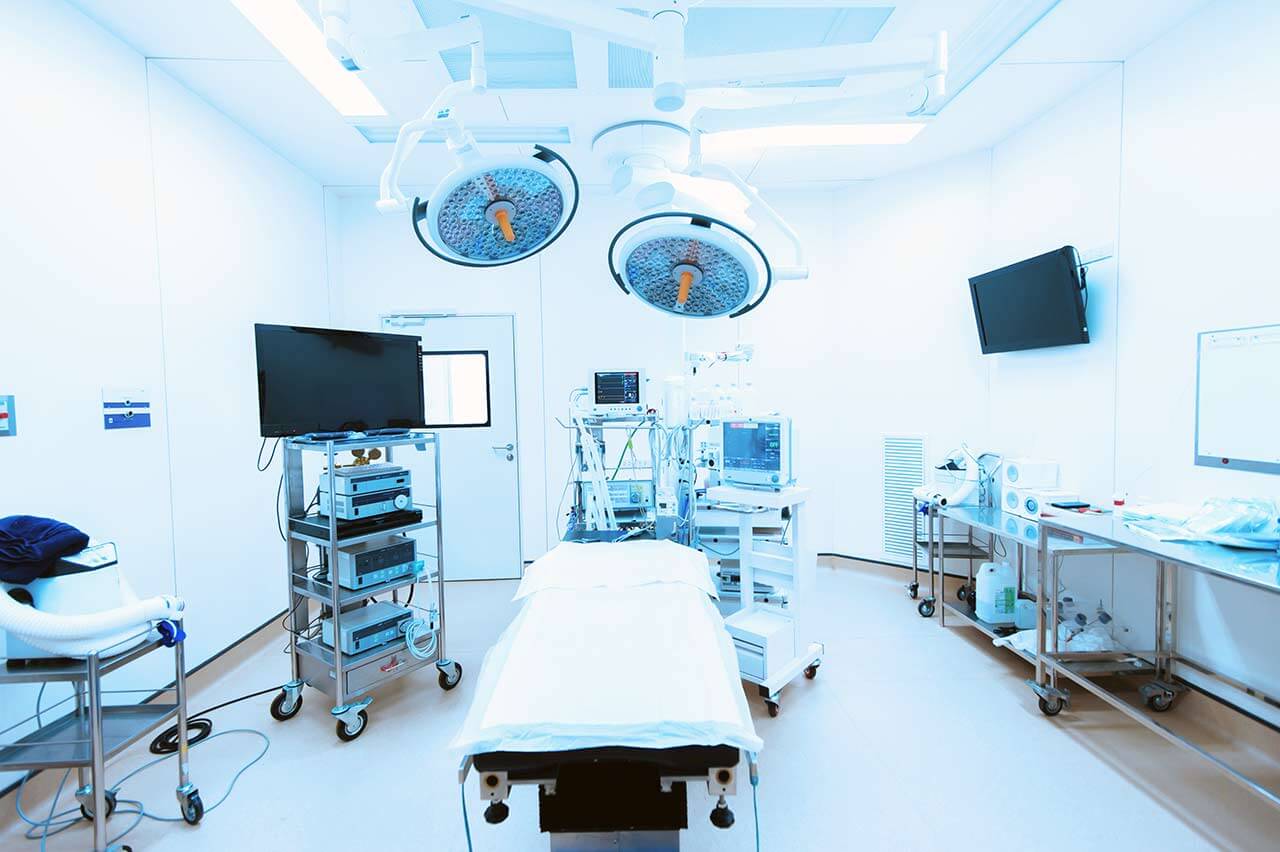
It goes without saying that the administration of the clinic takes full responsibility to update equipment and medical technologies so that patients could make use of them for the benefit of their health. For instance, the operating rooms at the facility correspond to state-of-the-art requirements of European medicine, which makes it possible to perform most surgical interventions using sparing techniques. Laser surgery, video-assisted thoracoscopic surgery, arthroscopy, as well as endovascular and hybrid surgical techniques are routine practices here.
Although the clinic offers high-tech infrastructure, it also strives to create an atmosphere of understanding, sympathy, and respect for the patient, which in many cases may be as important as high-quality medical care itself. Both physicians and nursing staff tend to demonstrate a humane attitude towards patients and take care of their comfort throughout the entire period of treatment. Doctors take time to talk with each patient personally, ensuring that all their individual needs and wishes are met during the therapeutic process.
Photo: (с) depositphotos
The patients of the Catholic Clinic Koblenz-Montabaur live in comfortable single and double rooms with light colors and modern design. Each patient room has an ensuite bathroom with a shower and a toilet. The furnishings of a standard patient room include an automatically adjustable bed, a bedside table, a wardrobe, a table and chairs for receiving visitors, and a TV. The telephone is provided for a fee. Wi-Fi is available upon request.
The clinic also offers enhanced comfort rooms corresponding to the level of a five-star hotel. These patient rooms are more spacious and have a sophisticated design. The bathroom of the enhanced comfort rooms has a set of toiletries, changeable towels, and a bathrobe.
The patient and the accompanying person can choose meals from three menus daily. If, for some reason, you do not eat all the foods, you will be offered an individual menu. Please inform the nursing staff of your dietary preferences prior to treatment.
Patients living in enhanced comfort rooms are additionally offered free soft drinks, coffee, tea, desserts, and fresh fruits.
Standard rooms include:
A Catholic liturgy is held every Sunday morning in the church at the clinic. The divine liturgy is also broadcast on the clinic's internal TV channel.
Your accompanying person may stay with you in your patient room or at the hotel of your choice during the inpatient program.
You may stay at the hotel of your choice during the outpatient program. Our managers will support you for selecting the best option.