Surgical treatment of kidney cancer with nephrectomy and ureterectomy in Catholic Clinic Koblenz-Montabaur
Catholic Clinic Koblenz-Montabaur
Koblenz, Germany




 BookingHealth Price from:
The Department of Adult and Pediatric Urology, Andrology at the Catholic Clinic Koblenz-Montabaur provides top-class medical services to patients with diseases of the kidneys, bladder, urinary tract, and male genital organs. The department's team of doctors treats patients of all age groups, including children and adolescents. The specialists provide effective treatment of the full range of urologic diseases, ranging from inflammatory processes, functional disorders, and malformations to cancer. Of particular interest are surgical interventions for benign and malignant kidney, bladder, and prostate tumors, urinary incontinence, and congenital malformations of the genitourinary system in boys. Most surgical procedures are performed using minimally invasive techniques, which contributes to the rapid recovery of patients in the postoperative period. In addition, many surgical interventions are performed on an outpatient basis without mandatory hospitalization. The department also admits men with andrological diseases, among which the most common are erectile dysfunction and infertility. 20 beds are available for patient hospitalization. The department has created optimal conditions for providing high-quality medical care in a comfortable environment. The Head Physician of the department is Dr. med. Constantin Charvalakis.
One of the primary areas of work for the department's urologists is the treatment of prostate cancer, which is one of the most common types of cancer in men. At the diagnostic stage, a patient with suspected prostate cancer is prescribed a set of procedures, such as a digital rectal examination, a prostate-specific antigen (PSA) test, a transrectal ultrasound scan of the prostate, a biopsy, and CT and MRI scans. If the diagnostic results confirm prostate cancer, the department's doctors will immediately begin to develop an optimal treatment regimen. The treatment tactics depend on the stage of the oncological process, so the lower the stage of the pathology, the more sparing the treatment will be. In the early stages of prostate cancer, the tumor does not spread beyond the capsule of the organ and does not have metastases, so a radical prostatectomy is the gold standard of treatment. The department's specialists usually perform it with the help of low-traumatic surgical techniques. During the surgical procedure, the tumor and the affected lymph nodes are removed, while surgeons almost always manage to maintain erectile function and control of urination. In addition to surgery, patients with prostate cancer are also prescribed systemic treatments such as chemotherapy, hormone therapy, immunotherapy, and targeted therapy. With appropriate clinical indications, the patient may also be indicated for radiation therapy: external beam or contact (brachytherapy).
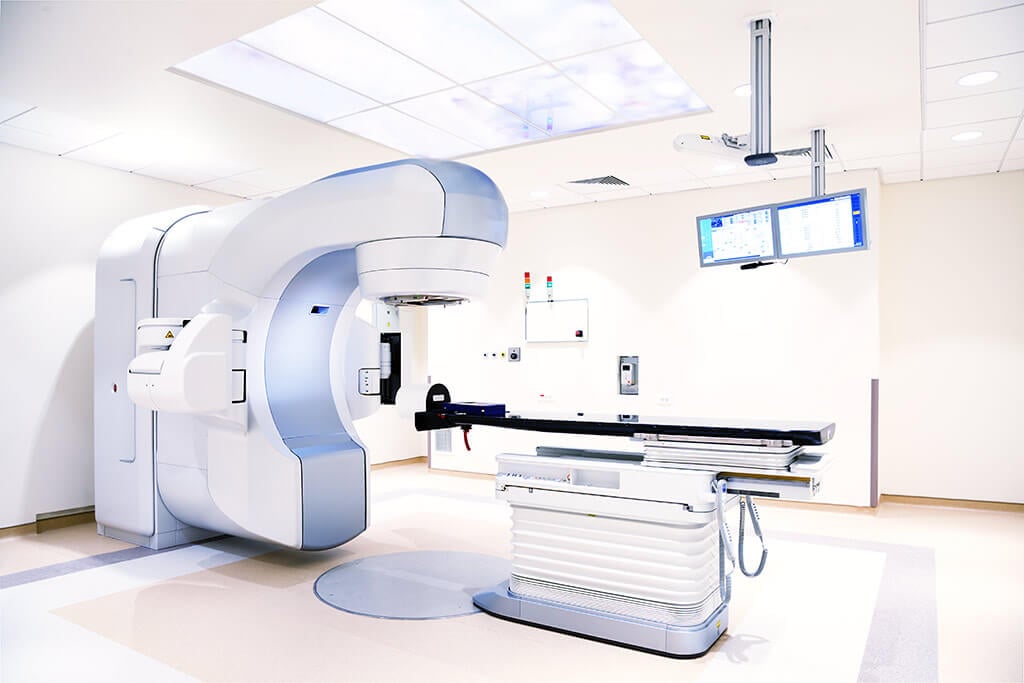
The department also provides comprehensive treatment for kidney cancer. The diagnostic protocol for suspected kidney cancer includes laboratory blood and urine tests, ultrasound scans, X-ray or computed tomography scans, and a biopsy followed by a histological examination. It is important for the department's urologists to determine the size of the tumor and find out whether the malignant neoplasm spreads beyond the kidney to develop an optimal treatment regimen, so advanced laboratory diagnostics, abdominal and pelvic ultrasound scans, and CT scans of the chest and brain may be additionally required. With comprehensive diagnostic data in hand, doctors begin treatment. The first-line treatment is usually surgery, whose extent depends on the stage of the kidney cancer. Whenever possible, preference is given to organ preservation surgery, during which only the tumor is removed. In complex cases, the department's surgeons perform a radical nephrectomy, which is total kidney removal with adjacent lymph nodes and tissue. The operation is complemented by an individually developed conservative treatment regimen, which may include chemotherapy, radiation therapy, immunotherapy, targeted therapy, etc.
The department successfully treats benign urologic diseases. Patients with kidney stone disease often seek help at the medical facility. The formation of large stones in the organs of the urinary system causes severe symptoms, such as renal colic, pain during urination, difficulty urinating, nausea and vomiting, chills, weakness, fatigue, etc. The department uses a modern method of extracorporeal shock wave lithotripsy (ESWL) to treat urolithiasis. The procedure is non-invasive and takes about 40 minutes. During ESWL, no tissue incisions are made, the risks of bleeding are maximally excluded, and there is practically no pain syndrome. Sedation is used for the procedure, so general anesthesia is not required. Before performing extracorporeal shock wave lithotripsy, the patient assumes a prone position, after which the doctor determines the exact location of the calculus using ultrasound or X-ray scanning. Then, using a device that generates waves of the desired frequency, length, and intensity, doctors crush the stones into small fragments. The fragments of the calculus are excreted from the body in urine. Whenever required, the patient can undergo several sessions of ESWL.
The treatment of urologic diseases in children is of particular importance in the department's clinical practice. The key areas of specialization for pediatric urologists include the treatment of kidney tumors, vesicoureteral reflux, cryptorchidism (undescended testicles), enuresis, phimosis, varicocele, and other diseases. Vesicoureteral reflux is one of the most common forms of urodynamic disorders in childhood. With this disease, the child has retrograde reflux of urine from the bladder back into the ureter. Due to this pathology, children have an increased risk of developing kidney dysfunction, urinary tract infections, and chronic pyelonephritis. Treatment for vesicoureteral reflux depends on whether it is primary or secondary. In the secondary form, therapeutic measures are aimed at eliminating the underlying disease that provoked the development of vesicoureteral reflux, for example, cystitis or bladder dysfunction. If the diagnosis of primary vesicoureteral reflux is confirmed in a child, an endoscopic surgical intervention will be indicated for him. Endoscopic surgical techniques are less traumatic and safer, so children tolerate such operations well.
The department also offers the services of andrology specialists. They mostly treat erectile dysfunction and male infertility. Erectile dysfunction is the inability to achieve or maintain an erection sufficient for sexual intercourse. In most cases, erectile dysfunction develops due to psychological disorders (depression or stress), vascular pathologies, or hormonal imbalances. To develop an optimal treatment regimen, the patient undergoes comprehensive diagnostics, including laboratory blood and urine tests, infection tests, Doppler ultrasound of penile blood vessels, ultrasound scanning of the abdominal cavity and prostate, and neurological diagnostics. Based on the diagnostic results, an individual treatment regimen is developed. The department's specialists often prescribe only drug therapy, psychotherapy, vacuum therapy, massage, and physiotherapeutic procedures. The last-line treatment, which is carried out in complex cases of erectile dysfunction, is a surgical intervention. This may be penile vein ligation or penile implant surgery.
The main areas of the department's clinical activity include:
Photo of the doctor: (c) Katholisches Klinikum Koblenz - Montabaur
The Catholic Clinic Koblenz-Montabaur enjoys a status of an advanced health facility widely known both in Germany and overseas. It is an academic teaching clinic of the University Hospital Mainz – this very fact opens up the opportunity for patients to gain a unique advantage of getting scientific advances coupled with innovative treatments under one roof from expertly trained and highly experienced medical specialists. The clinic has the broadest spectrum of services and a wealth of resources to provide effective medical care to individuals with both common and extremely complicated or rare cases. The Catholic Clinic Koblenz-Montabaur is proud to be certified under DIN EN ISO 9001:2015, which confirms the high quality of medical services provided and patient-centered care.
The clinic runs 20 departments with 17 expert-level centers incorporated into them. A total of 687 beds are available here to accommodate patients for their in-hospital treatment. The clinic is happy to warmly welcome more than 32,000 inpatients and about 150,000 outpatients every year, offering them top-tier medical services in line with the highest international clinical standards.
The clinic represents a variety of directions of contemporary medicine, among which one can find general and abdominal surgery, bariatric surgery, vascular surgery, thoracic surgery, cardiology, pulmonology, gynecology, urology, neurology, orthopedics, traumatology, radiology, nuclear medicine, and some others. Each of the clinical specialties is available through a highly competent team of doctors and nursing staff with a rich background of experience. Everyone from the medical team does their best to restore the patient's health and contribute to his wellbeing. It is noteworthy that one of the main principles of the clinic's activities is interdisciplinary cooperation, especially when it comes to solving extremely complex health problems – this approach proved to be the most reliable and efficient.
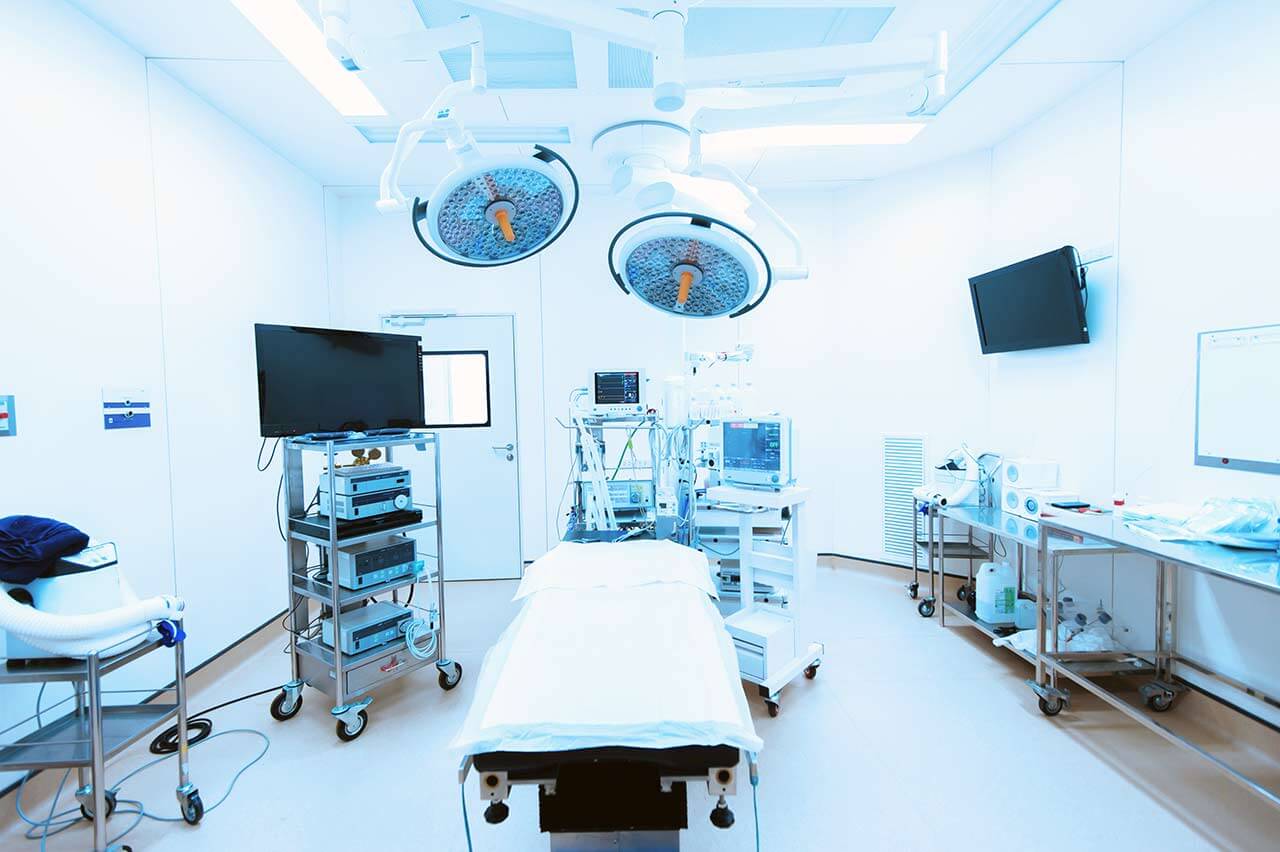
It goes without saying that the administration of the clinic takes full responsibility to update equipment and medical technologies so that patients could make use of them for the benefit of their health. For instance, the operating rooms at the facility correspond to state-of-the-art requirements of European medicine, which makes it possible to perform most surgical interventions using sparing techniques. Laser surgery, video-assisted thoracoscopic surgery, arthroscopy, as well as endovascular and hybrid surgical techniques are routine practices here.
Although the clinic offers high-tech infrastructure, it also strives to create an atmosphere of understanding, sympathy, and respect for the patient, which in many cases may be as important as high-quality medical care itself. Both physicians and nursing staff tend to demonstrate a humane attitude towards patients and take care of their comfort throughout the entire period of treatment. Doctors take time to talk with each patient personally, ensuring that all their individual needs and wishes are met during the therapeutic process.
Photo: (с) depositphotos
The patients of the Catholic Clinic Koblenz-Montabaur live in comfortable single and double rooms with light colors and modern design. Each patient room has an ensuite bathroom with a shower and a toilet. The furnishings of a standard patient room include an automatically adjustable bed, a bedside table, a wardrobe, a table and chairs for receiving visitors, and a TV. The telephone is provided for a fee. Wi-Fi is available upon request.
The clinic also offers enhanced comfort rooms corresponding to the level of a five-star hotel. These patient rooms are more spacious and have a sophisticated design. The bathroom of the enhanced comfort rooms has a set of toiletries, changeable towels, and a bathrobe.
The patient and the accompanying person can choose meals from three menus daily. If, for some reason, you do not eat all the foods, you will be offered an individual menu. Please inform the nursing staff of your dietary preferences prior to treatment.
Patients living in enhanced comfort rooms are additionally offered free soft drinks, coffee, tea, desserts, and fresh fruits.
Standard rooms include:
A Catholic liturgy is held every Sunday morning in the church at the clinic. The divine liturgy is also broadcast on the clinic's internal TV channel.
Your accompanying person may stay with you in your patient room or at the hotel of your choice during the inpatient program.
You may stay at the hotel of your choice during the outpatient program. Our managers will support you for selecting the best option.