Charite Comprehensive Cancer Center - Charite University Hospital Berlin
Charite University Hospital Berlin
Berlin, Germany

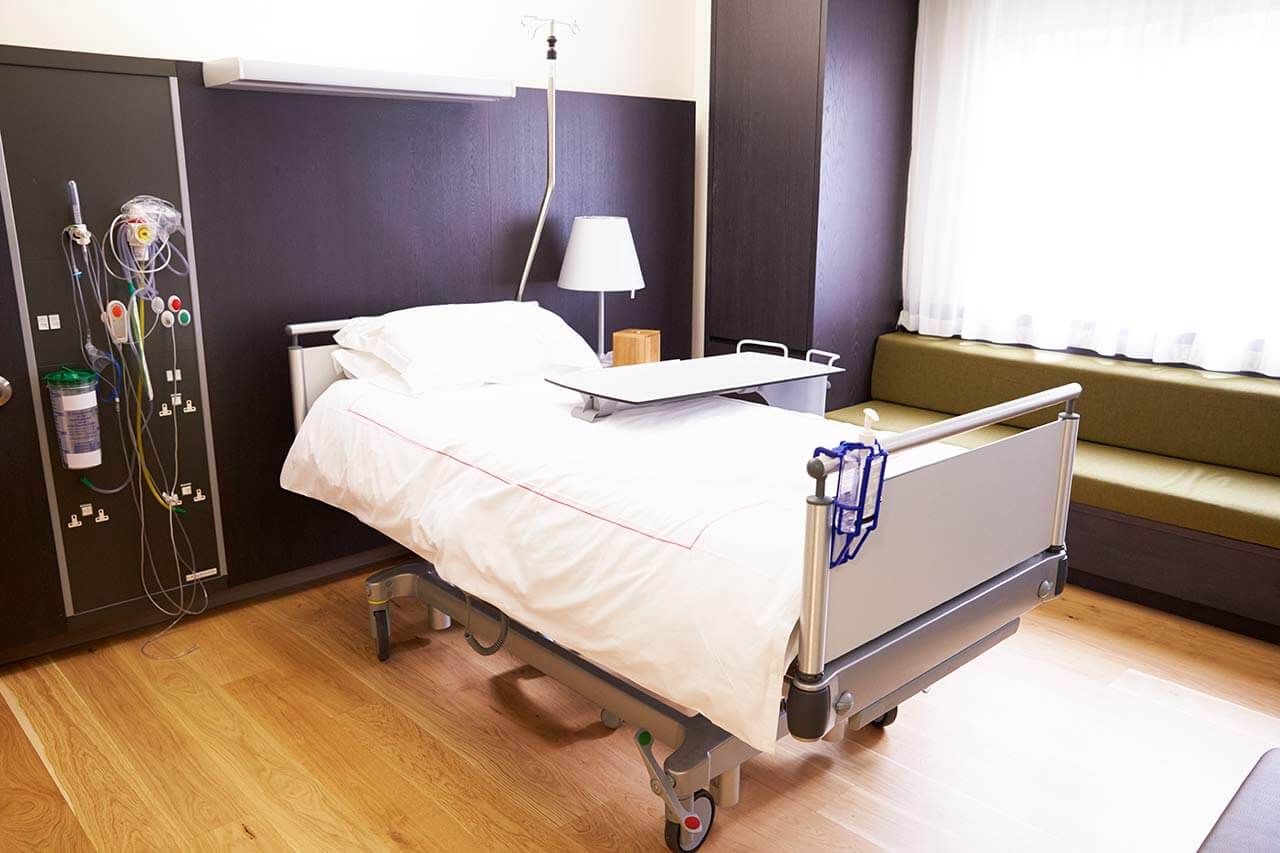
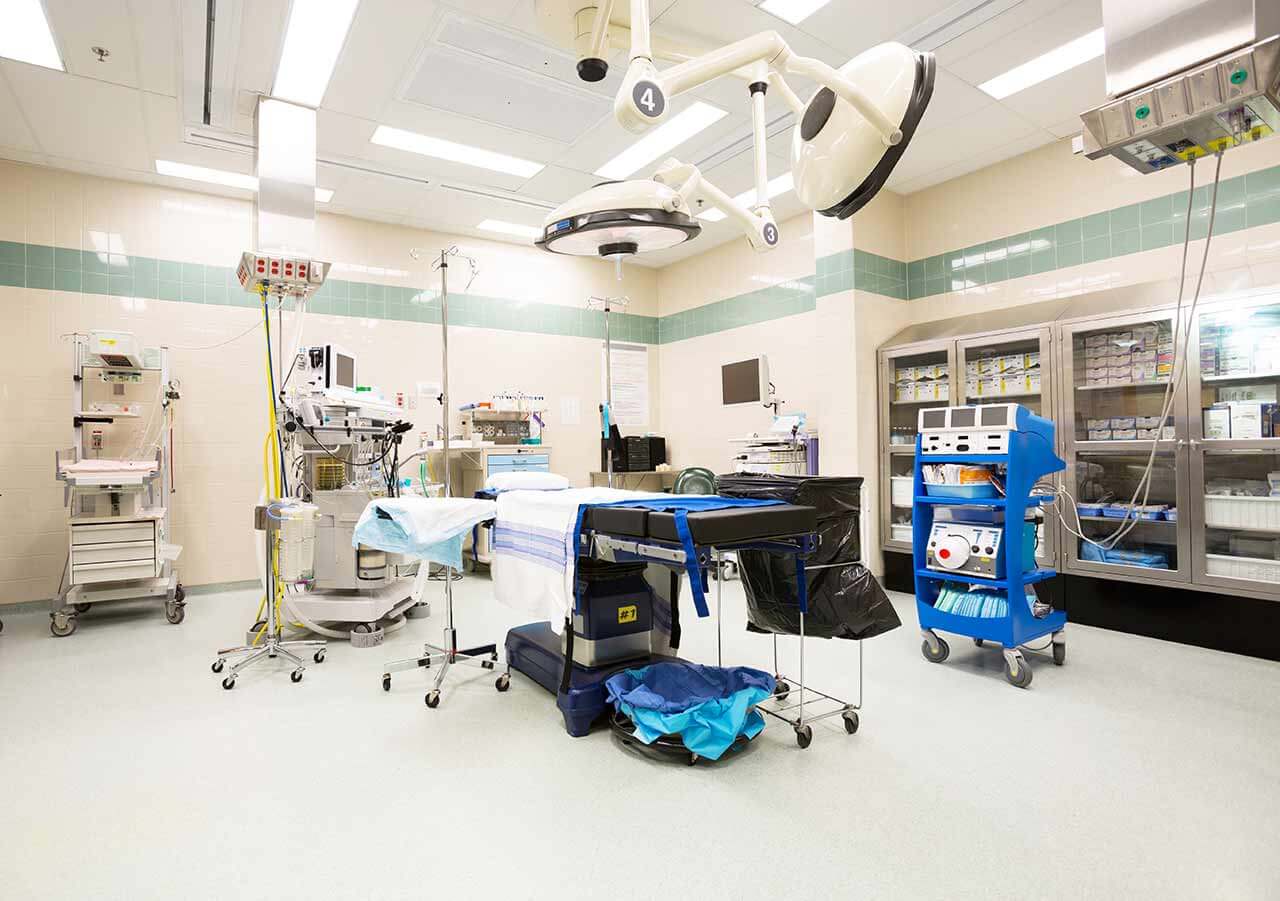

The Charite Comprehensive Cancer Center is Germany’s largest and most distinguished cancer center with outstanding results in the treatment of all types of malignancies, including rare and advanced cancers. Founded in 2008, the Charite Comprehensive Cancer Center has held the status of the largest oncology clinic in Europe, certified by the German Cancer Society (DKG). The medical complex unites 21 highly specialized centers, each represented by a team of competent specialists. With an annual number of cancer patients exceeding 15,000, this center shows the wealth of experience and unique expertise in oncology. The medical team at the Charite Comprehensive Cancer Center takes a personal approach to its daily activities, aiming to meet each patient's needs and wishes through elaborating an individual treatment plan within regular tumor boards. At the Charite Comprehensive Cancer Center, successful clinical practice goes hand in hand with extensive research work. With more than 300 research projects conducted each year, new effective treatment methods are introduced into clinical practice worldwide, giving many patients new hope. The Charite Comprehensive Cancer Center is a world-renowned facility that provides high-quality treatment for complex cases to patients from Germany and many other countries. Armed with advanced resources, the centre employs proven classical and innovative therapeutic approaches to benefit patients, achieving results in challenging cases that most other clinics would give up on without trying. The Head Physician of the center is Prof. Dr. med. Dominik Paul Modest.
Personalization plays a key role among the fundamental principles of medical care at the centre. When developing a cancer treatment plan, doctors consider all the specifics of the clinical case to select the most effective combination of therapeutic modalities. A particularly significant part in this process is played by tumor molecular profiling – a highly accurate laboratory diagnostic method designed to obtain the most detailed data on a malignancy to select the best possible drugs with due consideration of the patient's tumor biology. The results of these tests are of special value for an interdisciplinary tumor board, which decides on the optimal treatment strategy for a cancer patient.
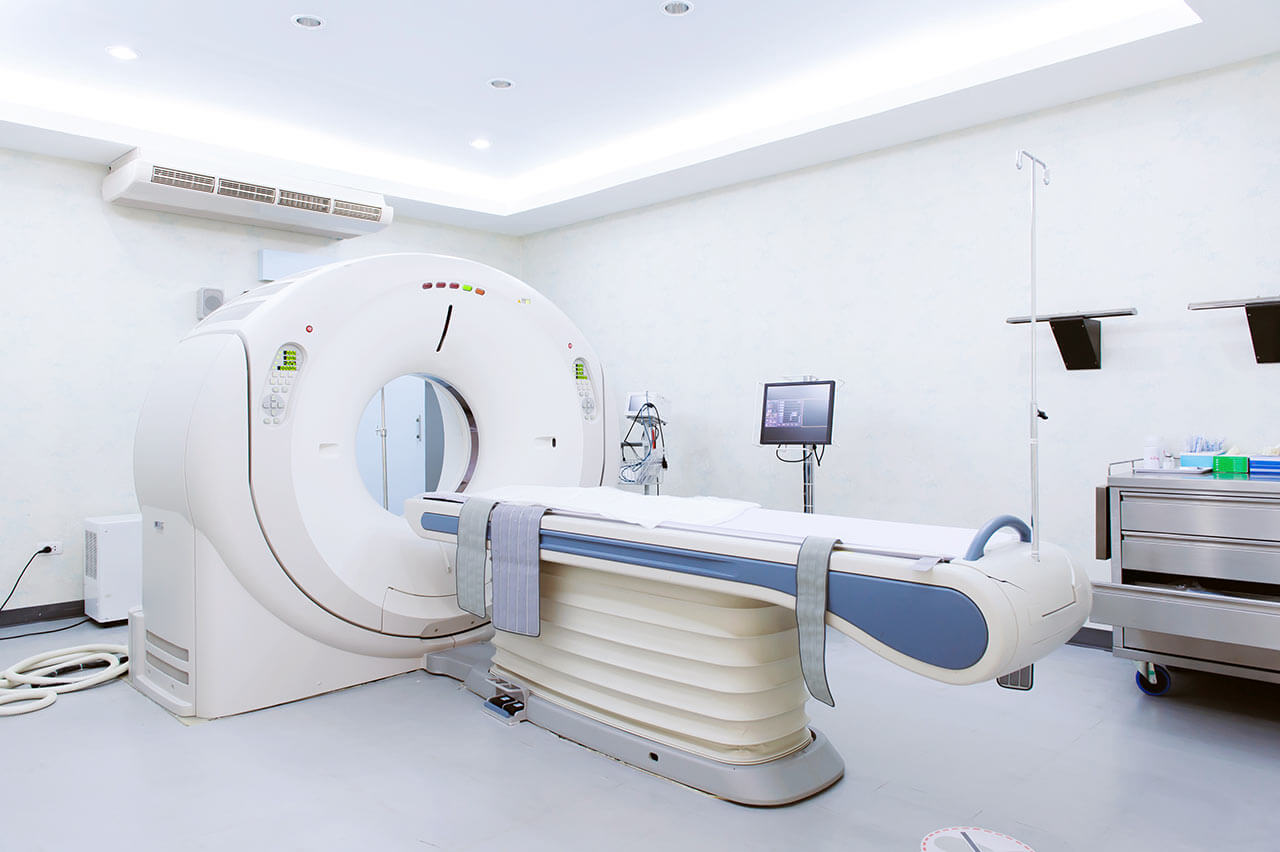
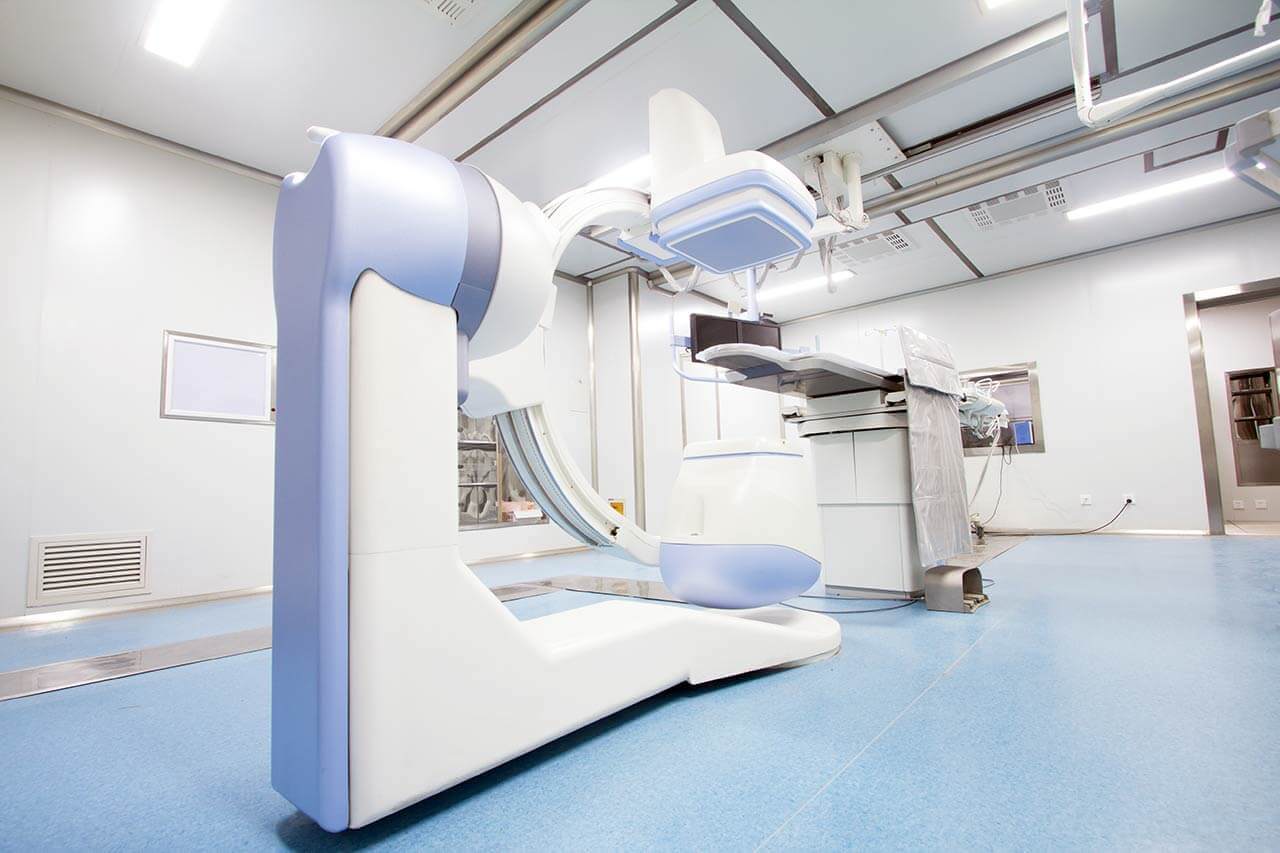
The Charite Comprehensive Cancer Centre is distinguished by its state-of-the-art instrumental diagnostic capabilities, which ensure examinations are both comfortable and informative. The center works in close partnership with the Departments of Radiology and Nuclear Medicine, having at their command high-precision devices for performing imaging tests and radioisotope diagnostics: all advanced types of CT, MRI, PET/CT, PET/MRI, and SPECT/CT. The leading specialists of the centre offer their second opinions – it is a critical point when it comes to doubts about the correctness of the prescribed course of treatment. This is particularly the case at the advanced stages of cancer that require prompt action, as any delay may cost the patient their life.
The goal of the Charite Comprehensive Cancer Center is not only to treat the disease, but to focus on the individual as a whole. Therefore, medical treatment is accompanied by psycho-oncology care provided by experienced professionals in accordance with the requirements of the German Cancer Society (DKG). It is essential to understand that psycho-oncology care is an integral part of the therapeutic process for cancer patients whose diagnosis usually becomes a huge emotional shock for them on top of broken physical health. Most people with cancer cannot cope with this emotional distress on their own and need expert help from experienced psychologists. The medical team at the center gives considerable attention to this aspect of treatment because they believe that the patient's mental and emotional state is of significant importance in the successful fight against cancer. Emotional support helps patients cope better with treatment and improves their quality of life.
The team of medical specialists at the Charite Comprehensive Cancer Center working for the benefit of their patients deals with various types of malignancies every day. The primary focus for them is the treatment of advanced and metastatic cancers, associated with numerous clinical challenges. The services of the center's medical team are in high demand among patients suffering from prostate cancer, breast cancer, uterine cancer, ovarian cancer, colon cancer, liver cancer, stomach cancer, lung cancer, head and neck tumors, bone and soft tissue sarcomas, neuroendocrine tumors, leukemias, and lymphomas. The facility also boasts its expert experience in treating cancer in young patients, which requires special professional knowledge and competencies. The most commonly treated malignant diseases in young individuals include sarcomas, leukemias, brain tumors, and neuroblastomas. The Charite Comprehensive Cancer Center consistently achieves exceptional patient satisfaction rates and successful treatment outcomes, which is why people from all over the world come here to take advantage of advanced medical approaches and increase their chances of overcoming their severe disease.
The center applies all currently available standard and cutting-edge treatment modalities for oncological diseases in its daily practice. The spectrum of therapeutic options ranges from classical chemotherapy and surgery to minimally traumatic robotic and radiosurgical interventions, image-guided local therapeutic procedures (such as transarterial chemoembolization or radiofrequency ablation), highly precise forms of radiation therapy, and innovative immunotherapy approaches. Combined with excellent technical resources, the enormous clinical experience of the center's doctors and the interdisciplinary cooperation of specialists form a solid basis for high-quality, highly effective medical care in oncology. For many years, the Charite Comprehensive Cancer Center has been one of the leading oncology centers internationally – a position it continues to hold to this day.
The main clinical focuses of the center are as follows:
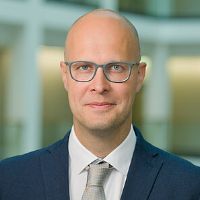
On October 1, 2025, Prof. Dr. med. Dominik Paul Modest took over as Head Physician of the Charite Comprehensive Cancer Center at the Charite University Hospital Berlin.
He studied medicine at the Free University of Berlin. In 2009, he obtained his doctoral degree at the Charite Comprehensive Cancer Center with a thesis on human liver cells. The next level was board certification in Internal Medicine, Hematology and Oncology. In 2015, Prof. Dominik Modest completed his habilitation at Ludwig Maximilian University of Munich, after which in 2019 he returned to Berlin and took the post of Senior Physician in the Department of Hematology, Oncology and Cancer Immunology at the Charite Comprehensive Cancer Center. In 2020, he was appointed Professor of Clinical and Translational Gastrointestinal Oncology. The scientific and clinical focus of Prof. Dominik Modest lies in the treatment of gastrointestinal tumors, particularly colorectal malignancies.
Prof. Dominik Paul Modest runs several national and international research activities, with the most prominent among them being the FIRE-8, FIRE-9/PORT, FIRE-10/PROTECTOR, and FIRE-12 trials. The specialist is also an active member of many professional medical organizations: the German Cancer Society (DKG) and its Working Group for Medical Oncology (AIO), the German Society of Hematology and Medical Oncology (DGHO), the European Society for Medical Oncology (ESMO), and the European Organisation for Research and Treatment of Cancer (EORTC).
Prof. Modest has contributed to numerous publications on the topic of lower gastrointestinal cancers and is a recognized expert in the field. The doctor also takes pride in his numerous awards, including the Young Investigator Award from the German Society of Hematology and Medical Oncology in 2011, the Merit Award from the American Society of Clinical Oncology in 2016, the Curt Meyer Memorial Prize from the Berlin Cancer Society in 2020, and the Science Award from the Working Group for Internal Oncology in 2019.
Photo of the doctor: (c) Charité – Universitätsmedizin Berlin