Diagnostic tests for thoracic aortic aneurysm in Charite University Hospital Berlin
Charite University Hospital Berlin
Berlin, Germany


 BookingHealth Price from:
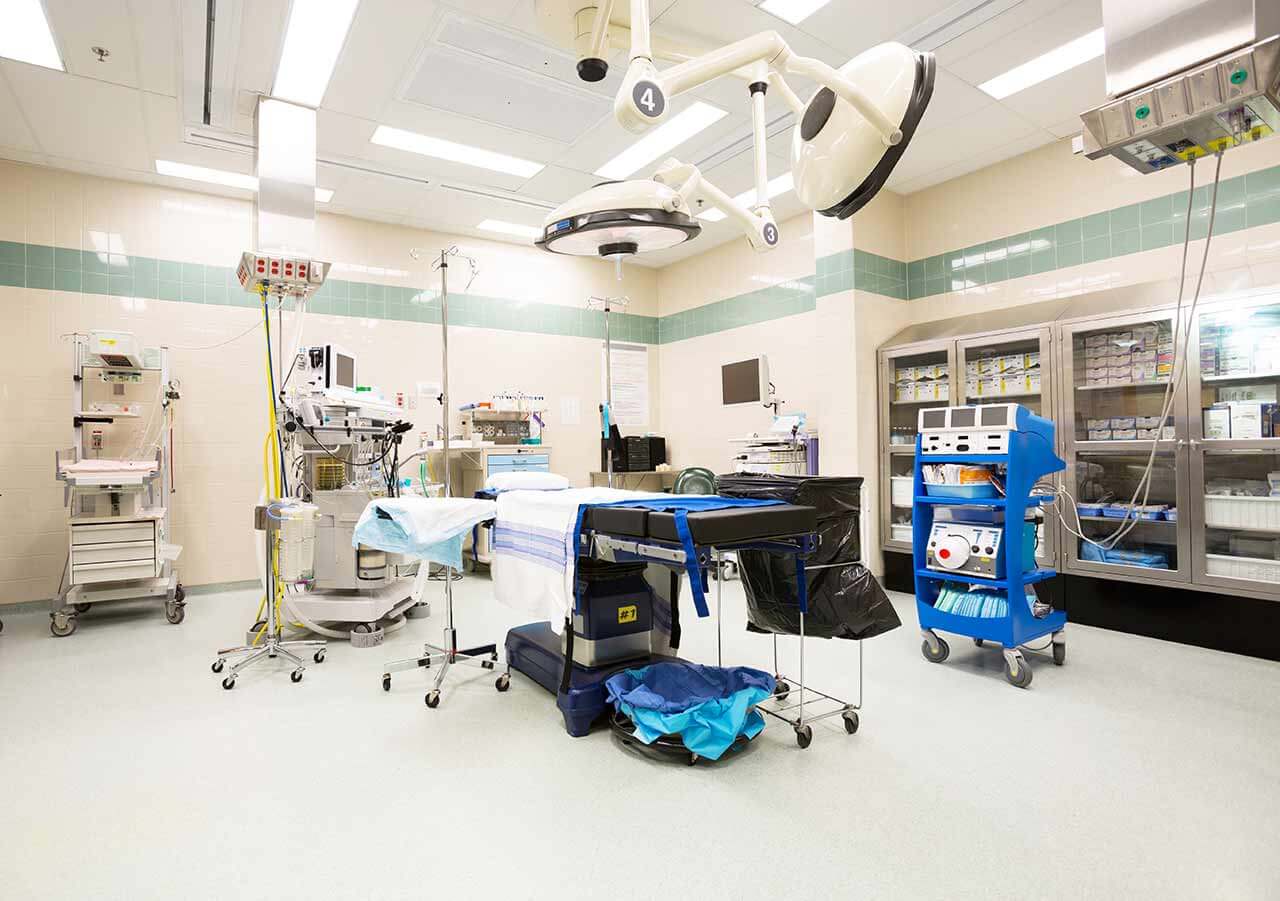
The Department of Vascular Surgery at the Charite University Hospital Berlin offers the full range of medical services in its area of specialization. The department excels in open surgery and endovascular interventions for pathologies of the arteries, veins, and lymphatic vessels. The central place in the department's clinical practice is given to the treatment of abdominal and thoracic aortic aneurysms, peripheral arterial occlusive disease of the lower extremities, carotid artery stenosis, deep vein thrombosis, and varicose veins. Whenever possible, the vascular surgeons of the medical facility give preference to minimally invasive techniques, which reduce blood loss, are less traumatic, and significantly shorten and simplify the postoperative recovery process. The department performs over 3,500 surgical procedures each year, most of which are technically complex. The operating rooms are equipped with advanced surgical equipment and high-precision systems for image guidance during endovascular interventions. The department's team of surgeons is guided by current clinical protocols and the standards of the German Society for Vascular Surgery (DGG). The Head Physician of the department is Prof. Dr. med. Andreas Greiner.
One of the main specialties of the medical facility is the surgical treatment of thoracic and abdominal aortic aneurysms. An aneurysm is a pathological enlargement of an arterial segment due to stretching and thinning of its walls. The diagnosis is made when the diameter of the aorta increases by 2 or more times. The most dangerous consequence of the pathology is the rupture of the aneurysm, which may cause a life-threatening internal bleeding. The specialists of the department mainly treat abdominal aortic aneurysms. The healthcare facility offers both minimally invasive removal of an abdominal aortic aneurysm with subsequent placement of a stent graft (a special prosthesis), and open surgery. Minimally invasive surgery is performed whenever possible, but open surgery also provides excellent results with a high safety profile. Thanks to many years of clinical experience in aneurysm treatment, operations with the placement of a custom-made stent graft for complex abdominal aortic aneurysms are successfully performed here. Prior to surgery, patients undergo a comprehensive diagnostic evaluation, the results of which are used to determine the optimal surgical treatment for each individual patient.
The department's team of vascular surgeons is highly qualified in the treatment of peripheral arterial disease, which causes thrombosis or narrowing of the arteries of the lower (sometimes upper) extremities due to the formation of atherosclerotic deposits on their walls. The most common symptom of peripheral arterial occlusive disease is intermittent claudication: pain and spasms in the leg muscles, usually when walking, but in the advanced stages also at rest. Several approaches have been developed to treat the pathology: drug therapy combined with specific sets of physical exercises, percutaneous transluminal angioplasty with or without stenting, and shunting with classical open techniques, which is the last treatment option used only in complex clinical cases. In some situations, the department's surgeons also perform hybrid procedures, which combine minimally invasive and open surgical techniques.
Patients with varicose veins often seek medical help from the department. Varicose veins are usually asymptomatic, but in the advanced stages of the pathology there is a feeling of pressure and pain in the legs. In addition, varicose veins can be a serious aesthetic problem. To confirm the diagnosis, a clinical examination, ultrasound, and laboratory tests are performed. In the early stages, varicose veins respond well to treatment with compression stockings. As the condition progresses, surgery is often required. The department's specialists offer several surgical treatment options: thermal ablation, mechanochemical endovenous ablation, or classic surgery. Mechanochemical endovenous ablation is one of the most modern and minimally traumatic methods of endovascular treatment of varicose veins. The essence of the procedure is a mechanical effect on the inner wall of the affected vein with a simultaneous administration of a sclerosing agent.
The department's medical services include the following:
Higher Education
Professional Career
Clinical Interests
Memberships in Professional Societies and Organizations
Photo of the doctor: (c) Charité – Universitätsmedizin Berlin
According to the reputable Focus magazine, the Charite University Hospital Berlin has been ranked the best healthcare facility in Germany for the 14th consecutive time, surpassing more than 14,000 specialized hospitals considered to be among the top ones in the country!
The hospital boasts its reputation as one of the largest and most distinguished medical complexes on the European landscape, and it also successfully competes with the best facilities worldwide. The Charite offers a unique blend of state-of-the-art medicine, pioneering medical research and caring patient-oriented care – all of these contributing to its exceptional, highly rated status. This hospital operates within the Faculty of Medicine of the Free University of Berlin and the Humboldt University of Berlin – a very significant fact that designates access to cutting-edge medical innovations and the latest scientific discoveries. Here patients benefit from the full range of advanced diagnostic and treatment methods, with many of them developed by prominent professors and scientists working at the Charite.
It is worth noting that the Charite University Hospital Berlin is a one-of-a-kind facility where more than half of all German Nobel Prize winners in medicine and physiology studied and worked, including world-famous physicians such as Emil von Behring, Robert Koch, and Paul Ehrlich.
The hospital covers all currently available medical fields, with over 100 highly specialized departments and institutes working for the benefit of patients. It is worth emphasizing that the Charite University Hospital Berlin offers unparalleled experience in the treatment of rare conditions and extremely complex clinical cases, which is a big challenge for common practices.
The healthcare complex has 3,293 beds for providing inpatient care and employs a huge medical team, consisting of 25,256 staff members, among which 5,882 researchers and physicians, 344 professors, and 7,098 nurses. The Charite annually deals with 853,377 outpatient cases and also treats over 147,997 inpatients, indicating a wealth of medical expertise and experience. The primary responsibility and value of all medical facility specialists is recovery of the patient's health, while in critical medical conditions they make every effort to save a person's life. One very important thing to add to all of the above is that the hospital has a patient-friendly environment, where everyone enjoys thorough care combined with human attitude and understanding of personal needs.
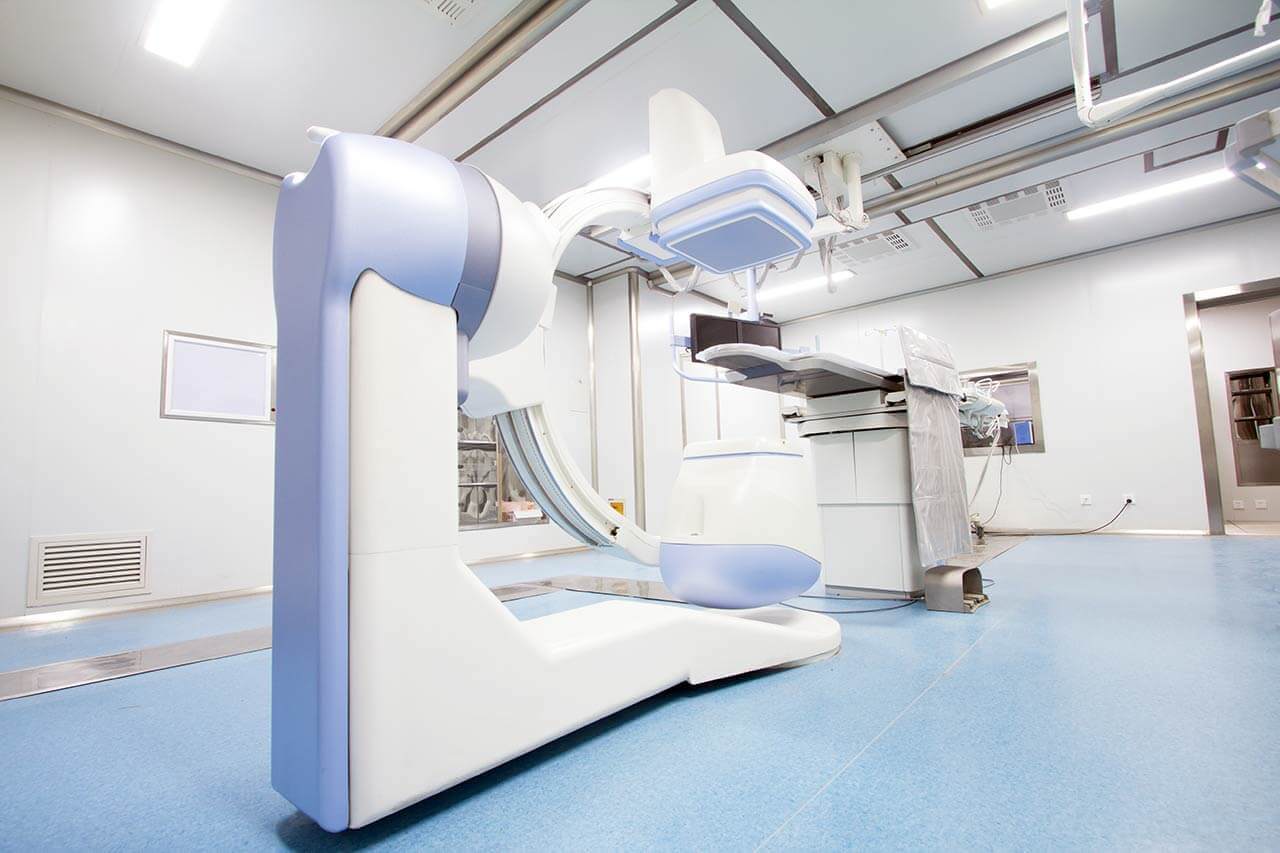
The Charite University Hospital Berlin receives extensive funding from the German government, which, in turn, enables it to provide patients with the latest generation of equipment and extremely comfortable infrastructure. The health facility has at its disposal the da Vinci robotic surgery systems, advanced laser technologies, new devices for endovascular catheter-based procedures, neuronavigation and intraoperative monitoring systems, equipment for the latest types of radiation therapy, and tools for proton therapy offered only in the most progressive medical centers worldwide – and this is just a little part of technologies available here. Cutting-edge medical facilities coupled with the profound experience and expert skills of the hospital's medical specialists lay a solid basis for ensuring the most effective and safe treatment in line with the internationally recognized clinical standards.
The hospital has a variety of quality certifications, denoting its exceptional medical services. Among the most highly appreciated are DIN EN ISO 9001:2015, as well as certificates from the German Cancer Society (DKG), the German Society for General and Visceral Surgery (DGAV), the German Society for Thoracic Surgery (DGT), the German Hernia Society (DHG), the ERAS Society and others. One more remarkable achievement for the Charite is to be among the TOP 10 hospitals in the prestigious Newsweek ranking.
The Charite University Hospital Berlin is an outstanding example of top-tier medical care and continues to be a key player in the European healthcare arena. Patients opting for this facility can expect the best possible services from experienced medical staff whose main priority is their health and wellbeing.
Photo: (с) depositphotos
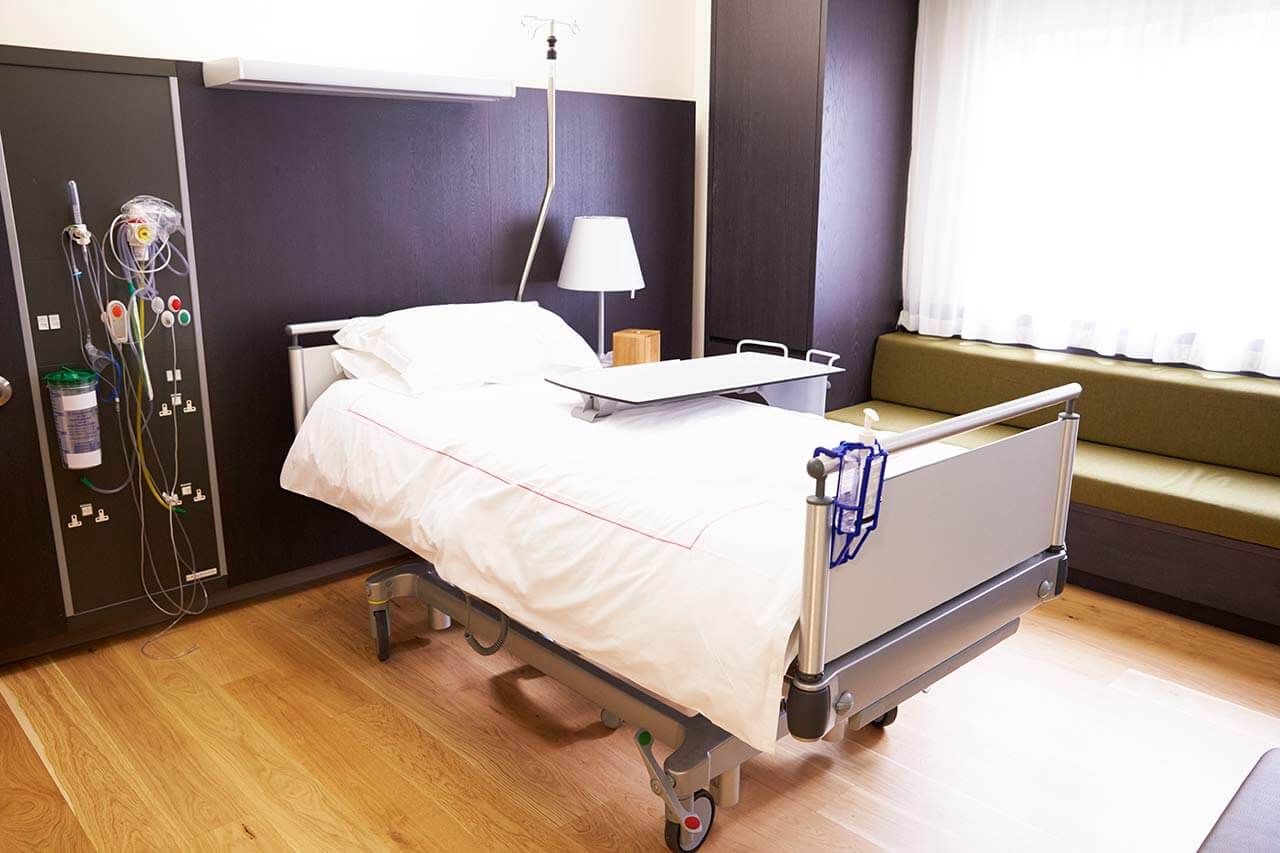
The patients of the Charite University Hospital Berlin live in comfortable rooms made of modern design. Each room is equipped with an ensuite bathroom with a toilet and a shower. The standard room furnishing includes an automatically adjustable bed, a bedside table, a wardrobe for storing clothes, a table and chairs for receiving visitors, and a TV. If desired, Wi-Fi access can be provided. The hospital also offers enhanced-comfort rooms.
The patient and his accompanying person have a daily choice of three menus. If for any reason, you do not like the food, you will be offered an individual menu. Please inform the medical staff about your dietary preferences before the treatment.
Standard rooms include:
Religious services are available upon request.
During the inpatient program, an accompanying person may stay with you in a patient room or at the hotel of your choice.
During the outpatient program, you can live at a hotel of your choice. Managers will help you to choose the most suitable options.
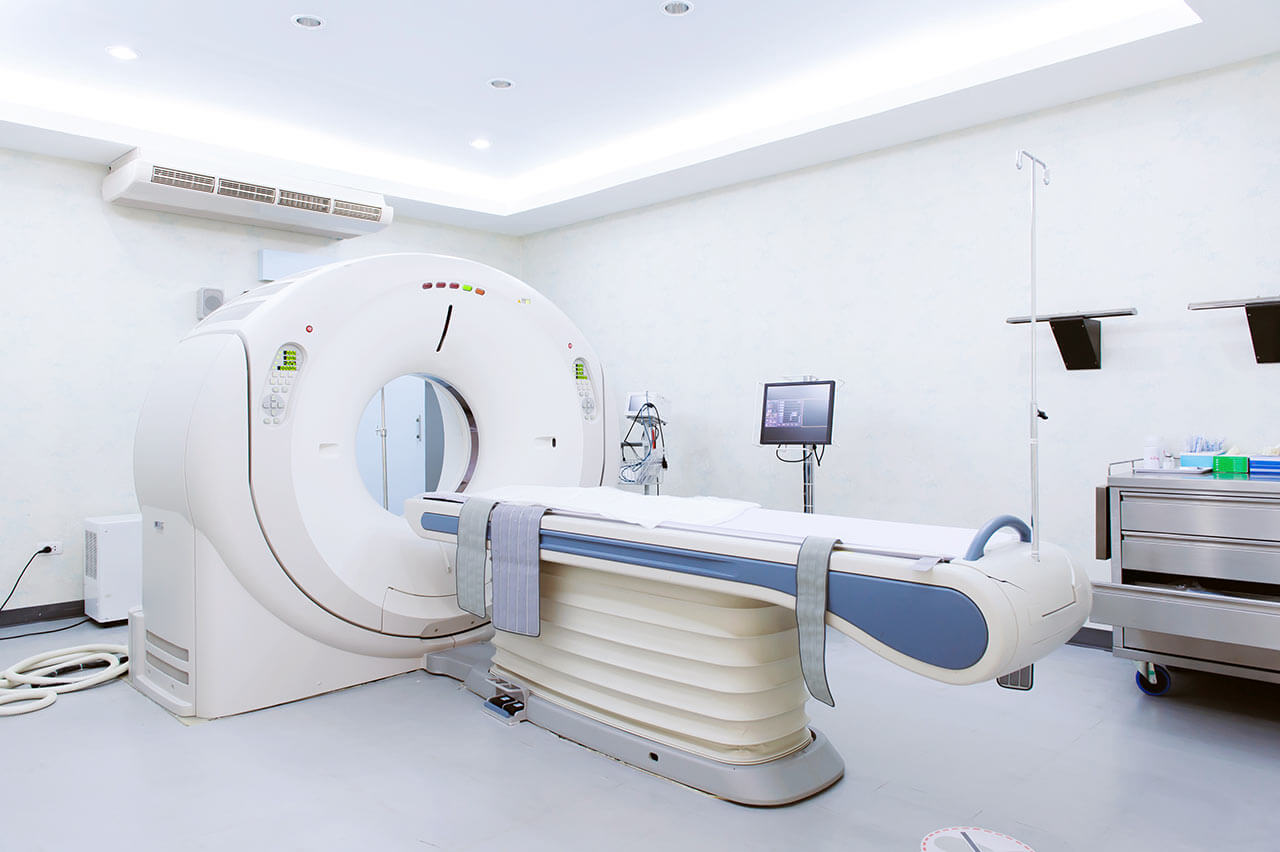
The hospital offers a full range of laboratory tests (general, hormonal, tests for infections, antibodies, tumor markers, etc.), genetic tests, various modifications of ultrasound scans, CT scans, MRI and PET / CT, angiography, myelography, biopsy and other examinations. Treatment with medications, endoscopic and robotic operations, stereotaxic interventions is carried out here, modern types of radiation therapy are also used. The hospital offers patients all the necessary therapeutic techniques.
These are oncological diseases, benign neoplasms of the brain and spinal cord, heart valve defects, diabetes mellitus and its complications, joint diseases and other pathologies.
The medical team includes more than 4,225 highly qualified scientists and doctors.