Diagnostic tests for umbilical hernia in Charite University Hospital Berlin
Charite University Hospital Berlin
Berlin, Germany



 BookingHealth Price from:
According to the Focus magazine, the Department of General and Abdominal Surgery, Hepatopancreatobiliary Surgery, Colorectal Surgery, Hernia Surgery at the Charite University Hospital Berlin is one of the best medical facilities in Germany for the treatment of colon, stomach, esophageal, pancreatic, and liver cancers!
The main specialization is surgical procedures for malignancies in the intestines, stomach, esophagus, liver, pancreas, and rectum. The department also successfully operates on patients with chronic inflammatory bowel disease such as Crohn's disease and ulcerative colitis. The department's therapeutic capabilities are complemented by the treatment of gastroesophageal reflux disease, sigmoid diverticulum, umbilical and inguinal hernias, cholelithiasis, and anorectal disorders. Nearly all surgical procedures are performed using minimally invasive surgical techniques – the department has the status of a Center of Excellence for Minimally Invasive Surgery certified by the German Society for General and Vascular Surgery (DGAV). The medical facility also offers innovative da Vinci robot-assisted surgery. These procedures have become the standard of care for colon cancer, rectal cancer, and colonic diverticulosis. Each clinical case is evaluated individually and the surgical procedure is carefully planned. Surgeries are performed in high-tech operating rooms in compliance with hygiene and safety standards. The department is headed by Prof. Dr. med. Katharina Beyer.
Patients with gastrointestinal cancers, especially primary and metastatic liver lesions, are operated on almost daily in the department. Cancer surgery is part of a multimodal treatment approach, and surgical intervention is often the mainstay of a cancer treatment regimen that is supplemented by systemic therapies and/or irradiation. Treatment tactics are developed in a weekly interdisciplinary tumor board, which allows physicians from related specialties to thoroughly study the characteristics of the clinical case and offer the most effective treatment options. Colon cancer is the most common oncological disease in the practice of the department's surgeons – more than 800 patients with this diagnosis are operated on here every year. The department's specialists actively practice minimally invasive and robotic surgery for the treatment of colorectal cancer. These operations are not inferior to classical surgery in terms of effectiveness, but at the same time they allow for maintaining a high quality of life in the postoperative period. Thanks to miniature incisions, the surgical risks are reduced, significant blood loss is eliminated, the patient does not suffer pain, and the hospital stay is significantly shortened. When clinically indicated, the department's surgeons remove intestinal tumors using the advanced da Vinci X robotic system. Controlled by a specially trained surgeon, robotic surgery is highly precise and helps avoid the bowel dysfunction that often occurs after traditional open surgery.
Treatment of chronic inflammatory bowel disease (IBD) is also an integral part of the work of the surgeons in the healthcare facility. Ulcerative colitis causes inflammation of the colon, and Crohn's disease can affect the entire gastrointestinal tract. The first-line treatment for IBD is drug therapy, but in 90% of Crohn's disease cases and 50% of ulcerative colitis cases require surgery at some point. When considering the need for surgery in IBD, abdominal surgeons work with gastroenterologists to carefully analyze the patient's clinical data and previous treatment options to determine the advisability of surgery. Patients with IBD are most often operated on using minimally invasive surgical techniques. Robotic surgery with the da Vinci X device may sometimes be used.
The department's abdominal surgeons specialize in the treatment of gastroesophageal reflux disease (GERD). This pathology is characterized by the reverse flow of the contents of the stomach and duodenum into the esophagus, which causes the main symptom of the pathology, heartburn. In most cases, patients with GERD receive drug treatment to relieve symptoms, but in some situations this therapy is ineffective, so surgical treatment is considered. The standard surgery for GERD is a Nissen fundoplication, in which the bottom of the stomach is wrapped around the esophagus, creating a cuff that prevents the stomach contents from flowing back into the esophagus. Patients with GERD also often have a diaphragmatic hernia. In these cases, fundoplication is performed at the same time as hernioplasty. If necessary, surgeons may implant an EndoStim® device to strengthen the cardia of the stomach and create a natural barrier against reflux. All surgical procedures for gastroesophageal reflux disease are performed using minimally invasive techniques, so patients spend only a few days in the hospital.
Colorectal surgery in the department focuses on the treatment of fecal incontinence, hemorrhoids, rectal prolapse, anal fissures, fistulas, and abscesses, and anal and rectal malignancies. The surgical treatment of fecal incontinence is of particular clinical interest to the physicians of the healthcare facility: the specialists successfully perform sacral nerve stimulation and sphincter replacement surgery, which is classified as a particularly complex procedure.
The department's surgical services include the following treatment options:
Higher Education
Medical Practice
Clinical Interests
Research Interests
Memberships in Professional Societies
Photo of the doctor: (c) Charité – Universitätsmedizin Berlin
According to the reputable Focus magazine, the Charite University Hospital Berlin has been ranked the best healthcare facility in Germany for the 14th consecutive time, surpassing more than 14,000 specialized hospitals considered to be among the top ones in the country!
The hospital boasts its reputation as one of the largest and most distinguished medical complexes on the European landscape, and it also successfully competes with the best facilities worldwide. The Charite offers a unique blend of state-of-the-art medicine, pioneering medical research and caring patient-oriented care – all of these contributing to its exceptional, highly rated status. This hospital operates within the Faculty of Medicine of the Free University of Berlin and the Humboldt University of Berlin – a very significant fact that designates access to cutting-edge medical innovations and the latest scientific discoveries. Here patients benefit from the full range of advanced diagnostic and treatment methods, with many of them developed by prominent professors and scientists working at the Charite.
It is worth noting that the Charite University Hospital Berlin is a one-of-a-kind facility where more than half of all German Nobel Prize winners in medicine and physiology studied and worked, including world-famous physicians such as Emil von Behring, Robert Koch, and Paul Ehrlich.
The hospital covers all currently available medical fields, with over 100 highly specialized departments and institutes working for the benefit of patients. It is worth emphasizing that the Charite University Hospital Berlin offers unparalleled experience in the treatment of rare conditions and extremely complex clinical cases, which is a big challenge for common practices.
The healthcare complex has 3,293 beds for providing inpatient care and employs a huge medical team, consisting of 25,256 staff members, among which 5,882 researchers and physicians, 344 professors, and 7,098 nurses. The Charite annually deals with 853,377 outpatient cases and also treats over 147,997 inpatients, indicating a wealth of medical expertise and experience. The primary responsibility and value of all medical facility specialists is recovery of the patient's health, while in critical medical conditions they make every effort to save a person's life. One very important thing to add to all of the above is that the hospital has a patient-friendly environment, where everyone enjoys thorough care combined with human attitude and understanding of personal needs.
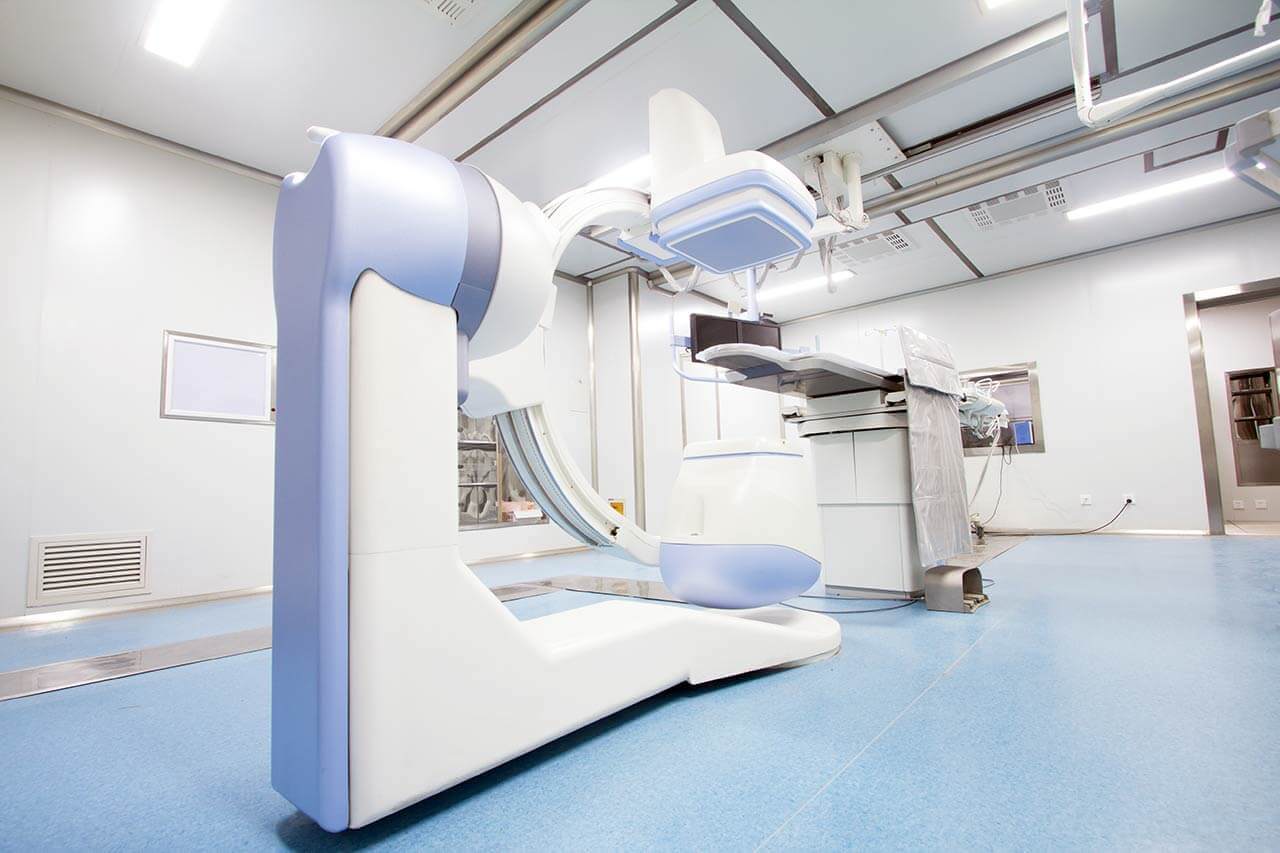
The Charite University Hospital Berlin receives extensive funding from the German government, which, in turn, enables it to provide patients with the latest generation of equipment and extremely comfortable infrastructure. The health facility has at its disposal the da Vinci robotic surgery systems, advanced laser technologies, new devices for endovascular catheter-based procedures, neuronavigation and intraoperative monitoring systems, equipment for the latest types of radiation therapy, and tools for proton therapy offered only in the most progressive medical centers worldwide – and this is just a little part of technologies available here. Cutting-edge medical facilities coupled with the profound experience and expert skills of the hospital's medical specialists lay a solid basis for ensuring the most effective and safe treatment in line with the internationally recognized clinical standards.
The hospital has a variety of quality certifications, denoting its exceptional medical services. Among the most highly appreciated are DIN EN ISO 9001:2015, as well as certificates from the German Cancer Society (DKG), the German Society for General and Visceral Surgery (DGAV), the German Society for Thoracic Surgery (DGT), the German Hernia Society (DHG), the ERAS Society and others. One more remarkable achievement for the Charite is to be among the TOP 10 hospitals in the prestigious Newsweek ranking.
The Charite University Hospital Berlin is an outstanding example of top-tier medical care and continues to be a key player in the European healthcare arena. Patients opting for this facility can expect the best possible services from experienced medical staff whose main priority is their health and wellbeing.
Photo: (с) depositphotos
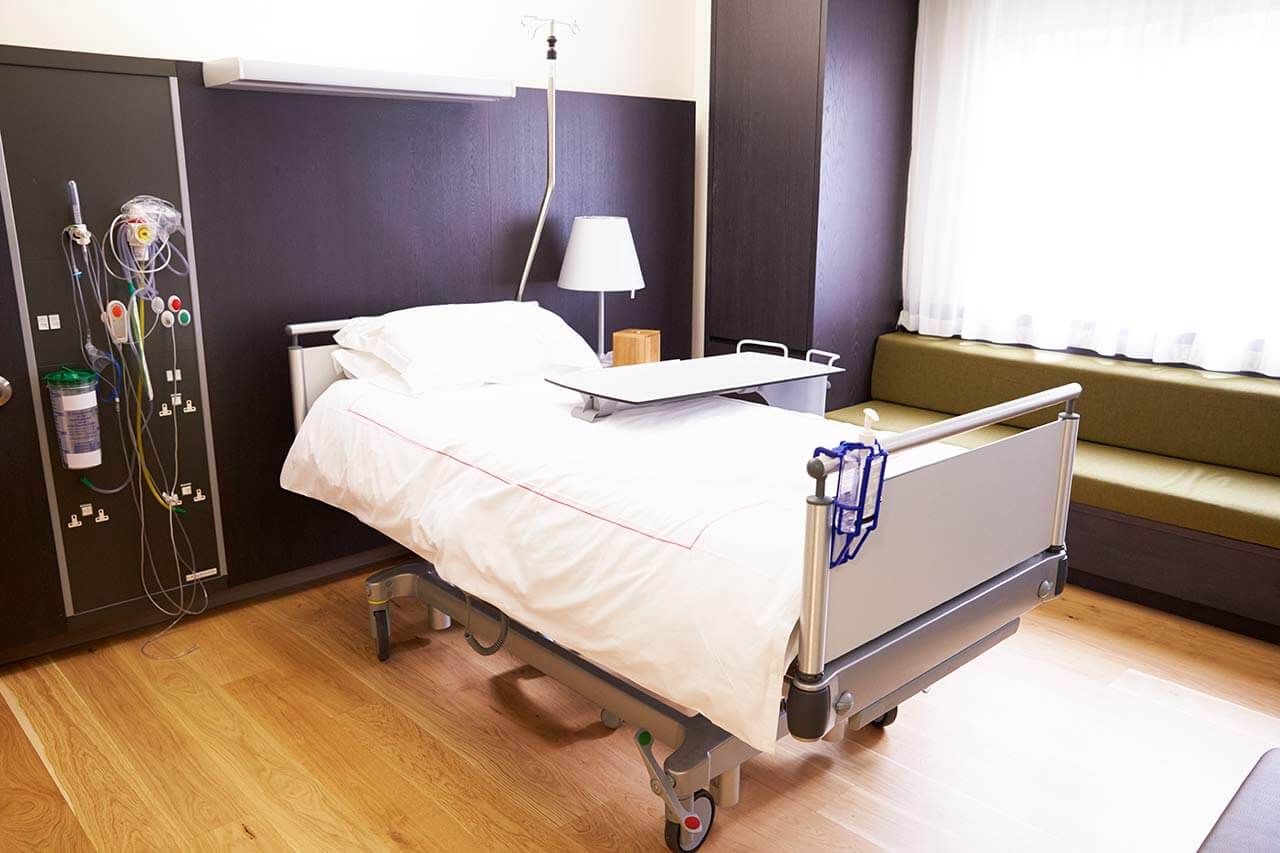
The patients of the Charite University Hospital Berlin live in comfortable rooms made of modern design. Each room is equipped with an ensuite bathroom with a toilet and a shower. The standard room furnishing includes an automatically adjustable bed, a bedside table, a wardrobe for storing clothes, a table and chairs for receiving visitors, and a TV. If desired, Wi-Fi access can be provided. The hospital also offers enhanced-comfort rooms.
The patient and his accompanying person have a daily choice of three menus. If for any reason, you do not like the food, you will be offered an individual menu. Please inform the medical staff about your dietary preferences before the treatment.
Standard rooms include:
Religious services are available upon request.
During the inpatient program, an accompanying person may stay with you in a patient room or at the hotel of your choice.
During the outpatient program, you can live at a hotel of your choice. Managers will help you to choose the most suitable options.
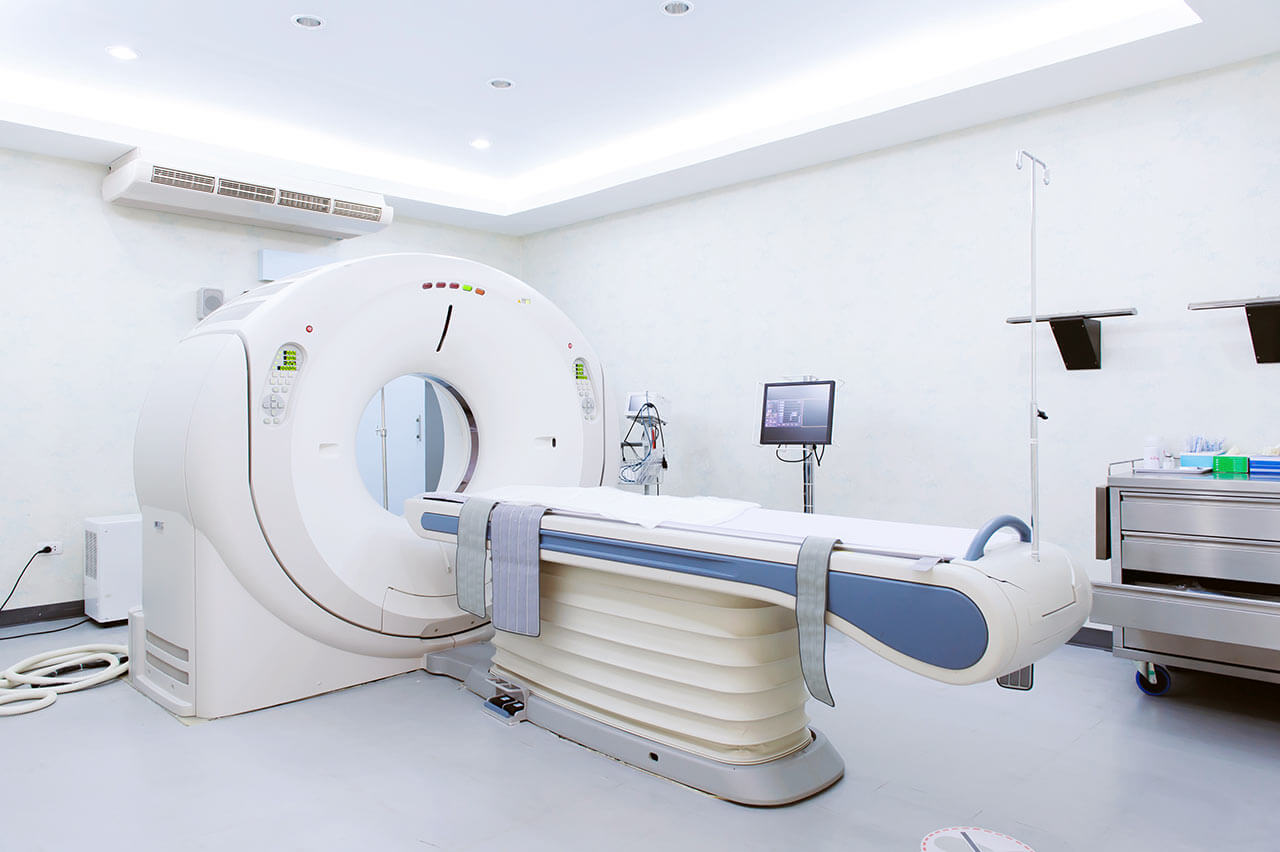
The hospital offers a full range of laboratory tests (general, hormonal, tests for infections, antibodies, tumor markers, etc.), genetic tests, various modifications of ultrasound scans, CT scans, MRI and PET / CT, angiography, myelography, biopsy and other examinations. Treatment with medications, endoscopic and robotic operations, stereotaxic interventions is carried out here, modern types of radiation therapy are also used. The hospital offers patients all the necessary therapeutic techniques.
These are oncological diseases, benign neoplasms of the brain and spinal cord, heart valve defects, diabetes mellitus and its complications, joint diseases and other pathologies.
The medical team includes more than 4,225 highly qualified scientists and doctors.