Surgical treatment of the breast cyst in Charite University Hospital Berlin
Charite University Hospital Berlin
Berlin, Germany



 BookingHealth Price from:
The prestigious German Focus magazine positions the Department of Adult and Pediatric Gynecology, Mammology among the best facilities in the country, providing excellent healthcare services in its areas of specialization! The department delivers a comprehensive range of diagnostic and therapeutic services for women with diseases of the reproductive system and mammary glands. The department's clinical activities are primarily focused on gynecologic oncology and breast cancer treatment. These two medical areas are represented by highly specialized centers certified by the German Cancer Society (DKG) and recognized as among the leading facilities of their kind in Germany. The department also admits patients with a variety of benign gynecological diseases, with the most common among them being endometriosis, uterine fibroids, cervical dysplasia, urinary incontinence, and pelvic organ prolapse. The department is also actively developing pediatric gynecology with an emphasis on the surgical correction of congenital defects and treatment of infectious diseases, vaginal bleeding, labial adhesions, as well as ovarian cysts and tumors. A true treasure of the department is its highly professional team of gynecologists and breast specialists with many years of experience who make every effort to help women improve their health. A comprehensive diagnosis is always a must here, as its results help create personalized, effective treatment plans, which are crucial for cancer patients. Another strong point of the medical facility is access to the most advanced treatment options, including organ-sparing surgery, targeted therapies, immunotherapy, and locoregional procedures. All of these, combined with an excellent technical infrastructure and an understanding attitude toward patients, form a solid basis for the best possible medical care.
The Head Physician of the department is Prof. Dr. med. Jens-Uwe Blohmer. He is a well-known figure in professional medical circles and among patients worldwide. The specialist has over 30 years of experience in gynecology and mammology. During this time, he has performed over 10,000 surgeries for breast cancer and numerous others to treat oncological diseases of the female reproductive system. Prof. Blohmer is rightfully proud of his outstanding qualifications in laparoscopic and robotic surgery. Moreover, he is the author and co-author of books and has over 280 publications in medical journals and online resources.
Gynecologic oncology is the main focus of the department's clinical practice. The medical team prefers a multidisciplinary approach to the treatment of female genital tract cancers, reinforced by effective and organ-sparing therapeutic methods. The main areas of specialization are the treatment of ovarian cancer, cervical cancer, endometrial cancer, gynecological sarcomas, and neuroendocrine gynecological tumors. The department's gynecologic oncology program is certified by ESGO and the German Cancer Society (DKG) and is a member of EURACAN. Because each clinical case is considered unique, discussing it within a tumor board and developing a personalized treatment plan is routine practice here. In most cases, the first line of treatment is surgical tumor removal. In advanced stages of cancer, total removal of the affected organ with its adjacent tissues may be required. The department's doctors mainly use minimally invasive techniques and high-precision robotic surgery, both of which are highly beneficial for patients, offering shorter recovery times and minimal risk of complications. When treating women who want to have children in the future, the department's doctors do everything possible to preserve fertility while providing effective cancer therapy. In the majority of cases, surgery is complemented by additional therapies. Depending on the specific clinical situation, gynecologic oncologists may use chemotherapy, hormone therapy, targeted therapy, antibody therapy, immunotherapy, or radiation therapy. Each treatment option is selected individually after a thorough assessment of the patient's tumor profile – this approach has consistently proven to be reliable and effective.
In addition to providing high-quality medical care, the department's physicians place great emphasis on ensuring patient comfort and maintaining a good quality of life after treatment.
The department has a separate clinical focus on treating peritoneal carcinomatosis, which typically develops from advanced cancer originating elsewhere and affecting the peritoneum. This condition commonly occurs with gynecological tumors, such as ovarian, fallopian tube, and endometrial cancers. The treatment strategy in such clinical cases largely depends on the specifics of the primary tumor. For example, the international standard for treating peritoneal carcinomatosis associated with ovarian cancer is major surgery followed by chemotherapy. However, this approach is generally not recommended in cases of peritoneal carcinomatosis resulting from cervical cancer. In selected cases, cytoreductive surgery is combined with HIPEC, in which a heated chemotherapy solution is administered directly into the abdominal cavity during the operation. Another option is cytoreductive surgery combined with conventional systemic chemotherapy. An even more innovative approach is PIPAC (pressurized intraperitoneal aerosol chemotherapy) – a minimally invasive laparoscopic procedure that sprays aerosolized chemotherapy directly into the peritoneal cavity, representing an alternative option for patients who are not candidates for major cytoreductive surgery. Depending on the specific clinical indications, all of these treatment modalities can be complemented by targeted therapy or immunotherapy.
The department's gynecology team also routinely treats patients with benign conditions: endometriosis, uterine fibroids, cervical dysplasia, urinary incontinence, and pelvic organ prolapse. The treatment of endometriosis is one of the key areas of clinical practice. This pathology occurs when endometrial cells proliferate outside of the uterus. Patients diagnosed with endometriosis receive care at a specialized center from highly trained doctors who are experts in modern endometriosis treatment methods. Non-steroidal anti-inflammatory drug therapy and hormone therapy are sufficient in the early stages of the disease, while advanced stages are managed with surgical methods. In most cases, laparoscopic surgery is performed under general anesthesia. The most radical treatment option is a hysterectomy, which is the surgical removal of the uterus. This procedure is intended for women with adenomyosis – a condition, in which endometrial tissue grows into the muscular wall of the uterus (myometrium). However, an important condition for this surgery is that the woman does not plan to have children.
The department's therapeutic offer in gynecology is supplemented by medical care for girls and young women with pathologies of the reproductive system. The team of pediatric gynecologists focuses on patients with genital infections, vaginal bleeding, labial adhesions, pathological lesions of genital skin, external and internal genital malformations, ovarian cysts and tumors, pubertal disorders, painful menstruation (dysmenorrhea), and endometriosis in adolescents. Doctors provide comprehensive consultations to young patients, during which they determine the necessary diagnostic tests and treatment measures.
However, the department's activities are not limited to gynecology alone, with mammology being another important clinical focus. This medical specialty is concentrated on the treatment of breast cancer, including its hereditary forms. Breast cancer patients are admitted to a specialized DKG-certified Breast Center, which is part of the world-renowned Charite Comprehensive Cancer Center. The spectrum of medical services includes comprehensive diagnosis, careful planning of personalized breast cancer treatment, and a variety of therapeutic options. These options include surgery, chemotherapy, hormone therapy, radiation therapy, and immunotherapy with the necessary follow-up care measures. In the case of breast removal (mastectomy), breast aesthetics can be restored with modern types of plastic surgery using implants or the patient's own tissues. In addition, psychological support is a critical component of treatment because a cancer diagnosis often leads to fear and other negative emotions that can be difficult to cope with alone.
The department's key areas of specialization include the following:
Postgraduate Training and Professional Career
Qualifications
Clinical Focuses
Clinical Focuses
Memberships in Professional Societies and Organizations
Photo of the doctor: (c) Charité – Universitätsmedizin Berlin
Sources:
Vaidam.com - For Medical Travellers
According to the reputable Focus magazine, the Charite University Hospital Berlin has been ranked the best healthcare facility in Germany for the 14th consecutive time, surpassing more than 14,000 specialized hospitals considered to be among the top ones in the country!
The hospital boasts its reputation as one of the largest and most distinguished medical complexes on the European landscape, and it also successfully competes with the best facilities worldwide. The Charite offers a unique blend of state-of-the-art medicine, pioneering medical research and caring patient-oriented care – all of these contributing to its exceptional, highly rated status. This hospital operates within the Faculty of Medicine of the Free University of Berlin and the Humboldt University of Berlin – a very significant fact that designates access to cutting-edge medical innovations and the latest scientific discoveries. Here patients benefit from the full range of advanced diagnostic and treatment methods, with many of them developed by prominent professors and scientists working at the Charite.
It is worth noting that the Charite University Hospital Berlin is a one-of-a-kind facility where more than half of all German Nobel Prize winners in medicine and physiology studied and worked, including world-famous physicians such as Emil von Behring, Robert Koch, and Paul Ehrlich.
The hospital covers all currently available medical fields, with over 100 highly specialized departments and institutes working for the benefit of patients. It is worth emphasizing that the Charite University Hospital Berlin offers unparalleled experience in the treatment of rare conditions and extremely complex clinical cases, which is a big challenge for common practices.
The healthcare complex has 3,293 beds for providing inpatient care and employs a huge medical team, consisting of 25,256 staff members, among which 5,882 researchers and physicians, 344 professors, and 7,098 nurses. The Charite annually deals with 853,377 outpatient cases and also treats over 147,997 inpatients, indicating a wealth of medical expertise and experience. The primary responsibility and value of all medical facility specialists is recovery of the patient's health, while in critical medical conditions they make every effort to save a person's life. One very important thing to add to all of the above is that the hospital has a patient-friendly environment, where everyone enjoys thorough care combined with human attitude and understanding of personal needs.
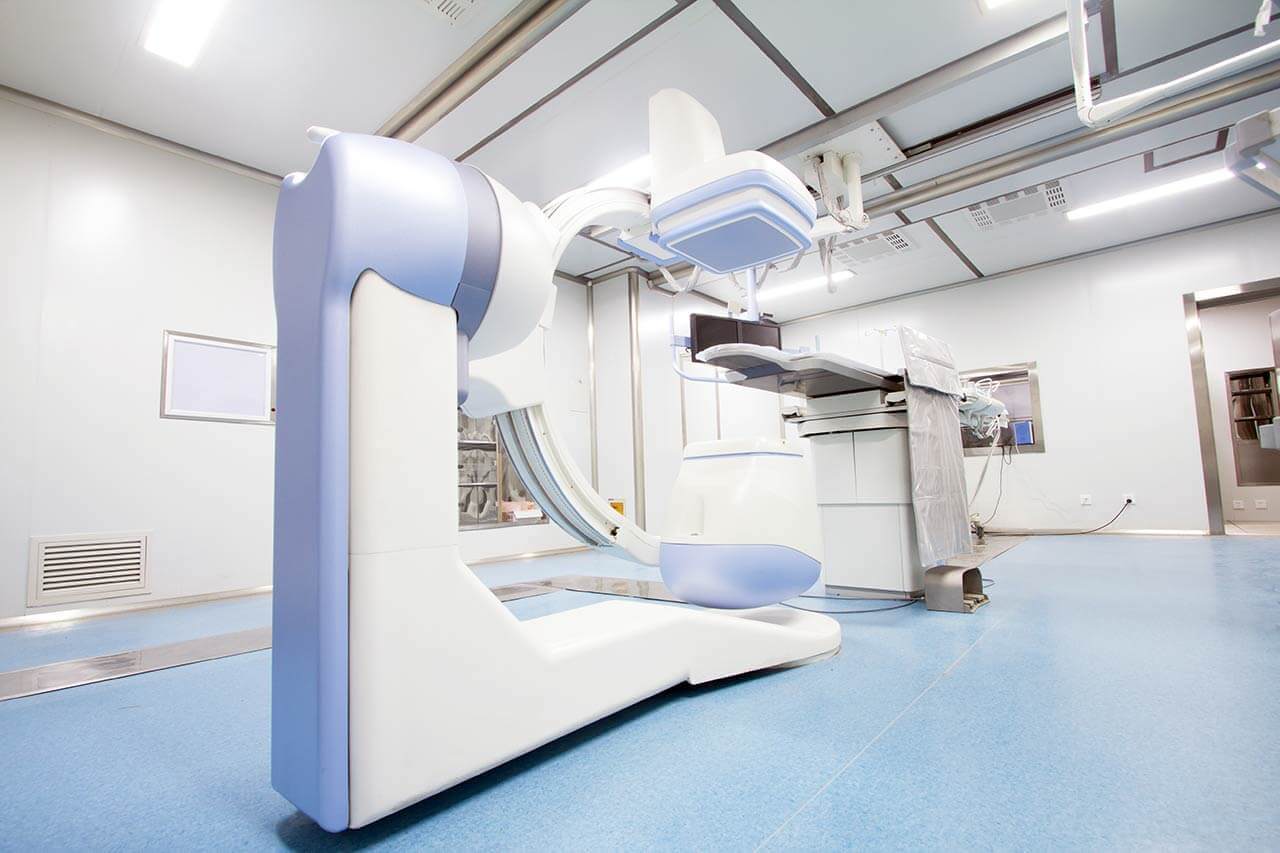
The Charite University Hospital Berlin receives extensive funding from the German government, which, in turn, enables it to provide patients with the latest generation of equipment and extremely comfortable infrastructure. The health facility has at its disposal the da Vinci robotic surgery systems, advanced laser technologies, new devices for endovascular catheter-based procedures, neuronavigation and intraoperative monitoring systems, equipment for the latest types of radiation therapy, and tools for proton therapy offered only in the most progressive medical centers worldwide – and this is just a little part of technologies available here. Cutting-edge medical facilities coupled with the profound experience and expert skills of the hospital's medical specialists lay a solid basis for ensuring the most effective and safe treatment in line with the internationally recognized clinical standards.
The hospital has a variety of quality certifications, denoting its exceptional medical services. Among the most highly appreciated are DIN EN ISO 9001:2015, as well as certificates from the German Cancer Society (DKG), the German Society for General and Visceral Surgery (DGAV), the German Society for Thoracic Surgery (DGT), the German Hernia Society (DHG), the ERAS Society and others. One more remarkable achievement for the Charite is to be among the TOP 10 hospitals in the prestigious Newsweek ranking.
The Charite University Hospital Berlin is an outstanding example of top-tier medical care and continues to be a key player in the European healthcare arena. Patients opting for this facility can expect the best possible services from experienced medical staff whose main priority is their health and wellbeing.
Photo: (с) depositphotos
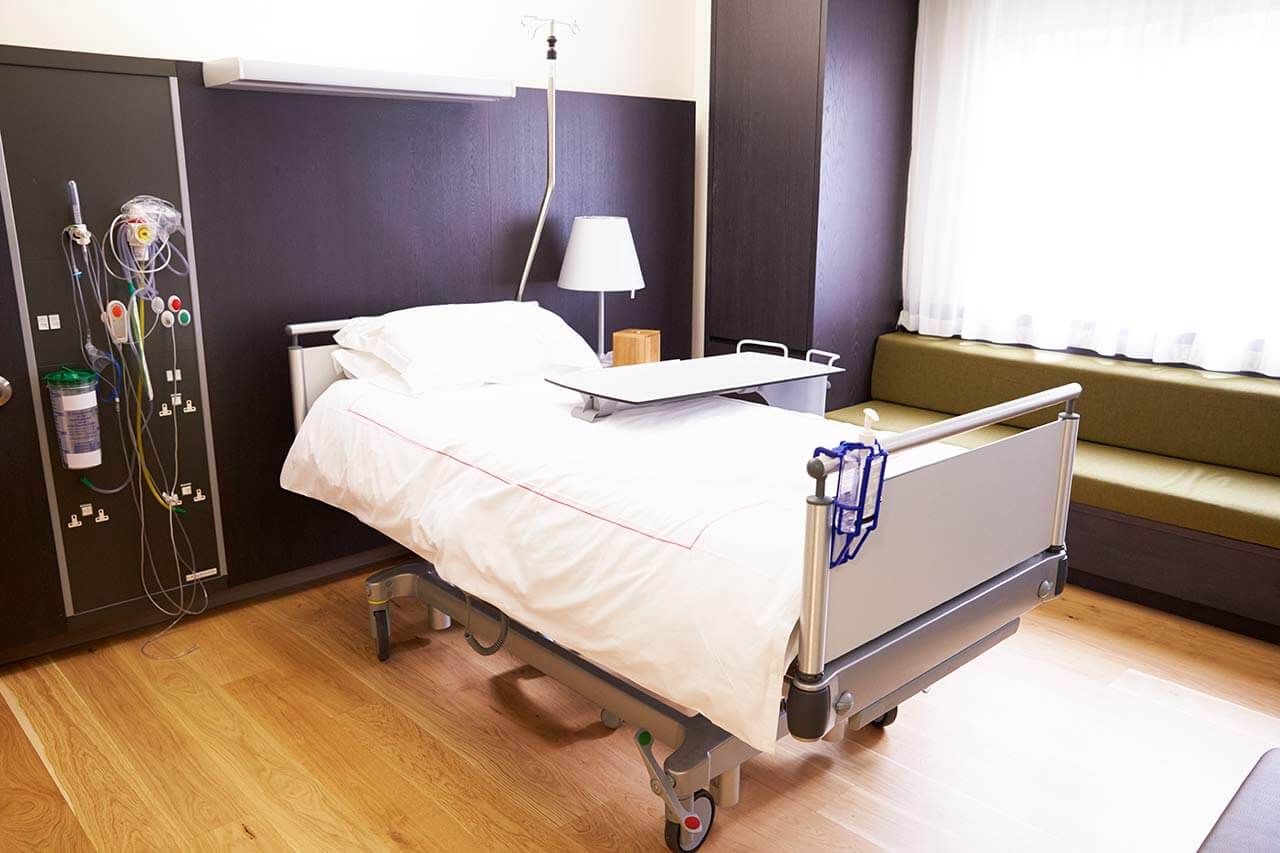
The patients of the Charite University Hospital Berlin live in comfortable rooms made of modern design. Each room is equipped with an ensuite bathroom with a toilet and a shower. The standard room furnishing includes an automatically adjustable bed, a bedside table, a wardrobe for storing clothes, a table and chairs for receiving visitors, and a TV. If desired, Wi-Fi access can be provided. The hospital also offers enhanced-comfort rooms.
The patient and his accompanying person have a daily choice of three menus. If for any reason, you do not like the food, you will be offered an individual menu. Please inform the medical staff about your dietary preferences before the treatment.
Standard rooms include:
Religious services are available upon request.
During the inpatient program, an accompanying person may stay with you in a patient room or at the hotel of your choice.
During the outpatient program, you can live at a hotel of your choice. Managers will help you to choose the most suitable options.
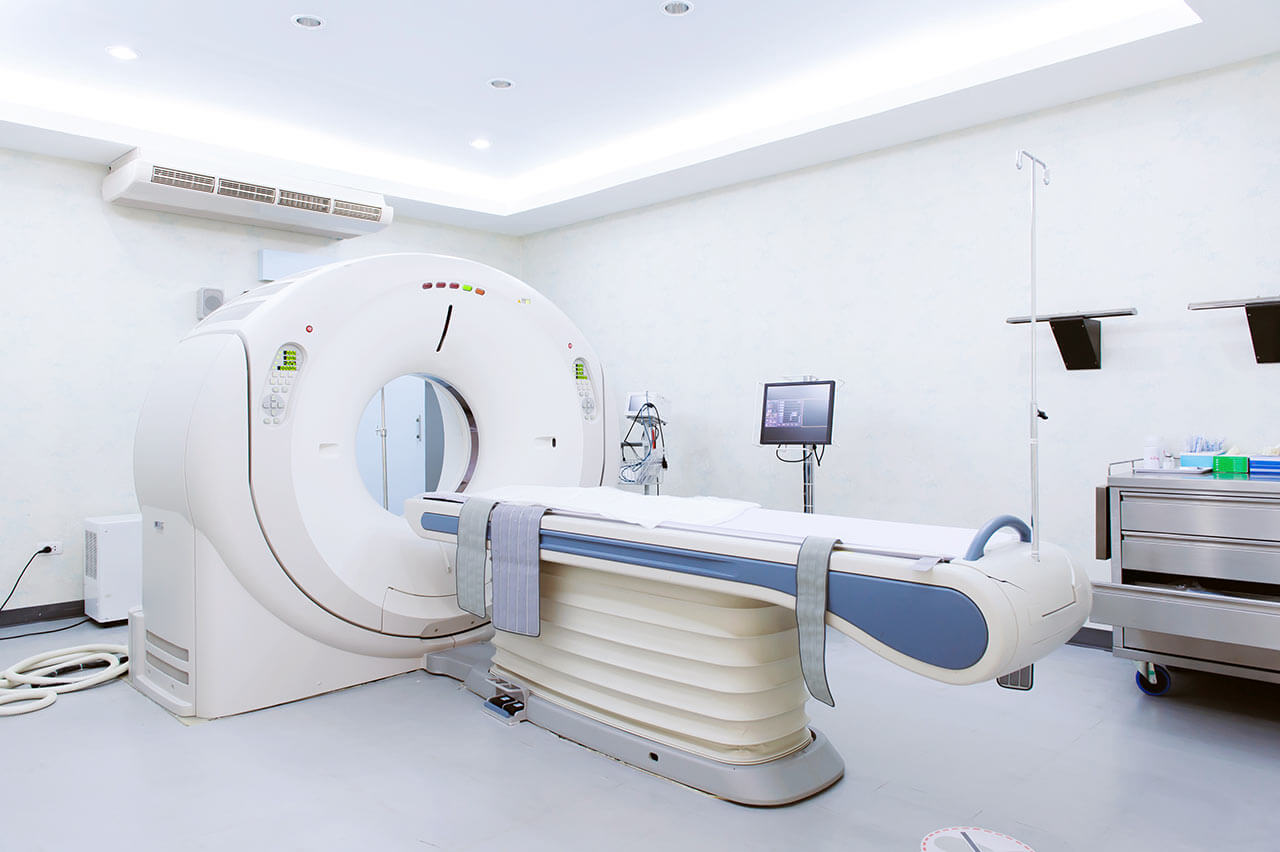
The hospital offers a full range of laboratory tests (general, hormonal, tests for infections, antibodies, tumor markers, etc.), genetic tests, various modifications of ultrasound scans, CT scans, MRI and PET / CT, angiography, myelography, biopsy and other examinations. Treatment with medications, endoscopic and robotic operations, stereotaxic interventions is carried out here, modern types of radiation therapy are also used. The hospital offers patients all the necessary therapeutic techniques.
These are oncological diseases, benign neoplasms of the brain and spinal cord, heart valve defects, diabetes mellitus and its complications, joint diseases and other pathologies.
The medical team includes more than 4,225 highly qualified scientists and doctors.