Treatment of intracranial germinoma with CyberKnife in Charite University Hospital Berlin
Charite University Hospital Berlin
Berlin, Germany

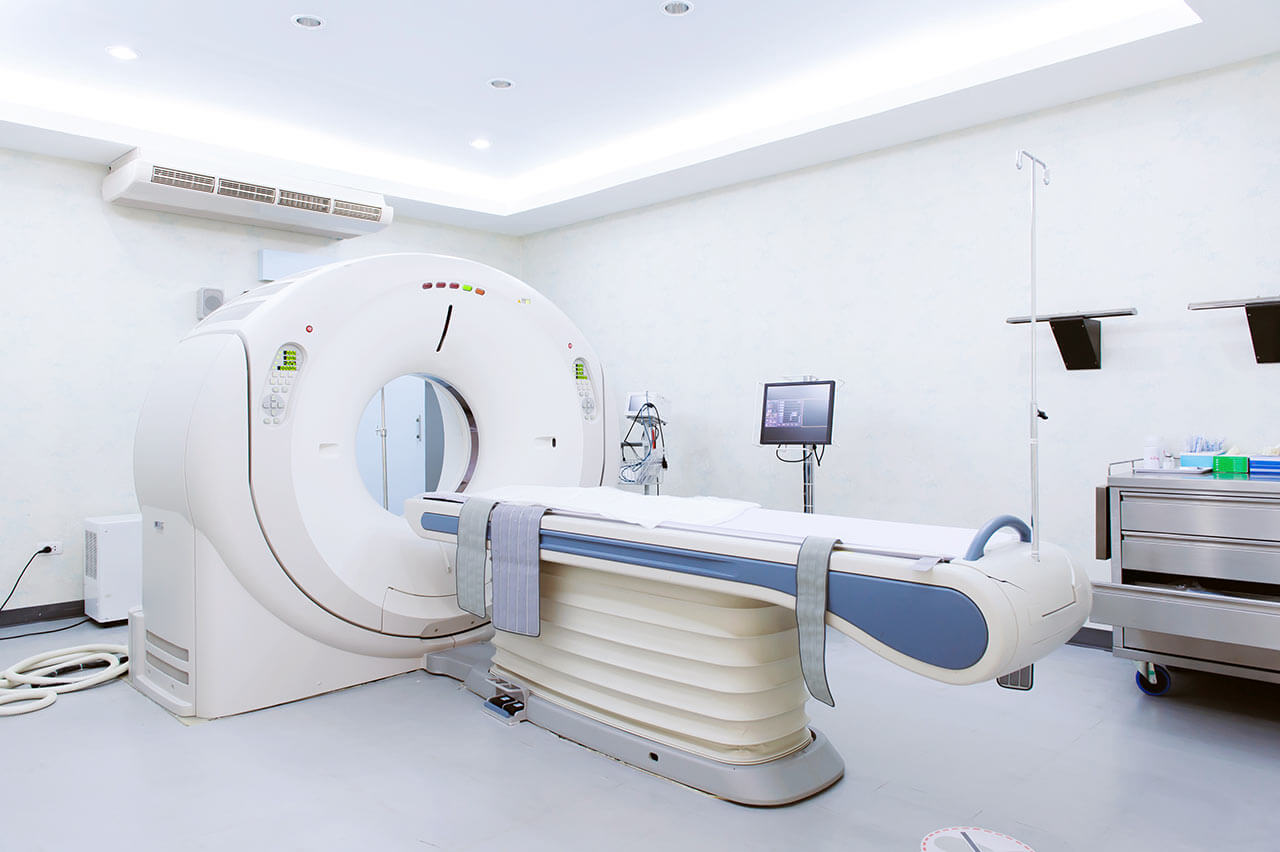


During the first visit, the physician will conduct a clinical examination and go through the results of previous laboratory tests and instrumental examinations. After that, you will undergo an additional examination, including complete blood count, laboratory assessment of liver and kidney function, and neurological tests. This will be followed by MRI/CT treatment planning. Based on the results of diagnostic MRI/CT, physicians will elaborate an individual irradiation program, as well as manufacture an individual plastic mask.
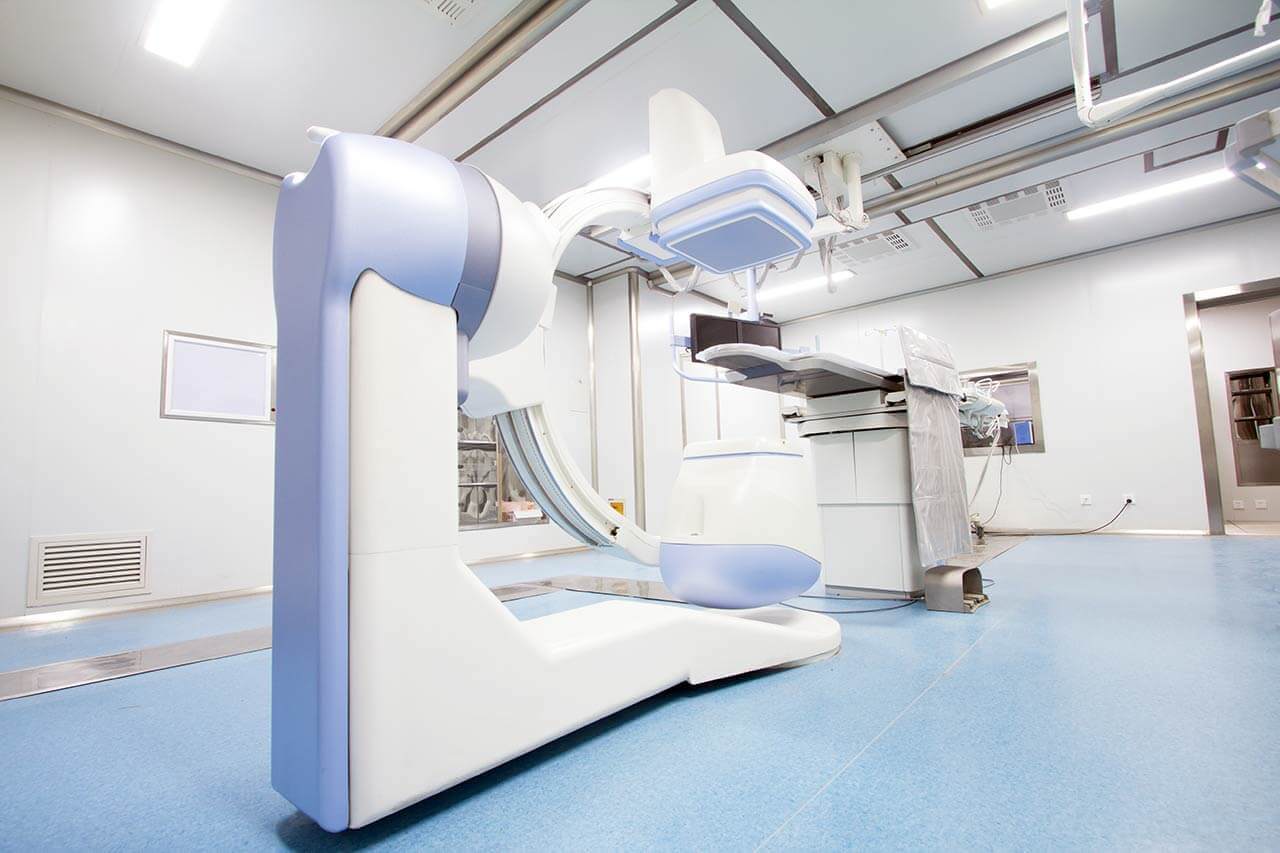
CyberKnife treatment is carried out as the inpatient intervention, so you will stay under constant medical supervision. During the procedure, you will be placed on a special couch, with an individual plastic mask. This will provide comfort, exclude involuntary movements of the head and allow the computer program to direct the CyberKnife beams with submillimeter accuracy. After that, the couch will move under the arch of the CyberKnife System.
The procedure is completely painless. During the session, you will stay under the constant supervision of the medical personnel. If necessary, you will be able to communicate through the built-in microphone. The duration of the procedure is from 30 to 120 minutes, depending on the location and size of the tumor. After completing the procedure, the physician will assess your general condition.
After the completion of the full CyberKnife treatment course, you will receive the medical report with detailed recommendations regarding further follow-up. In the future, you can contact the physician to plan additional treatment, if necessary.
 BookingHealth Price from:
The reputable FOCUS magazine places the Department of Radiation Therapy in the list of top-notch medical facilities in Germany within its domain of expertise!
The department specializes in radiation therapy, offering all types of this treatment modality for patients with both benign and malignant tumors. It is equipped with state-of-the-art facilities for performing intensity-modulated radiation therapy, volumetric modulated arc therapy, stereotactic radiation therapy, image-guided radiation therapy, brachytherapy, and other treatments of this kind. With 8 powerful linear accelerators, 2 brachytherapy units, X-ray systems, devices for intraoperative radiation therapy and proton therapy, as well as sophisticated systems for personalized radiation planning, the department has a solid technological infrastructure available only in a few facilities worldwide. Among unique offerings here is innovative CyberKnife radiotherapy, enabling high-precision cancer treatment. Germany runs 11 CyberKnife centres, and the one in the Department of Radiation Therapy at the Charite is widely recognized, rivalling many other leading clinics worldwide. The department is also one of the pioneers in the world in the implementation of adaptive radiation therapy using the Ethos linear accelerator, representing the very latest innovation in radiation oncology. The team of radiation oncologists works hand in hand with specialists from the Charite Comprehensive Cancer Center, the National Center for Tumor Diseases Berlin (NCT), and the German Cancer Consortium (DKTK), striving to provide comprehensive medical care. The Head Physician of the department is Prof. Dr. med. Daniel Zips.
The department's team of radiation oncologists has extensive experience with CyberKnife radiosurgery – advanced non-invasive treatment for a variety of tumors. It is worth noting that this treatment is only available in a very limited number of hospitals, both in Europe and worldwide. The main benefit of the CyberKnife is its ability to deliver high doses of radiation with millimetre precision that ensures effective destruction of cancer cells without damaging neighboring healthy tissues. The technical features of the CyberKnife system allow it to target small and large tumors in the brain, head and neck, spine, chest, lungs, liver, pancreas, kidneys, and prostate, making it a unique and very powerful tool in the fight against cancer. Treatment usually takes one to five sessions. Larger tumors and those close to sensitive structures are treated over several sessions to reduce the risk of side effects. Radiation therapy with the CyberKnife system is performed on an outpatient basis, providing an opportunity to return to usual lifestyle in the shortest possible time. Moreover, the radiation session is painless and generally well tolerated, with no anesthesia or sedation required, thanks to which for suitable patients, it is an excellent alternative to open surgery and conventional fractionated radiation therapy. This approach also offers significant advantages in the treatment of tumors in organs that move during breathing because it enables respiratory movements to be tracked and compensated for in real time. Another argument in favor of this therapy for cancer patients is that it is also suitable for elderly patients and those with comorbidities who may not tolerate surgery.
The department also offers excellent competencies in stereotactic radiation therapy, representing a high-precision treatment option based on targeted exposure of the tumor to very high doses of ionizing radiation with optimal protection of adjacent normal tissues. Stereotactic radiation therapy is performed in the department using a modern TrueBeam STx linear accelerator manufactured by Varian, as well as the CyberKnife system manufactured by Accuray. This radiation therapy has proven highly effective in treating brain metastases, acoustic neuromas, meningiomas, glomus tumors, craniopharyngiomas, and recurrent malignant gliomas – severe conditions, requiring pinpoint accuracy to eradicate the tumor while leaving adjacent structures intact and minimizing the risk of potential side effects. The linear accelerators used for stereotaxy allow for the irradiation of tumors smaller than 10 cm3 under imaging guidance. To position and immobilize the patient during the treatment session, a special mask is applied – this adds even more precision to irradiation. Thus, the key advantages of stereotactic radiation therapy lie in its excellent effectiveness, high precision and minimal side effects.
The Department of Radiation Therapy at the Charite University Hospital Berlin became one of the pioneering facilities worldwide to offer patients innovative adaptive radiation therapy performed using a special Ethos linear accelerator manufactured by Varian. This device powered by artificial intelligence was put into operation at the Charite in October 2023. Adaptive radiation therapy is an innovative treatment modality that works based on the individual characteristics of the patient: medical experts analyze changes in the tumor and its position relative to surrounding tissues and organs in detail before each radiation session, which ensures more precise and optimally tailored therapy, particularly in cases where target malignant foci undergo significant changes. This approach enables radiation to be deliveredArthrosis to the intended target site with the greatest possible accuracy, while avoiding damage to healthy tissues. The Ethos system features a cutting-edge imaging system with built-in artificial intelligence. Adaptive radiation therapy is indicated for patients with prostate cancer, bladder cancer, rectal cancer, and anal canal cancer. An important note is that in cases of prostate and bladder cancer this type of radiation therapy can be used as primary treatment, with potential for organ preservation.
However, the treatments mentioned above are just some of those provided by the Department of Radiation Therapy at the Charite. The experienced team of doctors at the facility also applies a variety of other effective modern radiation modalities, such as image-guided radiation therapy (IGRT), intensity-modulated radiation therapy (IMRT), volumetric modulated arc therapy (VMAT), intraoperative radiation therapy, and brachytherapy. Each of these methods has shown positive results and is selected based on the unique tumor profile while considering the safety of the treatment. The department's doctors carefully follow current clinical protocols and radiation protection standards, which contributes to minimal complications and risks for patients.
The range of medical services provided in the department includes:
Higher Education and Professional Career
Clinical and Research Interests
Photo of the doctor: (c) Charité – Universitätsmedizin Berlin
According to the reputable Focus magazine, the Charite University Hospital Berlin has been ranked the best healthcare facility in Germany for the 14th consecutive time, surpassing more than 14,000 specialized hospitals considered to be among the top ones in the country!
The hospital boasts its reputation as one of the largest and most distinguished medical complexes on the European landscape, and it also successfully competes with the best facilities worldwide. The Charite offers a unique blend of state-of-the-art medicine, pioneering medical research and caring patient-oriented care – all of these contributing to its exceptional, highly rated status. This hospital operates within the Faculty of Medicine of the Free University of Berlin and the Humboldt University of Berlin – a very significant fact that designates access to cutting-edge medical innovations and the latest scientific discoveries. Here patients benefit from the full range of advanced diagnostic and treatment methods, with many of them developed by prominent professors and scientists working at the Charite.
It is worth noting that the Charite University Hospital Berlin is a one-of-a-kind facility where more than half of all German Nobel Prize winners in medicine and physiology studied and worked, including world-famous physicians such as Emil von Behring, Robert Koch, and Paul Ehrlich.
The hospital covers all currently available medical fields, with over 100 highly specialized departments and institutes working for the benefit of patients. It is worth emphasizing that the Charite University Hospital Berlin offers unparalleled experience in the treatment of rare conditions and extremely complex clinical cases, which is a big challenge for common practices.
The healthcare complex has 3,293 beds for providing inpatient care and employs a huge medical team, consisting of 25,256 staff members, among which 5,882 researchers and physicians, 344 professors, and 7,098 nurses. The Charite annually deals with 853,377 outpatient cases and also treats over 147,997 inpatients, indicating a wealth of medical expertise and experience. The primary responsibility and value of all medical facility specialists is recovery of the patient's health, while in critical medical conditions they make every effort to save a person's life. One very important thing to add to all of the above is that the hospital has a patient-friendly environment, where everyone enjoys thorough care combined with human attitude and understanding of personal needs.
The Charite University Hospital Berlin receives extensive funding from the German government, which, in turn, enables it to provide patients with the latest generation of equipment and extremely comfortable infrastructure. The health facility has at its disposal the da Vinci robotic surgery systems, advanced laser technologies, new devices for endovascular catheter-based procedures, neuronavigation and intraoperative monitoring systems, equipment for the latest types of radiation therapy, and tools for proton therapy offered only in the most progressive medical centers worldwide – and this is just a little part of technologies available here. Cutting-edge medical facilities coupled with the profound experience and expert skills of the hospital's medical specialists lay a solid basis for ensuring the most effective and safe treatment in line with the internationally recognized clinical standards.
The hospital has a variety of quality certifications, denoting its exceptional medical services. Among the most highly appreciated are DIN EN ISO 9001:2015, as well as certificates from the German Cancer Society (DKG), the German Society for General and Visceral Surgery (DGAV), the German Society for Thoracic Surgery (DGT), the German Hernia Society (DHG), the ERAS Society and others. One more remarkable achievement for the Charite is to be among the TOP 10 hospitals in the prestigious Newsweek ranking.
The Charite University Hospital Berlin is an outstanding example of top-tier medical care and continues to be a key player in the European healthcare arena. Patients opting for this facility can expect the best possible services from experienced medical staff whose main priority is their health and wellbeing.
Photo: (с) depositphotos
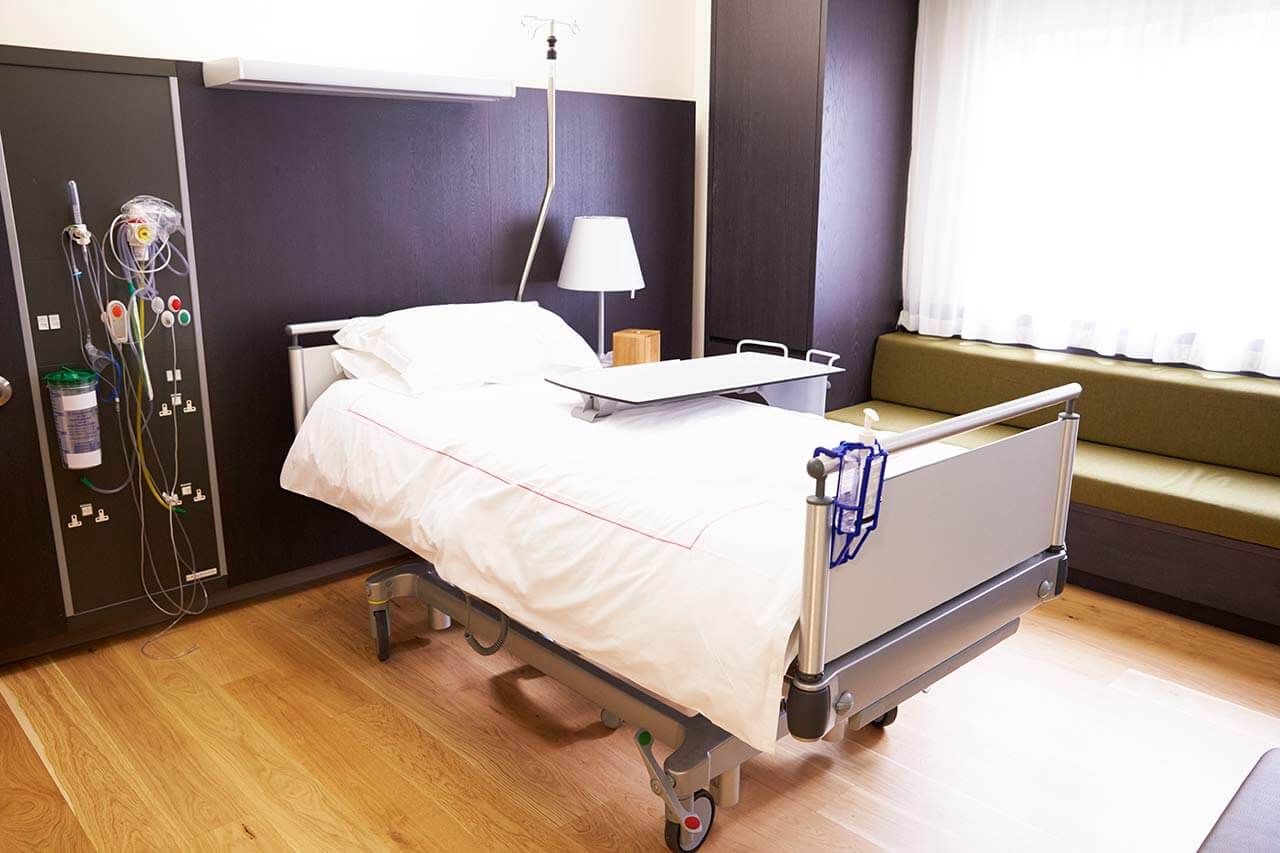
The patients of the Charite University Hospital Berlin live in comfortable rooms made of modern design. Each room is equipped with an ensuite bathroom with a toilet and a shower. The standard room furnishing includes an automatically adjustable bed, a bedside table, a wardrobe for storing clothes, a table and chairs for receiving visitors, and a TV. If desired, Wi-Fi access can be provided. The hospital also offers enhanced-comfort rooms.
The patient and his accompanying person have a daily choice of three menus. If for any reason, you do not like the food, you will be offered an individual menu. Please inform the medical staff about your dietary preferences before the treatment.
Standard rooms include:
Religious services are available upon request.
During the inpatient program, an accompanying person may stay with you in a patient room or at the hotel of your choice.
During the outpatient program, you can live at a hotel of your choice. Managers will help you to choose the most suitable options.
The hospital offers a full range of laboratory tests (general, hormonal, tests for infections, antibodies, tumor markers, etc.), genetic tests, various modifications of ultrasound scans, CT scans, MRI and PET / CT, angiography, myelography, biopsy and other examinations. Treatment with medications, endoscopic and robotic operations, stereotaxic interventions is carried out here, modern types of radiation therapy are also used. The hospital offers patients all the necessary therapeutic techniques.
These are oncological diseases, benign neoplasms of the brain and spinal cord, heart valve defects, diabetes mellitus and its complications, joint diseases and other pathologies.
The medical team includes more than 4,225 highly qualified scientists and doctors.