Diagnosis of insulinoma in University Hospital of Ludwig Maximilian University of Munich
University Hospital of Ludwig Maximilian University of Munich
Munich, Germany


 BookingHealth Price from:
The Department of Endocrinology, Rheumatology, Nephrology, Infectology and Angiology offers a complete range of medical services in its specialty areas, focusing on advanced therapies combined with a personalized approach. The department's medical team stands out because of its extensive experience in helping patients with endocrine diseases, including metabolic disorders and diabetes, kidney conditions, rheumatic diseases, and infections. The department also specializes in the conservative treatment of vascular pathologies, except for those affecting the blood vessels in the heart and brain. The department is one of the largest clinics of this type in Germany, admitting over 35,000 patients annually across outpatient, day-care, and inpatient settings. These impressive figures speak volumes about the department's status and level of medical expertise. The department has exceptional expertise and advanced infrastructure, contributing to high treatment success rates. The service range also includes second opinions on a variety of conditions, which may play a decisive role in complex clinical cases. The department is certified in accordance with the German Society of Endocrinology (DGE) standards and is a member of the European Reference Network on Rare Endocrine Conditions (Endo-ERN).
The department is headed by Prof. Dr. med. Nicole Reisch. She is a world-renowned expert specializing in the research and treatment of congenital adrenal hyperplasia (CAH), which is a rare disease that requires special knowledge and experience for successful management. Prof. Nicole Reisch is an experienced endocrinologist and diabetologist, offering her patients the most effective treatment strategies in these medical fields.
The endocrinology team treats diseases of the endocrine organs, including the thyroid, parathyroid, adrenal, and pituitary glands. Significant clinical interests include treatments for Conn's syndrome (excessive aldosterone production in the adrenal glands), Cushing's syndrome (a condition characterized by elevated cortisol levels in the body), benign and malignant tumors in hormone-producing glands (such as adrenocortical carcinoma, pheochromocytoma, and thyroid carcinoma), polycystic ovary syndrome, and pituitary diseases. To address these conditions, doctors employ modern medications to regulate the function of the endocrine glands and improve the patient's overall health. The process typically includes symptomatic therapy as well. Treatment regimens are prescribed on an individual basis and take place under close medical supervision.
The department has excellent facilities for providing medical care to patients with metabolic disorders and diabetes. The healthcare facility regularly admits patients with osteoporosis – a condition that causes decreased bone mineral density and leads to fractures from even minor injuries. To manage this condition, the department's doctors typically use drug therapy, dietary changes to increase calcium and vitamin D intake, and therapeutic exercises and physiotherapy procedures such as magnetotherapy, electrophoresis, therapeutic massage, and others. Patients with or suspected of having diabetes can undergo all necessary tests to determine the appropriate treatment strategy. An integral part of the therapeutic process involves modifying a patient's lifestyle by changing their diet, adding regular exercise, and quitting smoking and limiting alcohol. Patients with type 1 diabetes are prescribed insulin therapy – either insulin injections or insulin pump therapy. People with type 2 diabetes often only need to take oral hypoglycemic medications, but sometimes insulin injections may also be required. It is important for patients with type 1 or type 2 diabetes to follow a healthy diet that limits sugar and refined carbohydrates, which raise blood glucose levels.
The department's rheumatology team mostly focuses on the treatment of rheumatoid arthritis, psoriatic arthritis, ankylosing spondylitis, reactive arthritis, enteropathic arthritis, connective tissue diseases (such as lupus), and vasculitis. The specialists conduct laboratory tests and diagnostic imaging to assess a patient's condition and make an accurate diagnosis, which contributes to selecting the most effective therapies. Medications are selected depending on the specific clinical case: these may include non-steroidal anti-inflammatory drugs, glucocorticoids, biological drugs, and many other groups of drugs. Spa treatments and rehabilitation programs are also particularly beneficial for patients with rheumatic diseases.
The main responsibility of nephrologists at this department is to provide medical care to patients with kidney diseases and arterial hypertension. Another clinical focus is medical care for patients before and after kidney transplants. The department's range of therapeutic options in this area includes drug therapy and advanced extracorporeal blood purification procedures – renal replacement therapy (dialysis), apheresis, and immunoadsorption.
The department also specializes in treating infectious diseases. The medical team has many years of clinical experience managing various infectious diseases, including HIV/AIDS, chronic viral hepatitis B, D, and C, tuberculosis, and sexually transmitted infections. Each treatment plan is implemented in strict accordance with current clinical protocols.
Another area of the department's specialization, which completes its overall spectrum of services, is angiology. This medical field deals with the conservative treatment of vascular diseases, with the exception of conditions affecting coronary and cerebral vessels. Angiologists work closely with the Departments of Vascular Surgery and Radiology to provide comprehensive medical care: for instance, if a preliminary diagnosis indicates the need for an endovascular or open surgical procedure, patients can rest assured that they will receive effective treatment. The department's angiologists are highly skilled in treating peripheral arterial occlusive disease, venous thromboembolism, lymphedema, lipedema, and rare vascular diseases that require special expertise.
The department's range of medical services includes the following:
Prof. Dr. med. Nicole Reisch is a Professor of Endocrinology and the Acting Head Physician of the Department of Endocrinology, Rheumatology, Nephrology, Infectology and Angiology at the University Hospital of Ludwig Maximilian University of Munich. Her research focuses on congenital adrenal and gonadal disorders. She is a leading international expert in congenital adrenal hyperplasia (CAH) – one of the most common rare diseases worldwide, affecting about 1 in 10,000 to 15,000 newborns. Prof. Reisch's main research topics are the molecular mechanisms of CAH and new treatments and diagnostic procedures for this condition.
Prof. Nicole Reisch studied medicine at the University of Rostock and the Albert Ludwig University of Freiburg in Germany from 1996 to 2002, doing her internships in Minneapolis, Minnesota (USA), as well as in Nice (France). She received her doctorate from the Albert Ludwig University of Freiburg in 2006 (summa cum laude). After this, she completed her specialized training in Endocrinology and Diabetology at the University Hospital Freiburg and the University Hospital of Ludwig Maximilian University of Munich. As part of a Marie Curie Postdoctoral Research Fellowship, Prof. Nicole Reisch spent two years at the Center for Endocrinology of the College of Medical and Dental Sciences at the University of Birmingham in the UK. In 2014, she obtained her board certification in Endocrinology and Diabetology. That same year, she became Assistant Professor in the Department of Endocrinology, Rheumatology, Nephrology, Infectology and Angiology at the University Hospital of Ludwig Maximilian University of Munich that same year. In 2017, she was appointed Heisenberg Professor of Internal Medicine/Endocrinology (Congenital Adrenal and Gonadal Disorders), funded by the German Research Foundation (DFG).
Memberships in Professional Societies and Organizations
Photo of the doctor: (c) LMU Klinikum
The renowned FOCUS magazine ranking consistently positions the University Hospital of Ludwig Maximilian University of Munich among the best medical facilities in Germany with top-tier care and remarkable treatment success rates!
This hospital is one of the largest multidisciplinary medical facilities with a status of a leading training and research center in Germany and Europe, enabling it to make unique scientific discoveries that benefit the world. The University Hospital of Ludwig Maximilian University of Munich is proud of its nearly 200-year history and is committed to maintaining its top positions in both national and international healthcare.
The medical facility has two main campuses: Grosshadern and Innenstadt. The University Hospital of Ludwig Maximilian University of Munich operates 28 specialized departments, 16 institutes, and 63 interdisciplinary centers. The hospital has around 2,000 beds to accommodate patients. This large medical complex receives more than 551,000 patients each year and provides outpatient services to around 460,000 people. The hospital employs a highly professional team of 11,908 medical staff whose main task is to restore patients' health in a comfortable and friendly environment, making use of advanced medical resources.
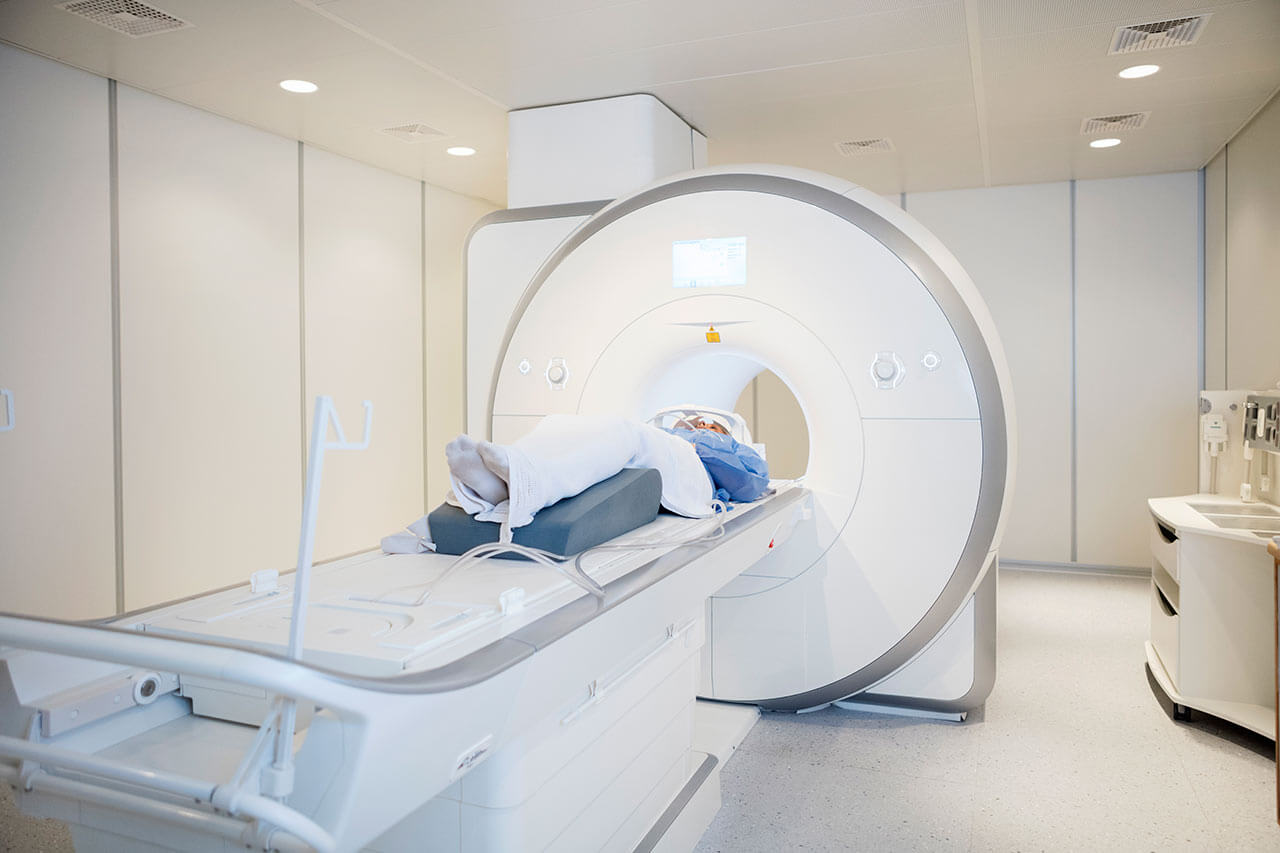
A distinctive feature of the University Hospital of Ludwig Maximilian University of Munich is its state-of-the-art infrastructure, offering high-precision diagnostic equipment that allows for detecting the slightest pathological alterations in the human body, convenient procedure rooms for a variety of outpatient medical procedures, as well as operating rooms with robot-assisted surgical systems and advanced tools for performing minimally invasive interventions that enable the quickest and easiest possible recovery in the postoperative period.
The hospital's excellent technical resources and highly professional medical staff are undoubtedly its pride and joy, but the facility also pays close attention to patient comfort and takes a compassionate approach to their situation. Doctors and nursing staff always show a friendly attitude when providing the necessary medical care. They inform patients in detail about upcoming diagnostic and therapeutic procedures, gladly answer any questions patients may have, and provide moral support throughout their treatment.
The University Hospital of Ludwig Maximilian University of Munich covers virtually all currently available medical fields with outstanding treatment outcomes. However, there are several units within the hospital that deserve special mention as they offer unique competencies and have received special recognition among similar facilities in Germany and beyond. These are the Comprehensive Cancer Center Munich, the Transplant Center, the German Center for Vertigo and Balance Disorders, and the Institute of Infectious Diseases and Tropical Medicine.
The University Hospital of Ludwig Maximilian University of Munich holds many prestigious quality certifications, including DIN EN ISO 9001, IQM and EndoCert,as well as certifications from the German Cancer Society (DKG) for the treatment of various cancers, the German Cardiac Society (DGK) and the German Society for Orthopaedics and Trauma Surgery (DGOU).
Taking all of the above into account, patients can expect to receive the best possible medical care in a friendly environment. With its innovations and exceptional experience, the hospital is rightly considered one of the most advanced and successful medical facilities, saving the lives of German citizens and patients from around the world every day.
Photo: (с) depositphotos
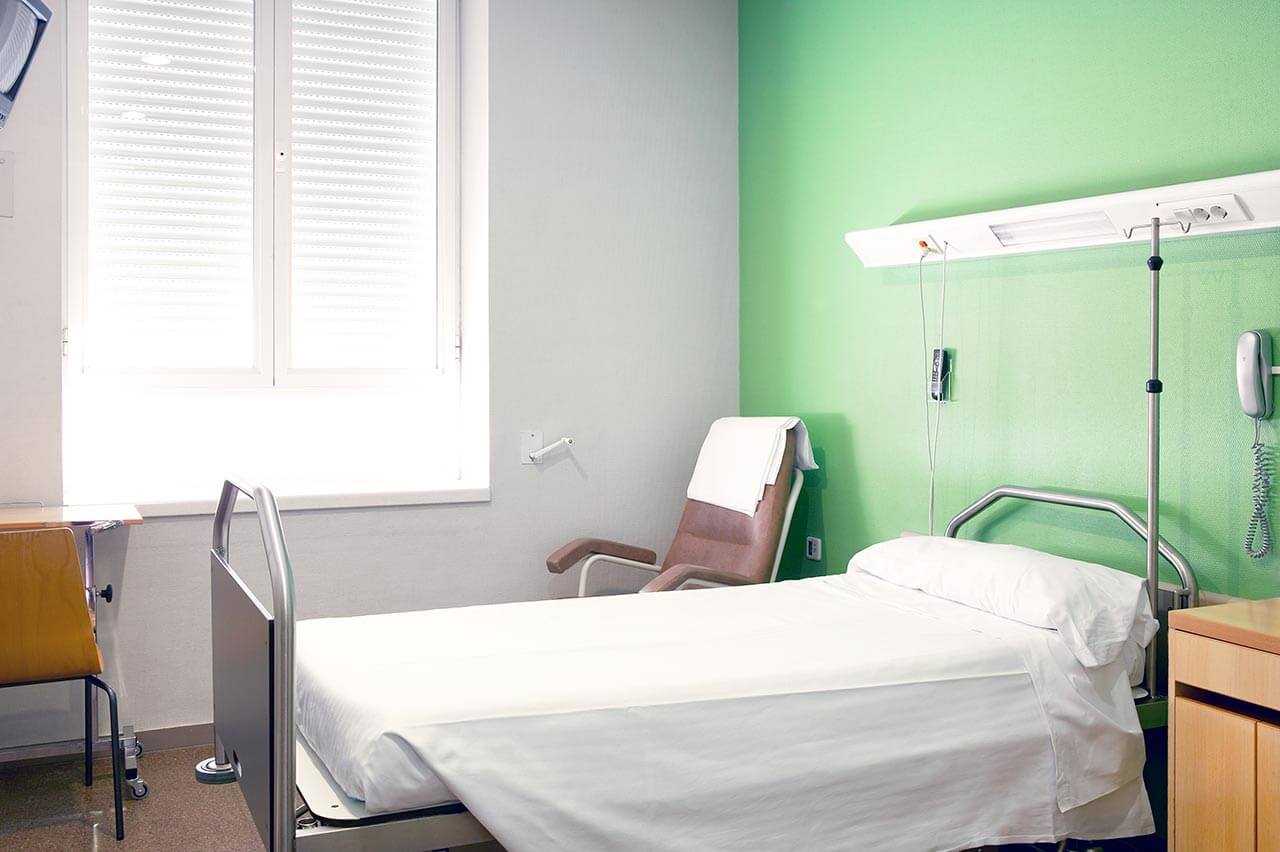
The patients of the University Hospital of Ludwig Maximilian University of Munich live in comfortable, spacious, single and double patient rooms with a modern design. Each room is equipped with an ensuite bathroom with a shower and toilet. The furnishing of a standard patient room includes a comfortable bed, the position of which can be adjusted using the remote control, a locker for storing personal belongings, a TV, and a telephone. Also, if desired, you can connect to the Internet. In addition, patients can opt for enhanced-comfort rooms, with a safe, a fridge, and upholstered furniture.
The hospital has an excellent infrastructure. The medical facility’s area houses a bank, ATMs, a hairdresser, shops with a wide range of food, drinks, newspapers, magazines, and personal hygiene items, play areas for children, and a beautiful garden for walking, etc.
The patient and his accompanying person are offered a daily choice of three menus, including a vegetarian one. If you are on a specific diet for any reason, you will be offered an individual menu. Please inform the medical staff about your dietary preferences prior to the treatment.
Standard rooms include:
Religious services are available upon request.
Your accompanying person may stay with you in your room or at a hotel of your choice during the fixed program.
You may stay at a hotel of your choice during an outpatient program. Our managers will help you to choose the best option.
The hospital offers a full range of laboratory tests (general, hormonal, tests for infections, antibodies, tumor markers, etc.), genetic tests, various modifications of ultrasound scans, CT scans, MRI and PET/CT, angiography, myelography, biopsies, and other examinations. Treatment with medications, endoscopic and robotic operations, and stereotaxic interventions are carried out here, modern types of radiation therapy are also used. The hospital offers patients all the necessary therapeutic techniques.
Patients with benign and malignant neoplasms of various localizations, pathologies of arteries and veins, herniated discs, osteoporosis, congenital and acquired pathologies of the musculoskeletal system, benign and malignant pathologies of the mammary gland, and other pathologies.
Over 1,700 highly qualified doctors work at the hospital.