{"translation_price":"50","translation_doc_price":"40","child_coefficient":"1.1","transfer_price":"2.00","transfer_price_vip":"5.00","constant_transfer_price_vip":350,"constant_transfer_price":150,"constant_transfer_distanse":60,"type":"diagnostic","program_full_story":"<ul>\n\t<li>Initial presentation in the clinic<\/li>\n\t<li>clinical history taking<\/li>\n\t<li>review of medical records<\/li>\n\t<li>physical examination<\/li>\n\t<li>neurological examination\n\t<ul>\n\t\t<li>reflexes<\/li>\n\t\t<li>muscle strength<\/li>\n\t\t<li>muscle tone<\/li>\n\t\t<li>senses of touch and sight<\/li>\n\t\t<li>coordination<\/li>\n\t\t<li>balance<\/li>\n\t<\/ul>\n\t<\/li>\n\t<li>laboratory tests:\n\t<ul>\n\t\t<li>complete blood count<\/li>\n\t\t<li>biochemical blood test<\/li>\n\t\t<li>inflammation markers (CRP, ESR)<\/li>\n\t\t<li>blood coagulation analysis (aPTT, PT, INR)<\/li>\n\t<\/ul>\n\t<\/li>\n\t<li>ice pack test<\/li>\n\t<li>electroencephalography (EEG)<\/li>\n\t<li>electroneuromyography (EMG)<\/li>\n\t<li>repetitive nerve stimulation<\/li>\n\t<li>cerebrovascular doppler ultrasound<\/li>\n\t<li>brain CT\/MRI<br \/>\n\t(if indicated clinically, additional cost is 650\/1200&euro;)<\/li>\n\t<li>symptomatic treatment<\/li>\n\t<li>the cost of essential medicines<\/li>\n\t<li>nursing services<\/li>\n\t<li>control examinations<\/li>\n\t<li>full hospital accommodation<\/li>\n\t<li>explanation of future recommendations<\/li>\n<\/ul>\n\n<p>&nbsp;<\/p>\n<div class=\"program_required_documents mt-4\"><h4>Required documents<\/h4><ul>\n\t<li style=\"text-align: justify;\">Medical records<\/li>\n\t<li style=\"text-align: justify;\">Electromyography (if available)<\/li>\n<\/ul>\n<\/div>","program_full_story_crm":"<ul>\n\t<li>Initial presentation in the clinic<\/li>\n\t<li>clinical history taking<\/li>\n\t<li>review of medical records<\/li>\n\t<li>physical examination<\/li>\n\t<li>neurological examination\n\t<ul>\n\t\t<li>reflexes<\/li>\n\t\t<li>muscle strength<\/li>\n\t\t<li>muscle tone<\/li>\n\t\t<li>senses of touch and sight<\/li>\n\t\t<li>coordination<\/li>\n\t\t<li>balance<\/li>\n\t<\/ul>\n\t<\/li>\n\t<li>laboratory tests:\n\t<ul>\n\t\t<li>complete blood count<\/li>\n\t\t<li>biochemical blood test<\/li>\n\t\t<li>inflammation markers (CRP, ESR)<\/li>\n\t\t<li>blood coagulation analysis (aPTT, PT, INR)<\/li>\n\t<\/ul>\n\t<\/li>\n\t<li>ice pack test<\/li>\n\t<li>electroencephalography (EEG)<\/li>\n\t<li>electroneuromyography (EMG)<\/li>\n\t<li>repetitive nerve stimulation<\/li>\n\t<li>cerebrovascular doppler ultrasound<\/li>\n\t<li>brain CT\/MRI<br \/>\n\t(if indicated clinically, additional cost is 650\/1200&euro;)<\/li>\n\t<li>symptomatic treatment<\/li>\n\t<li>the cost of essential medicines<\/li>\n\t<li>nursing services<\/li>\n\t<li>control examinations<\/li>\n\t<li>full hospital accommodation<\/li>\n\t<li>explanation of future recommendations<\/li>\n<\/ul>\n\n<p>&nbsp;<\/p>\n","is_ambulant":"0","bh_fee":"0","only_for_children":"0","no_service":"0","with_prepayment":"1","show_calculator":"1","paket_type":"1","btn_type":"2","clinic_icon":"6000497201e45.jpg","city":"Munich","clinic_site":"http:\/\/www.klinikum.uni-muenchen.de","department_recommend":"1","country":"Germany","country_id":"1","clinic_name":"University Hospital of Ludwig Maximilian University of Munich","cinic_name":"University Hospital of Ludwig Maximilian University of Munich","department_id":"867","duration":"5","direction":"Neurology","min_duration":0,"clinic_id":"519","paketPrice":3200,"paket":"<ul>\n <li> Interpreter up to 8 hours<\/li>\n <li>Translation of up to 5 pages<\/li>\n <li>Visa support<\/li>\n\n<\/ul>","title":"Myasthenia gravis diagnosis","price":{"val":7118.13,"type":"val"},"price_surcharge":0,"price_surcharge_clear":0,"extra_service_clinic":[{"id":"need_to_use_head_doctor","title":"Treatment by leading experts","type":"val","val":"2351.71","req":0},{"id":"1_person_room","title":" Single room (whole period)","parent":"duration","type":"count_val","val":"150.00"},{"id":"attendant_place","title":"Accommodation for the accompanying person ","parent":"duration","type":"count_val","val":"90.00"}],"extra_service":[],"translation_hours":"0","translation_doc_count":null,"roads":[{"id":"2","distance":"45","airport_title":"Munich"},{"id":"12","distance":"143","airport_title":"Salzburg"},{"id":"13","distance":"145","airport_title":"Innsbruck"}],"pakets":[],"lang":{"day":"Day","days":"days","ambulatory":"Outpatient","stationaryProgram":"Inpatient"}}

Myasthenia gravis diagnosis in University Hospital of Ludwig Maximilian University of Munich

University Hospital of Ludwig Maximilian University of Munich

Munich, Germany

Program id # 150155
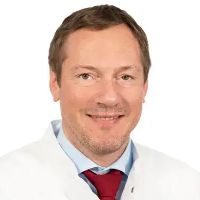
Doctor photo
Prof. Dr. med. Günter Höglinger
Department of Neurology
Specialized in: neurology

The program includes:

  • Initial presentation in the clinic
  • clinical history taking
  • review of medical records
  • physical examination
  • neurological examination
    • reflexes
    • muscle strength
    • muscle tone
    • senses of touch and sight
    • coordination
    • balance
  • laboratory tests:
    • complete blood count
    • biochemical blood test
    • inflammation markers (CRP, ESR)
    • blood coagulation analysis (aPTT, PT, INR)
  • ice pack test
  • electroencephalography (EEG)
  • electroneuromyography (EMG)
  • repetitive nerve stimulation
  • cerebrovascular doppler ultrasound
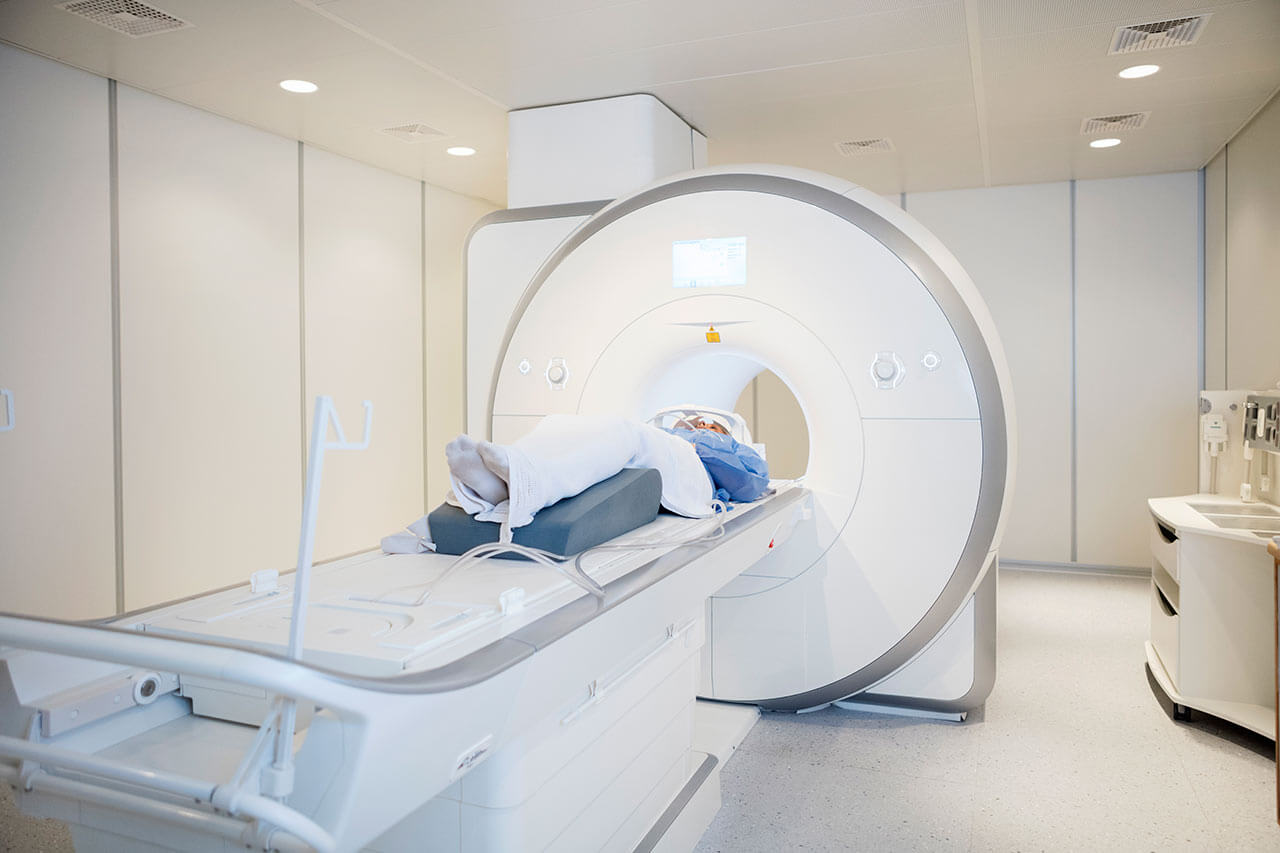
  • brain CT/MRI
    (if indicated clinically, additional cost is 650/1200€)
  • symptomatic treatment
  • the cost of essential medicines
  • nursing services
  • control examinations
  • full hospital accommodation
  • explanation of future recommendations


Required documents

  • Medical records
  • Electromyography (if available)

Service

Price from:
Type of program :
Price for 1 day:
Expected duration of the program:
The minimum duration of the program:
Select

You may also book:

Hospital directly:
Saving:
Guarantee BookingHealth Price from:

About the department

The Department of Neurology at the University Hospital of Ludwig Maximilian University of Munich offers the full range of modern diagnostics and treatment for diseases of the central and peripheral nervous systems. Of particular interest are such diseases as stroke, epilepsy, movement disorders, dizziness, neuroinfections, headaches, neurodegenerative disorders, and neuromuscular diseases. The department has modern diagnostic rooms with devices for electroencephalography, electromyography, electroneurography, Doppler ultrasonography, evoked potential recording, cerebrospinal fluid analysis, posturography, and other tests. All these diagnostic options allow the department's neurologists to make an accurate diagnosis and provide the most effective treatment. The department's specialists use modern drugs, botulinum toxin injection therapy, physiotherapeutic procedures, and other methods. The department has a friendly atmosphere and all the conditions for the provision of high-quality medical care. According to Newsweek, a reputable American news magazine, the department ranks among the world's best Neurology Centers.The department is headed by Prof. Dr. med. Günter Höglinger.

The department's specialists admit patients with various movement disorders, among which the most common are Parkinson's disease, atypical parkinsonism, tremor, and dystonia. Parkinson's disease is a severe disease of the nervous system in which neurons in the brain are damaged. The pathology has a progressive nature, and today it remains an incurable disease. The task of the department's neurologists is to achieve control over Parkinson's disease and slow down its progression. The neurological pathology has 5 stages, so during the diagnostics, the specialists determine the exact stage, assess the severity of symptoms, and assess a patient's general health condition. In the early stages of the disease, good therapeutic results can be achieved with the help of a well-chosen drug therapy regimen and physiotherapy procedures. In advanced stages and in the presence of severe symptoms, the department's neurologists resort to continuous drug infusions and/or deep brain stimulation.

More than 500 patients with chronic headaches are treated in the department every year. Patients with such a diagnosis are examined and treated in a specialized center, where highly qualified specialists work with them. The therapeutic process begins with a clinical examination and neurological examinations, on the basis of which doctors make a diagnosis. As for the treatment, the most effective analgesics and antispasmodics are selected individually for a patient to relieve pain. Sedatives and anticonvulsants are often additionally prescribed. Physiotherapeutic treatment, for example, massage and electrophoresis, can also have a good effect. Thus, when treating chronic headaches, the department's doctors use a comprehensive approach that allows for excellent therapeutic outcomes.

The department's team of neurologists has rich experience in treating patients with amyotrophic lateral sclerosis (ALS). The pathology is characterized by damage to motor nerve cells in the cerebral cortex and spinal cord. As of today, this disease is incurable, and the goal of doctors is to prolong the patient's life and maintain its high quality. The basis of therapy is the intake of drugs prescribed by a doctor. Whenever required, patients can be treated at home with non-invasive mechanical ventilation using a BiPAP device. The department's doctors also provide patients with palliative care, physiotherapy, and psychological care.

The department specializes in the diagnostics and treatment of many other neurological disorders, such as multiple sclerosis, Alzheimer's disease, myopathies, polyneuropathies, and dizziness. The medical facility also treats benign and malignant tumors of the brain and spinal cord (in cooperation with neurosurgeons).

The department specializes in the diagnostics and treatment of the following neurological disorders:

  • Stroke
  • Movement disorders
    • Parkinson's disease
    • Atypical parkinsonism
    • Dystonia
    • Tremor of various origins
  • Multiple sclerosis
  • Alzheimer's disease
  • Epilepsy
  • Spasticity
  • Cognitive neurological disorders (for example, memory and speech disorders)
  • Chronic headaches
  • Dizziness and balance disorders
  • Neuroimmunological diseases
  • Neuromuscular diseases
    • Myopathy, including metabolic one
    • Muscular dystrophy
    • Mitochondrial diseases
    • Spinal muscular atrophy
    • Myotonia
    • Amyotrophic lateral sclerosis
    • Polyneuropathies
    • Motor polyneuropathy
    • Vasculitic neuropathy
  • Benign and malignant tumors of the brain and spinal cord
  • Dementia
  • Other diseases of the nervous system 

The department's range of diagnostic and therapeutic services includes:

  • Diagnostics
    • Electroencephalography
    • Electromyography
    • Nerve conduction velocity test
    • Doppler ultrasonography
    • Registration of somatosensory evoked potentials
    • Registration of visual evoked potentials
    • Registration of auditory evoked potentials
    • Lumbar puncture
    • Neuropsychological tests
    • Posturography
  • Treatment
    • Drug therapy with pills and infusions
    • Botulinum toxin therapy
    • Transcranial magnetic stimulation
    • Deep brain stimulation (in collaboration with neurosurgeons)
    • Physiotherapy procedures
  • Other diagnostic and treatment methods

Curriculum vitae

Higher Education and Postgraduate Training

  • 1993 Bachelor's degree in Physics, University of Regensburg.
  • 1999 Admission to medical practice, Regensburg and Wuerzburg Universities.
  • 1999 Intern, National Hospital for Neurology and Neurosurgery, London, UK.
  • 2000 Thesis defense in medicine with honors, Universities of Munich, Bern, and Marburg.
  • 2000 - 2004 Postdoctoral Fellowship, National Institute for Health and Medical Research (INSERM), Salpetriere Hospital, Paris, France.
  • 2007 Habilitation for Neurology, Philipps University of Marburg.
  • 2007 Board certification in Neurology, Hessen State Medical Association.
  • 2012 Additional qualification in Intensive Care, Hessen State Medical Association.
  • 2014 Additional qualification in Geriatrics, Hessen State Medical Association.

Professional Career

  • 1999 - 2001 Physician, Department of Neurology, University Hospital Marburg, Germany.
  • 2004 - 2011 Head of the Section of Experimental Neurology, University Hospital Marburg, Germany.
  • 2008 - 2009 Senior Physician, Department of Neurology, University Hospital Marburg, Germany.
  • 2009 - 2011 Head of the Department of Neurology, University Hospital Marburg, Germany.
  • 2010 - 2011 Head of the Stroke Unit in the Department of Neurology, University Hospital Marburg, Germany.
  • 2011 Deputy Head of the Department of Neurology, University Hospital Marburg, Germany.
  • 2011 - 2019 W3 Professorship for Translational Neurodegeneration, German Center for Neurodegenerative Diseases (DZNE), Munich; Senior Medical Consultant for Neurology, Department of Neurology, University Hospital Rechts der Isar Munich.
  • 2017 - 2019 Clinical Research Coordinator and Head of the Department of Clinical Research, German Center for Neurodegenerative Diseases (DZNE), Munich.

Memberships in Professional Societies

  • Since 2010 Member of the Scientific Advisory Board of the CurePSP Foundation, New York, NY, USA.
  • 2007 - 2011 Co-Founder of the CurePSP Genetic Consortium.
  • 2012 Chairman of the PSP International Research Consortium, International Parkinson and Movement Disorder Society (MDS).
  • Since 2015 Advisory Board Member of the Prof. Klaus Tiemann Foundation, Berlin, Germany.
  • 2017 - 2023 President of the German Parkinson Society (DPG).
  • Since 2020 Chairman of the Scientific Advisory Board of the German Parkinson Foundation, Berlin, Germany.
  • Since 2021 Member of the Steering Committee for Clinical Research, Hannover Medical School.
  • Since 2021 Commission Member for Thesis Assessment "Systemic Neuroscience", Hannover.
  • Since 2021 Member of the Board of Directors of the International Neuroscience Institute, Hannover.

Prizes, Awards, and Honors

  • 1994 - 1999 University Scholarship, Hanns Seidel Foundation.
  • 2001 - 2002 Scholarship, German Research Foundation (DFG).
  • 2003 Scholarship, German Parkinson Foundation.
  • 2004 Award of Excellence in Neuroscience.
  • 2005 Prize, German Parkinson Foundation.
  • 2005 Prize, German Parkinson Association.
  • 2007 Award of Excellence in Fundamental Science, Movement Disorder Society.
  • 2009 First Prize "Innovative Therapeutic Strategies for Neurodegenerative Diseases", Walter and Louise Freundlich Foundation.
  • 2011 - 2016 (W3) Professorship, German Research Foundation (DFG).
  • Dingebauer Research Award for Atypical Parkinsonism, German Society of Neurology (DGN).
  • 2020 Cure PSP Award of Excellence, New York, NY, USA.

Photo of the doctor: (c) LMU Klinikum


About hospital

The renowned FOCUS magazine ranking consistently positions the University Hospital of Ludwig Maximilian University of Munich among the best medical facilities in Germany with top-tier care and remarkable treatment success rates!

This hospital is one of the largest multidisciplinary medical facilities with a status of a leading training and research center in Germany and Europe, enabling it to make unique scientific discoveries that benefit the world. The University Hospital of Ludwig Maximilian University of Munich is proud of its nearly 200-year history and is committed to maintaining its top positions in both national and international healthcare.

The medical facility has two main campuses: Grosshadern and Innenstadt. The University Hospital of Ludwig Maximilian University of Munich operates 28 specialized departments, 16 institutes, and 63 interdisciplinary centers. The hospital has around 2,000 beds to accommodate patients. This large medical complex receives more than 551,000 patients each year and provides outpatient services to around 460,000 people. The hospital employs a highly professional team of 11,908 medical staff whose main task is to restore patients' health in a comfortable and friendly environment, making use of advanced medical resources.

A distinctive feature of the University Hospital of Ludwig Maximilian University of Munich is its state-of-the-art infrastructure, offering high-precision diagnostic equipment that allows for detecting the slightest pathological alterations in the human body, convenient procedure rooms for a variety of outpatient medical procedures, as well as operating rooms with robot-assisted surgical systems and advanced tools for performing minimally invasive interventions that enable the quickest and easiest possible recovery in the postoperative period.

The hospital's excellent technical resources and highly professional medical staff are undoubtedly its pride and joy, but the facility also pays close attention to patient comfort and takes a compassionate approach to their situation. Doctors and nursing staff always show a friendly attitude when providing the necessary medical care. They inform patients in detail about upcoming diagnostic and therapeutic procedures, gladly answer any questions patients may have, and provide moral support throughout their treatment.

The University Hospital of Ludwig Maximilian University of Munich covers virtually all currently available medical fields with outstanding treatment outcomes. However, there are several units within the hospital that deserve special mention as they offer unique competencies and have received special recognition among similar facilities in Germany and beyond. These are the Comprehensive Cancer Center Munich, the Transplant Center, the German Center for Vertigo and Balance Disorders, and the Institute of Infectious Diseases and Tropical Medicine. 

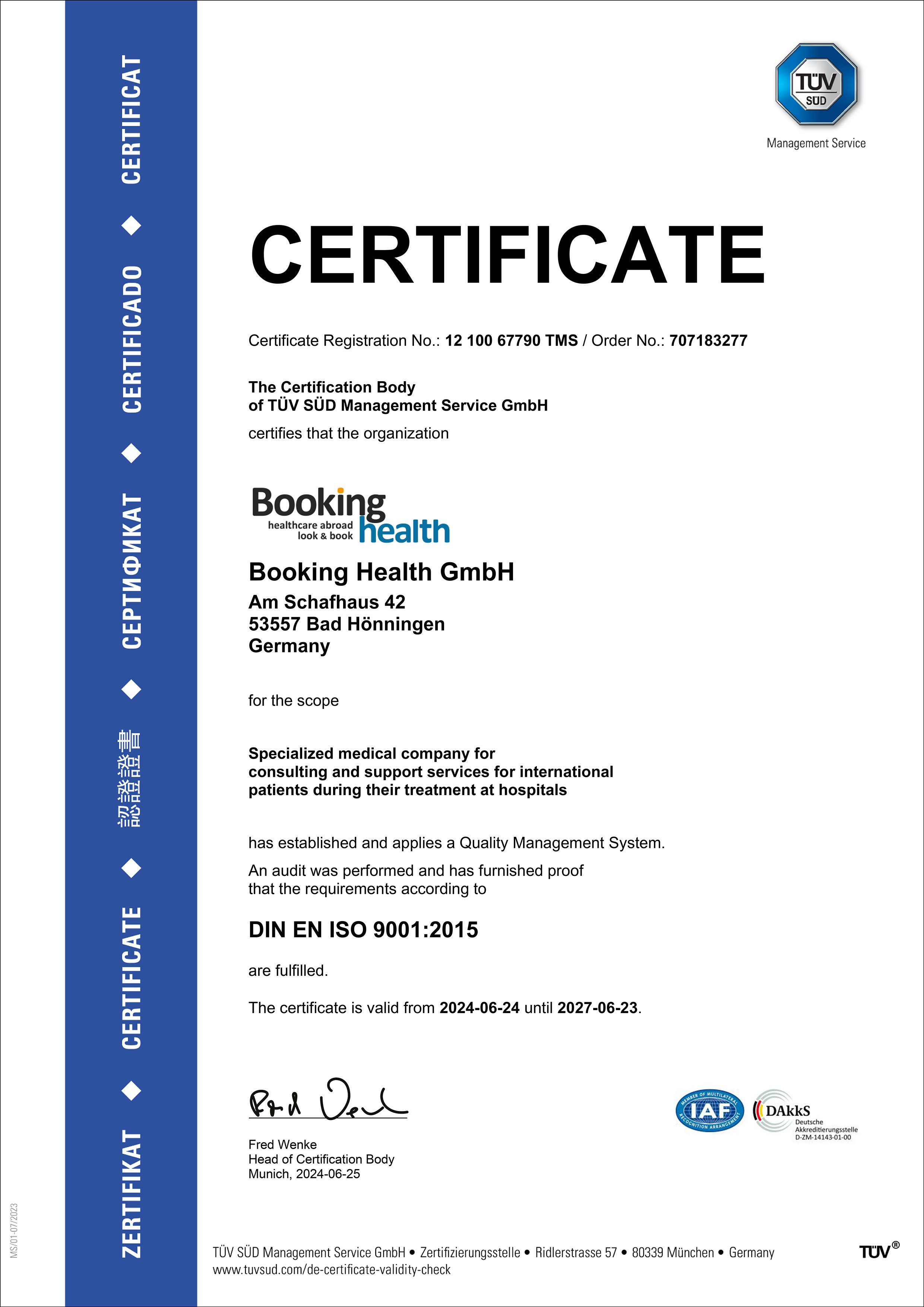
The University Hospital of Ludwig Maximilian University of Munich holds many prestigious quality certifications, including DIN EN ISO 9001, IQM and EndoCert,as well as certifications from the German Cancer Society (DKG) for the treatment of various cancers, the German Cardiac Society (DGK) and the German Society for Orthopaedics and Trauma Surgery (DGOU).

Taking all of the above into account, patients can expect to receive the best possible medical care in a friendly environment. With its innovations and exceptional experience, the hospital is rightly considered one of the most advanced and successful medical facilities, saving the lives of German citizens and patients from around the world every day.

Photo: (с) depositphotos

Accommodation in hospital

Patients rooms

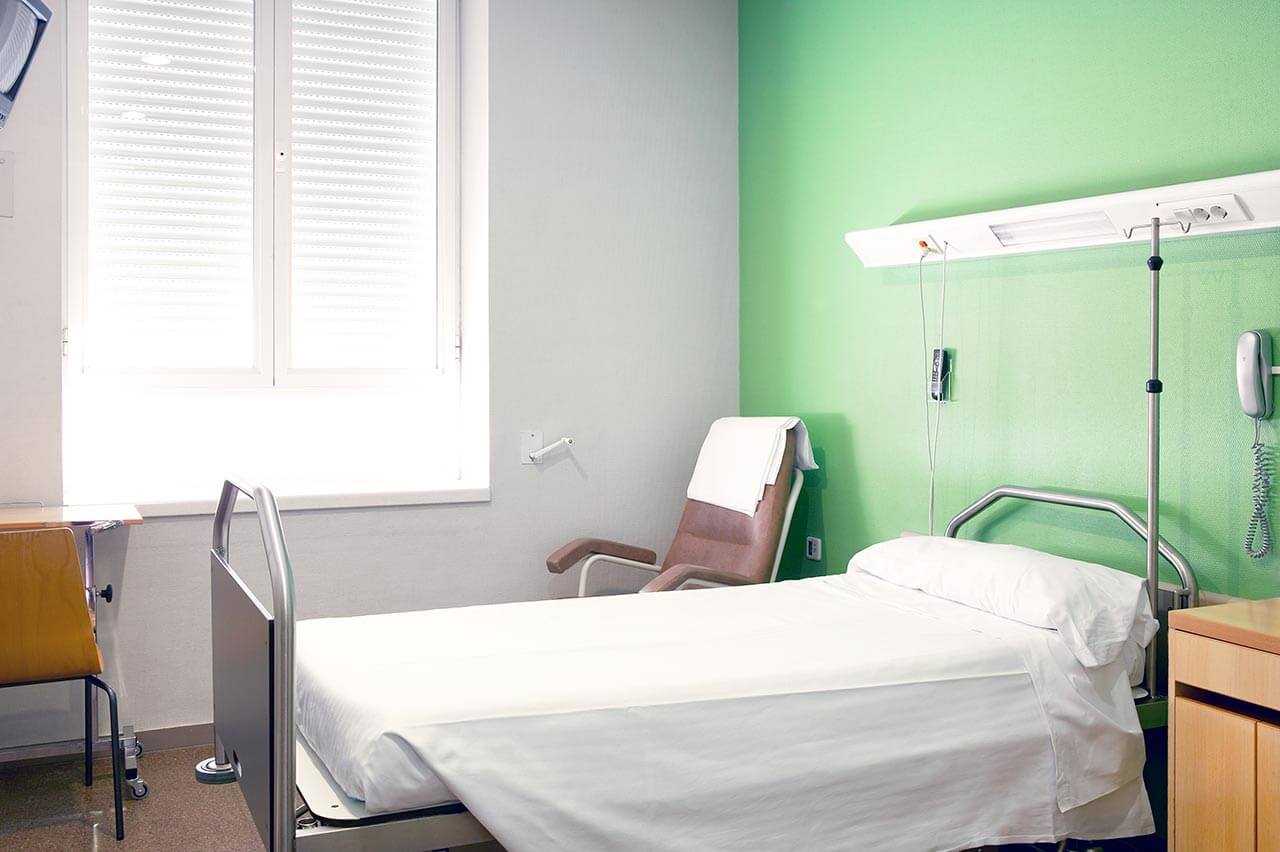
The patients of the University Hospital of Ludwig Maximilian University of Munich live in comfortable, spacious, single and double patient rooms with a modern design. Each room is equipped with an ensuite bathroom with a shower and toilet. The furnishing of a standard patient room includes a comfortable bed, the position of which can be adjusted using the remote control, a locker for storing personal belongings, a TV, and a telephone. Also, if desired, you can connect to the Internet. In addition, patients can opt for enhanced-comfort rooms, with a safe, a fridge, and upholstered furniture.

The hospital has an excellent infrastructure. The medical facility’s area houses a bank, ATMs, a hairdresser, shops with a wide range of food, drinks, newspapers, magazines, and personal hygiene items, play areas for children, and a beautiful garden for walking, etc.

Meals and Menus

The patient and his accompanying person are offered a daily choice of three menus, including a vegetarian one. If you are on a specific diet for any reason, you will be offered an individual menu. Please inform the medical staff about your dietary preferences prior to the treatment.

Further details

Standard rooms include:

Toilet
Shower
Wi-Fi
TV

Religion

Religious services are available upon request.

Accompanying person

Your accompanying person may stay with you in your room or at a hotel of your choice during the fixed program.

Hotel

You may stay at a hotel of your choice during an outpatient program. Our managers will help you to choose the best option.

The hospital offers a full range of laboratory tests (general, hormonal, tests for infections, antibodies, tumor markers, etc.), genetic tests, various modifications of ultrasound scans, CT scans, MRI and PET/CT, angiography, myelography, biopsies, and other examinations. Treatment with medications, endoscopic and robotic operations, and stereotaxic interventions are carried out here, modern types of radiation therapy are also used. The hospital offers patients all the necessary therapeutic techniques.

  • Allogeneic bone marrow transplantation
  • Microsurgical transplantation of head and neck tissues
  • Microsurgical resection of brain tumors with intraoperative fluorescence
  • Minimally invasive treatment of spine pathologies
  • Joint replacement with postoperative rehabilitation (fast track program)

Patients with benign and malignant neoplasms of various localizations, pathologies of arteries and veins, herniated discs, osteoporosis, congenital and acquired pathologies of the musculoskeletal system, benign and malignant pathologies of the mammary gland, and other pathologies.

  • Interventional and diagnostic neuroradiology
  • Vascular surgery
  • Cardiac surgery
  • Mammalogy
  • Gastroenterology and hepatology