Diagnostic tests for epididymitis in University Hospital of Ludwig Maximilian University of Munich
University Hospital of Ludwig Maximilian University of Munich
Munich, Germany


 BookingHealth Price from:
The Department of Adult and Pediatric Urology, Andrology has an excellent reputation among patients and the medical community, both nationally and internationally. This prominent clinic offers a comprehensive range of services for men and boys with reproductive system diseases, combining long-established conventional therapeutic approaches with the latest medical innovations. The department's services are complemented by the management of andrological problems in men, with a special focus on fertility diagnoses and microsurgical procedures, such as varicocele ligation, vasectomy (male sterilization), surgical sperm retrieval procedures (TESE and MESA), and transurethral resection of the ejaculatory ducts (TURED). The department also provides medical care to men and women with diseases of the urinary system, including kidney, ureteral, bladder, and urethral conditions. The department is certified by the German Cancer Society (DKG) as a Prostate Cancer Center, which confirms its high standards of care in this field. The department also has excellent expertise in surgical urology, performing 380 radical prostatectomies for prostate cancer, many of them using the da Vinci robotic system, 67 endoscopic and laser procedures for benign prostatic hyperplasia, 159 operations for kidney cancer, 121 interventions for female and male urinary incontinence, 438 endoscopic bladder tumor removal procedures, and many other operations. The department's urologists are experts in innovative treatment methods, including holmium laser enucleation of the prostate (HoLEP), photodynamic therapy, and da Vinci robot-assisted surgery. The department employs physicians who are comprehensively trained and experienced in applying the latest medical advances in their practice.
The Head Physician of the department is Prof. Dr. med. Christian Georg Stief – a highly competent doctor who has successfully treated the full range of urological diseases and male infertility for more than 35 years. His clinical interests include the treatment of malignant diseases of the male reproductive system, kidneys, and bladder. Prof. Stief keeps pace with innovations, offering his patients the least invasive surgical treatments available, including da Vinci robot-assisted procedures. The specialist is an editor of specialized urology journals and an author of over 600 significant publications in medical science.
The department is one of the top-rated German medical facilities specializing in prostate cancer treatment. This type of malignancy is the most common in men. Nonetheless, it is highly treatable and usually curable if detected in time. Therefore, early detection during routine check-ups is important. Diagnosis is based on three tests: a digital rectal examination (DRE), a transrectal ultrasound (TRUS), and a blood test to check for prostate-specific antigen (PSA). However, a definitive diagnosis is then established via a prostate biopsy. If a diagnosis of prostate carcinoma is confirmed, imaging tests such as MRI, PSMA-PET/CT, bone scintigraphy, and CT are performed to assess the local spread of the tumor and determine the presence of metastases. The next step is to develop the most appropriate treatment plan for the patient, taking into account the stage of the disease, the presence of metastases, and personal factors such as age and overall health.
Patients with localized prostate cancer receive curative therapies, which aim to completely eliminate the tumor. These approaches include a radical prostatectomy, conventional radiation therapy, which is an equally effective alternative to surgery for many patients, and brachytherapy that irradiates the prostate directly from within by implanting tiny radioactive seeds. A prerequisite for performing surgery is that the prostate carcinoma has not yet extended beyond the prostatic capsule and that the tumor has not spread elsewhere in the body. It should be noted that the department is an expert-level center in urologic oncology. Radical prostatectomies are performed here using the da Vinci robot-assisted system, which offers greater surgical precision while sparing the abdominal wall muscles. Since prostate cancer grows relatively slowly, particularly in older men, hormone therapy or active surveillance (regular monitoring instead of immediate treatment) may be appropriate under certain circumstances. In selected cases, the department treats localized tumors with focal therapies, such as vascular targeted photodynamic therapy. The main advantage of this treatment is that it preserves the prostate while reducing or avoiding side effects like erectile dysfunction and incontinence. However, this therapeutic option is not suitable for all patients and is prescribed on a case-by-case basis. When it comes to advanced or metastatic prostate carcinoma, hormone therapy is typically prescribed to suppress the production of the male sex hormone – testosterone, which prostate cancer cells generally require for growth. This approach has proven to be quite effective, as it can slow the progression of the disease by several years. If the disease progresses, further options include new-generation hormonal drugs, chemotherapy, and PSMA-targeted radioligand therapy. For bone metastases, which accompany advanced prostate cancer in about 80% of cases, the department's urologists offer Radium-223 targeted therapy that is carried out in close cooperation with the specialists from the Department of Nuclear Medicine.
The department also admits patients with benign prostate diseases, the most common of which is benign prostatic hyperplasia. The first line of treatment for this condition is drug therapy using a wide group of medications. The next option if drug therapy fails is surgery or laser treatment. The department performs over 660 transurethral resections of the prostate (TURP) and 496 HoLEP laser procedures each year, making it one of the most experienced facilities in Germany for benign prostatic hyperplasia (BPH) treatment. Holmium laser enucleation of the prostate (HoLEP) is the gold standard for treating benign prostatic hyperplasia in modern urology and has demonstrated highly positive results. This method removes the enlarged prostate tissue through the urethra, with practically no restrictions on prostate size. It is noteworthy that the department is one of the few centers in southern Germany offering HoLEP as a standard treatment for benign prostatic hyperplasia. The range of treatments for benign prostatic hyperplasia (BPH) also includes other effective options, such as vaporization procedures (GreenLight laser therapy, diode laser vaporization, and plasma vaporization of the prostate) and thermal procedures (transurethral needle ablation of the prostate, transurethral microwave ablation, and Rezum therapy).
The department successfully treats malignant kidney and bladder tumors. The primary treatment for kidney cancer is surgical resection of the tumor or removal of the affected kidney, which is usually necessary in advanced stages. However, the department's doctors make every effort to remove only the tumor while preserving the kidney, as this very factor largely influences the patient's survival prognosis. Thus, the removal of the entire kidney is required here only for very large or aggressive tumors. Partial nephrectomy is mainly performed using laparoscopic and robot-assisted techniques; open surgery is reserved for complex cases where the tumor has an unfavorable location: this approach better preserves the kidney and enables surgeons to save the organ in challenging cases where the tumor has an unfavorable localization. For patients with metastatic kidney cancer, the department's doctors aim to surgically remove metastases whenever possible. This procedure is combined with systemic drug therapy. Previously, the treatment of metastases was based on stimulating the immune system, an approach associated with significant side effects. Today, the standard treatment combines immune checkpoint inhibitors, either with each other or with angiogenesis inhibitors, drugs that block the formation of blood vessels that feed the tumor. These therapies can significantly prolong survival, even if the metastases do not disappear completely, often turning the disease into a chronic condition.
Bladder cancer patients are treated in the specialized center operating as part of the Comprehensive Cancer Center Munich. Due to the exceptionally high volume of bladder cancer surgeries performed at this center, its specialists have unique expertise in this field. The mainstay of bladder cancer treatment is surgery to remove either the tumor alone or the tumor and part or all of the affected organ, depending on the stage of the cancer. Non-muscle invasive bladder cancer is treated with a minimally invasive technique called transurethral resection of bladder tumors (TURBT). For localized muscle-invasive bladder cancer, the department's specialists mainly perform a radical cystectomy, an operation under general anesthesia lasting 2.5 to 4 hours. In many cases, surgery is complemented by a course of chemotherapy.
It is worth noting that the department is one of the most experienced centers in Germany for da Vinci surgery. This type of surgery has become increasingly important in the field of urology recently. The specialists at the medical facility have more than 15 years of experience successfully using the robotic device. It is a valuable tool for tumor removal surgeries, including nerve-sparing prostatectomy, kidney tumor removal, cystectomy with creation of a new bladder (neobladder), and other procedures. The use of a robot-assisted surgical system offers patients many benefits, including a good aesthetic result of the operation with almost invisible scars, mild postoperative pain, minimal risk of wound healing complications, and a short hospital stay. Another important factor is that the da Vinci system can help preserve continence and erectile function when used for prostate cancer treatment, offering the highest possible precision in surgical manipulations.
The department also admits young patients with various urological diseases. Doctors treat enuresis (bedwetting), recurrent urinary tract infections, vesicoureteral reflux, urinary outflow disorders, phimosis, varicocele, undescended testicles, and other conditions. In some cases, specialists use drug therapy alone to treat conditions such as urinary tract infections. If a child is diagnosed with phimosis or undescended testicles, surgical repair is usually required. Many urological procedures on children are performed on an outpatient basis.
The department supplements its therapeutic offerings by treating andrological diseases, particularly erectile dysfunction and infertility. In the case of erectile dysfunction, doctors start with a thorough diagnosis to determine the cause. The condition can develop due to neurological problems, depression, circulatory disorders, or hormonal imbalances. In most cases, the condition can be treated effectively with modern drugs. However, if necessary, surgery may also be performed, including arterial revascularization and penile prosthesis implantation. Men suspected of being infertile require an accurate diagnosis, which involves a clinical examination, hormonal tests, a a semen analysis, and ultrasound scans. Based on these results, an andrologist can determine the exact cause of the inability to conceive and prescribe the necessary treatment. For example, 10-15% of cases of infertility are caused by varicocele, for which the specialists perform a minimally invasive operation lasting about 30 minutes.If a man is diagnosed with azoospermia (no sperm in the ejaculate), he may be a candidate for testicular sperm extraction (TESE) or microsurgical epididymal sperm aspiration (MESA). The department's doctors are highly experienced in these procedures, so patients can feel confident about their effectiveness and safety.
The department's range of medical services includes the following:
Higher Education and Professional Career
Other Professional Activities
Research Interests
Photo of the doctor: (c) LMU Klinikum
The renowned FOCUS magazine ranking consistently positions the University Hospital of Ludwig Maximilian University of Munich among the best medical facilities in Germany with top-tier care and remarkable treatment success rates!
This hospital is one of the largest multidisciplinary medical facilities with a status of a leading training and research center in Germany and Europe, enabling it to make unique scientific discoveries that benefit the world. The University Hospital of Ludwig Maximilian University of Munich is proud of its nearly 200-year history and is committed to maintaining its top positions in both national and international healthcare.
The medical facility has two main campuses: Grosshadern and Innenstadt. The University Hospital of Ludwig Maximilian University of Munich operates 28 specialized departments, 16 institutes, and 63 interdisciplinary centers. The hospital has around 2,000 beds to accommodate patients. This large medical complex receives more than 551,000 patients each year and provides outpatient services to around 460,000 people. The hospital employs a highly professional team of 11,908 medical staff whose main task is to restore patients' health in a comfortable and friendly environment, making use of advanced medical resources.
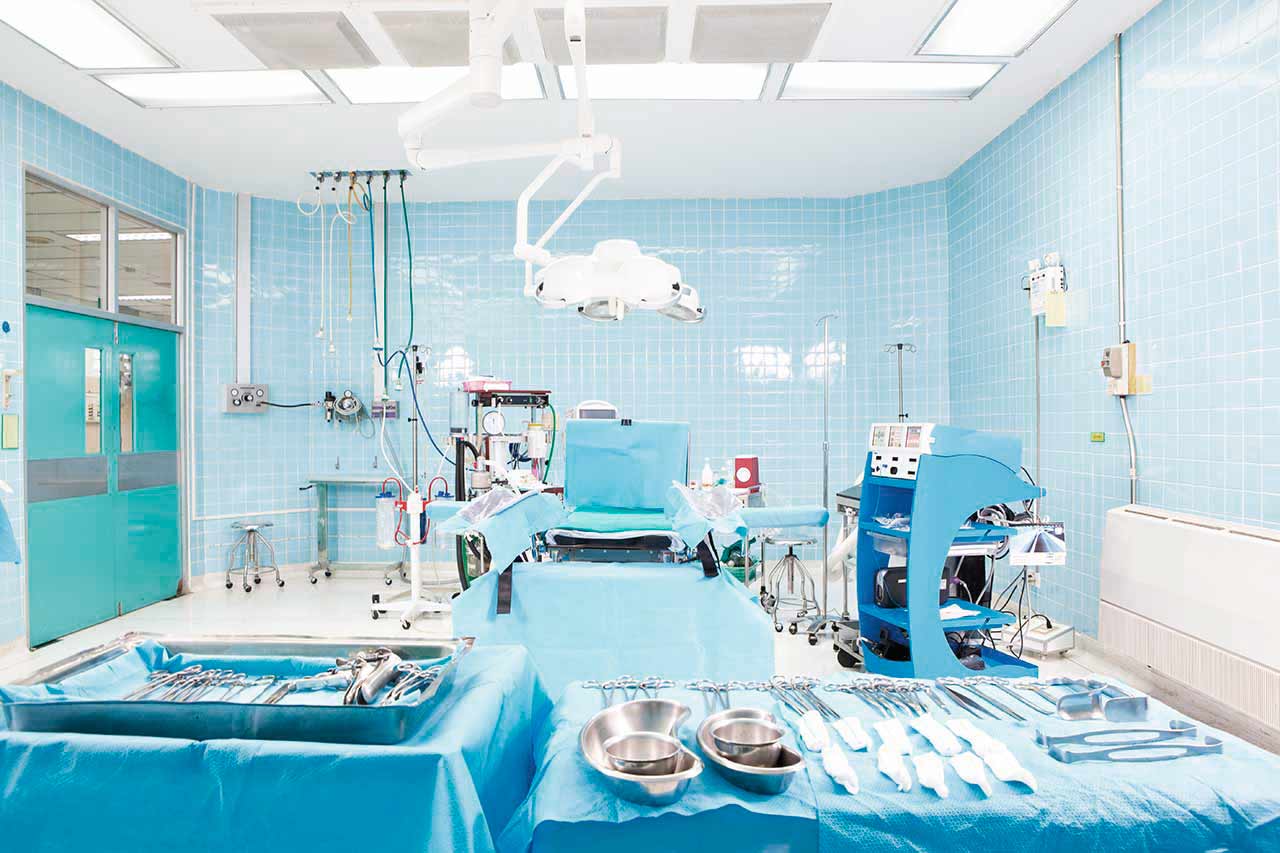
A distinctive feature of the University Hospital of Ludwig Maximilian University of Munich is its state-of-the-art infrastructure, offering high-precision diagnostic equipment that allows for detecting the slightest pathological alterations in the human body, convenient procedure rooms for a variety of outpatient medical procedures, as well as operating rooms with robot-assisted surgical systems and advanced tools for performing minimally invasive interventions that enable the quickest and easiest possible recovery in the postoperative period.
The hospital's excellent technical resources and highly professional medical staff are undoubtedly its pride and joy, but the facility also pays close attention to patient comfort and takes a compassionate approach to their situation. Doctors and nursing staff always show a friendly attitude when providing the necessary medical care. They inform patients in detail about upcoming diagnostic and therapeutic procedures, gladly answer any questions patients may have, and provide moral support throughout their treatment.
The University Hospital of Ludwig Maximilian University of Munich covers virtually all currently available medical fields with outstanding treatment outcomes. However, there are several units within the hospital that deserve special mention as they offer unique competencies and have received special recognition among similar facilities in Germany and beyond. These are the Comprehensive Cancer Center Munich, the Transplant Center, the German Center for Vertigo and Balance Disorders, and the Institute of Infectious Diseases and Tropical Medicine.
The University Hospital of Ludwig Maximilian University of Munich holds many prestigious quality certifications, including DIN EN ISO 9001, IQM and EndoCert,as well as certifications from the German Cancer Society (DKG) for the treatment of various cancers, the German Cardiac Society (DGK) and the German Society for Orthopaedics and Trauma Surgery (DGOU).
Taking all of the above into account, patients can expect to receive the best possible medical care in a friendly environment. With its innovations and exceptional experience, the hospital is rightly considered one of the most advanced and successful medical facilities, saving the lives of German citizens and patients from around the world every day.
Photo: (с) depositphotos
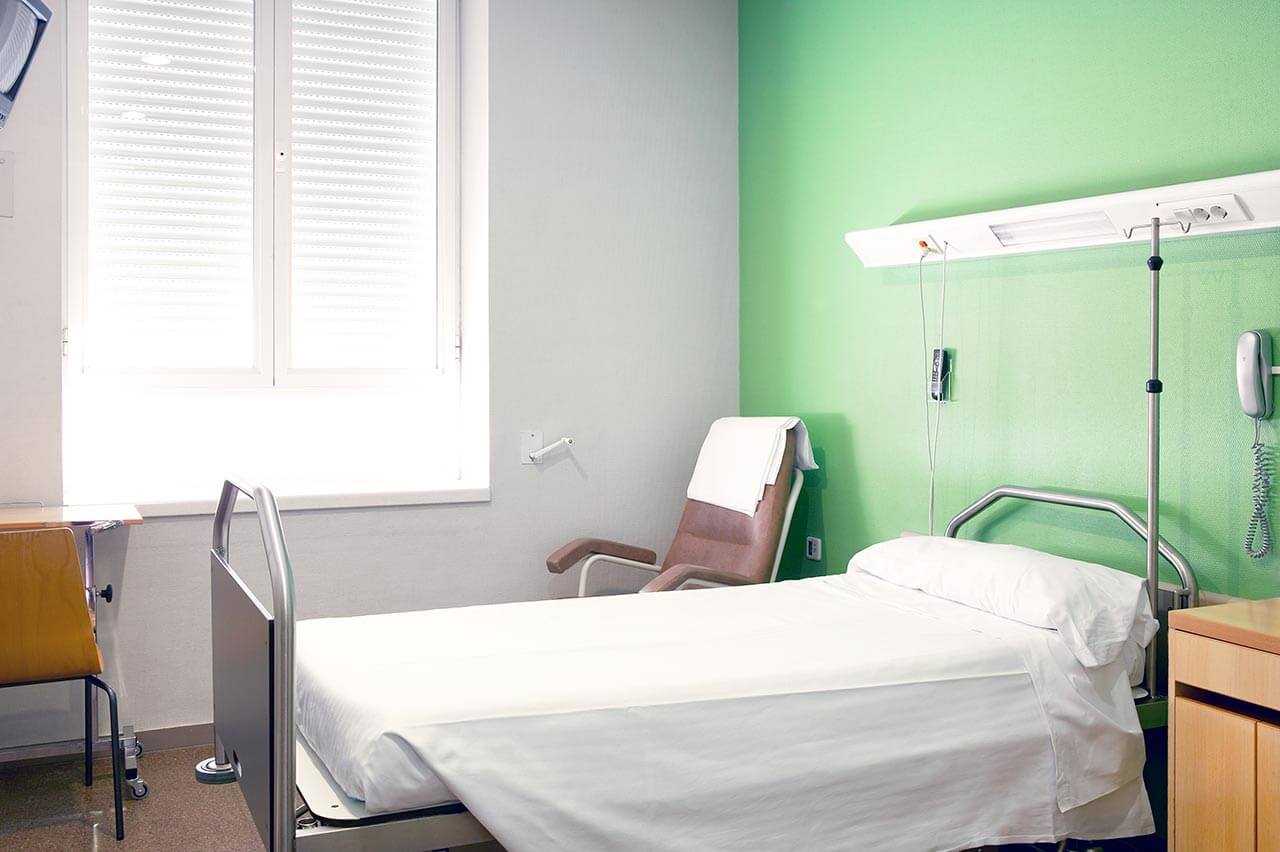
The patients of the University Hospital of Ludwig Maximilian University of Munich live in comfortable, spacious, single and double patient rooms with a modern design. Each room is equipped with an ensuite bathroom with a shower and toilet. The furnishing of a standard patient room includes a comfortable bed, the position of which can be adjusted using the remote control, a locker for storing personal belongings, a TV, and a telephone. Also, if desired, you can connect to the Internet. In addition, patients can opt for enhanced-comfort rooms, with a safe, a fridge, and upholstered furniture.
The hospital has an excellent infrastructure. The medical facility’s area houses a bank, ATMs, a hairdresser, shops with a wide range of food, drinks, newspapers, magazines, and personal hygiene items, play areas for children, and a beautiful garden for walking, etc.
The patient and his accompanying person are offered a daily choice of three menus, including a vegetarian one. If you are on a specific diet for any reason, you will be offered an individual menu. Please inform the medical staff about your dietary preferences prior to the treatment.
Standard rooms include:
Religious services are available upon request.
Your accompanying person may stay with you in your room or at a hotel of your choice during the fixed program.
You may stay at a hotel of your choice during an outpatient program. Our managers will help you to choose the best option.
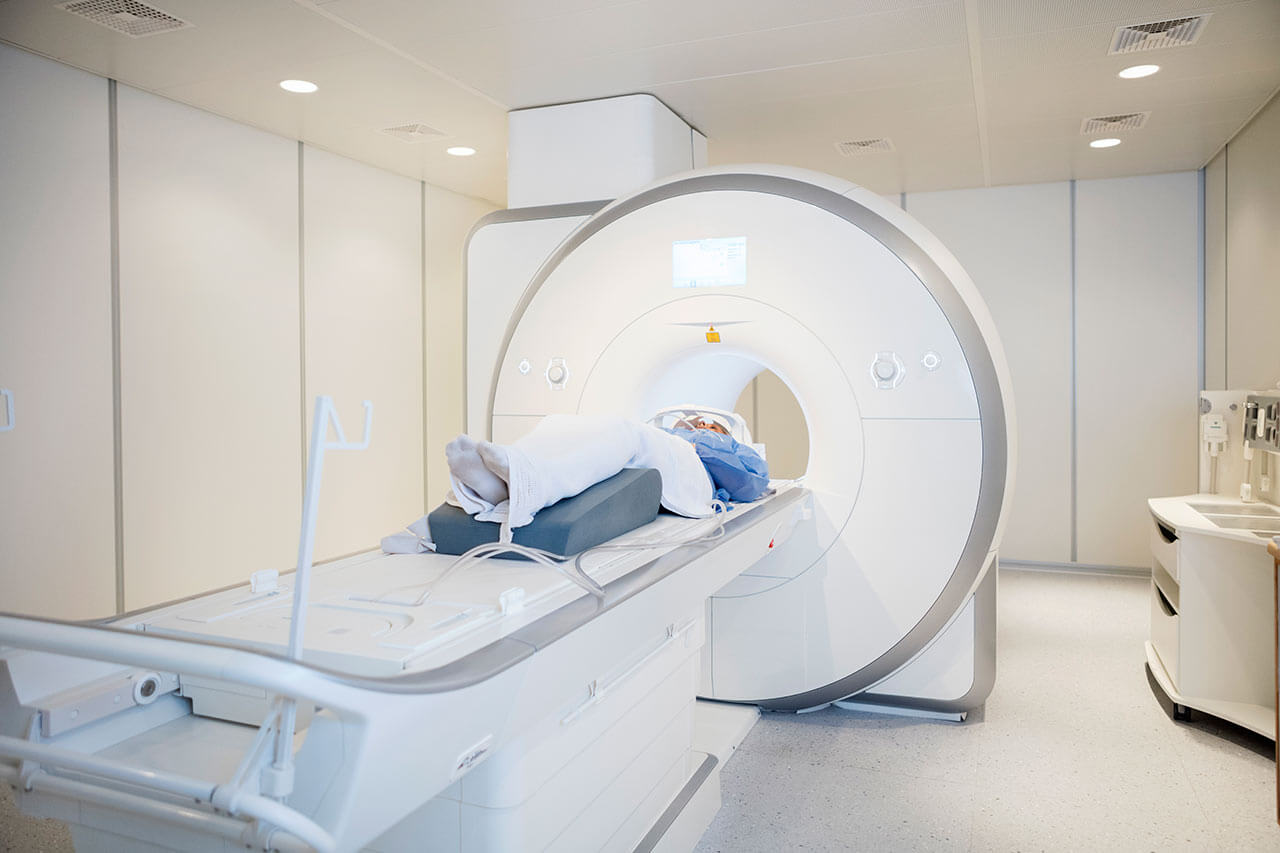
The hospital offers a full range of laboratory tests (general, hormonal, tests for infections, antibodies, tumor markers, etc.), genetic tests, various modifications of ultrasound scans, CT scans, MRI and PET/CT, angiography, myelography, biopsies, and other examinations. Treatment with medications, endoscopic and robotic operations, and stereotaxic interventions are carried out here, modern types of radiation therapy are also used. The hospital offers patients all the necessary therapeutic techniques.
Patients with benign and malignant neoplasms of various localizations, pathologies of arteries and veins, herniated discs, osteoporosis, congenital and acquired pathologies of the musculoskeletal system, benign and malignant pathologies of the mammary gland, and other pathologies.
Over 1,700 highly qualified doctors work at the hospital.