Diagnosis for jaw cancer in University Hospital of Ludwig Maximilian University of Munich
University Hospital of Ludwig Maximilian University of Munich
Munich, Germany



 BookingHealth Price from:
The Department of Adult and Pediatric Oral and Maxillofacial Surgery at the University Hospital of Ludwig Maximilian University of Munich offers the full range of diagnostics and treatment of diseases of the oral cavity, jaws, face, and upper neck. Depending on the severity of the disease, doctors provide both outpatient and inpatient treatment. The department's doctors use modern therapeutic methods and surgical procedures to ensure the best treatment results, including aesthetic ones. The specialists working in the medical facility have excellent professional skills in the surgical treatment of temporomandibular joint diseases, inflammatory processes in maxillofacial bones and soft tissues, facial fractures, benign and malignant maxillofacial tumors, and congenital malformations, in particular, cleft lip and palate. Malignant maxillofacial tumors are treated in cooperation with oncologists, radiation therapists, radiologists, and specialists from the Head and Neck Cancer Center, which is part of the Department of Adult and Pediatric Otolaryngology. The department has created all the conditions for patients to receive high-quality medical care in a comfortable environment. The department is headed by Prof. Dr. med. Sven Otto.
Many patients come to the department with temporomandibular joint disorders, which, along with the muscles of mastication, ensure the movement of the lower jaw and the closing of the teeth. Dysfunction of this joint causes severe discomfort and can provoke a change in the face shape. At the diagnostic stage, the department's doctors carry out a clinical examination, assess chewing function, swallowing, breathing, the type of teeth closing, and other important indicators. They then perform imaging tests, such as X-ray, computed tomography, magnetic resonance imaging, and orthopantomography. It may also be necessary to involve otolaryngologists, neurologists, and other specialists for differential diagnostics with other pathologies. Based on the specific clinical case, therapeutic measures may include effective conservative treatment methods (placement of special splints, drug therapy with pills, intra-articular injections, or a course of physiotherapy) and a surgical procedure. If it is impossible to do without surgery, the department's oral and maxillofacial surgeons strive to perform arthroscopic surgery. Such an operation is performed using an arthroscope (a special thin flexible tube with a fixed camera), which contributes to its minimal trauma rate.
An integral part of the work of the department's team of surgeons is the treatment of benign and malignant maxillofacial tumors. If diagnostic data confirm the presence of a benign neoplasm in a patient (for example, buccal mucosa or alveolar mucosa tumors), an operation is required to remove it. As a rule, sparing surgical techniques, including advanced laser technologies, are used in the department for this purpose. As for malignant tumors, the treatment process is more complex, and an integrated approach is required (a single surgery to resect the tumor is usually not enough). In most cases, chemotherapy and/or radiation therapy are also added to the surgical tumor removal. A particular treatment regimen is developed individually for each patient, based on the stage of cancer, the location of the neoplasm, the patient's general health condition, and age. Tumor removal surgery can be followed by reconstructive plastic surgery to restore the aesthetics of the patient's face whenever required.
The department's surgeons brilliantly cope with treating congenital maxillofacial abnormalities in children, the most common of which is cleft lip and cleft palate. Such patients are admitted in cooperation with pediatric surgeons and otolaryngologists. Young patients with cleft lip and cleft palate are highly recommended to have reconstructive surgery followed by plastic surgery before the age of 3 years, namely, before the completion of the speech formation process. Prior to the operation, the department's oral and maxillofacial surgeons perform orthodontic treatment. Following the surgical stage of treatment, additional orthopedic interventions and rehabilitation will be performed with the goal of improving the functional and aesthetic outcomes of the surgical treatment as well as ensuring normal speech development in a child.
The department’s main clinical activities include:
In January 2022, Prof. Dr. med. Sven Otto took up the position of the Head Physician of the Department of Adult and Pediatric Oral and Maxillofacial Surgery at the University Hospital of Ludwig Maximilian University of Munich.
In 2005, the doctor received a diploma in Dentistry from the University of Leipzig. In 2011, he received his doctorate in Human Medicine from the Ludwig Maximilian University of Munich.
In 2006, the specialist began his professional career as an Assistant Physician in the Department of Adult and Pediatric Oral and Maxillofacial Surgery at the University Hospital of Ludwig Maximilian University of Munich. In 2007, he became a Member of the Laboratory of Experimental Surgery and Regenerative Medicine. In 2012, Prof. Sven Otto completed his board certification in Oral and Maxillofacial Surgery, after which he also obtained an additional qualification in Head and Neck Plastic Surgery. In 2013, he had his habilitation and received PD title in Oral and Maxillofacial Surgery.
Prof. Otto's clinical interests include jaw bone diseases, especially inflammation and necrosis, surgical correction of jaw bone malpositions and malformations such as cleft lip and palate, as well as surgical treatment of maxillofacial injuries and tumors.
Photo of the doctor: (c) LMU Klinikum
The renowned FOCUS magazine ranking consistently positions the University Hospital of Ludwig Maximilian University of Munich among the best medical facilities in Germany with top-tier care and remarkable treatment success rates!
This hospital is one of the largest multidisciplinary medical facilities with a status of a leading training and research center in Germany and Europe, enabling it to make unique scientific discoveries that benefit the world. The University Hospital of Ludwig Maximilian University of Munich is proud of its nearly 200-year history and is committed to maintaining its top positions in both national and international healthcare.
The medical facility has two main campuses: Grosshadern and Innenstadt. The University Hospital of Ludwig Maximilian University of Munich operates 28 specialized departments, 16 institutes, and 63 interdisciplinary centers. The hospital has around 2,000 beds to accommodate patients. This large medical complex receives more than 551,000 patients each year and provides outpatient services to around 460,000 people. The hospital employs a highly professional team of 11,908 medical staff whose main task is to restore patients' health in a comfortable and friendly environment, making use of advanced medical resources.
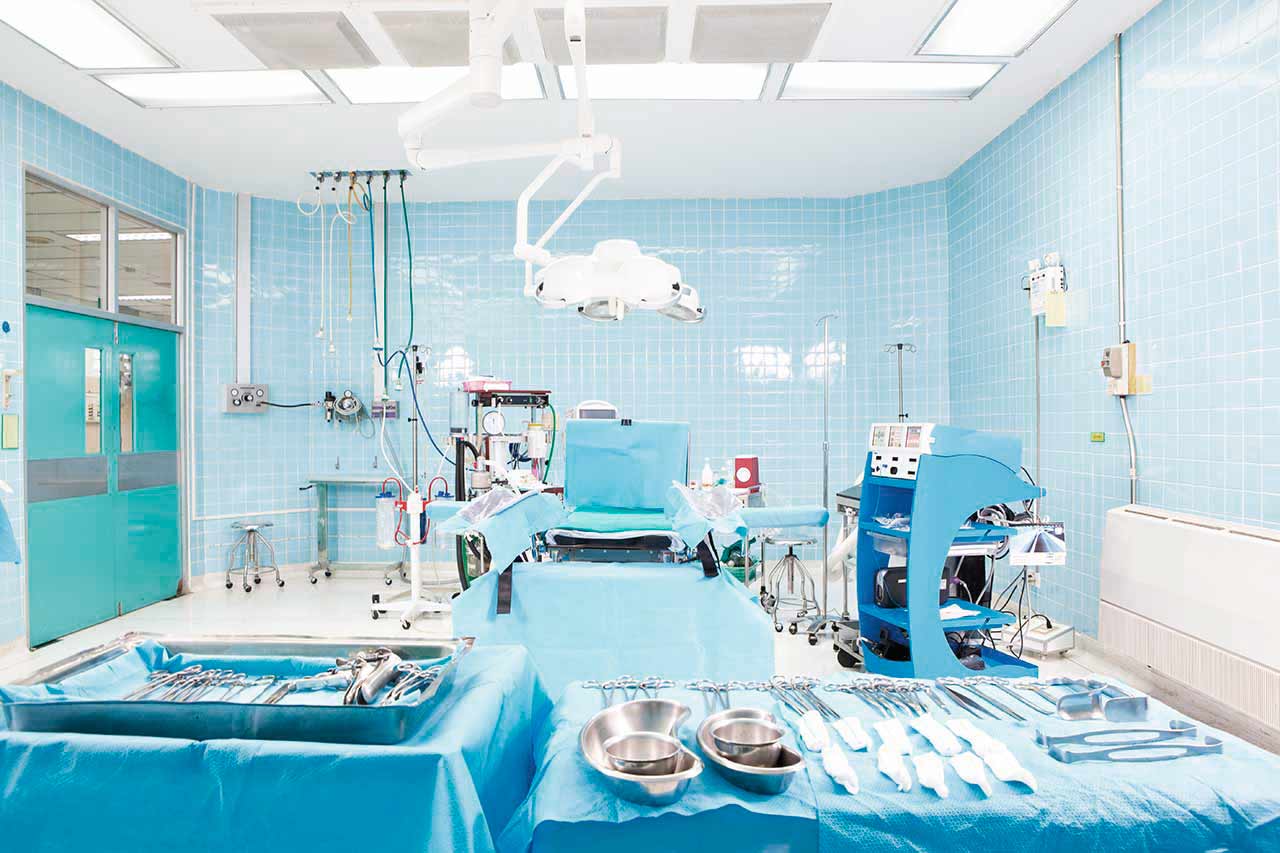
A distinctive feature of the University Hospital of Ludwig Maximilian University of Munich is its state-of-the-art infrastructure, offering high-precision diagnostic equipment that allows for detecting the slightest pathological alterations in the human body, convenient procedure rooms for a variety of outpatient medical procedures, as well as operating rooms with robot-assisted surgical systems and advanced tools for performing minimally invasive interventions that enable the quickest and easiest possible recovery in the postoperative period.
The hospital's excellent technical resources and highly professional medical staff are undoubtedly its pride and joy, but the facility also pays close attention to patient comfort and takes a compassionate approach to their situation. Doctors and nursing staff always show a friendly attitude when providing the necessary medical care. They inform patients in detail about upcoming diagnostic and therapeutic procedures, gladly answer any questions patients may have, and provide moral support throughout their treatment.
The University Hospital of Ludwig Maximilian University of Munich covers virtually all currently available medical fields with outstanding treatment outcomes. However, there are several units within the hospital that deserve special mention as they offer unique competencies and have received special recognition among similar facilities in Germany and beyond. These are the Comprehensive Cancer Center Munich, the Transplant Center, the German Center for Vertigo and Balance Disorders, and the Institute of Infectious Diseases and Tropical Medicine.
The University Hospital of Ludwig Maximilian University of Munich holds many prestigious quality certifications, including DIN EN ISO 9001, IQM and EndoCert,as well as certifications from the German Cancer Society (DKG) for the treatment of various cancers, the German Cardiac Society (DGK) and the German Society for Orthopaedics and Trauma Surgery (DGOU).
Taking all of the above into account, patients can expect to receive the best possible medical care in a friendly environment. With its innovations and exceptional experience, the hospital is rightly considered one of the most advanced and successful medical facilities, saving the lives of German citizens and patients from around the world every day.
Photo: (с) depositphotos
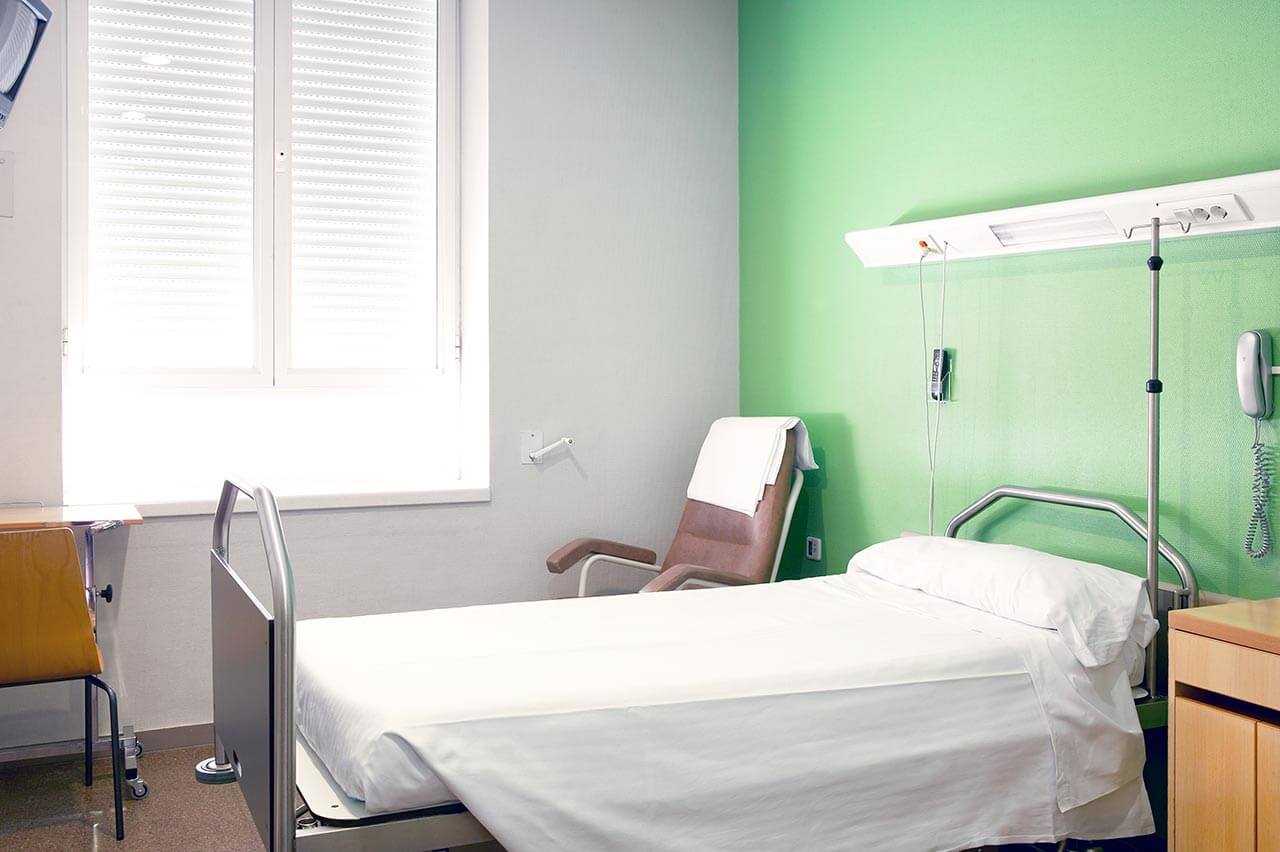
The patients of the University Hospital of Ludwig Maximilian University of Munich live in comfortable, spacious, single and double patient rooms with a modern design. Each room is equipped with an ensuite bathroom with a shower and toilet. The furnishing of a standard patient room includes a comfortable bed, the position of which can be adjusted using the remote control, a locker for storing personal belongings, a TV, and a telephone. Also, if desired, you can connect to the Internet. In addition, patients can opt for enhanced-comfort rooms, with a safe, a fridge, and upholstered furniture.
The hospital has an excellent infrastructure. The medical facility’s area houses a bank, ATMs, a hairdresser, shops with a wide range of food, drinks, newspapers, magazines, and personal hygiene items, play areas for children, and a beautiful garden for walking, etc.
The patient and his accompanying person are offered a daily choice of three menus, including a vegetarian one. If you are on a specific diet for any reason, you will be offered an individual menu. Please inform the medical staff about your dietary preferences prior to the treatment.
Standard rooms include:
Religious services are available upon request.
Your accompanying person may stay with you in your room or at a hotel of your choice during the fixed program.
You may stay at a hotel of your choice during an outpatient program. Our managers will help you to choose the best option.
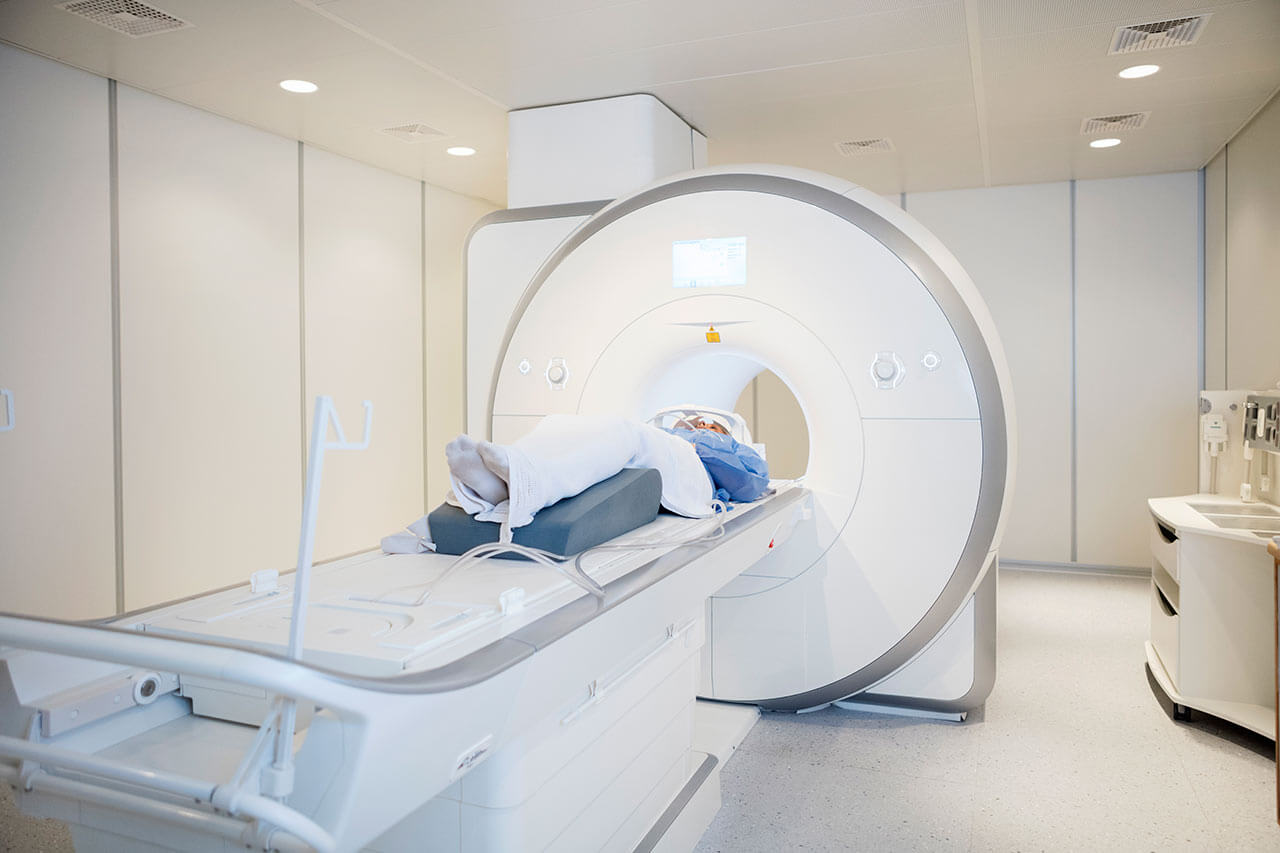
The hospital offers a full range of laboratory tests (general, hormonal, tests for infections, antibodies, tumor markers, etc.), genetic tests, various modifications of ultrasound scans, CT scans, MRI and PET/CT, angiography, myelography, biopsies, and other examinations. Treatment with medications, endoscopic and robotic operations, and stereotaxic interventions are carried out here, modern types of radiation therapy are also used. The hospital offers patients all the necessary therapeutic techniques.
Patients with benign and malignant neoplasms of various localizations, pathologies of arteries and veins, herniated discs, osteoporosis, congenital and acquired pathologies of the musculoskeletal system, benign and malignant pathologies of the mammary gland, and other pathologies.
Over 1,700 highly qualified doctors work at the hospital.