Treatment of pancreatic cancer with stenosis via ERCP and bougienage in University Hospital of Ludwig Maximilian University of Munich
University Hospital of Ludwig Maximilian University of Munich
Munich, Germany



 BookingHealth Price from:
The Department of Gastroenterology and Hepatology at the University Hospital of the Ludwig Maximilian University of Munich offers a comprehensive range of medical services in its areas of specialization. The department's physicians provide preventive care, diagnostic services, and treatment for diseases of the digestive system, including liver, gallbladder, biliary tract, esophageal, and pancreatic conditions. An important focus for the department's medical team is the treatment of inflammatory bowel diseases, such as Crohn's disease and ulcerative colitis. The specialists develop long-term, individualized treatment plans aimed at controlling inflammatory activity, alleviating symptoms, and preventing complications. The department also specializes in the diagnosis and management of gastrointestinal and liver tumors. Patients have access to a state-of-the-art Endoscopy Unit offering a wide range of diagnostic and therapeutic procedures: gastroscopy, colonoscopy, endoscopic retrograde cholangiopancreatography, enteroscopy, and endoscopic ultrasonography. The department is certified by the German Cancer Society (DKG) and is part of the Comprehensive Cancer Center Munich, which includes specialized centers for colorectal, pancreatic, gastric, and liver cancers. The Endoscopy Unit performs more than 12,000 procedures of varying complexity each year. Many of the department’s services are provided on an outpatient basis. When needed, inpatient care is provided in the department's 92 beds. Treatment options range from modern drug therapies to advanced endoscopic procedures, which often help patients avoid the need for surgery. Patient care is based on an interdisciplinary approach and personalized treatment tailored to each patient’s individual needs. The department is headed by Prof. Dr. med. Julia Mayerle.
The diagnosis and treatment of stomach diseases are among the department’s primary focuses. Patients with gastritis, gastric ulcers, and benign or malignant stomach tumors often receive medical care here. Since the symptoms of these diseases are usually non-specific – pain in the upper abdomen, loss of appetite, and nausea – the department's specialists take a thorough approach when examining patients to ensure accurate diagnoses. Gastritis and stomach ulcers are treated with acid-suppressing medication and, if Helicobacter pylori is detected, eradication therapy, supported by dietary adjustments. In rare cases, chronic gastritis can lead to precancerous lesions or malignancies. When detected early, these conditions can be treated effectively with endoscopic mucosal resection, endoscopic submucosal dissection, argon plasma coagulation, or radiofrequency ablation. All of these procedures are available in the department's state-of-the-art Endoscopy Unit. However, gastric cancer can be difficult to detect in the early stages due to its non-specific symptoms, which ultimately complicates the treatment process. The treatment strategy for advanced gastric malignancies includes a combination of surgery with pre- and postoperative chemotherapy, depending on the depth of invasion and potential lymph node involvement. If the tumor has metastasized, chemotherapy with palliative intent is employed. Additional measures for symptom relief, such as radiation therapy or stent placement, are provided in collaboration with various medical specialties when necessary.
The department's physicians also specialize in the treatment of esophageal diseases. Doctors have all the necessary resources to effectively treat gastroesophageal reflux disease, non-reflux esophagitis, esophageal motility disorders, esophageal varices, and esophageal tumors. Gastroesophageal reflux disease (GERD) is a chronic, recurrent condition caused by the backflow of acidic stomach contents into the esophagus. Gastroenterologists in the department thoroughly review the patient's medical history and perform an endoscopic assessment. Some patients additionally require functional diagnostic testing, including 24-hour pH-impedance testing and esophageal manometry. The severity of the pathology is the decisive factor in selecting a treatment strategy for gastroesophageal reflux disease. The primary goals of therapy are to alleviate symptoms and prevent complications. In the vast majority of cases, drug therapy alone is sufficient. Endoscopic procedures can be used to treat esophageal strictures and Barrett's esophagus (complications of GERD). In complex cases of gastroesophageal reflux disease, patients require surgery, which is performed in cooperation with abdominal surgeons. The department's doctors are highly experienced in treating esophageal varices, which develop as a result of portal hypertension, most often due to liver cirrhosis. The disease is dangerous because of the possibility of internal bleeding, which can be fatal. Because of this, patients need timely treatment. The first line of therapy involves taking individually prescribed medication. If this fails, the department's doctors often use endoscopic variceal ligation. It is important to note that this procedure often needs to be repeated several times at intervals of a few weeks.
Another important focus in the department's clinical work is the treatment of inflammatory bowel diseases. The two most common are Crohn's disease and ulcerative colitis. It is worth noting that ulcerative colitis is characterized by inflammation limited to the colon, while Crohn's disease can affect any part of the digestive tract. These conditions can manifest at any age – from early childhood to late adulthood. They cause a wide range of symptoms, such as bloody diarrhea, abdominal pain, weight loss, fatigue, and fever. The department's physicians develop personalized treatment plans for each patient, considering the specifics of their disease progression. This is because the inflammatory process can range from mild to extremely severe. Patients with mild cases mostly receive only pharmacological therapy during temporary exacerbations of the inflammatory process. Severe cases require long-term drug therapy combined with nutritional support to suppress the inflammation and control the disease. In cases of complications, doctors also perform endoscopic and surgical procedures. The treatment aims to control inflammation, alleviate symptoms, preserve bowel function, and prevent complications.
The department also has extensive experience in the treatment of liver diseases, the most common of which are hepatitis, cirrhosis, alcoholic liver disease, autoimmune liver diseases, liver failure, and liver cancer. The department's hepatologists also offer medical care for patients with bile duct diseases, such as primary sclerosing cholangitis, primary biliary cholangitis, and others. Liver diseases are mostly treated with a variety of medications. In cases of liver failure, liver transplantation may be the only effective method. This treatment option is provided in cooperation with the Department of Surgery, which specializes in organ transplant surgery. Patients with gallstones or bile duct strictures can benefit from endoscopic treatment, which may include mechanical or electrohydraulic lithotripsy, extracorporeal shock wave lithotripsy, bougienage, and balloon dilation. Inoperable bile duct strictures developing due to cancer can be treated with photodynamic therapy or radiofrequency ablation.
The department specializes in the diagnosis and treatment of the following diseases:
The department's range of medical services includes:
Academic and Professional Career
Research Interests
Awards and Honors
Professional Leadership and Society Memberships
Photo of the doctor: (c) LMU Klinikum
The renowned FOCUS magazine ranking consistently positions the University Hospital of Ludwig Maximilian University of Munich among the best medical facilities in Germany with top-tier care and remarkable treatment success rates!
This hospital is one of the largest multidisciplinary medical facilities with a status of a leading training and research center in Germany and Europe, enabling it to make unique scientific discoveries that benefit the world. The University Hospital of Ludwig Maximilian University of Munich is proud of its nearly 200-year history and is committed to maintaining its top positions in both national and international healthcare.
The medical facility has two main campuses: Grosshadern and Innenstadt. The University Hospital of Ludwig Maximilian University of Munich operates 28 specialized departments, 16 institutes, and 63 interdisciplinary centers. The hospital has around 2,000 beds to accommodate patients. This large medical complex receives more than 551,000 patients each year and provides outpatient services to around 460,000 people. The hospital employs a highly professional team of 11,908 medical staff whose main task is to restore patients' health in a comfortable and friendly environment, making use of advanced medical resources.
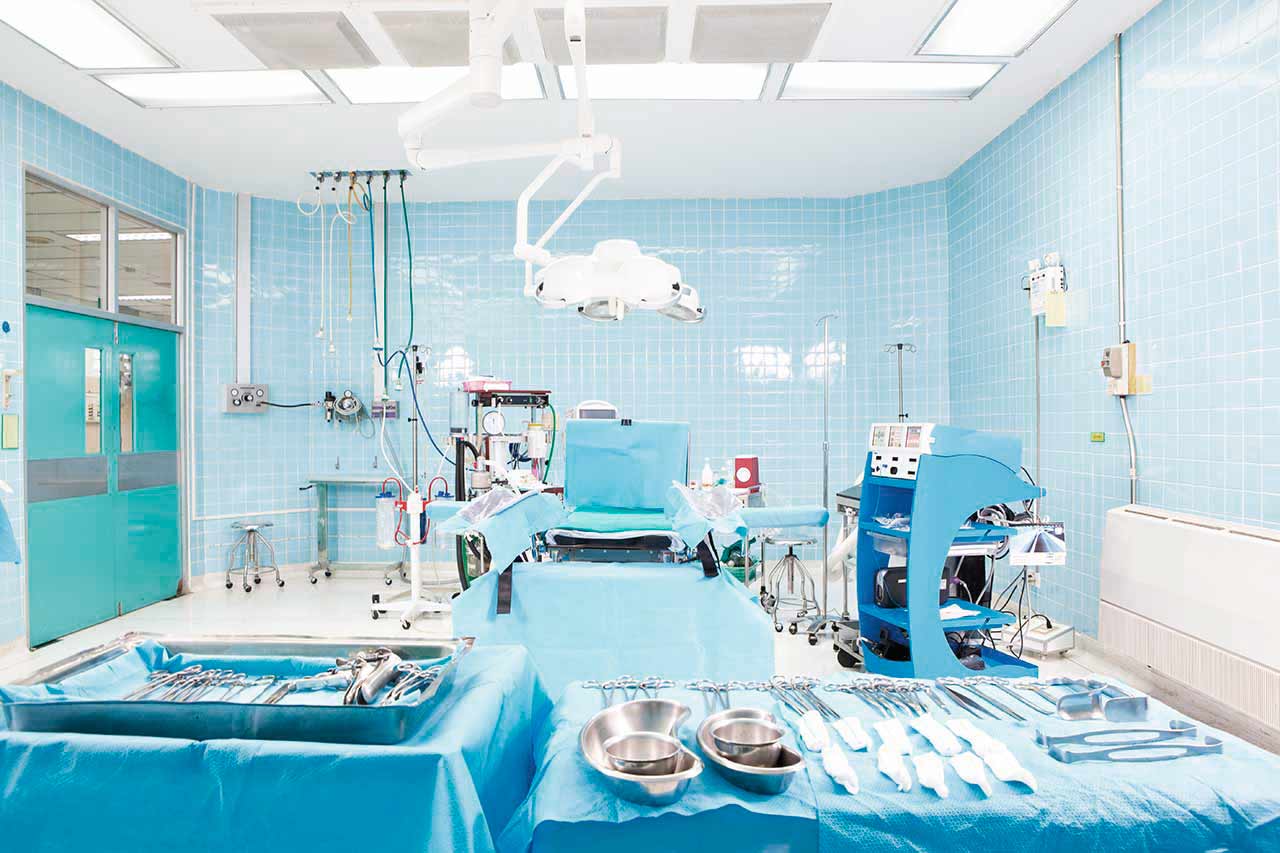
A distinctive feature of the University Hospital of Ludwig Maximilian University of Munich is its state-of-the-art infrastructure, offering high-precision diagnostic equipment that allows for detecting the slightest pathological alterations in the human body, convenient procedure rooms for a variety of outpatient medical procedures, as well as operating rooms with robot-assisted surgical systems and advanced tools for performing minimally invasive interventions that enable the quickest and easiest possible recovery in the postoperative period.
The hospital's excellent technical resources and highly professional medical staff are undoubtedly its pride and joy, but the facility also pays close attention to patient comfort and takes a compassionate approach to their situation. Doctors and nursing staff always show a friendly attitude when providing the necessary medical care. They inform patients in detail about upcoming diagnostic and therapeutic procedures, gladly answer any questions patients may have, and provide moral support throughout their treatment.
The University Hospital of Ludwig Maximilian University of Munich covers virtually all currently available medical fields with outstanding treatment outcomes. However, there are several units within the hospital that deserve special mention as they offer unique competencies and have received special recognition among similar facilities in Germany and beyond. These are the Comprehensive Cancer Center Munich, the Transplant Center, the German Center for Vertigo and Balance Disorders, and the Institute of Infectious Diseases and Tropical Medicine.
The University Hospital of Ludwig Maximilian University of Munich holds many prestigious quality certifications, including DIN EN ISO 9001, IQM and EndoCert,as well as certifications from the German Cancer Society (DKG) for the treatment of various cancers, the German Cardiac Society (DGK) and the German Society for Orthopaedics and Trauma Surgery (DGOU).
Taking all of the above into account, patients can expect to receive the best possible medical care in a friendly environment. With its innovations and exceptional experience, the hospital is rightly considered one of the most advanced and successful medical facilities, saving the lives of German citizens and patients from around the world every day.
Photo: (с) depositphotos
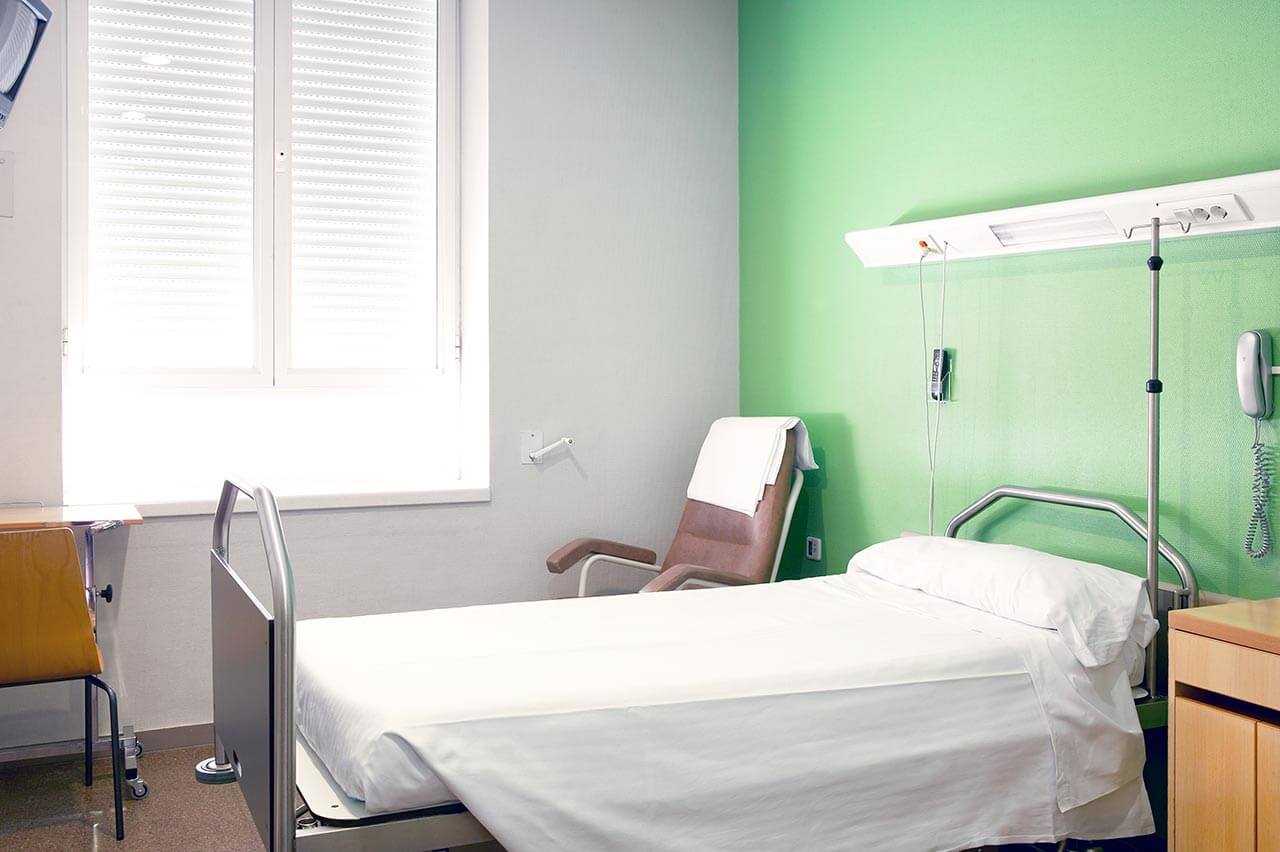
The patients of the University Hospital of Ludwig Maximilian University of Munich live in comfortable, spacious, single and double patient rooms with a modern design. Each room is equipped with an ensuite bathroom with a shower and toilet. The furnishing of a standard patient room includes a comfortable bed, the position of which can be adjusted using the remote control, a locker for storing personal belongings, a TV, and a telephone. Also, if desired, you can connect to the Internet. In addition, patients can opt for enhanced-comfort rooms, with a safe, a fridge, and upholstered furniture.
The hospital has an excellent infrastructure. The medical facility’s area houses a bank, ATMs, a hairdresser, shops with a wide range of food, drinks, newspapers, magazines, and personal hygiene items, play areas for children, and a beautiful garden for walking, etc.
The patient and his accompanying person are offered a daily choice of three menus, including a vegetarian one. If you are on a specific diet for any reason, you will be offered an individual menu. Please inform the medical staff about your dietary preferences prior to the treatment.
Standard rooms include:
Religious services are available upon request.
Your accompanying person may stay with you in your room or at a hotel of your choice during the fixed program.
You may stay at a hotel of your choice during an outpatient program. Our managers will help you to choose the best option.
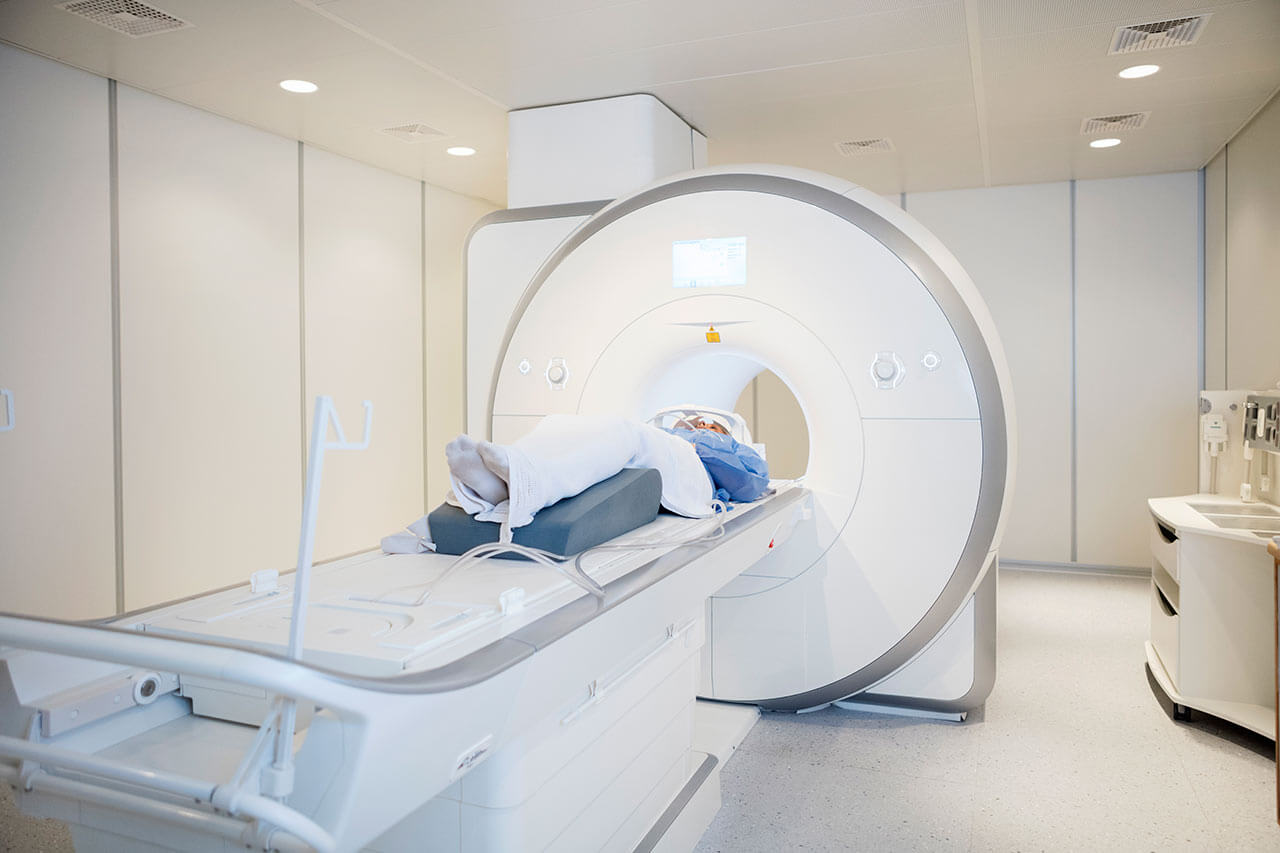
The hospital offers a full range of laboratory tests (general, hormonal, tests for infections, antibodies, tumor markers, etc.), genetic tests, various modifications of ultrasound scans, CT scans, MRI and PET/CT, angiography, myelography, biopsies, and other examinations. Treatment with medications, endoscopic and robotic operations, and stereotaxic interventions are carried out here, modern types of radiation therapy are also used. The hospital offers patients all the necessary therapeutic techniques.
Patients with benign and malignant neoplasms of various localizations, pathologies of arteries and veins, herniated discs, osteoporosis, congenital and acquired pathologies of the musculoskeletal system, benign and malignant pathologies of the mammary gland, and other pathologies.
Over 1,700 highly qualified doctors work at the hospital.