{"translation_price":"50","translation_doc_price":"40","child_coefficient":"1.1","transfer_price":"2.00","transfer_price_vip":"5.00","constant_transfer_price_vip":350,"constant_transfer_price":150,"constant_transfer_distanse":60,"type":"treatment","program_full_story":"<ul>\n\t<li>Initial presentation in the clinic<\/li>\n\t<li>case history collection<\/li>\n\t<li>general clinical examination<\/li>\n\t<li>laboratory tests:\n\t<ul>\n\t\t<li>complete blood count<\/li>\n\t\t<li>biochemical analysis of blood<\/li>\n\t\t<li>TSH-basal, fT3, fT4<\/li>\n\t\t<li>differential blood count<\/li>\n\t\t<li>inflammation indicators (CRP, ESR)<\/li>\n\t\t<li>indicators of blood coagulation<\/li>\n\t<\/ul>\n\t<\/li>\n\t<li>CT\/MRI scans&nbsp;of the whole body<\/li>\n\t<li>needle biopsy of the bone marrow<\/li>\n\t<li>biopsy and histological examination of&nbsp;CSF<\/li>\n\t<li>examination by&nbsp;experts of:\n\t<ul>\n\t\t<li>cardiology<\/li>\n\t\t<li>otolaryngology<\/li>\n\t\t<li>immunology<\/li>\n\t\t<li>ophthalmology<\/li>\n\t<\/ul>\n\t<\/li>\n\t<li>registration in the European bone marrow donor base<\/li>\n\t<li>conducting high-dose chemotherapy<\/li>\n\t<li>allogeneic bone marrow transplantation from<br \/>\n\tunrelated donor<\/li>\n\t<li>the cost of blood products<\/li>\n\t<li>isolation by neutropenic precautions<\/li>\n\t<li>symptomatic treatment<\/li>\n\t<li>control examinations<\/li>\n\t<li>the cost of essential medicines and materials<\/li>\n\t<li>nursing services<\/li>\n\t<li>full hospital accommodation<\/li>\n\t<li>explanation of future recommendations<\/li>\n<\/ul>\n<div class=\"program_how_program_going mt-4\"><h4>How program is carried out<\/h4><p style=\"text-align: justify;\"><strong>During the first visit<\/strong>, the doctor will conduct a clinical examination and go through the results of the available diagnostic tests. After that, you will undergo the necessary additional examination, such as the assessment of liver and kidney function, ultrasound scan, CT scan and MRI.<\/p>\n\n<p style=\"text-align: justify;\">Also, the doctor will conduct a bone marrow biopsy followed by cytological examination of the harvested material. This will help him to determine the histological features of your bone marrow (in particular, identify HLA system antigens) and select a suitable donor. The donor can be a family member or a person from the bone marrow registry. In the second case, the donor material is stored in a bone marrow bank.<\/p>\n\n<p style=\"text-align: justify;\"><strong>Before the procedure<\/strong>, you will receive chemotherapy, if necessary in combination with radiation therapy. The course of chemo- or chemoradiation therapy lasts from 2 to 8 days.<\/p>\n\n<p style=\"text-align: justify;\">The <strong>bone marrow transplant procedure<\/strong> is an intravenous infusion, i.e. the healthy bone marrow will be injected through a catheter, intravenously. You will stay in your room during the procedure. A bone marrow transplant is completely painless and does not require anesthesia.<\/p>\n\n<p style=\"text-align: justify;\">During the <strong>period of healthy bone marrow engraftment<\/strong>, you will stay in a sterile ward. This is a necessary precaution because during this time your immune system is very weak and cannot withstand environmental pathogens. The risk of bleeding is also quite high, so you will be advised to avoid mechanical damage.<\/p>\n\n<p style=\"text-align: justify;\">A relative or other close person may stay in the ward with you. You will not be allowed to go outside the department and leave your ward often. The rehabilitation period can last from 1 to 2 months.<\/p>\n\n<p style=\"text-align: justify;\">When your complete blood count returns to normal, your doctor will schedule your <strong>discharge from the department<\/strong>. You will receive information about the rules that you will need to follow at home, the frequency and type of control examinations, and subsequent treatment measures. You will also receive a detailed medical report, which will reflect the entire course of treatment.<\/p>\n<\/div><div class=\"program_required_documents mt-4\"><h4>Required documents<\/h4><ul>\n\t<li style=\"text-align: justify;\">Medical records<\/li>\n\t<li style=\"text-align: justify;\">Bone marrow biopsy results (if available)<\/li>\n<\/ul>\n<\/div>","program_full_story_crm":"<ul>\n\t<li>Initial presentation in the clinic<\/li>\n\t<li>case history collection<\/li>\n\t<li>general clinical examination<\/li>\n\t<li>laboratory tests:\n\t<ul>\n\t\t<li>complete blood count<\/li>\n\t\t<li>biochemical analysis of blood<\/li>\n\t\t<li>TSH-basal, fT3, fT4<\/li>\n\t\t<li>differential blood count<\/li>\n\t\t<li>inflammation indicators (CRP, ESR)<\/li>\n\t\t<li>indicators of blood coagulation<\/li>\n\t<\/ul>\n\t<\/li>\n\t<li>CT\/MRI scans&nbsp;of the whole body<\/li>\n\t<li>needle biopsy of the bone marrow<\/li>\n\t<li>biopsy and histological examination of&nbsp;CSF<\/li>\n\t<li>examination by&nbsp;experts of:\n\t<ul>\n\t\t<li>cardiology<\/li>\n\t\t<li>otolaryngology<\/li>\n\t\t<li>immunology<\/li>\n\t\t<li>ophthalmology<\/li>\n\t<\/ul>\n\t<\/li>\n\t<li>registration in the European bone marrow donor base<\/li>\n\t<li>conducting high-dose chemotherapy<\/li>\n\t<li>allogeneic bone marrow transplantation from<br \/>\n\tunrelated donor<\/li>\n\t<li>the cost of blood products<\/li>\n\t<li>isolation by neutropenic precautions<\/li>\n\t<li>symptomatic treatment<\/li>\n\t<li>control examinations<\/li>\n\t<li>the cost of essential medicines and materials<\/li>\n\t<li>nursing services<\/li>\n\t<li>full hospital accommodation<\/li>\n\t<li>explanation of future recommendations<\/li>\n<\/ul>\n<div class=\"program_how_program_going mt-4\"><h4>How program is carried out<\/h4><p style=\"text-align: justify;\"><strong>During the first visit<\/strong>, the doctor will conduct a clinical examination and go through the results of the available diagnostic tests. After that, you will undergo the necessary additional examination, such as the assessment of liver and kidney function, ultrasound scan, CT scan and MRI.<\/p>\n\n<p style=\"text-align: justify;\">Also, the doctor will conduct a bone marrow biopsy followed by cytological examination of the harvested material. This will help him to determine the histological features of your bone marrow (in particular, identify HLA system antigens) and select a suitable donor. The donor can be a family member or a person from the bone marrow registry. In the second case, the donor material is stored in a bone marrow bank.<\/p>\n\n<p style=\"text-align: justify;\"><strong>Before the procedure<\/strong>, you will receive chemotherapy, if necessary in combination with radiation therapy. The course of chemo- or chemoradiation therapy lasts from 2 to 8 days.<\/p>\n\n<p style=\"text-align: justify;\">The <strong>bone marrow transplant procedure<\/strong> is an intravenous infusion, i.e. the healthy bone marrow will be injected through a catheter, intravenously. You will stay in your room during the procedure. A bone marrow transplant is completely painless and does not require anesthesia.<\/p>\n\n<p style=\"text-align: justify;\">During the <strong>period of healthy bone marrow engraftment<\/strong>, you will stay in a sterile ward. This is a necessary precaution because during this time your immune system is very weak and cannot withstand environmental pathogens. The risk of bleeding is also quite high, so you will be advised to avoid mechanical damage.<\/p>\n\n<p style=\"text-align: justify;\">A relative or other close person may stay in the ward with you. You will not be allowed to go outside the department and leave your ward often. The rehabilitation period can last from 1 to 2 months.<\/p>\n\n<p style=\"text-align: justify;\">When your complete blood count returns to normal, your doctor will schedule your <strong>discharge from the department<\/strong>. You will receive information about the rules that you will need to follow at home, the frequency and type of control examinations, and subsequent treatment measures. You will also receive a detailed medical report, which will reflect the entire course of treatment.<\/p>\n<\/div>","is_ambulant":"0","bh_fee":"0","only_for_children":"0","no_service":"0","with_prepayment":"1","show_calculator":"1","paket_type":"2","btn_type":"2","clinic_icon":"6000497201e45.jpg","city":"Munich","clinic_site":"http:\/\/www.klinikum.uni-muenchen.de","department_recommend":"1","country":"Germany","country_id":"1","clinic_name":"University Hospital of Ludwig Maximilian University of Munich","cinic_name":"University Hospital of Ludwig Maximilian University of Munich","department_id":"853","duration":"57","direction":"Bone Marrow Transplantation","min_duration":0,"clinic_id":"519","paketPrice":16200,"paket":"<ul>\n <li>Interpreter up to 50 hours<\/li>\n <li>Translation up to 15 pages<\/li>\n <li>Visa support<\/li>\n \n<\/ul>","title":"Allogeneic bone marrow transplantation in pancytopenia","price":{"val":304711.49,"type":"val"},"price_surcharge":0,"price_surcharge_clear":0,"extra_service_clinic":[{"id":"need_to_use_head_doctor","title":"Treatment by leading experts","type":"val","val":"60480.00","req":0},{"id":"1_person_room","title":" Single room (whole period)","parent":"duration","type":"count_val","val":"150.00"},{"id":"attendant_place","title":"Accommodation for the accompanying person ","parent":"duration","type":"count_val","val":"90.00"}],"extra_service":[],"translation_hours":"0","translation_doc_count":null,"roads":[{"id":"2","distance":"45","airport_title":"Munich"},{"id":"12","distance":"143","airport_title":"Salzburg"},{"id":"13","distance":"145","airport_title":"Innsbruck"}],"pakets":[],"lang":{"day":"Day","days":"days","ambulatory":"Outpatient","stationaryProgram":"Inpatient"}}

Allogeneic bone marrow transplantation in pancytopenia in University Hospital of Ludwig Maximilian University of Munich

University Hospital of Ludwig Maximilian University of Munich

Munich, Germany

Program id # 149303
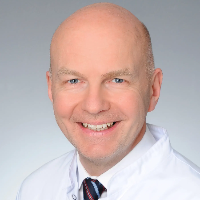
Doctor photo
Prof. Dr. Dr. Michael von Bergwelt
Department of Oncology, Hematology and Bone Marrow Transplantation
Specialized in: oncology, hematology, bone marrow transplantation

The program includes:

  • Initial presentation in the clinic
  • case history collection
  • general clinical examination
  • laboratory tests:
    • complete blood count
    • biochemical analysis of blood
    • TSH-basal, fT3, fT4
    • differential blood count
    • inflammation indicators (CRP, ESR)
    • indicators of blood coagulation
  • CT/MRI scans of the whole body
  • needle biopsy of the bone marrow
  • biopsy and histological examination of CSF
  • examination by experts of:
    • cardiology
    • otolaryngology
    • immunology
    • ophthalmology
  • registration in the European bone marrow donor base
  • conducting high-dose chemotherapy
  • allogeneic bone marrow transplantation from
    unrelated donor
  • the cost of blood products
  • isolation by neutropenic precautions
  • symptomatic treatment
  • control examinations
  • the cost of essential medicines and materials
  • nursing services
  • full hospital accommodation
  • explanation of future recommendations

How program is carried out

During the first visit, the doctor will conduct a clinical examination and go through the results of the available diagnostic tests. After that, you will undergo the necessary additional examination, such as the assessment of liver and kidney function, ultrasound scan, CT scan and MRI.

Also, the doctor will conduct a bone marrow biopsy followed by cytological examination of the harvested material. This will help him to determine the histological features of your bone marrow (in particular, identify HLA system antigens) and select a suitable donor. The donor can be a family member or a person from the bone marrow registry. In the second case, the donor material is stored in a bone marrow bank.

Before the procedure, you will receive chemotherapy, if necessary in combination with radiation therapy. The course of chemo- or chemoradiation therapy lasts from 2 to 8 days.

The bone marrow transplant procedure is an intravenous infusion, i.e. the healthy bone marrow will be injected through a catheter, intravenously. You will stay in your room during the procedure. A bone marrow transplant is completely painless and does not require anesthesia.

During the period of healthy bone marrow engraftment, you will stay in a sterile ward. This is a necessary precaution because during this time your immune system is very weak and cannot withstand environmental pathogens. The risk of bleeding is also quite high, so you will be advised to avoid mechanical damage.

A relative or other close person may stay in the ward with you. You will not be allowed to go outside the department and leave your ward often. The rehabilitation period can last from 1 to 2 months.

When your complete blood count returns to normal, your doctor will schedule your discharge from the department. You will receive information about the rules that you will need to follow at home, the frequency and type of control examinations, and subsequent treatment measures. You will also receive a detailed medical report, which will reflect the entire course of treatment.

Required documents

  • Medical records
  • Bone marrow biopsy results (if available)

Service

Price from:
Type of program :
Price for 1 day:
Expected duration of the program:
The minimum duration of the program:
Select

You may also book:

Hospital directly:
Saving:
Guarantee BookingHealth Price from:

About the department

The Department of Oncology, Hematology and Bone Marrow Transplantation provides comprehensive and personalized medical care for patients suffering from cancer. The medical team specializes in treating solid malignancies of all types and levels of complexity. Another clinical focus is on the management of benign and malignant blood diseases. The department is one of the leading university-based departments of its kind in Germany. Key areas of specialization include the treatment of acute leukemias, lymphomas, multiple myeloma, sarcomas, gastrointestinal cancer, lung cancer, breast cancer, and rare malignant tumors. The department is part of the Comprehensive Cancer Center Munich, which provides access to a wide range of therapeutic options in oncology and brings together highly qualified physicians in interdisciplinary tumor boards. The department offers all advanced diagnostic and therapeutic approaches, including stem cell (bone marrow) transplantation, which in many cases offers the best chance of cure for blood cancers. The health of patients is in the safe hands of a highly qualified team of around 400 staff, including about 100 physicians, psycho-oncologists, and scientists, and 140 nurses. The department treats about 2,800 inpatients and 13,000 outpatients each year. It operates under an ISO 9001-certified quality management system to ensure excellence in all areas of work. During the challenging period of a cancer diagnosis, doctors place great importance on addressing not only the physical but also the emotional well-being of their patients and their families, offering a comprehensive psycho-oncological support program.

The Head Physician of the department is Prof. Dr. Dr. Michael von Bergwelt. This renowned expert with a wealth of experience in oncology and hematology is the author of nearly 600 peer-reviewed scientific publications that have contributed to international medical science. Even more impressive, he has been ranked among Germany's top 100 oncologists by the prestigious FOCUS magazine for many years. Given his remarkable professional achievements, Prof. Michael von Bergwelt is a highly competent specialist whom patients can confidently trust with their health.

The department's oncologists treat patients with various types of cancer. The most significant clinical interests for the department's team of doctors are the treatment of colon, stomach, esophageal, pancreatic, liver, bile duct, lung, and breast cancers, as well as bone and soft tissue sarcomas. The facility is also one of the few oncology centers in Germany with exceptional medical expertise in treating patients with rare malignancies, such as neuroendocrine tumors and cancer of unknown primary. Particular attention should be given to the fact that the doctors in this department follow the principles of precision oncology, taking into account not only the details of the patient's clinical case, but also the tumor's specific biological and molecular characteristics. In this context, advanced molecular tumor testing is a valuable tool that can provide a comprehensive clinical picture to help select the most appropriate treatment approaches. Additionally, the department's oncologists regularly participate in molecular tumor boards held at the specialized Center for Precision Oncology.

The therapeutic process proceeds as follows: when a patient is admitted to the department, they undergo all the necessary diagnostic tests prescribed based on their symptoms and complaints. Oncologists, together with surgeons, radiation oncologists, radiologists, and other related specialists, then develop the most effective treatment plan based on the results of these tests. For many solid tumors, surgery is the main treatment. Other treatment options are prescribed based on the specifics of the patient's clinical situation. These may include systemic and/or regional chemotherapy, radiation therapy, antibody therapy, targeted therapy, hormone therapy, or immunotherapy. For example, for patients with bone and soft tissue sarcomas, chemotherapy combined with regional hyperthermia is often used before and/or after surgery. Hyperthermia improves the effectiveness of chemotherapy by increasing blood flow to the tumor and allowing chemotherapy agents to penetrate deeper into the neoplasm tissues. Psycho-oncological care also plays a central role in the therapeutic process in the department because emotional support helps patients cope with treatment and improves their quality of life.

The key specialization of the hematology team is the treatment of patients with leukemias, lymphomas, and multiple myeloma. The specialists also treat benign blood diseases, such as anemia, thalassemia, and paroxysmal nocturnal hemoglobinuria (PNH). It should be noted that the department enjoys a reputation as an internationally renowned center for the treatment of acute leukemias. Chemotherapy represents the mainstay of blood cancer treatment. However, the department's therapeutic options are not limited to this approach. They also offer cell therapy, immunotherapy, and bone marrow transplants. The department is one of the most experienced CAR T-cell therapy centers in Germany – this is an innovative form of immunotherapy. The method involves harvesting the patient's leukocytes and genetically programming them to destroy cancer cells. Leukocytes are harvested with the use of special high-tech equipment, after which the resulting biological material is genetically modified. After the necessary genetic manipulations, chimeric antigen receptors (CARs) appear on the surface of leukocytes. Following the processing and multiplication of cells in a laboratory, they are administered to the patient by infusion. CAR T-cell therapy is highly effective and can achieve long-term remission even in patients whose disease has not responded to other treatments. It is also noteworthy that the department has been certified as a specialized center for CAR T-cell therapies since 2019.

Another clinical focus of the department is stem cell (bone marrow) transplantation. Allogeneic blood stem cell transplant procedures often come as the only chance of a cure for patients with malignant and non-malignant hematological disorders or immunodeficiencies. The most common indications for this treatment are acute myeloid and lymphoblastic leukemias, chronic myeloid leukemias, myelodysplastic syndrome, Hodgkin and non-Hodgkin lymphomas, and multiple myelomas. Benign blood diseases that may necessitate a bone marrow transplant include aplastic anemia, thalassemia, sickle cell anemia, etc. The department's specialists have been performing allogeneic bone marrow transplant procedures in adults since 1979. The department's Bone Marrow Transplant Unit, with 24 beds, is one of the largest in Germany. On average, 70 transplants are performed here each year, achieving exceptionally successful outcomes. This is not surprising, as the department employs experienced specialists and has the advanced technical resources necessary to provide this specialized treatment. Since bone marrow transplants can cause graft-versus-host disease (GvHD), the department also offers extracorporeal photopheresis, which represents a highly effective treatment option for this severe condition.

The department specializes in the diagnosis and treatment of the following diseases:

  • Oncology
    • Gastrointestinal tumors, including gastrointestinal stromal tumors
    • Colon cancer
    • Rectal cancer
    • Liver cancer
    • Gallbladder cancer
    • Pancreatic cancer
    • Lung cancer
    • Breast cancer
    • Malignant tumors of the female and male reproductive system: prostate and testicular cancers in men; cervical and ovarian cancers in women, etc.
    • Head and neck malignancies 
    • Brain and spinal cord malignancies
    • Bone and soft tissue sarcomas
    • Rare types of cancer
    • Cancer of unknown primary
  • Hematology
    • Malignant diseases
      • Acute and chronic myeloid leukemia
      • Acute lymphoblastic leukemia and chronic lymphocytic leukemia
      • Myelodysplastic syndrome
      • Hodgkin lymphoma
      • Non-Hodgkin lymphoma
      • Multiple myeloma
    • Benign diseases
      • Anemias
      • Paroxysmal nocturnal hemoglobinuria
      • Thalassemia
      • Pancytopenia
      • Agranulocytosis
      • Coagulopathy
      • Aplastic anemia
  • Other diseases

The department's range of therapeutic options includes:

  • Chemotherapy
  • Radiation therapy
  • Antibody therapy
  • Targeted therapy
  • Hormone therapy
  • Immunotherapy
  • Hyperthermia combined with chemotherapy
  • CAR T-cell therapy
  • Bone marrow transplant
  • Other treatment method

Curriculum vitae

Higher Education and Professional Career

  • 1988 - 1996 Medical studies at the Universities of Freiburg, Muenster and Paris (University of Paris-South XI).
  • 1996 Medical license.
  • 1994 - 1996 Human Biology studies at the University of Paris-South XI.
  • 1996 Master in Biological and Medical Sciences (MSBM, Maitrise de Sciences Biologiques et Medicales).
  • 1996 United States Medical Licensing Examination (USMLE), Steps 1 and 2.
  • 1997 Doctoral degree (Dr. med.), University of Freiburg. Subject: "Phenotypic and functional characteristics of tumor-infiltrating lymphocytes in patients with colorectal carcinoma stimulated by interleukin-2 and interleukin-4 in vitro".
  • 1997 - 1999 Internship, Department of Internal Medicine I.
  • 1999 Qualification in Emergency Medicine, Lower Saxony.
  • 1999 - 2002 Postdoctoral Fellow, Dana-Farber Cancer Institute, Harvard Medical School, Boston.
  • 2002 Doctoral degree (Dr. rer. nat.), summa cum laude, University of Oldenburg. Subject: "Biological and biotechnological analysis of antigen-presenting B cells activated by CD40".
  • 2002 - 2007 Residency and Research Fellowship, Department of Internal Medicine I, University Hospital Cologne.
  • 2003 - 2009 Head, Max Eder Junior Research Group, German Cancer Aid.
  • 2006 Board certification in Internal Medicine, Hematology and Oncology.
  • 2007 Habilitation and Venia Legendi in Internal Medicine. Subject: "Analysis of the use of the antigen-presenting function of B cells for tumor immunotherapy".
  • 2008 Additional qualification in Intensive Care Medicine.
  • 2008 Director of the Cologne Interventional Immunology Project and Scientific Director of the Stem Cell Transplant Program.
  • 2009 Additional qualification in Infectious Diseases.
  • 2011 Managing Senior Physician.
  • 2012 Adjunct Professor in Internal Medicine, University of Cologne.
  • 2012 Adjunct Professor and Head of Hematology Course, Ronald Finn Department of Experimental Medicine, University of Liverpool (offer declined).
  • 2015 CARTime Research Coordinator; funded by the German Federal Ministry of Education and Research (BMBF).
  • 2016 Research Consortium of German Cancer Aid (DKH) "Checkpoint inhibition of the immune response in Hodgkin's lymphoma", Head of the Section of Tumor Immunology.
  • Since 2017 Head Physician of the Department of Oncology, Hematology and Bone Marrow Transplantation, University Hospital of Ludwig Maximilian University of Munich.

Prizes, Awards, and Honors

  • 2015 Best Abstract Award from the German Society of Hematology and Medical Oncology (DGHO).
  • 2010 Travel Award from the American Society for Blood and Marrow Transplantation.
  • 2010 Basic Science Award (O84 Abstracts, Co-Author) from the European Society for Blood and Marrow Transplantation.
  • 1999 Travel Award from the American Society of Hematology.
  • 1999 EMSA Science Award, University of Prague.

Memberships in Professional Societies and Organizations

  • Member of the Josep Carreras Leukaemia Foundation, Germany.
  • Member of the American Lymphoma Research Foundation.
  • Mildred Scheel Fellow, German Cancer Aid.
  • Registration in the German Medical Association.
  • Member of the German Cancer Consortium (DKTK).
  • Member of the European Society for Blood and Marrow Transplantation (EBMT).

Key Personal Achievements

  • Author of over 590 peer-reviewed scientific publications.
  • Consistently ranked among Germany's top 100 oncologists by the reputable German magazine FOCUS.
  • Leadership of major consortia for translational cancer research.

Photo of the doctor: (c) LMU Klinikum


About hospital

The renowned FOCUS magazine ranking consistently positions the University Hospital of Ludwig Maximilian University of Munich among the best medical facilities in Germany with top-tier care and remarkable treatment success rates!

This hospital is one of the largest multidisciplinary medical facilities with a status of a leading training and research center in Germany and Europe, enabling it to make unique scientific discoveries that benefit the world. The University Hospital of Ludwig Maximilian University of Munich is proud of its nearly 200-year history and is committed to maintaining its top positions in both national and international healthcare.

The medical facility has two main campuses: Grosshadern and Innenstadt. The University Hospital of Ludwig Maximilian University of Munich operates 28 specialized departments, 16 institutes, and 63 interdisciplinary centers. The hospital has around 2,000 beds to accommodate patients. This large medical complex receives more than 551,000 patients each year and provides outpatient services to around 460,000 people. The hospital employs a highly professional team of 11,908 medical staff whose main task is to restore patients' health in a comfortable and friendly environment, making use of advanced medical resources.

A distinctive feature of the University Hospital of Ludwig Maximilian University of Munich is its state-of-the-art infrastructure, offering high-precision diagnostic equipment that allows for detecting the slightest pathological alterations in the human body, convenient procedure rooms for a variety of outpatient medical procedures, as well as operating rooms with robot-assisted surgical systems and advanced tools for performing minimally invasive interventions that enable the quickest and easiest possible recovery in the postoperative period.

The hospital's excellent technical resources and highly professional medical staff are undoubtedly its pride and joy, but the facility also pays close attention to patient comfort and takes a compassionate approach to their situation. Doctors and nursing staff always show a friendly attitude when providing the necessary medical care. They inform patients in detail about upcoming diagnostic and therapeutic procedures, gladly answer any questions patients may have, and provide moral support throughout their treatment.

The University Hospital of Ludwig Maximilian University of Munich covers virtually all currently available medical fields with outstanding treatment outcomes. However, there are several units within the hospital that deserve special mention as they offer unique competencies and have received special recognition among similar facilities in Germany and beyond. These are the Comprehensive Cancer Center Munich, the Transplant Center, the German Center for Vertigo and Balance Disorders, and the Institute of Infectious Diseases and Tropical Medicine. 

The University Hospital of Ludwig Maximilian University of Munich holds many prestigious quality certifications, including DIN EN ISO 9001, IQM and EndoCert,as well as certifications from the German Cancer Society (DKG) for the treatment of various cancers, the German Cardiac Society (DGK) and the German Society for Orthopaedics and Trauma Surgery (DGOU).

Taking all of the above into account, patients can expect to receive the best possible medical care in a friendly environment. With its innovations and exceptional experience, the hospital is rightly considered one of the most advanced and successful medical facilities, saving the lives of German citizens and patients from around the world every day.

Photo: (с) depositphotos

Accommodation in hospital

Patients rooms

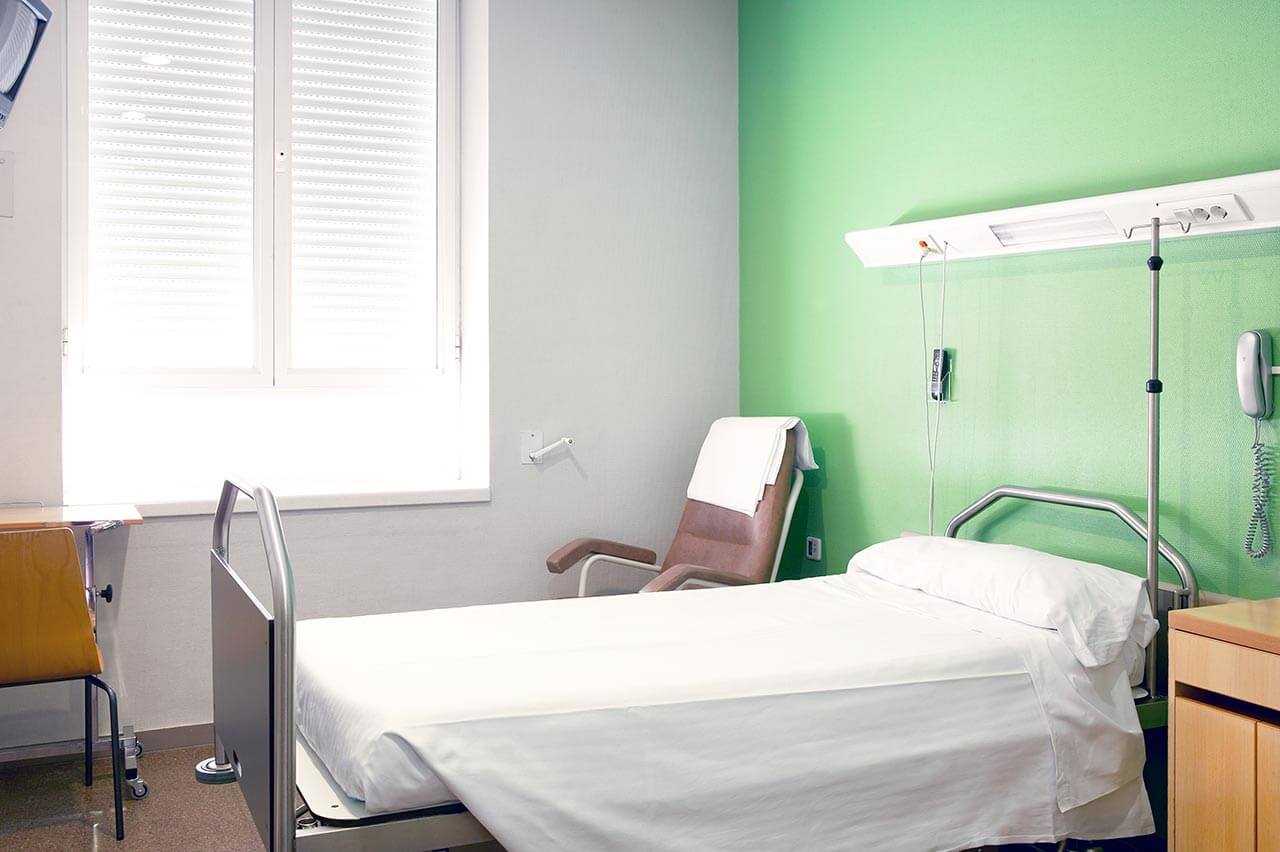
The patients of the University Hospital of Ludwig Maximilian University of Munich live in comfortable, spacious, single and double patient rooms with a modern design. Each room is equipped with an ensuite bathroom with a shower and toilet. The furnishing of a standard patient room includes a comfortable bed, the position of which can be adjusted using the remote control, a locker for storing personal belongings, a TV, and a telephone. Also, if desired, you can connect to the Internet. In addition, patients can opt for enhanced-comfort rooms, with a safe, a fridge, and upholstered furniture.

The hospital has an excellent infrastructure. The medical facility’s area houses a bank, ATMs, a hairdresser, shops with a wide range of food, drinks, newspapers, magazines, and personal hygiene items, play areas for children, and a beautiful garden for walking, etc.

Meals and Menus

The patient and his accompanying person are offered a daily choice of three menus, including a vegetarian one. If you are on a specific diet for any reason, you will be offered an individual menu. Please inform the medical staff about your dietary preferences prior to the treatment.

Further details

Standard rooms include:

Toilet
Shower
Wi-Fi
TV

Religion

Religious services are available upon request.

Accompanying person

Your accompanying person may stay with you in your room or at a hotel of your choice during the fixed program.

Hotel

You may stay at a hotel of your choice during an outpatient program. Our managers will help you to choose the best option.

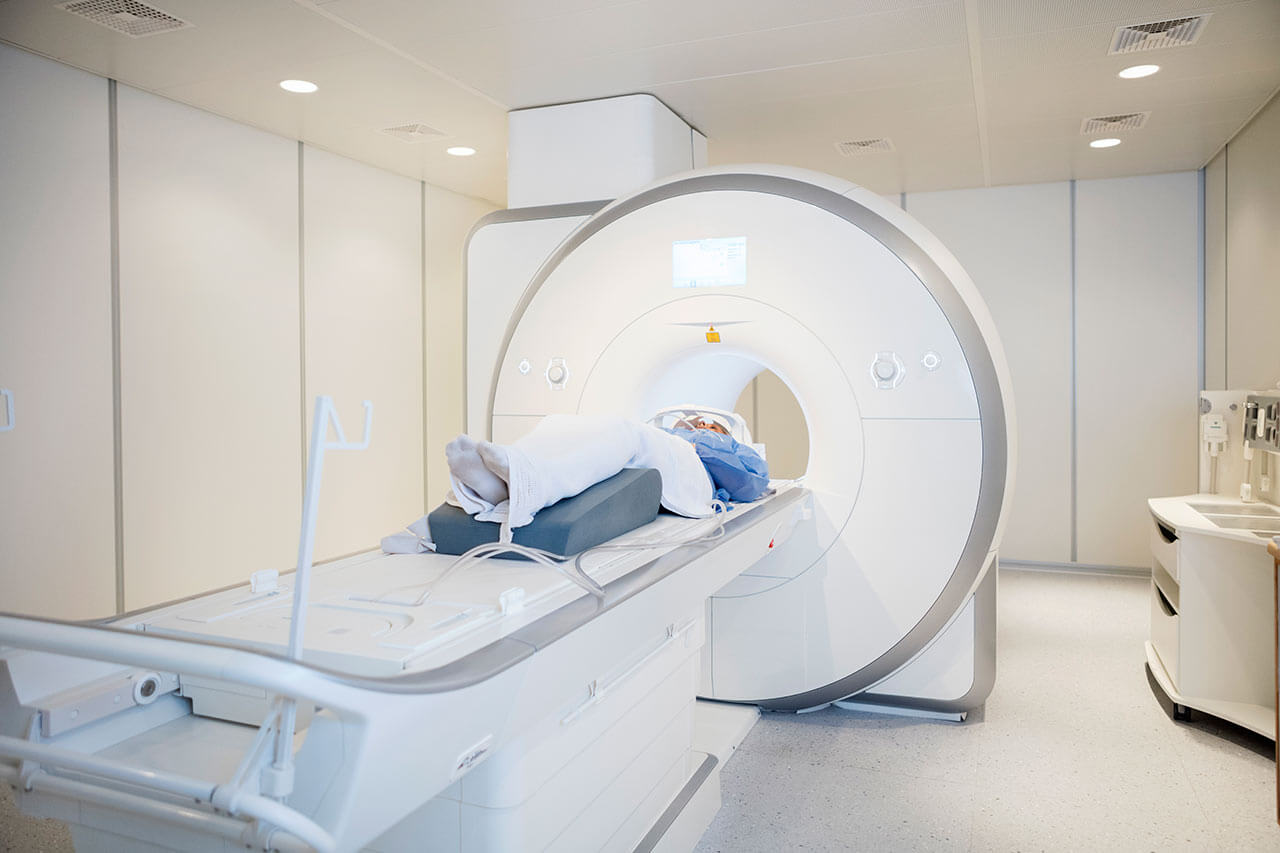
The hospital offers a full range of laboratory tests (general, hormonal, tests for infections, antibodies, tumor markers, etc.), genetic tests, various modifications of ultrasound scans, CT scans, MRI and PET/CT, angiography, myelography, biopsies, and other examinations. Treatment with medications, endoscopic and robotic operations, and stereotaxic interventions are carried out here, modern types of radiation therapy are also used. The hospital offers patients all the necessary therapeutic techniques.

  • Allogeneic bone marrow transplantation
  • Microsurgical transplantation of head and neck tissues
  • Microsurgical resection of brain tumors with intraoperative fluorescence
  • Minimally invasive treatment of spine pathologies
  • Joint replacement with postoperative rehabilitation (fast track program)

Patients with benign and malignant neoplasms of various localizations, pathologies of arteries and veins, herniated discs, osteoporosis, congenital and acquired pathologies of the musculoskeletal system, benign and malignant pathologies of the mammary gland, and other pathologies.

  • Interventional and diagnostic neuroradiology
  • Vascular surgery
  • Cardiac surgery
  • Mammalogy
  • Gastroenterology and hepatology