Treatment of moyamoya disease with a shunt overlay with interponate in University Hospital of Ludwig Maximilian University of Munich
University Hospital of Ludwig Maximilian University of Munich
Munich, Germany

 BookingHealth Price from:
The Department of Adult and Pediatric Neurosurgery, Spinal Surgery at the University Hospital of Ludwig Maximilian University of Munich provides a comprehensive range of surgical procedures for patients with diseases of the central and peripheral nervous systems. The department is certified by the German Cancer Society (DKG) as a Neuro-Oncology Center, which operates as part of the Comprehensive Cancer Center Munich. The department's team of neurosurgeons has extensive experience in the surgical treatment of brain and spinal cord tumors, neurovascular diseases, epilepsy, and pituitary disorders. Brain tumor surgery represents a particular area of clinical expertise for the facility's team. Another specialized area is the treatment of neurosurgical diseases in children and adolescents. Specialists in this field primarily treat brain and spinal tumors, traumatic brain injuries, spinal dysraphism (such as spina bifida), epilepsy, and hydrocephalus. The department's neurosurgeons use state-of-the-art minimally invasive microsurgical techniques, computer-assisted navigation systems, intraoperative imaging and neuromonitoring, and other advanced tools to perform surgery on the brain and spinal cord while minimizing the risk of neurological deficits. The department has 84 beds, including 10 intensive care beds. The neurosurgery team takes a thorough and personalized approach to planning each surgical procedure, carefully considering every aspect of the patient's clinical condition. In addition to providing high-quality neurosurgical care, the department’s doctors place great importance on preserving patients’ quality of life. All diagnostic and treatment procedures are performed in accordance with current clinical protocols and international medical standards.
The department is headed by Prof. Dr. med. Florian Ringel, a renowned German expert in neurosurgical oncology, aneurysm surgery, and spine surgery. Prof. Ringel serves as president of the German Spine Society (DWG) and is an active member of the European Association of Neurosurgical Societies (EANS) and the Neuro-Oncology Working Group (NOA).
As a certified Neuro-Oncology Center of the German Cancer Society (DKG), the department offers advanced treatment options for patients with benign and malignant brain tumors. The most commonly treated tumors here include gliomas, meningiomas, medulloblastomas, hemangioblastomas, and primary brain lymphomas. Neurosurgeons are also highly experienced in treating brain metastases originating from other malignancies, such as lung or breast cancer. The department provides comprehensive, patient-centered care in accordance with the latest national guidelines, supporting optimal treatment outcomes.
If a brain tumor is suspected, the diagnostic work-up routinely includes MRI. In some cases, a positron emission tomography (PET) scan may also be performed. A stereotactic brain biopsy may be performed to obtain tissue for histopathological examination and establish a definitive diagnosis. Treatment decisions are made during regular weekly interdisciplinary tumor board meetings. The most appropriate treatment strategy is selected based on the specific type and location of the brain tumor, its growth rate, the patient’s general condition, and their clinical symptoms. When clinically appropriate, surgical tumor resection is often the preferred treatment option. The department's neurosurgeons are experts in surgically removing complex brain tumors in hard-to-reach locations, as well as tumors that were previously treated with multimodal therapy. The department’s operating rooms are equipped with advanced surgical microscopes, neuronavigation, intraoperative neuromonitoring, and intraoperative fluorescence imaging techniques, including 5-ALA and ICG. The team also has access to intraoperative computed tomography and other technical resources that ensure precise and safe surgical treatment. The department is one of the few in Germany that offers innovative brain tumor treatments such as interstitial brachytherapy and photodynamic therapy. Chemotherapy, radiation therapy, symptomatic treatment, and maintenance therapy are also widely used when treating brain tumors.
The department is part of the Interdisciplinary Epilepsy Center Munich and provides high-quality medical services for children and adults with epilepsy. The department's neurosurgeons are among the leading specialists in epilepsy surgery in Germany. Most cases of epilepsy can be treated effectively with medication, and surgery therefore is not required. Nevertheless, in some clinical situations, surgery may be the only way to provide long-term seizure control and preserve the patient’s quality of life. A crucial step before the surgical procedure is a comprehensive diagnostic evaluation to determine whether surgical treatment is appropriate. A diagnostic work-up may include electroencephalographic monitoring during and between seizures, seizure semiology assessment, invasive EEG monitoring, tractography, and MRI scans, including functional ones, as well as 18F-FDG PET/CT scans and SPECT. Epilepsy surgery is planned using 3D technology based on the diagnostic findings. The goal of the procedure is to remove or isolate the brain region responsible for the abnormal electrical activity. For patients with bilateral or multifocal epilepsy, conventional resective surgery may not be appropriate. In such cases, the department's medical team offers alternative treatment options, including vagus nerve stimulation. Depending on the type of epilepsy, up to 80% of patients become seizure-free after surgery. It is worth noting that the department's neurosurgeons provide thorough assessments and second opinions for individuals who have undergone epilepsy surgery yet still experience seizures. This is because repeat surgery can provide seizure freedom in some cases.
Spinal surgery is also one of the department's main areas of clinical expertise. The specialists in this field primarily treat degenerative nerve root and spinal cord compression syndromes caused by herniated discs, spinal stenosis, or segmental instability, as well as chronic back pain, spinal fractures, spinal and spinal cord tumors, and spinal dysraphism. The range of therapeutic options in spinal surgery includes tissue-sparing microsurgical and minimally invasive decompression procedures, spinal stabilization surgery, intervertebral disc replacement, spinal tumor resections, as well as CT-guided nerve blocks and cryotherapy for facet joint lesions. The department's surgical team uses advanced neuronavigation and intraoperative neuromonitoring systems during spinal procedures to ensure precise and safe treatment. The surgical treatment options are complemented by effective conservative and rehabilitative therapies.
The department dedicates a significant part of its clinical practice to the treatment of children with brain and spinal cord tumors, skull-base malformations, spina bifida, epilepsy, hydrocephalus, traumatic brain and spinal injuries, arachnoid cysts, vascular malformations, spasticity, and other pathologies. When performing surgery on children, the department's neurosurgeons also employ state-of-the-art technologies, including surgical microscopes, neuronavigation systems, intraoperative neuromonitoring, and endoscopic equipment.
The department's range of medical services includes:
Spinal dysraphism and other spinal malformations
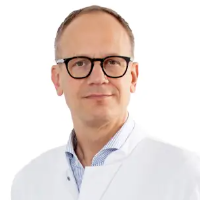
Prof. Dr. med. Florian Ringel is the Head Physician of the Department of Adult and Pediatric Neurosurgery, Spinal Surgery at the University Hospital of Ludwig Maximilian University of Munich. Until the end of 2024, he served as the Head Physician of the Department of Neurosurgery at the University Hospital Mainz.
Prof. Ringel completed his medical studies at Ludwig Maximilian University of Munich in 1998. This was followed by a doctorate in 2004 and a habilitation in 2009. From 2006 to 2015, he worked at University Hospital Rechts der Isar Munich where he ultimately served as Managing Senior Physician and Deputy Head Physician of the Department of Neurosurgery. In early 2016, Prof. Ringel joined the University Hospital Mainz, where he initially served as the Acting Head Physician of the Department of Neurosurgery. The following year, he was appointed the Head Physician of the department.
Prof. Florian Ringel's professional activities extend beyond clinical practice. He is a member of many many scientific and professional societies, including the European Association of Neurosurgical Societies (EANS), the Neuro-Oncology Working Group (NOA), and the German Cancer Society (DKG). In addition, he holds the honorary position of President of the German Spine Society (DWG).
A key focus of Prof. Ringel's clinical work is neurosurgical oncology. He specializes in the surgical treatment of brain tumors, utilizing all modern preoperative imaging techniques. Another area of expertise is vascular neurosurgery, in which he has extensive experience in the treatment of highly complex aneurysms. He is also highly experienced in complex spinal surgery.
Prof. Dr. med. Florian Ringel has co-authored more than 380 peer-reviewed publications and serves as a reviewer for several international journals.
Photo of the doctor: (c) LMU Klinikum
The renowned FOCUS magazine ranking consistently positions the University Hospital of Ludwig Maximilian University of Munich among the best medical facilities in Germany with top-tier care and remarkable treatment success rates!
This hospital is one of the largest multidisciplinary medical facilities with a status of a leading training and research center in Germany and Europe, enabling it to make unique scientific discoveries that benefit the world. The University Hospital of Ludwig Maximilian University of Munich is proud of its nearly 200-year history and is committed to maintaining its top positions in both national and international healthcare.
The medical facility has two main campuses: Grosshadern and Innenstadt. The University Hospital of Ludwig Maximilian University of Munich operates 28 specialized departments, 16 institutes, and 63 interdisciplinary centers. The hospital has around 2,000 beds to accommodate patients. This large medical complex receives more than 551,000 patients each year and provides outpatient services to around 460,000 people. The hospital employs a highly professional team of 11,908 medical staff whose main task is to restore patients' health in a comfortable and friendly environment, making use of advanced medical resources.
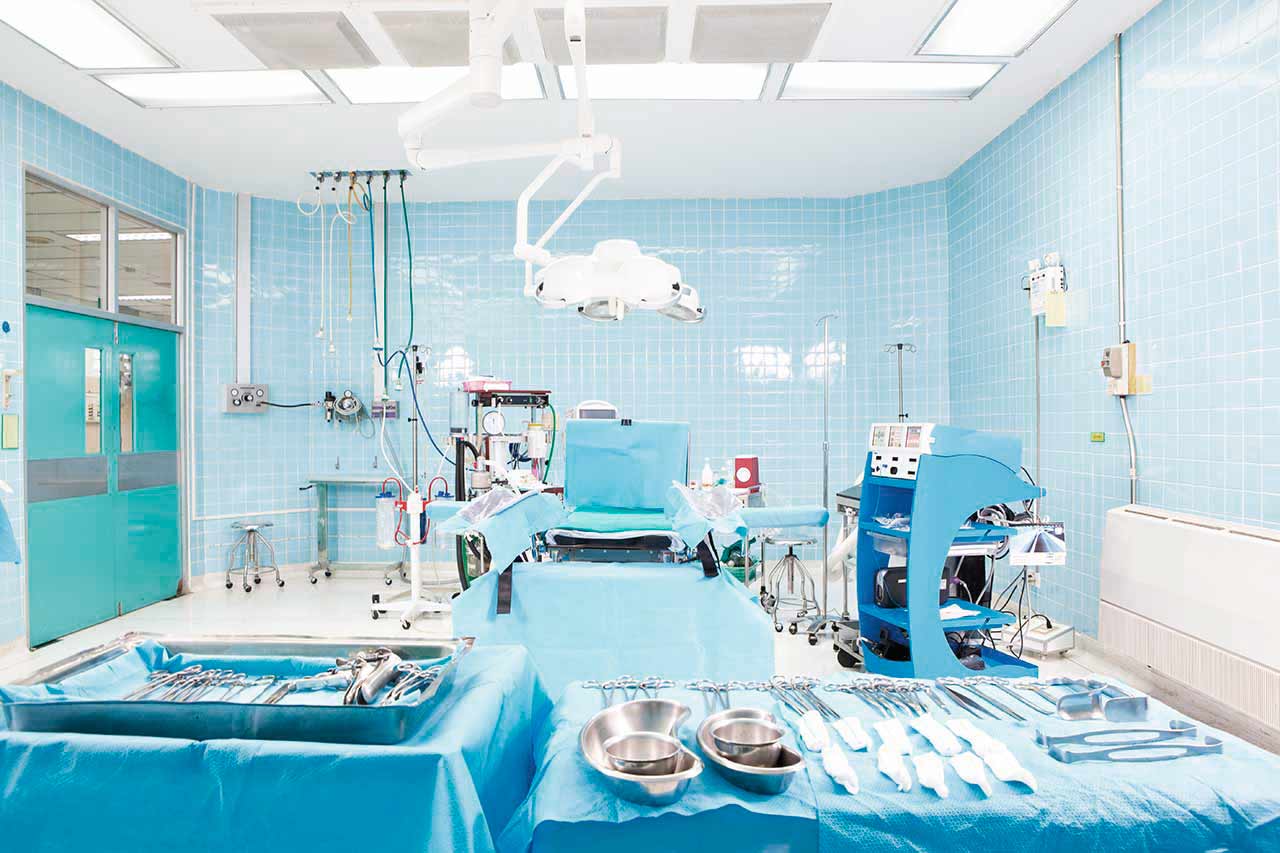
A distinctive feature of the University Hospital of Ludwig Maximilian University of Munich is its state-of-the-art infrastructure, offering high-precision diagnostic equipment that allows for detecting the slightest pathological alterations in the human body, convenient procedure rooms for a variety of outpatient medical procedures, as well as operating rooms with robot-assisted surgical systems and advanced tools for performing minimally invasive interventions that enable the quickest and easiest possible recovery in the postoperative period.
The hospital's excellent technical resources and highly professional medical staff are undoubtedly its pride and joy, but the facility also pays close attention to patient comfort and takes a compassionate approach to their situation. Doctors and nursing staff always show a friendly attitude when providing the necessary medical care. They inform patients in detail about upcoming diagnostic and therapeutic procedures, gladly answer any questions patients may have, and provide moral support throughout their treatment.
The University Hospital of Ludwig Maximilian University of Munich covers virtually all currently available medical fields with outstanding treatment outcomes. However, there are several units within the hospital that deserve special mention as they offer unique competencies and have received special recognition among similar facilities in Germany and beyond. These are the Comprehensive Cancer Center Munich, the Transplant Center, the German Center for Vertigo and Balance Disorders, and the Institute of Infectious Diseases and Tropical Medicine.
The University Hospital of Ludwig Maximilian University of Munich holds many prestigious quality certifications, including DIN EN ISO 9001, IQM and EndoCert,as well as certifications from the German Cancer Society (DKG) for the treatment of various cancers, the German Cardiac Society (DGK) and the German Society for Orthopaedics and Trauma Surgery (DGOU).
Taking all of the above into account, patients can expect to receive the best possible medical care in a friendly environment. With its innovations and exceptional experience, the hospital is rightly considered one of the most advanced and successful medical facilities, saving the lives of German citizens and patients from around the world every day.
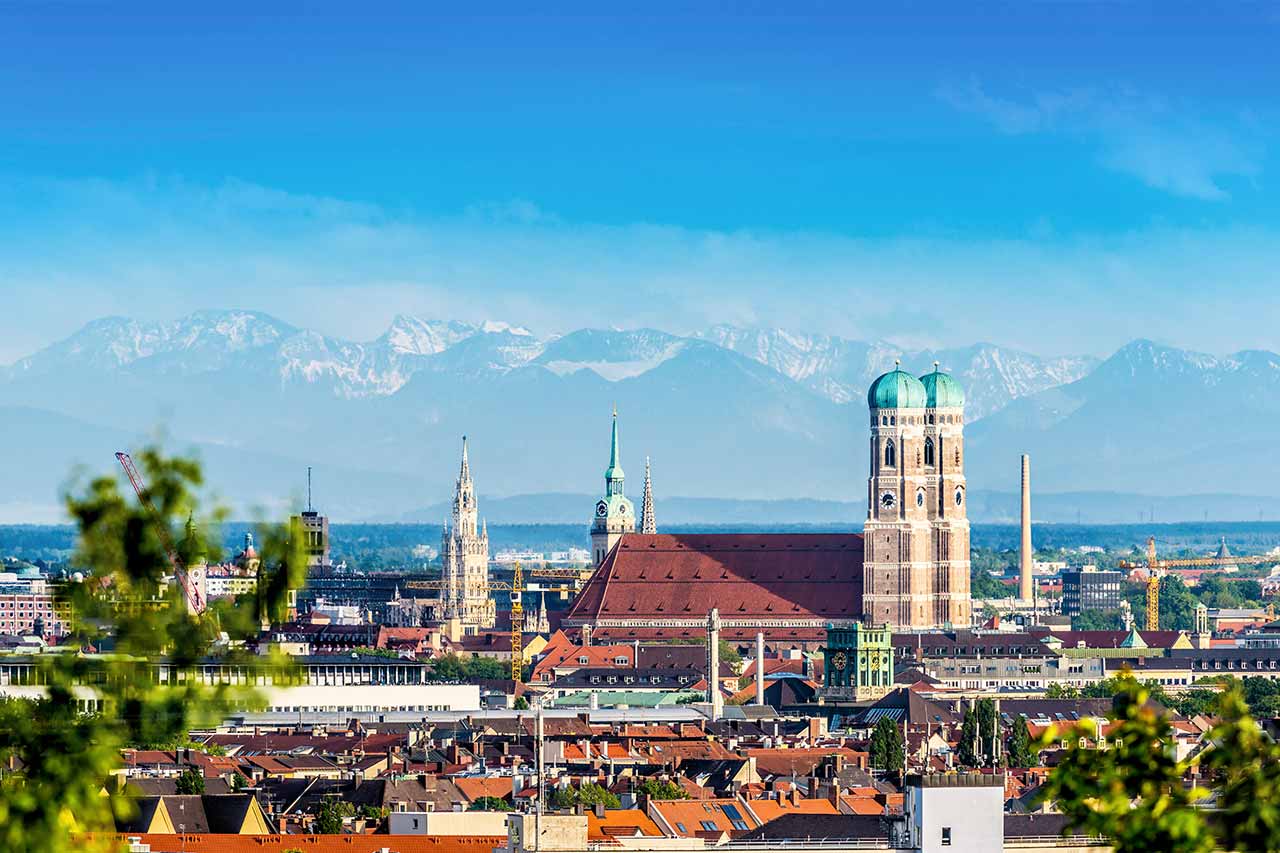
Photo: (с) depositphotos
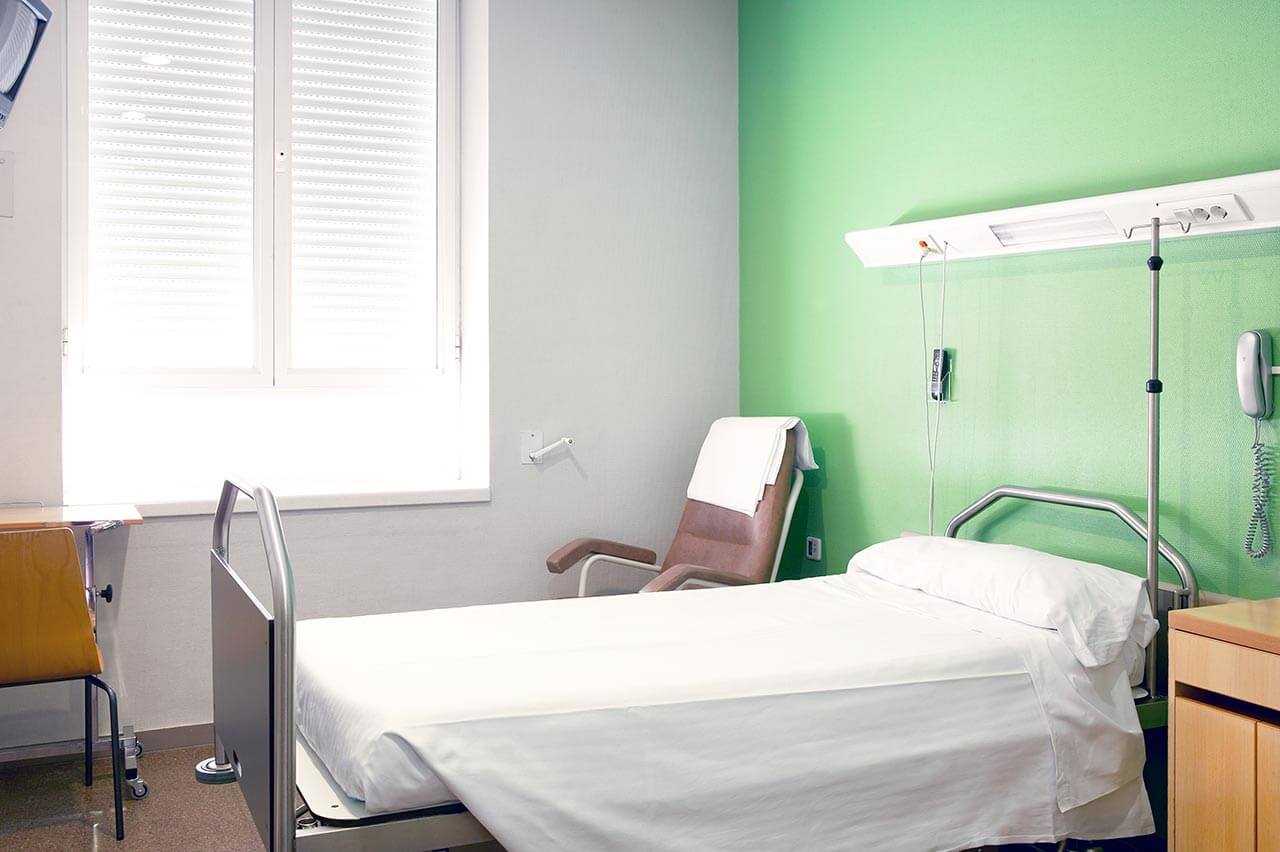
The patients of the University Hospital of Ludwig Maximilian University of Munich live in comfortable, spacious, single and double patient rooms with a modern design. Each room is equipped with an ensuite bathroom with a shower and toilet. The furnishing of a standard patient room includes a comfortable bed, the position of which can be adjusted using the remote control, a locker for storing personal belongings, a TV, and a telephone. Also, if desired, you can connect to the Internet. In addition, patients can opt for enhanced-comfort rooms, with a safe, a fridge, and upholstered furniture.
The hospital has an excellent infrastructure. The medical facility’s area houses a bank, ATMs, a hairdresser, shops with a wide range of food, drinks, newspapers, magazines, and personal hygiene items, play areas for children, and a beautiful garden for walking, etc.
The patient and his accompanying person are offered a daily choice of three menus, including a vegetarian one. If you are on a specific diet for any reason, you will be offered an individual menu. Please inform the medical staff about your dietary preferences prior to the treatment.
Standard rooms include:
Religious services are available upon request.
Your accompanying person may stay with you in your room or at a hotel of your choice during the fixed program.
You may stay at a hotel of your choice during an outpatient program. Our managers will help you to choose the best option.
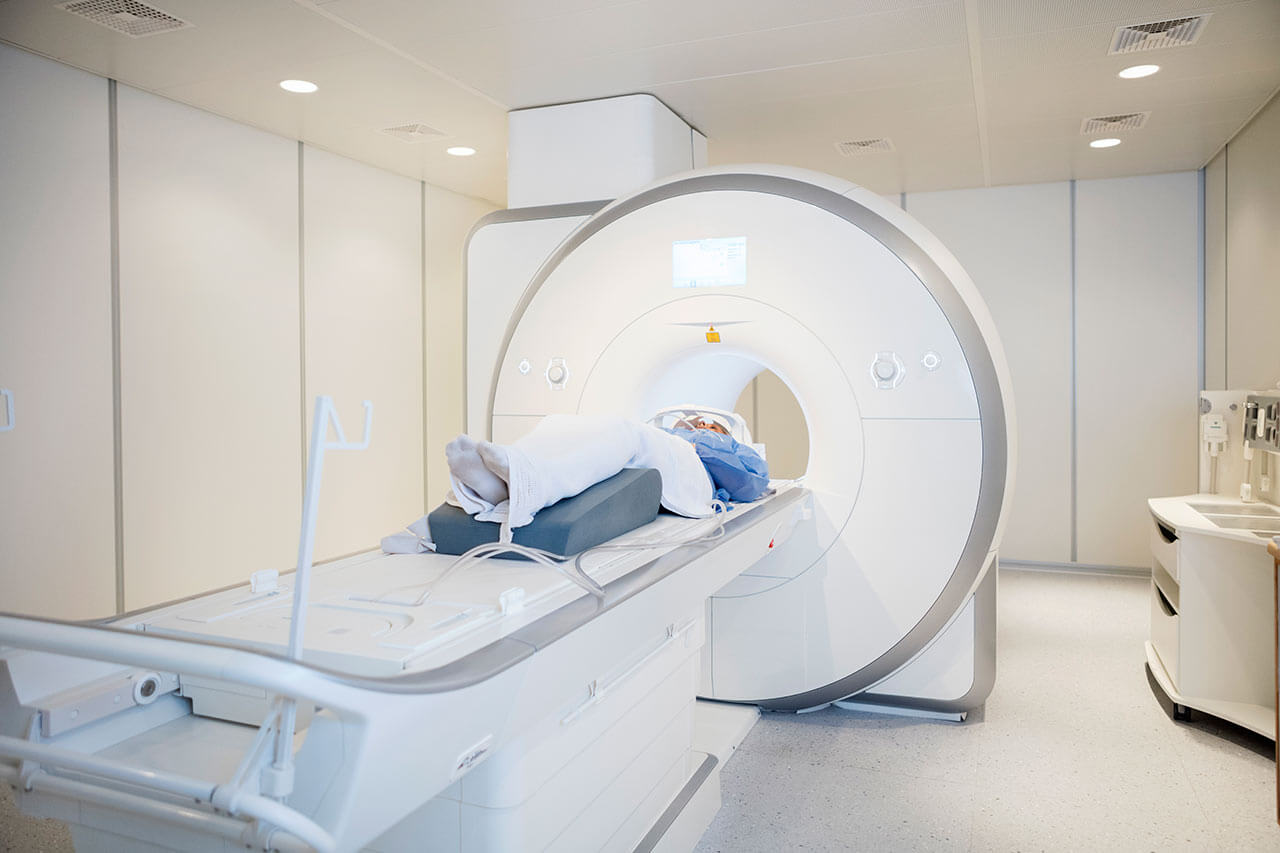
The hospital offers a full range of laboratory tests (general, hormonal, tests for infections, antibodies, tumor markers, etc.), genetic tests, various modifications of ultrasound scans, CT scans, MRI and PET/CT, angiography, myelography, biopsies, and other examinations. Treatment with medications, endoscopic and robotic operations, and stereotaxic interventions are carried out here, modern types of radiation therapy are also used. The hospital offers patients all the necessary therapeutic techniques.
Patients with benign and malignant neoplasms of various localizations, pathologies of arteries and veins, herniated discs, osteoporosis, congenital and acquired pathologies of the musculoskeletal system, benign and malignant pathologies of the mammary gland, and other pathologies.
Over 1,700 highly qualified doctors work at the hospital.