Radiotherapy of germ cell tumor of the ovary (dysgerminoma) in University Hospital of Ludwig Maximilian University of Munich
University Hospital of Ludwig Maximilian University of Munich
Munich, Germany

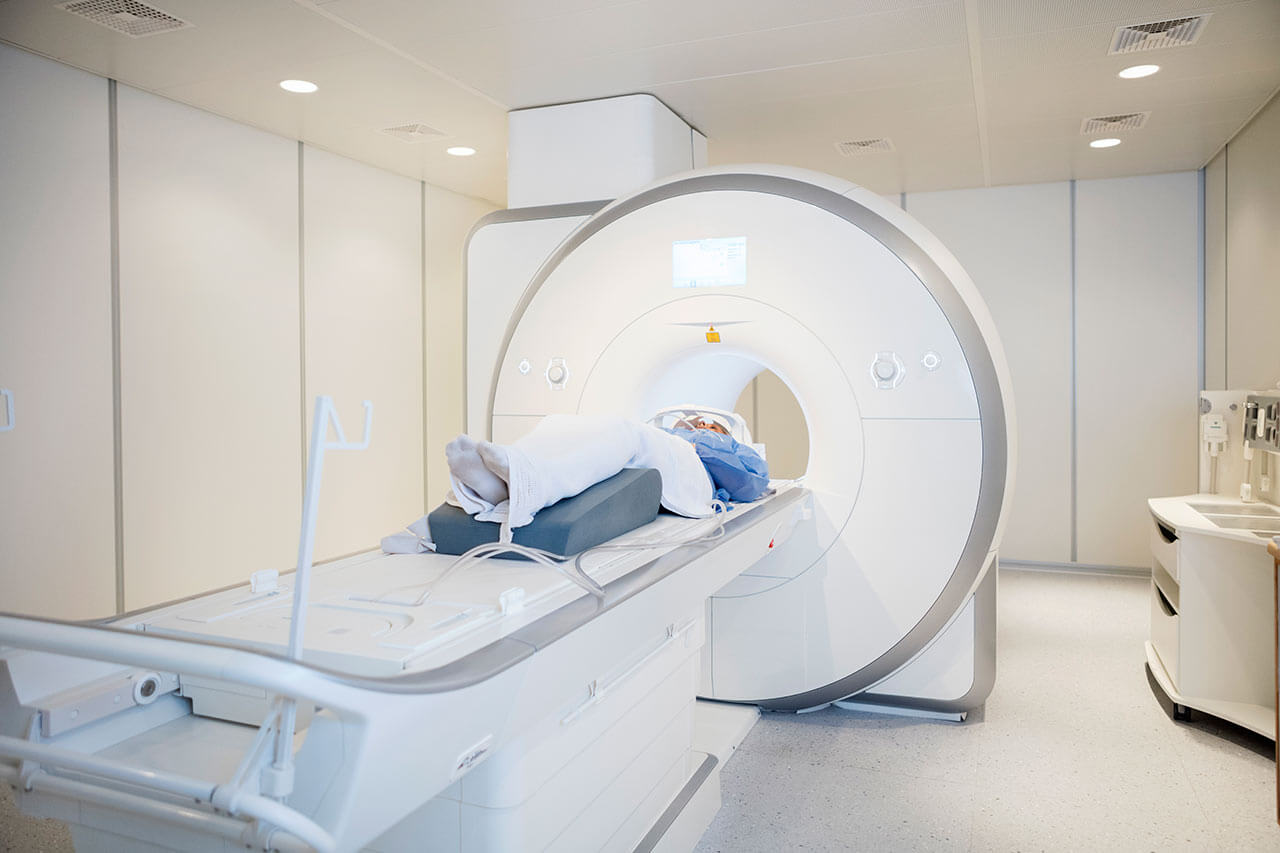

During the first visit, the doctor will conduct a clinical examination and go through the results of previous laboratory tests and instrumental examinations. After that, you will undergo an additional examination, including complete blood count, laboratory assessment of liver and kidney function. Based on the received results, the physician will conduct radiotherapy planning with the help of CT or MRI, make the permanent tattoo marks on the skin and conduct CT simulation in order to assess the accuracy of the rays and the radiation dose. If necessary, related medical specialists will be involved in the elaboration of a treatment regimen (tumor board).
Radiation therapy is carried out as the day hospital procedure, without mandatory admission to the hospital. At each visit, the physician will assess your general condition and the marks on the skin. After that, you will be placed in a shielded radiation therapy room, on a special table.
Each radiation therapy session lasts less than half an hour (including preparation). All this time, doctors and nurses are monitoring your condition, you can communicate with them through a loudspeaker. The procedure is completely painless. Depending on the planned course of treatment, you will visit the hospital from 1 to 3-5 times a week.
After the completion of the radiation therapy course, you will undergo control examinations aimed at assessing your condition and efficacy of treatment. After that you will receive the medical report with detailed recommendations regarding further follow-up and treatment. In the future, you will be able to have a distant consultation with your attending physician and schedule the next course of treatment, if necessary.
 BookingHealth Price from:
The Department of Radiation Therapy at the University Hospital of Ludwig Maximilian University of Munich offers all modern services in the field of radiation therapy for cancer treatment. The medical facility uses advanced radiation therapy methods, including intensity-modulated radiation therapy (IMRT), volumetric modulated arc therapy (VMAT), image-guided radiation therapy, brain and lung stereotactic radiosurgery, total body irradiation, brachytherapy, and catheter-based administration of radioactive drugs (afterloading technique). The department is one of the first medical facilities in Germany to successfully use the innovative MR-Linac technology, which makes it possible to obtain high-precision MRI scans during radiation therapy and provide the most effective cancer treatment with optimal protection of the healthy adjacent tissues. It is noteworthy that MR-Linac technology is available only in three healthcare facilities in Germany. The department's radiation therapists cooperate closely with oncologists, chemotherapists, radiologists, and other specialists from related fields, thanks to which patients receive comprehensive treatment. The Head Physician of the department is Prof. Dr. med. Claus Belka.
Breast cancer is one of the most common types of cancer in women. Breast cancer treatment is based on surgery, but in many cases, women are additionally prescribed radiation therapy, for example, after breast-conserving surgery or when cancer cells are detected in the nearby lymph nodes. The optimal type of irradiation for a woman is determined on the basis of her clinical data and anatomical features. In most cases, tangential irradiation is used, during which a patient is in the supine position. In some cases, for example, if a woman has pectus excavatum or if the lymph nodes behind the sternum are affected, intensity-modulated radiation therapy or volumetric modulated arc therapy are more effective methods. The department's radiation therapists also prescribe hypofractionated radiation therapy, which allows higher doses of radiation to be applied in fewer sessions. Breast cancer recurrence can be treated with brachytherapy. It is important for the department's physicians to protect the heart when irradiating patients with left-sided breast cancer, and therefore, in such cases, deep inspiration breath hold (DIBH) is preferred. It is worth noting that the Catalyst™ non-contact monitoring system is available in the medical facility, which is currently used by only a few centers throughout Europe. This device allows doctors to minimize the load on the heart. For women with metastatic breast cancer, the department's radiation therapists offer stereotactic radiosurgery for brain and lung metastases and brachytherapy for liver metastasis destruction.
One of the most common oncological diseases in men is prostate cancer, and therefore the department's medical team has modern types of irradiation for this type of oncology. The specialists often perform image-guided radiation therapy and irradiation with cone beam computed tomography. The Clarity™ system is also widely used in prostate irradiation, with which doctors control the delivery of radiation in real time. This means that if a patient's position changes, the radiation automatically stops, so that healthy tissues are not damaged. Localized prostate cancer is successfully treated with brachytherapy (internal radiation therapy). The essence of the treatment procedure is the introduction of radioactive microsources (radioactive seeds) directly into the tumor focus. Brachytherapy is characterized by the highest accuracy and safety, while this type of irradiation allows doctors to achieve good therapeutic results.
The department's team of radiation therapists has vast experience in treating brain and spinal cord tumors. Due to the frequent localization of these neoplasms in hard-to-reach places, their treatment is a challenge. In some cases, stereotactic radiosurgery is the only effective treatment option. Despite the name "stereotactic radiosurgery", this type of treatment does not involve any invasive surgical procedures. The difference from classical radiation therapy lies in the fact that radiosurgery involves a single application of targeted high doses of radiation. The technique is highly effective and practically does not cause any side effects. The specialists at the medical facility also successfully perform volumetric modulated arc therapy (VMAT) and brachytherapy for brain and spinal cord tumors.
The department often admits patients with gastrointestinal cancers, such as stomach, liver, bile duct, pancreatic, esophageal, and colon cancers. As a rule, radiation therapy for the above-mentioned diseases is combined with surgery and systemic therapy. In the advanced stages of cancer, radiation therapy is most often performed prior to surgery to reduce the tumor size. If a tumor has reached a large size or a patient has multiple metastases (for example, in the case of esophageal, rectal, stomach, or pancreatic cancer), surgery is contraindicated, and radiation therapy is the only treatment. Special attention is paid to stereotactic irradiation and brachytherapy for liver cancer and its metastatic lesions.
The department specializes in treating the following diseases:
The department's range of therapeutic services includes:
Higher Education and Professional Career
Main Awards, Activities in Professional Societies and Committees
Photo of the doctor: (c) LMU Klinikum
The renowned FOCUS magazine ranking consistently positions the University Hospital of Ludwig Maximilian University of Munich among the best medical facilities in Germany with top-tier care and remarkable treatment success rates!
This hospital is one of the largest multidisciplinary medical facilities with a status of a leading training and research center in Germany and Europe, enabling it to make unique scientific discoveries that benefit the world. The University Hospital of Ludwig Maximilian University of Munich is proud of its nearly 200-year history and is committed to maintaining its top positions in both national and international healthcare.
The medical facility has two main campuses: Grosshadern and Innenstadt. The University Hospital of Ludwig Maximilian University of Munich operates 28 specialized departments, 16 institutes, and 63 interdisciplinary centers. The hospital has around 2,000 beds to accommodate patients. This large medical complex receives more than 551,000 patients each year and provides outpatient services to around 460,000 people. The hospital employs a highly professional team of 11,908 medical staff whose main task is to restore patients' health in a comfortable and friendly environment, making use of advanced medical resources.
A distinctive feature of the University Hospital of Ludwig Maximilian University of Munich is its state-of-the-art infrastructure, offering high-precision diagnostic equipment that allows for detecting the slightest pathological alterations in the human body, convenient procedure rooms for a variety of outpatient medical procedures, as well as operating rooms with robot-assisted surgical systems and advanced tools for performing minimally invasive interventions that enable the quickest and easiest possible recovery in the postoperative period.
The hospital's excellent technical resources and highly professional medical staff are undoubtedly its pride and joy, but the facility also pays close attention to patient comfort and takes a compassionate approach to their situation. Doctors and nursing staff always show a friendly attitude when providing the necessary medical care. They inform patients in detail about upcoming diagnostic and therapeutic procedures, gladly answer any questions patients may have, and provide moral support throughout their treatment.
The University Hospital of Ludwig Maximilian University of Munich covers virtually all currently available medical fields with outstanding treatment outcomes. However, there are several units within the hospital that deserve special mention as they offer unique competencies and have received special recognition among similar facilities in Germany and beyond. These are the Comprehensive Cancer Center Munich, the Transplant Center, the German Center for Vertigo and Balance Disorders, and the Institute of Infectious Diseases and Tropical Medicine.
The University Hospital of Ludwig Maximilian University of Munich holds many prestigious quality certifications, including DIN EN ISO 9001, IQM and EndoCert,as well as certifications from the German Cancer Society (DKG) for the treatment of various cancers, the German Cardiac Society (DGK) and the German Society for Orthopaedics and Trauma Surgery (DGOU).
Taking all of the above into account, patients can expect to receive the best possible medical care in a friendly environment. With its innovations and exceptional experience, the hospital is rightly considered one of the most advanced and successful medical facilities, saving the lives of German citizens and patients from around the world every day.
Photo: (с) depositphotos
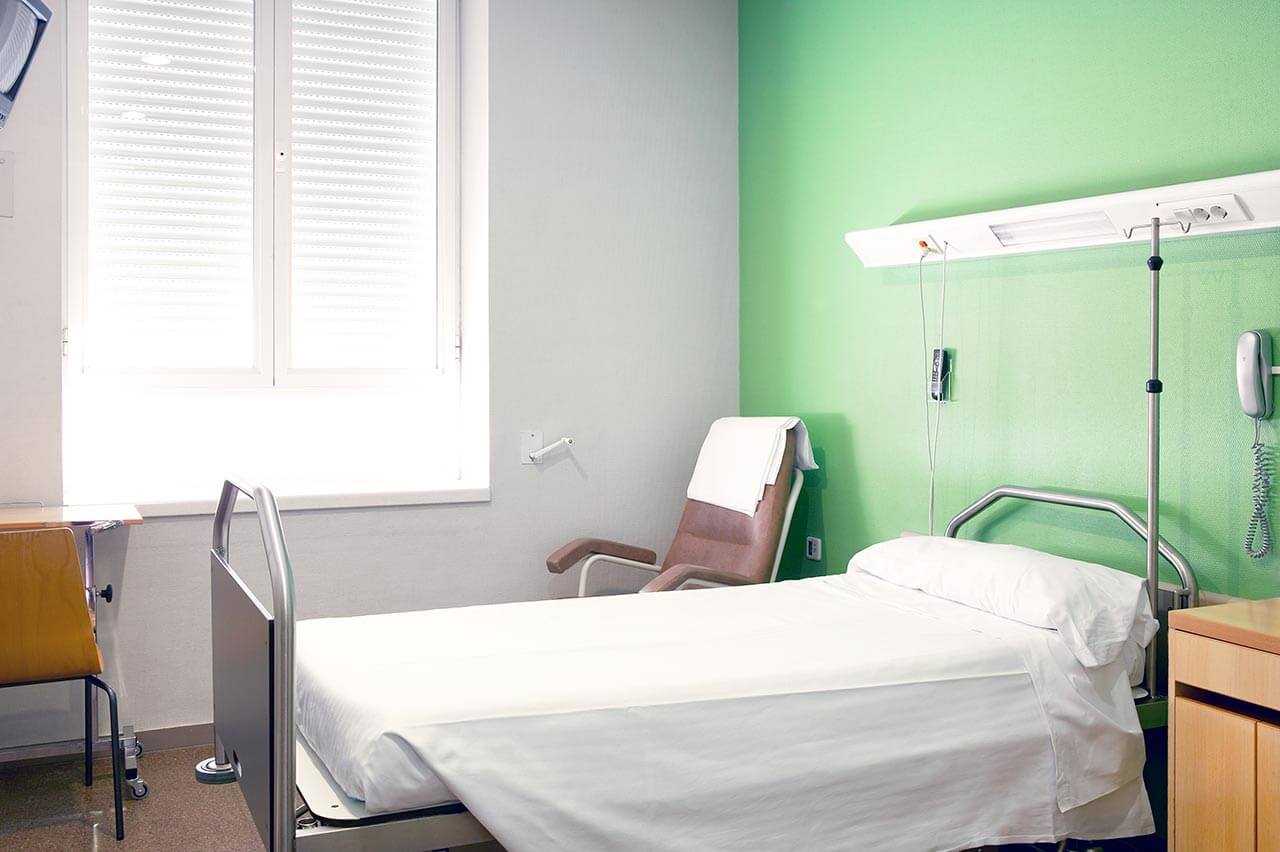
The patients of the University Hospital of Ludwig Maximilian University of Munich live in comfortable, spacious, single and double patient rooms with a modern design. Each room is equipped with an ensuite bathroom with a shower and toilet. The furnishing of a standard patient room includes a comfortable bed, the position of which can be adjusted using the remote control, a locker for storing personal belongings, a TV, and a telephone. Also, if desired, you can connect to the Internet. In addition, patients can opt for enhanced-comfort rooms, with a safe, a fridge, and upholstered furniture.
The hospital has an excellent infrastructure. The medical facility’s area houses a bank, ATMs, a hairdresser, shops with a wide range of food, drinks, newspapers, magazines, and personal hygiene items, play areas for children, and a beautiful garden for walking, etc.
The patient and his accompanying person are offered a daily choice of three menus, including a vegetarian one. If you are on a specific diet for any reason, you will be offered an individual menu. Please inform the medical staff about your dietary preferences prior to the treatment.
Standard rooms include:
Religious services are available upon request.
Your accompanying person may stay with you in your room or at a hotel of your choice during the fixed program.
You may stay at a hotel of your choice during an outpatient program. Our managers will help you to choose the best option.
The hospital offers a full range of laboratory tests (general, hormonal, tests for infections, antibodies, tumor markers, etc.), genetic tests, various modifications of ultrasound scans, CT scans, MRI and PET/CT, angiography, myelography, biopsies, and other examinations. Treatment with medications, endoscopic and robotic operations, and stereotaxic interventions are carried out here, modern types of radiation therapy are also used. The hospital offers patients all the necessary therapeutic techniques.
Patients with benign and malignant neoplasms of various localizations, pathologies of arteries and veins, herniated discs, osteoporosis, congenital and acquired pathologies of the musculoskeletal system, benign and malignant pathologies of the mammary gland, and other pathologies.
Over 1,700 highly qualified doctors work at the hospital.