Chemotherapy in ovarian cancer in University Hospital of Ludwig Maximilian University of Munich
University Hospital of Ludwig Maximilian University of Munich
Munich, Germany


During the first visit, the doctor will conduct a clinical examination and go through the results of previous laboratory tests and instrumental examinations. After that, you will undergo an additional examination, including laboratory assessment of liver and kidney function, ultrasound scan. Based on the received results, the doctor will elaborate the chemotherapy regimen. If necessary, related medical specialists will be involved in the elaboration of a treatment regimen (tumor board).
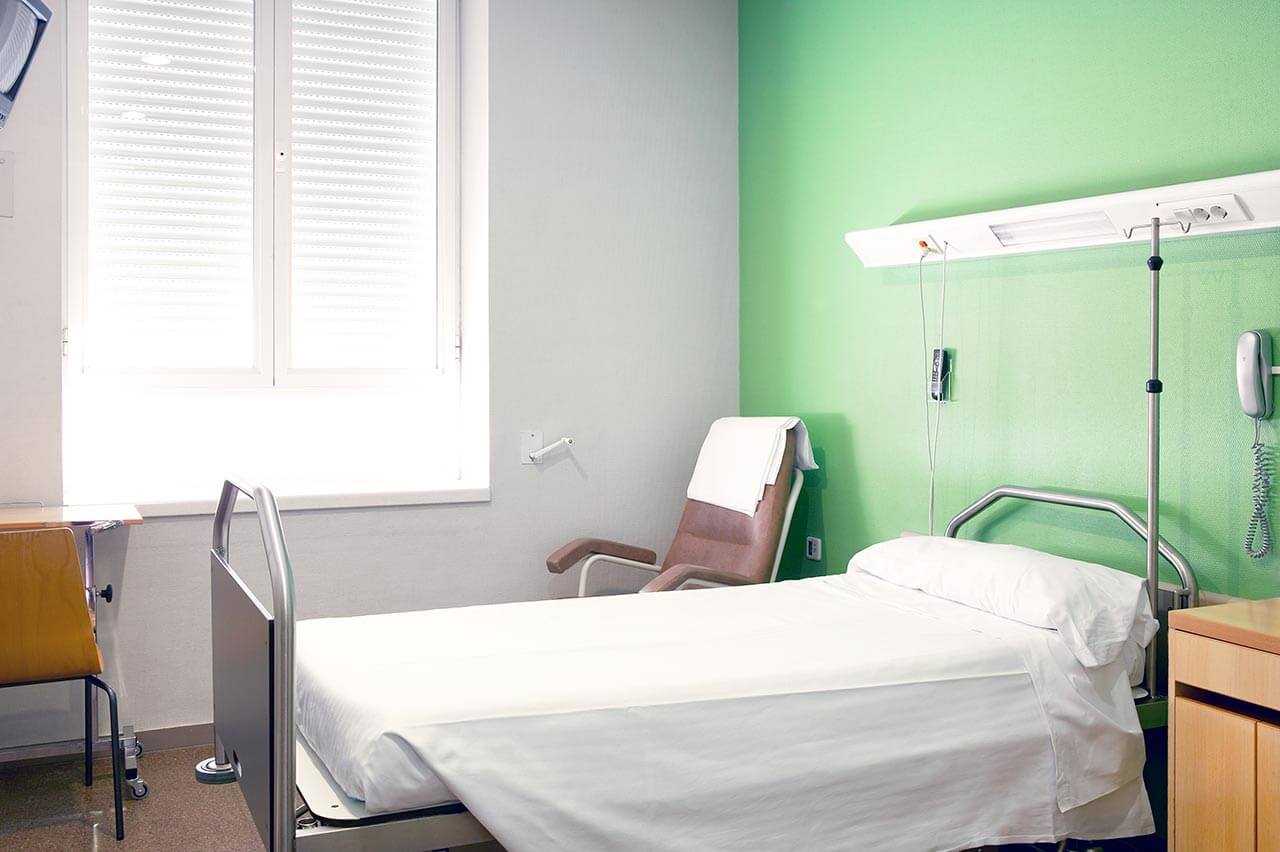
Chemotherapy is carried out as the day hospital procedure, without mandatory admission to the hospital. After the placement of a venous catheter, you will stay in a comfortable ward. An infusion system will be connected to the catheter, through which the required drug or a drug combination will be administered. All drugs are administered by intravenous drip, slowly, so the total duration of the infusion can be up to several hours. All this time, doctors and nurses will monitor your health condition closely.
After the course of chemotherapy, you will stay under medical supervision in the ward for a few more hours. If your general condition is good, your doctor will allow you to leave the hospital. You will receive the medical report with detailed recommendations regarding further treatment. In the future, you will be able to have a distant consultation with your attending physician and schedule the next course of chemotherapy, if necessary.
 BookingHealth Price from:
The Comprehensive Cancer Center Munich (CCC Munich) at the University Hospital of Ludwig Maximilian University of Munich is one of the leading cancer centers in Germany and Europe. It is structurally divided into organ-specific cancer centers, each with a dedicated team of medical specialists. This structure enables comprehensive and interdisciplinary medical care across all types of cancer using advanced diagnostic procedures and treatment modalities. CCC Munich was founded in 2010. Its initial certification as an Oncology Center by the German Cancer Society (DKG) followed in 2013. A distinctive feature of the center is its approach based on the principles of precision oncology, which combines molecular diagnostics with interdisciplinary medical expertise. The medical team of the center performs molecular tumor profiling to determine the most appropriate therapeutic options and develop personalized treatment plans. Particular importance is also placed on psycho-oncological support for each patient throughout the treatment process, as a cancer diagnosis can impose a significant emotional burden that should be properly addressed. The specialists at the center are also committed to providing high-quality medical care while also paying focusing on the patients' overall quality of life. CCC Munich combines extensive experience with advanced diagnostic and treatment technologies, enabling comprehensive medical care for patients with both common and rare or complex cancers.
The center is headed by Prof. Dr. med. Volker Heinemann. He has more than 40 years of clinical experience in oncology, combined with active involvement in cancer research. Prof. Heinemann is a member of the American Society of Clinical Oncology (ASCO), the German Cancer Society (DKG), and the German Society of Hematology and Medical Oncology (DGHO). He leads the Pancreatic Cancer Working Group of the AIO and serves as Editor for GI Oncology of the European Journal of Cancer. His main clinical interests include the treatment of gastrointestinal tumors, breast cancer, and metastases.
Breast cancer is one of the most common malignancies in women. The treatment of this type of cancer requires an interdisciplinary and highly specialized approach combined with advanced therapeutic modalities. The diagnostic work-up for breast cancer patients includes ultrasound, digital mammography, tomosynthesis, breast MRI, and biopsy. In many cases, molecular profiling of the tumor contributes to the development of a personalized treatment plan, incorporating the most appropriate therapies. Surgical removal of the tumor is one of the most common approaches. The specialists at the center perform breast-conserving surgery whenever appropriate. However, if this option is not suitable, mastectomy followed by reconstructive plastic surgery may be considered. Breast surgery is often complemented by systemic or local treatments, including chemotherapy, hormone therapy, radiation therapy, targeted therapy, antibody therapy, or immunotherapy. Each option is considered individually based on diagnostic findings. Professional psycho-oncological support accompanies each treatment stage to help women with breast cancer cope with their emotional distress.
Colon cancer treatment is also among the center's key clinical focuses. This is one of the most common cancers and one of the leading causes of cancer-related mortality. The center's Colorectal Cancer Center is certified by the German Cancer Society (DKG), which reflects its extensive expertise in this medical field. The center's therapeutic options range from surgical treatment of colon tumors and their metastases to locoregional procedures for colon cancer metastases, chemotherapy, targeted therapy, radiation therapy and radiochemotherapy, as well as immunotherapy. The center's physicians develop personalized treatment plans for their patients during interdisciplinary tumor board meetings. This enables the team to select the most appropriate therapies while taking into account all relevant aspects of the patient's clinical situation.
Colorectal cancer has traditionally been considered a disease that primarily affects older adults. However, in recent years, a worrying global rise in colorectal cancer cases among young patients, especially those under the age of 50, has been observed in many countries. This trend presents new challenges for the medical community and healthcare systems. The center has extensive experience in the diagnosis and treatment of colorectal cancer in young patients. Although a cancer diagnosis at a young age is especially difficult, the center's medical team makes every effort to provide appropriate treatment while preserving the best possible quality of life for young patients with this disease.
The Comprehensive Cancer Center Munich is one of the leading oncology centers in Germany, providing comprehensive medical care for patients with a wide range of cancers. The center offers a broad spectrum of modern diagnostic procedures and treatment options for patients with malignancies of the kidneys, bladder, central and peripheral nervous systems, gastrointestinal organs, endocrine glands, and lungs, as well as for patients with bone and soft tissue sarcomas, leukemias, and lymphomas. Moreover, this center is one of the few facilities in Germany with extensive experience in the diagnosis and treatment of patients with cancer of unknown primary and rare types of malignancies. The medical team takes a thorough and systematic approach to developing individualized treatment plans for cancer patients, carefully assessing the potential benefits and risks of each therapeutic option.
CCC Munich also treats children with different types of cancer, taking into account the needs of young patients. Treatment follows specialized pediatric protocols and most often includes surgery, chemotherapy, and radiation therapy. They most often include surgery, chemotherapy, and radiation therapy whenever appropriate. According to the center's reported data, treatment success rates for pediatric cancers reach up to 80%. These outcomes are largely supported by close collaboration between pediatric oncologists and pediatric surgeons, neurosurgeons, radiation oncologists, and other pediatric specialists. To help children cope with the challenges of cancer treatment, the center also employs a team of psychologists, art therapists, music therapists, social workers, physiotherapists, dietitians, and sports therapists. This well-established interdisciplinary approach, combined with clinical expertise and advanced treatment options, provides comprehensive medical care and support for young patients throughout their treatment journey.
The center specializes in the diagnosis and treatment of the following types of cancer:
The therapeutic options offered at the center include:
Academic and Professional Career
Other Activities
Clinical Interests
Research Interests
Awards and Distinctions
Professional Society Memberships
Photo of the doctor: (c) LMU Klinikum
The renowned FOCUS magazine ranking consistently positions the University Hospital of Ludwig Maximilian University of Munich among the best medical facilities in Germany with top-tier care and remarkable treatment success rates!
This hospital is one of the largest multidisciplinary medical facilities with a status of a leading training and research center in Germany and Europe, enabling it to make unique scientific discoveries that benefit the world. The University Hospital of Ludwig Maximilian University of Munich is proud of its nearly 200-year history and is committed to maintaining its top positions in both national and international healthcare.
The medical facility has two main campuses: Grosshadern and Innenstadt. The University Hospital of Ludwig Maximilian University of Munich operates 28 specialized departments, 16 institutes, and 63 interdisciplinary centers. The hospital has around 2,000 beds to accommodate patients. This large medical complex receives more than 551,000 patients each year and provides outpatient services to around 460,000 people. The hospital employs a highly professional team of 11,908 medical staff whose main task is to restore patients' health in a comfortable and friendly environment, making use of advanced medical resources.
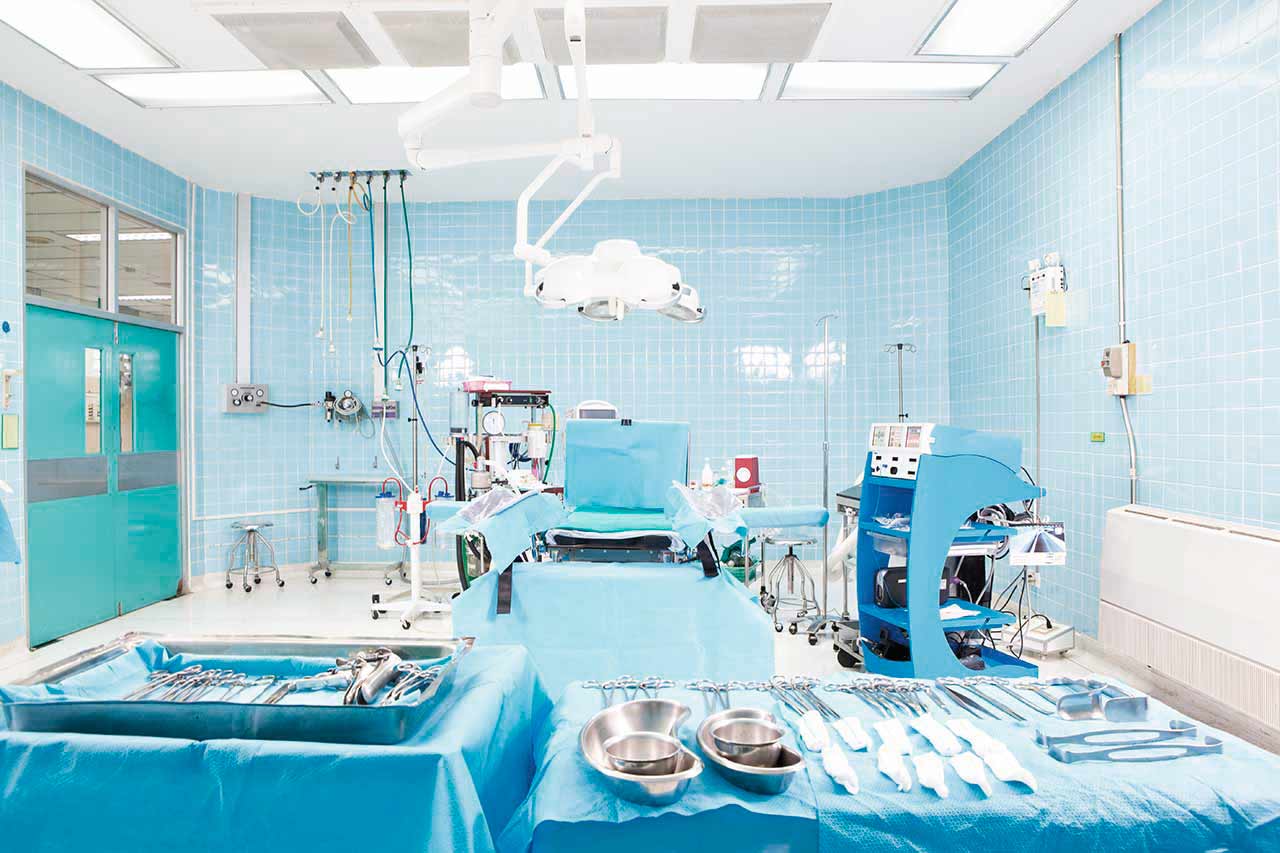
A distinctive feature of the University Hospital of Ludwig Maximilian University of Munich is its state-of-the-art infrastructure, offering high-precision diagnostic equipment that allows for detecting the slightest pathological alterations in the human body, convenient procedure rooms for a variety of outpatient medical procedures, as well as operating rooms with robot-assisted surgical systems and advanced tools for performing minimally invasive interventions that enable the quickest and easiest possible recovery in the postoperative period.
The hospital's excellent technical resources and highly professional medical staff are undoubtedly its pride and joy, but the facility also pays close attention to patient comfort and takes a compassionate approach to their situation. Doctors and nursing staff always show a friendly attitude when providing the necessary medical care. They inform patients in detail about upcoming diagnostic and therapeutic procedures, gladly answer any questions patients may have, and provide moral support throughout their treatment.
The University Hospital of Ludwig Maximilian University of Munich covers virtually all currently available medical fields with outstanding treatment outcomes. However, there are several units within the hospital that deserve special mention as they offer unique competencies and have received special recognition among similar facilities in Germany and beyond. These are the Comprehensive Cancer Center Munich, the Transplant Center, the German Center for Vertigo and Balance Disorders, and the Institute of Infectious Diseases and Tropical Medicine.
The University Hospital of Ludwig Maximilian University of Munich holds many prestigious quality certifications, including DIN EN ISO 9001, IQM and EndoCert,as well as certifications from the German Cancer Society (DKG) for the treatment of various cancers, the German Cardiac Society (DGK) and the German Society for Orthopaedics and Trauma Surgery (DGOU).
Taking all of the above into account, patients can expect to receive the best possible medical care in a friendly environment. With its innovations and exceptional experience, the hospital is rightly considered one of the most advanced and successful medical facilities, saving the lives of German citizens and patients from around the world every day.
Photo: (с) depositphotos
The patients of the University Hospital of Ludwig Maximilian University of Munich live in comfortable, spacious, single and double patient rooms with a modern design. Each room is equipped with an ensuite bathroom with a shower and toilet. The furnishing of a standard patient room includes a comfortable bed, the position of which can be adjusted using the remote control, a locker for storing personal belongings, a TV, and a telephone. Also, if desired, you can connect to the Internet. In addition, patients can opt for enhanced-comfort rooms, with a safe, a fridge, and upholstered furniture.
The hospital has an excellent infrastructure. The medical facility’s area houses a bank, ATMs, a hairdresser, shops with a wide range of food, drinks, newspapers, magazines, and personal hygiene items, play areas for children, and a beautiful garden for walking, etc.
The patient and his accompanying person are offered a daily choice of three menus, including a vegetarian one. If you are on a specific diet for any reason, you will be offered an individual menu. Please inform the medical staff about your dietary preferences prior to the treatment.
Standard rooms include:
Religious services are available upon request.
Your accompanying person may stay with you in your room or at a hotel of your choice during the fixed program.
You may stay at a hotel of your choice during an outpatient program. Our managers will help you to choose the best option.
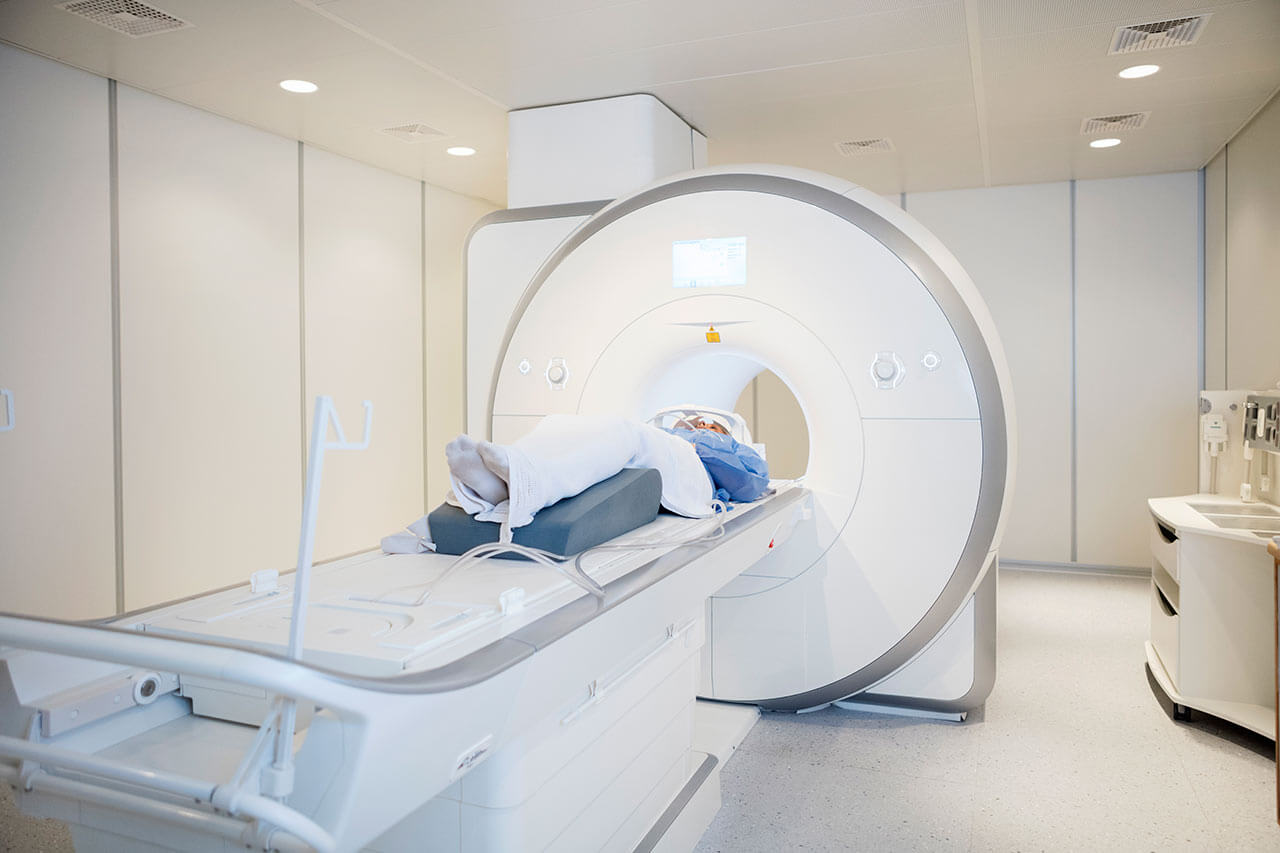
The hospital offers a full range of laboratory tests (general, hormonal, tests for infections, antibodies, tumor markers, etc.), genetic tests, various modifications of ultrasound scans, CT scans, MRI and PET/CT, angiography, myelography, biopsies, and other examinations. Treatment with medications, endoscopic and robotic operations, and stereotaxic interventions are carried out here, modern types of radiation therapy are also used. The hospital offers patients all the necessary therapeutic techniques.
Patients with benign and malignant neoplasms of various localizations, pathologies of arteries and veins, herniated discs, osteoporosis, congenital and acquired pathologies of the musculoskeletal system, benign and malignant pathologies of the mammary gland, and other pathologies.
Over 1,700 highly qualified doctors work at the hospital.