About the department
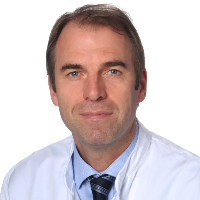
The Department of General, Abdominal, Transplant, Hepatopancreatobiliary, Colorectal, Endocrine, Bariatric Surgery and Hernia Surgery at the University Hospital of Ludwig Maximilian University of Munich has exceptional expertise in its areas of specialization. The department enjoys a reputation as one of Europe's most advanced surgical centers, offering a full range of interventions for gastrointestinal diseases, including those affecting the liver and pancreas. Other clinical focuses include surgical treatment of endocrine disorders, hernioplasty to reinforce weakened areas of the anterior abdominal wall, and operations for morbid obesity. It is one of the largest and most experienced centers for abdominal organ transplantation in Germany and specializes in liver, kidney, pancreas, and small bowel transplantation. The medical team at this facility routinely performs minimally invasive and robot-assisted procedures to reduce health risks and shorten the postoperative recovery period for patients. In an interdisciplinary collaboration with the Comprehensive Cancer Center Munich, the department is certified by the German Cancer Society (DKG) as a center for pancreatic, liver, stomach, colorectal, and esophageal cancer. Additionally, the department is accredited by the German Society for General and Visceral Surgery (DGAV) as a Center of Excellence for Liver, Pancreatic, Stomach, and Esophageal Surgery. It is also important to note that the department's quality management system is ISO 9001:2015 certified. Patients here benefit from top-tier medical care combined with a personalized approach to every clinical case and the use of advanced surgical treatments. The Head Physician of the department is Prof. Dr. med. Jens Werner.
One of the department's key areas of focus is surgery for stomach and oesophageal diseases. The primary interest in this field is surgical treatment for esophageal cancer (squamous cell carcinomas and adenocarcinomas), gastroesophageal junction adenocarcinomas, stomach cancer, gastrointestinal stromal tumors, sarcomas (leiomyosarcomas), and gastrointestinal neuroendocrine tumors. The department's gastric and esophageal cancer treatment programs are certified by the German Cancer Society (DKG), which testifies to their high quality and effectiveness. In addition, the department's medical team also performs operations for numerous benign esophageal and gastric conditions, such as gastric polyps, gastroesophageal reflux disease, and esophageal diverticulum. Where clinically appropriate, the department's surgeons perform surgical procedures using minimally invasive techniques, including the da Vinci surgical system. These tissue-sparing dissection techniques eliminate the need for large skin and soft tissue incisions, which ultimately allows for faster patient recovery with minimal complications. When it comes to cancer treatment, surgeons work hand in hand with oncologists and radiation oncologists to offer patients multimodal treatment strategies that combine surgery with chemotherapy, radiotherapy, targeted therapy, immunotherapy, and other non-surgical therapies. It is worth noting that doctors also offer patients an innovative method for treating advanced stages of gastric and oesophageal cancers that have spread to the peritoneum and caused peritoneal carcinomatosis. This approach involves cytoreductive surgery followed by hyperthermic intraperitoneal chemotherapy (HIPEC) – a special type of chemotherapy that is administered directly into the abdominal cavity. In selected patients, this approach can achieve long-term survival that would have been impossible just a few decades ago.
Colorectal surgery is another area of specialization, focusing on patients with benign and malignant bowel diseases. The most common of these include colorectal cancer, colon polyps, diverticular disease, inflammatory bowel disease (Crohn's disease and ulcerative colitis), and proctological conditions. Most abdominal operations for these diseases are performed laparoscopically, which spares patients from large abdominal incisions and reduces their hospital stays. Da Vinci robot-assisted surgery can also be used to treat colon diseases when clinically indicated. The department is part of the Colorectal Cancer Center, established through close collaboration between the Departments of Surgery, Oncology, Gastroenterology, and Radiation Oncology. This centre, which is certified by the German Cancer Society (DKG), aims to provide colon cancer patients with comprehensive and personalized medical care. Moreover, the department enjoys the status of a Center of Excellence for Colorectal Surgery certified by the German Society for General and Visceral Surgery (DGAV) and is one of only a few centres of this kind in Germany.
The next important focus of the department's clinical activities is hepatopancreatobiliary surgery, dealing with liver, gallbladder, and bile duct diseases. The surgical team treats the full spectrum of benign and malignant liver conditions, ranging from benign cysts to advanced hepatocellular carcinomas and liver metastases. The department's specialists are among the world's leading experts in this field. They perform all the surgical treatments currently available for liver and biliary tract diseases, ranging from laparoscopic cholecystectomy to complex multisegment resections. The department uses all established surgical techniques, including laparoscopic (minimally invasive), robot-assisted (da Vinci system), and open surgery. The choice of a surgical approach depends on tumor specifics, extent of resection, patient health, and individual risk factors.
Patients with pancreatic conditions receive medical care from a highly competent team, consisting of surgeons, endocrinologists, gastroenterologists, oncologists, radiologists, radiation oncologists, and nuclear medicine specialists. The most common pancreatic diagnoses in the department include pancreatic cancer and cystic pancreatic tumors, as well as acute and chronic pancreatitis (inflammation of the pancreas). Minimally invasive surgery may be an option for patients with benign conditions or precancerous lesions, while those with pancreatic carcinoma often require more complex interventions, such as distal pancreatectomy, the Whipple procedure, or total pancreatectomy. The optimal surgical option is selected individually, with due consideration of the stage of cancer and specific characteristics of the disease. Since 2013, the department has been certified as a Pancreatic Centre by the German Cancer Society and OnkoZert. Furthermore, since 2017, this facility has been certified as a Centre of Excellence for Pancreatic Surgery by the German Society for General and Visceral Surgery – it is currently one of only two centres in Germany to hold this certification.
The department is also an expert-level facility for endocrine disorders. It specializes in the surgical treatment of diseases of the thyroid gland, parathyroid glands, and adrenal glands. The department's endocrine surgeons perform resections of both benign and malignant neoplasms, as well as resections of affected endocrine organs when clinically indicated. Most of these operations are performed using minimally invasive techniques, which require only a few small incisions – this results in significantly shorter hospital stays, less pain, and a low risk of complications. The department's specialists closely cooperate with doctors from the Departments of Endocrinology, Nuclear Medicine and Radiology. Colleagues regularly meet at interdisciplinary boards to discuss clinical cases and develop optimal treatment plans. Notably, the department has been one of the leading medical facilities in Germany specializing in the surgical treatment of adrenal tumors for more than 20 years. Furthermore, 90% of adrenal surgeries in the department are performed using minimally invasive techniques.
The department's surgical options are complemented by morbid obesity treatment. Excess weight is becoming an increasingly urgent problem today, which arises from many factors, including diet, lifestyle, and genetics. Obesity is not only an aesthetic problem, as this condition can also cause severe pathological changes. For example, obese patients have a high risk of developing diabetes mellitus, atherosclerosis, gastroesophageal reflux disease, obstructive sleep apnea, cancer, etc. The first step in combating excess weight is modifying one's lifestyle, which includes changing one's diet and engaging in regular physical activity. However, these methods often do not produce the desired results for morbid obesity. In such cases, bariatric surgeons can help. The department's team of doctors offers patients modern and highly effective surgical interventions for weight loss, such as gastric banding, sleeve gastrectomy, and biliopancreatic diversion. The department provides comprehensive treatment for its patients, including surgery, personalized diet plans, tailored exercise programs, and psychological care. The department's surgeons perform all bariatric procedures using minimally invasive techniques. This offers patients numerous advantages, including faster recovery, lower rates of wound-healing complications, and reduced surgical trauma.
The department also operates a state-of-the-art Transplant Center, which is one of the largest and most experienced facilities for visceral organ transplantation in Germany. The department has decades of experience treating patients with end-stage organ failure, specializing in liver, kidney, pancreas, and small bowel transplants.
The department's range of medical services includes the following:
- General and abdominal surgery
- Appendix removal surgery (appendectomy)
- Spleen removal surgery (splenectomy)
- Surgery for gastroesophageal reflux disease
- Surgery for esophageal diverticulum
- Surgery for esophageal motility disorders (e.g., achalasia)
- Surgery for acute and chronic pancreatitis
- Surgery for peritoneal carcinomatosis
- Surgery for esophageal and stomach cancers
- Surgery for gastrointestinal stromal tumors
- Surgery for neuroendocrine tumors
- Surgery for pancreatic cancer
- Surgery for metastasis and recurrent solid tumors
- Hernia repair surgery
- Inguinal hernias
- Shouldice technique
- Lichtenstein repair
- Rutkow technique
- Incisional hernias
- Laparoscopic repair with intraperitoneal Gore-Tex mesh (IPOM)
- Femoral hernias
- Laparoscopic TAPP hernioplasty (transabdominal preperitoneal repair)
- Umbilical hernias
- Open repair with onlay mesh (for large hernias)
- Transplant surgery
- Kidney transplant
- Liver transplant
- Pancreas transplant
- Small bowel transplant
- Hepatopancreatobiliary surgery
- Surgery for liver cancer: liver tumor resection and liver transplantation
- Surgery for liver metastases
- Surgery for cholangiocarcinoma
- Surgery for Klatskin tumor (trisectionectomy)
- Surgery for gallbladder cancer (tumor removal and resection of the bile ducts and part of the liver at advanced stages)
- Surgery for benign liver tumors
- Surgery for echinococcosis
- Surgery for acalculous and calculous cholecystitis (laparoscopic gallbladder removal)
- Colorectal surgery
- Surgery for colon cancer
- Surgery for chronic inflammatory bowel disease: Crohn's disease and ulcerative colitis
- Surgery for diverticulitis
- Surgery for fecal incontinence
- Surgery for hemorrhoids and anal fistulas
- Surgery for short bowel syndrome
- Endocrine surgery
- Surgery for thyroid diseases
- Surgery for parathyroid diseases
- Surgery for adrenal diseases
- Bariatric surgery
- Gastric banding
- Sleeve gastrectomy
- Biliopancreatic diversion
- Other surgical options
The renowned FOCUS magazine ranking consistently positions the University Hospital of Ludwig Maximilian University of Munich among the best medical facilities in Germany with top-tier care and remarkable treatment success rates!
This hospital is one of the largest multidisciplinary medical facilities with a status of a leading training and research center in Germany and Europe, enabling it to make unique scientific discoveries that benefit the world. The University Hospital of Ludwig Maximilian University of Munich is proud of its nearly 200-year history and is committed to maintaining its top positions in both national and international healthcare.
The medical facility has two main campuses: Grosshadern and Innenstadt. The University Hospital of Ludwig Maximilian University of Munich operates 28 specialized departments, 16 institutes, and 63 interdisciplinary centers. The hospital has around 2,000 beds to accommodate patients. This large medical complex receives more than 551,000 patients each year and provides outpatient services to around 460,000 people. The hospital employs a highly professional team of 11,908 medical staff whose main task is to restore patients' health in a comfortable and friendly environment, making use of advanced medical resources.
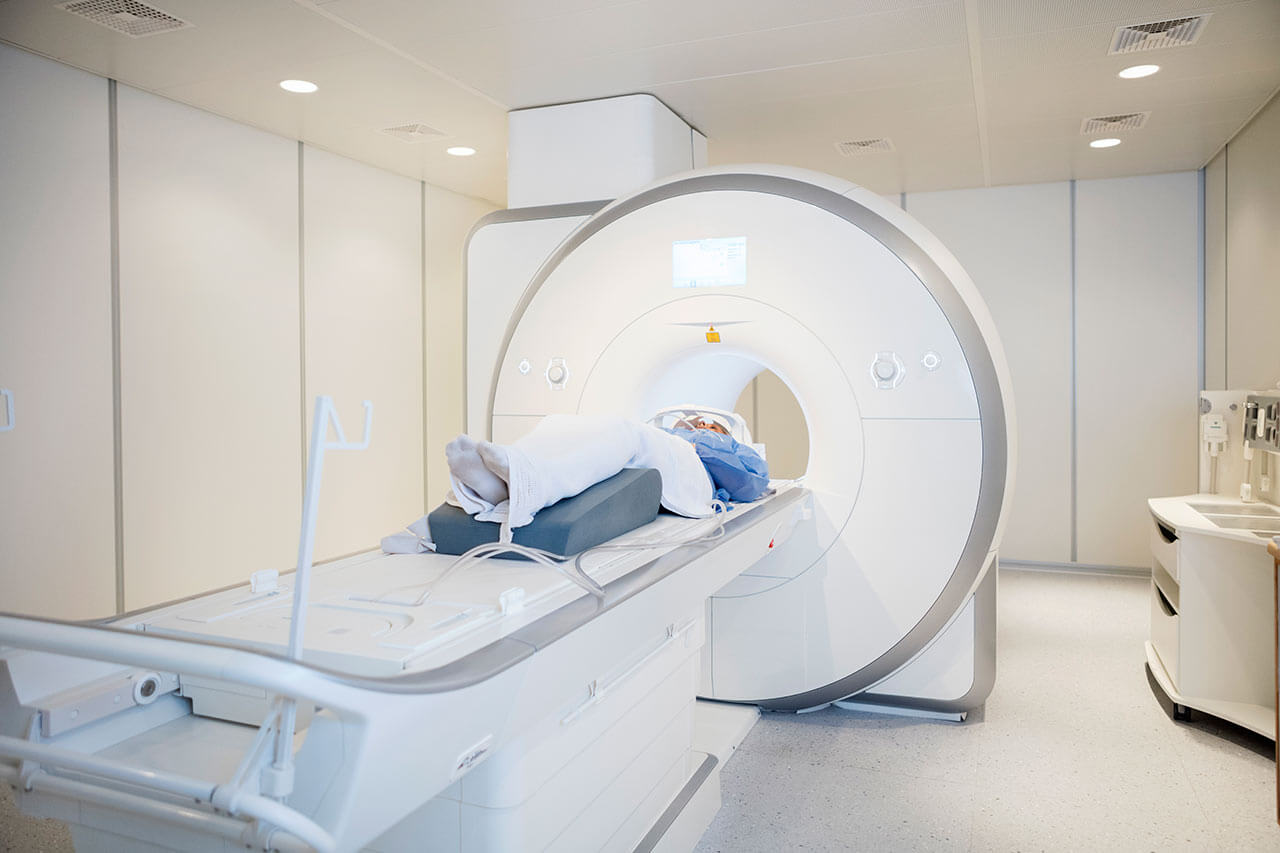
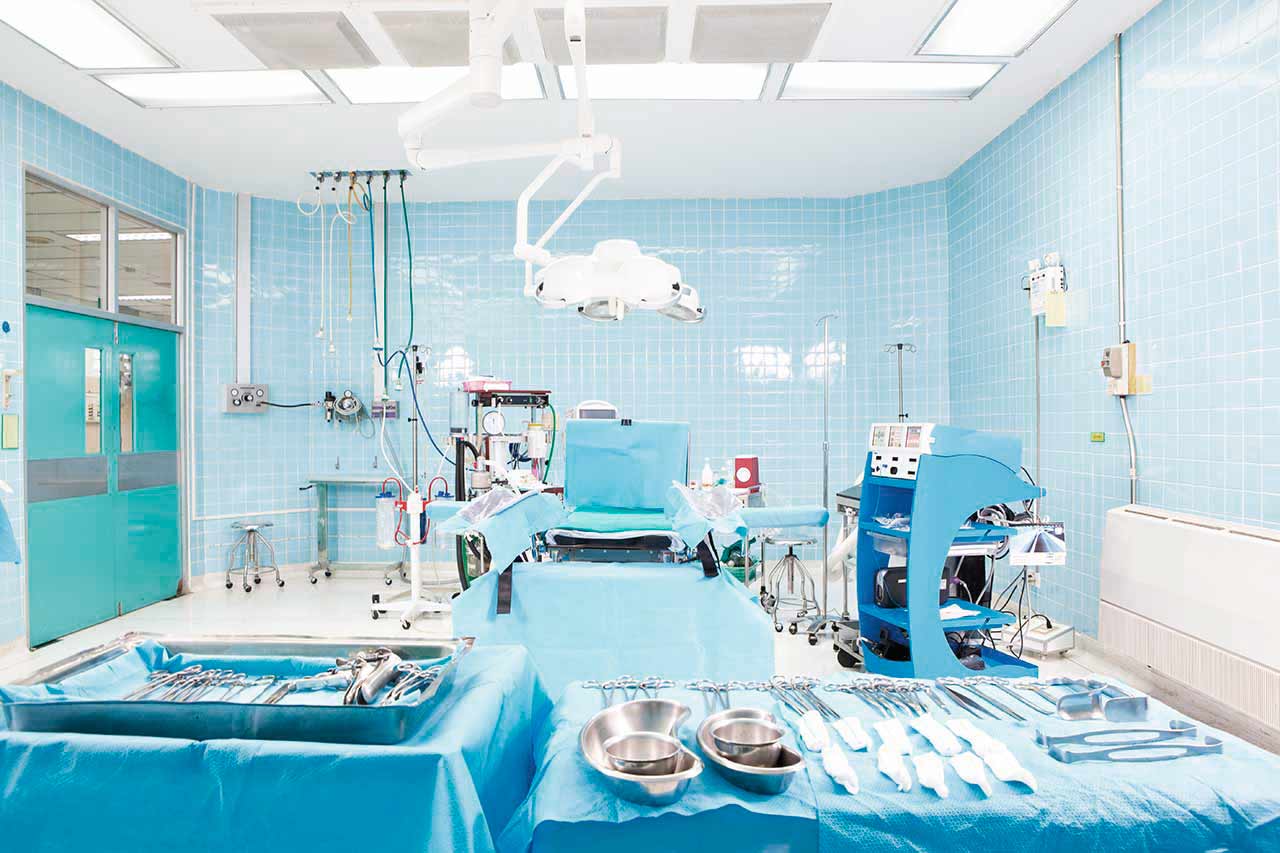
A distinctive feature of the University Hospital of Ludwig Maximilian University of Munich is its state-of-the-art infrastructure, offering high-precision diagnostic equipment that allows for detecting the slightest pathological alterations in the human body, convenient procedure rooms for a variety of outpatient medical procedures, as well as operating rooms with robot-assisted surgical systems and advanced tools for performing minimally invasive interventions that enable the quickest and easiest possible recovery in the postoperative period.
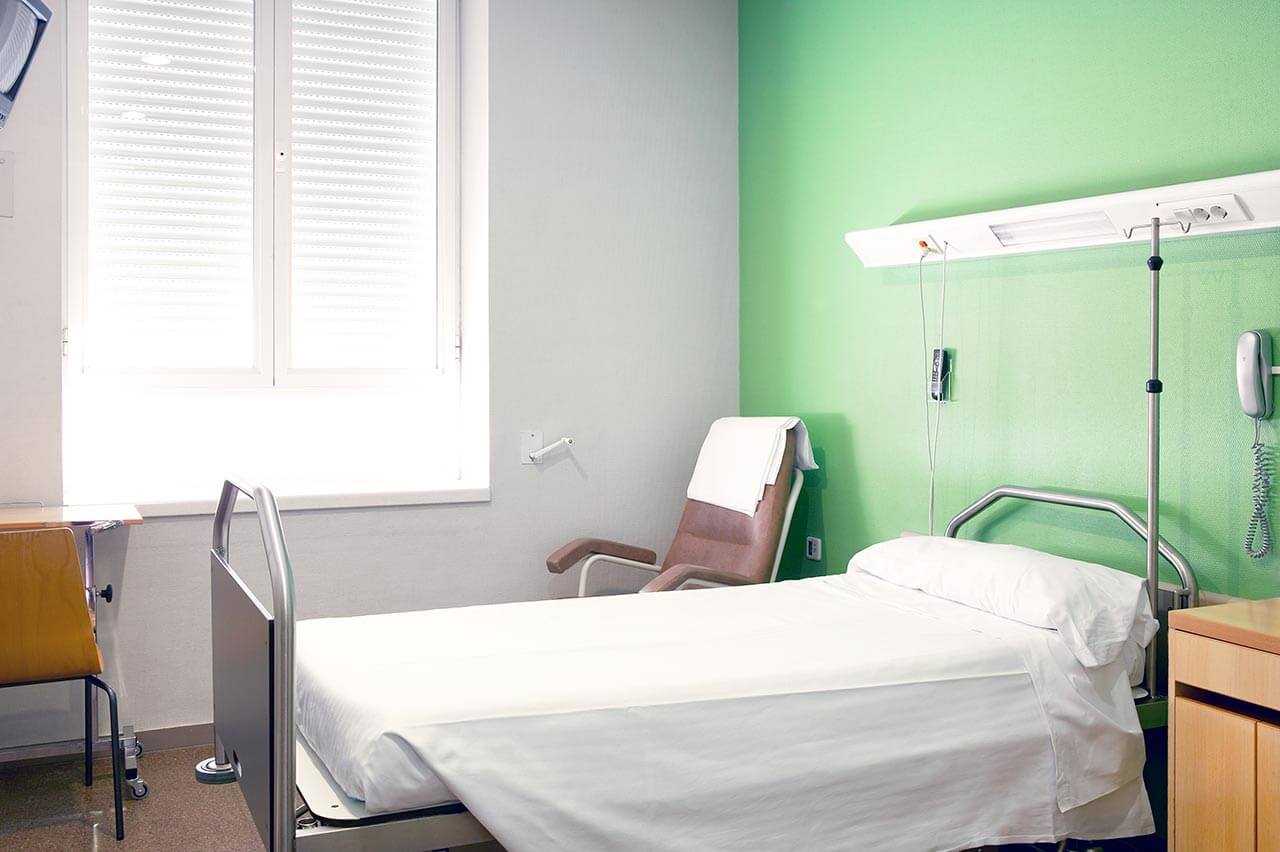
The hospital's excellent technical resources and highly professional medical staff are undoubtedly its pride and joy, but the facility also pays close attention to patient comfort and takes a compassionate approach to their situation. Doctors and nursing staff always show a friendly attitude when providing the necessary medical care. They inform patients in detail about upcoming diagnostic and therapeutic procedures, gladly answer any questions patients may have, and provide moral support throughout their treatment.
The University Hospital of Ludwig Maximilian University of Munich covers virtually all currently available medical fields with outstanding treatment outcomes. However, there are several units within the hospital that deserve special mention as they offer unique competencies and have received special recognition among similar facilities in Germany and beyond. These are the Comprehensive Cancer Center Munich, the Transplant Center, the German Center for Vertigo and Balance Disorders, and the Institute of Infectious Diseases and Tropical Medicine.
The University Hospital of Ludwig Maximilian University of Munich holds many prestigious quality certifications, including DIN EN ISO 9001, IQM and EndoCert,as well as certifications from the German Cancer Society (DKG) for the treatment of various cancers, the German Cardiac Society (DGK) and the German Society for Orthopaedics and Trauma Surgery (DGOU).
Taking all of the above into account, patients can expect to receive the best possible medical care in a friendly environment. With its innovations and exceptional experience, the hospital is rightly considered one of the most advanced and successful medical facilities, saving the lives of German citizens and patients from around the world every day.
Photo: (с) depositphotos