Plastic surgeon consultation before rhinoplasty in University Hospital of Ludwig Maximilian University of Munich
University Hospital of Ludwig Maximilian University of Munich
Munich, Germany



Initial presentation at the clinic
Consultation with a surgeon
3D visualization of the nose
consultation of related specialists
explanation of the individual treatment plan
PROGRAM DETAILS
Our service starts at the airport. Our operational team will meet you at the airport and hold a sign with your name. In the individual folder you will find detailed information about the travel program and all the information about nose tip correction and septoplasty surgery.
You will get acquainted with the attending physician who will operate on you, select the operation technique, predict the shape and appearance of the nose in the future.
You will pass the necessary tests (for more than 43 indicators) and undergo additional consultations: consultation with an anesthesiologist and obtaining admission to the operation. The examination takes about 40 minutes. After that you can go to the hotel and relax.
 BookingHealth Price from:
The Department of Plastic, Aesthetic and Reconstructive Surgery, Hand Surgery at the University Hospital of Ludwig Maximilian University of Munich is among the leading plastic surgery clinics in Germany and throughout Europe, offering its patients a comprehensive spectrum of services in its areas of specialization. The department's team of skilled surgeons performs reconstructive plastic surgery to repair defects caused by injuries, cancer, and infectious diseases, restoring both function and patients' self-esteem and confidence. Patients who want to make some improvements in their appearance without a medical indication are provided with excellent aesthetic plastic surgery services, including facelifts, otoplasties, rhinoplasties, body lifts, breast augmentations, and anti-aging procedures with Botox and fillers. Another important clinical focus for the department is hand surgery, dealing with finger, hand, and arm replantation, reconstructive surgery for congenital malformations and severe hand injuries, treatment of nerve compression syndromes, such as carpal tunnel syndrome and ulnar nerve compression syndrome, and many other clinical conditions. A team of 17 highly qualified surgeons is available here to provide top-tier medical care in two state-of-the-art operating rooms. The specialists prefer to use modern surgical techniques and high-quality materials in their daily clinical practice, which contributes to outstanding therapeutic and aesthetic results. Another important fact is that the department has been accredited by the German Trauma Society as a Center for Severe Hand Injuries – this accreditation underscores the department's expertise in treating serious hand injuries sustained in the workplace.
The Head Physician of the department is Prof. Dr. med. Riccardo Giunta, who has a wealth of clinical experience and consistently achieves high treatment success rates. Notably, Prof. Giunta was part of a renowned team of plastic surgeons who were the first in the world to perform a bilateral full-arm transplant. This event marked a significant breakthrough in medicine, opening a new era of reconstructive plastic surgery. Prof. Riccardo Giunta became the president of the European Society for Plastic, Reconstructive and Aesthetic Surgery (ESPRAS) in 2023, which is also a remarkable accomplishment.
Reconstructive plastic surgery is one of the department's priority areas of specialization. The most in-demand procedure in this field is breast reconstruction surgery for women who have undergone a mastectomy for breast cancer. For most patients, a mastectomy represents a profound loss that affects their sense of femininity. The department's surgeons' mission is to restore breast aesthetics alongside a woman's self-esteem. Plastic surgeons work in close cooperation with the Breast Center and the Department of Gynecology and Obstetrics, offering comprehensive medical care. The department's doctors use silicone implants or autologous tissue to perform breast reconstruction surgery. A common autologous option is DIEP flap surgery that involves removing a skin flap from the lower abdomen (other flaps can be taken from the buttocks or thighs) along with the underlying subcutaneous adipose tissue, nerves, and blood vessels. These tissues are then transplanted to the site of the removed breast. Using microsurgical techniques and specialized instruments, plastic surgeons can suture blood vessels together to provide a blood supply to a reconstructed breast. Although DIEP flap surgery is considered complex, the department's specialists regularly perform these operations and achieve excellent outcomes.
For many years, the department's plastic surgeons have been providing effective lymphedema treatment. This condition is characterized by chronic swelling of the legs or arms, often with a feeling of heaviness. It develops due to impaired lymphatic drainage, resulting in the accumulation of lymph in the intercellular space and an increase in the volume of the lower or upper limbs. The mainstay of treatment for lymphedema is conservative therapy. However, in some clinical cases, a microsurgical procedure may be required. The department's surgical options include vascularized lymph node transfer, lymphatic vessel transplantation, and lymphovenous bypass surgery. The purpose of these interventions is to create new pathways for lymphatic fluid to flow out of the affected limb. The optimal procedure is selected based on preoperative diagnostic tests. After surgery, patients stay under constant medical supervision. Doctors also apply compression bandages and perform manual lymphatic drainage. It will take several months after the operation to assess the final results of the surgical treatment.
The department offers many plastic surgery options for patients after bariatric surgery or massive weight loss through diet and exercise. Significant weight loss can affect the body's appearance, leading to sagging skin. In addition to these aesthetic issues, functional disorders may also occur, including limited mobility and recurrent inflammatory processes in the groin and armpits. The department's plastic surgeons assess the extent of skin sagging, identify the areas of the body that are most problematic, and take full-body images of the patient. These images are processed using a special 3D visualization program that allows doctors to simulate the expected result from different angles before surgery. The following types of plastic surgery can be performed by the specialists, based on the most problematic areas of the body following weight loss: abdominoplasty (tummy tuck), torsoplasty (back lift), mastopexy (breast lift), femoroplasty (thigh lift), brachioplasty (arm lift), or several of these surgical procedures at the same time. The department's plastic surgeons are highly professional specialists who routinely perform these procedures, and therefore patients can expect results of the highest professional standard.
Aesthetic plastic surgery is also an integral part of the department's medical services. These operations are performed at a patient's request, not based on medical indications. The most requested surgical procedures for the head and face include facelifts, neck lifts, forehead lifts, blepharoplasties, rhinoplasties, and otoplasties. Patients also benefit from effective injection procedures using Botox, fillers, and autologous adipose tissue to treat wrinkles. The most frequent requests from patients for body aesthetic plastic surgery are breast augmentations, breast lifts, abdominoplasties, liposuctions, body contouring, and body lifts. A computer-assisted simulation of the expected outcome of aesthetic plastic surgery can be performed whenever necessary before the procedure – this approach aims to ensure each patient is fully satisfied with their new appearance.
The department also has decades of successful experience in the treatment of hand diseases and injuries. The clinical focus of surgeons in this field is on finger, hand, and arm replantation surgery, reconstructive procedures for congenital malformations and severe hand injuries, as well as treatment of nerve compression syndromes, Dupuytren’s contracture, and rheumatic hand conditions. The department's specialists prefer conservative therapy whenever possible. However, many cases still require surgery. The department is equipped with state-of-the-art operating rooms capable of performing hand surgeries of any complexity, including challenging finger and hand replantations.
The department's range of surgical services includes:
Professional Career
Clinical and Research Interests
Memberships in Professional Societies
Photo of the doctor: (c) LMU Klinikum
The renowned FOCUS magazine ranking consistently positions the University Hospital of Ludwig Maximilian University of Munich among the best medical facilities in Germany with top-tier care and remarkable treatment success rates!
This hospital is one of the largest multidisciplinary medical facilities with a status of a leading training and research center in Germany and Europe, enabling it to make unique scientific discoveries that benefit the world. The University Hospital of Ludwig Maximilian University of Munich is proud of its nearly 200-year history and is committed to maintaining its top positions in both national and international healthcare.
The medical facility has two main campuses: Grosshadern and Innenstadt. The University Hospital of Ludwig Maximilian University of Munich operates 28 specialized departments, 16 institutes, and 63 interdisciplinary centers. The hospital has around 2,000 beds to accommodate patients. This large medical complex receives more than 551,000 patients each year and provides outpatient services to around 460,000 people. The hospital employs a highly professional team of 11,908 medical staff whose main task is to restore patients' health in a comfortable and friendly environment, making use of advanced medical resources.
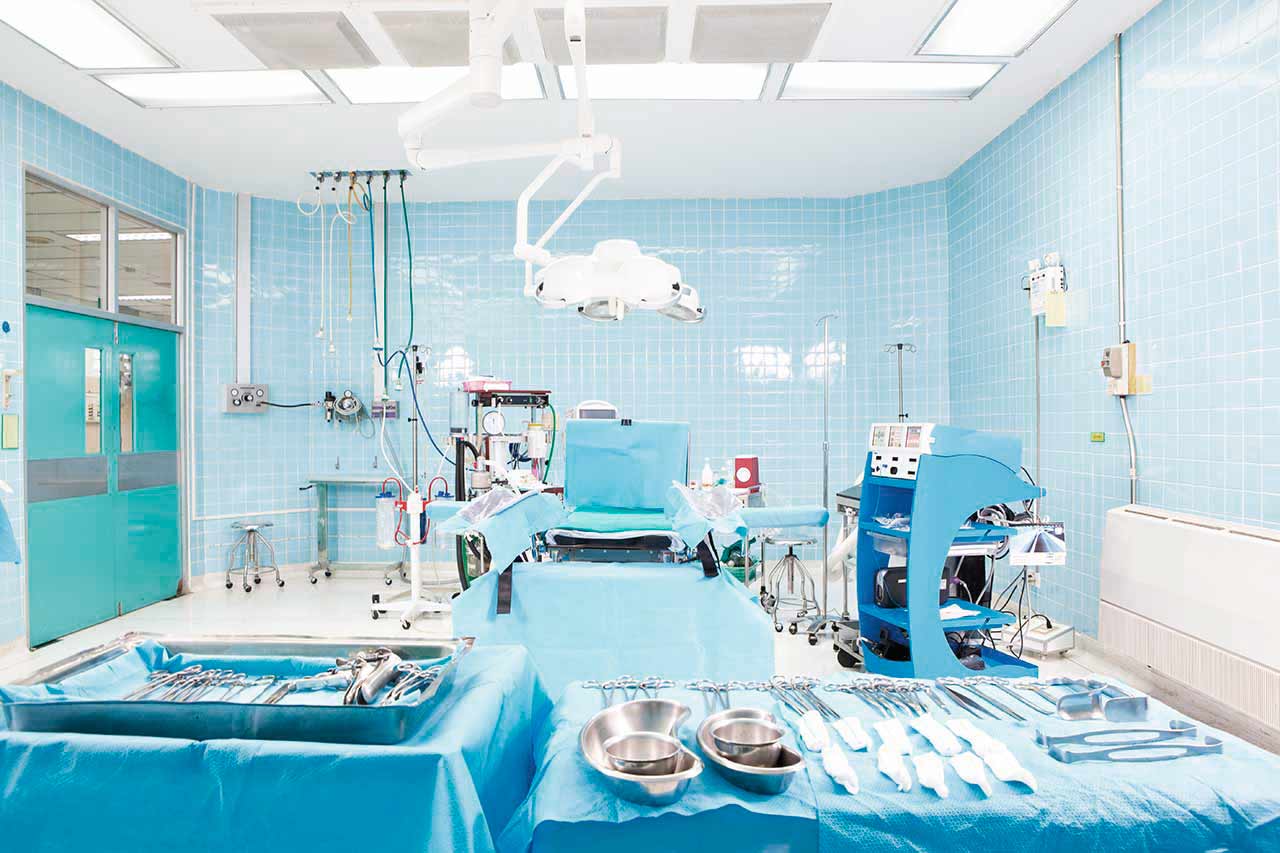
A distinctive feature of the University Hospital of Ludwig Maximilian University of Munich is its state-of-the-art infrastructure, offering high-precision diagnostic equipment that allows for detecting the slightest pathological alterations in the human body, convenient procedure rooms for a variety of outpatient medical procedures, as well as operating rooms with robot-assisted surgical systems and advanced tools for performing minimally invasive interventions that enable the quickest and easiest possible recovery in the postoperative period.
The hospital's excellent technical resources and highly professional medical staff are undoubtedly its pride and joy, but the facility also pays close attention to patient comfort and takes a compassionate approach to their situation. Doctors and nursing staff always show a friendly attitude when providing the necessary medical care. They inform patients in detail about upcoming diagnostic and therapeutic procedures, gladly answer any questions patients may have, and provide moral support throughout their treatment.
The University Hospital of Ludwig Maximilian University of Munich covers virtually all currently available medical fields with outstanding treatment outcomes. However, there are several units within the hospital that deserve special mention as they offer unique competencies and have received special recognition among similar facilities in Germany and beyond. These are the Comprehensive Cancer Center Munich, the Transplant Center, the German Center for Vertigo and Balance Disorders, and the Institute of Infectious Diseases and Tropical Medicine.
The University Hospital of Ludwig Maximilian University of Munich holds many prestigious quality certifications, including DIN EN ISO 9001, IQM and EndoCert,as well as certifications from the German Cancer Society (DKG) for the treatment of various cancers, the German Cardiac Society (DGK) and the German Society for Orthopaedics and Trauma Surgery (DGOU).
Taking all of the above into account, patients can expect to receive the best possible medical care in a friendly environment. With its innovations and exceptional experience, the hospital is rightly considered one of the most advanced and successful medical facilities, saving the lives of German citizens and patients from around the world every day.
Photo: (с) depositphotos
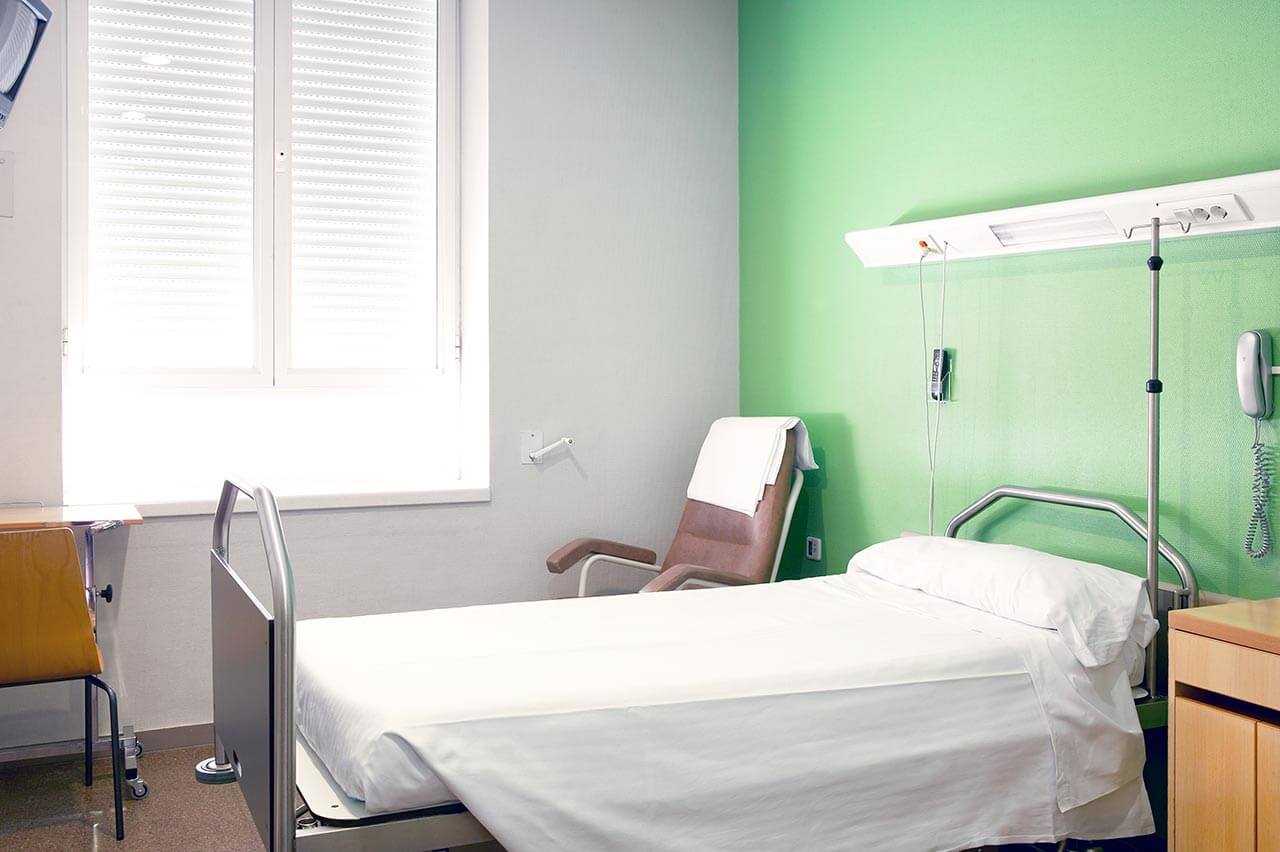
The patients of the University Hospital of Ludwig Maximilian University of Munich live in comfortable, spacious, single and double patient rooms with a modern design. Each room is equipped with an ensuite bathroom with a shower and toilet. The furnishing of a standard patient room includes a comfortable bed, the position of which can be adjusted using the remote control, a locker for storing personal belongings, a TV, and a telephone. Also, if desired, you can connect to the Internet. In addition, patients can opt for enhanced-comfort rooms, with a safe, a fridge, and upholstered furniture.
The hospital has an excellent infrastructure. The medical facility’s area houses a bank, ATMs, a hairdresser, shops with a wide range of food, drinks, newspapers, magazines, and personal hygiene items, play areas for children, and a beautiful garden for walking, etc.
The patient and his accompanying person are offered a daily choice of three menus, including a vegetarian one. If you are on a specific diet for any reason, you will be offered an individual menu. Please inform the medical staff about your dietary preferences prior to the treatment.
Standard rooms include:
Religious services are available upon request.
Your accompanying person may stay with you in your room or at a hotel of your choice during the fixed program.
You may stay at a hotel of your choice during an outpatient program. Our managers will help you to choose the best option.
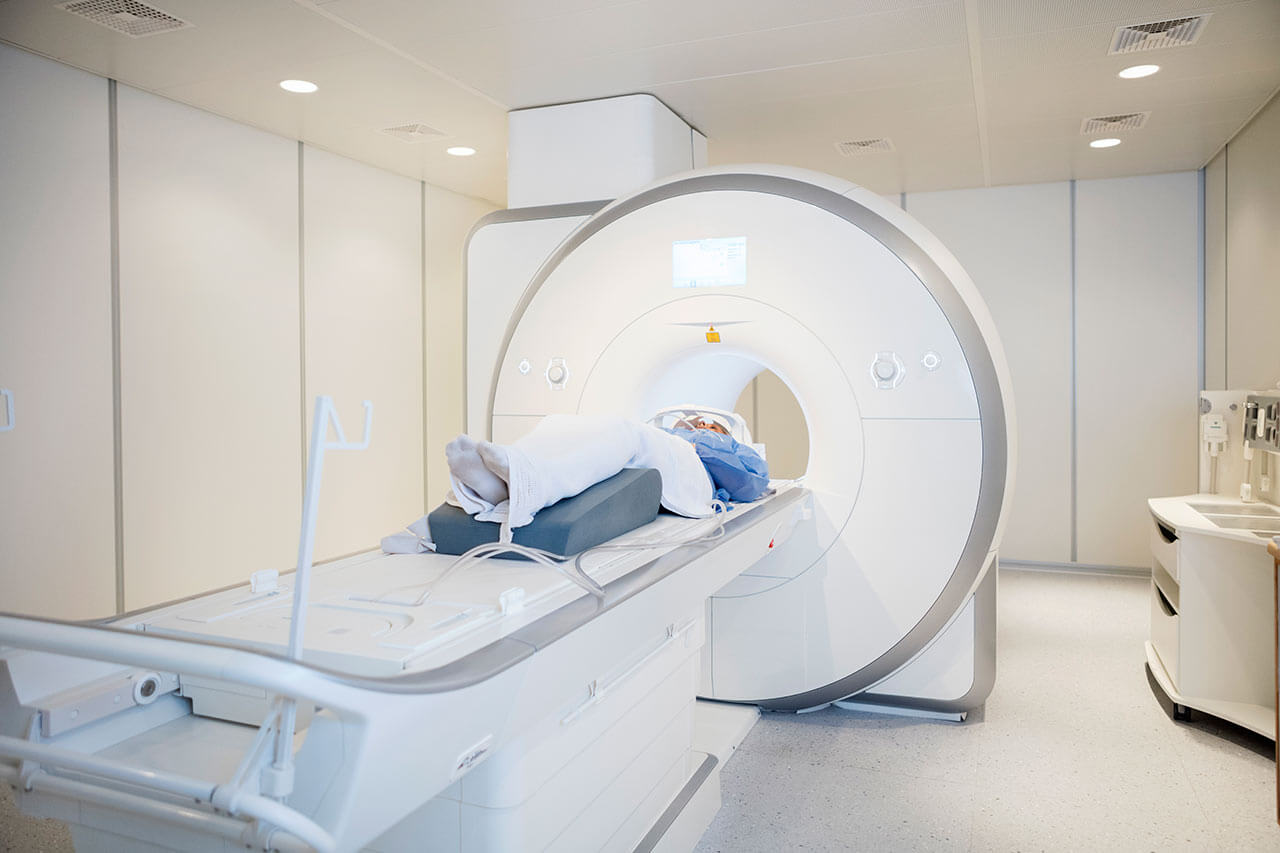
The hospital offers a full range of laboratory tests (general, hormonal, tests for infections, antibodies, tumor markers, etc.), genetic tests, various modifications of ultrasound scans, CT scans, MRI and PET/CT, angiography, myelography, biopsies, and other examinations. Treatment with medications, endoscopic and robotic operations, and stereotaxic interventions are carried out here, modern types of radiation therapy are also used. The hospital offers patients all the necessary therapeutic techniques.
Patients with benign and malignant neoplasms of various localizations, pathologies of arteries and veins, herniated discs, osteoporosis, congenital and acquired pathologies of the musculoskeletal system, benign and malignant pathologies of the mammary gland, and other pathologies.
Over 1,700 highly qualified doctors work at the hospital.