{"translation_price":"50","translation_doc_price":"40","child_coefficient":"1.1","transfer_price":"2.00","transfer_price_vip":"5.00","constant_transfer_price_vip":350,"constant_transfer_price":150,"constant_transfer_distanse":60,"type":"diagnostic","program_full_story":"<ul>\n\t<li>Initial presentation in the clinic<\/li>\n\t<li>clinical history taking<\/li>\n\t<li>review of medical records<\/li>\n\t<li>physical examination<\/li>\n\t<li>ophthalmological examination:\n\t<ul>\n\t\t<li>slit&nbsp;lamp examination<\/li>\n\t\t<li>pupil&nbsp;examination<\/li>\n\t\t<li>ocular motility examination<\/li>\n\t\t<li>ophthalmoscopy<\/li>\n\t\t<li>perimetry (visual field test)<\/li>\n\t\t<li>computer perimetry<\/li>\n\t\t<li>visometry (without correction and with correction)<\/li>\n\t\t<li>keratometry<\/li>\n\t\t<li>pachymetry<\/li>\n\t\t<li>refractometry (objective, subjective, cycloplegic)<\/li>\n\t\t<li>autorefractometry<\/li>\n\t\t<li>non-contact&nbsp;tonometry&nbsp;<\/li>\n\t\t<li>fluorescein angiography (if indicated clinically)<\/li>\n\t\t<li>optical coherence tomography OCT (if indicated clinically)<\/li>\n\t\t<li>gonioscopy<\/li>\n\t\t<li>photokeratoscopy<\/li>\n\t<\/ul>\n\t<\/li>\n\t<li>nursing services<\/li>\n\t<li>services of&nbsp;chief&nbsp;physician and all leading experts<\/li>\n\t<li>explanation of individual treatment plan<\/li>\n<\/ul>\n<div class=\"program_required_documents mt-4\"><h4>Required documents<\/h4><ul>\n\t<li style=\"text-align: justify;\">Medical records<\/li>\n<\/ul>\n<\/div>","program_full_story_crm":"<ul>\n\t<li>Initial presentation in the clinic<\/li>\n\t<li>clinical history taking<\/li>\n\t<li>review of medical records<\/li>\n\t<li>physical examination<\/li>\n\t<li>ophthalmological examination:\n\t<ul>\n\t\t<li>slit&nbsp;lamp examination<\/li>\n\t\t<li>pupil&nbsp;examination<\/li>\n\t\t<li>ocular motility examination<\/li>\n\t\t<li>ophthalmoscopy<\/li>\n\t\t<li>perimetry (visual field test)<\/li>\n\t\t<li>computer perimetry<\/li>\n\t\t<li>visometry (without correction and with correction)<\/li>\n\t\t<li>keratometry<\/li>\n\t\t<li>pachymetry<\/li>\n\t\t<li>refractometry (objective, subjective, cycloplegic)<\/li>\n\t\t<li>autorefractometry<\/li>\n\t\t<li>non-contact&nbsp;tonometry&nbsp;<\/li>\n\t\t<li>fluorescein angiography (if indicated clinically)<\/li>\n\t\t<li>optical coherence tomography OCT (if indicated clinically)<\/li>\n\t\t<li>gonioscopy<\/li>\n\t\t<li>photokeratoscopy<\/li>\n\t<\/ul>\n\t<\/li>\n\t<li>nursing services<\/li>\n\t<li>services of&nbsp;chief&nbsp;physician and all leading experts<\/li>\n\t<li>explanation of individual treatment plan<\/li>\n<\/ul>\n","is_ambulant":"1","bh_fee":"0","only_for_children":"0","no_service":"0","with_prepayment":"1","show_calculator":"1","paket_type":"1","btn_type":"2","clinic_icon":"60018b76e5d59.jpg","city":"Frankfurt am Main","clinic_site":"http:\/\/www.kgu.de","department_recommend":"1","country":"Germany","country_id":"1","clinic_name":"University Hospital Frankfurt am Main","cinic_name":"University Hospital Frankfurt am Main","department_id":"493","duration":"2","direction":"Ophthalmology","min_duration":0,"clinic_id":"256","paketPrice":850,"paket":"<ul>\n <li>Interpreter up to 3 hours<\/li>\n <li>Translation of 2 pages<\/li>\n<\/ul>","title":"Diagnosis of corneal damage","price":{"val":2002,"type":"val"},"price_surcharge":0,"price_surcharge_clear":0,"extra_service_clinic":[],"extra_service":[],"translation_hours":"0","translation_doc_count":null,"roads":[{"id":"6","distance":"10","airport_title":"Frankfurt a.M."},{"id":"19","distance":"218","airport_title":"Stuttgart"},{"id":"4","distance":"430","airport_title":"Duesseldorf"}],"pakets":[],"lang":{"day":"Day","days":"days","ambulatory":"Outpatient","stationaryProgram":"Inpatient"}}

Diagnosis of corneal damage in University Hospital Frankfurt am Main

University Hospital Frankfurt am Main

Frankfurt am Main, Germany

Program id # 108801
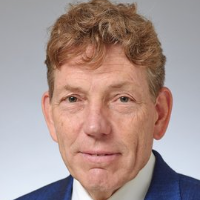
Doctor photo
Prof. Dr. med. Thomas Kohnen
Department of Adult and Pediatric Ophthalmology
Specialized in: adult and pediatric ophthalmology

The program includes:

  • Initial presentation in the clinic
  • clinical history taking
  • review of medical records
  • physical examination
  • ophthalmological examination:
    • slit lamp examination
    • pupil examination
    • ocular motility examination
    • ophthalmoscopy
    • perimetry (visual field test)
    • computer perimetry
    • visometry (without correction and with correction)
    • keratometry
    • pachymetry
    • refractometry (objective, subjective, cycloplegic)
    • autorefractometry
    • non-contact tonometry 
    • fluorescein angiography (if indicated clinically)
    • optical coherence tomography OCT (if indicated clinically)
    • gonioscopy
    • photokeratoscopy
  • nursing services
  • services of chief physician and all leading experts
  • explanation of individual treatment plan

Required documents

  • Medical records

Service

Price from:
Type of program :
Price for 1 day:
Expected duration of the program:
The minimum duration of the program:
Select

You may also book:

Hospital directly:
Saving:
Guarantee BookingHealth Price from:

About the department

The Department of Adult and Pediatric Ophthalmology at the University Hospital Frankfurt am Main provides the full spectrum of modern ophthalmic diagnostic and treatment procedures. Since its foundation in 1914, the department has remained committed to preserving and restoring patients’ vision, helping them to maintain their professional and personal quality of life well into old age. The department follows a simple philosophy: the quality of vision directly impacts the quality of life. The medical team specializes in cataract surgery, refractive surgery, corneal surgery, retinal and vitreous surgery, strabismus treatment, eyelid and lacrimal surgery, as well as glaucoma therapy and treatment of pediatric eye diseases. Each of these ophthalmic specialties is represented by a specialized unit within the department, providing in-depth expertise in finding individualized solutions to vision problems. The department treats more than 30,000 patients each year, with many treatments provided in an outpatient setting. The quality of services is ensured by adhering to the DIN EN ISO 9001:2008 certification standards. The ophthalmology team is committed to delivering patient-centered care supported by advanced treatment methods.

The department is headed by Prof. Dr. med. Thomas Kohnen, an experienced ophthalmologist with extensive clinical and academic expertise. He has received numerous honors, including two Research Awards from the German Society of Ophthalmology (DOG), the Achievement Award from the American Academy of Ophthalmology (AAO), the Kiewiet de Jonge Medal from the European Society of Cataract and Refractive Surgeons (ESCRS), and others. Prof. Kohnen gained valuable clinical and research experience at the Cullen Eye Institute of Baylor College of Medicine in Houston, Texas, USA. Under his leadership, the Department of Adult and Pediatric Ophthalmology at the University Hospital Frankfurt am Main has continued to advance ophthalmic care, providing specialized diagnostic and treatment services for patients with a wide range of eye conditions.

Cataract surgery is one of the department's key areas of expertise. Cataract is one of the most common causes of visual impairment and can lead to blindness if left untreated. Cataracts are a clouding of the natural lens of the eye, usually associated with aging. The only possible treatment for this condition is surgery. The department's ophthalmology team performs more than 2,000 operations to treat cataracts each year, including extremely complex ones. The two main surgical procedures used are phacoemulsification, which is considered the conventional approach, and femtosecond laser-assisted cataract surgery (FLACS). When performing phacoemulsification, the surgeon makes all necessary incisions manually using a scalpel. The clouded lens is fragmented using ultrasound and then aspirated. In the next stage, an individually selected artificial lens (intraocular lens) is implanted. Typically, the intraocular lens is placed within the natural lens's supporting structure (the capsular bag) behind the pupil. There have been significant advances in surgical techniques recently. The development of foldable artificial lenses allows the entire procedure to be performed through an incision measuring only about 2.2 mm in length. In most cases, the surgical procedure is performed on an outpatient basis using topical anesthesia (drops or gel), without the need for an anesthetic injection. Depending on the specific clinical situation, laser-assisted fragmentation can reduce the amount of ultrasound energy required during surgery. The technique used is tailored to the patient's needs and clinical circumstances.

The department's Section of Refractive Surgery treats patients with refractive errors using established surgical techniques, supported by advanced technologies. The most common refractive errors encountered in clinical practice include myopia (nearsightedness), hyperopia (farsightedness), astigmatism, and presbyopia. Most people with these conditions need to wear glasses or contact lenses, which can cause some discomfort and limitations in their daily lives. However, refractive surgery may help reduce or, in some cases, eliminate the need for these visual aids, giving patients greater freedom and an improved quality of life. The department’s ophthalmologists perform a range of modern refractive procedures, including keratorefractive lenticule extraction (KLEx), femtosecond laser-assisted in situ keratomileusis (Femto-LASIK), photorefractive keratectomy (PRK), and transepithelial photorefractive keratectomy (TransPRK), a no-touch variant of PRK. The choice of the procedure depends on the type and severity of the refractive error, as well as the patient's individual factors.

The department's direction of corneal surgery focuses on the treatment of all corneal disorders, including degenerations and dystrophies. Particular emphasis is placed on the early detection and treatment of keratoconus. This progressive, typically bilateral and non-inflammatory corneal disorder is characterized by a cone-shaped protrusion of the cornea leading to vision impairment. The department's specialists consider the early detection and treatment of this condition to be very important because it is one of the most common reasons for corneal transplantation, also known as keratoplasty. When it comes to the selection of treatment options, the department's ophthalmologists may recommend UV-riboflavin corneal cross-linking, which can halt or slow the progression of keratoconus. Another line of therapy includes the implantation of corneal ring segments. In selected cases, these two methods can be combined to achieve even better results. Patients with advanced keratoconus often require keratoplasty, in which the diseased cornea is replaced with donor tissue. The appropriate option is selected based on diagnostic findings, the severity of keratoconus, and the patient's individual needs.

The department also provides comprehensive diagnostic and treatment services for visual disorders and eye conditions in children and adolescents. The main areas of focus in pediatric ophthalmology include the early detection of congenital and acquired visual disorders, screening for retinopathy of prematurity (ROP), surgery for congenital cataracts, including initial contact lens fitting following the procedure, surgical treatment of lacrimal disorders in infants and children, and corneal transplantation in children.

The department's diagnostic options include:

  • Aberrometry
  • Tear fluid analysis and tear film smear examinations
  • Amsler grid test
  • Intraocular pressure measurement (tonometry)
  • Fundus examination
  • Automated refractometry
  • Corneal endothelial microscopy
  • Color vision testing
  • Fluorescein angiography
  • Visual field testing (perimetry)
  • Corneal thickness measurement (pachymetry)
  • Heidelberg retinal tomography
  • Ocular biometry using the IOL-Master™
  • Optical coherence tomography (OCT)
  • PASCAL® dynamic contour tonometry
  • Retinometry
  • Schirmer's test
  • Slit-lamp examination
  • Diagnostic irrigation of the lacrimal drainage system
  • Ophthalmic ultrasound 
  • Other diagnostic options

The department's key areas of expertise include:

  • Cataract surgery
    • Cataract in childhood
    • Cataract in old age
    • Cataract after traumatic injuries
    • Cataract in patients after previous refractive eye surgery
  • Refractive surgery
    • Myopia (nearsightedness)
    • Hyperopia (farsightedness)
    • Astigmatism
    • Presbyopia
      • Laser procedures, including KLEx, Femto-LASIK, PRK, and TransPRK
      • Phakic intraocular lens implantation
      • Refractive lens exchange (RLE)
  • Corneal surgery
    • Corneal degenerations
    • Corneal dystrophies
    • Keratoconus
    • Corneal opacities
    • Corneal injuries
      • UV-riboflavin corneal cross-linking
      • Implantation of corneal ring segments
      • Corneal transplantation (keratoplasty), including using a femtosecond laser
  • Retinal and vitreous surgery
    • Retinal detachment
    • Diabetic retinopathy and other retinal changes associated with diabetes
    • Retinal arterial and venous occlusions
    • Age-related macular degeneration
    • Retinopathy of prematurity
      • Intravitreal injections
      • Photodynamic therapy (PDT) and pharmacological treatment
      • Pars plana vitrectomy
      • Laser therapy
  • Pediatric ophthalmology
    • Early detection of congenital and acquired visual disorders
    • Screening for retinopathy of prematurity (ROP)
    • Surgery for congenital cataracts, including initial contact lens fitting following the operation
    • Surgery for lacrimal pathway disorders in infants and children
    • Pediatric corneal transplantation
  • Glaucoma treatment
    • Procedures to reduce aqueous humor production
      • Diode laser cyclophotocoagulation
      • Cyclocryocoagulation
    • Procedures to improve aqueous humor outflow
      • External trabeculotomy
      • Trabeculectomy with antimetabolites
      • Titanium microstent (iStent inject)
      • XEN gel stent
  • Plastic and reconstructive eyelid surgery
    • Surgery for entropion, ectropion, and ptosis in children and adults
    • Surgery for eyelid tumors
    • Upper and lower eyelid blepharoplasty and upper eyelid retraction procedures
    • Surgery for lacrimal system disorders in adults, children, and infants, including deep lacrimal probing and transcutaneous or endonasal dacryocystorhinostomy
    • Botulinum toxin therapy for adults with blepharospasm
  • Other diseases of the eye and its adnexa and other treatment methods

Curriculum vitae

Academic Career

  • 1982 - 1989 Medical studies at RWTH Aachen University and the University of Bonn (Germany), as well as at the University of Minnesota in Minneapolis (USA).
  • 1989 Doctorate awarded by the University of Bonn. Dissertation title: "Capsular and zonular ruptures as complications of cataract surgery with phacoemulsification."
  • 1991 Medical license.
  • 1994 Board certification in Ophthalmology.
  • 2000 Habilitation at Goethe University Frankfurt. Thesis title: "Holmium:YAG laser thermal keratoplasty to correct hyperopia: histological, ultrastructural, immunohistochemical, and clinical investigations."
  • 2006 - 2007 Studies in Health Care Management, European Business School.
  • 2008 Fellow of the European Board of Ophthalmology (FEBO).

Professional Career

  • 1986 - 1987 Scholarship awarded by the German Academic Exchange Service (DAAD), Milan (Italy) and Bombay (India).
  • 1989 - 1992 Research Fellow, Clinic Dardenne Bonn, Germany (Intern and Assistant Physician).
  • 1992 - 1993 Research Fellow, Department of Ophthalmology, University Hospital Giessen (Assistant Physician).
  • 1994 - 1995 Senior Physician, Bundeswehr Hospital Ulm (Academic Teaching Hospital of Ulm University); compulsory military service (Staff Physician) and reserve military service (Senior Staff Physician).
  • 1995 Travel Scholarship, International Society for Refractive Surgery, Minneapolis, MN, USA.
  • 1995 - 1997 Scholarship funded by the German Research Foundation (DFG) at Cullen Eye Institute, Baylor College of Medicine, Houston, TX, USA. Project: "Physiology and pathophysiology of refractive corneal interventions with laser thermal keratoplasty (LTK). An experimental and clinical study."
  • 1996 Appointed Senior Physician.
  • 1997 Assistant Professor (C1), Department of Adult and Pediatric Ophthalmology at the University Hospital Frankfurt am Main.
  • 2000 Visiting Professor of Ophthalmology, Cullen Eye Institute, Baylor College of Medicine, Houston, TX, USA.
  • 2001 Associate Professor (C2) and Senior Physician, Department of Adult and Pediatric Ophthalmology at the University Hospital Frankfurt am Main.
  • 2003 Professor (C3), Department of Adult and Pediatric Ophthalmology at the University Hospital Frankfurt am Main.
  • 2003 - 2012 Deputy Head and Managing Senior Physician Senior Consultant, Department of Adult and Pediatric Ophthalmology at the University Hospital Frankfurt am Main.
  • 2007 Reservist training as Senior Staff Physician, Bundeswehr Hospital in Ulm.
  • 2011 Offer of the Val and Edith Green Presidential Professorship, University of Utah, Salt Lake City, USA.
  • 2011 Offer of Appointment as Professor and Head of the Department of Ophthalmology at the University Hospital Magdeburg.
  • 2011 Offer of Appointment as Professor and Head of the Department of Adult and Pediatric Ophthalmology at the University Hospital Frankfurt am Main.
  • Since 2012 Head of the Department of Adult and Pediatric Ophthalmology at the University Hospital Frankfurt am Main.

Awards and Honors

  • 1994 Best Paper of Session from the American Society of Cataract and Refractive Surgery (ASCRS).
  • 1994 First Prize of the Festival (Co-Author) from the European Society of Cataract and Refractive Surgeons (ESCRS).
  • 1995 Best Paper of Session (Co-Author) from the American Society of Cataract and Refractive Surgery (ASCRS). 
  • 1996 Goar Award (Co-Author) from Baylor Alumni Meeting, Houston, TX, USA.
  • 1996 Research Award from the German Society of Ophthalmology (DOG).
  • 2000 Kiewiet de Jonge Medal from the European Society of Cataract and Refractive Surgeons (ESCRS).
  • 2001 Research Award (jointly with Dr. J. Bühren) from the German Society of Ophthalmology (DOG).
  • 2002 Leonhard Klein Award from the German Society of Ophthalmology (DOG).
  • 2002 Achievement Award from the American Academy of Ophthalmology (AAO).
  • 2005 - 2006 Selected as one of the Top 50 Opinion Leaders by Cataract & Refractive Surgery Today.
  • 2005 Kiewiet de Jonge Medal (Co-Author) from the European Society of Cataract and Refractive Surgeons (ESCRS).
  • 2005 3rd Prize for Educational Value from the European Society of Cataract and Refractive Surgeons (ESCRS), Alcon Annual Video Festival.
  • 2006 Video Winner, R.M.O. Meeting, Zermatt.
  • 2007 Sicca Research Award from the German Society of Ophthalmology (DOG).
  • 2009 Senior Achievement Award, American Academy of Ophthalmology (AAO).
  • 2010 FOCUS doctors list 2010: expert in refractive and cataract surgery.
  • 2010 Gold Medal from the German Society of Ophthalmic Surgery (DOC).
  • 2013 Prize for Extraordinary Commitment in Teaching.
  • 2014 Silver Medal from the German Society of Ophthalmic Surgery (DOC).

Professional Society Memberships and Leadership Positions

  • Since 1989 German Society of Ophthalmology (DOG).
  • Since 1989 Professional Association of German Ophthalmologists (BVA).
  • Since 1990 German Society of Intraocular Lens Implantation and Refractive Surgery (DGII).       
    • Since 2005 Board Member of the DGII.
    • 2008 - 2012 President of the DGII.
    • Since 2012 Vice President of the DGII.
  • Since 1992 American Society of Cataract and Refractive Surgery (ASCRS).
  • Since 1993 Association for Research in Vision and Ophthalmology (ARVO).
  • Since 1994 International Society of Refractive Surgery (ISRS).
  • Since 1995 American Academy of Ophthalmology (AAO).
  • Since 1995 European Society of Cataract and Refractive Surgeons (ESCRS).
    • Since 1995 Member of the Publication Committee of the ESCRS.
    • Since 1997 Board Member of the ESCRS.
  • Since 1995 International Intraocular Implant Club (IIIC).
  • Since 1995 Rhine-Main Association of Ophthalmologists (RMA).
  • Since 1996 Baylor College of Medicine Alumni.
  • Since 1996 Refractive Surgery Interest Group.
  • Since 1999 Commission on Refractive Surgery (KRC).
    • 2006 - 2010 2nd Chairman of the KRC.
    • Since 2010 1st Chairman of the KRC.

Photo of the doctor: (c) Universitätsklinikum Frankfurt


About hospital

FOCUS, an internationally respected magazine, has consistently ranked the University Hospital Frankfurt am Main among the best hospitals in Germany!

The foundation of the hospital dates back to 1914. Since then, it has developed into a well-known German medical facility, whose clinical activities are based on the combination of rich traditions in medicine and scientific innovations. Like other leading German university hospitals, the University Hospital Frankfurt am Main is committed to providing world-class medical care through the implementation of state-of-the-art advancements for the benefit of patients, including those from abroad. The hospital offers many unique and highly effective therapies, which allow it to achieve remarkable treatment results and offer hope to patients even in the most complex cases.

The hospital runs 33 specialized departments and 23 research institutes, all equipped with the necessary technology and staffed by qualified specialists to provide the most effective medical care for every patient. The hospital has 1,593 beds for comfortable inpatient care. The University Hospital Frankfurt am Main annually provides its medical services to more than 50,000 inpatients and about 500,000 outpatients with conditions of varying complexity. These figures alone speak volumes about the medical facility's exceptional reputation among patients.

The University Hospital Frankfurt am Main leads in many medical fields, with neurology, neurosurgery, oncology, and cardiology being its top priorities. This medical facility also achieves outstanding results in organ and bone marrow transplantation, which are life-saving treatments for many patients with severe diseases.

Overall, this medical facility is a strong player in both German and European healthcare. The hospital's medical staff make every effort to help patients recover using the most advanced therapies currently available, and they excel at their task. The University Hospital Frankfurt am Main offers not only first-rate medical care, but also patient-centered service in a comfortable environment.

Photo: (c) depositphotos

Accommodation in hospital

Patients rooms

The patients of the University Hospital Frankfurt am Main live in comfortable rooms made in modern design and meeting the highest standards of European medicine. Each room is equipped with an ensuite bathroom with a toilet and a shower. The standard room includes a comfortable, automatically adjustable bed, a bedside table, a wardrobe, a table and chairs for receiving visitors and a TV. If desired, patients can use Wi-Fi. The patients can also stay in the enhanced-comfort rooms.

Meals and Menus

The patient and his accompanying person have a daily choice of three menus. If for any reason you do not eat all the food, you will be offered an individual menu. Please inform the medical staff about your dietary preferences prior to the treatment.

Further details

Standard rooms include:

Toilet
Shower
Wi-Fi
TV

Religion

Religious services are available upon request.

Accompanying person

During the inpatient program, an accompanying person may stay with you in a patient room or in a hotel of your choice.

Hotel

During the outpatient program, you may stay in a hotel of your choice. Managers will help you choose the most suitable options.