Diagnosis for jaw cancer in University Hospital Frankfurt am Main
University Hospital Frankfurt am Main
Frankfurt am Main, Germany


 BookingHealth Price from:
The Department of Adult and Pediatric Oral and Maxillofacial Surgery and Facial Plastic Surgery at the University Hospital Frankfurt am Main offers a comprehensive range of modern surgical procedures across its areas of specialization. Its key areas of expertise include corrective jaw surgery (orthognathic surgery), surgical correction of craniofacial malformations and cleft lip and palate, surgery for head and neck tumors, reconstructive and aesthetic facial surgery, and trauma surgery. The department's medical team also has extensive experience in dental implantology and dental surgery. Depending on the complexity of the procedure and the individual patient's clinical condition, surgical treatment is provided on an outpatient or inpatient basis. In addition to general consultations, the department offers specialized consultations for patients with dentofacial deformities (dysgnathia), temporomandibular joint dysfunction, cleft lip and palate, traumatic injuries, malignancies, and secondary reconstructive procedures. The department's specialists employ cutting-edge surgical techniques that enable effective treatment along with good aesthetic outcomes, which is crucial in facial surgery. They also place great emphasis on individualized patient care and are committed to addressing each patient's specific needs. Patients can expect care that adheres to high standards of clinical practice and reflects current international medical approaches. The department is headed by Prof. Dr. Dr. med. Robert Sader.
One of the department's key areas of specialization is orthognathic surgery, which deals with the surgical correction of jaw misalignments. Malocclusions are often congenital, but they can also be acquired following an accident or due to other causes. Mild misalignments of the teeth and jaws can usually be treated with orthodontic appliances, either fixed or removable. However, more severe cases require orthodontic treatment combined with a surgical procedure. If left untreated, the resulting strain on the jaw joints can contribute to temporomandibular joint problems. Furthermore, severe dysgnathia can also ultimately lead to disproportionate facial features. The entire treatment process typically takes between two and four years. The first stage involves aligning the teeth in preparation for surgery using orthodontic appliances. After about one to two years, a surgical procedure (repositioning osteotomy) is planned in detail, using plaster models or, increasingly, digital 3D planning. In some cases, surgery on a single jaw is sufficient, while in others, both jaws need to be repositioned. Following surgery, the orthodontist will make the necessary final adjustments to the new jaw alignment over a period of six to twelve months. The department's specialists perform this type of surgery using advanced surgical techniques, including minimally invasive piezosurgery, which uses ultrasonic vibrations to cut bone. They also use resorbable osteosynthesis plates for jaw fixation, potentially avoiding the need for a second minor procedure to remove the fixation plates. The department offers expert consultations and second opinions on orthognathic surgery, enabling patients to learn about the available treatment options, understand the potential benefits and risks, and make informed decisions.
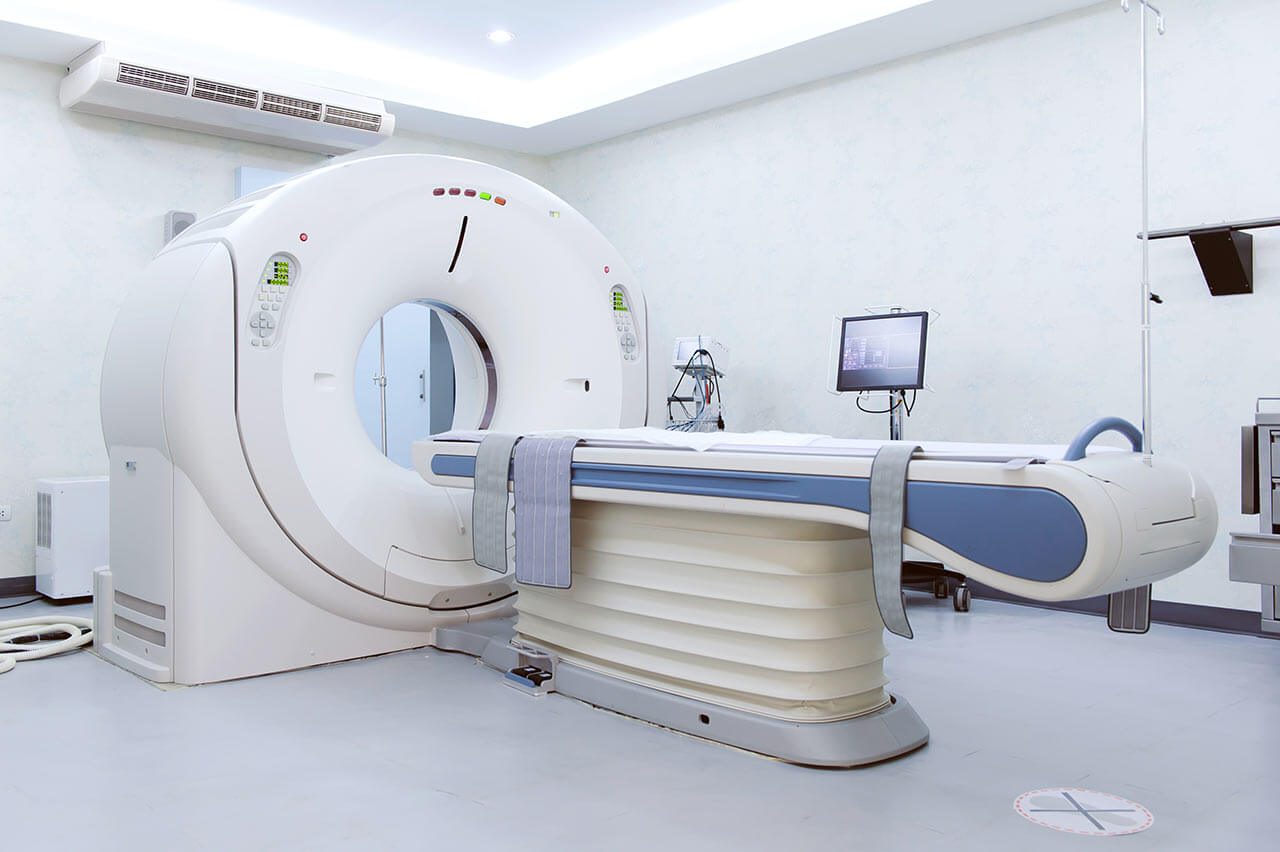
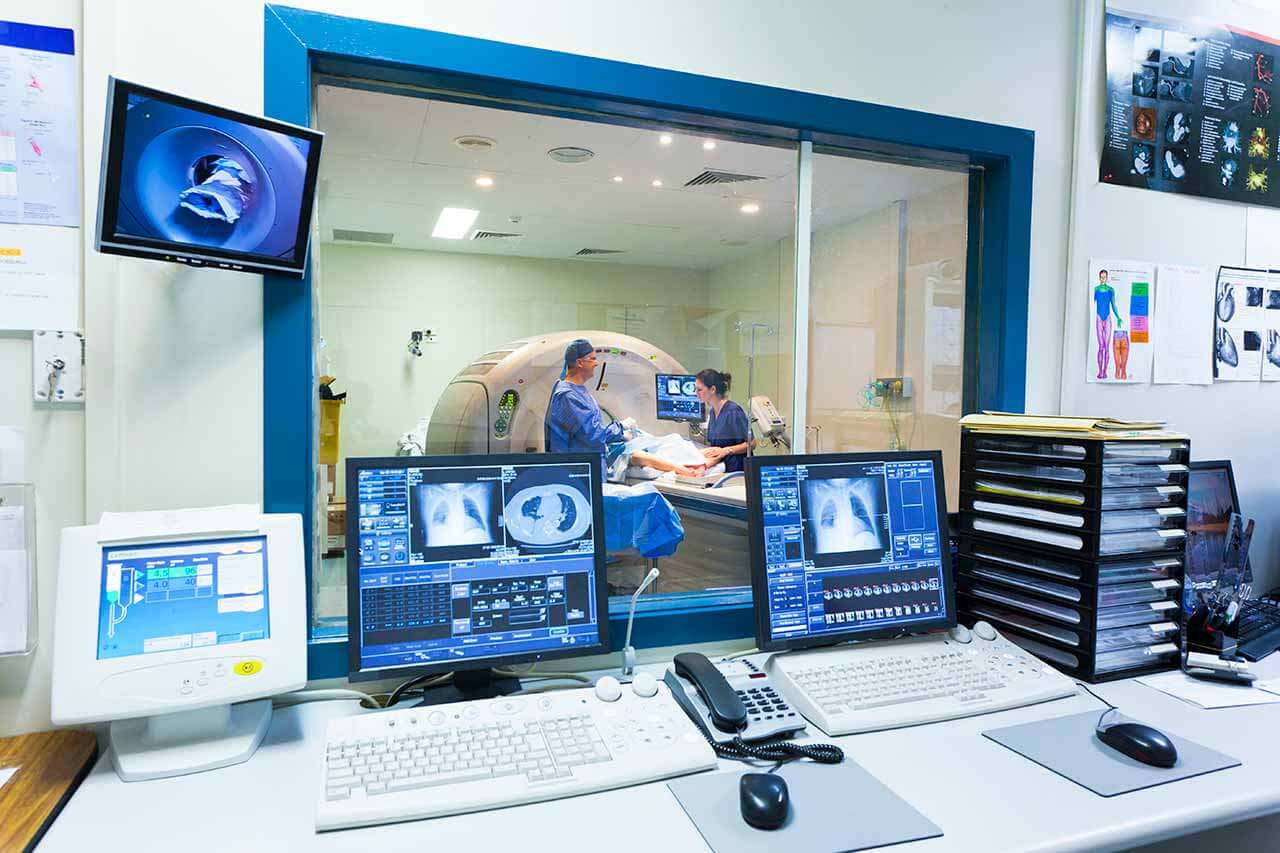
The department's surgical team has extensive expertise in the diagnosis, treatment, and follow-up care of patients with head and neck tumors. As part of the University Cancer Center Frankfurt, the department provides treatment for patients with malignant neoplasms of the oral cavity, facial skin, and salivary glands. Once a cancer diagnosis has been confirmed, further diagnostic imaging, including MRI, CT, and PET/CT, is performed. These assessments help determine the extent of the tumor and detect signs of potential lymph node involvement or distant metastasis. Treatment plans for patients with head and neck tumors are developed individually during weekly multidisciplinary tumor board meetings attended by radiologists, nuclear medicine specialists, radiation oncologists, otorhinolaryngologists, as well as oral and maxillofacial surgeons. Treatment options include the full range of surgical procedures for removing tumors from the oral cavity and facial skin. In many cases, reconstructive surgery is performed immediately after tumor removal. However, surgery alone may be insufficient for cancer treatment. Therefore, in cooperation with the relevant specialists, the department also provides access to modern radiation therapy and chemotherapy options, which can be used in combination with surgery or as standalone treatments, depending on the individual clinical situation.
The department's range of medical services includes the diagnosis and treatment of facial injuries, including soft-tissue facial injuries and fractures of the facial bones. The medical team also has extensive experience in the management of patients with multiple severe injuries (polytrauma). Treatment is provided by an interdisciplinary medical team comprising trauma surgeons, anesthesiologists, radiologists, neurosurgeons, ophthalmologists, as well as specialists in oral and maxillofacial and plastic facial surgery. The emergency unit responsible for treating patients with facial skeleton injuries is equipped with state-of-the-art imaging technology, enabling diagnostic procedures to be performed promptly on site. Subsequent medical care takes place on an inpatient basis, as clinically indicated. One of the department's primary objectives is to treat facial injuries with the utmost precision while minimizing scarring and achieving optimal aesthetic results. This is made possible through the use of advanced osteosynthesis materials and the surgical team's extensive expertise.
The department's key clinical areas include:
Academic and Professional Career
Clinical Focus Areas
Professional Society Memberships and Leadership
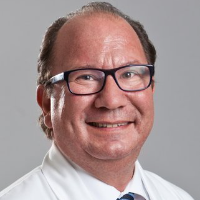
Photo of the doctor: (c) Universitätsklinikum Frankfurt
FOCUS, an internationally respected magazine, has consistently ranked the University Hospital Frankfurt am Main among the best hospitals in Germany!
The foundation of the hospital dates back to 1914. Since then, it has developed into a well-known German medical facility, whose clinical activities are based on the combination of rich traditions in medicine and scientific innovations. Like other leading German university hospitals, the University Hospital Frankfurt am Main is committed to providing world-class medical care through the implementation of state-of-the-art advancements for the benefit of patients, including those from abroad. The hospital offers many unique and highly effective therapies, which allow it to achieve remarkable treatment results and offer hope to patients even in the most complex cases.
The hospital runs 33 specialized departments and 23 research institutes, all equipped with the necessary technology and staffed by qualified specialists to provide the most effective medical care for every patient. The hospital has 1,593 beds for comfortable inpatient care. The University Hospital Frankfurt am Main annually provides its medical services to more than 50,000 inpatients and about 500,000 outpatients with conditions of varying complexity. These figures alone speak volumes about the medical facility's exceptional reputation among patients.
The University Hospital Frankfurt am Main leads in many medical fields, with neurology, neurosurgery, oncology, and cardiology being its top priorities. This medical facility also achieves outstanding results in organ and bone marrow transplantation, which are life-saving treatments for many patients with severe diseases.
Overall, this medical facility is a strong player in both German and European healthcare. The hospital's medical staff make every effort to help patients recover using the most advanced therapies currently available, and they excel at their task. The University Hospital Frankfurt am Main offers not only first-rate medical care, but also patient-centered service in a comfortable environment.
Photo: (c) depositphotos
The patients of the University Hospital Frankfurt am Main live in comfortable rooms made in modern design and meeting the highest standards of European medicine. Each room is equipped with an ensuite bathroom with a toilet and a shower. The standard room includes a comfortable, automatically adjustable bed, a bedside table, a wardrobe, a table and chairs for receiving visitors and a TV. If desired, patients can use Wi-Fi. The patients can also stay in the enhanced-comfort rooms.
The patient and his accompanying person have a daily choice of three menus. If for any reason you do not eat all the food, you will be offered an individual menu. Please inform the medical staff about your dietary preferences prior to the treatment.
Standard rooms include:
Religious services are available upon request.
During the inpatient program, an accompanying person may stay with you in a patient room or in a hotel of your choice.
During the outpatient program, you may stay in a hotel of your choice. Managers will help you choose the most suitable options.