Diagnosis of pituitary adenoma in University Hospital Frankfurt am Main
University Hospital Frankfurt am Main
Frankfurt am Main, Germany


 BookingHealth Price from:
According to the Focus magazine, the Department of Adult and Pediatric Neurosurgery at the University Hospital Frankfurt am Main ranks among the top German medical facilities specializing in the surgical treatment of brain tumors!
The department offers the full range of diagnostics and surgical treatment of diseases of the central and peripheral nervous system. A specially trained team of pediatric neurosurgeons provides treatment for various neurosurgical pathologies in children. During the treatment, the doctors use state-of-the-art equipment, in particular, imaging-guided neuronavigation, functional imaging (fMRI), intraoperative mapping, intraoperative videoangiography, etc. The Chief Physician of the department is Prof. Dr. med. Volker Seifert.
The department’s priorities include vascular neurosurgery, brain tumor surgery, skull base and spinal surgery. In the field of vascular surgery, the department treats cerebrovascular diseases, such as aneurysms, angiomas, cavernomas, including complex clinical forms of pathology. In addition, the department's doctors specialize in recanalization of the cerebral vessels using innovative ELANA device. The department's neurosurgeons also have exceptional competence in the treatment of brain tumors. Tissue sampling for histological examination is carried out using modern computer stereotactic systems.
The primary task of surgeons during the treatment of brain tumor is not only its resection, but also the preservation of all vital functions of the central nervous system. In this regard, they widely use in their clinical practice high-precision microsurgical techniques, intraoperative imaging using MRI and other innovations of neurosurgery. In order to consolidate the results of surgical treatment, the patient can also undergo chemotherapy, radiation therapy and Gamma Knife treatment.
Other priorities of the department's work include the treatment of degenerative and oncological diseases of all spinal segments, interdisciplinary skull base surgery, deep brain stimulation, surgical treatment of patients with hydrocephalus, as well as microsurgical treatment of compression syndromes, tumors and damage to the peripheral nervous system, including the brachial plexus. In close collaboration with the Department of Neurology, there is offered deep brain stimulation to treat movement disorders (Parkinson's disease).
With appropriate indications, preference is always given to progressive sparing treatment techniques – minimally invasive neurosurgery using the most modern imaging-guided computer microsurgical, endoscopic, robotic and stereotactic procedures.
It is worth noting that the department has the status of the International Reference Center for Complex Brain, Spinal Cord and Spinal Diseases. In addition, the department became one of the first German neurosurgical medical facilities certified as the Center for Cerebrovascular Pathologies (certification of the German Society of Neurosurgery).
The service range of the department includes the diagnostics and treatment of the following neurosurgical diseases:
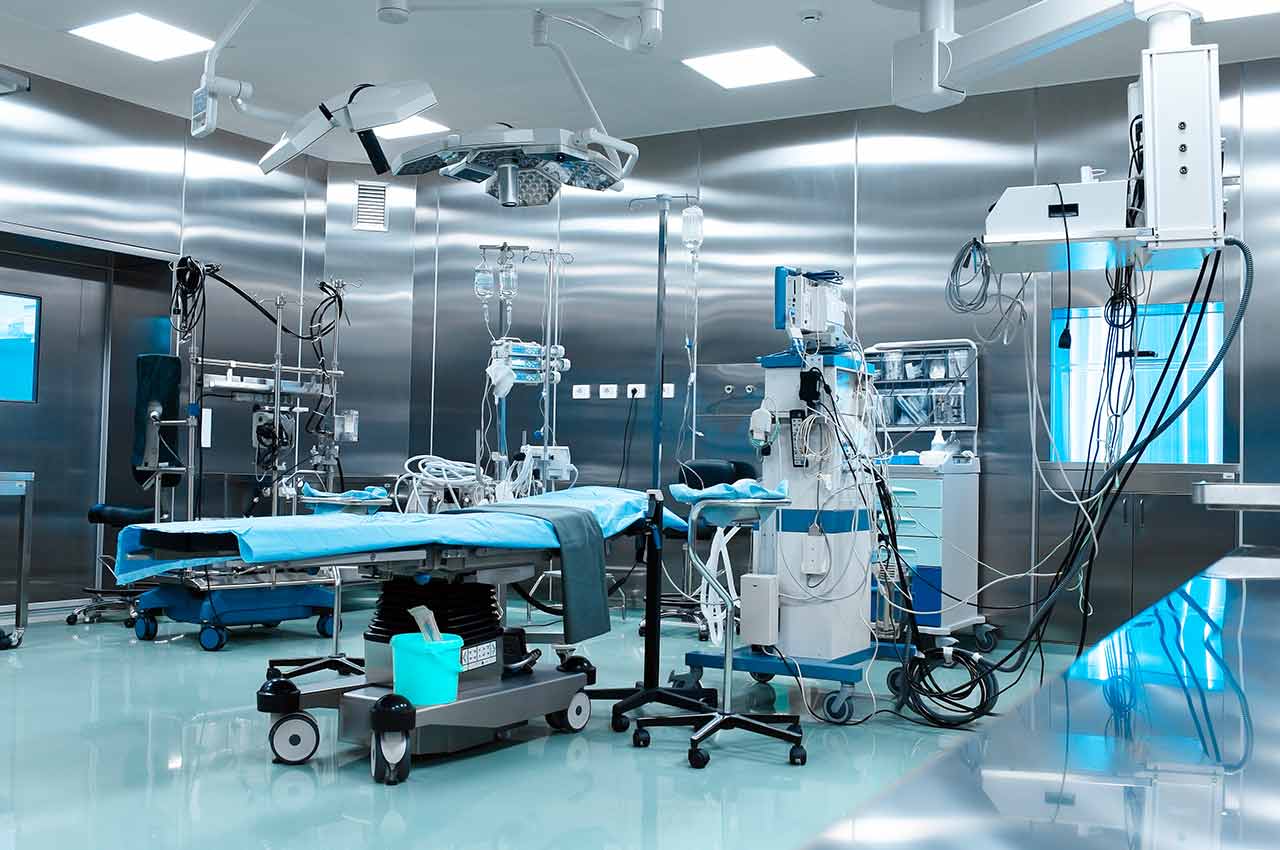
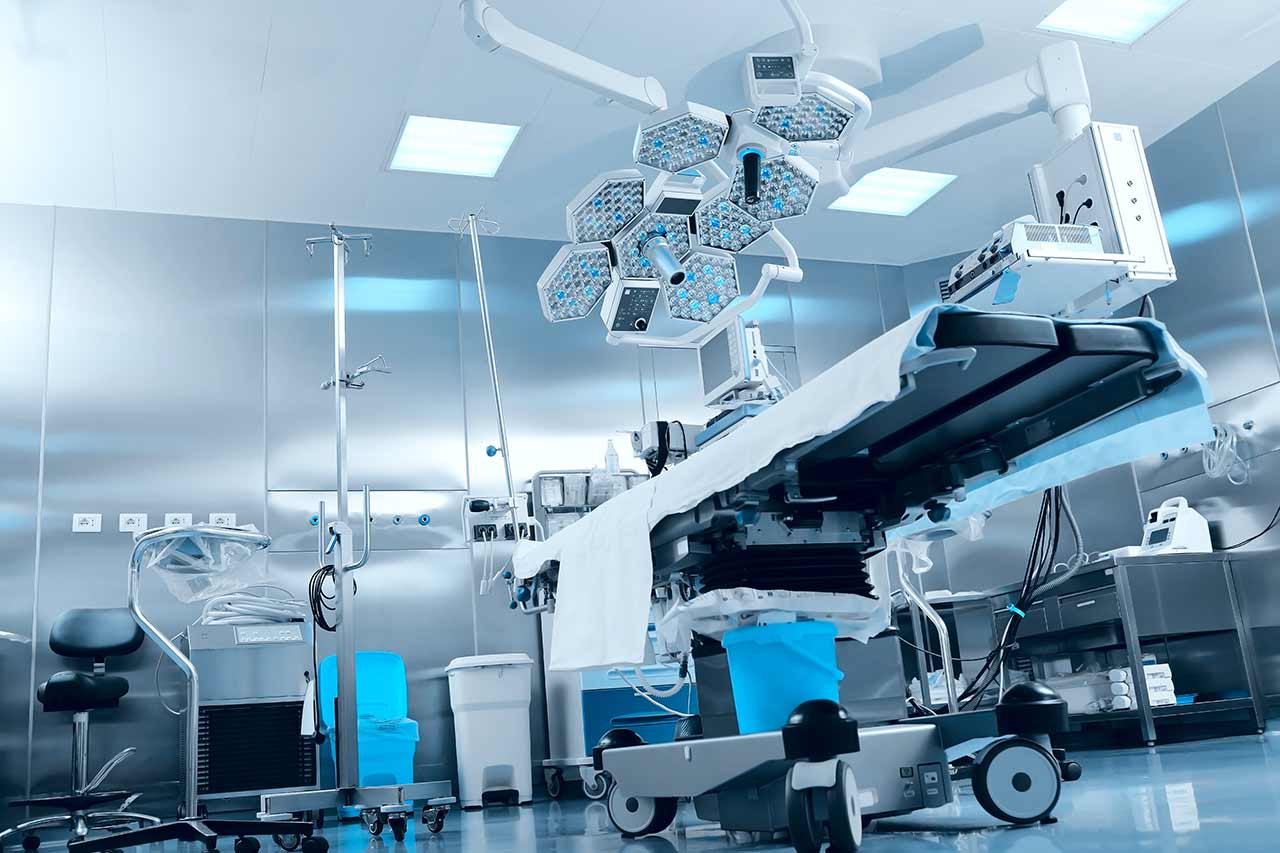
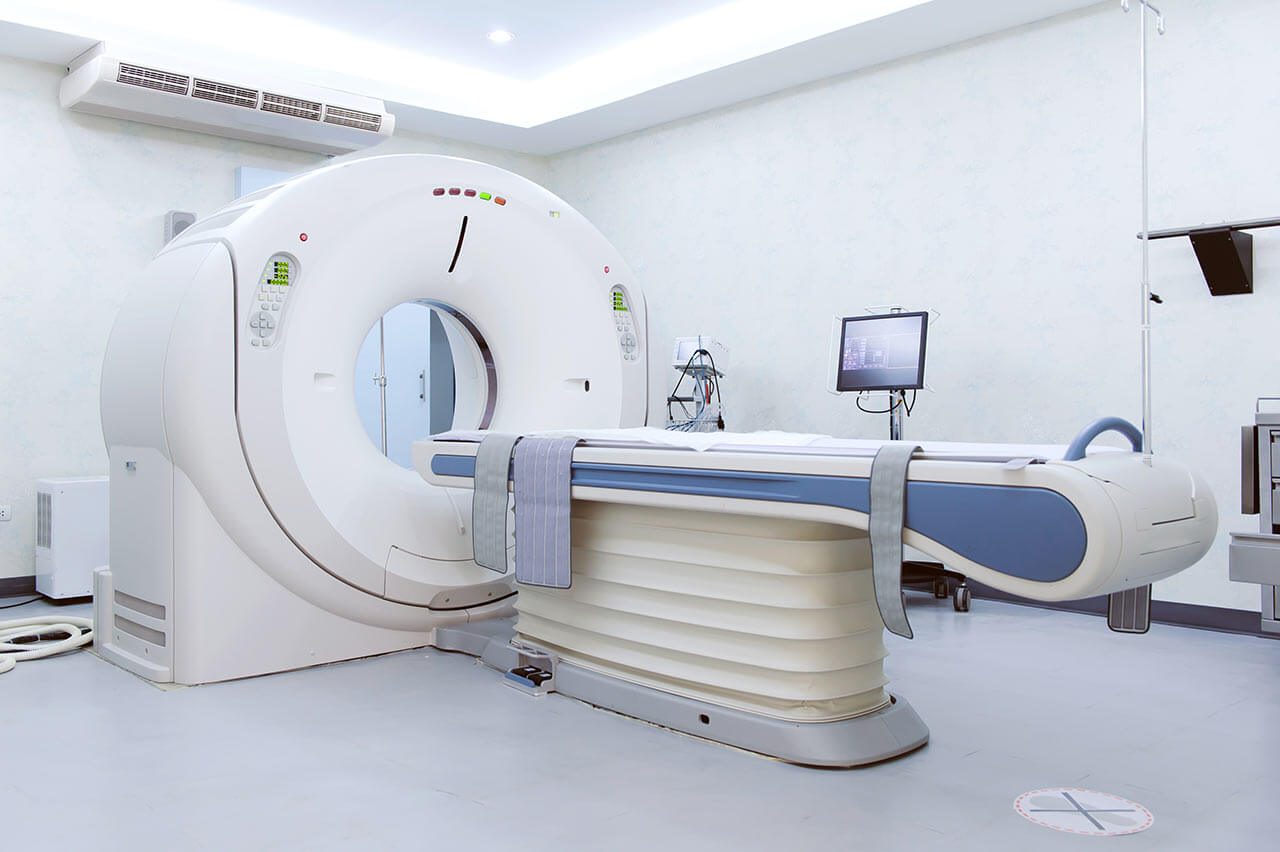
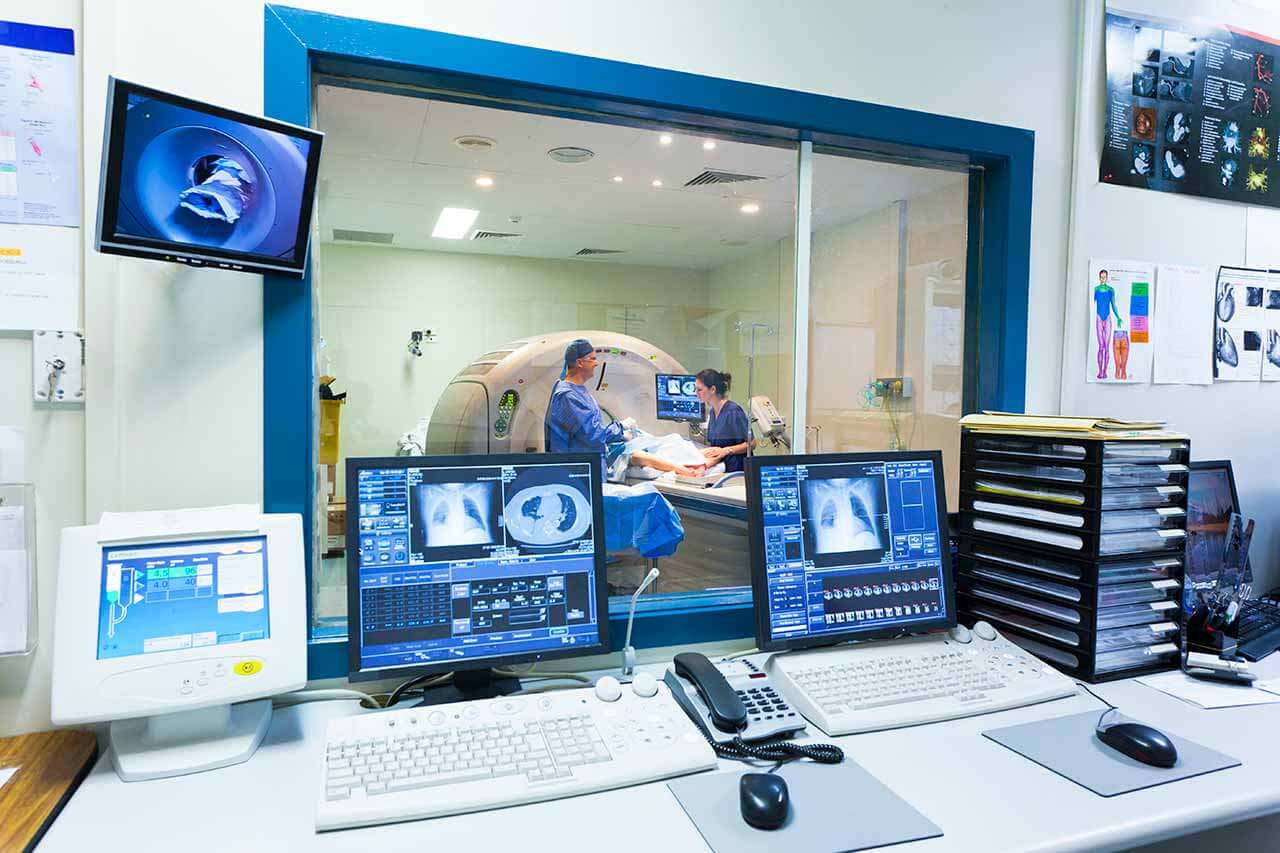
Surgical treatment is performed using the following modern medical equipment and techniques:
Scientific Achievements
Visiting Professorship
Membership in Professional Societies (selected)
Publications
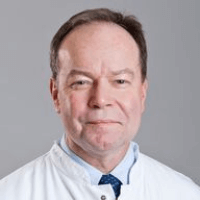
Photo of the doctor: (c) Universitätsklinikum Frankfurt
FOCUS, an internationally respected magazine, has consistently ranked the University Hospital Frankfurt am Main among the best hospitals in Germany!
The foundation of the hospital dates back to 1914. Since then, it has developed into a well-known German medical facility, whose clinical activities are based on the combination of rich traditions in medicine and scientific innovations. Like other leading German university hospitals, the University Hospital Frankfurt am Main is committed to providing world-class medical care through the implementation of state-of-the-art advancements for the benefit of patients, including those from abroad. The hospital offers many unique and highly effective therapies, which allow it to achieve remarkable treatment results and offer hope to patients even in the most complex cases.
The hospital runs 33 specialized departments and 23 research institutes, all equipped with the necessary technology and staffed by qualified specialists to provide the most effective medical care for every patient. The hospital has 1,593 beds for comfortable inpatient care. The University Hospital Frankfurt am Main annually provides its medical services to more than 50,000 inpatients and about 500,000 outpatients with conditions of varying complexity. These figures alone speak volumes about the medical facility's exceptional reputation among patients.
The University Hospital Frankfurt am Main leads in many medical fields, with neurology, neurosurgery, oncology, and cardiology being its top priorities. This medical facility also achieves outstanding results in organ and bone marrow transplantation, which are life-saving treatments for many patients with severe diseases.
Overall, this medical facility is a strong player in both German and European healthcare. The hospital's medical staff make every effort to help patients recover using the most advanced therapies currently available, and they excel at their task. The University Hospital Frankfurt am Main offers not only first-rate medical care, but also patient-centered service in a comfortable environment.
Photo: (c) depositphotos
The patients of the University Hospital Frankfurt am Main live in comfortable rooms made in modern design and meeting the highest standards of European medicine. Each room is equipped with an ensuite bathroom with a toilet and a shower. The standard room includes a comfortable, automatically adjustable bed, a bedside table, a wardrobe, a table and chairs for receiving visitors and a TV. If desired, patients can use Wi-Fi. The patients can also stay in the enhanced-comfort rooms.
The patient and his accompanying person have a daily choice of three menus. If for any reason you do not eat all the food, you will be offered an individual menu. Please inform the medical staff about your dietary preferences prior to the treatment.
Standard rooms include:
Religious services are available upon request.
During the inpatient program, an accompanying person may stay with you in a patient room or in a hotel of your choice.
During the outpatient program, you may stay in a hotel of your choice. Managers will help you choose the most suitable options.