Diagnosis and chemotherapy (1 course) of gastric MALT lymphoma in University Hospital Frankfurt am Main
University Hospital Frankfurt am Main
Frankfurt am Main, Germany

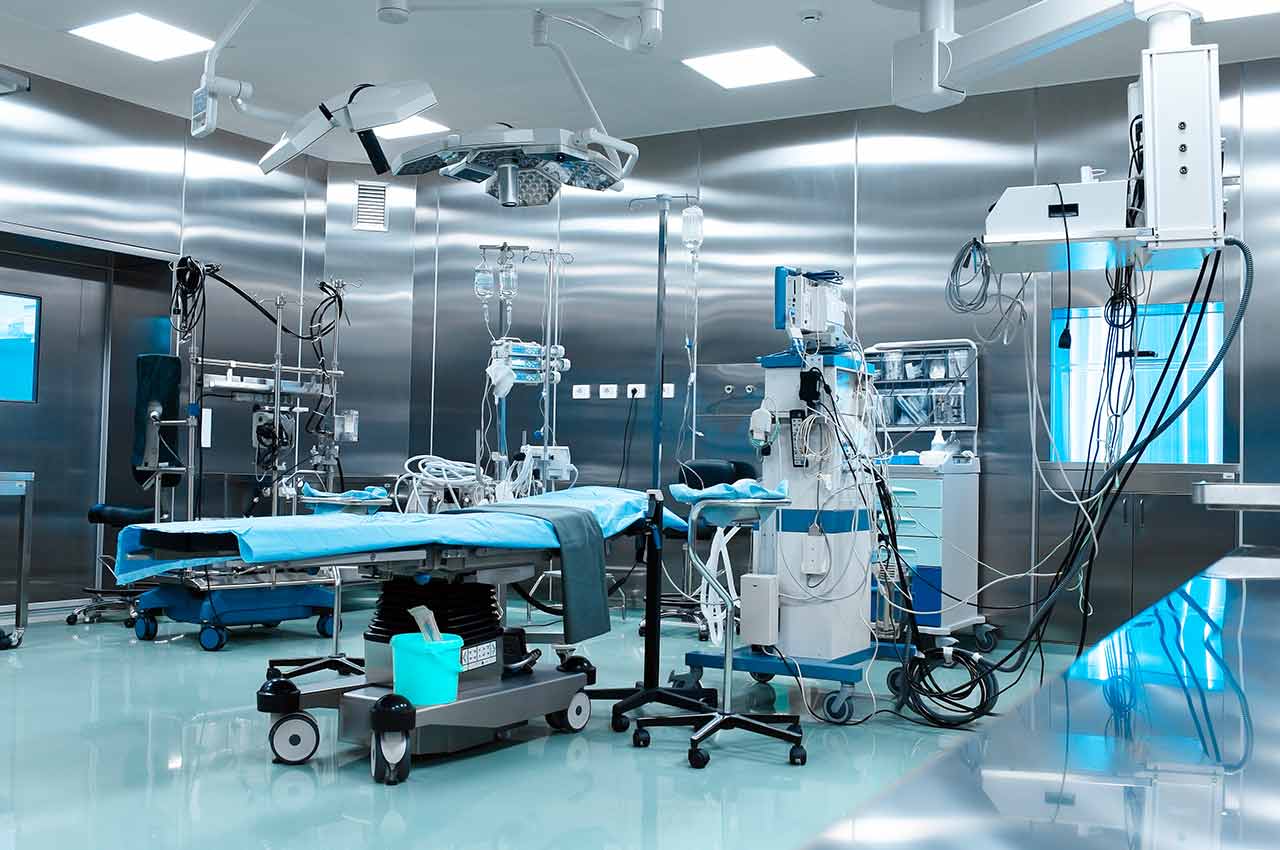
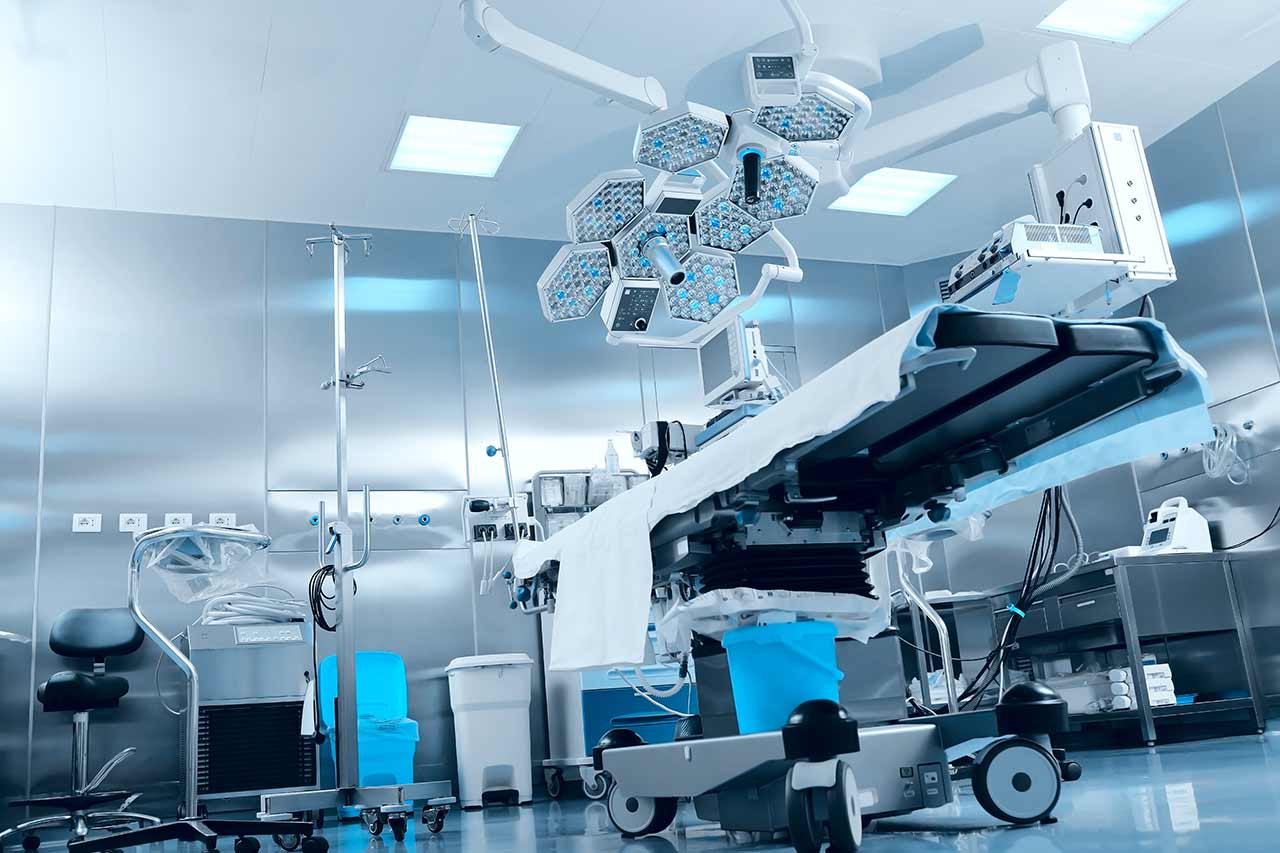
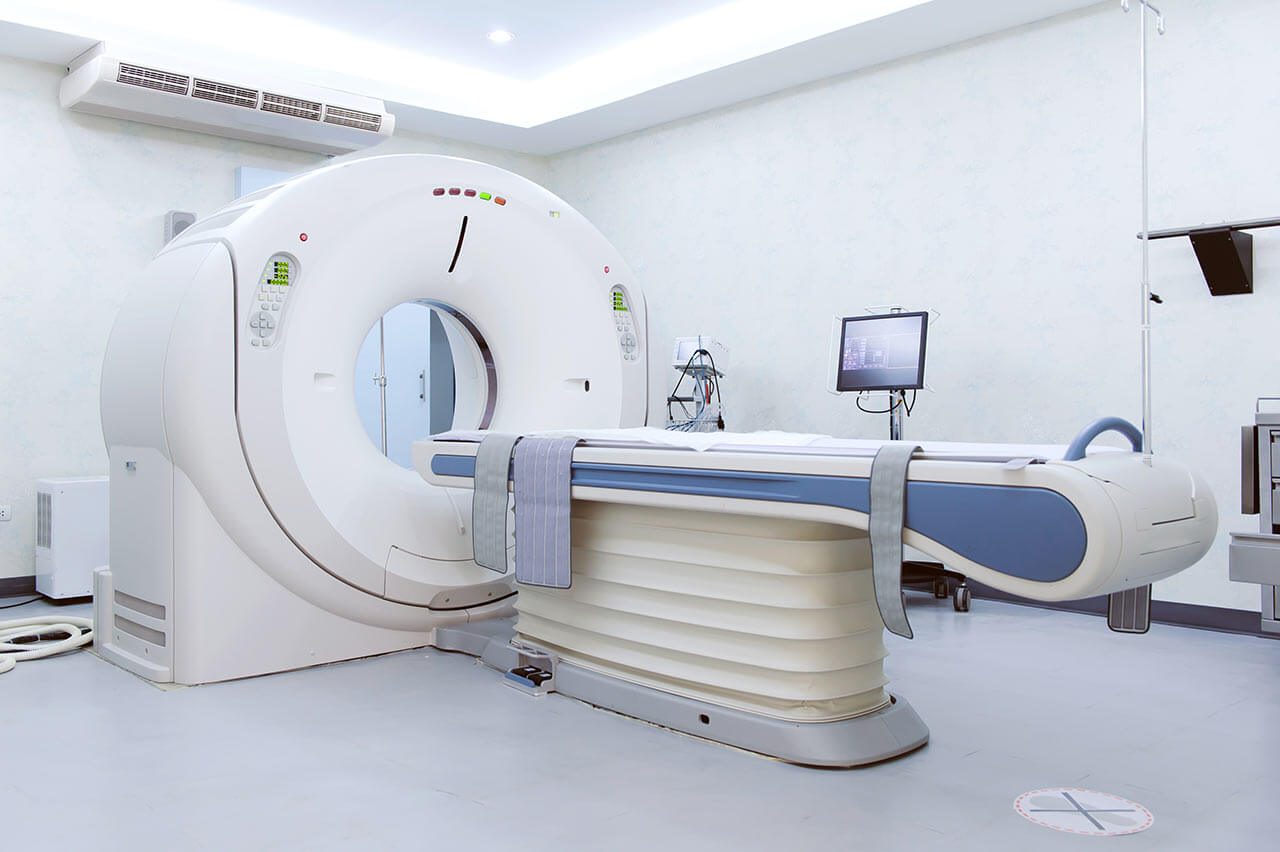
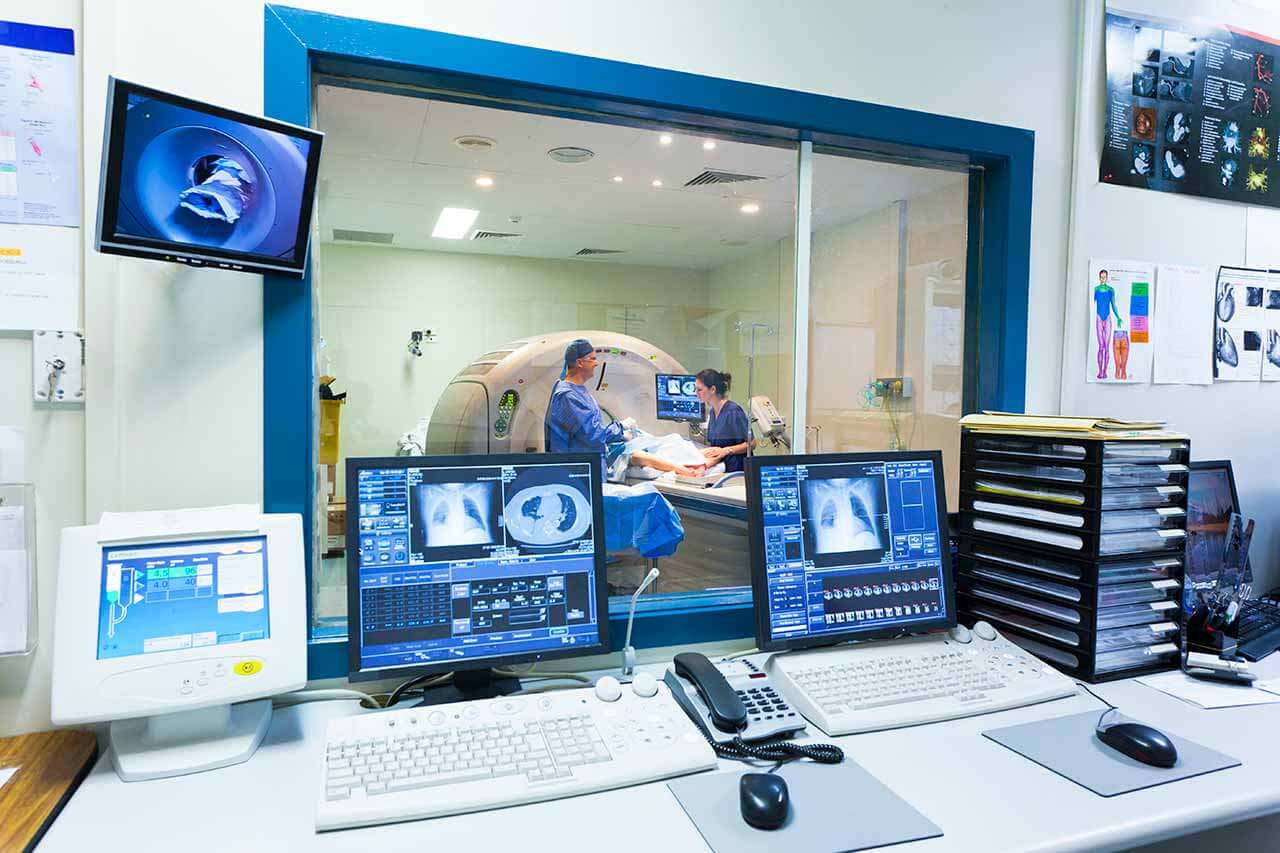

During the first visit, the doctor will conduct a clinical examination and go through the results of previous laboratory tests and instrumental examinations. After that, you will undergo an additional examination, including laboratory assessment of liver and kidney function, ultrasound scan. Based on the received results, the doctor will elaborate the chemotherapy regimen. If necessary, related medical specialists will be involved in the elaboration of a treatment regimen (tumor board).
Chemotherapy is carried out as the day hospital procedure, without mandatory admission to the hospital. After the placement of a venous catheter, you will stay in a comfortable ward. An infusion system will be connected to the catheter, through which the required drug or a drug combination will be administered. All drugs are administered by intravenous drip, slowly, so the total duration of the infusion can be up to several hours. All this time, doctors and nurses will monitor your health condition closely.
After the course of chemotherapy, you will stay under medical supervision in the ward for a few more hours. If your general condition is good, your doctor will allow you to leave the hospital. You will receive the medical report with detailed recommendations regarding further treatment. In the future, you will be able to have a distant consultation with your attending physician and schedule the next course of chemotherapy, if necessary.
 BookingHealth Price from:
The Cancer Center at the University Hospital Frankfurt am Main offers comprehensive diagnostic assessments, proven treatment options, and attentive follow-up care for patients with different types of cancer, including extremely rare and difficult-to-treat malignancies. The Cancer Center was established in 2008 through a partnership between the University Hospital Frankfurt am Main, the Faculty of Medicine at Goethe University Frankfurt, and Nordwest Hospital. Since its establishment, it has developed into an advanced medical facility that brings together an interdisciplinary team of healthcare professionals, committed to providing effective medical care using both well-established and advanced therapies. The center consists of several specialized units, each focusing on a specific field of oncology. The key areas of clinical expertise include the treatment of gastrointestinal cancers, head and neck tumors, gynecological and urological cancers, skin tumors, and blood cancers. The center also specializes in the treatment of lung cancer, brain and spinal tumors, bone and soft tissue sarcomas, and pediatric cancers. In addition to diagnostic and treatment options, the center offers a variety of support services, such as psycho-oncological care, exercise therapy, nutritional support, and palliative care. By combining extensive medical expertise with a broad range of supportive services and compassionate care, the Cancer Center aims to provide personalized, interdisciplinary cancer management in a patient-friendly environment.
The center is headed by Prof. Dr. med. Christian Brandts, who has nearly 30 years of experience practicing oncology and has encountered a wide range of complex clinical cases. He is a board-certified specialist in hematology and medical oncology, with a strong focus on personalized oncology and translational cancer research. Prof. Brandts is a member of several professional medical societies, including the European Association for Cancer Research (EACR) and the German Cancer Society (DKG).
Gastrointestinal cancer treatment is among the center's primary clinical focuses. The dedicated multidisciplinary team provides both curative and palliative treatment for patients with esophageal, stomach, colorectal, and anal cancers, as well as liver, bile duct, and pancreatic tumors. The services range from outpatient preventive evaluations to comprehensive diagnosis and treatment with supportive follow-up care. An interdisciplinary tumor board determines an appropriate treatment strategy based on the diagnostic findings, the stage of the cancer, the molecular tumor profile, and the patient's overall condition. The ultimate goal of the treatment strategy is to combat the disease and preserve the best possible quality of life for the cancer patient. The most commonly used therapeutic approaches for the management of gastrointestinal cancers include endoscopic procedures for selected early-stage tumors, surgery, chemotherapy, radiation therapy, targeted therapy, immunotherapy, and other treatments. The center's team adheres to the principles of personalized oncology, ensuring that each treatment plan is carefully tailored to the patient's specific medical needs and preferences.
The center also has a well-developed gynecological oncology direction with a broad range of services for women with gynecological cancers. The focus of attention in clinical practice is on ovarian, endometrial, cervical, vaginal, and vulvar cancers. An integral part of the center's activities is also medical care for women and men with breast cancer – one of the most commonly diagnosed malignancies in women. Weekly interdisciplinary tumor boards bring together experts from various related medical fields, including gynecology, radiation oncology, medical oncology, radiology, and pathology, who discuss diagnostic findings and outline an individualized treatment plan based on internationally recognized guidelines. In many cases, surgery and chemotherapy play an important role and can be supplemented by other options, including hormone therapy, radiation therapy, and targeted therapy. However, the exact strategy depends on the specific characteristics of the disease and the patient's health status.
Another area of expertise in the center is medical care for patients with head and neck tumors, the most common of which include laryngeal, pharyngeal, oral cavity, salivary gland, and facial and neck skin cancers, etc. In cooperation with ENT specialists and oral and maxillofacial surgeons, the oncology team specializing in this field provides expert consultations and treatment in accordance with the current clinical standards. Second opinions are available if needed. A second opinion can significantly affect treatment outcomes and open up new treatment options. The center performs nearly 900 surgical procedures to treat head and neck tumors each year, reflecting its expert knowledge in this area. The center's surgical team uses minimally invasive and endoscopic techniques whenever possible that ensure both good functional and aesthetic results. Nonetheless, in selected cases, patients may require reconstructive plastic surgery after undergoing primary cancer treatment for head and neck tumors. This type of surgery is performed by specialists with relevant experience.
The center also provides diagnostic and treatment services for children and adolescents with solid tumors and hematological diseases. The Pediatric Oncology Section was established at the University Hospital in 1978 and has a long-established tradition in treating young patients with different types of cancer. A key clinical focus is bone marrow transplants, which may be the only potential curative option for children with certain hematological malignancies. The transplantation unit was one of the first pediatric facilities of this kind in Germany to receive JACIE accreditation.
The center's range of medical services includes:
The center's therapeutic options include:
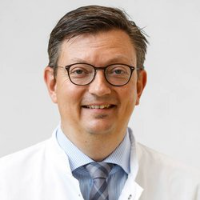
Prof. Dr. med. Christian Brandts is a qualified oncologist with nearly 30 years of clinical practice who serves as the Director of the Cancer Center at the University Hospital Frankfurt am Main. He studied medicine at the Medical Schools of the Free University of Berlin and Humboldt University of Berlin from 1989 to 1996. He also spent one year studying medicine at New York University from 1993 to 1994. Prof. Brandts was a postdoctoral fellow at the UCSF Helen Diller Family Comprehensive Cancer Center in San Francisco from 1999 to 2002. He completed his clinical training in Internal Medicine and Hematology and Medical Oncology at Charité in Berlin from 1996 to 1999 and at the University Hospital Münster from 2002 to 2007. He was board certified in Internal Medicine in 2006 and in Hematology and Medical Oncology in 2007. In 2007, he joined the University Hospital Frankfurt am Main as Senior Physician and Research Group Leader. In 2015, he also obtained the additional qualification in Palliative Medicine.
Prof. Brandts has a strong interest in translational cancer research, in particular in personalized oncology. In addition, he is a member of numerous professional organizations, including the Organisation of European Cancer Institutes (OECI), the American Association for Cancer Research (AACR), the European Association for Cancer Research (EACR), the German Cancer Society (DKG), the German Society of Hematology and Medical Oncology (DGHO), and the European Hematology Association (EHA).
Photo of the doctor: (c) Universitätsklinikum Frankfurt
FOCUS, an internationally respected magazine, has consistently ranked the University Hospital Frankfurt am Main among the best hospitals in Germany!
The foundation of the hospital dates back to 1914. Since then, it has developed into a well-known German medical facility, whose clinical activities are based on the combination of rich traditions in medicine and scientific innovations. Like other leading German university hospitals, the University Hospital Frankfurt am Main is committed to providing world-class medical care through the implementation of state-of-the-art advancements for the benefit of patients, including those from abroad. The hospital offers many unique and highly effective therapies, which allow it to achieve remarkable treatment results and offer hope to patients even in the most complex cases.
The hospital runs 33 specialized departments and 23 research institutes, all equipped with the necessary technology and staffed by qualified specialists to provide the most effective medical care for every patient. The hospital has 1,593 beds for comfortable inpatient care. The University Hospital Frankfurt am Main annually provides its medical services to more than 50,000 inpatients and about 500,000 outpatients with conditions of varying complexity. These figures alone speak volumes about the medical facility's exceptional reputation among patients.
The University Hospital Frankfurt am Main leads in many medical fields, with neurology, neurosurgery, oncology, and cardiology being its top priorities. This medical facility also achieves outstanding results in organ and bone marrow transplantation, which are life-saving treatments for many patients with severe diseases.
Overall, this medical facility is a strong player in both German and European healthcare. The hospital's medical staff make every effort to help patients recover using the most advanced therapies currently available, and they excel at their task. The University Hospital Frankfurt am Main offers not only first-rate medical care, but also patient-centered service in a comfortable environment.
Photo: (c) depositphotos
The patients of the University Hospital Frankfurt am Main live in comfortable rooms made in modern design and meeting the highest standards of European medicine. Each room is equipped with an ensuite bathroom with a toilet and a shower. The standard room includes a comfortable, automatically adjustable bed, a bedside table, a wardrobe, a table and chairs for receiving visitors and a TV. If desired, patients can use Wi-Fi. The patients can also stay in the enhanced-comfort rooms.
The patient and his accompanying person have a daily choice of three menus. If for any reason you do not eat all the food, you will be offered an individual menu. Please inform the medical staff about your dietary preferences prior to the treatment.
Standard rooms include:
Religious services are available upon request.
During the inpatient program, an accompanying person may stay with you in a patient room or in a hotel of your choice.
During the outpatient program, you may stay in a hotel of your choice. Managers will help you choose the most suitable options.