Myelomaeningocele treatment by plastic surgical repair of the dura in University Hospital Frankfurt am Main
University Hospital Frankfurt am Main
Frankfurt am Main, Germany


 BookingHealth Price from:
The Department of Adult and Pediatric Neurosurgery, Spinal Surgery and Epileptology at the University Hospital Frankfurt am Main offers a comprehensive range of surgical treatments for disorders of the central and peripheral nervous systems. Key areas of expertise include surgery for aneurysms and vascular malformations, cerebral hemorrhages and vascular occlusions, brain tumors, as well as tumors and disorders of the spinal cord and nerve roots. The department's neurosurgery team also admits patients with degenerative, inflammatory, and traumatic spinal disorders, chronic back pain, traumatic brain injuries, epilepsy, malformations of the nervous system, and hydrocephalus. Pediatric neurosurgery is an integral part of the department’s services. The medical team is committed to providing interdisciplinary care, which is supported by its close cooperation with specialists from the Departments of Neurology, Neuroradiology, Otolaryngology, Oral and Maxillofacial Surgery, and Trauma Surgery. The department follows modern neurosurgical principles, emphasizing minimally invasive approaches and the use of advanced technologies. These include navigation-guided microsurgical techniques, endoscopic and robot-assisted procedures, stereotactic techniques, and state-of-the-art imaging methods. The department performs more than 2,400 neurosurgical procedures annually, treating a broad range of conditions in both adults and children. The department is headed by Prof. Dr. med. Marcus Czabanka.
One of the department’s clinical priorities is the surgical treatment of cerebrovascular diseases. The conditions most commonly encountered in clinical practice include cerebral aneurysms, arteriovenous malformations (AVMs), cavernomas, and intracranial hemorrhages. Through close interdisciplinary collaboration with the Department of Neuroradiology and the Department of Neurology, neurosurgeons provide comprehensive diagnostic assessment and individualized treatment planning for every patient. The goal is to offer an appropriate therapeutic strategy based on the patient’s specific clinical presentation and overall health status. Cerebral aneurysms are mostly treated with minimally invasive endovascular techniques, although conventional surgery may also be possible in selected cases. The choice of the treatment method for vascular malformations depends on their location, severity, and specific features and may include microsurgery, endovascular treatment, or radiosurgery. As cavernomas often remain asymptomatic for extended periods, surgery to remove them is performed if they manifest with bleeding, seizures, or neurological symptoms. The treatment strategy for intracranial hemorrhages is carefully evaluated based on the cause and severity of the condition. Depending on these factors, treatment may be surgical or conservative.
The next area of specialization is surgery for different types of brain tumors in both children and adults. Procedures are performed using specialized microsurgical or endoscopic techniques. Neuronavigation, fluorescence guidance, intraoperative neurophysiological monitoring, or awake craniotomy may be applied when required to ensure the safety of brain surgery. The department annually performs over 450 surgical procedures to treat brain and skull base tumors, demonstrating extensive clinical experience in this field. It holds weekly multidisciplinary tumor board meetings with the participation of neurosurgeons, neurologists, neuroradiologists, radiation oncologists, specialists in nuclear medicine, and oncologists. These meetings serve to develop individualized treatment plans for every patient and enable meticulous planning of surgery based on the analysis of all aspects of their clinical case. If appropriate, surgery can be supplemented by chemotherapy, radiation therapy, and other necessary non-surgical treatment modalities.
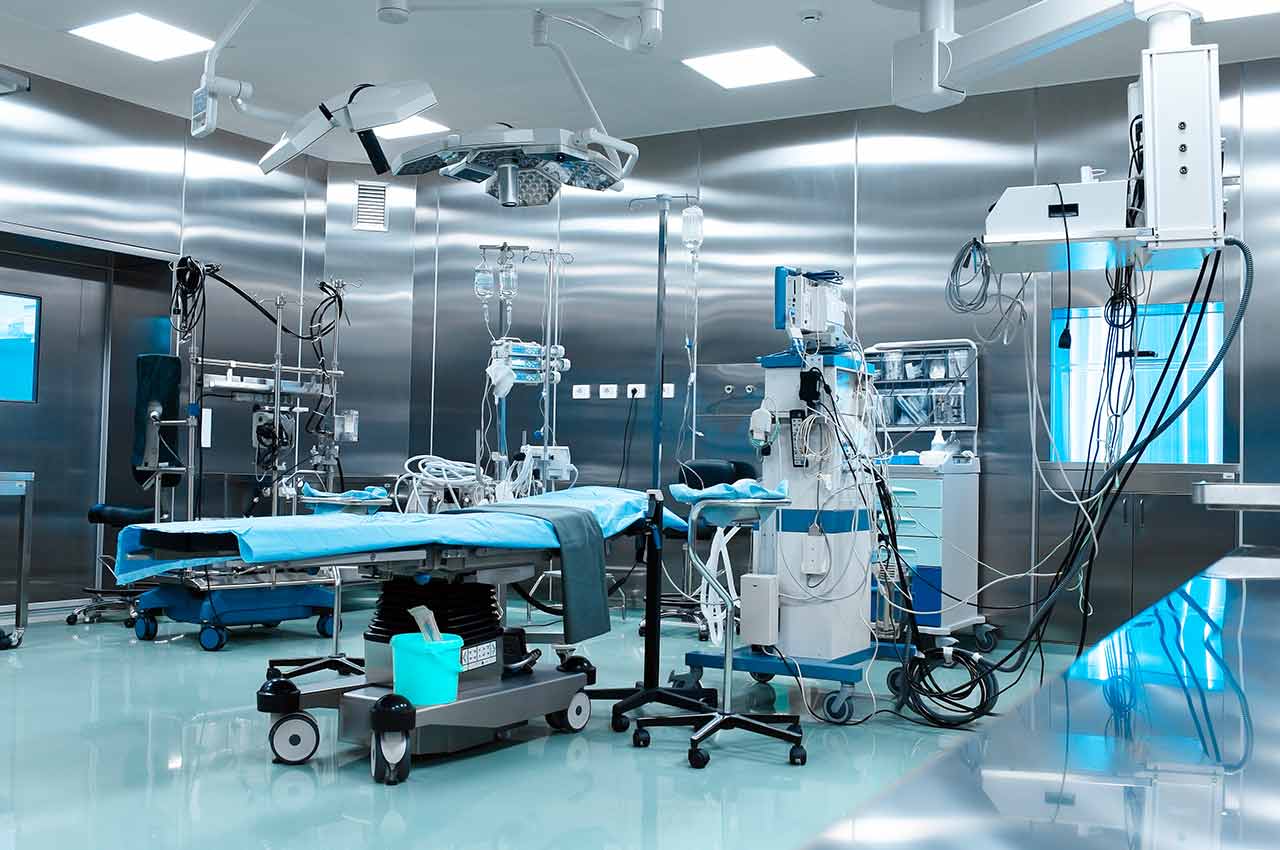
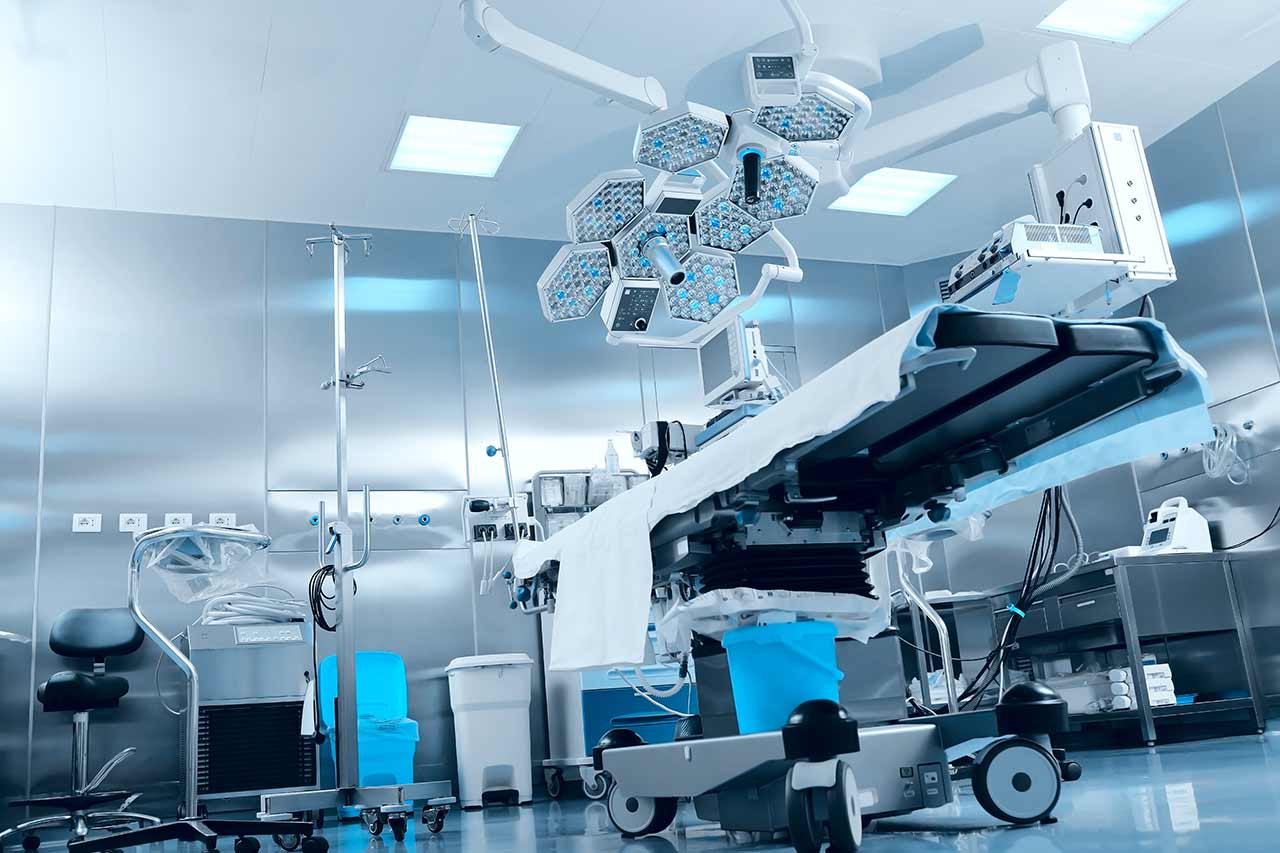
Spinal surgery focuses on both routine and extremely complex procedures to treat spinal diseases and traumatic injuries. The specialists in this field work hand in hand with trauma and orthopedic surgeons in a Spine Center certified by the German Spine Society (DWG). The interdisciplinary medical team aims to provide comprehensive care and advanced treatments that enable patients to enjoy a good quality of life. The department offers a variety of modern minimally invasive and microsurgical procedures for spinal tumors, degenerative and inflammatory conditions, traumatic injuries, and spinal deformities. Operating rooms in the department are equipped with state-of-the-art surgical microscopes, neuronavigation systems, and intraoperative 3D imaging (cone-beam CT), which play a crucial role in modern and safe spinal surgery.
The epilepsy program in the department is based on advanced treatment options aimed at improving the lives of patients with drug-resistant epilepsy. The neurosurgery team provides comprehensive care and utilizes advanced techniques to achieve optimal outcomes. Epilepsy is one of the most common neurological disorders and affects people of all ages. The department treats adults, adolescents, and children with epilepsy. For patients with epilepsy that cannot be controlled by medication (known as drug-resistant epilepsy), surgery offers an opportunity to reduce seizure frequency or achieve complete freedom of seizures in selected cases. Surgical options for epilepsy treatment in the department include resective surgery to remove the epileptogenic focus, laser ablation, transcranial focal stimulation, and vagus nerve stimulation. An appropriate surgical approach is selected individually based on the diagnostic findings and specifics of the patient's clinical case, including the frequency and severity of seizures.
The department's range of services also covers the treatment of neurosurgical conditions in children, including the most complex brain and spinal cord tumors, complex forms of hydrocephalus, spinal malformations, epilepsy, craniosynostosis, cerebrovascular disorders, traumatic brain injuries, and spasticity. The team of pediatric neurosurgeons performs 150-200 surgical procedures on children annually. Inpatient care is provided in a child-friendly environment, which is also of crucial importance for young patients. The extensive experience of the department's physicians in the treatment of young patients with neurosurgical conditions enables them to provide comprehensive guidance regarding the child's clinical condition, necessary diagnostic procedures, and treatment options. The department is also a leading second-opinion center in the region for children with brain tumors, epilepsy, and hydrocephalus.
The department specializes in the diagnosis and treatment of the following neurosurgical diseases:
Surgical treatment is performed using the following advanced techniques:
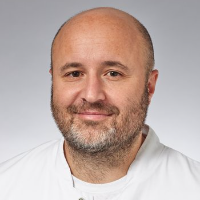
Prof. Dr. med. Marcus Czabanka has served as Head of the Department of Adult and Pediatric Neurosurgery, Spinal Surgery and Epileptology at the University Hospital Frankfurt am Main since April 2021. He completed his medical studies at Heidelberg University and his habilitation at Charité in Berlin in 2013, where he was appointed Adjunct Professor (apl. Professor) in August 2019. Prof. Czabanka served as a Resident Physician at University Hospital Mannheim and the Department of Neurosurgery at Charité, where he completed his specialist training in 2012. He then served there as Senior Physician from 2012 and as Managing Senior Physician from 2015. He was appointed Deputy Head of the Department of Neurosurgery at Charité in 2019.
Prof. Czabanka holds leadership roles in several professional societies. He has authored and co-authored nearly 200 scientific publications. He also serves as an instructor for the German Spine Society (DWG). Furthermore, he has served on Charité’s doctoral committee and as a State Board Examiner for the Berlin State Office for Health and Social Affairs. He has received multiple awards, including the Research Prize of the German Academy of Neurosurgery.
Prof. Czabanka's key areas of expertise include the treatment of cerebrovascular diseases, particularly aneurysms and vascular malformations, as well as tumors of the brain, spinal cord, and spine. His key clinical interests include the surgical treatment of primary brain tumors, skull base tumors, and metastatic lesions.
Photo of the doctor: (c) Universitätsklinikum Frankfurt
FOCUS, an internationally respected magazine, has consistently ranked the University Hospital Frankfurt am Main among the best hospitals in Germany!
The foundation of the hospital dates back to 1914. Since then, it has developed into a well-known German medical facility, whose clinical activities are based on the combination of rich traditions in medicine and scientific innovations. Like other leading German university hospitals, the University Hospital Frankfurt am Main is committed to providing world-class medical care through the implementation of state-of-the-art advancements for the benefit of patients, including those from abroad. The hospital offers many unique and highly effective therapies, which allow it to achieve remarkable treatment results and offer hope to patients even in the most complex cases.
The hospital runs 33 specialized departments and 23 research institutes, all equipped with the necessary technology and staffed by qualified specialists to provide the most effective medical care for every patient. The hospital has 1,593 beds for comfortable inpatient care. The University Hospital Frankfurt am Main annually provides its medical services to more than 50,000 inpatients and about 500,000 outpatients with conditions of varying complexity. These figures alone speak volumes about the medical facility's exceptional reputation among patients.
The University Hospital Frankfurt am Main leads in many medical fields, with neurology, neurosurgery, oncology, and cardiology being its top priorities. This medical facility also achieves outstanding results in organ and bone marrow transplantation, which are life-saving treatments for many patients with severe diseases.
Overall, this medical facility is a strong player in both German and European healthcare. The hospital's medical staff make every effort to help patients recover using the most advanced therapies currently available, and they excel at their task. The University Hospital Frankfurt am Main offers not only first-rate medical care, but also patient-centered service in a comfortable environment.
Photo: (c) depositphotos
The patients of the University Hospital Frankfurt am Main live in comfortable rooms made in modern design and meeting the highest standards of European medicine. Each room is equipped with an ensuite bathroom with a toilet and a shower. The standard room includes a comfortable, automatically adjustable bed, a bedside table, a wardrobe, a table and chairs for receiving visitors and a TV. If desired, patients can use Wi-Fi. The patients can also stay in the enhanced-comfort rooms.
The patient and his accompanying person have a daily choice of three menus. If for any reason you do not eat all the food, you will be offered an individual menu. Please inform the medical staff about your dietary preferences prior to the treatment.
Standard rooms include:
Religious services are available upon request.
During the inpatient program, an accompanying person may stay with you in a patient room or in a hotel of your choice.
During the outpatient program, you may stay in a hotel of your choice. Managers will help you choose the most suitable options.