


Autism spectrum disorder (ASD) can represent one of the most complex neurodevelopmental challenges that families face. Now autism seems to be more common than childhood cancer, diabetes, and pediatric AIDS – 1 in 68 children in the United States alone [2]. Despite their useful support, traditional treatments do not always address pathogenetic neurobiological dysfunctions in autism. Thus, researchers aim to explore innovative alternative approaches against underlying pathological mechanisms. A new promising treatment option that offers hope for families seeking comprehensive solutions is stem cell therapy for autism [3].
What Every Parent Should Know About Autism
Talking about autism spectrum disorder, it is not a single disease – it is a diverse group of neurodevelopmental conditions. All of them are characterized by deficits in social communication and interaction, repetitive patterns of behavior, interests, or activities [4]. Thus, children can present with vastly different symptoms and severity levels [5].
The signs of autism typically manifest early in childhood and include:
- Difficulties with communication leading to delayed language development
- Challenges with social interaction
- Bad eye contact
- Repetitive movements like hand-flapping
- Excessive sensitivity to light, sound
- Excessive interest in specific topics or objects
Complex interactions between genetic, environmental, and immunological factors are the basis of autism development. According to the research, up to 1000 potential genes may be involved in autism's genetic determinants. Many are responsible for brain organization and function processes – synaptogenesis, neurotransmitter metabolism, and mitochondrial function [3].
Significant alterations in GABAergic circuits have been detected in studies all over the world: reduced levels of glutamic acid decarboxylase in the parietal cortex and cerebellum, changes in GABA receptors, etc. These alterations may result from widespread changes in GABA innervation. They lower the seizure threshold – that is where high comorbidity between autism and epilepsy comes from [3].
The neuroinflammation hypothesis is also considered. It suggests autism development being linked to microglial activation and immune dysregulation. Let's remember the inflammatory component: it will help us understand how stem cell treatment of autism influences pathogenic mechanisms (which is through immunomodulatory and anti-inflammatory effects).
Simple Guide on Stem Cell Therapy for Autism
Normally stem cells serve as the foundation for tissue regeneration and development. Two their fundamental characteristics are the ability to self-renew (cell division) and to differentiate into all cell types. Dr. Siebenhüner, a physician with over 40 years of medical experience and nearly 20 years in stem cell therapy, explains, "Stem cells have regenerative properties. Tissues that have lost their normal functions can be restored with stem cells."
Stem cells can be obtained from:
- Umbilical cord blood:collected non-invasively during delivery, though it is possible to collect it once in a lifetime
- Bone marrow:surgical procedure is required, but the result is worth it as bone marrow is rich in mesenchymal stem cells
- Adipose tissue:an abundant source allowing harvest of up to 500 million stem cells
- Peripheral blood:contains circulating stem cells, though in lower concentrations
According to Dr. Siebenhüner, adipose tissue has become increasingly popular because "there is a lot of adipose tissue in the human body. Therefore, there are also many stem cells in this tissue, and their number is not limited, as, for example, in the bone marrow."
Treating autism with stem cells involves several carefully coordinated steps:
- Day 1:comprehensive diagnostic examination and stem cell treatments for autism planning
- Day 2:stem cell extraction from blood or adipose tissue, rarely – bone marrow, as it is the most traumatic way
- Laboratory processingCells are examined for infectious diseases; viability is assessed.
- Days 4-5:transplant of processed stem cells for autism treatment via an appropriate delivery method
For autism, intravenous injection allows even distribution throughout the body, while intrathecal injection delivers cells directly to the central nervous system through cerebrospinal fluid circulation.
The safety profile is particularly reassuring for families. The therapy requires no special preparation and imposes no post-treatment restrictions. As Dr. Siebenhüner emphasizes, "There are no contraindications, but there are still certain limitations. And treatment should begin no earlier than the age of 1-2 years."
The treatment is outpatient and children can often return home the same day. This obviously reduces stress on families. Dr. Siebenhüner explains, "Doctors can successfully use the methods of classical medicine while supplementing them with stem cell therapy," – that means that families continue use their conventional therapy and add stem cells as a boost.
The choice of cell source — adipose, bone marrow, or umbilical cord — is rarely a decision the family can usefully make alone, because it depends on the child's age, weight, prior interventions, and the planned delivery route.
Booking Health's case review puts this question in front of the German specialists who actually carry out the procedure before a treatment program is committed to, which means the source is matched to the child rather than to the clinic's default protocol.
CHECK IF A BETTER SOLUTION EXISTS FOR YOUVIDEO
Dr. Siebenhüner on
Advanced Stem Cell Treatment:
From Joint Recovery to Brain Regeneration
Stem Cell Therapy
BOOK CONSULTATION
How Stem Cell Therapy for Autistic Child May Help
Families report improvements across multiple functioning domains with stem cell treatment for autism. These are autism symptoms and related challenges that impact daily life.
The most important mentioned improvements can be enhanced focus, enhanced attention, better social interaction, improved communication (progress in both verbal and non-verbal ones), reduced repetitive behaviors, and enhanced cognitive function.
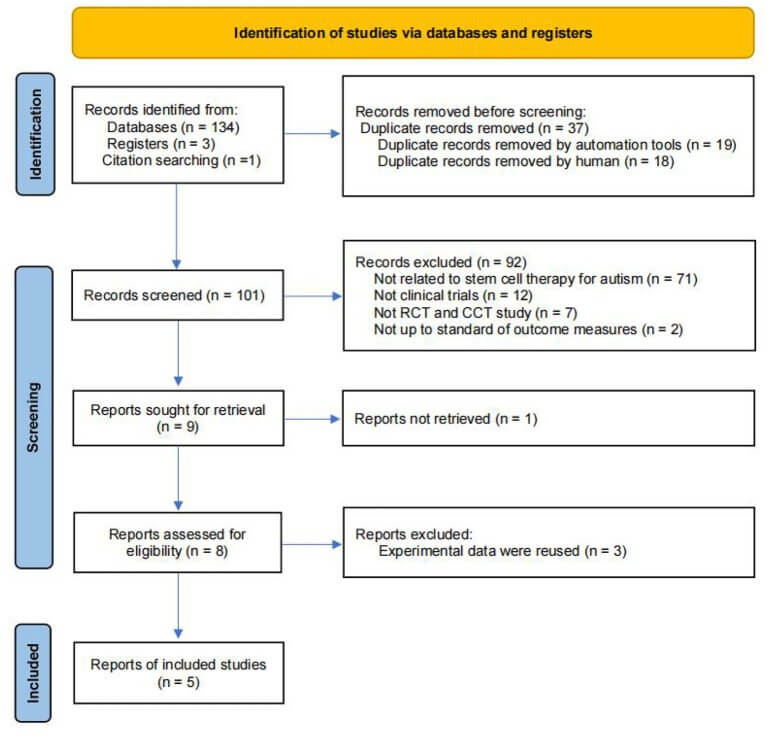
Research data supports case reports with measurable clinical improvements. A systematic review and meta-analysis published in Frontiers in Pediatrics [1] examined outcomes of autism treatment with stem cells. Autologous stem cells for autism led to significantly lower Childhood Autism Rating Scale (CARS) scores – when compared to control groups in the study. A weighted mean difference of -5.96 points (95% CI; p < 0.0001) was achieved. For you to understand easier: lower CARS scores indicate reduced autism severity.

*PMCID: PMC9114801 [8]
The therapeutic benefits appear to stem from stem cells' ability to address the underlying neurobiological mechanisms of autism. Multiple pathways are activated after the SCs introduction, namely:
- Inflammation reduction
- Neural connectivity restoration – they promote new synapse formation, modulate neurotransmitter balance
- Angiogenesis promotion
- Reduction of harmful oxidative stress
- Immune system modulation
Instead of merely managing symptoms, like the conventional therapies do, stem cells address autism's core neurological dysfunctions. This mechanism-based approach explains why families often observe improvements that persist over time rather than requiring constant intervention.
Improvements that persist still need to be measured against a baseline — and this is where families often find themselves in trouble after the fact, because they did not document where their child stood, behaviorally and developmentally, before the first infusion.
Within Booking Health's program coordination, the pre-treatment assessment is structured to capture exactly the markers a German neurologist will want to compare against at six and twelve months: standardized scoring, video where appropriate, current speech and behavioral therapy reports translated and forwarded to the receiving clinic.
The advantage is practical rather than philosophical: when the year-end review happens, both the family and the treating doctor are looking at the same numbers.
During Treatment Stem Cell ASD Treatment: Possible Challenges and Side Effects
Stem cells treatment for autism may offer substantial benefits – nevertheless, families should also understand potential challenges. This therapy is somewhat experimental. Beyond all doubt, now it is supported by growing science but still requires transparency to help make informed decisions.
Current limitations of autism treatment by stem cells include:
- Variable response – not all children have the same improvement
- Cost considerations, as that treatment may not be covered by insurance
- Limited long-term follow-up data
The most commonly reported side effects can be only mild, temporary. These are injection site reactions, low-grade fever, temporary fatigue, headache, nausea or digestive upset, etc.
When it comes to assessing safety, Dr. Siebenhüner's practical experience confirms the favorable safety profile. According to Dr. Siebenhüner, "In general, injection-related side effects of 12 months were not observed in any of the patients." Severe adverse events – this s for sure reported consistently in trials.
Importantly, contraindications for stem cell therapy are minimal. The primary limitations relate to:
- Age restrictions:treatment typically begins no earlier than 1-2 years of age
- Active infections:therapy is postponed during acute illness
- Certain medical conditions
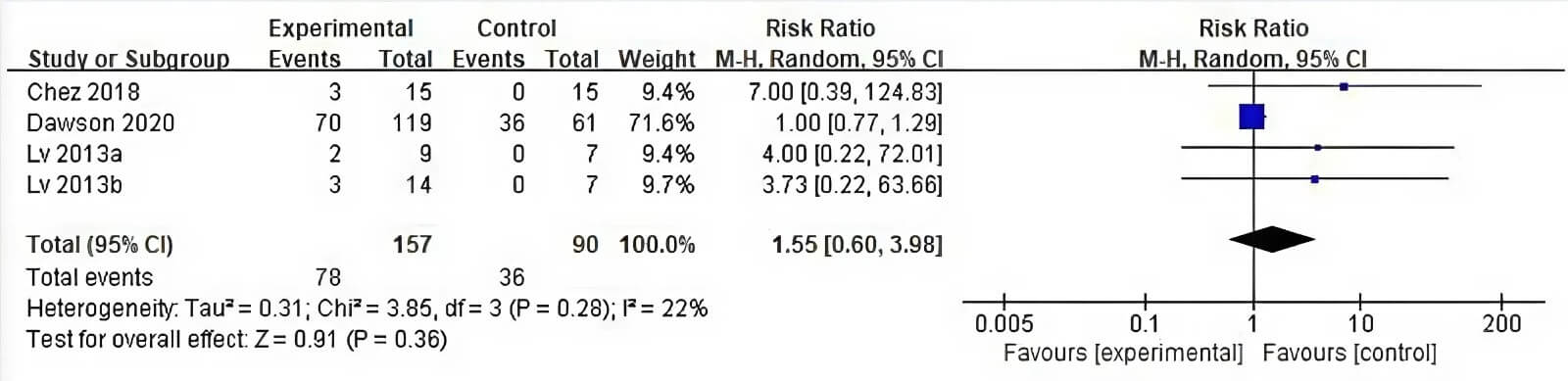
No significant difference in adverse event rates between stem cell therapy and control groups (RR = 1.55; 95% CI = 0.60 to 3.98; p = 0.36) was found in the systematic review and meta-analysis [1]. This additionally contributes to the favorable assessment of safety profile.
PMCID: PMC9114801 [8]
Stem cells for autism treatment do not typically cause the side effects associated with antipsychotic medications. This advantage is particularly important for growing children whose development could be negatively impacted by such effects.
Even with adverse event rates this low, the financial exposure of an unforeseen complication while abroad with a child is something most parents have not modelled in advance — and discovering it through a surprise hospital invoice in a foreign currency is the wrong moment to learn.
Booking Health includes complication insurance of up to €200,000 in its program coordination for exactly this reason. The clinical risk stays small; the parents' financial worst case stops being frightening.
FIND THE RIGHT SPECIALIST FOR MY CASETherapeutic Approaches for Autism
Based on clinical data from Booking Health
| Treatment Approach | Target Symptoms | Method of Action | Duration | Side Effects |
|---|---|---|---|---|
| Behavioral Therapy [7] | Social skills, communication, repetitive behaviors | Structured learning, reinforcement | Ongoing, years | Minimal, behavioral resistance |
| Speech Therapy | Communication, language development | Direct instruction, practice | Ongoing, years | Minimal |
| Occupational Therapy | Sensory issues, motor skills, and daily living | Sensory integration, skill building | Ongoing, years | Minimal |
| Pharmacotherapy [6] | Aggression, hyperactivity, anxiety | Neurotransmitter modulation | Long-term | Weight gain, sedation, movement disorders |
| Stem Cell Therapy | Core autism symptoms, neuroinflammation | Cellular regeneration, immune modulation | 1-2 courses | Mild, temporary injection-related effects |
Such a comparison demonstrates that stem cell therapy is a new beneficial approach in addition to traditional therapies that are concerned with symptom management. The combination of stem cells and autism established interventions may provide the most comprehensive therapeutic approach.
Autism Treatment With Stem Cells: Stories from Real Families
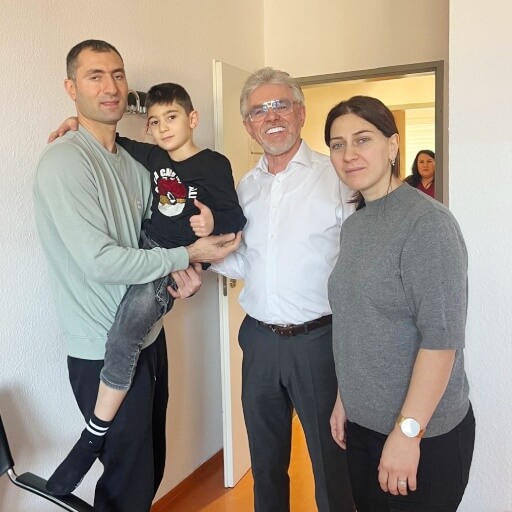
Cindy’s son was unexpectedly diagnosed with autism at age 4. As responsible parents, Cindy and her husband tried everything doctors offered: physiotherapy, diet, behavioral interventions, educational support, etc. The only result was short-term improvements followed by regression, and that was really disappointing.
The breakthrough came when they discovered information about a doctor in Germany offering the best stem cell treatment for autism in the world. This led to their partnership with Booking Health for medical tourism support.
Surprisingly, stem cell autism cure even exceeded expectations. "One of the most encouraging aspects of the therapy is that no special preparation is required," Cindy explained. "There are no specific complicated steps to follow, just the opportunity to start treatment right away." Equally remarkable was the absence of post-treatment restrictions, allowing their son to immediately return to normal childhood activities.
The results were transformative. Within months, Cindy observed fundamental changes in her son's functioning. His concentration improved dramatically, he began playing outdoors with other children, and he started attending regular classroom settings with improved mathematical abilities. As Cindy expressed, "I couldn't be any happier."
Booking Health provided comprehensive support, including visa assistance, interpreter services, and medical coordination. "You know, I was not left alone with my child in this foreign country," she recalls.
The ongoing care plan requires treatment only once annually, minimizing disruption to family routines. Cindy's message to other families is clear: "I would like to advise patients suffering from the same problem as my son to use this advantage of stem cell therapy and not to waste time with ineffective methods. My son is happy now. My family is happy. We can have a brighter future together."
What Cindy describes as not being left alone is, in operational terms, a single dedicated case manager — in collaboration with a physician, not a coordinator working from scripts — who stays with the family for up to twelve months after the procedure.
For a parent traveling with an autistic child, that continuity matters in ways the brochure language never captures: the same doctor reviews the pre-treatment imaging, walks through the day of the infusion, and is the person on the other end of the email when a question comes up at month seven about whether a behavioral change is treatment-related. Twelve years of organizing programs of this kind is what makes that promise operationally real rather than rhetorical.
Get full treatment coordination supportVIDEO
STEM CELL TREATMENT OF AUTISM IN CHILDREN
Stories from our patients
Stem Cell Therapy
BOOK CONSULTATION
Building Brighter Futures With Autism and Stem Cells
As it was explained before, stem cells treatment moves beyond sole symptom management toward addressing fundamental neurobiological dysfunction in ASD. The clinical evidence suggests this innovative approach offers genuine hope for children with autism and their families, and body of this evidence continues growing.
Current research demonstrates measurable clinical benefits with acceptable safety profiles. The systematic review and meta-analysis [1] found significant improvements in core autism symptoms as measured by standardized assessment tools, representing meaningful changes in children's daily functioning.
Key advantages include:
- Mechanism-based treatment: addresses underlying neurobiological causes
- Broad therapeutic effects
- Favorable safety profile
- Outpatient procedure with minimal disruption to daily life
- Can complement existing therapies
Realistic expectations and treatment decisions remain important. Stem cell therapy can not cure autism but can improve quality of life. With SCs children can better engage with their environment, learn new skills, etc. Finally, these allow them to be more independent and give more life choices.
A Medical Journey: Every Step of the Way With Booking Health
Navigating complex medical decisions while managing your child's autism can feel overwhelming. Many families find themselves exhausted from multiple treatment attempts and confused by conflicting medical opinions, making standardized protocols seem easier than pursuing innovative treatments that might offer better outcomes.
Booking Health specializes in connecting families with cutting-edge stem cell treatments for autism at leading medical centers. With over 12 years of experience in medical tourism, the company creates personalized treatment programs tailored to each child's specific needs.
Comprehensive support services:
- Medical report analysis and treatment program development
- Clinic selection based on your child's condition
- Medical documentation preparation and clinic coordination
- On-site support, including personal coordinators and interpreters
- 24/7 assistance throughout the medical stay
- Transparent pricing with no hidden costs
- Follow-up care coordination after returning home
The company ensures families receive expert guidance at every step. From initial consultation through post-treatment follow-up, experienced medical coordinators work to eliminate stress and uncertainty while maximizing treatment outcomes.
Contact Booking Health's medical consultants to learn more about personalized stem cell treatment options for autism at leading specialized clinics. Their expertise can help transform what might seem like an overwhelming medical journey into a well-supported path toward better outcomes for your child.
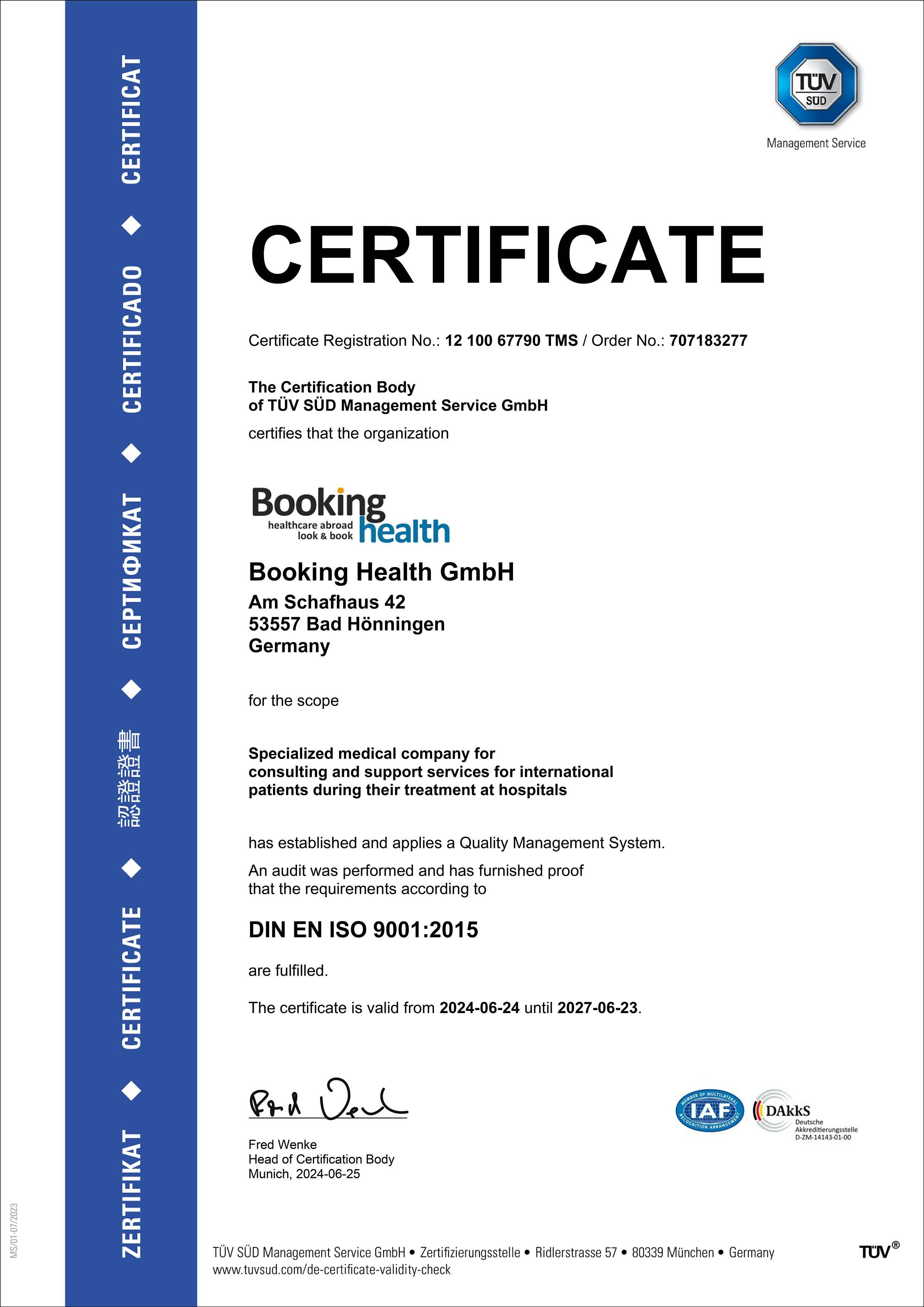
Booking Health holds ISO 9001 quality certification, reflecting well-established processes and strict quality control at every stage of the treatment journey — not just at the initial consultation, but throughout.
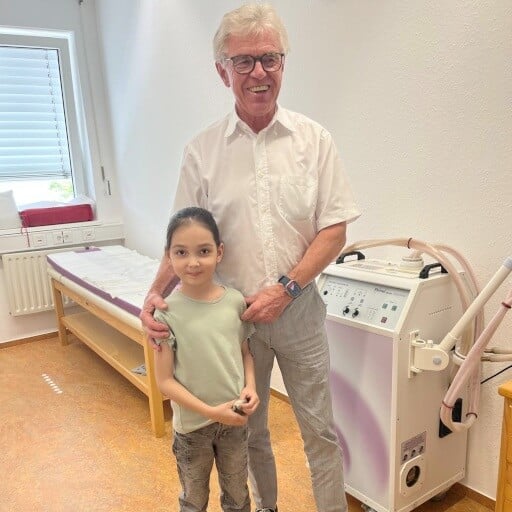
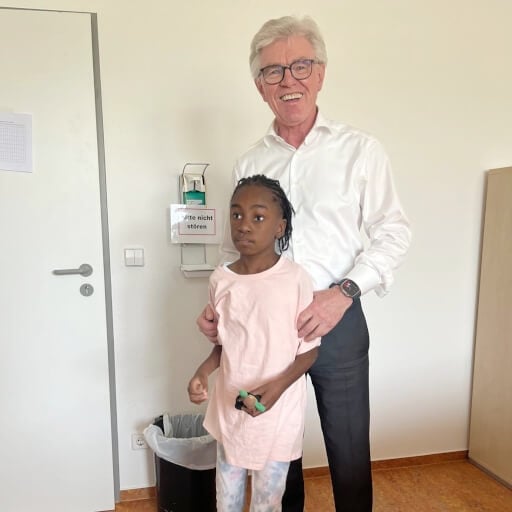
Real Stories, Real Results: Meet Booking Health International Patients
FAQ About Stem Cell Treatment For Autism
Stem cell therapy is an outpatient procedure with good safety profile. It consists of harvesting SCs from fat tissue or blood, processing them and then reintroducing through IV infusion. We expect that SCs repair damaged brain areas and normalize immune dysfunction.
As researches suggest, this treatment is promising. We see from systematic reviews that children receiving SC therapy had significantly lower autism severity scores compared to control groups. For parents these mean improvements in communication skills, social interaction, behavior, etc.
As a scientific research reports, there are improvements in eye contact, attention, communication skills, emotional expression, etc. In some cases parents and caregivers also see better coordination and better perform targeted actions.
Doctors typically use stem cells from bone marrow (rare), adipose tissue, or peripheral blood – all a patient’s own. The most suitable option is mesenchymal stem cells (fat tissue ones).
As researches indicate, the treatment is safe when performed in proper medical facilities. Each child undergoes a careful medical examination before treatment. Some may experience a brief adaptation period in the first two weeks.
No severe risks/side effects are reported. Injection site reactions, low-grade fever, fatigue, etc. – it is easy for families to manage symptoms with OTC medications. Medical supervision after the procedure is a must for pediatric patients.
As for cost of stem cell autism treatment in Germany it is about 22,500€. The final bill depends on the combination with other treatments and individual patient needs.
The treatment is available in developed countries: Germany, the United States, and China. The most famous specialized in SC therapy healthcare facility in Germany is Clinic of Advanced Biological Medicine. Booking Health helps you find the best clinic for your case.
No, FDA hasn't approved stem cell therapy for autism yet due to regulation issues. However, the treatment is available in clinical setting. Current research shows promising clinical results with acceptable safety profiles.
After the IV injection of SCs patients have better attention and social skills. Multiple studies have suggested that SC therapy has measurable benefits. Agreeing with this, researchers still insist on the need for longer-term follow-up data – trials are ongoing.
Results can last several years – it depends on individual factors and ongoing supportive therapies. Families see the most noticeable improvements after the first month already; positive changes continue to develop over 4-6 months.
No, let’s be honest – stem cell therapy is not a cure for autism. What important and deserves attention, this treatment can significantly improve quality of life. It may enhance a child's independence in adult life – ability to engage with their environment and learn new skills.
Choose treatment abroad and you will be sure to get the best results!
Sources:
01. Frontiers in Pediatrics. Efficacy and Safety of Stem Cell Therapy in Children With Autism Spectrum Disorders: A Systematic Review and Meta-Analysis. https://www.frontiersin.org/journals/pediatrics/articles/10.3389/fped.2022.897398/full
02. David J Brick, Hubert E Nethercott, Samantha Montesano et al. The Autism Spectrum Disorders Stem Cell Resource at Children’s Hospital of Orange County: Implications for Disease Modeling and Drug Discovery. Stem Cells Transl Med. 2014 Oct 1;3(11):1275–1286. doi: 10.5966/sctm.2014-0073. [DOI] [PMC free article]
03. Justyna Paprocka, Konrad Kaminiów, Sylwia Kozak, Karolina Sztuba, Ewa Emich-Widera. Stem Cell Therapies for Cerebral Palsy and Autism Spectrum Disorder - A Systematic Review. Brain Sci. 2021 Dec 3;11(12):1606. doi: 10.3390/brainsci11121606. [DOI] [PMC free article]
04. National Institute of Mental Health. Autism Spectrum Disorder. https://www.nimh.nih.gov/health/topics/autism-spectrum-disorders-asd
05. U.S. Centers for Disease Control and Prevention. Signs and Symptoms of Autism Spectrum Disorder. https://www.cdc.gov/autism/signs-symptoms/index.html
06. BMC Medicine. Pharmacological treatment in autism: a proposal for guidelines on common co-occurring psychiatric symptoms. https://bmcmedicine.biomedcentral.com/articles/10.1186/s12916-024-03814-0
07. National Institute of Child Health and Human Development. Behavioral Management Therapy for Autism. http://www.nichd.nih.gov/health/topics/autism/conditioninfo/treatments/behavioral-management
08. Efficacy and Safety of Stem Cell Therapy in Children With Autism Spectrum Disorders: A Systematic Review and Meta-Analysis. PMCID: PMC9114801 PMID: 35601435
Read:
01. Stem cell treatment in Germany