




Autism is a mental disorder that is diagnosed in 2% of children. The etiology of the illness is unknown, as there is no single mechanism responsible for of its occurrence. Autism manifests itself with antisocial behavior, lack of communication skills, a tendency to rituals in behavior and systematization. The autistic child does not come into contact with either adults or peers. Such children usually do not smile, do not hold eye contact, and do not play with other children. They are very picky with food.
Can autistic child be treated?
Yes, autism is treatable. However, autistic people are not able to completely give up all their peculiarities. Treatment of autism in adults is an actually almost an unexplored area of medicine. Sometimes symptoms tone down with age, but sometimes they worsen. Everything depends on the fact if some kind of therapy was administered during the childhood of such a person. Autistic people frequently find it difficult to lead a social life as an adult.
Diagnostics of autism
To diagnose a child with autism and confirm supposition, the following indicators are evaluated:
- Behavior (atypical expression of emotions, facial expressions)
- Too low or too high pain threshold
- Anxiety and fear, sleep and speech disorders
- Ignorance or vice versa – extra pronounced reaction to sounds, and other external stimuli)
- Retardation of reaction, lack of emotion
- Gastrointestinal disorders (due to limited eating habits)
- Seizures
In addition, they do a number of instrumental and laboratory studies like MRI, EEG, genetic test and others.
Methods of Autism Treatment
One of the most important aspects of autism treatment abroad is the systemic approach. Among modern methods of treating autism in children used in foreign centers, we can distinguish:
- Drug therapyThe treatment of autism with the help of pharmaceuticals is symptomatic. Neuroleptics and psycho stimulants are prescribed according to the individual, carefully selected schemes. It has to be added that by stopping some symptoms, they can aggravate others. Therefore, it is very important to contact a qualified expert whose opinion you can trust.
- Psychological therapyDoctors in foreign hospitals use psychotherapeutic techniques to correct autistic behavior of the patients. Any kind of psychotherapy, especially for children, begins with establishing a contact between the patient and the doctor. Therefore, it should be understood that children with developmental peculiarities should receive the help of a psychotherapist in their native language. Otherwise, the effect of therapy will be zero. Therefore, when choosing a clinic abroad, it is necessary to specify in advance the presence of Russian-speaking specialists. Autism therapy in modern abroad centers includes an element of the game. This approach allows the doctor to both analyze the child’s state, and facilitate the establishment of a trusting relationship.
- Special trainingSince it is difficult for autistic children to establish contacts and communicate with others, foreign specialists practice special programs for teaching social skills. Behavioral aspects can be effectively adjusted with the help of such programs as children learn how to establish social contacts during such a program.
- Snoezelen therapyThis method allows using the external stimuli to influence the child’s sensory organs. The method consists of placing the child in a special room equipped with luminous objects, convex patterns, and garlands. In the room there will be a smell of flowers, music, birds singing, prattle of water. There are many things that affect the tactile sensations - water, sand, fluff, small objects. Snoezelen therapy is very effective, because it draws the attention of an avoidant child, to reach out to his inner world.
- Pet therapyis a type of treatment based on the child’s communication with animals. Certain clinics use cats, dogs, hamsters and rabbits for this purpose. There can be dolphinariums or stables at other foreign centers. Communication with dolphins and hippo therapy (communication with horses) are the most effective of all the types of pet therapy. They cause healthy emotions in a kid, teach him/her to find contact with a living being.
- Diet and nutrition playsa special role in autism treatment. It’s because more than 60% of autistic children are extra picky with food which can lead to the secondary illnesses - gastrointestinal disorders. That is why foreign centers very responsibly approach the nutrition of young patients. Professional nutritionists develop an individual menu for each child, taking into account his/her preferences and medical indications.
- Stem cellsThe use of cellular technologies in the treatment of autism has become popular in recent years. Researchers believe that the regenerative potential that stem cells carry in themselves can have a positive impact on the health of an autistic child. However, the official medicine does not have confirmed data on this yet.
- Non-traditional (alternative) methods of autism treatment. The use of alternative medicine methods for the treatment of autistic children is possible only with the permission of the attending physician as an addition to the main therapy. Unconventional treatment of autism can in no case replace adequate comprehensive therapy. Many of the alternative approaches found on the Internet can simply endanger the child's life.
Each of these methods works for some children and not for others, and the question of which combination fits a particular child is harder than choosing a clinic. Parents who try to make this decision alone often spend months reading conflicting recommendations from different specialists.
Booking Health's medical experts review the diagnostic file — MRI, EEG, genetic results, prior therapy notes — before any clinic is suggested, which means the recommendation arrives based on what the child's case actually shows rather than on what the family already hoped to hear.
CHECK IF A BETTER SOLUTION EXISTS FOR YOUWhere is autism treated?
A major part of research in autism treatment is conducted in Israel. This is where the best clinics are located, where autism is treated, most of the modern methods are being developed. Clinics for the treatment of autism can also be found in Germany and other European countries. One can go to German hospitals to undergo stem cell treatment course (from 14 years) and Ukraine (at any age).
Where it is better to treat autism is up to you, the main things are the systematic approach and the availability of specialists who speak your language. It is better to start rehabilitation at an early age, immediately after diagnosis making. In this case the child will be able to adapt in society and avoid disability.
The choice between Israel, Germany, and other destinations is rarely a simple geographic question. It depends on the child's age, the prior therapies attempted, and which approach the family realistically wants to follow next — behavioral, regenerative, or combined.
This is the kind of choice where seeing the actual treatment statistics from each center makes the difference, not glossy brochures.
FIND THE RIGHT SPECIALIST FOR MY CASEIn German hospitals, physicians successfully combine international treatment protocols with their own scientific developments. The basis of treatment is behavioral therapy or the method of applied behavior analysis (ABA), which is supplemented by the listed above methods. German physicians determine exactly which of the additional treatments will be the most beneficial for the child. Sometimes it is worth undergoing stem cell treatment, and sometimes it is enough to help parents adjust a child’s diet.
In German autism treatment centers, parents can usually live with their child and actively participate in the therapeutic process. After discharge from the hospital, the child feels better, and the parents feel more confident. If necessary, relatives of a small patient can always contact the hospitals to get additional recommendations or schedule the next course of treatment.
Staying with the child during treatment changes everything for the parent — but only if the practical layer around the hospital stay actually works. Long-term accommodation near the clinic, an interpreter who shows up at consultations rather than only on the first day, school-related documentation for the child's regular education back home: each of these is a small problem that becomes a large one if no one is handling it.
Booking Health's program coordination addresses these things in parallel with the medical arrangements, which is why the family arrives at the first appointment ready for the consultation rather than exhausted by the journey to it.
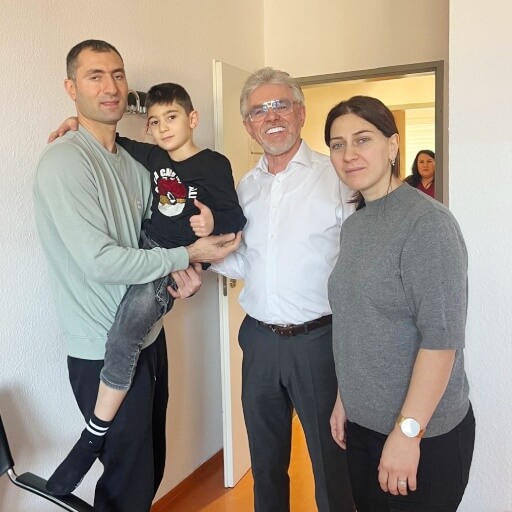
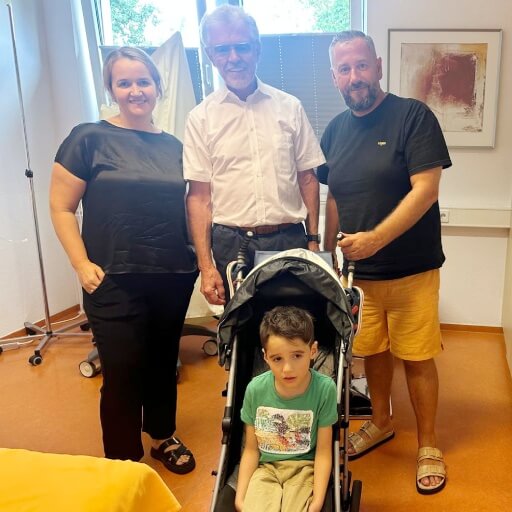
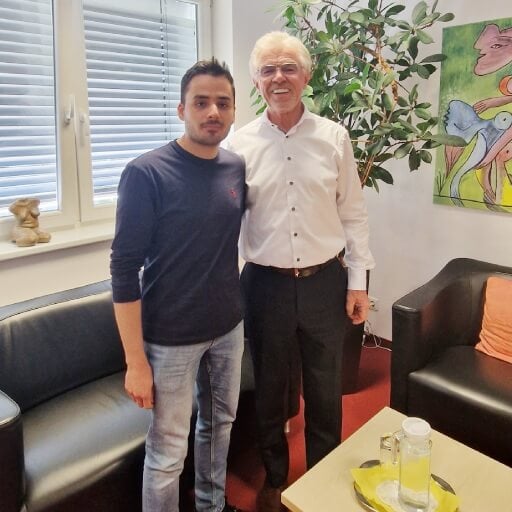
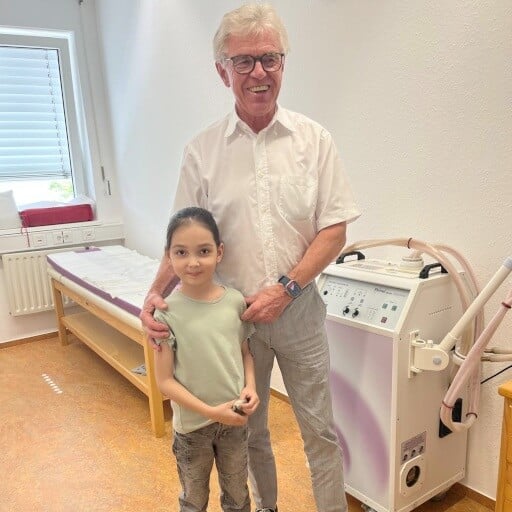
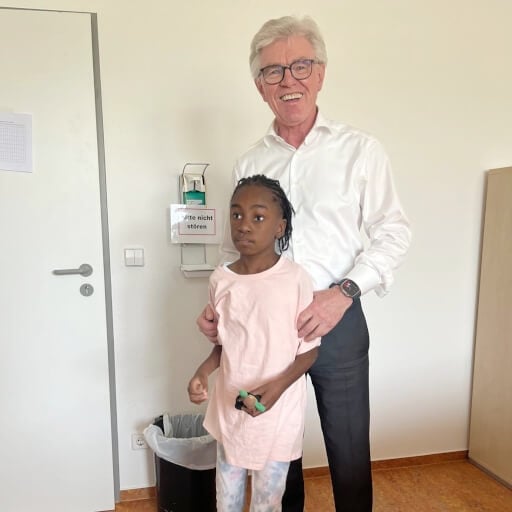
Get full treatment coordination supportReal Stories, Real Results: Meet Booking Health International Patients
Arranging treatment with Booking Health
In order to send your child for autism treatment abroad, you can contact our managers. They will help to find the correct medical center for autism treatment and the expert, suitable especially for your case.
Also our company will take care of:
- Issuing an invitation for treatment and a medical visa
- Booking tickets and hotel (for outpatient treatment), airport transfer
- Insurance for your medical program
- Independent external control of treatment by Booking Health doctors
- Services of interpreter
- Translation of your medical records
- Maintaining contact with the attending physician and hospital after returning to the native country
- Organization of additional examinations and treatment, if necessary
When you arrive at a foreign hospital, a personal medical coordinator will always be in touch with you. You can contact him for medical and other issues. With Booking Health you will feel the attention and care of yourself.
Returning home is the moment most international treatments lose continuity, because the local pediatrician is now reading clinical notes written for a German colleague — who is no longer in the room. The line in the list about maintaining contact with the attending physician after the child is back home is what prevents that gap. In practice it means a Booking Health coordinator forwards questions, lab results, and behavioral updates to the treating team in Germany throughout the months that follow — and brings the answers back in a form the local doctor can use. The benefit is not theoretical. It is the difference between a follow-up plan that lives on paper and one that actually stays active across borders for a year.
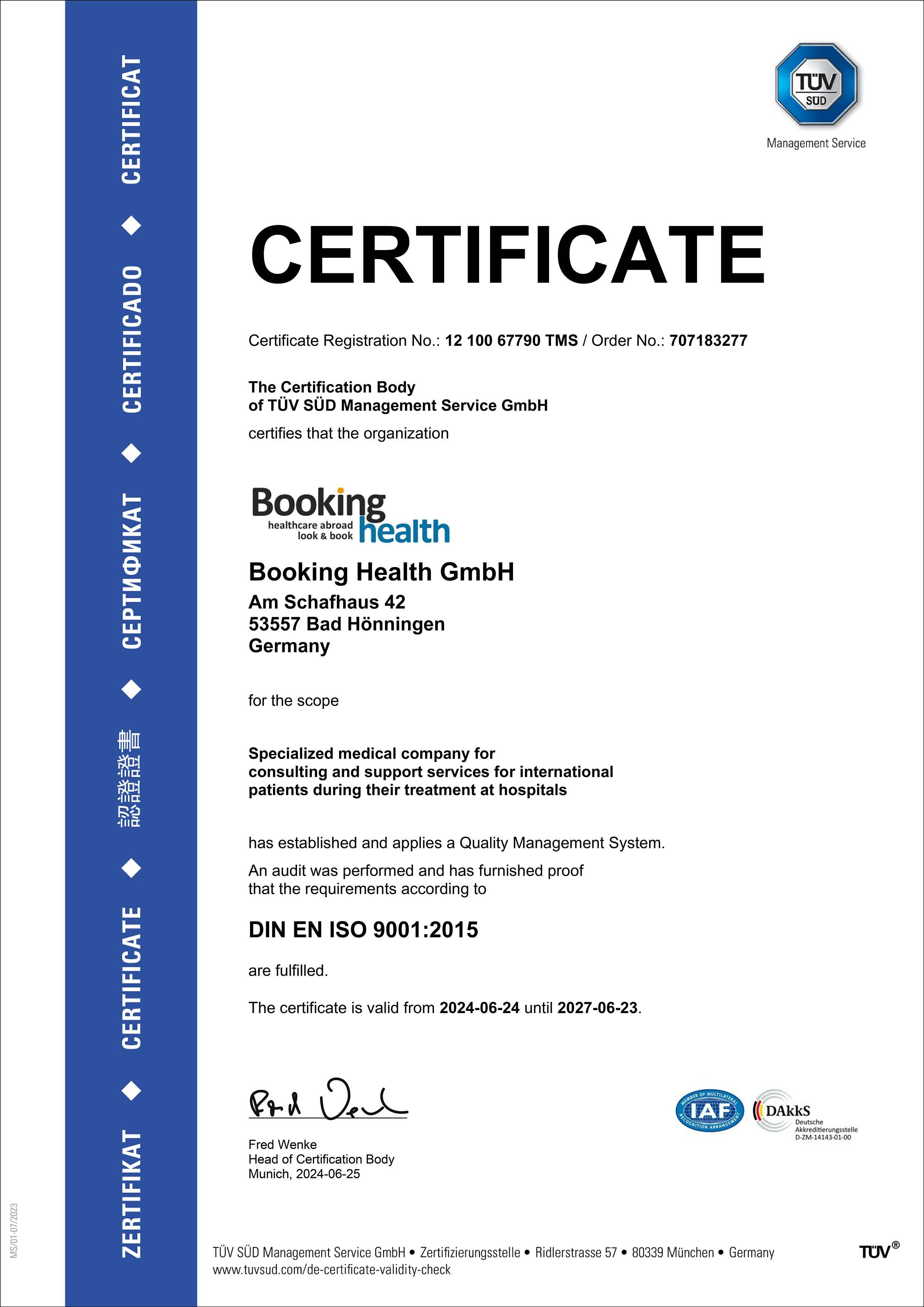
Booking Health holds ISO 9001 quality certification, reflecting well-established processes and strict quality control at every stage of the treatment journey — not just at the initial consultation, but throughout.

Choose treatment abroad and you will for sure get the best results!
Sources:
01. Min Wang, Xiaozhuang Zhang, Liyan Zhong, Liqin Zeng, Ling Li, Paul Yao. Understanding autism: Causes, diagnosis, and advancing therapies. Brain Res Bull. 2025 Jul:227:111411. doi: 10.1016/j.brainresbull.2025.111411. Epub 2025 May 29. [DOI] [PubMed]
02. Holly Hodges, Casey Fealko, Neelkamal Soares. Autism spectrum disorder: definition, epidemiology, causes, and clinical evaluation. Transl Pediatr. 2020 Feb;9(Suppl 1):S55–S65. doi: 10.21037/tp.2019.09.09. [DOI] [PMC free article]
03. Jinan Zeidan, Eric Fombonne, Julie Scorah et al. Global prevalence of autism: A systematic review update. Autism Res. 2022 Mar 3;15(5):778–790. doi: 10.1002/aur.2696. [DOI] [PMC free article]
04. Alan D Kaye, Kaitlyn E Allen, Van S Smith III et al. Emerging Treatments and Therapies for Autism Spectrum Disorder: A Narrative Review. Cureus. 2024 Jul 2;16(7):e63671. doi: 10.7759/cureus.63671. [DOI] [PMC free article]
Read:
01. The cost of treatment in Germany