On this page, discover costs of treatment and top specialized hospitals in Germany for liver metastases. For in-depth innovative treatment information, follow the link below.
Share a few details about your case and, within 24 hours, our medical team will send you a tailor‑made cost breakdown and the fastest treatment schedule — no hidden fees, no commitment, just clear numbers, and expert guidance for your specific situation.
Hospitals for Liver Metastases Treatment in Germany
Each hospital in this list meets Booking Health’s strict international standards: at least 250 surgeries per year, ISO‑certified quality management, and documented survival outcomes. Our medical board then ranks the clinics by clinical expertise, technology, and patient‑satisfaction scores.
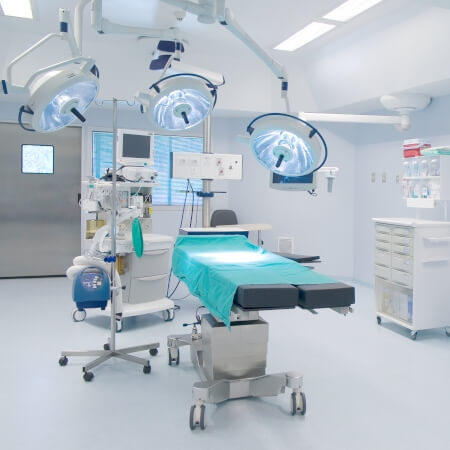
The Meoclinic Hospital Berlin is one of Germany's most renowned multidisciplinary private hospitals offering top-class and patient-centered medical care. The hospital opened its doors to patients back in 2000 and today is deservedly proud of its vast experience. It has 28 specialized departments, each of which is responsible
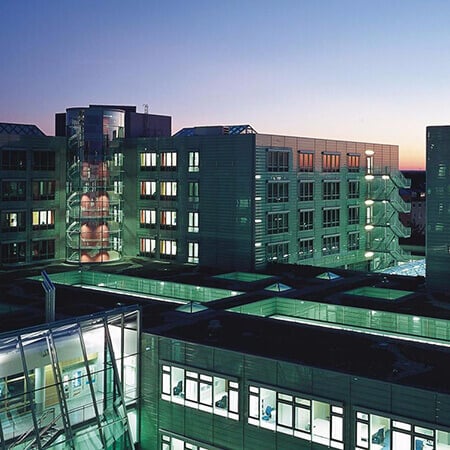
According to the reputable Focus magazine, the Nuremberg Hospital ranks among the top German medical facilities! The hospital is one of the largest, highly specialized medical centers in Europe and positions itself as the maximum care hospital. The healthcare facility is an academic hospital of the Paracelsus Medical University
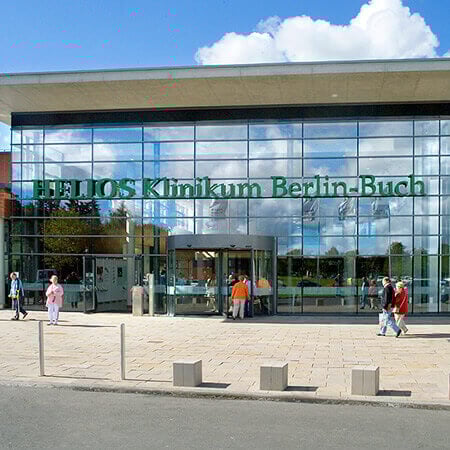
According to the reputable Focus magazine, the Helios Hospital Berlin-Buch ranks among the top medical facilities in Germany! The clinic is proud of its rich history, which dates back over 100 years, as well as the status of a maximum care medical center with exceptionally high success treatment rates. The medical institution is
Secondary liver cancer, or metastatic liver disease, develops when malignancies spread to the liver from other areas of the body. In most cases, liver metastases indicate advanced cancer, i.e. stage IV cancer. Primary tumors of the kidneys, stomach and pancreas, rectum and colon, uterus and appendages, breasts, and lungs are most likely to cause secondary liver cancer. Given the variety of possible primary tumors, the treatment of liver metastases is usually a medical challenge. However, secondary liver cancer treatment in Germany offers many modern medicines and treatments, so remission is possible for some patients.
Making an accurate diagnosis of secondary liver cancer is extremely important in planning the subsequent liver cancer treatment. In fact, it is necessary to examine all body organs to find the primary neoplasm and malignancies that have spread to the liver. Laboratory examination is also conducted to assess a patient’s health status.
The diagnostics begins with the collection of anamnesis. This includes discussion of the history of oncological and gastroenterological disorders in the patient or his family members. To diagnose liver metastases, the doctor may also need information about exposure to radiation or chemicals, working conditions, etc. After collecting an anamnesis, a physical examination, instrumental procedures and laboratory analyses are performed to detect tumors that have spread to the liver.
Diagnostics of secondary liver cancer in Germany includes the following laboratory and instrumental procedures:
Blood tests for the liver function assessment
Abdominal ultrasound scan
Abdominal CT scan and / or MRI
Abdominal angiogram (if required)
Diagnostic laparoscopy with biopsy
Laparoscopy allows doctors to take a liver tissue sample. The sample of tissue suspicious for cancer spread to the liver is examined in the laboratory. Immunohistochemical and histological laboratory tests are aimed at determining the type of tumor that has spread to the liver, presence of genetic mutations, sensitivity to medicines, etc.
Depending on the results of the initial examination, surgery (liver resection), radiofrequency or alcohol ablation, embolization with chemotherapeutic or radioactive drugs, as well as systemic secondary liver cancer treatment may be used.
Surgical interventions in patients with liver metastases
Surgical resection is indicated to the selected group of patients with secondary liver cancer. Efficacy of the surgical treatment depends on few criteria:
The size and number of loci in metastatic liver cancer.
The primary tumor localization. For example, in patients with bowel cancer, liver metastases are often treated with surgery.
The degree of the primary tumor medical control. Liver surgery is performed at the stage of remission and not in the case of tumor’s that has spread to the liver active progression.
The spread of the malignant process outside the liver, the presence of secondary lesions in other organs.
Surgery for the treatment of liver cancer is called hepatectomy or liver resection. Hepatectomy may include removing a part of the liver or the entire organ (total hepatectomy). When a part of the liver is removed, the rest of the organ regenerates and maintains normal liver function.
The process of regeneration takes few months. To facilitate it, surgeons may block a corresponding branch of the portal vein for several weeks before performing the liver resection. When the entire liver is destroyed and there are no healthy hepatocytes left for regeneration, a liver transplant is performed.
Leading German Expert Prof. Oldhafer on Breakthroughs in Liver Surgery
Treating liver metastases with alcohol ablation
Alcohol ablation for liver cancer treatment is an image-guided interventional medical procedure. It has demonstrated efficacy in the therapy of liver malignancies under 5 cm in size, including primary liver tumors and liver metastases. In most cases, these are patients in whom breast cancer, colorectal cancer, or endocrine tumors have spread to the liver. Alcohol ablation therapy candidates with metastatic disease must meet such requirements:
Presence of no more than 3 malignant loci, both primary cancer and secondary ones
Clear margins of each locus, a fibrous capsule around them
Localization of each neoplasm deep inside the liver
Alcohol ablation is carried out under visual control. A surgeon uses ultrasound to guide the introduction of medical equipment precisely. When anesthesia is performed, the doctor introduces a thin needle into the target locus in the liver. Once the long needle is in the target region, a concentrated solution of alcohol is injected through it. The injected solution causes necrosis of the nearby tissues. To achieve the desired result of liver cancer treatment, the patient may have several repeated therapeutic interventions.
Alcohol ablation is also suitable for patients with metastatic cancer against the background of liver cirrhosis of different etiology. Moreover, if the healthy hepatocytes have signs of cirrhosis, then they are more stable to the damaging action of concentrated alcohol.
This treatment option is not suitable for patients with acute or chronic liver failure, as patients with impaired liver function do not tolerate it well.
Treating liver metastases with radiofrequency ablation
Liver cancer treatment with radiofrequency ablation destroys malignant foci directly, but without invasive surgery. When compared to the conventional open surgery, radiofrequency ablation is less likely to cure the disease completely. However, it has been proved that the intervention results in better quality of life and survival of patients.
Few types of physical ablation are used for liver cancer treatment. In Germany, the following techniques are used:
Radiofrequency ablation. High energy radio waves are used for controlled medical destruction of malignant loci in the liver.
Cryoablation (cryotherapy). Cryoablation uses low temperatures for freezing and destroying cancer cells.
Microwave ablation. Microwave ablation, on the other hand, uses the energy of electromagnetic waves for controlled and targeted heating of liver lesions.
Regardless of the ablation type, this type of liver cancer treatment in Germany involves inserting a needle-like probe or needle directly into the malignant liver locus. To make the procedure more safe and convenient for the patient, reliable anesthesia is applied. High procedure accuracy is ensured by visual control of computed tomography or ultrasound.
When a needle-like probe or needle is inside the liver tumor, electromagnetic waves, cold gases, or radio waves pass via it. After treatment completion, the patient stays in the general ward. Usually, a procedure is tolerated well, and a patient may leave a hospital the same day.
Treatment of liver metastases with hyperthermia
Heat destroys what medications and interventions alone cannot reach. Hyperthermia elevates cancer tissue of tumors that have spread to the liver to 42-45°C – temperatures that trigger cell death in malignant foci while sparing healthy liver tissue. Cancer cells lack sufficient oxygen, making them vulnerable to thermal stress.
Two approaches target liver metastases. Local deep hyperthermia concentrates heat on specific liver tumor areas for 60-120 minutes, delivered as outpatient treatment. Whole-body hyperthermia heats the entire body except the head to 38.5-40.5°C over 2-2.5 hours. Both methods serve as powerful adjuncts to chemotherapy and radiation therapy.
The mechanism is elegant: at temperatures above 40°C, heat shock proteins flood the system – activating anti-cancer immunity and marking malignant cells for destruction by the body's killer cells. Push beyond 42°C, and programmed cell death begins.
German Cancer Aid ranks hyperthermia 4th among cancer treatments for good reason. It increases drug sensitivity by improving liver tumor blood supply. Thus, chemotherapy doses can be reduced. And radiation damage to cancer cells becomes irreversible, blocking their regenerative enzymes. The method is a virtual safety with proven results.
Treatment of liver metastases with percutaneous embolization
The medical procedure "embolization" refers to the manipulations on the hepatic artery. As the large blood vessel, the hepatic artery feeds the liver and foci of the malignancies that have spread to the liver within it. Selective embolization leads to reduced blood supply of liver metastases; lack of nutrients and oxygen causes metastasis suppression or even disappearance. Combined therapeutic procedures are also used for liver cancer treatment in Germany, with additional introduction of radioactive or chemotherapeutic substances:
Transarterial embolization (TAE) begins with a small skin cut in the groin. A catheter is inserted into the femoral artery through it. Gradually, the catheter is directed closer to the liver; it reaches the blood vessel feeding the malignant neoplasm. Once the medical device enters the target artery, foam or oily liquid is injected through it. The introduced substances cut-off the vessel from the systemic circulation, while sparing blood supply to the healthy parts of the liver.
When performing DEB-TACE and TACE, the embolization is complemented by injection of a chemotherapy drug into the blocked vessel. A high local concentration of the chemotherapy drug is achieved without damaging healthy liver. However, treatment options should be selected individually, as in cancer liver metastases from NETs, TAE is even superior to TACE. In such patients TAE has slightly better tolerability and comparable anti tumor effect on malignancies that have spread to the liver.
Prof. Kovács: Why TACE Doubled Cancer Survival – What Patients Need to Know
Treatment of liver metastases with radiation therapy
In Germany, radiation therapy is not a first-line liver cancer treatment because a healthy liver is very sensitive to radiation. If a patient has liver cirrhosis or hepatitis, he is also not a candidate for radiation therapy. Thus, the possible risks and benefits are assessed individually before starting treatment. For most patients, radiation therapy is only part of a combination regimen for liver cancer.
Radiation therapy is performed in three different modes:
Selective internal radiation therapy (SIRT) is also called radioembolization. It is performed as a routine embolization. Unlike a routine embolization, SIRT involves the injection of radioactive microspheres before the hepatic artery is blocked. In SIRT, healthy hepatocytes remain safe.
External beam radiation therapy (EBRT) uses radiation sources outside the patient's body. EBRT resembles an X-ray examination, but higher radiation doses are used. This type of treatment usually takes few weeks, because the patient receives small doses of radiation daily.
Stereotactic body radiation therapy (SBRT) reduces radiation damage to healthy liver tissues. In SBRT, beams of radiation are precisely focused on the malignant liver area. Compared to EBRT, SBRT has a shorter course, because higher radiation doses are used daily.
Systemic treatments for liver metastases
Systemic treatment is carried out orally or intravenously. The term "systemic" means that the medical agent is present in the systemic circulation and is able to reach metastases not only in the liver, but also in all organs. Depending on the type of the medical agent, systemic treatment plan includes:
Chemotherapy. The most effective approach is to use a combination of chemotherapy drugs. In patients with cancer liver metastases, the response to any chemotherapy regimen is usually poor.
Immunotherapy. These medical agents affect proteins that are important for recognizing malignant cells and attacking tumors. Thus, a patient's own immunity is boosted.
Hormone therapy. When the primary cancer is hormone-sensitive (for example, in patients with breast cancer or prostate cancer), hormone therapy is also effective for the treatment of cancer liver metastases.
Targeted medicines. These include PARP inhibitors, monoclonal antibodies, angiogenesis and cancer growth blockers. Targeted medicines act against particular tumor antigens or conditions that are required for tumor survival and spreading.
Novel immunotherapy for liver metastases – dendritic cell vaccination
When standard treatments fail – surgery, chemotherapy, radiation therapy exhausted – dendritic cell vaccination emerges as a method that harnesses the body's own immune system to attack malignant cells.
The dendritic cells immunotherapy transforms a patient's blood into personalized medicine. The process begins with 200 mL of blood, from which immature dendritic precursor cells are isolated under laboratory conditions. These cells mature in an incubator. Here, they multiply under the influence of nutrient solutions and growth factors. The critical step: autologous tumor antigens from the patient's own tumor tissue / blood are added during early maturation stages.
Day 7 is for quality control: flow cytometry assesses cell viability and count. The mature dendritic cells are then loaded into syringes and injected subcutaneously into the groin area. Vitamin infusions for support complete the outpatient procedure.
Dendritic cells migrate to lymph nodes. There, they activate cytotoxic T-lymphocytes, killer cells programmed to destroy pathogens. These activated T-killers memorize tumor characteristics, then spread through the bloodstream searching for cancer cells. Destruction follows recognition, and the immune memory may be lifelong.
The 2011 Nobel Prize in Medicine was awarded to the dendritic cells’ role discoverer, American immunologist Ralph Steinman.
Prof. Gansauge: The Power of Dendritic Cell Therapy in Cancer Treatment
Leading German hospitals and cost of treatment
Liver cancer clinics must have modern equipment for accurate diagnostics, access to novel drugs and treatments, and highly qualified personnel. These hospitals are the most well-known regarding liver cancer treatment in Germany:
University Hospital of Ludwig Maximilian University of Munich
University Hospital Duesseldorf
University Hospital Carl Gustav Carus Dresden
University Hospital Jena
University Hospital Ulm
The cost of treatment depends on the procedure chosen. The approximate cost of treatment with liver metastases surgery, ablation, radiation therapies, and systemic drugs are listed below:
Price for dendritic cell vaccination – 20,000-38,000 EUR
Once treatment in Germany is completed, a patient may return to his native country and stay under remote supervision of his attending physician. If necessary, a patient may come to Germany again, for the control examination, repeated treatment course or rehabilitation.
Treatment of liver cancer in Germany with Booking Health
After being diagnosed with cancer liver metastases, a patient can receive modern treatment in any country and any hospital. The international provider of medical tourism Booking Health helps with this. Booking Health takes into account all the features of the treatment of liver metastases and offers assistance in:
Choosing the healthcare facility according to the specialization in liver cancer treatment and success rates
Making appointment or booking date of hospital admission
Skipping long waiting lists
Explaining procedures included in the medical program
Excluding unnecessary medical procedures from the treatment plan
Providing fair cost of treatment, without fees for foreign patients (saving up to 50%)
Help in buying necessary medicines
Communicating with clinic and physician after the program completion
Cost of treatment control and return of unspent funds
Arranging additional medical procedures, if necessary
In addition, Booking Health offers non-medical services of the highest level. These are transfer, booking accommodation and tickets, interpreting services, etc.
Start planning cancer treatment in Germany from leaving the request on the Booking Health website. After receiving and examining the request, a medical advisor or patient case manager will contact you for further guidance.
What are liver metastases and how are they treated in Germany?
Liver metastases are secondary liver cancer; it develops when malignant cells spread here from elsewhere. Liver metastases treatment in Germany includes surgery, minimally invasive interventions (ablation, embolization), radiation therapy, systemic medications, and innovative methods – hyperthermia and dendritic cell vaccination.
Which German hospitals specialize in liver metastasis treatment?
The best hospitals for liver metastases in Germany are University Hospital of Ludwig Maximilian University of Munich, University Hospital Duesseldorf, University Hospital Carl Gustav Carus Dresden, University Hospital Jena, and University Hospital Ulm.
How much does liver metastases treatment cost in Germany?
Treatment cost depends on the procedure: ablation starts from 8,000 EUR, surgery from 24,500 EUR, vaccination with dendritic cells – from 20,000 EUR. Booking Health helps patients avoid extra fees and pay bills at local prices.
What are the most effective treatment options for liver metastases?
The most effective metastasis therapies include surgery, ablation techniques, TACE, hyperthermia, systemic treatments, dendritic cell vaccines and combination approaches.
Is surgery always required to treat liver metastases?
Surgical removal is not always required. Alternatives are ablation, embolization, radiation therapy, chemotherapy, immunotherapy, and targeted medicines – all methods are tailored to a patient’s condition.
What types of cancer commonly cause liver metastases?
These are tumors of the kidneys, stomach, pancreas, rectum, colon, uterus, breasts, and lungs. Colorectal cancer causes secondary liver malignancies particularly often.
Can targeted therapy or immunotherapy be used for liver metastases in Germany?
Yes, targeted therapy for liver metastases includes medications from the groups of PARP inhibitors, monoclonal antibodies, and angiogenesis blockers. Immunotherapy with dendritic cells is even more effective as it activates the immune system to destroy malignant cells.
Can Booking Health assist with arranging liver metastases treatment in Germany?
Booking Health facilitates access to advanced liver metastases treatments: radiofrequency ablation, chemoembolization, hyperthermia, chemotherapy, and dendritic cell vaccination. Moreover, the Booking Health team helps choose hospitals, skip waiting lists, reduce costs, and coordinate all aspects of care in Germany.
Authors:
This article was edited by medical experts, board-certified doctors Dr. Nadezhda Ivanisova, and Dr. Bohdan Mykhalniuk. For the treatment of the conditions referred to in the article, you must consult a doctor; the information in the article is not intended for self-medication!
Our editorial policy, which details our commitment to accuracy and transparency, is available here. Click this link to review our policies.
Contact Us
Booking Health guarantees
Analysis of statistics and selection of the best clinic
Fixed final price (additional costs will be covered by insurance)
One year of medical support by your attending physician after the treatment
thanks for your request.
Within 1 working day, a medical advisor will study your request and contact you by phone (German or your local number will be displayed).
This call is free for you.
Booking Health guarantees
Analysis of statistics and selection of the best clinic
Fixed final price (additional costs will be covered by insurance)
One year of medical support by your attending physician after the treatment
Select your currency:
Your guarantee
One year of support after the treatment
Insurance to cover unforeseen expenses arising from complications during and 48 months after treatment (coverage up to 200,000 €)
Reduced costs by 40-70% (contracts with Hospitals)
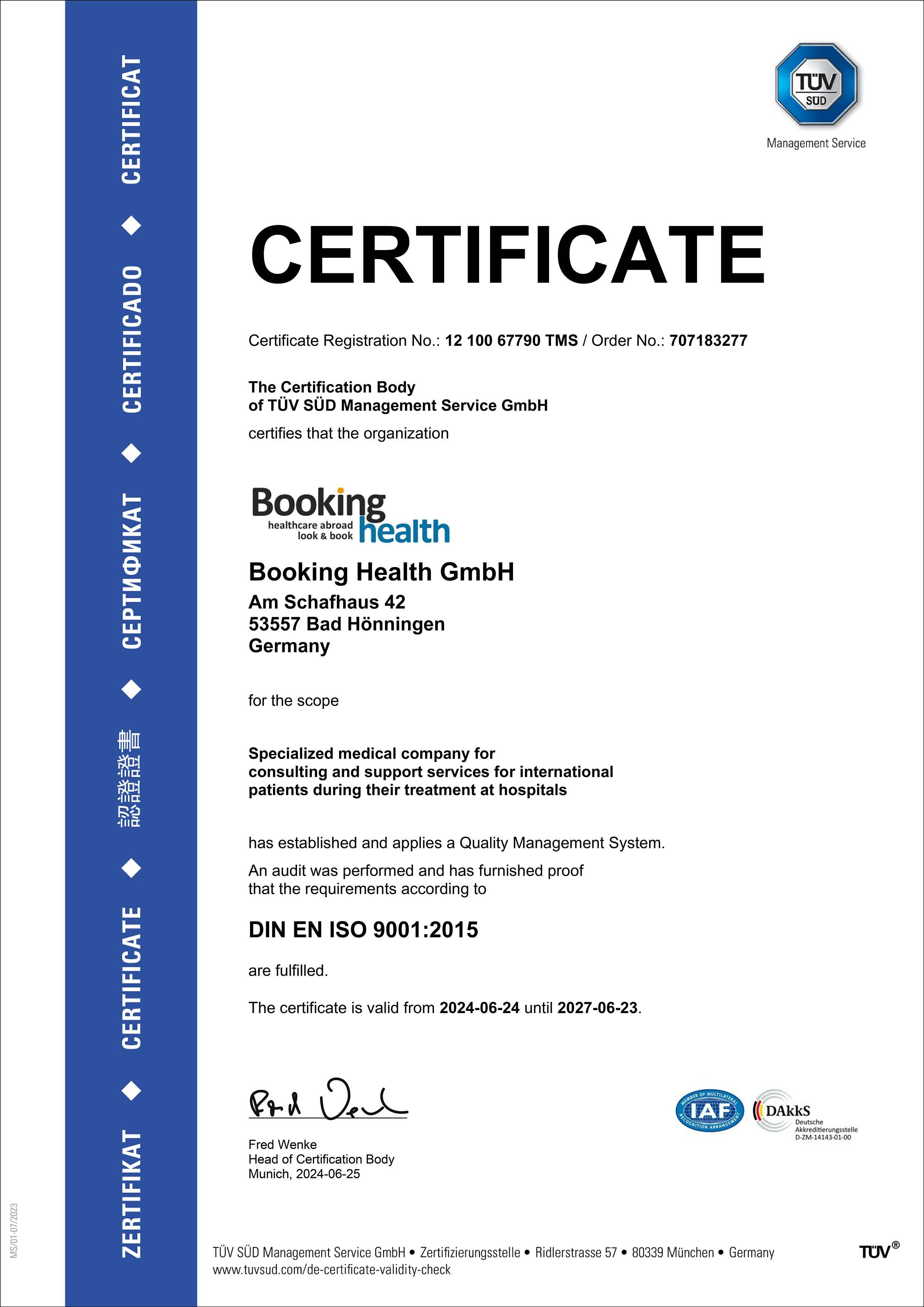
In addition, we are the only TÜV-certified company with an ISO 9001:2015 certificate
thank you for reaching out! One of our medical advisors is currently reviewing your details. You can expect a call from us within one business day to discuss your request.
Note: The incoming call will appear as a German number or your local area code. This call is entirely free of charge.
Booking Health guarantees:
Expert Placement
We use rigorous statistical analysis to ensure you are treated at the best-rated facility for your specific diagnosis.
Total Cost Protection
No hidden fees or unexpected bills. We provide a fixed price guarantee, backed by insurance that covers any additional complications.
12-Month Extended Care
Your recovery is our priority. Benefit from a full year of direct medical support following your procedure.