Diagnosis of the prostate cancer with PSMA-PET in University Hospital Tuebingen
University Hospital Tuebingen
Tuebingen, Germany


 BookingHealth Price from:
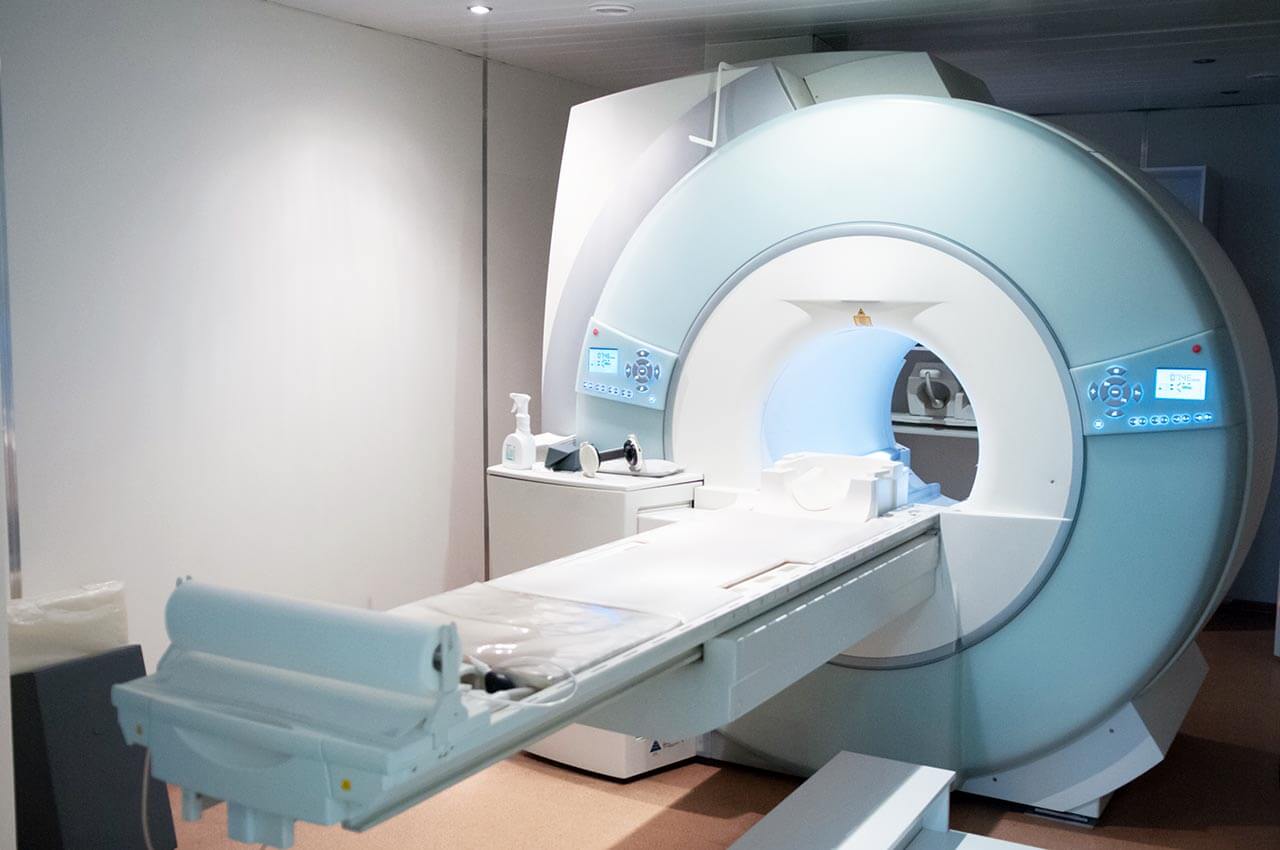
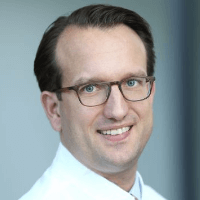
The Department of Nuclear Medicine and Clinical Imaging Diagnostics at the University Hospital Tuebingen offers the full range of radioisotope diagnostics and treatment of various diseases. The department is headed by Prof. Dr. med. Christian la Fougère.
Both classical diagnostic methods, for example, scintigraphy, SPECT and innovative hybrid techniques, for example, PET-CT, PET-MRT, SPECT-CT are available in the department, which allow to detect metabolic changes at the early stages of various diseases, as well as their localization in the human body. In addition, the department's doctors specialize in radiotherapy for the treatment of oncopathologies.
The diagnostic range of the department covers:
The therapeutic options of the department:
Professional Career
Scholarships, Awards and Administrative Functions
Photo of the doctor: (c) Universitätsklinikum Tübingen
The prestigious magazine Focus has placed the University Hospital Tuebingen among the top German hospitals for many consecutive years. Of course, there are numerous reasons for that: state-of-the-art technologies for the diagnostics and treatment of a variety of medical conditions, including extremely complex ones, highly experienced personnel with extensive professional skills, and overall comfortable infrastructure intended for a patient-friendly service.
Founded in 1805, the University Hospital Tuebingen has achieved significant milestones throughout its existence, successfully combining medical practice with innovative scientific research. Today, it is one of the most advanced facilities, capable of providing a wide range of general and highly specialized medical services.
The hospital offers diagnostics and treatment within 17 specialized departments, covering most branches of modern medicine. The primary focus of clinical practice is on oncology, rheumatology, transplant medicine, neurology with advanced stroke management, cardiology and heart surgery, including pediatric care in these fields, and epilepsy surgery. The University Hospital Tuebingen takes pride in its unmatched experience in providing medical care to individuals with rare conditions.
Overall, the hospital treats approximately 438,500 outpatients and provides inpatient care for over 75,000 people. There are 1,658 beds here to accommodate patients. An enormous interest and a high credit of trust from patients makes this university hospital one of the main players on the national and international medical arena.
The University Hospital Tuebingen is certified in accordance with KTQ and ISO 50001: 2018 standards, which further testifies to its exceptional level of medical care with outstanding treatment results and great patient satisfaction rates.
Photo: (с) depositphotos
The patients of the University Hospital Tuebingen live in comfortable single and double rooms with an ensuite bathroom equipped with a shower and toilet. The beds in the patient rooms are equipped with orthopedic mattresses that promote good and full sleep. There is a TV in the room, and it is also possible to connect a smartphone or laptop to the Internet. In addition, there is enough space in the patient room to receive 2-3 guests without inconvenience for the second patient.
The enhanced-comfort rooms include a hairdryer, heated towel rail, a large mirror, a direct dial telephone, a flat-screen satellite TV, a writing desk, free Internet access, a mini-bar and a refrigerator.
The patients of the hospital are offered tasty and healthy three meals a day: breakfast, lunch and dinner. Breakfast is served as a buffet, while for lunch and dinner there is a choice of several menus. Also, if desired, the patient will be provided with an individual menu. There are several cafes and cafeterias on the territory of the hospital, where one can have a tasty meal or enjoy a cup of coffee, tea and dessert.
Standard rooms include:
Religious services are available upon request.
During the inpatient program, an accompanying person can stay with you in a patient room or in a hotel of your choice.
During the outpatient program, you can stay in a hotel of your choice. Our managers will help you choose the most suitable option for you.