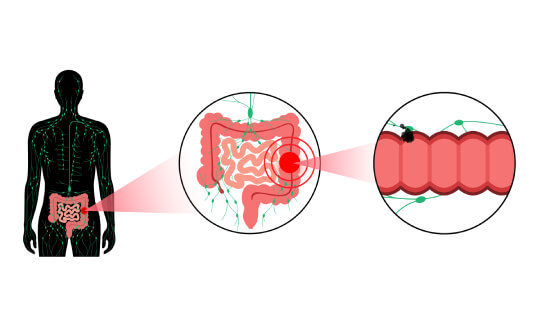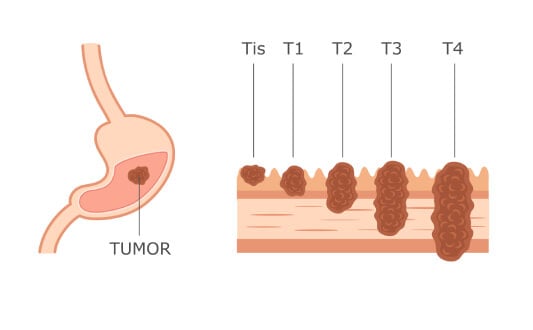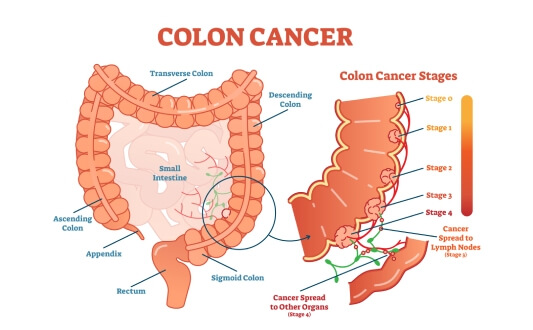





Gastrointestinal neuroendocrine tumors (GI NETs) are a type of malignancy that grows from neuroendocrine cells that are located in the wall of the intestinal tract [1]. These tumors can produce hormones and have different behaviors, from indolent to aggressive forms [1].
There has been a growing incidence of cases of gastrointestinal neuroendocrine tumors worldwide over the past few decades [1]. Based on data from the Surveillance, Epidemiology, and End Results (SEER) Program, the incidence of tumors has risen by over 500% since the 1970s, and GI neoplasms account for the majority of those cases [1].
The growing incidence and the availability of diagnostic tools allowed for the development of innovative therapy options. Each year, more and more patients seek advanced treatment abroad, and Germany stands out among other countries. This is because of advanced healthcare facilities, international certifications, and years of experience in managing complex cancer cases.
The use of modern therapies, such as peptide receptor radionuclide therapy (PRRT) with Lutetium-177 and dendritic cell-based immunotherapy, has transformed the field of cancer care, even for patients with advanced disease [8-10]. Many individuals can reach remission and long-term survival when a gastrointestinal neuroendocrine tumor is diagnosed early, and the treatment plan is tailored to their needs.
What Are Gastrointestinal Neuroendocrine Tumors?
GI NETs are tumors that originate from a cluster of cells referred to as neuroendocrine cells distributed all along the gastrointestinal tract. Neuroendocrine cells are cells that have a dual regulatory role of the nervous system and the endocrine system. NETs can grow in different organs, but the majority of them are found within the digestive system, known as gastrointestinal neuroendocrine tumors [2].
The GI NETs differ depending on their anatomical locations:
- Esophagus - rare but usually aggressive
- Stomach – type gastric neuroendocrine tumors (gastric NETs) are classified based on histology and clinical behavior
- Small bowel – the small bowel (jejunum and ileum) is a common site for midgut NETs
- Appendix – usually small and slow-growing, often found incidentally
- Colon – generally larger and more aggressive at the time of diagnosis
- Rectum – commonly diagnosed early by routine colonoscopy screening
- Pancreas – these are called pancreatic neuroendocrine tumors (PanNETs) and may be either functioning (hormone-producing) or non-functioning
There are several risk factors associated with the development of GI neuroendocrine tumors nets. The genetic syndromes that influence development include multiple endocrine neoplasia type 1 (MEN1), Von Hippel-Lindau disease, and neurofibromatosis type 1. Other factors are age (between 50 and 70 years), smoking, and chronic IG inflammatory conditions [2].
There are two broad divisions of gastroenteropancreatic neuroendocrine tumors: functional and non-functional types. Functional NETs secrete hormones such as serotonin and cause symptoms such as flushing and diarrhea (carcinoid syndrome). The non-functional NETs don't produce any active molecules and are often found when they cause mechanical obstruction of the bowel [2]. Although these advances have improved our ability to classify advanced disease, understanding tumor biology, in addition to classification, is crucial for reasoning and tailoring treatment options to improve clinical outcomes in this important area of malignant disease.
Neoplasms of these tissues are typically slow-growing, with symptoms such as pain, diarrhea and hormonal asymmetry appearing over a long period of time. This leads to late diagnostics, sometimes when the tumor already blocks the stool passage and causes acute mechanical bowel obstruction. Malignancies that are diagnosed at later stages also require more precise and personalized management in specialized hospitals.
With Booking Health, you, as a patient, can gain access to those facilities quickly. The initial consultation with our experts is performed within 24 hours of submission. If the case requires urgent care, our team coordinates treatment and travel within 48 hours. It is possible thanks to the direct collaboration with leading German clinics and the accurate matching of each case to the appropriate cancer center based on specific tumor characteristics.
CHECK IF A BETTER SOLUTION EXISTS FOR YOUSymptoms and Diagnosis of GI NETs
GI NETs are sometimes called "silent tumors" because of their low growth rate and asymptomatic presentation until they reach the advanced stage. The occurring symptoms also depend on whether the tumor is functional or non-functional, and the location of its growth [1, 3].
The malignancy often presents with flushing, diarrhea, and abdominal pain. Less common symptoms are wheezing and heart valve lesions, which are often signs of carcinoid syndrome caused by hormone secretion. When the tumor is larger, it can cause obstruction, bleeding, or weight loss [1, 3].
There are a lot of diagnostic tools that are available for the detection of gastrointestinal neuroendocrine tumors.
- Blood and urine tests. Some of the indicators of NETs include CgA (Chromogranin A) and 5-HIAA (5-Hydroxyindoleacetic acid).
- Endoscopy and colonoscopy. Visual inspection and biopsy are critical, especially for those located in the stomach, colon, appendix, and rectum.
- Imaging. Cross-sectional imaging modalities such as CT and MRI are used to assess the extent of disease. More sophisticated imaging modalities such as PET/CT with somatostatin analogs (e.g., Ga-68 DOTATATE) allow for high sensitivity in the detection of even small lesions (e.g., in the pancreas).
- Biopsy. Histological confirmation is critical, including immunohistochemistry for markers such as synaptophysin and chromogranin A.
Early diagnosis expands treatment options and improves outcomes for patients with gastric and other gastrointestinal NETs [1, 3]. Also, the classification of NETs by grade and differentiation influences the management strategy.
Standard Treatment Options for Gastrointestinal Neuroendocrine Tumors in Europe
Surgery is among the essential procedures for localized neuroendocrine tumors. Complete resection in the early stages provides prolonged long-term survival and possible cure. Different types of surgery are performed depending on the location of the malignancy. Partial or total gastrectomy is indicated for gastric NETs; tight segmental resection of small bowel tumors with normal resection margins for intestinal and colonic noneuroendocrine tumor syndromes. For functional NETs, the role of surgery is primarily twofold: it directly reduces hormone production (symptom control) and tumor burden [4, 5].
Chemotherapy is used for high-grade neuroendocrine carcinomas, which are poorly differentiated. These tumors are aggressive and responsive to cytotoxic agents. In metastatic cases where rapid disease control is necessary, chemotherapy can be a valuable option for advanced well-differentiated NETs [1, 4-6].
Hormonal medications, in particular somatostatin analogs (SSAs), are used to slow the progression of hormone-producing tumors. SSAs bind to somatostatin receptors on the tumor cell and reduce its hormone secretion and overall growth. They are especially beneficial for patients with gastric and midgut NETs and provide symptom relief and extend progression-free survival [5, 7].
This complex and heterogeneous group of tumors requires precise management with a multidisciplinary board assessment and a treatment plan combining standard and innovative procedures such as surgery, targeted therapy, somatostatin analogs, radionuclide therapy, or systemic treatments.
Booking Health’s medical experts have over 20 years of experience. Their ISO 9001 quality certification enables them to connect patients with experienced multidisciplinary teams specializing in neuroendocrine tumors.
Get full treatment coordination supportInnovative and Targeted Therapies for Gastrointestinal Neuroendocrine Tumors
Lutetium-177 PRRT: Peptide Receptor Radionuclide Therapy for Gastrointestinal Neuroendocrine Tumors
Peptide receptor radionuclide therapy (PRRT) with Lutetium-177 (Lu-177) is developed as a precise targeted treatment for patients with advanced functional GI NETs that overexpress somatostatin receptors. The radioactive isotope Lu-177 is bound to a somatostatin analog (such as DOTATATE). It attaches to tumor cells and delivers localized radiation directly, without harmful effects on surrounding healthy tissues [8].
The NETTER-1 study confirmed the effectiveness of PRRT. Patients with advanced midgut NETs were treated with Lu-177-DOTATATE and experienced a 79% reduction in the possibility of disease progression and death when compared to individuals who received high-dose octreotide LAR alone [8]. This research also showed the median progression-free survival (PFS) of ~30 months in the PRRT group versus 8.4 months in the control group [8].
Also, the German multi-center real-world registry study showed the median PFS of approximately 41 months and a median overall survival of about 59 months in patients treated with Lu-177-DOTATATE [9].
Dendritic Cell Therapy for Gastrointestinal Neuroendocrine Tumors
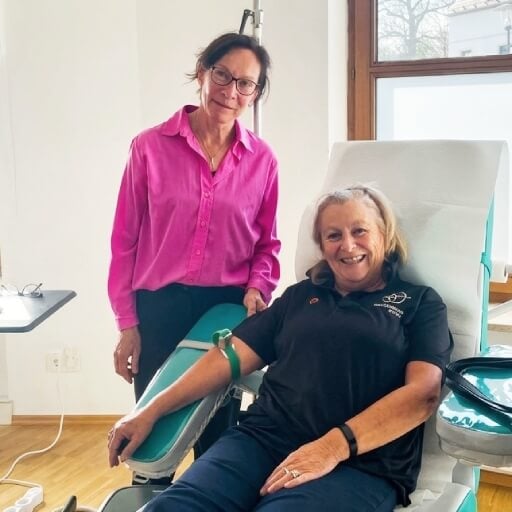
Dendritic cell therapy is a modern type of immunotherapy that stimulates patients' own immune systems to target and destroy cancer cells. Dendritic cells are the first-line antigen-presenting cells responsible for initiating the immune response against bacteria, viruses, and malignancies. For this therapy, the cells are obtained through a blood draw with further laboratory processing and education with the patient's own tumor antigens. Then the vaccine is reintroduced into the body and starts "training" the immune system to actively destroy cancer cells [10].
This innovative therapy was developed based on the discovery of dendritic cells by Ralph Steinman, who was awarded the Nobel Prize in Physiology or Medicine in 2011. His research gave a start to the creation of vaccines for cancer and other diseases that can be treated with the body's natural defenses [10].
Dendritic cell therapy for NETs has been shown to be effective in several studies, which reported disease stabilization in 30% – 40% of patients receiving vaccines [10].
Interventional Radiology for Gastrointestinal Neuroendocrine Tumors
Transarterial Chemoembolization (TACE) refers to a minimally invasive treatment aimed at targeting liver metastasis from cancers, such as gastrointestinal neuroendocrine tumors. The process begins by administering chemotherapy directly into the tumors of the liver through the hepatic artery, which is followed by the procedure of embolization. This approach starves the tumor of nutrients and maximizes local chemotherapy exposure. Studies report that TACE achieves objective response rates of more than 90% and disease control rates up to 80% in NET liver metastases [11]. TACE is particularly useful for patients who are not candidates for surgical resection.
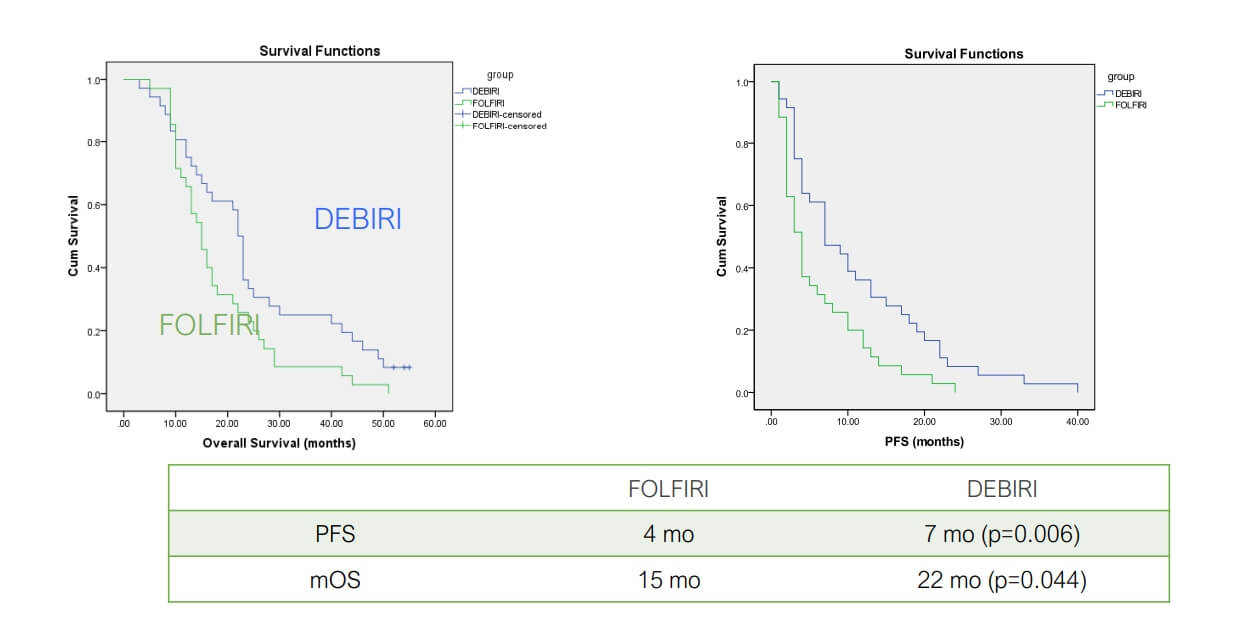
Fiorentini G et al Anticancer Res 2012;32:1387
Aliberti C et al Ancancer Res 2011;31:4581
Richardson A et al J Vasc Interv Radiol 2013;24:1209
Arterial Embolization (AE) – embolization without chemotherapy – is another option for liver-dominant disease. It focuses on obstructing the tumor's blood supply to induce ischemia. This method is generally considered less effective than TACE. But it can still be used for patients who cannot tolerate chemotherapy. It provides disease control from 60% to 70%, and carries almost no toxicity compared to chemoembolization [12].
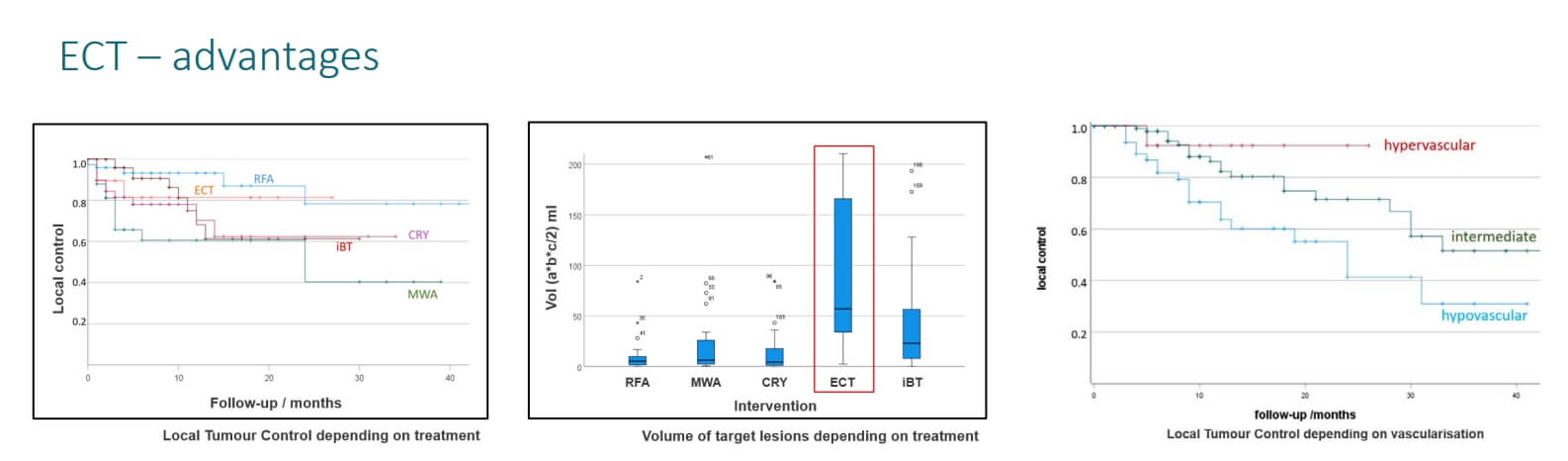
Radiofrequency Ablation (RFA) is another minimally invasive procedure that destroys tumor cells with high-frequency electrical currents that generate heat. It is mostly used for small (less than 3 cm) liver metastases in NET patients. The local control rate is about 80-90% when RFA is used in selected patients, especially if major surgery is not an option.
Microwave Ablation (MWA) uses microwave energy to increase the tissue temperature and create the ablation zone inside the tumor. This makes it more effective for larger malignancies. Data show that MWA provides a slightly higher local control than RFA, with about a 90% success rate for NET liver metastases.
Cryoablation, on the other hand, uses extremely low temperatures to freeze the tumor tissue, causing ice crystals to form within the cells and destroy them. It is most often used for tumors near critical structures, where the heat can cause collateral damage. Although there is not much data specific to GI NETs, it generally provides local control in 70 to 80 percent of patients with liver metastases.
Electrochemotherapy (ECT) is a technique that combines chemotherapy with electrical pulses to increase the permeability of the cell membrane, allowing more drugs to enter the cell. Although ECT is still under investigation for gastrointestinal neuroendocrine tumors, early data report disease control rates of 70-85%.
Innovative approaches such as dendritic cell therapy or Lutetium-177 radionuclide therapy will be able to assist the patient in obtaining incredible tumor control, possibly resulting in total regression. However, these options are only offered at limited facilities that may have a very long queue of international patients.
However, Booking Health is here to assist you in contacting the best clinics and highly qualified doctors. We can offer you comprehensive organizing and supporting services as well. All of this so you can focus on your health instead of worrying about organization.
FIND THE RIGHT SPECIALIST FOR YOUR CASEComparative Table: GI NETs Treatments Abroad
Booking Health data
| Therapy type | 2-Year Survival Rate | Response Rate | Duration | Side Effects |
|---|---|---|---|---|
| Standard Treatment | ~25% for advanced cancer | Less than 10% | Several cycles | Severe (nausea, fatigue, hair loss, immunosuppression, skin irritation) |
| Innovative Methods | ~60% for advanced cancer | 45-65% | Up to 4 sessions | Mild (localized discomfort) |
Medical Procedures Costs Around the World for GI NETs
Prices may vary depending on the course of treatment and tumor characteristics
| Treatment Method | GERMANY | GB | USA |
|---|---|---|---|
| Standard Treatment | €80,000 - €150,000 full course | €90,000 - €165,000 full course | €100,000 - €180,000 full course |
| Innovative Methods | €25,000 - €60,000 full course | €70,000 - €120,000 full course | €100,000 - €150,000 full course |
Treatment Options for Gastrointestinal Neuroendocrine Tumors Abroad
For many patients diagnosed with gastrointestinal neuroendocrine tumors, seeking treatment abroad can offer access to more advanced and personalized care compared to what is available domestically. In several countries, especially in parts of Europe, treatment protocols may be limited by slower approval processes for new therapies or by restricted access to advanced technologies.
However, Germany, being one of the top countries in Europe, offers patients new developments like PRRT using Lutetium-177, interventional radiology, as well as customized immunotherapy, which includes dendritic cell therapy. The medical facilities in Germany are integrating advanced diagnostics like Ga-68 DOTATATE PET/CT imaging and, with a multidisciplinary approach, create a personalized treatment plan for each patient.
Furthermore, German hospitals offer high standards of care, fast service, and clear pricing structures without any hidden costs. This results in a favorable environment for foreigners who seek medical help from German clinics, which improves their chances of successful therapy. For many, this provides a chance not only to receive innovative procedures, but also to increase the quality of life and take the tumor under control.
Treatment for Gastrointestinal Neuroendocrine Tumors in Germany
In Germany, there is extensive expertise in managing complex tumor conditions such as GI NETS. There are highly specialized cancer centers where multidisciplinary teams, including oncologists, surgeons, radiologists, nuclear medicine physicians, and pathologists, evaluate every patient.
Treatment offered in Germany includes more than the standard approach because it emphasizes prolonged progression-free survival and patient quality of life, even with advanced gastric NETS.
Additionally, many new therapies are available in Germany, and ongoing research offers patients early access to the latest advancements in neuroendocrine cancer treatment. That is why the country attracts people from all around the world who seek the best care and advanced management even for these rare and complex tumors.
Costs of Gastrointestinal Neuroendocrine Tumors Treatment and How to Start Treatment Abroad
The cost of treatment for gastrointestinal neuroendocrine tumors can vary based on the type of procedure and country. The price of standard therapies, such as surgical operations or chemotherapy, may vary between €80,000 and €150,000 in Germany. Innovative therapies like Lutetium-177 PRRT and dendritic cell therapy may cost you from €25,000 up to €60,000 per cycle. Germany provides an exceptional combination of high-quality service and relatively low prices in comparison with the USA or Great Britain.
We, at Booking Health, will help you start receiving your therapy abroad in several steps:
- Medical consultation. Drafting a preliminary treatment plan by the top professionals based on the pre-visit analysis of the provided documents.
- Preparation of documents. Assisting in preparing and translating all necessary documents for a chosen hospital.
- Selection of the hospital. Patients are recommended the appropriate German clinics based on their diagnosis.
- Tourism assistance. All travel-related actions are organized, including visa processing.
Many patients with complicated diagnoses, like neuroendocrine tumors, manage to benefit from our services and get the treatment they deserve.
With Booking Health, patients receive therapy with transparent pricing and round-the-clock assistance for any questions. Patients are given a clear treatment budget, decision support, and ongoing care for up to 12 months.
Plus, they have complication insurance of up to €200,000 for financial security. So you can focus on your treatment and recovery, and we take care of all the stress.
Choose the Best Treatment for Neuroendocrine Tumors with Booking Health
Choosing the right treatment strategy for neuroendocrine tumors can be challenging. For many patients with gastrointestinal neuroendocrine tumors, these journeys through multiple consultations, standard protocols, and complex information are exhausting. In such a case, it is easy to get lost in conventional options, but they have limited results and have significant side effects. Thankfully, in today’s world, modern medicine has advanced to the point where personalized therapies can be highly effective. The first step to getting to the therapies is making an informed choice.
Germany has the most advanced treatments for gastrointestinal neuroendocrine tumors. Combining innovative technologies like Lutetium-177 PRRT, TACE, and dendritic cell therapy with world-class expertise. German clinics provide accurate diagnostics and innovative care, assisting patients with gastroenteropancreatic neuroendocrine tumors worldwide.
Booking Health has been providing personalized cancer care for more than 12 years. As your trusted partner, we are with you at every phase of your medical journey:
- Analysis and assessment of medical reports
- Creation of an individual program of medical care
- Best hospital in Germany
- Preparation and transmission of health care documentation
- Physician contact (first line)
- Supported throughout your hospital stay
- Help with visas, travel & accommodation
- Services of a personal coordinator and interpreter
- Transparent budgeting, no hidden costs
Booking Health is confident that health is a priceless treasure that requires the best professionals’ skills. We can assist you in finding the best specialists and newest treatment options for neuroendocrine tumors of the gastrointestinal tract.
Contact our team and learn more about how advanced treatment in Germany can help you achieve cancer control and live a happy and fulfilling life.
Booking Health holds ISO 9001 quality certification, reflecting well-established processes and strict quality control at every stage of the treatment journey — not just at the initial consultation, but throughout.

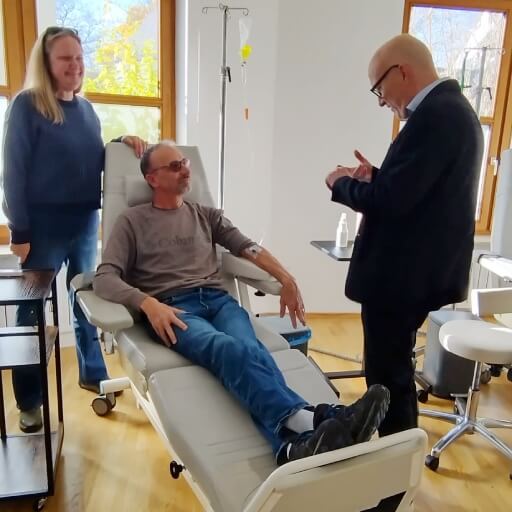
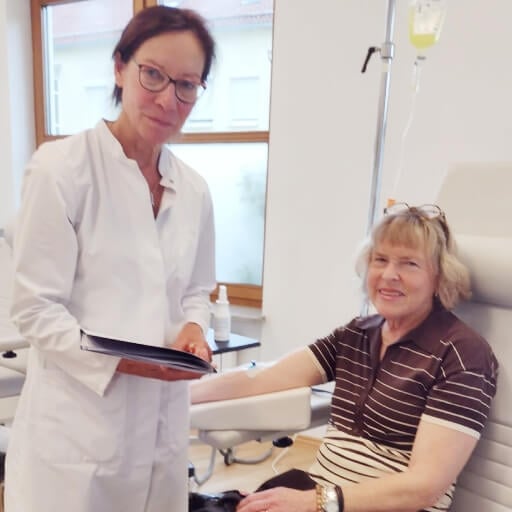
Modern Cancer Treatment: Patient Journeys with Booking Health













Frequently Asked Questions of Our Patients About Gastrointestinal Neuroendocrine Tumors
This is a group of rare malignancies that arise from neuroendocrine cells lining the digestive system. These tumors can produce hormones, with their most common anatomical location being the stomach, small intestine, colon, and rectum.
These tumors are often associated with genetic disorders such as multiple endocrine neoplasia type 1 (MEN1), chronic inflammation, or sporadic mutations. But there is no direct cause.
Depending on the tumor location, the symptoms are different and include abdominal discomfort, duodenal ulcers, rectal bleeding, diarrhea, flushing, and abdominal pain. Many NETs remain asymptomatic until advanced stages.
These malignancies can be diagnosed through imaging like PET/CT, endoscopy and biopsy, as well as blood tests. Most gastric NETs are discovered during routine endoscopies.
Management depends on the tumor's size, location, and extent of spread. Options for gastrointestinal neuroendocrine tumors are surgery, PRRT with Lutetium-177, and targeted therapies.
Yes, many German centers specialize in innovative approaches to NETs. These options include PRRT, TACE, and dendritic cell immunotherapy for gastrointestinal neuroendocrine tumors.
Lutetium-177 PRRT is a targeted therapy that delivers radiation precisely to the malignant cells that express somatostatin receptors while sparing healthy tissues.
Yes, immunotherapy options for GEPNETs include dendritic cell vaccines and checkpoint inhibitors (under investigation).
Survival rates for gastrointestinal neuroendocrine cancer depend on the tumor grade and stage. Five-year survival can be more than 80% in localized disease, but falls substantially in advanced cases.
In Germany, treatment for NETs costs €25,000 to €60,000 for innovative therapies and up to €80,000 to €150,000 for a full standard course of treatment, depending on complexity.
Germany’s top hospitals for NET treatment include University Hospitals in Heidelberg, Munich and Berlin. These hospitals are known for their expertise in gastrointestinal neuroendocrine tumors.
Booking Health helps you to start treatment abroad with medical evaluation, document preparation, hospital selection, travel arrangements and complete support during your treatment journey.
Localized gastrointestinal NETs are usually treated surgically, but for metastatic or unresectable tumors, alternatives such as PRRT or embolization are preferred.
Functional gastrointestinal NETs secrete hormones with clinical symptoms such as flushing or diarrhea. Non-functional NETs are asymptomatic until later stages.
Yes, Booking Health offers a unique service for organizing personalized care for neuroendocrine tumor patients in Germany, with access to the best specialists and innovative treatments.
Germany offers the most competitive pricing for innovative treatments at €25,000-€60,000. These numbers are €70,000-€120,000 in Great Britain and €100,000-€150,000 in the USA. Standard treatments in Germany range from €80,000-€150,000 – compared to €90,000-€165,000 in GB and €100,000-€180,000 in USA.
In advanced cancer innovative ones can achieve about 60% 2-year survival – and standard treatment is at around 25%. Advanced therapies (e.g. Lutetium-177 PSMA therapy, TACE, dendritic cell immunotherapy) contribute to this meaningful difference for patients and their families.
Standard protocols show less than 10% positive outcomes; innovative methods can demonstrate 45-65% response rates. As for specific methods, TACE objective response rates exceed 90%; RFA offers local tumor control in 80-90% of well-selected patients.
Standard treatment is typically continuous, while innovative methods involve fewer sessions. This shorter duration with advanced approaches allows better disease control in reduced timeframe, particularly beneficial for patients seeking efficient treatment abroad.
Standard treatment causes nausea, fatigue, hair loss, immunosuppression, and skin irritation. Innovative methods produce only mild effects, primarily localized discomfort.
The best hospitals for gastrointestinal neuroendocrine tumor treatment are centers with hospitals, that combine advanced treatments (nuclear medicine, interventional radiology and immunotherapy) in a coordinated setting.
Choose treatment abroad and you will be sure to get the best results!
Sources:
01. JAMA Oncology. Trends in the Incidence, Prevalence, and Survival Outcomes in Patients With Neuroendocrine Tumors in the United States. https://jamanetwork.com/journals/jamaoncology/fullarticle/2621997
02. ScienceDirect. Nothing But NET: A Review of Neuroendocrine Tumors and Carcinomas. https://www.sciencedirect.com/science/article/pii/S1476558617303470
03. The Lancet Oncology. Gastroenteropancreatic neuroendocrine tumours. https://www.thelancet.com/journals/lanonc/article/PIIS1470-2045(07)70410-2/abstract
04. National Comprehensive Cancer Network. Neuroendocrine and Adrenal Tumors. https://www.nccn.org/professionals/physician_gls/pdf/neuroendocrine.pdf
05. Journal of the National Comprehensive Cancer Network: JNCCN. Neuroendocrine and Adrenal Tumors, Version 2.2021, NCCN Clinical Practice Guidelines in Oncology. https://jnccn.org/view/journals/jnccn/19/7/article-p839.xml
06. Journal of Neuroendocrinology. European Neuroendocrine Tumor Society 2023 guidance paper for functioning pancreatic neuroendocrine tumour syndromes. https://onlinelibrary.wiley.com/doi/10.1111/jne.13318
07. Journal of Clinical Oncology. Placebo-Controlled, Double-Blind, Prospective, Randomized Study on the Effect of Octreotide LAR in the Control of Tumor Growth in Patients With Metastatic Neuroendocrine Midgut Tumors: A Report From the PROMID Study Group. https://ascopubs.org/doi/10.1200/JCO.2009.22.8510
08. New England Journal of Medicine. Phase 3 Trial of 177 Lu-Dotatate for Midgut Neuroendocrine Tumors. https://www.nejm.org/doi/10.1056/NEJMoa1607427
09. European Journal of Cancer. Effectiveness and side-effects of peptide receptor radionuclide therapy for neuroendocrine neoplasms in Germany: A multi-institutional registry study with prospective follow-up. https://www.ejcancer.com/article/S0959-8049(16)00047-2/abstract
10. Nature Reviews Cancer. Cancer immunotherapy via dendritic cells. https://www.nature.com/articles/nrc3258
11. Springer Nature Link. Transarterial chemoembolization for liver metastases of a pancreatic neuroendocrine neoplasm: a single-center experience.
https://link.springer.com/article/10.1007/s00595-023-02714-9
12. American Cancer Society. Hepatic arterial embolization and chemoembolization for the treatment of patients with metastatic neuroendocrine tumors. https://acsjournals.onlinelibrary.wiley.com/doi/10.1002/cncr.21389
Read:
01. New Effective Treatments for Stage 4 Cancer: Innovations in Oncology
02. Immunotherapy for Cancer Treatment
03. Dendritic cell therapy in cancer treatment in Germany - Vaccination against cancer