



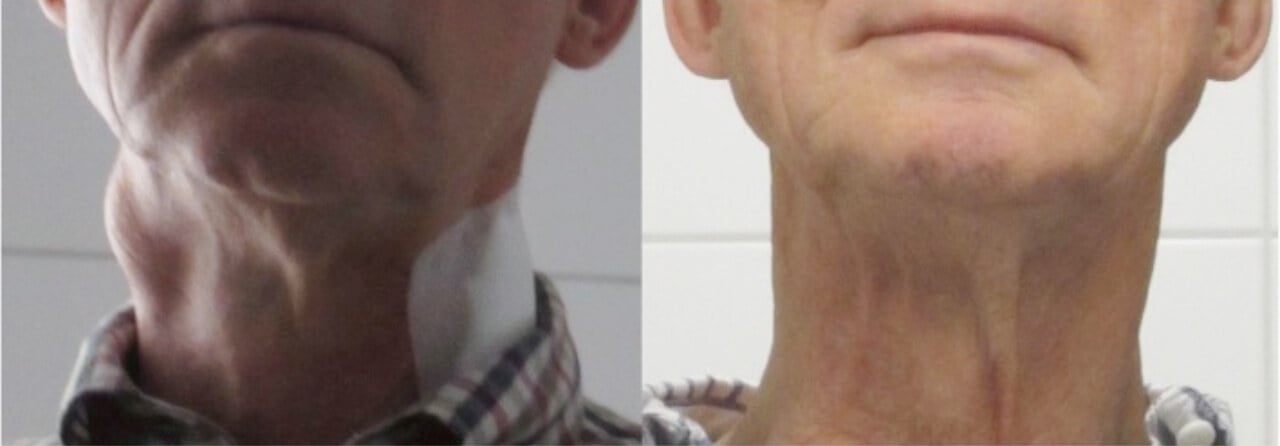
The regional chemotherapy (RCT) approach is an oncological approach with a very low toxicity profile and high tumor response due to high cytotoxic drug concentrations in an isolated perfusion bed [1-8]. In addition, the therapy can be focused on limited regions if necessary, using the same technique (e.g., upper abdominal perfusion (UAP), isolated thoracic perfusion (ITP). The restricted perfusion field targeted during RCT enables higher drug concentrations at the tumor site compared with systemic chemotherapy, even though only 20–50% of the usual total cytotoxic dose is required. Furthermore, the possibility of performing a chemo-filtration ensures the lowest systemic toxicity effects [1, 3-5, 8]. RCT efficacy has been proven in many cancers.
What Is Regional Chemotherapy?
Regional chemotherapy is an approach to cancer treatment, that involves delivering chemotherapy drugs directly into the blood vessels or perfusion zone, that feeds the affected tumor. Unlike traditional systemic chemotherapy (in which the drug is distributed throughout the body through the bloodstream), regional therapy concentrates the therapeutic effect within the affected organ or region of the body.
Mechanism of Action
The basic principle of regional chemotherapy action is based on the delivery of high local doses of chemotherapy to the tumor, which provides a direct cytotoxic effect on cancer cells. High concentration of the drug in the tumor area enhances DNA damage and disruption of cellular processes in tumor cells. At the same time, since most of the dose remains in the tumor region and is not distributed systemically, the effect on healthy cells and the overall level of systemic toxicity are reduced.
Along with the direct cytotoxic effect, the local concentration of drugs can facilitate the penetration of the drug into dense areas of the tumor and complex tumor microenvironments, where systemic doses often fail to reach therapeutic levels. In some variants of regional therapy, heating is used (heated chemotherapy), which increases the sensitivity of cancer cells to drugs and facilitates their penetration into cancerous tissue. Additionally, local aggressive action can reduce the number of remaining cancer cells after major interventions, thereby improving the results of further treatment [9].
In addition to its direct destructive effect on the tumor, advanced regional cancer therapy can sometimes modulate both the local and systemic immune responses. The death of a large number of tumor cells within the region can lead to the release of antigens and stimulate the immune system, which creates additional opportunities for combined approaches (for example, combining regional chemotherapy with immunotherapy in complex clinical cases).
How Regional Chemotherapy is Performed
Regional chemotherapy is a set of procedures that may differ technically, but have common stages and principles. The general sequence includes determining the vascular supply of the tumor, accessing the vessel or cavity, delivering the drug to the region and controlling systemic exposure.
First, a team of interventional specialists and oncologists determines the anatomical features of the tumor and plans the delivery route. Thin tubes or catheters are used for administration ー through them, the chemotherapy is delivered directly into the vessel feeding the tumor, or into an isolated perfusion cavity. Sometimes port systems are used for multiple procedures without repeated surgical access. During the procedure, interventional radiologists monitor the catheter position using real-time images.
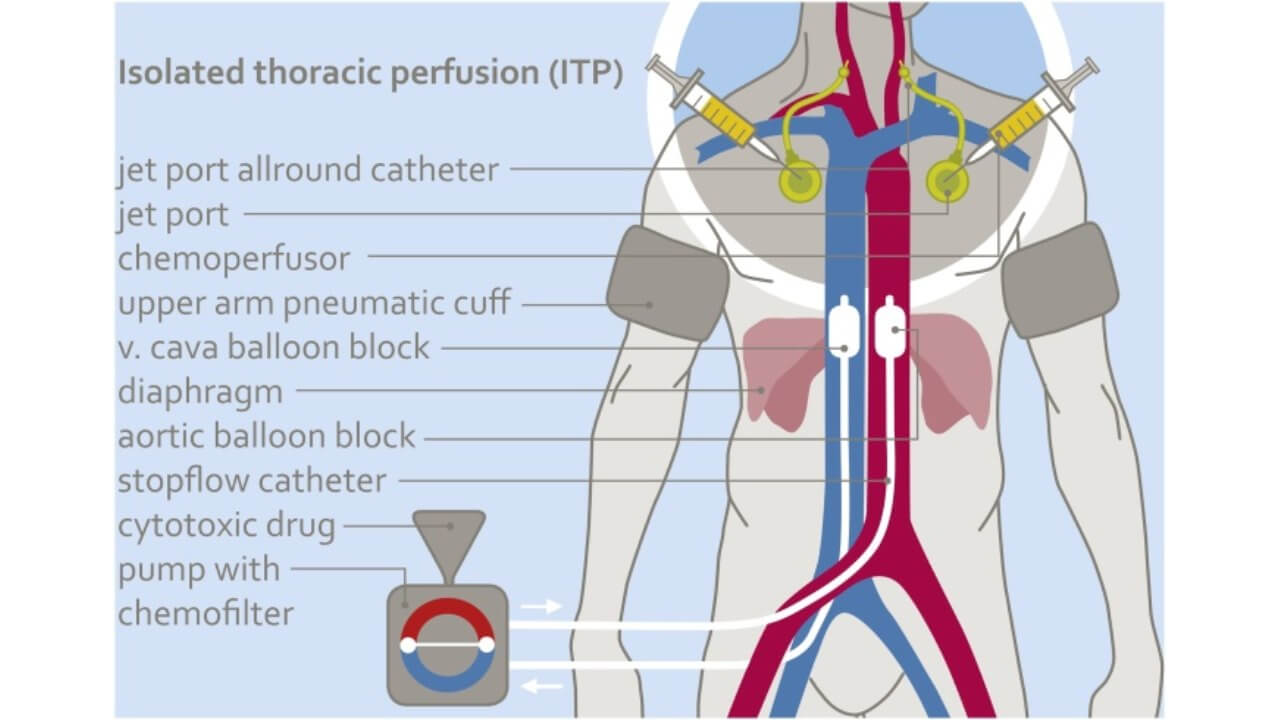
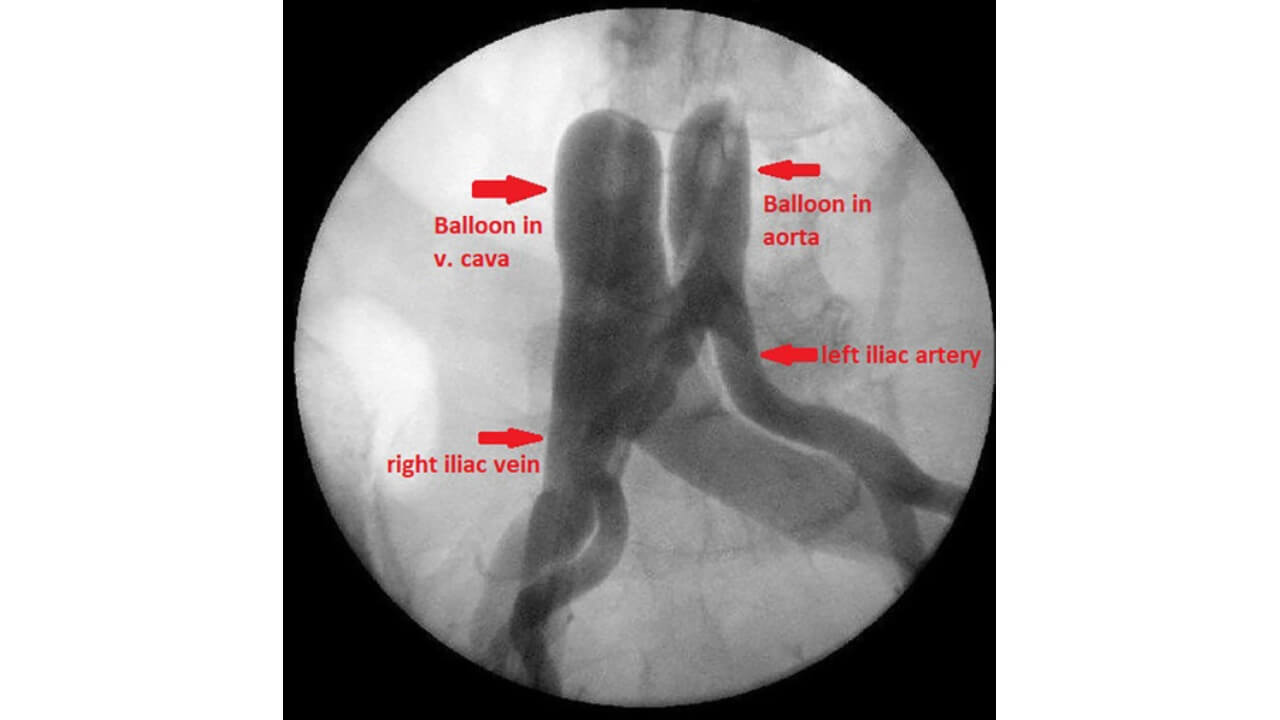
After the catheter is installed, mandatory isolation of the region is performed using special balloons. These balloon occluders are placed in major vessels above and below the area feeding the tumor. Once inflated, they completely block the blood flow, creating a closed perfusion segment. This technique enables complete control of the drug spread and provides the highest possible local doses of chemo.
Balloon isolation is a key element of regional chemotherapy as it allows delivering high doses without the risk of excessive drug entering the systemic circulation. During the procedure interventional radiologists constantly monitor the pressure inside the perfusion segment, the degree of occlusion and the correct position of the occluders. This ensures that the chemotherapy drug circulates only within a defined area (target cancer cells while minimizing the impact on healthy cells).
After perfusion is complete the balloons are gradually deflated, and the part of the drug that still enters the central channel passes through special filters. This reduces systemic toxicity, preserves organ function and ensures safety for cancer patients even during high-dose chemotherapy.
Regional Chemotherapy VS Transarterial Chemotherapy (TAC)
Regional chemotherapy differs from TAC primarily in the technique of administration and the level of drug control. During RCT, doctors isolate vessels with balloon occluders, creating a closed perfusion zone in which ultra-high concentrations of drugs circulate. The drug does not enter the systemic circulation, and after the procedure is completed, it passes through chemofiltration, which significantly reduces toxicity.
In TAC, the drug is administered without creating an isolated zone. It enters the general bloodstream, resulting in higher toxicity and a lower local concentration of chemo. TAC provides less control over perfusion and does not allow the use of hypoxic mode or heating of the drug (which enhances the effect of chemotherapy during RCT).
Types of Regional Chemotherapy
Regional chemotherapy offers several methods of local treatment (often called organ-directed therapies). The choice of a specific technique depends on the localization of the tumor, the stage of the disease and the individual needs of the patient. Each method provides isolation of the blood flow with balloons and creates favorable conditions for enhancing the effectiveness of drugs (increasing the chances of successful cancer treatment). Next, we will consider the main subtypes of regional therapy, which are used for different organs and areas of the body.
Extended Isolated Stop-flow Limb Infusion
Extended isolated stop-flow limb infusion (EISLI) is used to treat tumors of the limbs, when it is important to administer ultra-high doses of heated chemotherapy only to the affected area, without damaging the rest of the body [10]. To do this, the vessels of the limb are temporarily blocked with special balloons ー creating an isolated space into which the drug is injected. The balloons block the spread of the drug further into the bloodstream.
After isolation, a catheter is inserted into the artery of the limb and concentrated chemotherapy is administered under the required pressure. At this point, the tissues enter a short-term hypoxic mode ー under such conditions, drugs work more aggressively against cancer cells [10]. This approach allows treating cancers in both early and advanced stages without amputations and major surgeries. For patients, this means fewer side effects and a significantly higher chance of preserving limb function.
Isolated Thoracic Perfusion
Isolated thoracic perfusion is used for tumors of the chest organs. This technique is performed by temporarily isolating the vessels of the thoracic region ー balloons in a large artery and vein block the central blood flow, forming a closed perfusion segment [11]. Due to this, regional cancer therapy allows doctors to deliver high doses of the drug only to the lungs, mediastinum or head and neck structures, without causing systemic toxicity. A concentrated infusion is injected through a catheter into the thoracic artery. At this time, the tumor receives the maximum load of the drug. Regional perfusion reduces the risk of damage to healthy cells, and the short duration of the procedure allows for repeat courses of treatment. This approach helps to control the spread inside the chest and reduce the volume of the tumor before or instead of surgery [11].
Isolated Hypoxic Pelvic Perfusion
Isolated hypoxic pelvic perfusion is used to treat pelvic tumors ーbladder, prostate, ovaries, cervix. During the procedure, the pelvic vessels are isolated, after which the closed area is perfused with a highly concentrated drug. Balloons block the flow in the iliac arteries and veins, creating an environment in which chemotherapy works much more aggressively against the tumor node [12].
The hypoxic regime enhances the effect of drugs and accelerates the killing of cancer cells, but at the same time, the drug almost does not enter the systemic bloodstream [12].
Hypoxic Abdominal Stop-Flow Perfusion
Hypoxic abdominal stop-flow perfusion (HAP) is a method of isolating the abdominal cavity, which is used for tumors of the stomach, pancreas, colon, liver and others. Balloons are placed in the abdominal aorta and inferior vena cava, which completely stop the blood flow to and from the abdominal cavity for several minutes. This creates ideal conditions for regional therapy to be maximally concentrated in the tumor area. Highly concentrated chemotherapy is administered through a separate catheter, which circulates only within the blocked cavity [13].
This approach enables targeting of cancer cells even in hard-to-reach regions, including multiple peritoneal lesions. After perfusion is complete, the drugs are partially filtered, which reduces the impact on the body as a whole and makes the method safer than systemic regimens [13].
Benefits of Regional Chemotherapy
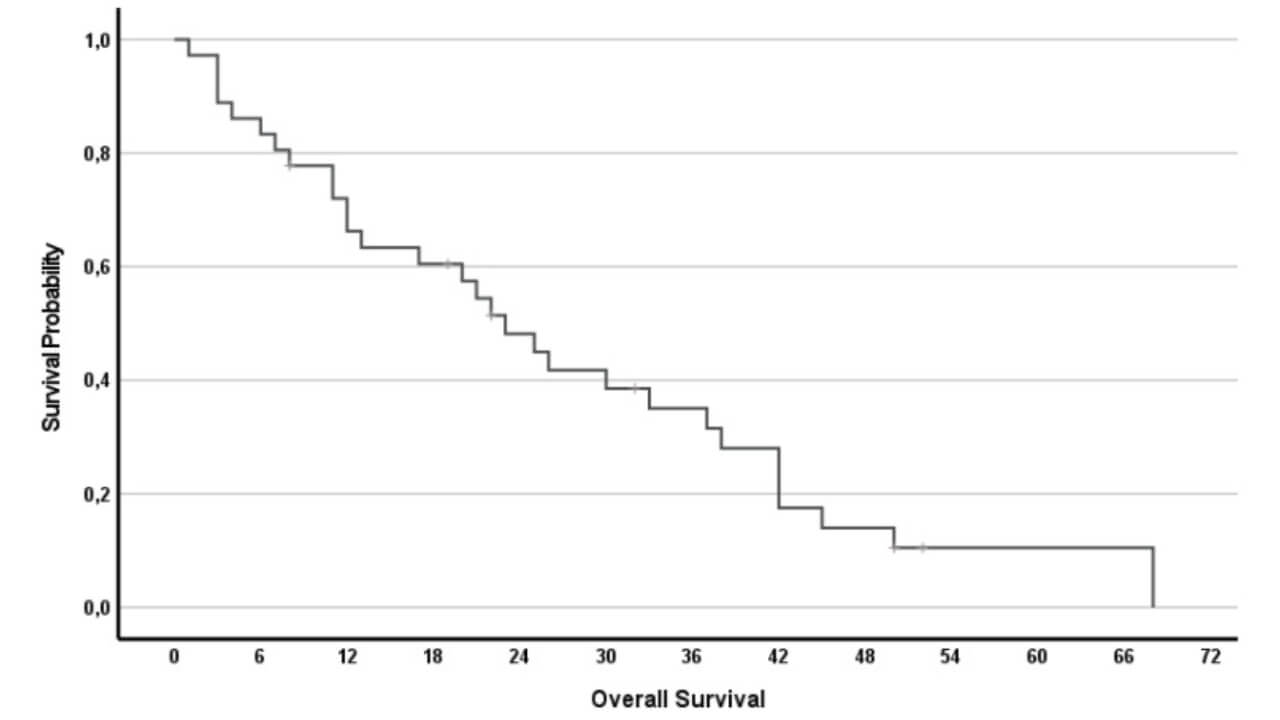
Regional chemotherapy offers patients several significant advantages in the treatment of cancer. The main ones can be divided into several aspects:
- High concentration of drugs in the tumor area. Due to the isolation of the bloodstream by balloons it is possible to deliver high doses of chemotherapy directly to the tumor. This enables the killing cancer cells in the local area (minimizing damage to healthy cells).
- Reduction of systemic toxicity. Unlike traditional chemotherapy regional chemotherapy practically does not enter the general circulation. Patients experience fewer side effects.
- Control of tumor spread. Regional therapy allows doctors to control the spread of the tumor within an isolated segment (which is especially important for advanced regional cancer or complex cases where systemic chemotherapy has not yielded results).
- Possibility of repeated courses and combined treatment. Local isolation and short duration of procedures make it possible to conduct several sessions of regional chemotherapy, combining it with other methods of cancer treatment (which increases the effectiveness of treatment).
Who Is a Candidate for Regional Therapies?
Regional chemotherapy is suitable for patients with various localized or widespread tumors (especially when it is important to deliver high doses of chemotherapy). This treatment option is effective for patients in whom traditional systemic chemotherapy has not yielded the desired result or when radical surgery is associated with high risks.
Types of cancer for which regional therapy is indicated:
- Anal carcinoma
- Cholangiocarcinoma
- Cervical cancer
- Head and neck cancer
- Osteosarcoma
- Pleural mesothelioma
- Ovarian cancer
- Pancreatic cancer
- Breast cancer
- Gastric cancer
- Esophageal cancer
It is worth noting that the above list of diseases is not exhaustive, and regional therapies can also be used for other types of cancer, depending on the localization and characteristics of the tumor.
In some patients, the anatomical features of the tumor may affect the effectiveness of perfusion. This applies to neoplasms with low vascularization or significant areas of fibrosis or necrosis, where blood flow is naturally reduced. For example, some variants of sarcomas, certain forms of pancreatic cancer or sclerosing tumor nodules may require additional evaluation before treatment planning.
In such situations, it is necessary to choose an individual strategy. That is why, before making a decision, imaging with a contrast agent (CT or MRI) is performed to assess the level of blood supply, check the perfusion potential, and determine the optimal format of regional chemotherapy. This ensures safety, a predictable effect and a personalized approach for each patient.
Regional Chemotherapy in Germany
Germany is one of the leading centers where regional chemotherapy is used at an expert level. Patients gain access to isolated perfusions of the limbs, chest, pelvis and abdominal cavity. Experienced interventional radiologists and oncologists control all steps of the treatment. Regional chemotherapy in Germany combines a high level of medical expertise with competitive regional chemotherapy costs, making it an affordable and safe option for patients.
A Medical Journey: Every Step of the Way With Booking Health
Finding the best treatment strategy for your clinical situation is a challenging task. Being already exhausted from multiple treatment sessions, having consulted numerous specialists, and having tried various therapeutic interventions, you may be lost in all the information given by the doctors. In such a situation, it is easy to choose a first-hand option or to follow standardized therapeutic protocols with a long list of adverse effects instead of selecting highly specialized innovative treatment options.
To make an informed choice and get a personalized cancer management plan, which will be tailored to your specific clinical situation, consult medical experts at Booking Health. Being at the forefront of offering the latest medical innovations for already 12 years, Booking Health possesses solid expertise in creating complex management programs in each individual case. As a reputable company, Booking Health offers personalized treatment plans with direct clinic booking and full support at every stage, from organizational processes to assistance during treatment. We provide:
- Assessment and analysis of medical reports
- Development of the medical care program
- Selection of a suitable treatment location
- Preparation of medical documents and forwarding to a suitable clinic
- Preparatory consultations with clinicians for the development of medical care programs
- Expert advice during the hospital stay
- Follow-up care after the patient returns to their native country after completing the medical care program
- Taking care of formalities as part of the preparation for the medical care program
- Coordination and organization of the patient's stay in a foreign country
- Assistance with visas and tickets
- A personal coordinator and interpreter with 24/7 support
- Transparent budgeting with no hidden costs
Health is an invaluable aspect of our lives. Delegating management of something so fragile yet precious should be done only to experts with proven experience and a reputation. Booking Health is a trustworthy partner who assists you in pursuing stronger health and a better quality of life. Contact our medical consultant to learn more about the possibilities of personalized treatment with innovative methods and with leading specialists in this field.
Advanced Cancer Treatment: Patient Success Stories with Booking Health



FAQ: Regional Chemotherapy for Cancer Treatment
Send request for treatmentRegional chemotherapy is a localized cancer therapy. It delivers high doses of drugs directly to the affected area (limiting systemic exposure).
Regional therapy minimizes systemic toxicity focusing on the tumor and surrounding tissues. Localized chemotherapy vs systemic chemotherapy involves concentrating drugs in a specific region rather than circulating them throughout the body.
Regional chemotherapy treatment options include isolated perfusion, intra-arterial chemotherapy and other localized techniques. These methods allow high local drug concentrations to target tumor cells (improving effectiveness and minimizing side effects).
Regional chemotherapy cost abroad varies by country and clinic. Cancer treatment cost in Germany is competitive compared to other nations ー offering high-quality care with advanced technology and experienced specialists.
Regional chemotherapy is used for various cancer types (including limb sarcomas, head and neck tumors, pelvic cancers, ovarian and pancreatic tumors). This approach is effective for both localized and certain advanced regional cancers.
Regional chemotherapy side effects are generally milder than systemic therapy. Patients may experience localized reactions ー such as temporary pain, swelling or skin changes. Localized chemo risks are limited due to targeted drug delivery.
Choose treatment abroad and you will for sure get the best results!
Authors:
This article was edited by medical experts, board-certified doctors Dr. Nadezhda Ivanisova, and Dr. Bohdan Mykhalniuk. For the treatment of the conditions referred to in the article, you must consult a doctor; the information in the article is not intended for self-medication!
Our editorial policy, which details our commitment to accuracy and transparency, is available here. Click this link to review our policies.
Sources:
[1] Karl R Aigner, Sabine Gailhofer, Emir Selak, Kornelia Aigner. Intra-arterial infusion chemotherapy versus isolated upper abdominal perfusion for advanced pancreatic cancer: a retrospective cohort study on 454 patients. J Cancer Res Clin Oncol. 2019 Nov;145(11):2855-2862. doi: 10.1007/s00432-019-03019-6. Epub 2019 Sep 10. [DOI] [PubMed]
[2] S Guadagni, M Clementi, M Valenti et al. Hypoxic abdominal stop-flow perfusion in the treatment of advanced pancreatic cancer: a phase II evaluation/trial. Eur J Surg Oncol. 2007 Feb;33(1):72-8. doi: 10.1016/j.ejso.2006.10.042. Epub 2006 Dec 12. [DOI] [PubMed]
[3] Kornelia Aigner, Yogesh Kumar Vashist, Emir Selak, Sabine Gailhofer, Karl Reinhard Aigner. Efficacy of Regional Chemotherapy Approach in Peritoneal Metastatic Gastric Cancer. J Clin Med. 2021 Nov 15;10(22):5322. doi: 10.3390/jcm10225322. [DOI] [PMC free article]
[4] Carmelo Laface, Mariarita Laforgia, Pasquale Molinari et al. Intra-Arterial Infusion Chemotherapy in Advanced Pancreatic Cancer: A Comprehensive Review. Cancers (Basel). 2022 Jan 17;14(2):450. doi: 10.3390/cancers14020450. [DOI] [PubMed]
[5] Rhea Veelken, Bettina Maiwald, Steffen Strocka et al. Repeated percutaneous hepatic perfusion with melphalan can maintain long-term response in patients with liver cancers. Cardiovasc Intervent Radiol. 2021 Oct 29;45(2):218–222. doi: 10.1007/s00270-021-02983-2. [DOI] [PMC free article]
See more
[6] K R Aigner. Intra-arterial infusion: overview and novel approaches. Semin Surg Oncol. 1998 Apr-May;14(3):248-53. doi: 10.1002/(sici)1098-2388(199804/05)14:3<248::aid-ssu9>3.0.co;2-8. [DOI] [PubMed]
[7] Karl R Aigner, Emir Selak, Kornelia Aigner. Short-term intra-arterial infusion chemotherapy for head and neck cancer patients maintaining quality of life. J Cancer Res Clin Oncol. 2018 Oct 31;145(1):261–268. doi: 10.1007/s00432-018-2784-4. [DOI] [PMC free article]
[8] Stefano Guadagni, Karl Aigner, Odisseas Zoras et al. Isolated thoracic perfusion in lung metastases from breast cancer: a retrospective observational study. Updates Surg. 2019 Mar;71(1):165-177. doi: 10.1007/s13304-018-00613-0. Epub 2018 Dec 12. [DOI] [PubMed]
[9] Karl Reinhard Aigner, Sabine Gailhofer, Kornelia Aigner. Carotid artery infusion via implantable catheters for squamous cell carcinoma of the tonsils. World J Surg Oncol. 2018 Jun 5;16:104. doi: 10.1186/s12957-018-1404-8. [DOI] [PMC free article]
[10] Kornelia Aigner, Emir Selak, Sabine Gailhofer et al. Case report: Extended Isolated Stopflow Limb Infusion (EISLI) for highly malignant osteosarcoma - complete pathological tumor remission and implantation of a knee joint prosthesis. Int J Surg Case Rep. 2023 Feb 8;104:107918. doi: 10.1016/j.ijscr.2023.107918. [DOI] [PMC free article]
[11] Karl R Aigner, Emir Selak, Kornelia Aigner. Approaching 10 years disease-free survival after isolated thoracic perfusion for advanced stage IV tonsil carcinoma: A case report. Int J Surg Case Rep. 2020:75:71-74. doi: 10.1016/j.ijscr.2020.08.058. Epub 2020 Sep 3. [DOI] [PubMed]
[12] Karl R Aigner, Kornelia Aigner, Marc J H Hendrikx, Abderrahmane Bekrentchir, Hansjörg Aust. Isolated hypoxic pelvic perfusion combined with electroporation is a valid alternative to traditional therapies for anal squamous cell carcinoma: a case study. Front Oncol. 2025 Aug 27;15:1644317. doi: 10.3389/fonc.2025.1644317. [DOI] [PMC free article]
[13] Yogesh Vashist, Kornelia Aigner, Sabine Gailhofer, Karl R Aigne. Therapeutic Effect of Regional Chemotherapy in Diffuse Metastatic Cholangiocarcinoma. Cancers (Basel). 2022 Jul 29;14(15):3701. doi: 10.3390/cancers14153701. [DOI] [PMC free article]
Read:
Transarterial Chemoembolization (TACE)