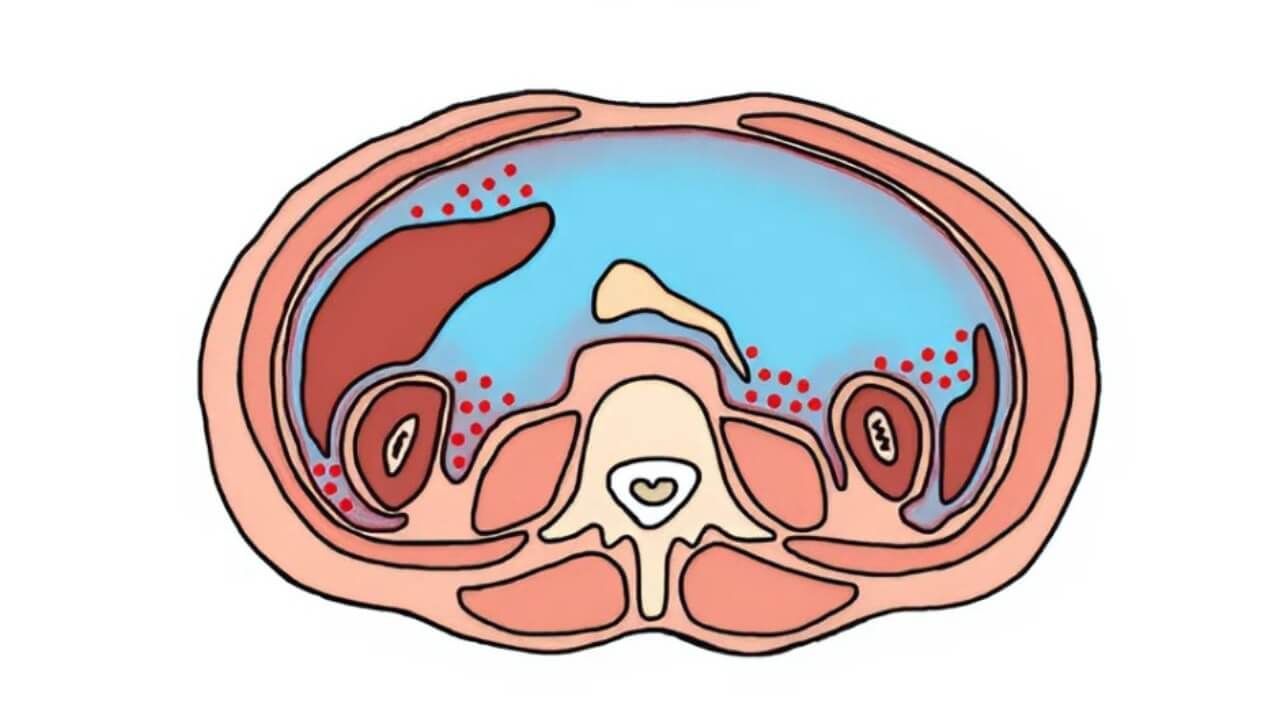
Hyperthermic intraperitoneal chemotherapy (HIPEC) is a highly targeted cancer treatment used for tumors that have spread within the abdominal cavity. Unlike standard chemotherapy, HIPEC delivers heated, high-dose drugs directly into the abdomen after surgical tumor removal – this process allows for stronger local action with fewer systemic side effects.
It has become an important option for treating advanced colorectal, ovarian, gastric, and appendiceal cancers with peritoneal involvement. Studies – including those published in The Lancet Oncology and presented by ASCO – have shown that (when combined with surgery) HIPEC can significantly improve outcomes in carefully selected patients [1].
Who Is HIPEC For–and Why It Changes the Prognosis in Peritoneal Carcinomatosis
Not every cancer patient is a candidate for HIPEC – this therapy is specifically designed for cases where tumors have spread across the abdominal lining but remain confined to the peritoneal cavity. When used in the right context, it can offer a second chance – especially for cancers once considered untreatable.
HIPEC’s Role in Abdominal Cancer Care
Hyperthermic intraperitoneal chemotherapy is not a standard treatment – it’s a specialized procedure designed for people facing cancers that have spread within the peritoneal cavity. Unlike traditional chemotherapy, HIPEC works locally, targeting the area where the disease is most aggressive. But its real value lies not just in where it works, but in how carefully it’s used.
This approach is part of a carefully planned treatment strategy – typically offered when imaging and diagnostic tests show that cancer remains confined to the abdominal lining. It’s not about replacing systemic therapy – it’s about reaching areas where standard chemotherapy often falls short.
Who May Benefit from HIPEC?
HIPEC is most commonly used in specific cases – commonly when cancer has spread on the surface of abdominal organs but hasn’t invaded deeply into tissues. It’s often considered for:
Stage IV gastric cancer with peritoneal spread
Late-stage colorectal cancers (including those of the colon, rectum, and sigmoid colon)
Advanced cancers of the small intestine or duodenum
Appendiceal tumors (particularly with mucinous features)
Peritoneal carcinomatosis from stage IV endometrial or cervical cancer
Advanced epithelial ovarian cancer and other gynecologic tumors with abdominal dissemination
Rare peritoneal conditions like pseudomyxoma peritonei and peritoneal mesothelioma
Each case is assessed individually. Factors like tumor biology, disease distribution, and overall health guide whether HIPEC is the right step forward.
"Confined to the peritoneal cavity" is the eligibility condition this list rests on — and it requires current imaging to confirm, not a staging description from months earlier. Peritoneal carcinomatosis index, the presence or absence of extra-abdominal disease, and portal vein involvement each need to be established against up-to-date cross-sectional imaging before HIPEC is proposed as the right step.
Booking Health's medical team reviews the patient's most recent scans against the surgical team's selection criteria before a recommendation is made.
Three key factors make HIPEC different from many other cancer treatments:
Localized Chemotherapy. HIPEC allows for much higher concentrations of chemotherapy drugs directly where the cancer is (reducing systemic toxicity).
Heat-Enhanced Effectiveness. Hyperthermia improves drug absorption and directly damages cancer cells – especially those resistant to conventional chemotherapy.
Synergy with Surgery. HIPEC is performed immediately after tumor removal, attacking residual microscopic disease before scar tissue can form or tumors can spread further.
HIPEC is not a cure-all, but for patients with specific tumor types and limited peritoneal spread, it has dramatically changed the treatment and extended lives.
How HIPEC Works: Combining Surgery and Heat to Fight Abdominal Cancer
Hyperthermic intraperitoneal chemotherapy is not a standalone therapy. It is designed to remove visible tumors and destroy microscopic cancer cells – the combination of cytoreductive surgery (CRS) followed by heated chemotherapy has become a cornerstone treatment for select patients with advanced peritoneal disease.
Step One – Cytoreductive Surgery (CRS)
The process begins in the operating room with cytoreductive surgery – a complex and often extensive procedure that involves removing all visible tumor deposits from the peritoneal surfaces. Depending on the disease extent, this can include partial or complete removal of affected organs such as the colon, ovaries, uterus, appendix, omentumn or segments of the small intestine.
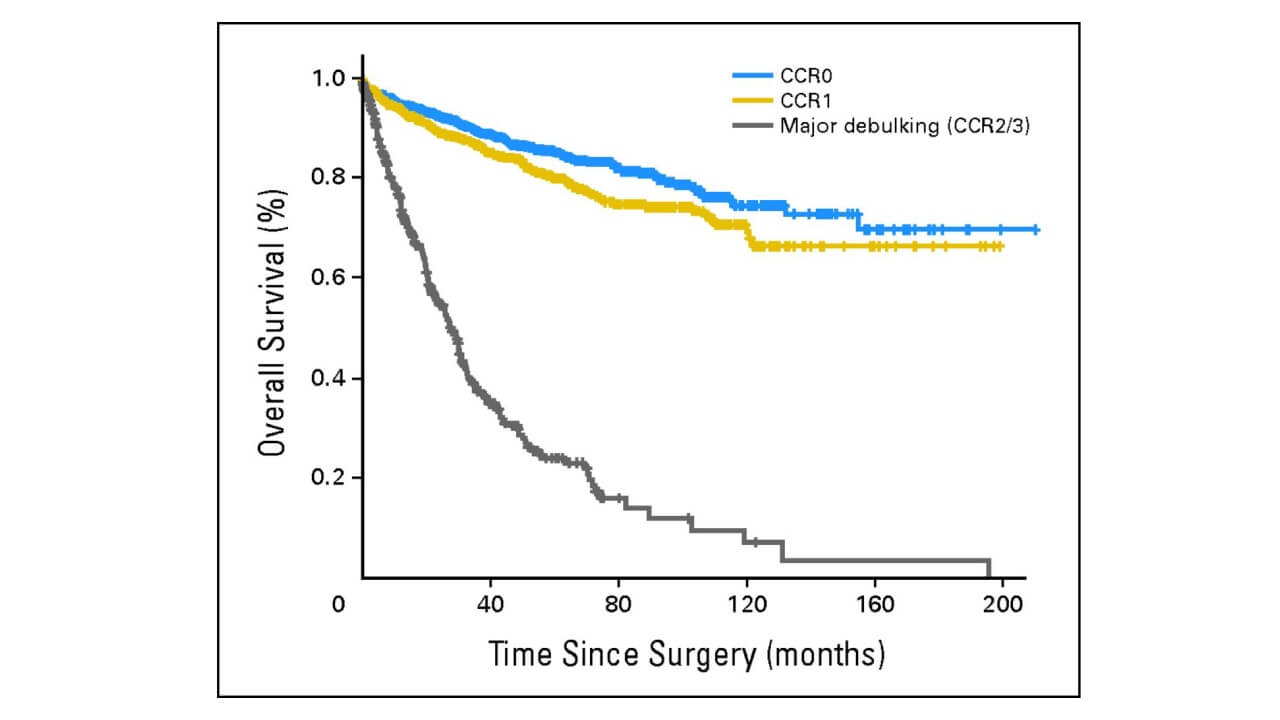
The goal of CRS is to achieve a complete or near-complete cytoreduction – often referred to as a "CCR-0" or "CCR-1" score. This means that no visible tumor remains or that only nodules smaller than 2.5 mm persist–small enough to be effectively treated by the subsequent HIPEC phase.
Achieving complete cytoreduction is critical. Studies have consistently shown that the success of HIPEC is strongly tied to the extent of surgical tumor removal.
Prognostic impact of completeness of cytoreduction (CCR) in surgery on overall survival [2]
Step Two – Heated Chemotherapy (HIPEC)
Once cytoreduction is complete, the surgical team proceeds directly to the HIPEC phase. A sterile solution containing a chemotherapy agent is heated to approximately 41–43°C (105.8–109.4°F) and circulated throughout the abdominal cavity.
The heated chemotherapy bathes the internal organs for 60 to 90 minutes – it allows for direct contact with residual microscopic cancer cells that could not be removed surgically. The elevated temperature not only improves drug penetration but also enhances cytotoxic effects on cancer cells, while healthy tissues are more resistant to this heat.
Temperatures used for HIPEC
Variation in Clinical Application of Hyperthermic Intraperitoneal Chemotherapy: A Review [4]
Temperature
Type of Hyperthermia
Cytotoxic Effect
Thermosensitization
Vascular Effect
Immune reaction
39–41 °C
Mild
Minimal growth arrest
Synergism with cytotoxic drugs
Increased blood flow
Enhanced
41–43 °C
Moderate
Reversible growth arrest
Significantly increased effect combined with cytotoxic drugs
Increased blood flow
Enhanced
>43 °C
Severe
Exponential growth arrest, significant cytotoxicity in normal cells
Significantly increased effect combined with cytotoxic drugs
Reduced blood flow
Suppressed
HIPEC is delivered through a closed or open technique – it depends on the surgical center's protocol. In the "closed" method, the abdomen is temporarily seale,d and the chemo solution is circulated via catheters. The "open" method (also called the "Coliseum technique") involves manually agitating the fluid within the open abdominal cavity under direct visualization.
The temperature table above carries a practical implication that matters for center selection: maintaining a precise 41–43°C throughout the 60–90 minute perfusion requires automated temperature-controlled systems and experienced perfusionists who have run this protocol many times. At temperatures above 43°C, the cytotoxic effect on normal cells rises sharply.
Centers with high annual HIPEC caseloads have refined the technical execution of temperature control to a degree that lower-volume centers have not — which is why Booking Health's matching considers procedure-specific annual volume as a primary criterion, not general surgical oncology reputation.
The strength of surgery and HIPEC lies in the synergy between surgery and chemotherapy – surgery removes the bulk of the disease, while HIPEC targets what's left (microscopic cells that often lead to recurrence if untreated).
Traditional intravenous chemotherapy often struggles to penetrate the peritoneal lining due to the peritoneal-plasma barrier. HIPEC circumvents this challenge by delivering drugs directly into the cavity, allowing much higher local concentrations with fewer systemic side effects.
The hyperthermia component itself has proven biologically active – it enhances DNA damage in cancer cells, impairs repair mechanisms, and increases membrane permeability.
This combined strategy has shown particularly promising results in gynecologic oncology. In a landmark randomized trial published in The New England Journal of Medicine [5], van Driel and colleagues demonstrated that adding HIPEC to interval cytoreductive surgery significantly improved recurrence-free and overall survival in patients with stage III epithelial ovarian cancer.
The study found that women receiving HIPEC had a median recurrence-free survival of 14.2 months, compared to 10.7 months in the surgery-only group, without increasing serious adverse events.
Where to Find Expert HIPEC Care for Carcinomatosis of the Abdominal Cavity
Germany has become one of the most trusted countries for HIPEC therapy, attracting international patients seeking advanced surgical oncology solutions for abdominal cancer. With a strong healthcare infrastructure, state-of-the-art technology, and some of the best HIPEC hospitals in Europe – Germany offers a clear advantage in the peritoneal carcinomatosis treatment, including stage IV ovarian, colorectal, gastric, and appendiceal cancers.
Why Patients Choose HIPEC Treatment in Germany
One of the key advantages of undergoing HIPEC + CRS in Germany is the country’s deep integration of surgery and medicine. In German hospitals, this treatment is conducted using precise temperature-controlled perfusion systems (often under the guidance of robotic surgical technology). Surgeons are supported by oncology boards that determine the best possible course of treatment for each patient – no matter how advanced the cancer is.
Germany's hospitals follow strict clinical protocols aligned with both national and European oncology guidelines. As a result – patients receive not only technically excellent cancer treatment with HIPEC, but also comprehensive postoperative care, rapid diagnostics, and structured follow-up planning.
Watch how HIPEC is performed in a top German hospital and learn what patients can expect from treatment:
VIDEO
Leading German Surgeon Dr. Lipp Reveals the Power of HIPEC in Cancer Treatment
General and Abdominal Surgery, Hepatopancreatobiliary Surgery and Hernia Surgery
Benefits and Risks of HIPEC in Patients with Carcinomatosis of the Peritoneum
Hyperthermic intraperitoneal chemotherapy HIPEC has changed the way many hospitals approach advanced abdominal cancers. By combining targeted chemotherapy with surgery in a single procedure, this therapy offers a focused and highly personalized treatment that has helped thousands of patients regain control over their health.
One of the greatest strengths of HIPEC is how well it integrates with modern surgical techniques. After the tumor is removed, a heated chemotherapy solution is gently circulated throughout the abdominal cavity. This allows the medicine to reach microscopic cancer cells directly – without overwhelming the rest of the body. Because the drugs are delivered locally, patients often experience fewer systemic side effects compared to standard chemotherapy. In the right hands – and in specialized surgical hospitals – this approach can mean not only more time, but better quality of life.
Possible Risks and Complications
Of course, HIPEC comes with risks (like any advanced medical treatment). It’s a major surgical procedure that requires careful planning, a skilled multidisciplinary team, and a strong recovery strategy. Temporary complications may include slower return of bowel function, fatigue, or wound-related issues. However, these are well understood and carefully managed in experienced oncology centers.
Recovery and Follow-Up Care
The recovery process takes time – but many patients resume everyday activities within a few months. Hospitals that specialize in HIPEC offer comprehensive healthcare support before, during, and after treatment – including nutritional guidance, rehabilitation, and close follow-up care.
HIPEC for abdominal cancer represents a promising step forward in modern medicine – it’s a sophisticated yet human-centered therapy backed by real results and delivered with precision and care.
Tatiana’s Story of Beating Peritoneal Cancer With HIPEC in Germany
In 2022, Tatiana Peterssen from Norway was diagnosed with peritoneal carcinomatosis caused by ovarian cancer. She underwent chemotherapy and surgery, achieving remission that lasted for two years. But then came another devastating setback – a large liver tumor dangerously close to the portal vein. Due to the tumor’s complex location, local doctors deemed surgery too risky and gave her no more than six months to live (even with chemotherapy).
Tatiana began searching for treatment options in Germany (known for its advanced cancer care). However, navigating the system on her own proved challenging and time-consuming – something no cancer patient can afford to waste – that’s when she discovered Booking Health.
Within a short time, the team helped her find the right hospital and arranged for a complex surgery that lasted seven hours. Despite the seriousness of the procedure, Tatiana recalls: "I expected to have a difficult recovery period, but it turned out to be quite comfortable." After HIPEC, she felt at ease and appreciated how well everything was organized. "It was comfortable after HIPEC – everything was well organized."
Speaking about her experience with Booking Health, she says: "It was really effective piece of work with a lot of time savings. I felt supported all the time and every day."
Today, Tatiana is not just alive – she is thriving. She enjoys every single day and looks to the future with optimism. Her story is a powerful reminder of what’s possible when expert care meets timely coordination.
"A lot of time savings" is the phrase that matters most in Tatiana's account — because time is the only resource a patient with a six-month prognosis cannot recover. Booking Health's parallel coordination — hospital identification, document preparation, visa processing, flight and accommodation booking — compressed what Tatiana had found "challenging and time-consuming" on her own into something her situation could actually afford.
The seven-hour surgery and the comfortable recovery she describes were the clinical outcome.
The speed that made them possible was the coordination that came first.
You can hear her story in her own words in this short video:
Best HIPEC Hospitals for Patients with Peritoneal Carcinosis
HIPEC treatment centers in Germany are world-leading facilities that provide excellent care for patients from all around the globe. They combine highly trained specialists, modern medical technology, and personalized treatment protocols to deliver this state-of-the-art therapy.
When looking for the center where to receive the procedure among hospitals for HIPEC abroad, it is important to consider a few factors:
Surgeon and center experienceHospitals for HIPEC usually employ surgeons with high qualifications to be able to achieve complete cytoreduction, even in complex cases.
CertificationsHIPEC centers Germany offers, have accreditations like DGAV from the Visceral Surgery Society or National Cancer Center certification to ensure high standards and quality of the equipment and procedure itself.
ICU and postoperative careDue to the fact that HIPEC includes a major surgery, proper care is important to ensure the patient's full recovery and maintain quality of life.
Here we present the best hospitals for HIPEC in Germany, which help patients achieve the best possible outcomes across multiple cancer types.
Asklepios Barmbek Hamburg
As one of the leading HIPEC treatment centers, the Asklepios Hospital Barmbek in Hamburg offers its patients only the most advanced care. Their facility is officially certified as one of the best hospitals for HIPEC by the German Society for General and Visceral Surgery (DGAV). They integrate this treatment into a personalized plan and coordinate all procedures through multidisciplinary teams.
This best hospital for HIPEC uses modern automated systems that maintain precise temperature and flow rates of the chemotherapeutic agent into the abdominal cavity. Due to the complexity of the surgery, which can last between six and twelve hours depending on the extent of disease spread, their team of onco-anesthesiologists manages the patient’s core temperature and fluid balance with extreme precision. They also put deep thought into the patient's recovery with a dedicated team of "HIPEC-trained" nurses and physiotherapists. This makes Asklepios Barmbek Hamburg one of the best hospitals for HIPEC in Germany.
St. Josefs-Hospital, Wiesbaden
St. Josefs-Hospital in Wiesbaden is listed as the best HIPEC hospitals Germany have. This hospital offers comprehensive cancer treatment, combining surgery, chemotherapy, and rehabilitation. It is highly regarded among German HIPEC treatment centers for its multidisciplinary approach, making it ideal for patients needing personalized treatment plans and ongoing follow-up care.
It is recognized as one of the leading German hospitals for HIPEC, thanks to its ongoing scientific research and the integration of modern care innovations into patients' routines.
In the table below, we summarize the best HIPEC hospitals in Germany so you can choose based on your needs and preferences.
Top HIPEC clinics in Germany
Hospital
Location
Features
Asklepios Barmbek Hamburg
Germany
High surgical expertise, advanced HIPEC protocols, and strong international patient services
St. Josefs-Hospital, Wiesbaden
Germany
Extensive experience in HIPEC, multidisciplinary care, and individualized treatment plans
HIPEC Cost in Germany
Patients can expect a transparent and comprehensive pricing structure that covers all essential aspects of care when considering HIPEC treatment in Germany. The cost typically includes the following key benefits and services:
Fixed price with no hidden fees
Treatment initiation within 48 hours
Over 12 years of experience in medical tourism
Case evaluation by a specialized medical consortium
Personal coordinator available 24/7
Visa support and assistance with booking flights, accommodation, and transfers
Translation of medical records and preparation of all necessary documents
Access to innovative treatment methods available in Germany
Fixed pricing agreements established with leading clinics
These comprehensive services are expertly coordinated by Booking Health – a trusted international medical facilitator that supports patients throughout their treatment journey (from initial consultation to successful recovery).
International HIPEC Treatment Cost
Based on Booking Health clinical data
Country
Cost
Germany
€30,000 – €70,000
Great Britain
€40,000 – €80,000
USA
€125,000 – €140,000
Germany's €30,000–70,000 range saves patients up to €110,000 compared to equivalent US treatment — and that gap widens further when the foreign patient mark-up that clinics add to self-referred international inquiries is included.
That mark-up disappears entirely through Booking Health's fixed pricing agreements with leading clinics. What the patient pays is the agreed institutional rate, confirmed in a fully itemized budget before any commitment is made, with complication insurance of €200,000 included as standard.
A Medical Journey: Every Step of the Way With Booking Health
Finding the best treatment strategy for your clinical situation is a challenging task. Being already exhausted from multiple treatment sessions, having consulted numerous specialists, and having tried various therapeutic interventions, you may be lost in all the information given by the doctors. In such a situation, it is easy to choose a first-hand option or to follow standardized therapeutic protocols with a long list of adverse effects instead of selecting highly specialized innovative treatment options.
To make an informed choice and get a personalized cancer management plan, which will be tailored to your specific clinical situation, consult medical experts at Booking Health. Being at the forefront of offering the latest medical innovations for already 12 years, Booking Health possesses solid expertise in creating complex cancer management programs in each individual case. As a reputable company, Booking Health offers personalized cancer treatment plans with direct clinic booking and full support at every stage, from organizational processes to assistance during treatment.
We provide:
Assessment and analysis of medical reports
Development of the medical care program
Selection of a suitable treatment location
Preparation of medical documents and forwarding to a suitable clinic
Preparatory consultations with clinicians for the development of medical care programs
Expert advice during the hospital stay
Follow-up care after the patient returns to their native country after completing the medical care program
Taking care of formalities as part of the preparation for the medical care program
Coordination and organization of the patient's stay in a foreign country
Assistance with visas and tickets
A personal coordinator and interpreter with 24/7 support
Transparent budgeting with no hidden costs
Health is an invaluable aspect of our lives. Delegating management of something so fragile yet precious should be done only to experts with proven experience and a reputation. Booking Health is a trustworthy partner who assists you on the way of pursuing stronger health and a better quality of life. Contact our medical consultant to learn more about the possibilities of personalized treatment with innovative methods for cancer with leading specialists in this field.
Fighting Cancer Together: Treatment Journeys with Booking Health
Ronald John C. (Canada), May 2026
Tommy G. (Ireland), April 2026
Sarah M. (United Kingdom), April 2026
Diane O. (United Kingdom), March 2026
Faeqa M. (Bahrain), March 2026
Paul K. (United Kingdom), February 2026
Jared Todd M. (USA), February 2026
Emmanuel K. (USA), January 2026
Peter H. (United Kingdom), January 2026
Patrick D. (Ireland), December 2025
Monica A. (Croatia), October 2025
Robert B. (USA), September 2025
David D. (United Kingdom), September 2025
Sargon B. (USA), August 2025
FAQ: HIPEC in Different Cancer Types
What is HIPEC therapy?
HIPEC stands for hyperthermic intraperitoneal chemotherapy. Heated chemotherapy after surgery is delivered directly into the abdominal cavity. This allows doctors to target cancer cells more precisely using high drug concentrations while minimizing damage to the rest of the body.
Which cancers can be treated with HIPEC?
HIPEC is primarily used for abdominal cancers, especially in cases of peritoneal carcinomatosis treatment. The most common indications include colorectal cancer, ovarian cancer, and appendiceal cancer. It is also considered for other tumors that have spread within the abdominal lining.
Is HIPEC effective for ovarian cancer?
Yes, HIPEC for ovarian cancer is gaining recognition as an effective option, particularly in advanced-stage cancer. After cytoreductive surgery removes visible tumors, heated chemo circulation is used to kill microscopic cancer cells. This approach improves survival in carefully selected patients.
How is HIPEC performed?
HIPEC is part of what’s called the CRS + HIPEC procedure. First, surgeons perform cytoreductive surgery to remove as much visible tumor as possible. Then, intraoperative chemotherapy is circulated within the abdominal cavity for 60-90 minutes to destroy remaining cancer cells. This direct chemotherapy to the abdomen offers higher local effectiveness.
What are the risks of HIPEC?
Like any major operation, HIPEC comes with risks. Complications of HIPEC can include infections, bleeding, or organ damage – but when performed in experienced HIPEC clinics in Germany by expert HIPEC surgeons, the procedure is considered safe. Proper postoperative care is key to improving recovery after HIPEC.
Why choose Germany for HIPEC treatment?
Germany offers some of the best HIPEC hospitals worldwide – access to advanced technology for cancer, skilled surgical teams, and a track record of safe HIPEC treatment. German oncology centers combine precision medicine with supportive care, and medical tourism in Germany is well-organized (offering tailored assistance for international oncology treatment).
What is the cost of HIPEC in Germany?
HIPEC price in Germany typically ranges from €30,000 to €70,000 (including HIPEC surgery cost). This is considered a cost-effective oncology therapy compared to the cost of cancer treatment abroad. Treatment packages often include diagnostics, surgery, heated chemotherapy, hospitalization, and follow-up care.
Is HIPEC available for stage 4 cancer patients?
Yes. HIPEC for stage 4 cancer is often used as part of palliative and curative HIPEC strategies. For patients with advanced peritoneal metastases, HIPEC is among the most promising late-stage cancer options – it can help improve quality of life and, in some cases, prolong survival.
How to book HIPEC treatment abroad?
The easiest way to access HIPEC treatment in Germany is through medical coordination for HIPEC (such as the services offered by Booking Health – a trusted platform for booking treatment abroad). They assist with HIPEC hospital booking, document preparation, travel logistics, and continuous patient support in Germany. International oncology treatment becomes smoother and safer when handled by experienced coordinators who know the system inside out.
What are the costs for HIPEC in different countries?
In Germany, HIPEC these are about €55,000-€75,000. In Great Britain, the price ranges from €83,000-€118,000. In the USA, it is around €112,000-€150,000. Booking Health will guide you through prices for treatment abroad.
Which hospital is the best for HIPEC treatment in Germany?
Germany offers HIPEC in specialized university hospitals and cancer centers. Patients receive personalized intraperitoneal chemotherapy (combined with surgery) under strict quality standards.
Which country is the best for HIPEC treatment?
Germany is among the leading countries for HIPEC. Advanced protocols and clinical trials allow patients to receive evidence-based care for peritoneal metastases and abdominal cancers.
Choose treatment abroad and you will be sure to get the best results!
Authors:
This article was edited by medical experts, board-certified doctors Dr. Nadezhda Ivanisova, and Dr. Yana Dmytryshyn. For the treatment of the conditions referred to in the article, you must consult a doctor; the information in the article is not intended for self-medication!
Our editorial policy, which details our commitment to accuracy and transparency, is available here. Click this link to review our policies.
Sources:
01. Journal of Clinical Oncology. Randomized Trial of Cytoreduction and Hyperthermic Intraperitoneal Chemotherapy Versus Systemic Chemotherapy and Palliative Surgery in Patients With Peritoneal Carcinomatosis of Colorectal Cancer.https://ascopubs.org/doi/10.1200/JCO.2003.04.187
02. Journal of Clinical Oncology. Early- and Long-Term Outcome Data of Patients With Pseudomyxoma Peritonei From Appendiceal Origin Treated by a Strategy of Cytoreductive Surgery and Hyperthermic Intraperitoneal Chemotherapy.https://ascopubs.org/doi/10.1200/JCO.2011.39.7166
03. Matthew Krell, Suedeh Ranjbar, Saige Gitlin et al. Evolution in the Surgical Management of Gastric Cancer Peritoneal Metastases. Cancers (Basel). 2024 Dec 31;17(1):100. doi: 10.3390/cancers17010100.[DOI][PubMed]
04. Roxan F C P A Helderman, Daan R Löke, H Petra Kok et al. Variation in Clinical Application of Hyperthermic Intraperitoneal Chemotherapy: A Review. Cancers (Basel). 2019 Jan 11;11(1):78. doi: 10.3390/cancers11010078.[DOI][PubMed]
thank you for reaching out! One of our medical advisors is currently reviewing your details. You can expect a call from us within one business day to discuss your request.
Note: The incoming call will appear as a German number or your local area code. This call is entirely free of charge.
Booking Health guarantees:
Expert Placement
We use rigorous statistical analysis to ensure you are treated at the best-rated facility for your specific diagnosis.
Total Cost Protection
No hidden fees or unexpected bills. We provide a fixed price guarantee, backed by insurance that covers any additional complications.
12-Month Extended Care
Your recovery is our priority. Benefit from a full year of direct medical support following your procedure.