




One or two decades ago, a cancer diagnosis was almost equated to death. Nowadays, due to the fast development of healthcare, numerous oncological diseases can be cured. Nevertheless, the cancer burden is still high in Europe. The European Cancer Information System (ECIS) states that in 2022 around 4.1 million new cases of cancer were registered, and the number of cancer deaths per year was close to 2.0 million people [1]. These numbers highlight the need for the development of therapy and the acute problem that cancer remains.
More and more patients are looking for therapy opportunities abroad, and not only from countries with limited funding for medicine. Patients from developed countries also choose the best cancer treatment in Germany to gain access to innovative therapies, modern drugs and the experience of leading cancer centers.
Cancer Treatment in Germany for International Patients
World-Class Medical Expertise
German oncologists pass 8-10 years of specialization and take part in international research. Germany cooperates with well-known cancer centers, including MD Anderson Cancer Center and Memorial Sloan Kettering. Such a great expertise guarantees high care results, especially in more complicated or advanced cancer cases. Although of high quality, the cost of therapy is significantly lower than in the U.S. or the U.K.
Access to Advanced Technology and Modern Methods
German cancer facilities heavily invest in high-tech equipment, including PET-CT and 3T MRI scanners, as well as robotic systems. Patients also enjoy the advantage of receiving innovative care, such as immunotherapy, targeted therapy, and other innovative therapies, which might not be broadly available. These technologies are implemented by highly qualified medical professionals in order to correctly diagnose cancer and create individual therapy plans for each patient.
Higher Success Rates for Complex Cancer Conditions
In Germany, treatment for cancer reports some of the highest survival rates in Europe: 86% for breast cancer treatment (compared to the EU average of 82%) and 94% for early-stage prostate cancer. Outcomes are even 15-20% better than the global average, including cases of advanced-stage cancers. This success is largely due to multidisciplinary tumor boards that develop personalized oncology therapy methods combining surgery, targeted therapy, chemotherapy, and innovative radiation techniques. A patient is considered cured if no recurrence occurs within five years.
Comprehensive Support and Rehabilitation After Cancer Treatment
In addition to medical treatment methods, German oncology centers prioritize patient comfort and recovery.
They provide:
- Advanced pain care methods during oncology treatment
- Tailored novel interventions aimed at reducing the side effects
- Full-time assistance in the course of chemotherapy and advanced radiation therapy
- Complete rehabilitation programs with physical therapy and psychological recovery programs
A holistic approach guarantees that every patient receives comprehensive post-treatment care involving effective medical services and emotional and physical support.
What these figures do not capture is the gap between knowing that superior outcomes exist in Germany and knowing how to access them for a specific diagnosis — because the pathway from a scan result in Toronto or Sydney to a confirmed appointment at a Munich tumor board is not self-evident, and the time lost navigating it independently carries real clinical cost.
Booking Health was built around exactly this problem: analyzing the patient's clinical case, identifying which German center has the strongest documented outcomes for that tumor type, and securing a consultation — in most cases within 24 hours of the initial case review — so that the question of where to go is answered before the window for early intervention closes.
CHECK IF A BETTER SOLUTION EXISTS FOR YOU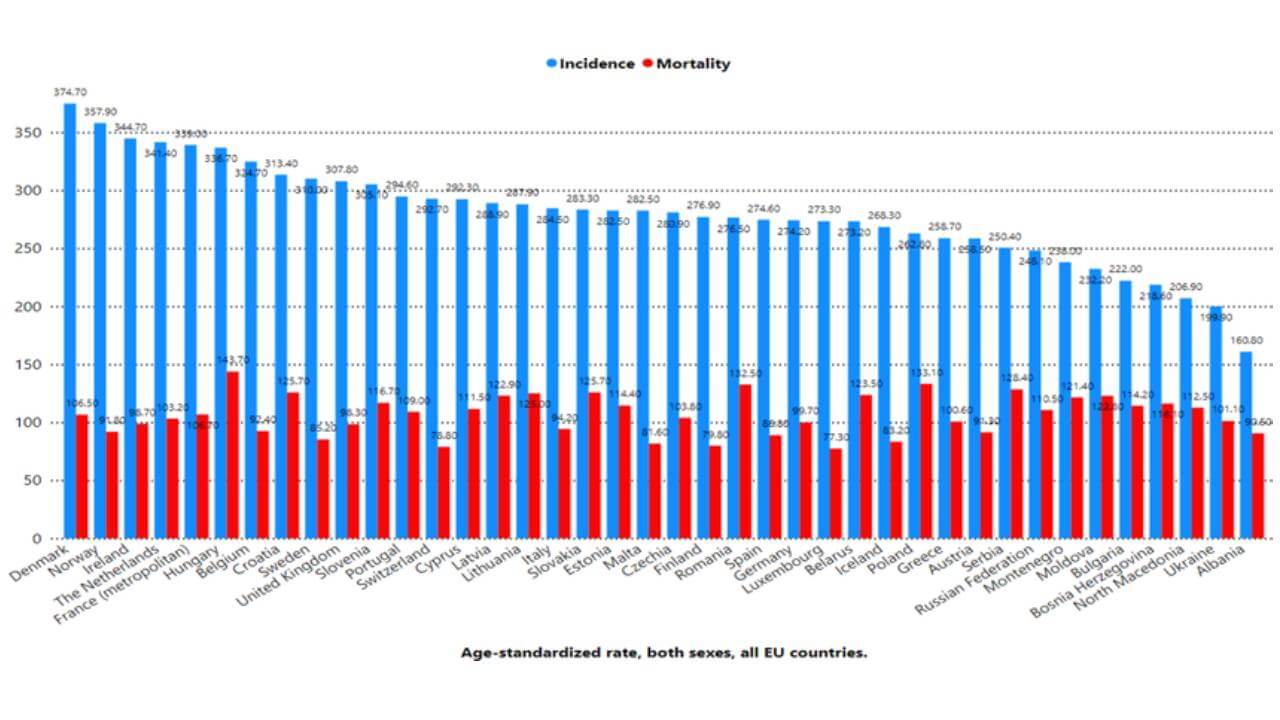
In order to gain a clearer insight into the benefits of cancer care in Germany, we interviewed Dr. Ute Sendler, hematologist-oncologist with a practice in Munich. Dr. Sendler, who has been working for 15 years in treating international patients, offers some insight into why patients prefer the treatment in cancer facilities in Germany.
VIDEO
Dr. Ute Sendler on Revolutionary
Cancer Treatment Methods:
From Chemotherapy to Immunotherapy
Oncology, Hematology and Cardiology
BOOK CONSULTATION
Innovative Methods of Oncology Treatment in Germany
The oncology care system in Germany combines clinical experience, scientific approaches and strict quality control. That is why patients seek access to advanced cancer treatment. Germany includes a wide range of modern therapeutic approaches that allow treating even complex and advanced forms of malignant tumors.
Importantly, new cancer treatment in Germany undergoes a multi-level review process before it is implemented in clinical practice. Innovative methods must be certified, meet European quality standards and prove their effectiveness. Only after that are they allowed to be used in cancer centers. This approach guarantees patients the safety of treatment and predicted results.
Another feature is the multidisciplinary approach: for each patient, the oncologist in Germany for cancer treatment works together with a team of surgeons, radiologists, geneticists and other specialists. This allows them to create personalized programs of oncology treatment in Germany, taking into account the type of tumor, its genetic characteristics and stage of the disease.
Below are innovative methods of oncology therapy that are used today in Germany and have proven their effectiveness in clinical practice.
Transarterial Chemoembolization (TACE) for Cancer Treatment in Germany
It is used mainly for liver tumors or metastasis. The essence of the procedure is to inject the chemotherapy drug directly into the arteries that feed the tumor through a catheter. After that, the vessels are blocked with special microparticles, which stop the blood supply to the tumor and enhance the effect of the drug.
Advantages of the method:
- high concentration of the drug in the tumor;
- less systemic toxic effect;
- minimally invasive;
- possibility of repeated procedures.
The method is used in hepatocellular carcinoma and liver metastases. It is often included in private cancer treatment. Germany actively uses TACE in leading cancer centers as part of modern liver tumor treatment strategies [3].
More details about TACE in Germany
Regional Chemotherapy for Cancer Treatment in Germany
This approach is widely used in the local treatment of cancer. Germany treatment programs rely on it because it achieves a high concentration of the drug in the affected area.
The drug is injected through a catheter into the vessels of a certain organ (for example, the liver or limbs), which provides a strong local effect with a much lower systemic toxic load on the body [5].
Advantages of the method:
- high concentration of the drug in the tumor zone;
- less impact on healthy tissues;
- reduction of systemic side effects;
- the possibility of combination with other types of therapy.
The method is used for liver tumors, metastases, limb sarcomas and some other localized tumors. When planning therapy, the cancer treatment cost in Germany is considered, which depends on the type of tumor, the volume of procedures and the chosen therapeutic strategy.
Learn more about regional chemotherapy
Dendritic Cell Therapy for Cancer Treatment in Germany
Dendritic cell therapy is an innovative immunotherapeutic method that stimulates the patient's own immune system to recognize and destroy tumor cells. The basis of this approach was the discovery of immune activation mechanisms, for which the Nobel Prize in Medicine was awarded in 2011 [4].
During therapy, dendritic cells are isolated from the patient's blood, which in the laboratory are taught to recognize tumor antigens. After that, the cells are returned to the body, where they activate T-lymphocytes for a targeted attack on cancer.
Advantages of the method:
- activation of the own immune response against the tumor;
- high specificity to cancer cells;
- low toxicity compared to classical chemotherapy;
- the possibility of combination with other types of care.
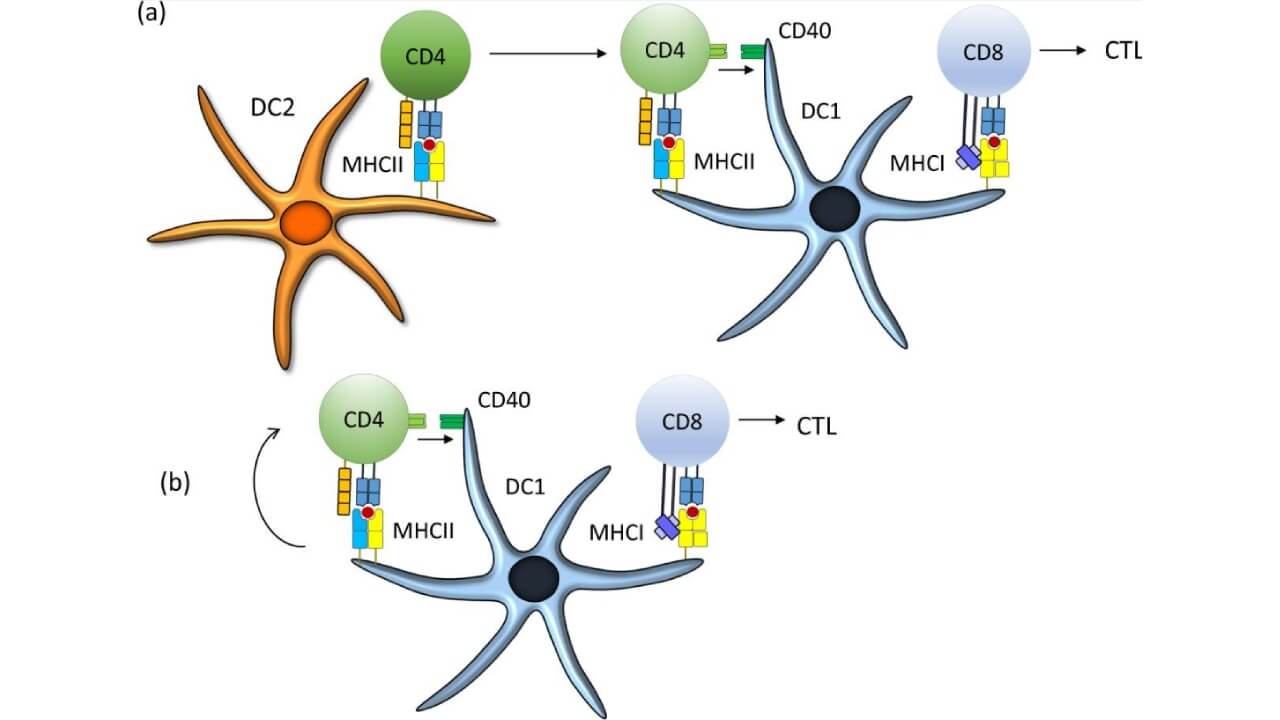
The method is used for various tumors, in particular glioblastoma, melanoma and some metastatic forms of cancer [6]. Many patients seek a cancer second opinion. Germany is often chosen to evaluate the possibility of using modern immunotherapy.
For international patients, access to innovative technologies and transparency of treatment costs remain important. Cancer treatment in Germany for UK patients is becoming an increasingly popular request, because it is this country that provides access to innovative immunotherapeutic methods and highly specialized oncological care. Cancer treatment in Germany cost depends on an individual therapy program.
The reason dendritic cell therapy is not available through standard oncology referral networks in most countries is not a lack of awareness — it is that producing a patient-specific vaccine requires a laboratory infrastructure and a regulatory environment that only a small number of centers have built and maintained. This is why geographical access to the method and clinical access to the right physician within it are two separate problems, and solving only the first one is not enough.
Booking Health works directly with the centers in Germany where dendritic cell therapy is performed at meaningful clinical volume — including for glioblastoma and metastatic melanoma — and conducts a case-specific evaluation before any recommendation is made, because the method's effectiveness depends on tumor profile, prior treatment history, and the specific vaccine protocol in use, not on general eligibility alone.
Dendritic cell therapy: learn moreHyperthermic Intraperitoneal Chemotherapy (HIPEC) for Cancer Treatment in Germany
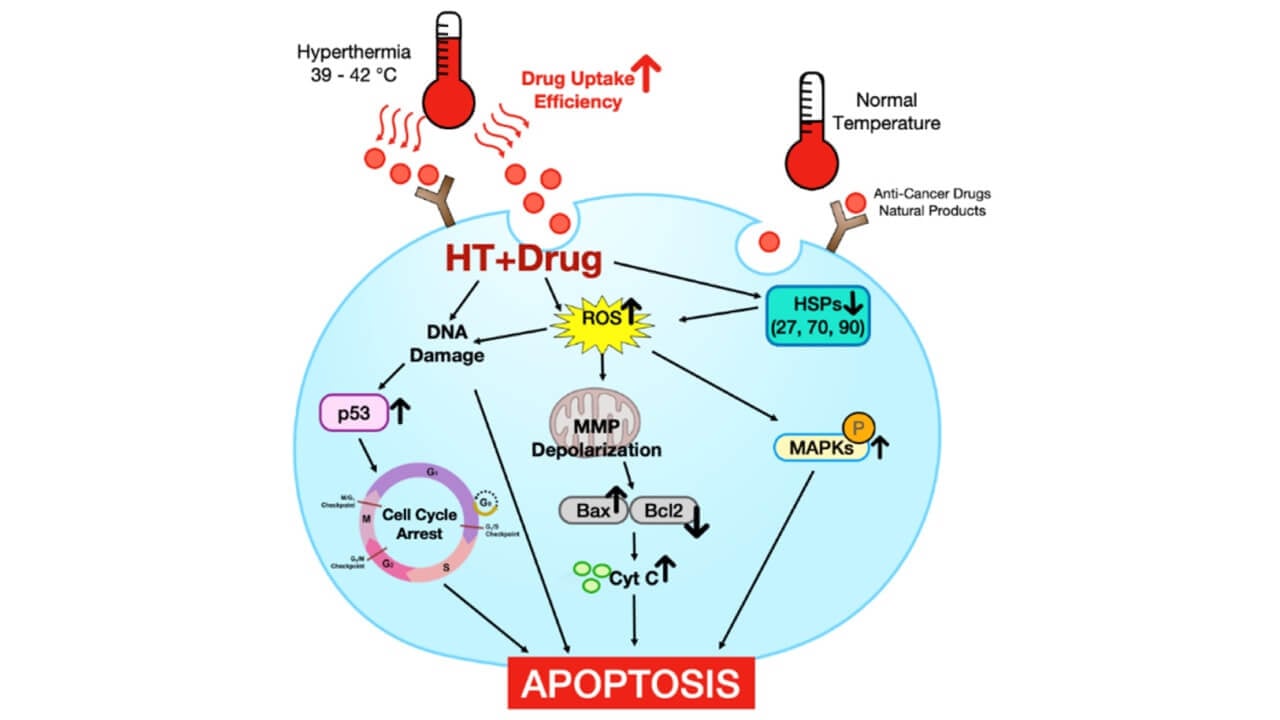
It is a modern method of local therapy of abdominal tumors, which is used in programs of cancer treatment Germany. The procedure combines surgical removal of visible tumors with the administration of heated chemotherapy directly into the abdomen.
After cytoreductive surgery, a heated chemotherapy drug (approximately 41-43 °C) is injected into the abdominal cavity, which circulates for a certain time and destroys residual cancer cells [7].
Advantages of the method:
- high local concentration of the drug;
- increasing the effect of chemotherapy due to the temperature;
- reduction of systemic toxicity;
- the possibility of influencing microscopic tumor cells.
HIPEC is often used in peritoneal metastases of different cancers. During the planning of therapy, cancer treatment costs in Germany are considered, which depend on the scope of the operation, technologies and the duration of hospitalization. For international patients, cancer treatment Germany prices are usually determined individually after evaluation of the diagnosis and treatment plan.
Electrochemotherapy for Cancer Treatment in Germany
Electrochemotherapy is a modern method of local treatment of tumors that combines the administration of a chemotherapy drug with short electrical impulses. This approach is used in modern cancer treatments. Germany applies it to increase the penetration of the drug into tumor cells.
After the administration of chemotherapy, controlled electrical impulses are applied to the tumor, which temporarily increase the permeability of the cell membrane. As a result, the drug penetrates cancer cells more effectively and increases the antitumor effect.
Advantages of the method:
- increasing the effectiveness of chemotherapy;
- minimal effect on healthy tissues;
- minimally invasive;
- possibility of treating deeply located and surface tumors.
The method is used for melanoma, skin tumors, metastases in the skin and subcutaneous tissues, as well as for some tumors of the head and neck. In modern German treatment for cancer, electrochemotherapy is often used to control local tumor lesions, especially when standard techniques have limited efficacy or are associated with high trauma. For patients planning treatment abroad, an important factor is the overall cost of care in Germany. In Germany, cancer treatment cost is determined individually, depending on the clinical situation and the chosen therapeutic strategy [8].
Discover electrochemotherapy for cancer treatment
Immunotherapy for Cancer Treatment in Germany
It is a modern care method that activates the body's own immune system to recognize and destroy tumor cells. Today, this approach has become one of the most important directions of modern oncology and is widely used in cancer treatment in Germany for foreigners and local patients.
The principle of this method is the use of drugs that help the immune system recognize tumor cells or enhance the activity of immune cells. Most often, inhibitors of immune response checkpoints are used, which block mechanisms that allow tumors to avoid immune attack [9].
Advantages of the method:
- activation of one's own immunity against the tumor;
- long-lasting antitumor effect;
- the possibility of treating advanced forms of cancer;
- combination with other methods of therapy.
Immunotherapy is used for melanoma, cancer of the lung, kidney, bladder, head and neck, as well as for other malignant tumors. More and more international patients are choosing immunotherapy as part of modern cancer treatment in Germany. Waiting time in many clinics is usually shorter, allowing patients to start treatment faster. Administrative questions are also considered when organizing, particularly those related to issuing a cancer treatment in Germany. Visa arrangements can help ensure faster access to the necessary therapy.
More details about immunotherapy
Comparative Table: Treatment of Advanced Cancer Cases in Germany
Patients considering therapy abroad often seek to understand how modern innovative methods differ from traditional therapy approaches. When studying how to get cancer treatment in Germany, it is also important to evaluate the effectiveness of various treatment methods, their response rate and possible side effects. The table below provides a comparative description of standard and innovative approaches to cancer treatment.
Effectiveness of Standard vs Innovative Cancer Treatments Germany Offers
Based on Booking Health clinical data and published outcomes. Actual results may vary depending on the patient's condition and treatment protocol.
| Type of Treatment | Response Rate and Effectiveness | Side Effects |
|---|---|---|
| Standard Chemotherapy | Depends on stage and tumor type (often 20-40%) | Pronounced systemic toxicity: nausea, alopecia, myelosuppression |
| Surgery | The highest effectiveness in the early stages (60-80%) | Risk of bleeding, infection, adverse reactions to anesthesia |
| Radiation Therapy | High efficiency in local tumor control (20-60%) | Fatigue, skin reactions, damage to adjacent tissues, low quality of life during treatment |
| TACE (Transarterial Chemoembolization) | Tumor control in 50-70% of patients with liver tumors | Moderate pain, temporary increase in liver enzymes |
| Regional Chemotherapy | Often a higher local response than with systemic therapy | Mild (localized discomfort) |
| Dendritic Cell Therapy | 60-95% of long-term immune response | Minimal (flu-like symptoms) |
| HIPEC | Significantly increases local control of peritoneal metastases up to 55% | Moderate (surgical complications, infection risk) |
| Electrochemotherapy | High local response (up to 60% for surface tumors) | Minimal systemic side effects |
| Immunotherapy (standard medicines without individual production) | 30-60% of response, depends on the stage | Risk of severe immune-related adverse events |
The Average Cost of Cancer Treatment in Germany
For many international patients, German cancer treatment is a combination of high medical standards, access to innovative methods and more moderate costs compared, for instance, to the US and the UK. That is why the cost of cancer treatment in Germany often turns out to be more acceptable, especially when it comes to modern high-tech procedures.
Thus, TACE in Germany costs approximately up to €24,000. By comparison, in the UK the cost is up to €45,000, and in the US, up to €100,000. This makes Germany a much more affordable option for patients seeking minimally invasive local treatment for tumors.
A similar tendency can be observed for dendritic cell therapy, which is increasingly included in the programs of modern cancer treatment in Germany. Price for this method in Germany usually ranges from €20,000 to €38,000, while in Great Britain this therapy is often unavailable, and in the USA its cost may reach €100,000-€150,000.
Consequently, cancer therapy in Germany is often more advantageous compared to other leading countries. For patients, this means the opportunity to get a modern German cancer treatment with access to innovative methods without excessive financial burden.
The table below shows the estimated cost of modern cancer care in Germany. This helps to better understand how much a certain type of therapy can cost, depending on the chosen approach.
Cancer Treatment Costs in Germany
| Type of Treatment | Cost in Germany |
|---|---|
| TACE (Transarterial Chemoembolization) | €6,500 – €24,000 per session |
| Regional Chemotherapy | €6,500 – €24,000 per session |
| Dendritic Cell Therapy | €20,000 – €38,000 |
| HIPEC | €55,000 – €75,000 |
| Electrochemotherapy | €6,500 – €24,000 per session |
| Immunotherapy (standard medications without individual production) | €20,000 – €38,000 for 1 cycle |
The cost differential between Germany and the US or UK is large enough to be clinically significant — not because it reduces quality, but because it means patients who self-fund treatment can pursue a full program, including combination protocols and follow-up cycles, rather than stopping at a single intervention when the budget runs out. What the listed prices do not reflect, however, is the difference between the published rate a foreign patient pays when approaching a clinic independently and the rate accessible through an established medical tourism operator.
Booking Health's patients pay program costs without the foreign-patient markup that most German clinics apply by default — a difference that, across a full treatment course, typically amounts to a saving of 40 to 70%.
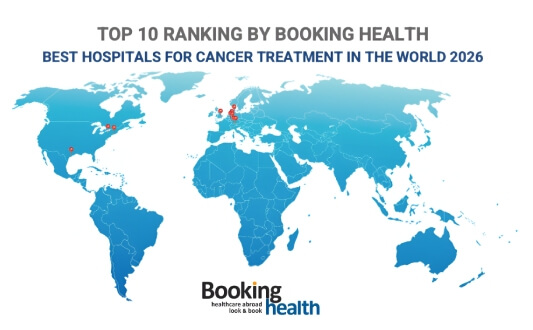
BOOK CONSULTATIONTop Hospitals for Cancer Treatment in Germany
Germany's oncology infrastructure is unusual not only due to the existence of leading institutions — most developed countries have those — but the depth of specialization distributed across them. University hospitals, specialized German cancer hospitals, and modern private clinics each occupy a distinct clinical role. This structure gives patients real options. It also means that choosing a hospital by reputation alone, without matching it to the specific diagnosis and method required, is a clinical risk in itself.
Quality in German oncology is not self-declared. A state regulatory framework governs every institution involved in cancer care — setting binding standards for equipment, personnel qualifications, safety protocols, and clinical compliance — which is why both university and private clinics operate within the same evidential baseline. The multidisciplinary approach is structural, not optional: tumor boards, combined diagnostics, and coordinated treatment planning are built into how these centers function, not added selectively for complex cases.
Identifying which clinic has the strongest documented outcomes for a specific tumor type and treatment method is where Booking Health's experience becomes directly relevant. Over more than 15 years of working with Germany's leading oncology centers, our specialists have built the clinical knowledge to match each case — by diagnosis, stage, and method — to the institution best equipped to handle it. That match is made quickly: from the moment a patient submits their case, our team moves to secure a consultation at the right clinic without unnecessary waiting, so that the time between decision and treatment start is as short as the clinical situation demands.
Explore the Top 10 Oncology Hospitals in Germany
Real Stories of Oncology Treatment in Germany
Today, we are trusted by patients from all over the world, especially from developed countries, where access to modern oncology care may be limited due to long waiting times, excessively high costs or the lack of individual innovative methods in clinical practice. That is why more and more people see Germany for cancer treatment as a real opportunity to receive timely, personalized and highly specialized assistance.
For many families, there is a decisive argument – finding a real chance for effective treatment in Germany. Cancer treatment in these clinics attracts not only with a high level of medical care, but also with access to modern methods.
Below are the real stories of patients who chose cancer treatment in Germany after facing limited therapy options, high cost or denial of separate treatments in their home countries. Each of these stories shows how timely access to specialized care and innovative solutions can open up new perspectives even in complex clinical situations. This is especially important for those who consider cancer treatment in Germany. The international patients cancer treatment Germany offers is a clear plan of action, a clear organization of treatment, and new hope.
Daria: A New Hope for Glioblastoma
The story of Daria Rogers is an example of how searching for additional opportunities can change the course of treatment. After being diagnosed with glioblastoma multiforme, one of the most aggressive forms of brain tumor, the couple began to look outside their home country for options. This is how they learned about dendritic cell therapy and reached out to Germany through Booking Health.
Daria talks about the path from post-diagnosis shock to renewed hope after treatment, as well as the results of an MRI three months later, which have become extremely important for the family. Their history is especially valuable for patients who are looking for modern solutions for glioblastoma and want to understand how to organize treatment abroad.
John: Radionuclide Therapy Instead of Exhausting Waiting
After a five-year battle with prostate cancer, John underwent several stages of treatment; however, the disease continued to progress. As the tumor became more aggressive and spread beyond the prostate, he began to look for a different approach. In the USA, Lutetium-177 PSMA radionuclide therapy (RNT) proved almost unavailable due to a lack of insurance coverage and extremely high cost.
It is in these situations that cancer treatment in Germany for Americans and patients from other developed countries often becomes a real alternative when, at home, access to innovative therapies is delayed or limited by financial barriers. For John, treatment in Germany became a chance to get a personalized method that allowed not only to fight the tumor, but also to preserve the quality of life.
Tatyana: A Chance for Treatment After Refusing Surgery
Tatyana, who had lived in Norway for many years, had already experienced difficult treatment for ovarian cancer with peritoneal carcinomatosis and believed she had left the disease behind. However, in 2024, she was diagnosed with a large liver tumor in a critically difficult area near the portal vein. In Norway, she was informed that surgery was not possible, and the only option remaining was further chemotherapy, which could only temporarily restrain tumor growth.
In such cases, patients often choose Germany for cancer treatment to get another opinion, an assessment of operability, and access to more complex surgical solutions. Tatyana's story illustrates the importance of not giving up after the first refusal, particularly when seeking treatment at experienced German centers that take on clinically difficult cases.
What Daria's, John's and Tatyana's stories share is not an exceptional outcome — it is the structure of the decision that preceded it: each of them reached a point where the local system had given its answer, and the question became whether that answer was final or whether it reflected the limits of what was available locally rather than what was possible clinically. That distinction is not always visible from inside a healthcare system, which is why an independent case review — conducted by a medical team with direct access to German specialists across multiple disciplines — changes the equation.
Booking Health's role in each of these cases was not to promise a result but to identify whether a better-matched treatment option existed, arrange access to it without delay, and remain present throughout the process as a clinical and logistical anchor.
GET A SECOND OPINION FOR MY CASEHow to Get Cancer Treatment in Germany: Visa, Waiting Time, and Scheduling
Organizing cancer treatment abroad usually begins with collecting medical documents, choosing a clinic, obtaining a preliminary opinion from doctors, agreeing on a program of examination or therapy, as well as issuing a trip and medical visa. Germany for treatment is chosen by patients from different countries, but the organizational part is often no less difficult than the treatment itself.
In many cases, patients first need a review of medical documents to understand which treatments are available in their clinical situation, including the ability to get online second opinion. Germany oncology centers can offer modern approaches even in difficult cases, but access to them requires clear and quick coordination.
This is especially important when it comes to the individualized approach, molecular diagnostics and precision oncology. Germany offers access to highly specialized oncology programs, but their timely completion requires accurate planning, the right choice of clinic and a well-organized patient route.
In theory, a patient can arrange treatment on his own, but in practice, there are many obstacles to overcome. It is necessary to communicate independently with clinics, often in a foreign language, send and translate medical documentation, wait for a response from the administration, clarify the cost, dates of hospitalization and the availability of specific doctors or treatment methods. A separate challenge is visa processing, ticket booking, finding a transfer, accommodation, and an interpreter, as well as coordinating all stages so that examinations, consultations and treatment are coordinated without delay.
Another common problem when organizing is a longer waiting time. For a foreign patient, an appointment at a leading clinic may be delayed, and free dates are often offered only after weeks or even months. In addition, without professional support, it is more difficult for the patient to understand whether he is really offered the best treatment option, whether all alternatives are considered, and what the full cost of the program will be.
The financial aspect is no less important. In self-organisation, the total amount of expenditure often rises because of administrative difficulties, the lack of a clear plan and additional expenditure which was not foreseen at the outset. Errors in logistics, delays in documents or incorrect sequence of treatment stages can not only complicate the trip, but also affect the timing of the start of therapy.
Booking Health patients do not face such difficulties, as we fully undertake the planning, organization and support of treatment – from the analysis of the clinical case and the selection of the clinic to the appointment without unnecessary waiting, preparation of documents, coordination of the trip, translation and further support after the completion of therapy. That is why the next step for many patients is to contact a reliable partner who can organize treatment in Germany quickly, safely and without unnecessary stress.
Booking Health Is Your Reliable Partner for Cancer Treatment in Germany
Booking Health is a team of doctors and medical coordinators with many years of experience in the field of medical tourism, which has been helping patients from all over the world to organize treatment of cancer in Germany at the highest professional level for more than 15 years. Patients choose us because we offer not just travel organization, but comprehensive medical support.
We analyze the clinical case, select the optimal clinic and treatment program, organize consultations, hospitalization, logistics, translation and support at all stages. For many people who are looking for the best cancer treatment in Europe, this means the opportunity to go through the entire treatment path without chaos, delays and excessive stress.
One of the key advantages of Booking Health is direct contact with the best cancer clinics in Germany and access to leading specialists. It is thanks to this that we can help patients get the consultation faster, get urgent hospitalization and reach the level where the best doctor for cancer treatment in Germany deals with the treatment according to the profile of the disease and the complexity of the case.
Financial transparency and the ability to significantly optimize costs are separate advantages. Thanks to the proven algorithms of treatment organization, our patients can save from 40 to 70%, receive a fixed cost of programs and avoid many additional costs that often arise when organizing on their own. We can also provide urgent access to treatment within 48 hours, which is especially important in oncology, where time is critical.
Booking Health is a combination of medical expertise, a high level of service, an individual approach and all inclusive format. That is why patients from different countries entrust us with the planning, organization and support of cancer treatment abroad, choosing a safe, clear and professional path to modern oncological care.
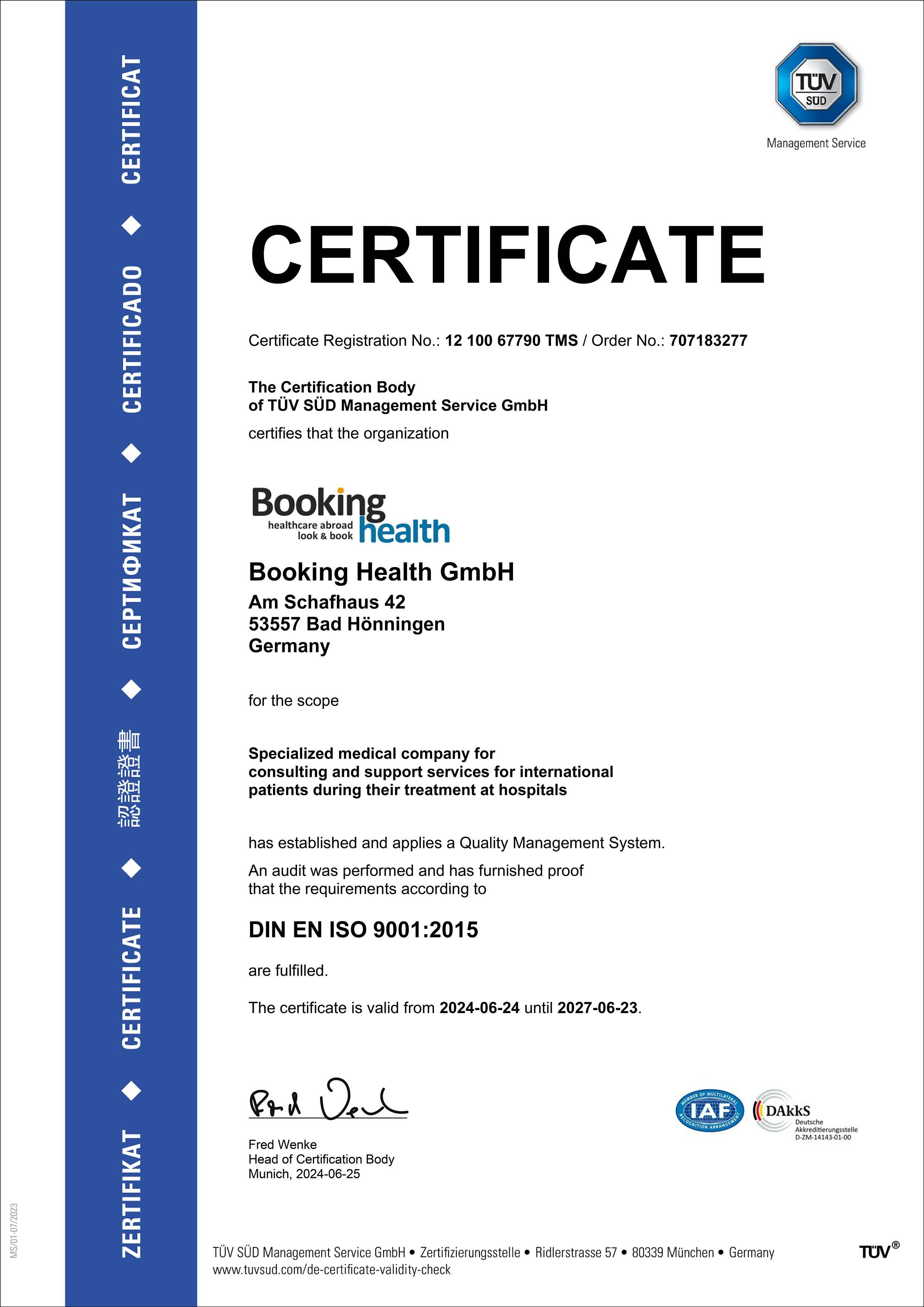
Booking Health holds ISO 9001 quality certification, reflecting well-established processes and strict quality control at every stage of the treatment journey — not just at the initial consultation, but throughout.

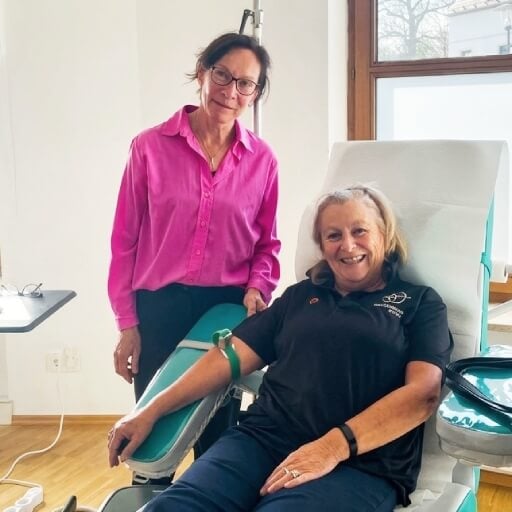
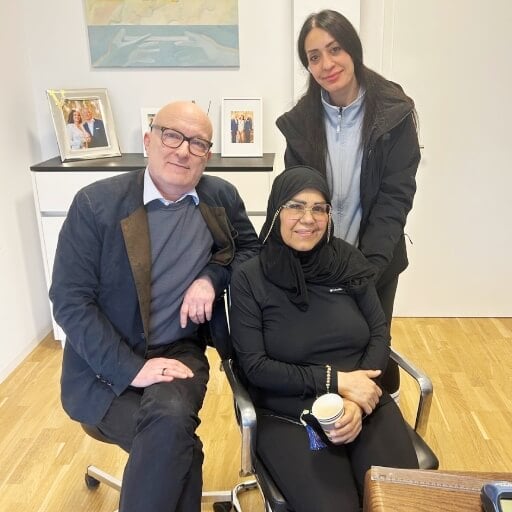
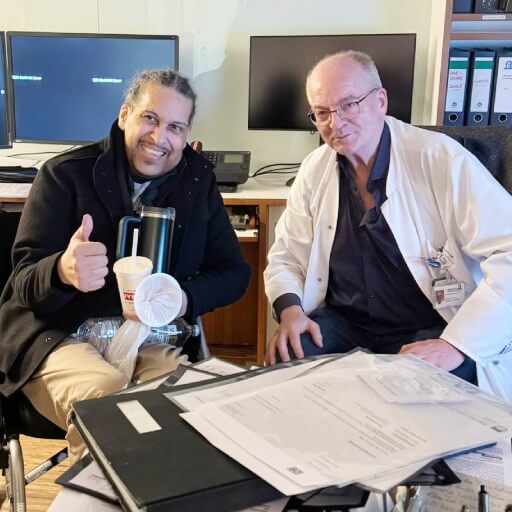
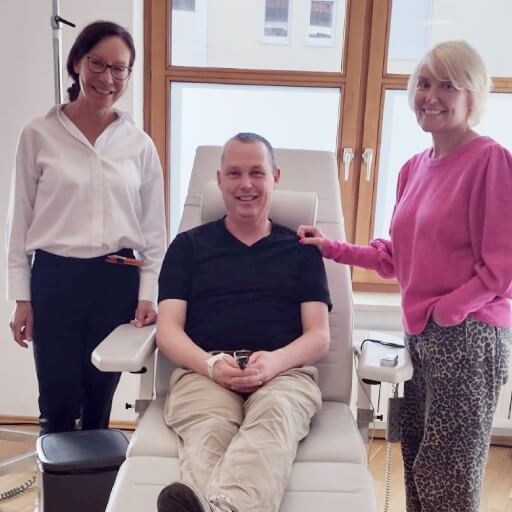
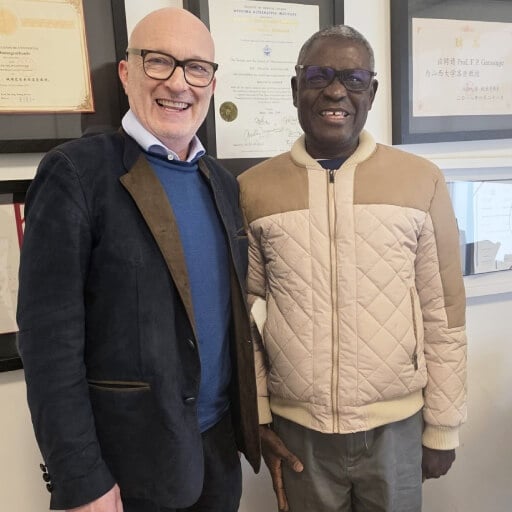
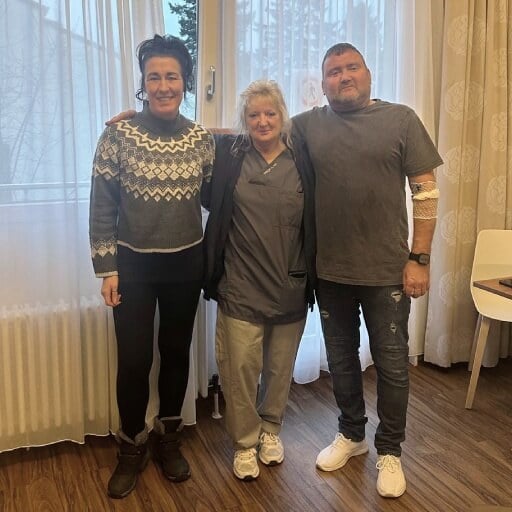
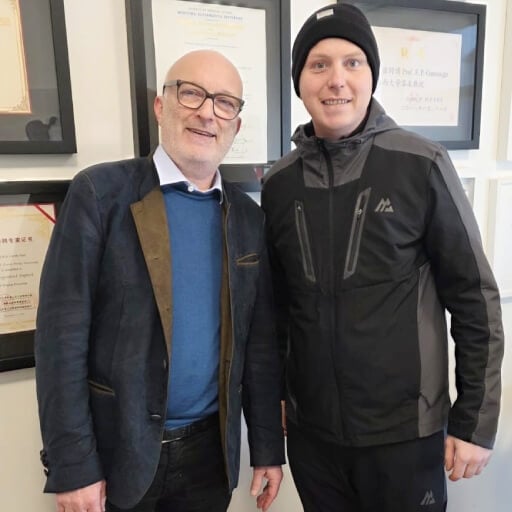
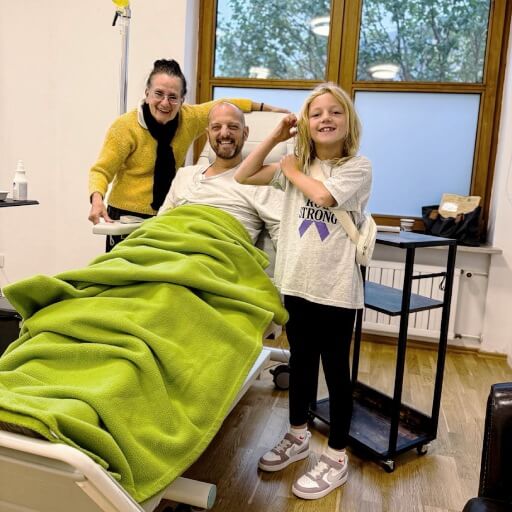
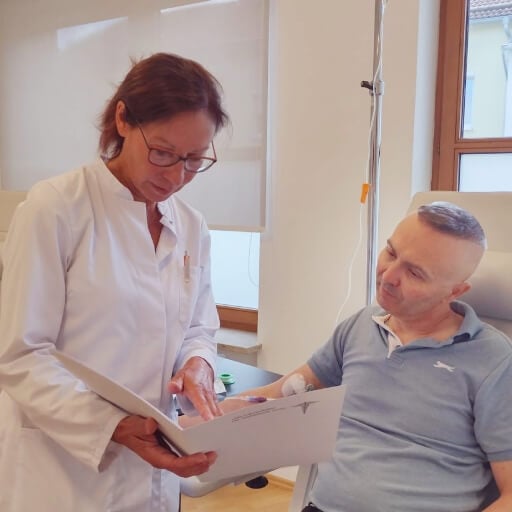
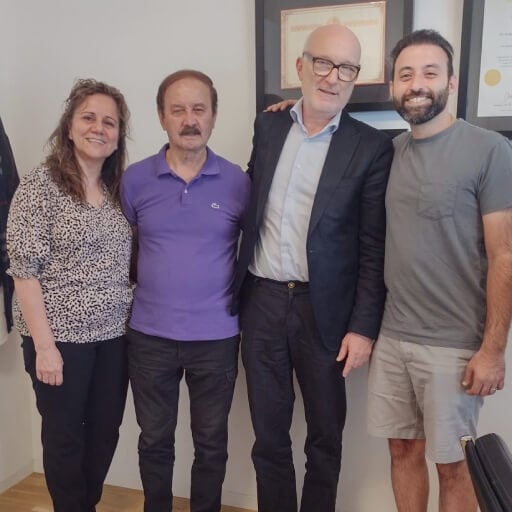
Leading Cancer Clinics: Patient Care with Booking Health



FAQ: Cancer Treatment in Germany
For the patient, "best cancer treatment in Germany" means not one "universally best" therapy, but access to the optimal solution specifically for his clinical case. This may include accurate diagnosis, multidisciplinary consultation, modern treatment protocols, innovative methods and individual selection of therapy depending on the type of tumor, stage of the disease and previous treatment.
How to get cancer treatment in Germany usually means several consecutive steps: collecting medical documentation, translating it, choosing a clinic, obtaining a preliminary medical opinion, agreeing on a treatment program, calculating the cost and organizing the trip. It is most convenient to follow this path with professional support to avoid delays, errors in documents and difficulties in communication with the clinic.
Cancer treatment cost in Germany depends on the diagnosis, stage of the disease, scope of examinations, type of therapy and duration of hospitalization. For example, the cost may vary significantly for surgery, HIPEC, immunotherapy, or dendritic cell treatment. In general, treatment Germany prices often remain more moderate than in the US, especially when it comes to complex innovative methods.
Yes, we organize cancer treatment in Germany for foreigners, including patients from the USA, Great Britain and other countries. We help at all stages: from document analysis and clinic selection to hospitalization organization, logistics, translation and further support.
Yes, German clinics have extensive experience working with international patients, including those from the USA and Great Britain. Many centers offer special programs in the format of private cancer treatment. Germany is one of the most popular destinations for patients who want quick access to highly specialized care. If necessary, the patient also receives support with a medical visa. Germany for treatment in such cases becomes much easier to organize thanks to the professional coordination of all formalities.
Yes, in many cases, the patient can remotely send his medical documents and receive a cancer second opinion. Germany offers this option based on imaging results, histology and treatment already performed, which is especially useful before planning a trip.
Yes, before the trip, the patient can get an online second opinion. Germany oncology clinics make it possible to understand possible treatment strategies, assess the feasibility of the trip, the approximate budget and the timing of the start of therapy even before arrival.
To choose the best doctor for treatment in Germany for cancer, it is important to consider not only the general reputation of the doctor, but also his narrow specialization. The best specialist for a breast cancer patient, for example, would not be the best for glioblastoma or metastatic prostate cancer. Experience working with your type of tumor, access to a multidisciplinary team and the ability to apply modern treatment methods are important.
It is easiest to find the best doctor for cancer treatment in Germany through professional medical support that takes into account the diagnosis, stage of the disease, previous treatment and the patient's goals. In difficult cases, it is important not just to find a well-known specialist, but to choose exactly the oncologist in Germany for cancer treatment who has practical experience in the right direction.
The latest cancer treatments in Germany include personalized immunotherapeutic approaches, targeted therapy, radioligand therapy, dendritic cell therapy, HIPEC, TACE, electrochemotherapy and other modern methods. A special place is occupied by precision oncology, where treatment is selected based on the molecular, genetic and biological characteristics of the tumor.
Yes, we help with the organization of cancer treatment in Germany. Visa support includes the preparation of the necessary documents for a trip for treatment. Many patients choose cancer treatment in Germany. Waiting time depends on the clinic, the type of treatment and the urgency of the situation, but with a professional organization, access to counseling or hospitalization can often be achieved much faster. During the organization of treatment abroad, several components are important: coordination of appointments to the clinic, preparation of medical documents, patient support during consultations and professional medical translator, Germany. Oncology involves the accurate translation of medical terms so that the doctor and the patient understand the treatment plan equally.
Typical cost ranges: video‑assisted thoracoscopic lobectomy for lung cancer €24,900‑€36,800; PSMA therapy with Lutetium‑177 for prostate cancer €12,700‑€28,900; dendritic cell vaccination for various cancers €20,000‑€38,000; embolization/chemoembolization for cervical cancer €6,500‑€24,000; cytoreductive surgery plus HIPEC for stomach/abdominal cancers €55,000‑€75,000.
In Germany cancer treatment combines conventional treatment with advanced approaches. Here multidisciplinary teams create personalized plans (to maximize effectiveness and reduce side effects).
Patients in Germany benefit from university hospitals and specialized cancer centers – these facilities ensure treatments follow the latest international oncology protocols.
Germany is considered one of the top countries for cancer care (due to its access to innovative therapies). Here skilled specialists combine conventional and advanced treatment methods for optimal outcomes.
German oncology centers treat international patients as a matter of standard practice. Access is determined by clinical need, not by citizenship — which means the relevant question is not whether a foreign patient can be admitted, but how quickly the organizational pathway can be completed without losing treatment time. Booking Health handles that pathway in full: from document analysis and clinic selection to visa support, logistics, and coordination at every stage.
The cost is calculated individually, because the variables that determine it are clinical: tumor type, stage, treatment method, number of sessions, and whether combination protocols are involved all affect the final figure. Published price ranges reflect baseline procedure costs — the actual program cost is confirmed after clinical review. Booking Health provides patients with a fixed estimate before treatment begins, so the figure agreed upon at the outset does not expand mid-program.
Choose treatment abroad to be sure to get the best results!
Sources:
01. The Cancer Atlas. Cancer in Europe. https://canceratlas.cancer.org/burden-of-cancer/cancer-in-europe/
02. Mohammed Elmadani, Peter Onchuru Mokaya, Ahmed A A Omer et al. Cancer burden in Europe: a systematic analysis of the GLOBOCAN database (2022). BMC Cancer. 2025 Mar 12;25:447. doi: 10.1186/s12885-025-13862-1. [DOI] [PMC free article]
03. Timo A Auer, Keitaro Sofue, Eisuke Ueshima et al. Transarterial Chemoebolization in Hepatocellular Carcinoma: A Binational Japanese-German Study. J Hepatocell Carcinoma. 2022 Aug 1;9:695–705. doi: 10.2147/JHC.S359705. [DOI] [PMC free article]
04. Roman Volchenkov, Florian Sprater, Petra Vogelsang, Silke Appel. The 2011 Nobel Prize in physiology or medicine. Scand J Immunol. 2012 Jan;75(1):1-4. doi: 10.1111/j.1365-3083.2011.02663.x. [DOI] [PubMed]
05. Yogesh Vashist, Kornelia Aigner, Miriam Dam, Sabine Gailhofer, Karl R Aigner. Regional Chemotherapy Is a Valuable Second-Line Approach in Metastatic Esophageal Cancer after Failure to First-Line Palliative Treatment. Curr Oncol. 2022 Jul 11;29(7):4868–4878. doi: 10.3390/curroncol29070386. [DOI] [PMC free article]
06. Domenico Galati, Serena Zanotta. Dendritic Cell and Cancer Therapy. Int J Mol Sci. 2023 Feb 20;24(4):4253. doi: 10.3390/ijms24044253. [DOI] [PMC free article]
07. S J Valle, N A Alzahrani, W Liauw et al. Hyperthermic Intraperitoneal Chemotherapy (HIPEC) Methodology, Drugs and Bidirectional Chemotherapy. Indian J Surg Oncol. 2016 Feb 5;7(2):152–159. doi: 10.1007/s13193-016-0498-0. [DOI] [PMC free article]
08. Maria Condello, Gloria D’Avack, Enrico Pierluigi Spugnini, Stefania Meschini. Electrochemotherapy: An Alternative Strategy for Improving Therapy in Drug-Resistant SOLID Tumors. Cancers (Basel). 2022 Sep 5;14(17):4341. doi: 10.3390/cancers14174341. [DOI] [PMC free article]
09. Manisha Sahu, Hemakumari Suryawanshi. Immunotherapy: The future of cancer treatment. J Oral Maxillofac Pathol. 2021 Aug 31;25(2):371. doi: 10.4103/0973-029X.325257. [DOI] [PMC free article]
10. Theresa L Murphy, Kenneth M Murphy. Dendritic cells in cancer immunology. Cell Mol Immunol. 2021 Sep 3;19(1):3–13. doi: 10.1038/s41423-021-00741-5. [DOI] [PMC free article]
11. Ga Yeong Yi, Min Ju Kim, Hyo In Kim et al. Hyperthermia Treatment as a Promising Anti-Cancer Strategy: Therapeutic Targets, Perspective Mechanisms and Synergistic Combinations in Experimental Approaches. Antioxidants 2022, 11(4), 625. doi: 10.3390/antiox11040625. [DOI]
Read:
1. Top 10 Leading Oncology Hospitals for Cancer Treatment in Germany