Ovarian cancer is one of the most common gynecological malignancies among women in the world. It is the eighth most common cancer [1], with approximately 313,000 new cases diagnosed in women each year [2].
It can be difficult to detect in the early stages because there are no specific symptoms. The later it is diagnosed, the less favorable the prognosis. Meanwhile, the five-year survival rate varies significantly by stage at diagnosis. Patients with stage I disease have a survival rate of over 90%, while survival rates for stage III and IV disease drop to approximately 30% [3].
Many women who are faced with this challenging diagnosis have a chance to significantly improve outcomes by adding specialized medical care to their personalized treatment plan. Nowadays, multidisciplinary oncology teams are making sure that even in advanced stages, there is hope for a high quality of life.
Standard Treatment Protocols for Ovarian Cancer
Standard treatment strategies for ovarian cancer typically include surgery, chemotherapy, and, less commonly, radiation therapy [4]. The type of treatment the patient requires is determined by the stage at diagnosis, tumor spread, and the patient's overall health.
Surgery is considered the first step in the treatment of ovarian cancer in the early stages. The surgery involves the removal of the ovaries, fallopian tubes, uterus, and surrounding tissue with lymph nodes. When the cancer spreads further, cytoreductive surgery (debulking) is performed to remove as much of the tumor mass as possible.
Chemotherapy is a main systemic treatment option. It can be used after the surgery to destroy any remaining cancer cells or as a primary approach in advanced cases. Chemotherapy is administered in cycles, which can take several months and have aggressive side effects like hair loss, fatigue, low blood count, and nausea.
Radiation therapy isn’t the primary step of the treatment plan. It has limited effectiveness in the pelvic region due to the high risk of damaging healthy tissue. Radiation is only administered for patients who require palliative care to relieve symptoms such as pain or bleeding.
These standard approaches are the basis of ovarian cancer care, but they are usually associated with side effects that significantly negatively impact quality of life. Also, they still allow for the high risk of recurrence. The development of modern approaches aimed to resolve those problems and improve long-term outcomes.
For patients who have already received multiple chemotherapy cycles, the standard protocol's immunosuppressive effect creates a compounding problem: the same treatment that depletes tumor burden also depletes the immune cell populations that innovative therapies depend on.
Before recommending any of the innovative approaches described below, Booking Health's medical team reviews each patient's prior treatment history, current blood parameters, and performance status — because the method most likely to extend survival is not the same for a patient with preserved immune function as for one whose prior chemotherapy has significantly compromised it.
Modern oncology emphasizes a personalized treatment selection that can include both revolutionary and standard treatment options. Modern treatments aim to minimize side effects by targeting tumors precisely. Even in later stages, methods like interventional radiology procedures, dendritic cell therapy, HIPEC (hyperthermic intraperitoneal chemotherapy), and PIPAC (pressurized intraperitoneal aerosol chemotherapy) show remarkable results. Research indicates that these approaches are highly effective for patients with ovarian cancer, particularly when conventional treatments have failed.
Interventional Radiology for Ovarian Cancer
Interventional radiology (IR) offers a range of minimally invasive procedures that are increasingly valuable in oncology, especially for ovarian cancer patients with advanced or recurrent disease. They can be used on their own or as a complex part in an individualised treatment plan for patients at any stage of the disease. IR aims to deliver treatment directly to the cancer site, thereby sparing healthy tissues and reducing systemic side effects.
Thermal ablation is one of the most commonly used procedures as a minimally invasive approach for ovarian cancer. During thermal ablation, high temperatures are used to damage the cancer cells. There are two main approaches: high-intensity focused ultrasound (HIFU) and laser interstitial thermal therapy (LITT), where laser power is concentrated at the exact tumor site.
In recent years, these methods have been transforming the gynecologic oncology field and allow for achieving a local tumor control in up to 82% of patients with recurrent ovarian cancer [5]. Also, thermal ablation of secondary tumors improves progression-free survival in over 70% of patients.
Cryoablation is another IR technique that uses sub-zero temperatures to cause irreversible damage to cancer cells. It is showing promise in ovarian tumor treatment, particularly when combined with systemic therapy, indicating the extent of progression-free survival of above 80% of patients.
Above that, cryoablation is successfully used in combination with immunotherapy to treat metastasis in the lungs, especially in tumors resistant to systemic treatment. It can also be helpful when managing lesions within hard-to-reach locations in palliative scenarios.
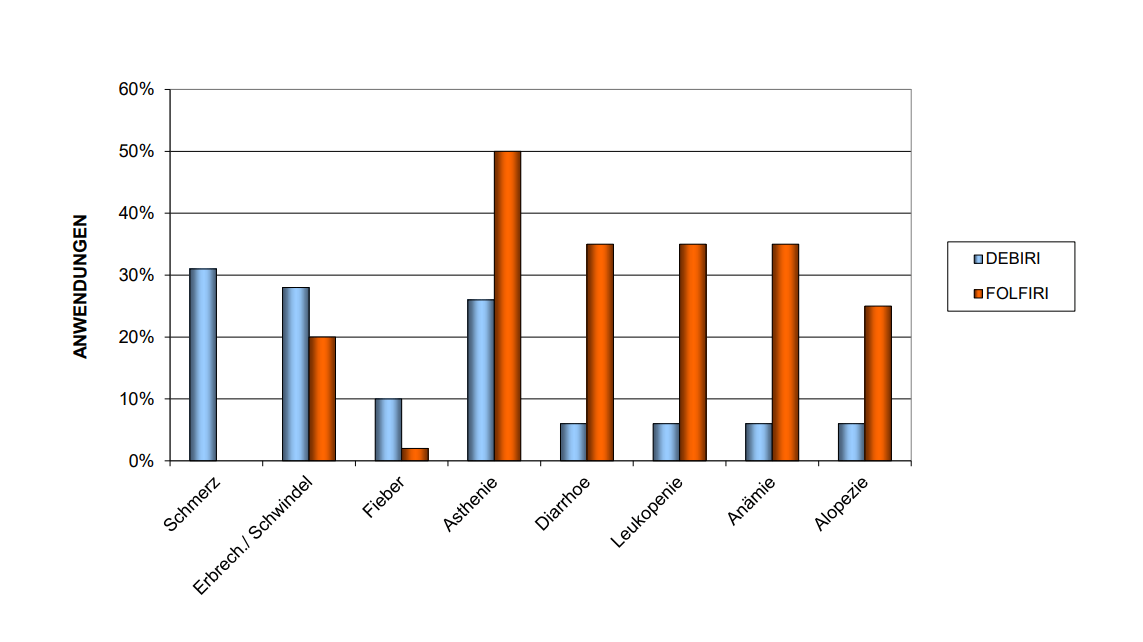
Transarterial chemoembolization (TACE) is another safe, minimally invasive treatment specifically for liver metastases in ovarian cancer patients [6]. The procedure starts with the delivery of the drug directly to the blood vessel that supplies the tumor. It enables delivery of high concentrations directly to metastatic sites, reducing systemic side effects. Then an embolisation is performed, which traps the chemo inside the tumor, prolonging the exposure. TACE is a crucial option for patients with unresectable or treatment-resistant liver metastases, offering an increased local tumor control.
Fiorentini G et al Anticancer Res 2012;32:1387 **DEBIRI = TACE, FOLFIRI = IV therapy; with DEBIRI, 90% of the patients have improved quality of life for 32 weeks [7]
The three IR techniques described here — thermal ablation, cryoablation, and TACE — are not interchangeable for the same ovarian cancer patient. Thermal ablation is preferred for accessible secondary tumors where precise heat delivery can achieve local control; cryoablation for lesions near sensitive structures or in combination with immunotherapy; TACE for liver metastases specifically. Centers offering one or two of these modalities will recommend from their available menu.
Booking Health maps each patient's metastatic pattern and disease burden against the documented procedural capabilities of candidate German centers, identifying which institution has the combination of IR expertise most relevant to the patient's specific sites of disease.
Electrochemotherapy (ECT) Treatment for Ovarian Cancer
ECT uses electrical pulses to open cancer cell membranes. Once those cells are vulnerable, chemotherapy floods in at concentrations impossible to achieve with standard IV treatment – that is the breakthrough.
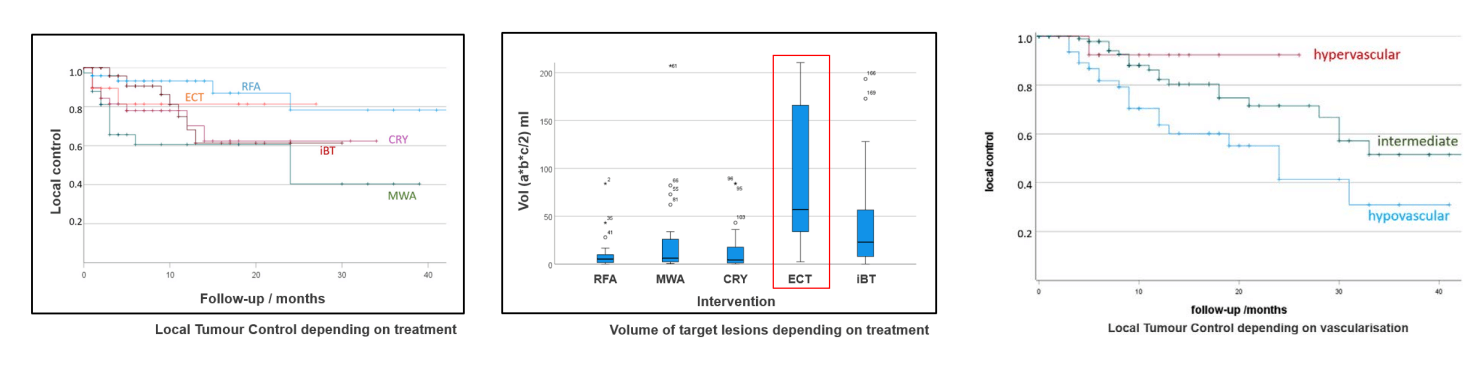
Doctors combine electro-chemotherapy with isolated perfusion for ovarian cancer patients who've failed conventional treatments. Electrodes positioned around the tumor, pulses delivered under anesthesia, and cancer cells become porous. Then, high-dose chemotherapy administered through arterial catheters during an isolated perfusion session – drug uptake increases exponentially. Electrochemotherapy in gynecological cancer exploits a fundamental difference: malignant cells are more vulnerable to electrical pulses than healthy tissue.
*Kovács A et al. Long-Term Comparative Study on the Local Tumour Control of Different Ablation Technologies in Primary and Secondary Liver Malignancies. J Pers Med. 2022 Mar 9;12(3):430 [8]
Side effects are minimal because treatment is localized, and patients recover quickly. The Booking Health website provides information about treatment access and the cost of electrochemotherapy at specialized centers. Electrochemotherapy cost is not always covered by insurance; it is better to clarify this in advance.
VIDEO
Prof. Kovács: How Electrochemotherapy Became the Gold Standard for Hard-to-Reach Tumors
Published research on 107 ovarian cancer patients tells a remarkable story. Regional chemotherapy for ovarian cancer using hypoxic isolated abdominal perfusion achieved a median overall survival of 11.9 months in heavily pretreated, refractory cases – patients who'd failed multiple chemotherapy lines, ECOG performance status 2-3, poor prognosis [11].
Professor Karl R. Aigner developed this technique over 45 years. Hypoxic isolated abdominal perfusion works by isolating blood flow to the abdomen: balloon catheters positioned in the aorta and vena cava, high-dose chemotherapy injected as a bolus. Treatment conducted 15 minutes under hypoxic conditions – drugs exhibit augmented tumoricidal effect without oxygen, multiplying their normal cytotoxicity. After perfusion, chemofiltration removes drugs to prevent systemic toxicity.
Results: complete remission 17.3%, partial remission 51.7%, total clinical benefit 69%. Complete disappearance of ascites in 43% after just two perfusions – patients report dramatic relief of abdominal pain and distension. Quality of life improved in 74% of cases. Bone marrow suppression is minimal (WHO grade 1-2); no neutropenic fever or hand-foot syndrome has ever been observed [10].
Those outcomes — 69% total clinical benefit and ascites resolution in 43% after two perfusions — were achieved in patients with ECOG status 2-3 who had already failed multiple chemotherapy lines.
The eligibility condition that made them candidates despite that poor prognosis was adequate vascular anatomy and renal function to support temporary abdominal isolation and chemofiltration.
Booking Health conducts a pre-travel eligibility assessment — so that the first appointment at the clinic is a treatment session rather than a suitability determination.
Dendritic cell vaccination is a new personalised immunotherapy that stimulates the patient's own immune system to target cancer cells. The process starts with collecting the patient's blood, then, in the laboratory, dendritic antigen-presenting cells are isolated and exposed to ovarian cancer cells. After the vaccine administration, dendritic cells begin to actively initiate the immune response.
Unlike the traditional approach, dendritic cell therapy minimizes damage to healthy cells and shows an 80% improvement in survival rates even in patients with advanced cancer, where other treatments have failed.
The foundation for this therapy was laid by Nobel Prize-winning scientist Dr. Ralph Steinman. He conducted evolutionary research that led to the development of a new cancer immunotherapy [9].
In the following interview with Professor Frank Gansauge, an expert in dendritic cell therapy, you can find out how these cells stimulate the anti-cancer response. Also, he discusses success stories of long-term remission and highlights how this therapy is enhanced when combined with other treatments.
Take a look at this video to discover more about the science, success, and future of dendritic cell vaccination.
VIDEO
How Dendritic Cell Therapy is Transforming Modern Cancer Treatment
HIPEC (Hyperthermic Intraperitoneal Chemotherapy) for Ovarian Cancer
HIPEC (hyperthermic intraperitoneal chemotherapy) is an innovative procedure that is especially effective in patients with ovarian cancer in stages III and IV [12]. First, the surgeon carefully removes all the visible tumors. Then the heated chemotherapy drugs are administered directly into the abdominal cavity. The heat (41-43°C) increases drug delivery into malignant cells that remain after surgery. This procedure is highly effective and improves survival by up to 50%. Local use also limits side effects and makes it easier for patients to tolerate the treatment.
Here we bring to your attention the interview with Dr. Michael Lipp, Head of Abdominal and Colorectal Surgery at Asklepios Hospital Barmbek Hamburg. He explains how the HIPEC works, what the patients' criteria are, and how it's transforming ovarian cancer care.
VIDEO
Leading German Surgeon Dr. Lipp Reveals the Power of HIPEC in Cancer Treatment
General and Abdominal Surgery, Hepatopancreatobiliary Surgery and Hernia Surgery
PIPAC (Pressurized IntraPeritoneal Aerosol Chemotherapy) for Ovarian Cancer
PIPAC (pressurized intraperitoneal aerosol chemotherapy) is a minimally invasive, innovative treatment for advanced ovarian cancer. It is particularly valuable for patients with peritoneal metastases and those who are not candidates for open surgery or have not responded to traditional chemotherapy. PIPAC delivers chemotherapy as a pressurized aerosol via laparoscopy, a minimally invasive surgical procedure. This enables a better drug diffusion, deeper tissue penetration, and significantly reduced systemic side effects. Another benefit of PIPAC is that it can be repeated every 4-6 weeks, which is an important long-term option for advanced disease control.
It is shown that PIPAC can reduce tumor burden, relieve symptoms, and shrink tumors. This can further enable cytoreductive surgery and treatments such as HIPEC to be performed. PIPEC is also an advanced complementary or palliative approach to managing recurrent or inoperable ovarian cancer cases.
PIPAC's 4-6 week repeat cycle creates a specific coordination requirement for international patients: between cycles, peritoneal carcinomatosis reassessment must reach the German center so the treating team can confirm whether disease burden has shifted sufficiently to alter the next session's protocol — or whether the patient has now become a candidate for HIPEC.
Booking Health's personal coordinator maintains that information channel throughout the full PIPAC course, translating interim imaging reports and relaying them to the German team so that each cycle decision is made on current rather than outdated clinical data.
FAPI PET Imaging and FAPI-Based Therapy for Ovarian Cancer
Peritoneal spread is where ovarian cancer becomes hardest to fully map — small loci scatter across surfaces that standard imaging and even FDG PET frequently underestimate, which is precisely what makes staging before HIPEC or PIPAC so consequential. FAPI PET for ovarian cancer targets fibroblast activation protein in the stroma surrounding tumor deposits rather than glucose metabolism, producing sharper contrast against the abdominal background where FDG performs least reliably. FAPI PET/CT for ovarian cancer has shown particular value in identifying peritoneal spread that would otherwise remain undetected until surgery — findings that directly influence whether a patient is a candidate for cytoreductive surgery, HIPEC, or PIPAC as the appropriate next step.
Beyond staging, FAPI PET CT for ovarian cancer also measures the very target that radioligand therapy depends on. Where FAP expression proves consistently high across disease sites, FAPI therapy for ovarian cancer — pairing the same molecule with Lutetium-177 — becomes a treatment option worth evaluating, particularly for patients who have exhausted platinum-based regimens. Because uptake varies between patients, the scan is the prerequisite rather than the assumption. Booking Health's case review identifies whether FAPI PET adds clinical value for a specific patient and connects them with German centers offering both the imaging and, where indicated, the therapy.
Comparative Analysis and Statistics for Ovarian Cancer
When evaluating ovarian cancer treatment options, it is necessary to compare the effectiveness, duration, and side effects of traditional and innovative methods.
Standard vs. Innovative Approaches
Characteristics/Therapy type
2-Year Survival Rate
Response Rate
Duration
Side Effects
Standard Treatment
~25% for advanced cancer
Less than 10%
Several cycles
Severe (nausea, fatigue, hair loss, immunosuppression, skin irritation)
Innovative Methods
~60% for advanced cancer
45-65%
Up to 4 sessions
Mild (localized discomfort)
Those figures apply to correctly matched patients. A patient whose peritoneal disease burden qualifies her for HIPEC falls within a different outcome range than one whose disease distribution makes PIPAC the more appropriate first step — even though both are captured in the "Innovative Methods" row.
Booking Health's case review determines which specific method a patient's imaging, surgical history, and current functional status support, and provides that determination within 24 hours of receiving the clinical record, by a physician who has reviewed the actual case.
The Best International Clinics for Ovarian Cancer Treatment
The right choice of clinic plays a key role in the effective treatment of ovarian cancer. Booking Health collaborates with leading centers that provide the best ovarian cancer treatment in the world. These medical institutions are distinguished by a high level of medical care, the experience of gynecological oncologists, and the use of innovative technologies.
The list below includes leading clinics for ovarian cancer treatment in different countries. They are internationally recognized due to their stable clinical results and the availability of JCI and ISO certifications (as well as their focus on the individual needs of patients).
University Hospital Ulm
University Hospital Ulm is one of the leading university centers in Germany, specializing in complex cases of oncology and gynecology. The clinic is known for its multidisciplinary approach to ovarian cancer treatment. Modern ovarian cancer treatment options are actively used here (including cytoreductive surgery, intraperitoneal chemotherapy HIPEC, and individually selected systemic treatment regimens). An important advantage of the clinic is personalized therapy planning (taking into account the stage of the disease and molecular markers). University Hospital Ulm also participates in international scientific research, which opens up access to innovative treatment protocols.
Asklepios Hospital Barmbek Hamburg
Asklepios Hospital Barmbek in Hamburg has the status of a certified oncology center and significant experience in the treatment of tumors of the female reproductive system. The main emphasis here is on the teamwork of specialists from different fields (which allows achieving stable clinical results even in difficult cases). The clinic widely implements ovarian cancer treatments (in particular, modern targeted drugs and dendritic cell therapy). Patients are offered a full cycle of treatment–from accurate diagnosis to long-term observation. High safety standards, clear clinical protocols, and a focus on quality of life make this center one of the most sought-after in northern Germany.
University Hospital Rechts der Isar Munich
The Rechts der Isar Clinic at the Technical University of Munich combines academic medicine with practical experience in treating cancer patients. The Center for Gynecological Oncology specializes in minimally invasive surgeries and complex cytoreductive interventions. The center works with doctors from related fields, including gynecologists, surgeons, oncologists, radiation therapists, radiologists, nuclear medicine specialists, and psychologists. Access to international research and new protocols plays a significant role (which allows the clinic to be ranked among the best ovarian cancer treatment centers in Europe). Treatment is planned individually, taking into account the histology of the tumor and the prognosis of the disease.
University Hospital Tuebingen
University Hospital Tuebingen is known for its science-oriented approach to the treatment of oncological diseases. This clinic works closely with research institutes, which allows for the rapid introduction of new therapeutic strategies into clinical practice. Here, the best ovarian cancer treatment in the world is actively being developed. Patients receive individual treatment plans that may include surgery combined with chemotherapy (HIPEC), innovative methods such as dendritic cell therapy, and participation in leading research therapies. This approach increases the chances of controlling the disease and improving the prognosis in patients even with advanced disease.
Hirslanden Salem-Spital Bern
Hirslanden Salem-Spital in Bern combines Swiss standards of medicine with comfortable conditions for patients. The clinic specializes in accurate diagnostics and comprehensive treatment of oncological and gynecological diseases–special attention is paid to the coordination of treatment for foreign patients (which includes language support and post-hospital support). Your diagnosis is discussed in detail, and patients receive comprehensive information about the various treatment options. Thanks to modern equipment and experienced doctors, the center is often considered the ovarian cancer best treatment hospital for women who value a balance between the effectiveness of treatment and the quality of service.
Clinic Les Hauts de Genolier
Clinic Les Hauts de Genolier is part of a well-known Swiss medical network and is focused on patients seeking the best and most comfortable ovarian cancer therapies. The clinic is equipped with advanced technologies for diagnosis and treatment. It combines modern medical protocols, an individual approach, and a private atmosphere. Their multidisciplinary teams carefully evaluate each patient, and treatment is planned in accordance with the clinical recommendations of leading European oncological societies. Special attention is paid to controlling side effects and to recovery after therapy (which makes the clinic attractive to international patients).
Best Hospitals for Ovarian Cancer Treatment
Hospital
Location
Features
University Hospital Ulm
Germany
Advanced gynecologic oncology, HIPEC, personalized care
Asklepios Hospital Barmbek Hamburg
Germany
Multidisciplinary approach, certified oncology center
University Hospital Rechts der Isar Munich
Germany
Comprehensive gynecologic oncology, minimally invasive surgery, and access to research
University Hospital Tuebingen
Germany
Specialized ovarian cancer center, clinical research, individualized treatment strategies
Hirslanden Salem-Spital Bern
Switzerland
Modern diagnostics, international patient services
Clinic Les Hauts de Genolier Genolier
Switzerland
Luxury environment, advanced medical technology for women
It is worth noting that the medical centers presented above are among the best clinics for ovarian cancer treatment abroad. According to Booking Health, patients receive an exceptional level of care.
Ovarian Cancer Treatment Cost
The issue of ovarian cancer treatment cost is a common concern for most patients. In cooperation with Booking Health, the financial aspects of ovarian cancer treatment abroad for US patients, as well as women from Europe, UK, Australia, etc., become as predictable as possible, as the company adheres to the principle of complete price transparency and does not apply hidden fees.
Ovarian Cancer Treatment in the USA
Ovarian cancer treatment in USA operates at the frontier of the field — NCI-designated comprehensive cancer centers, high surgical volumes for cytoreductive procedures, and early access to PARP inhibitors, etc., that have reshaped the standard of care for advanced ovarian disease. The clinical capability of ovarian cancer treatment in US is not in question. What introduces a serious constraint for many women is the ovarian cancer treatment cost in USA.
Ovarian cancer US course of chemotherapy combined with targeted maintenance therapy can reach $180,000 or more before surgical costs are added; insurance coverage for the innovative combinations most likely to extend progression-free survival frequently requires prior authorization processes that introduce delays incompatible with a disease where debulking timing directly affects resectability.
Ovarian cancer USA reality for women whose disease has spread to the peritoneum — where HIPEC or PIPAC represents the clinically appropriate next step — out-of-pocket exposure at American institutions can be prohibitive enough that the decision of where to treat becomes, in practice, a financial one rather than a clinical one.
Ovarian Cancer Treatment in the UK
Ovarian cancer treatment in UK is covered without direct cost to the patient. British gynecologic oncology teams are experienced, particularly in cytoreductive surgery and platinum-based chemotherapy protocols.
The clinical urgency that ovarian cancer creates, however, sits in tension with the system's administrative pace during ovarian cancer treatment UK carries out. Between initial symptom presentation and confirmed diagnosis, between pathology results and multidisciplinary team review, between the MDT decision and surgical booking: each interval introduces time that ovarian cancer patients lack.
Beyond timing, NHS access to procedures like HIPEC is geographically uneven, PIPAC remains outside routine commissioning, and dendritic cell vaccination is not available within the public system at all. Thus, for women whose disease stage or recurrence pattern points toward these approaches, the ovarian cancer treatment abroad for UK patients is the only way out.
Ovarian Cancer Treatment in Australia
Treatment of ovarian cancer in Australia is strongest in its major metropolitan centers, where multidisciplinary teams manage complex ovarian cancer cases to international standards and cytoreductive surgery is performed at experienced institutions. Two structural realities complicate access beyond that setting.
The first is geographic: ovarian cancer management is not a single appointment — it involves repeated cycles of chemotherapy, surgical review, imaging reassessment, and, in the case of PIPAC, procedures every four to six weeks. For women in regional or rural areas, that treatment rhythm requires sustained travel to urban centers, accumulating costs and practical disruption that urban patients never encounter.
The second is financial: private health insurance, which many Australian women rely on for faster specialist access and surgical scheduling, routinely contains exclusions that become visible only at the moment of an advanced diagnosis — specific intraperitoneal procedures, extended operative stays for complex debulking, or therapies classified outside the insurer's approved list.
Innovative approaches like HIPEC are available at selected ovarian cancer Australia centers, but PIPAC and dendritic cell vaccination remain outside mainstream domestic provision, leaving women whose disease requires those approaches to pursue ovarian cancer treatment abroad for Australian patients — not as a preference, but as the only available clinical route.
Medical Procedures Costs Around the World for Ovarian Cancer
Prices may vary depending on the course of treatment and tumor characteristics.
Treatment Method
Germany
Great Britain
USA
Australia
Standard Treatment
€80,000 - €150,000 full course
€90,000 - €165,000 full course
€100,000 - €180,000 full course
€75,000 - €160,000 full course
Innovative Methods
€25,000 - €60,000 full course
€70,000 - €120,000 full course
€100,000 - €150,000 full course
€50,000 - €90,000 full course
It is important to understand that the final cost is formed individually. It is influenced by the diagnostic examinations, the complexity of the treatment program, the duration of hospital stay, and the need for rehabilitation.
Booking Health provides patients with complete financial information in advance, which allows them to avoid unforeseen costs.
When searching for ovarian cancer new treatment options, real-life success stories can motivate you to select the most effective treatments, including dendritic therapy, HIPEC, and PIPAC. These patients inspire hope and confidence for those battling this challenging disease. They also show the improved recovery rates and indicate that these innovative approaches can lead to remission even in advanced stages.
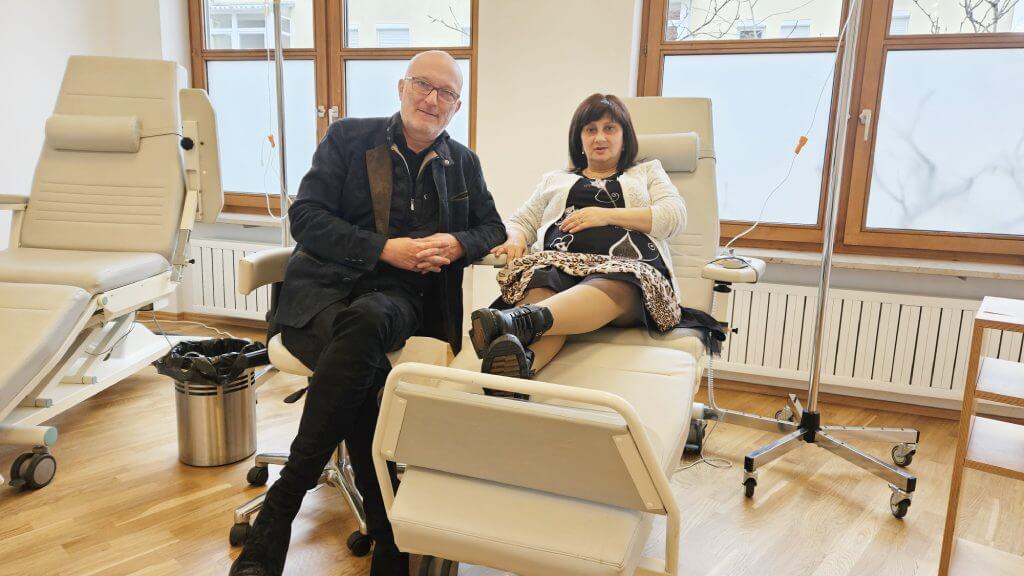
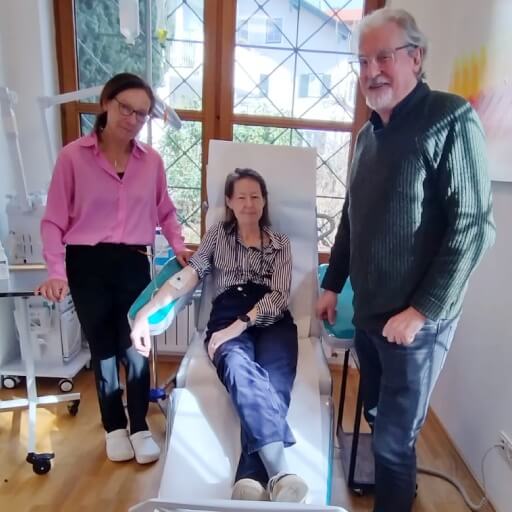
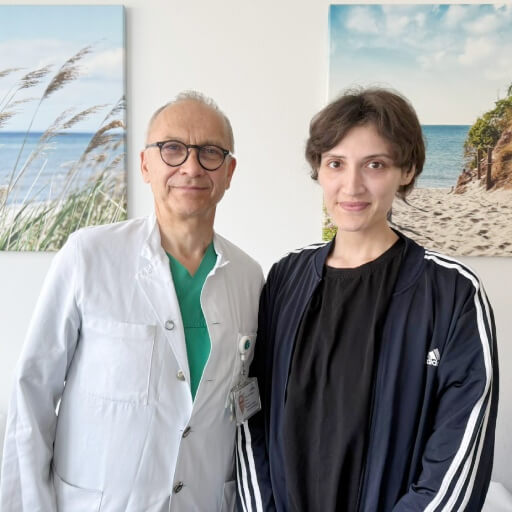
One of the stories is the case of Gretta Gasparian, who underwent 4 stage ovarian cancer treatment in Germany at LDG Laboratories under the care of Dr. Gansauge. When first diagnosed, she was not given a lot of options. Her family reached out to Booking Health for help and immediately received all the appropriate consultations, selected a personalised treatment plan, and received assistance with all the visa and travel documents.
With the supervision of Professor Gansauge, Gretta underwent dendritic cell immunotherapy, the most advanced and best ovarian cancer treatment in the world. She and her family received comprehensive support and excellent medical coordination from professional translators to travel managers, ensuring a smooth and stress-free experience.
Her story is a great example of the effectiveness of dendritic therapy as well as how important it is to have experienced professionals by your side when seeking advanced cancer treatment.
Gretta Gasparian and Prof. Gansauge
A Medical Journey: Every Step of the Way With Booking Health
Finding the best treatment strategy for your clinical situation is a challenging task. Being already exhausted from multiple treatment sessions, having consulted numerous specialists, and having tried various therapeutic interventions, you may be lost in all the information given by the doctors. In such a situation, it is easy to choose a first-hand option or to follow standardized therapeutic protocols with a long list of adverse effects instead of selecting highly specialized, innovative treatment options.
To make an informed choice and get a personalized cancer management plan, which will be tailored to your specific clinical situation, consult medical experts at Booking Health. Being at the forefront of offering the latest medical innovations for already 12 years, Booking Health possesses solid expertise in creating complex cancer management programs in each case. As a reputable company, Booking Health offers personalized stage 4 ovarian cancer treatment plans with direct clinic booking and full support at every stage, from organizational processes to assistance during treatment.
We provide:
Assessment and analysis of medical reports
Development of the medical care program
Selection of a suitable treatment location
Preparation of medical documents and forwarding them to a suitable clinic
Preparatory consultations with clinicians for the development of medical care programs
Expert advice during the hospital stay
Follow-up care after the patient returns to their native country after completing the medical care program
Taking care of formalities as part of the preparation for the medical care program
Coordination and organization of the patient's stay in a foreign country
Assistance with visas and tickets
A personal coordinator and interpreter with 24/7 support
Transparent budgeting with no hidden costs
Health is an invaluable aspect of our lives. Delegating management of something so fragile yet precious should be done only to experts with proven experience and a reputation. Booking Health is a trustworthy partner who assists you on the way of pursuing stronger health and a better quality of life. Contact our medical consultant to learn more about the possibilities of personalized treatment with innovative methods for metastatic ovarian cancer with leading specialists in this field.
International Cancer Treatment: Patient Journeys with Booking Health
Diane O. (United Kingdom), March 2026
Helen G. (United Kingdom), February 2026
Monica A. (Croatia), October 2025
Eliza A. (Armenia), June 2025
Susan Clark L. (USA), April 2025
Frequently Asked Questions of Our Patients About Ovarian Cancer Treatment
How is ovarian cancer diagnosed?
Ovarian cancer is detected through a pelvic exam with a transvaginal ultrasound. Also, tumor markers such as CA-125 are important. If there is suspicion of malignancy, further imaging (CT or MRI) and a biopsy may be performed to determine the type and stage.
How to test for ovarian cancer?
The required tests are a transvaginal ultrasound and a CA-125 blood test. Sometimes, it is important to also test for BRCA1 and BRCA2 mutations, because they also show an increased risk of ovarian cancer.
What is ovarian cancer?
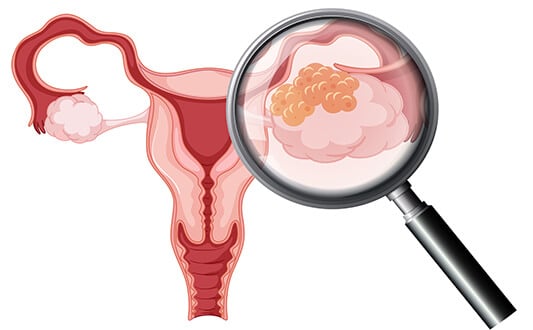
Ovarian cancer is a woman's specific type of cancer that forms in the ovaries. It has three main types: epithelial tumors (most common), germ cell tumors, and stromal tumors. It is graded for the four stages based on its spread.
Is ovarian cancer curable?
It is highly curable when diagnosed early, with stage I ovarian cancer having a 90% survival rate if the patient undergoes surgical removal and chemotherapy. If further tumor growth becomes more difficult to manage, but treatments like HIPEC and dendritic cell therapy offer improved survival and local tumor control.
What are the symptoms of ovarian cancer?
Some of the early symptoms can include abdominal pain, bloating, urinary dysfunction, and sometimes digestive issues. The complaints are non-specific but become more pronounced over time, including pelvic pain, fatigue, and weight loss.
How common is ovarian cancer?
It is the 8th most commonly diagnosed cancer among females, with about 313,000 new cases diagnosed each year. The highest incidence is found in developed countries.
Is ovarian cancer genetic?
Ovarian cancer can significantly depend on genetic factors. Mutations in the BRCA1 and BRCA2 genes, as well as those with a family history of breast cancer, have an increased risk of developing ovarian cancer.
What are the main treatment options for ovarian cancer?
The baseline treatment is typically surgery and chemotherapy. However, with advancements in new therapies like PARP inhibitors and immunotherapy, such as dendritic cell therapy, the approach can shift toward more innovative options.
How is the stage of ovarian cancer determined, and how does it affect treatment choices?
The stage is determined with the help of imaging techniques such as CT or MRI, or during surgery. Stage I is a small, localized tumor that can advance to stage IV if metastases spread to other organs. The early treatment is usually a combination of surgery and chemotherapy, and advanced cancers require a more complex approach with procedures like HIPEC, targeted therapy, and immunotherapy.
What does surgery for ovarian cancer typically involve?
Ovarian cancer surgery usually involves the removal of the ovaries, fallopian tubes, and uterus. In advanced stages, chemotherapy or other techniques like PIPAC are used to reduce tumor size before open surgery or HIPEC.
Are there targeted therapies available for ovarian cancer, and how do they work?
Yes, targeted therapies, such as PARP inhibitors and monoclonal antibody medications, are available for ovarian tumors. They block the specific proteins that make the tumor unable to grow or divide. Also, treatments like dendritic cell vaccination provide your body with lifelong immunity against cancer.
What are the potential side effects of ovarian cancer treatments?
Side effects of ovarian cancer treatments can be systemic, like nausea, hair loss, and fatigue. Modern localized therapies such as HIPEC tend to cause side effects like abdominal pain and fatigue, but these are generally less frequent and milder.
What are the early warning signs of ovarian cancer?
The early signs can include persistent bloating, pelvic pain, or changes in urination or appetite. These symptoms are nonspecific and can often limit diagnostic ability early on.
What are the main stages of ovarian cancer and their treatments?
There are four stages of ovarian cancer, and ovarian cancer treatment by stage differs. In the early stages, a combination of surgery and chemo is usually used. When the desease progresses, a more personalised approach is required, including treatments like dendritic cell therapy, HIPEC, or PIPAC.
Can ovarian cancer be cured?
Early detection of ovarian cancer can often lead to a cure. At advanced stages, with modern therapies such as HIPEC or dendritic cell therapy, tumor growth can be managed, and remission can be achieved in some cases.
What are the most advanced ovarian cancer treatments available in Germany?
Germany is a center of modern technology and offers patients procedures such as HIPEC (heated chemotherapy), PIPAC (pressurized intraperitoneal aerosol chemotherapy), targeted therapy, immunotherapy, interventional radiology, and minimally invasive surgery. All of these procedures are individualised and carefully selected for each patient.
Is fertility preservation possible during ovarian cancer treatment?
Yes, fertility preservation is a priority if the patient requests it. Cryopreservation of eggs or ovarian tissue before starting the treatment allows for possibity of future pregnancy.
How often should ovarian cancer patients be monitored after treatment?
Long-term management always requires follow-ups after receiving treatment. Patients are advised to be monitored every 3 to 6 months and undergo imaging, blood tests, and clinical exams in the first few years after treatment.
What support is available for international patients seeking ovarian cancer treatment in Germany?
With Booking Health, international patients can access top ovarian cancer treatment centers in Germany, benefiting from visa assistance, translation services, guidance from English-speaking coordinators, and more — all to ensure a smooth treatment experience.
How much does ovarian cancer treatment cost in Germany compared to other countries?
The cost of ovarian cancer treatment in Germany is based on how advanced your cancer is and what therapies your specific case requires. Standard approaches typically cost €80,000–150,000, while innovative methods cost around €25,000–60,000. In other developed countries like the UK and the USA, prices tend to be higher, and limited treatments are available.
What survival rates do innovative methods for ovarian cancer treatment demonstrate compared to standard ones?
According to research studies, a two-year survival rate in women with advanced ovarian cancer can be just about 25% when standard approaches are used. Modern therapies such as HIPEC, PIPAC, or dendritic cell therapy can increase survival by up to 60%.
How effective are innovative methods for ovarian cancer treatment?
Innovative approaches, including TACE, interventional radiology procedures, and dendritic cell therapy, achieve tumor response rates of 45–65% even in advanced or resistant cases. This is significantly higher than that of conventional chemotherapy, which shows an effect in less than 10% of patients.
How long does it take to treat ovarian cancer with innovative therapies?
Treatments such as PIPAC or interventional radiology procedures are performed over a few sessions, up to four. Another innovative therapy, dendritic cell vaccination, is a one-time injection that gives the possibility for lifelong immunity. In comparison, standard chemotherapy is given in several cycles over months or even years.
What are the side effects of current ovarian cancer treatments?
Innovative treatments, such as HIPEC, ECT, or PIPAC, are usually associated with mild local reactions such as discomfort or short-term pain. Unlike standard chemotherapy, they rarely cause nausea, hair loss, or immune suppression.
What is the best treatment option for stage 4 ovarian cancer?
Stage 4 ovarian cancer treatment is personalized; doctors may combine tumor-reducing procedures, locoregional therapies, and immune-based approaches to control spread and support overall health – the plan is tailored to the patient’s condition and tumor characteristics.
Which hospital is the best for stage 4 ovarian cancer treatment?
The best results are achieved in centers experienced with advanced ovarian cancer. These hospitals coordinate surgeons, oncologists, and interventional specialists, adjusting therapy as the disease evolves (to maximize effectiveness and minimize complications).
What country is the best for stage 4 ovarian cancer treatment?
Germany provides structured, high-quality care for advanced ovarian cancer. Multidisciplinary teams evaluate patients quickly, adapt treatment plans as needed, and offer access to innovative therapies.
What are the best hospitals for ovarian cancer treatment?
The best hospitals for ovarian cancer treatment include University Hospital Ulm, Asklepios Hospital Barmbek Hamburg, and other professional ovarian cancer clinics. These facilities provide advanced medical care and are known for great patient outcomes.
How much does ovarian cancer treatment cost abroad?
The treatment cost varies: average prices range from €7,300 per session for chemotherapy to over €55,000 for multimodal therapies (e.g, HIPEC).
Choose treatment abroad and you will for sure get the best results!
Authors:
This article was edited by medical experts, board-certified doctors Dr. Nadezhda Ivanisova, and Dr. Yana Dmytryshyn. For the treatment of the conditions referred to in the article, you must consult a doctor; the information in the article is not intended for self-medication!
Our editorial policy, which details our commitment to accuracy and transparency, is available here. Click this link to review our policies.
Sources:
01. Giuseppe Caruso, S John Weroha, William Cliby. Ovarian Cancer: A Review. JAMA. 2025 Oct 14;334(14):1278-1291. doi: 10.1001/jama.2025.9495.[DOI][PubMed]
02. Anna S Avramenko, James M Flanagan. An epigenetic hypothesis for ovarian cancer prevention by oral contraceptive pill use. Clin Epigenetics. 2023 Oct 18;15(1):165. doi: 10.1186/s13148-023-01584-9.[DOI][PubMed]
03. Igor Aluloski, Mile Tanturovski, Rubens Jovanovic et al. Survival of Advanced Stage High-Grade Serous Ovarian Cancer Patients in the Republic of Macedonia. Open Access Maced J Med Sci. 2017 Nov 20;5(7):904–908. doi: 10.3889/oamjms.2017.215.[DOI][PMC free article]
04. Ashwin Chandra, Cima Pius, Madiha Nabeel et al. Ovarian cancer: Current status and strategies for improving therapeutic outcomes. Ovarian cancer: Current status and strategies for improving therapeutic outcomes. Cancer Med. 2019 Sep 27;8(16):7018–7031. doi: 10.1002/cam4.2560.[DOI][PMC free article]
05. Frank Yuan, Sindy H Wei, Gottfried E Konecny et al. Image-Guided Percutaneous Thermal Ablation of Oligometastatic Ovarian and Non-Ovarian Gynecologic Tumors. J Vasc Interv Radiol. 2021 May;32(5):729-738. doi: 10.1016/j.jvir.2021.01.270. Epub 2021 Feb 16.[DOI][PubMed]
06. Giuseppe Cucinella, Mariano Catello Di Donna, Francesca De Maria et al. Chemoembolization, Radioembolization, and Percutaneous Ablation: New Opportunities for Treating Ovarian Cancer Liver Metastasis. Curr Treat Options Oncol. 2024 Nov;25(11):1428-1437. doi: 10.1007/s11864-024-01266-5. Epub 2024 Oct 19.[DOI][PubMed]
07. Fiorentini G et al Anticancer Res 2012;32:1387
08. Attila Kovács, Peter Bischoff, Hathal Haddad et al. Long-Term Comparative Study on the Local Tumour Control of Different Ablation Technologies in Primary and Secondary Liver Malignancies. J. Pers. Med. 2022, 12(3), 430. doi: 10.3390/jpm12030430.[DOI]
09. Roman Volchenkov, Florian Sprater, Petra Vogelsang, Silke Appel. The 2011 Nobel Prize in physiology or medicine. Scand J Immunol. 2012 Jan;75(1):1-4. doi: 10.1111/j.1365-3083.2011.02663.x.[DOI][PubMed]
10. Willemien J. van Driel, Simone N. Koole, et al. Hyperthermic Intraperitoneal Chemotherapy in Ovarian Cancer. January 17, 2018. N Engl J Med 2018;378:230-240 DOI: 10.1056/NEJMoa1708618.[DOI]
11. Karl R Aigner, Sabine Gailhofer, Kornelia Aigner. Hypoxic isolated abdominal perfusion breaks through chemoresistance in recurrent FIGO stage IIIC and IV ovarian cancer. Mol Clin Oncol. 2021 Jun;14(6):129. doi: 10.3892/mco.2021.2291. Epub 2021 Apr 27.[DOI][PubMed]
12. Luigi Della Corte, Carmine Conte, Mario Palumbo et al. Hyperthermic Intraperitoneal Chemotherapy (HIPEC): New Approaches and Controversies on the Treatment of Advanced Epithelial Ovarian Cancer-Systematic Review and Meta-Analysis. J Clin Med. 2023 Nov 9;12(22):7012. doi: 10.3390/jcm12227012.[DOI][PubMed]
thank you for reaching out! One of our medical advisors is currently reviewing your details. You can expect a call from us within one business day to discuss your request.
Note: The incoming call will appear as a German number or your local area code. This call is entirely free of charge.
Booking Health guarantees:
Expert Placement
We use rigorous statistical analysis to ensure you are treated at the best-rated facility for your specific diagnosis.
Total Cost Protection
No hidden fees or unexpected bills. We provide a fixed price guarantee, backed by insurance that covers any additional complications.
12-Month Extended Care
Your recovery is our priority. Benefit from a full year of direct medical support following your procedure.