




Uterine cancer ranks among the most common cancers in women globally, with over 417,000 new cases and nearly 97,000 deaths reported in 2020 [1]. While the overall statistics reflect a global challenge, Germany stands out - not only for its robust healthcare infrastructure but also for the growing emphasis on advanced, minimally invasive, and targeted therapies.
For instance, minimally invasive and robotic-assisted laparoscopic surgery has become the standard for treating endometrial cancer in Germany, offering better in-hospital outcomes than traditional open surgeries. Moreover, German clinics increasingly employ innovative radiation techniques and modern targeted or immunotherapeutic agents, even in more advanced cases, making innovative care especially accessible there.
Why Choose Germany for Uterine Cancer Treatment?
Germany has earned a global reputation for excellence in cancer treatment, attracting thousands of international patients each year. For women seeking advanced uterine cancer treatment, the country offers a rare combination of innovative medical infrastructure, strict quality standards, and a patient-centered approach.
This is particularly important for endometrial cancer, where early detection and tailored therapies can dramatically improve survival and quality of life. Many leading clinics provide comprehensive care that seamlessly integrates diagnostics, surgery, and adjuvant therapy - all in one place.
Innovative Medical Technology
Modern treatment in Germany benefits from constant investment in advanced equipment and innovative techniques. From high-resolution MRI and PET-CT scans to robotic-assisted surgical systems, these tools allow for more precise tumor removal and faster recovery. Such technology is especially valuable for endometrial cancer patients, where minimally invasive procedures reduce complications and help preserve reproductive and hormonal health when possible.
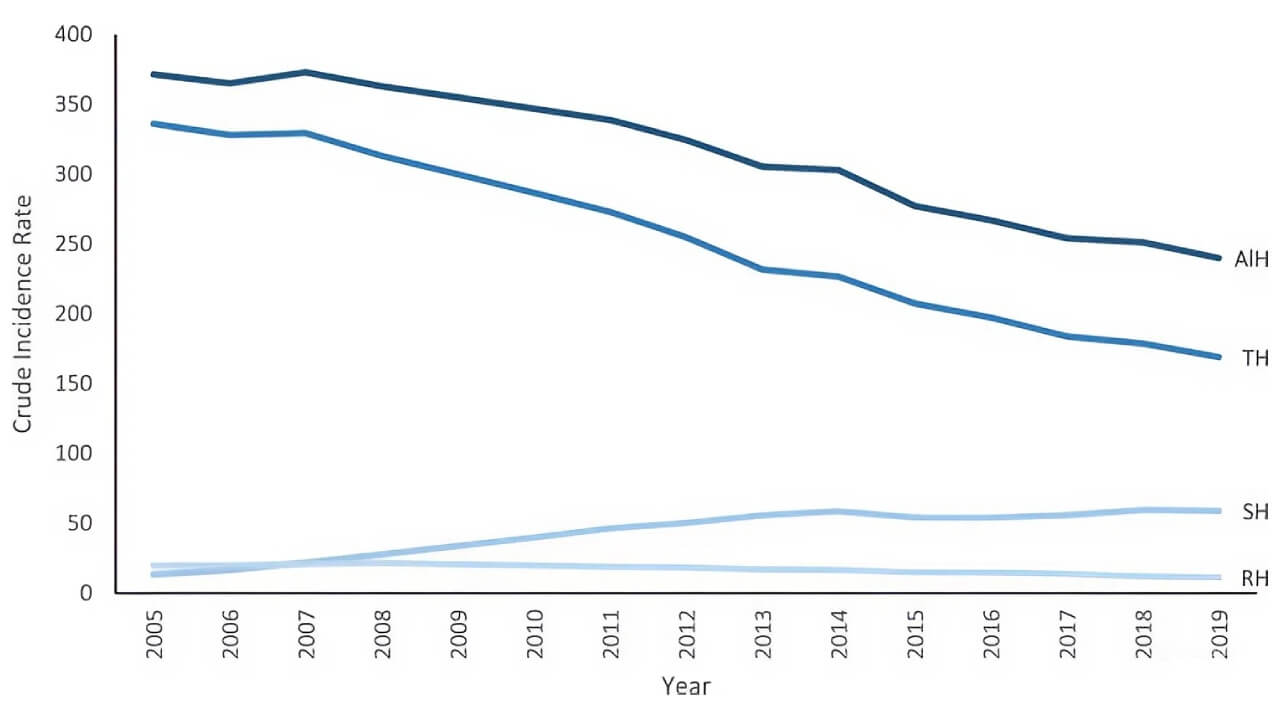
Specialized Cancer Centers
Certified gynecologic oncology centers across Germany adhere to rigorous guidelines set by the German Cancer Society. These facilities focus exclusively on complex cases, offering multidisciplinary expertise in surgery, radiation oncology, and medical oncology. Their integrated approach ensures that every patient’s uterine cancer treatment plan is personalized and evidence-based.
Access to Innovative Therapies
In addition to established protocols, many hospitals in Germany participate in clinical trials, giving eligible patients access to the latest targeted agents and immunotherapies. This makes cancer treatment in Germany not only effective but also future-oriented, with opportunities to benefit from medical advances years before they become widely available elsewhere.
Modern Treatment Options in Germany
Surgery is the cornerstone of uterine cancer treatment, and in Germany, it is performed with a strong focus on precision, safety, and women's recovery. The standard operation for most endometrial cancer cases is a total hysterectomy—removal of the uterus—often combined with bilateral salpingo-oophorectomy (removal of both ovaries and fallopian tubes) to reduce the risk of recurrence.
Where Germany excels is in the use of minimally invasive methods, particularly laparoscopy and robotic-assisted surgery. These approaches require only small incisions, resulting in less blood loss, lower infection risk, and faster return to normal activities. Studies have shown that in experienced German cancer centers, minimally invasive hysterectomy offers comparable cancer control to open surgery while significantly improving short-term recovery.
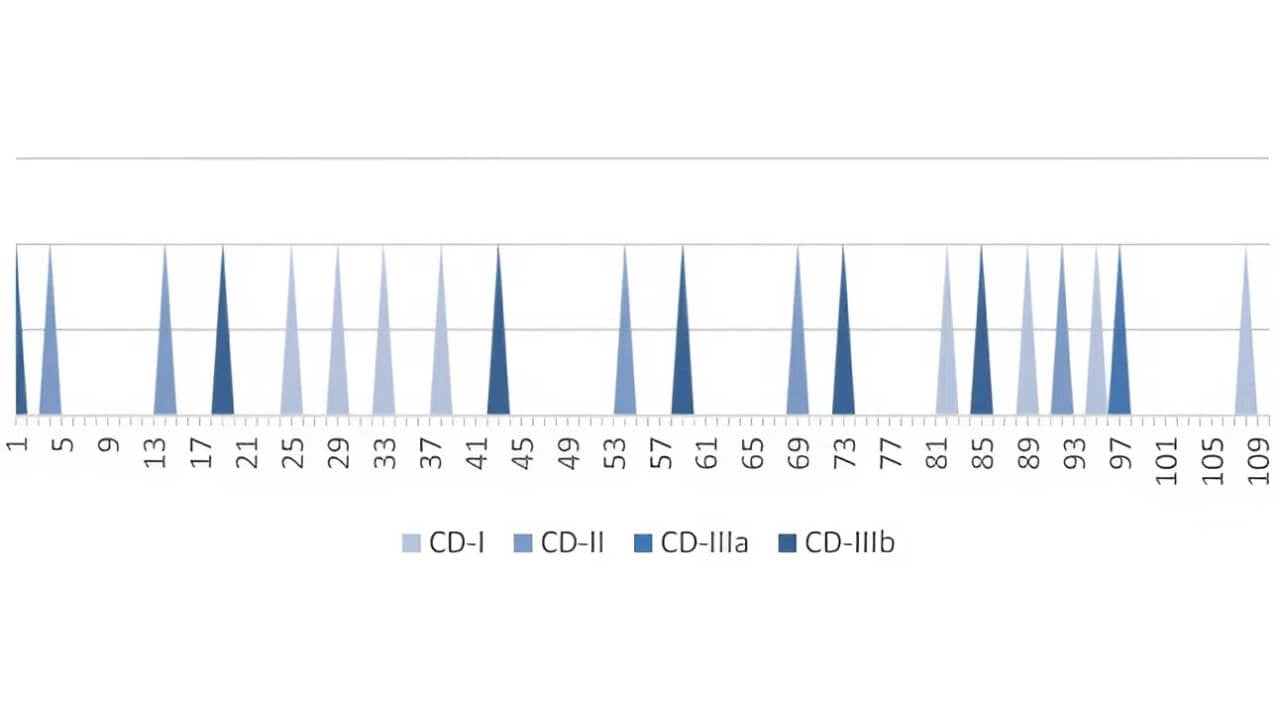
For more advanced stages, surgeons often perform systematic lymph node dissection—carefully removing and examining pelvic and para-aortic lymph nodes to determine whether the cancer has spread. This not only helps in accurate staging but also guides the need for additional treatments such as radiotherapy or chemotherapy.
Precision Radiotherapy and Brachytherapy
Radiation therapy in Germany often uses highly targeted external beam radiotherapy (EBRT) to destroy tumor cells while sparing healthy tissues. Brachytherapy, in which a radioactive source is placed inside or close to the tumor, is also a standard option—especially for localized uterine cancer treatment—helping reduce recurrence rates with minimal systemic effects.
Systemic Chemotherapy
When cancer is advanced or has spread beyond the uterus, chemotherapy becomes an important component of cancer treatment in Germany. German oncology centers use modern drug combinations to maximize tumor control while managing side effects, often in combination with other therapies for a more comprehensive approach.
Hormonal and Targeted Therapies
For patients with endometrial cancer, especially those with hormone-sensitive tumors, hormonal therapy remains a vital treatment option. By modulating hormones that fuel tumor growth, this therapy can slow or even halt cancer progression. Many doctors in Germany carefully evaluate the tumor’s receptor status to determine whether hormonal treatment is appropriate, making it a personalized approach tailored to each endometrial cancer case.
In addition to hormonal therapy, German clinics offer cutting-edge targeted therapies designed to attack endometrial cancer cells with specific genetic profiles. These targeted treatments provide new hope for endometrial cancer patients who may not be suitable candidates for more aggressive options such as extensive surgery or chemotherapy. For cancers originating in the womb, combining hormones-based therapy with targeted agents helps doctors improve outcomes while minimizing side effects.
Overall, the range of hormonal and targeted therapies available in Germany gives patients a variety of effective strategies to manage their endometrial cancer while preserving quality of life.
Innovative Immunotherapy
Some German cancer centers offer immunotherapy, designed to boost the body’s own immune system to fight the disease. While still more common in advanced or recurrent cases, this option is part of Germany’s commitment to providing cutting-edge solutions in uterine cancer treatment.
Treatment for Stage 4 Uterine Cancer
Stage 4 uterine cancer demands a carefully tailored treatment strategy. In Germany, oncologists rely on a multimodal approach—combining surgery, systemic therapy, and innovative local treatments—to control tumor growth, alleviate symptoms, and improve life expectancy. This coordinated approach targets endometrial cancer from multiple directions, aiming to slow progression and maintain quality of life.
HIPEC – Heated Intraperitoneal Chemotherapy
In cases of peritoneal metastases from womb cancer, HIPEC is used to deliver heated chemotherapy directly into the abdominal cavity immediately after tumor removal. During the HIPEC procedure, the heated chemotherapy solution circulates throughout the abdomen, allowing doctors to target residual cancer cells more effectively. The elevated temperature (41-43°C) used in HIPEC enhances drug penetration and increases the cytotoxic effect on any remaining tumor cells.
HIPEC has become a well-established and trusted treatment in Germany, with surgical oncology teams performing the procedure routinely. By combining surgery with HIPEC, doctors can achieve better local disease control and improved patient outcomes. The widespread use of HIPEC in specialized centers highlights its importance in managing advanced womb cancer.
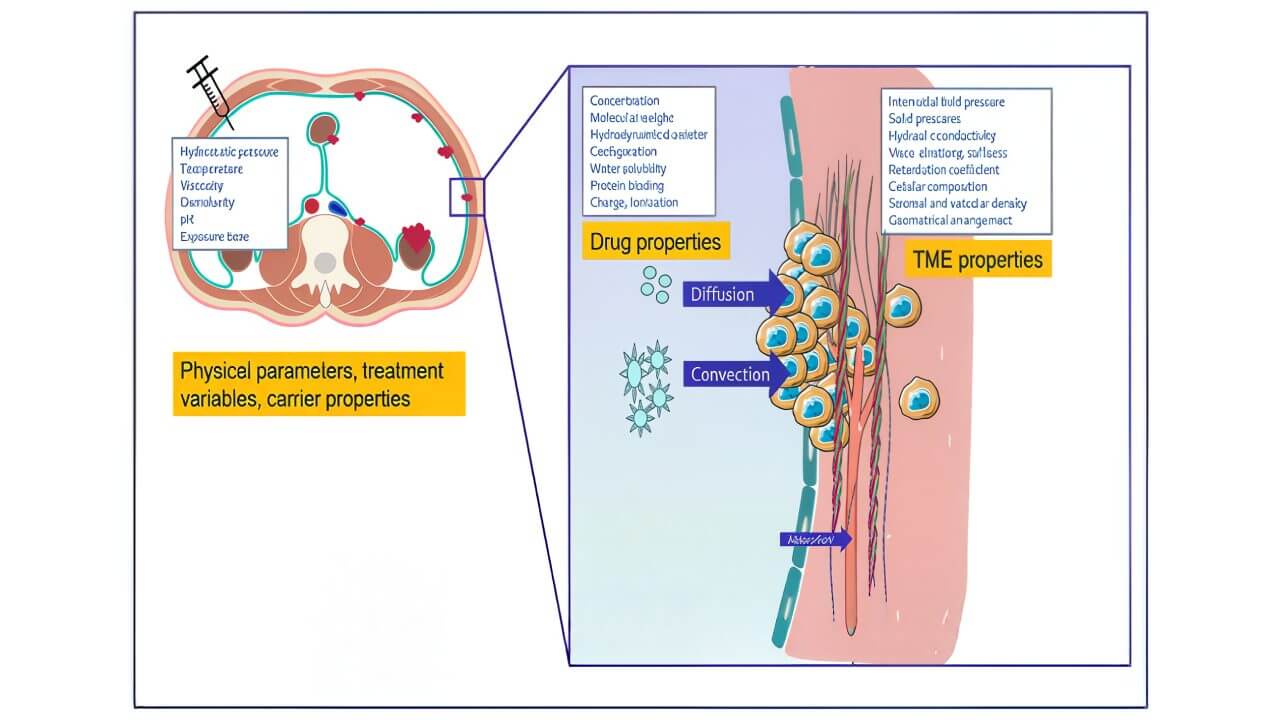
TACE – Targeted Chemotherapy Embolization via Arteries
Transarterial chemoembolization (TACE) is a commonly used procedure in Germany for treating endometrial cancer metastases in the liver and other organs with a dedicated arterial blood supply. During chemoembolization, a catheter is carefully guided into the tumor’s feeding artery, where a concentrated dose of chemotherapy is delivered directly to the cancer cells. This is immediately followed by embolization with tiny particles that block the blood flow, effectively trapping the chemotherapy inside the tumor.
The combined effect of chemoembolization helps starve the tumor while maximizing local drug concentration, resulting in tumor shrinkage and prolonged disease control with fewer systemic side effects.
Dendritic Cell Therapy – Harnessing the Immune System
Dendritic cell therapy is a powerful form of immunotherapy that directly trains the body’s immune system to target and destroy cancer cells. Dendritic cells act as the body’s "commanders" of immunity - they capture and process tumor antigens, then present them to T-lymphocytes, triggering a highly specific and aggressive attack on malignant cells.
Dendritic cells are collected from the patient’s blood. In a specialized laboratory, they are exposed to tumor-associated antigens, essentially "educating" them to recognize the cancer. Once these trained cells are reintroduced into the patient, they travel through the body, activating cytotoxic T-cells and natural killer (NK) cells, which then seek out and destroy cancer cells wherever they are hiding.
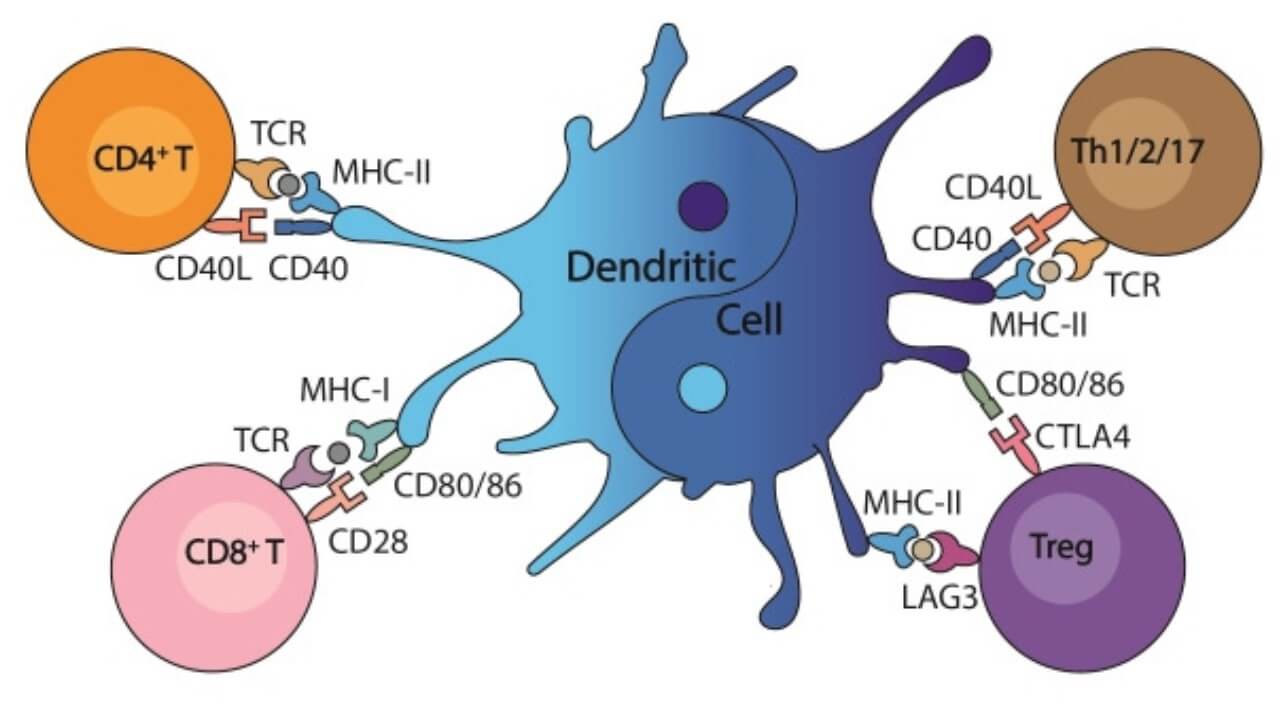
This targeted immune activation not only attacks existing tumors but also creates a long-term immune memory, reducing the risk of recurrence.
The discovery of dendritic cells and their central role in immunity earned Ralph Steinman the Nobel Prize in Physiology or Medicine in 2011. Today, German cancer centers successfully use this therapy for advanced endometrial cancer, achieving durable responses and improved patient outcomes.
Hyperthermia – Heat-Enhanced Cancer Therapy
Hyperthermia involves heating tumor tissue to weaken cancer cells and make them more susceptible to chemotherapy and radiotherapy. In leading German oncology clinics, this method is applied with precision to maximize its effect on tumors while protecting healthy tissue, often resulting in better treatment responses and longer survival.
| Therapy Type | 2-Year Survival Rate | Response Rate | Duration | Side Effects |
|---|---|---|---|---|
| Standard Treatments | ~55-70% for early stages ~30% for advanced stages | ~40-60% | Several weeks to months | Moderate to severe (fatigue, nausea, infertility, bowel/bladder issues) |
| Innovative Methods | ~60-75% in select advanced/refractory cases | 45-65% | Multiple sessions are possible | Mild (fever, localized inflammation, flu-like symptoms) |
How Booking Health Helps
Finding the right hospital for uterine cancer treatment can be overwhelming. Booking Health offers clear, reliable information about clinics in Germany—their specializations, technologies, and success rates—so women can make informed decisions without the guesswork.
Getting a medical visa involves lots of paperwork and deadlines. Support includes detailed guidance on what documents are needed and how to get them ready, plus help with embassy communication to avoid common delays or misunderstandings.
Medical records often need to be translated and organized before the hospital can review the case. Proper preparation ensures faster appointment scheduling and smoother treatment planning.
The main goal is to take care of all these logistical challenges, so patients can focus fully on their health and treatment, without extra stress.
| Cost of treatment | Standard Methods | Innovative Methods |
|---|---|---|
| Cost of Treatment in Germany | $25,000 – $280,000 for a full course | <$6,500 – $75,000 for a full course |
| Cost of Treatment in the UK | $26,000 – $320,000 for a full course | $25,000 – $118,000 for a full course |
| Cost of Treatment in the USA | $100,000 – $350,000 for a full course | $40,000 – $150,000 for a full course |
A Medical Journey: Every Step of the Way With Booking Health
Finding the best treatment strategy for your clinical situation is a challenging task. Being already exhausted from multiple treatment sessions, having consulted numerous specialists, and having tried various therapeutic interventions, you may be lost in all the information given by the doctors. In such a situation, it is easy to choose a first-hand option or to follow standardized therapeutic protocols with a long list of adverse effects instead of selecting highly specialized innovative treatment options.
To make an informed choice and get a personalized cancer management plan, which will be tailored to your specific clinical situation, consult medical experts at Booking Health. Being at the forefront of offering the latest medical innovations for already 12 years, Booking Health possesses solid expertise in creating complex management programs in each individual case. As a reputable company, Booking Health offers personalized uterine cancer treatment plans with direct clinic booking and full support at every stage, from organizational processes to assistance during treatment. We provide:
- Assessment and analysis of medical reports
- Development of the medical care program
- Selection of a suitable treatment location
- Preparation of medical documents and forwarding to a suitable clinic
- Preparatory consultations with clinicians for the development of medical care programs
- Expert advice during the hospital stay
- Follow-up care after the patient returns to their native country after completing the medical care program
- Taking care of formalities as part of the preparation for the medical care program
- Coordination and organization of the patient's stay in a foreign country
- Assistance with visas and tickets
- A personal coordinator and interpreter with 24/7 support
- Transparent budgeting with no hidden costs
Health is an invaluable aspect of our lives. Delegating management of something so fragile yet precious should be done only to experts with proven experience and a reputation. Booking Health is a trustworthy partner who assists you in pursuing stronger health and a better quality of life. Contact our medical consultant to learn more about the possibilities of personalized treatment with innovative methods for uterine cancer with leading specialists in this field.
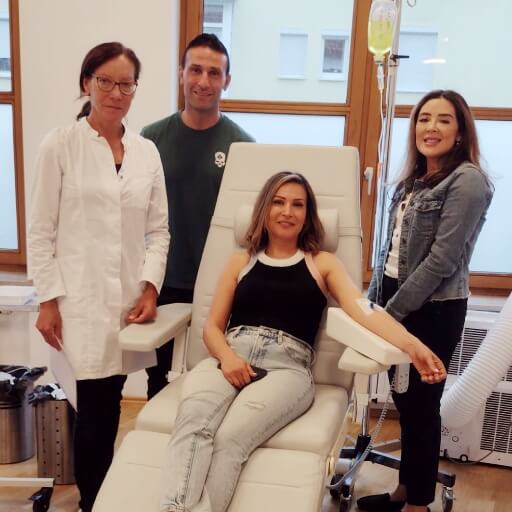
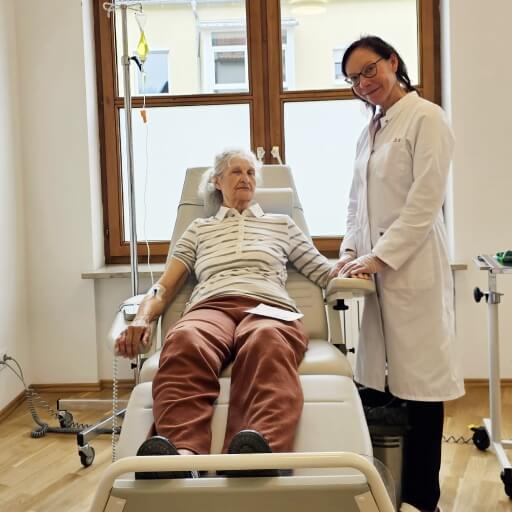
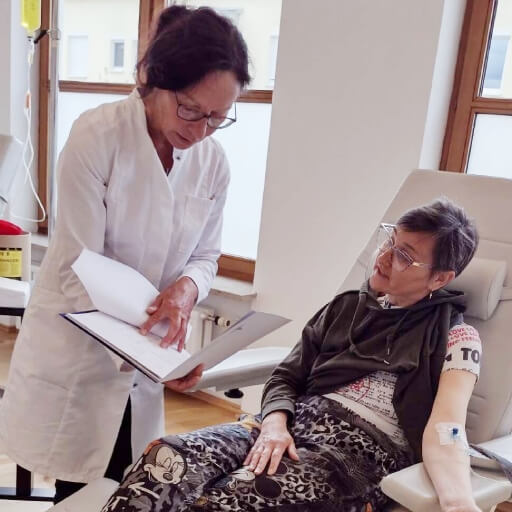
Modern Cancer Treatment: Patient Journeys with Booking Health

Frequently asked Questions of Our Patients About Uterine Cancer Treatment in Germany
Send request for treatmentGermany offers a wide range of advanced uterine cancer treatment options, combining surgery, radiation, chemotherapy, and innovative therapies. Many patients benefit from minimally invasive hysterectomy in Germany and access to personalized targeted and immunotherapies. Treatment plans are developed in top German oncology hospitals to ensure the best outcomes.
The cost of uterine cancer treatment in Germany varies depending on the stage and chosen therapies. Thanks to price comparison among top clinics, patients can find competitive rates for surgery, radiotherapy, and systemic treatments.
Oncology statistics in Germany show that the overall survival rate for uterine cancer in Germany is among the highest worldwide, especially when treated early. The combination of experienced specialists and access to innovative therapies at specialized cancer centers in Germany leads to consistently strong long-term results.
The best uterine cancer hospital can be found among the network of certified cancer centers in Germany, known for their multidisciplinary approach and latest treatment technologies. Patients often choose top clinics in major cities such as Berlin, Munich, and Hamburg, which are recognized internationally for excellence in gynecologic oncology.
Yes, many German oncology hospitals offer access to clinical trials for uterine cancer in Germany, providing patients with opportunities to receive novel treatments. Thanks to streamlined medical tourism access and support services, international patients can participate in cutting-edge research while receiving expert care.
Choose treatment abroad and you will for sure get the best results!
Authors:
This article was edited by medical experts, board-certified doctors Dr. Nadezhda Ivanisova, and Dr. Bohdan Mykhalniuk. For the treatment of the conditions referred to in the article, you must consult a doctor; the information in the article is not intended for self-medication!
Our editorial policy, which details our commitment to accuracy and transparency, is available here. Click this link to review our policies.
Sources:
[1] International Gynecologic Cancer Society. Uterine Cancer. https://igcs.org/uterine/
[2] Gifty Baffour Awuah, Gunther Schauberger, Stefanie J Klug, Luana Fiengo Tanaka. An age-period-cohort analysis of hysterectomy incidence trends in Germany from 2005 to 2019. Sci Rep . 2024 Jul 2;14(1):15110. doi: 10.1038/s41598-024-66019-8. eCollection 2024 Jan. [DOI] [PubMed]
[3] Dimitrios Balafoutas, Achim Wöckel, Christine Wulff, Ralf Joukhadar. Implementation of robotic gynecological surgery in a German University Hospital: patient safety after 110 procedures. Arch Gynecol Obstet. 2020 Dec;302(6):1381-1388. doi: 10.1007/s00404-020-05751-8. Epub 2020 Aug 25. [DOI] [PubMed]
[4] Wim Ceelen, Jesse Demuytere, Ignace de Hingh. Hyperthermic Intraperitoneal Chemotherapy: A Critical Review. Cancers (Basel). 2021 Jun 22;13(13):3114. doi: 10.3390/cancers13133114. [DOI] [PubMed]
[5] Carlos Jiménez-Cortegana, Francisca Palomares, Gonzalo Alba et al. Dendritic cells: the yin and yang in disease progression. Front Immunol. 2024 Jan 4:14:1321051. doi: 10.3389/fimmu.2023.1321051. eCollection 2023. [DOI] [PubMed]
Read:
Uterine cancer: Treatment Options for Endometrial (Womb) Cancer
4 Stage Uterine Cancer: Treatment Options for Stage 4 Endometrial Cancer
Leading 10 Gynecologic Oncologists in Germany: Who Are They?