




Stage 4 uterine cancer and specifically stage 4 endometrial cancer represent the most advanced form of endometrial carcinoma, where the cancer has spread beyond the uterus to distant organs such as the lungs, liver, bones, or lymph nodes. According to the American Cancer Society, uterine cancer is the most common gynecologic malignancy, with over 66,000 new cases annually in the United States alone [1].
Approximately 10-15% of cases are diagnosed at stage 4 [2]. This stage is metastatic, making treatment more complex, and the prognosis – more challenging. The 5-year endometrial cancer survival rate stage 4 can vary between 15 and 20%, depending on factors such as overall health, treatment options, and how far the cancer has spread [3].
Despite this, we want to urge women confronting this diagnosis not to despair. Currently, access to specialized gynecologic oncology expertise allows to change cancer experience. In particular, leading medical specialists can support patients with individualized treatment strategies. By doing so, they can provide improved outcomes and survival.
Standard Treatment Protocols for Endometrial Cancer
The treatment strategy for stage 4 uterine cancer typically involves a multimodal approach, combining several therapies to manage the disease and alleviate symptoms [4].
Surgery may be performed in selected cases, often involving a hysterectomy (removal of the uterus) and lymph node dissection. However, due to the extensive spread of cancer in stage 4, surgery alone is rarely curative and is usually considered as part of a broader stage 4 uterine cancer treatment plan.
Radiation therapy is commonly used to control stage 4 endometrial cancer symptoms (e.g., pelvic pain and vaginal bleeding) and tumor growth. It can help shrink tumors and improve comfort, especially when surgery is not feasible.
Chemotherapy remains the primary systemic treatment for stage 4 endometrial cancer. This treatment approach can slow cancer progression. However, it is associated with significant side effects (e.g., fatigue, nausea, hair loss, and immune suppression).
Hormone therapy can be used in cases where the cancer is hormone receptor-positive. For example, treatments may include progestins, aromatase inhibitors, or selective estrogen receptor modulators (SERMs). This approach is typically less aggressive. As such, it may be suitable for patients who cannot tolerate chemotherapy.
Palliative care plays a crucial role in the management of advanced-stage disease. The main objectives are to reduce pain and relieve emotional distress, as well as enhance overall quality of life. It may be integrated with other treatments or provided as standalone support in end-stage cases.
Because uterine cancer stage 4 is aggressive and often resistant to conventional therapies, long-term survival remains limited with standard treatments. This has prompted growing interest in newer, targeted treatment approaches aimed at improving outcomes and offering additional options for patients with stage 4 womb cancer who do not respond well to traditional methods.
Advanced and Innovative Treatment Approaches for Uterine Cancer
Recently, new therapeutic approaches have been developed to improve survival rates for patients with stage 4 uterine cancer. These innovative treatments can offer more effective strategies to fight tumor recurrence, metastases, and chemotherapy resistance. As a result, they can lead to better long-term outcomes and improved quality of life.
Interventional Radiology for Endometrial Cancer
Interventional radiology provides minimally invasive options for uterine cancer patients. In particular, these strategies can be valuable for those with recurrent disease or who cannot undergo traditional treatments. These image-guided procedures can deliver targeted therapy directly to tumor sites with minimal collateral damage to healthy tissues. For women with advanced or metastatic uterine cancer, interventional techniques can offer both palliative relief of symptoms and improved disease control. These methods are also associated with shorter recovery times and fewer systemic side effects than conventional approaches.
Thermal ablation can use high temperatures to induce coagulative necrosis in tumor tissues. This approach was originally administered for patients with hepatic and pulmonary tumors. However, it has recently gained attention in gynecologic oncology, particularly in treating recurrent or inoperable cases of uterine cancer. For example, studies have demonstrated that when thermal ablation is combined with systemic chemotherapy or radiotherapy, local control rates exceed 78% at 12 months, especially in patients with localized pelvic recurrences.
Cryoablation can offer an advantage to standard treatment care by applying extreme temperatures, which can lead to direct tumor death. It is more widely used for renal and prostate cancer. Yet, cryoablation was found to be beneficial in recurrent endometrial carcinoma, including cases where stage 4 endometrial cancer ultrasound shows that surgical intervention cannot be performed.
For example, research has shown a 6-month progression-free rate of 80%. The results also demonstrated high tolerability and minimal negative impact on surrounding tissues. The organ-sparing nature of this approach makes it a matter of choice for palliative patients requiring repeated interventions or those with metastatic lesions near key anatomical structures.
Electrochemotherapy (ECT) can administer brief electrical pulses with localized injection of chemotherapeutic agents to enhance the therapeutic effect. It is more commonly indicated for individuals with cutaneous and pelvic wall metastases. However, recent research in recurrent uterus cancer stage 4 has shown inspiring results.
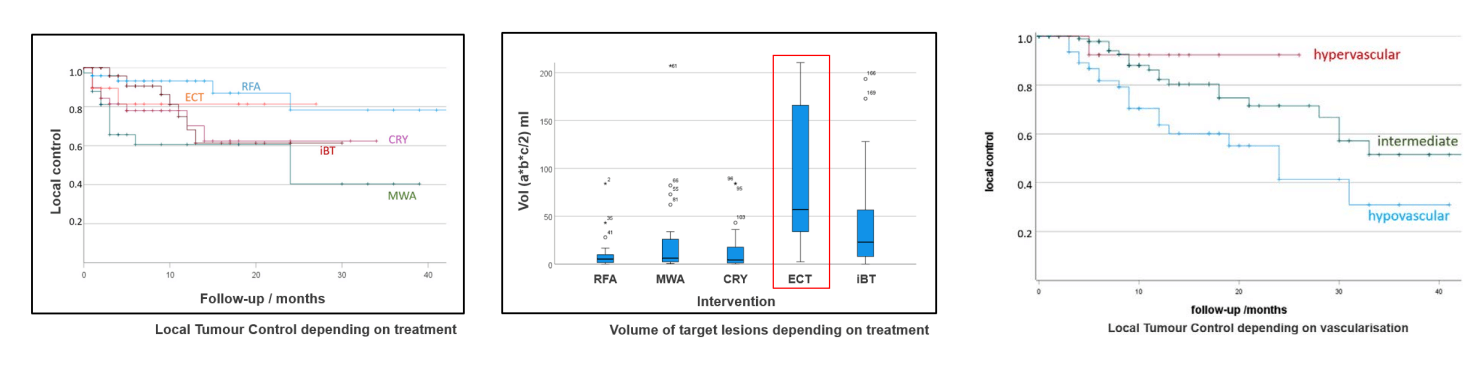

Data from ongoing trials state that tumor response rates in ECT exceed 70%, particularly when used for superficial metastatic pelvic lesions. Beyond direct cytotoxic effects, ECT can also activate immune-mediated tumor response, when it is combined with immunotherapy options in advanced-stage settings.
The immune activation that ECT generates — by increasing cell membrane permeability and releasing tumor antigens — creates a biological window that DC vaccination can exploit if administered in the days following the procedure. For stage 4 endometrial cancer patients pursuing both ECT and immunotherapy, the sequencing of these two interventions is not interchangeable
Booking Health's combination therapy review confirms that the proposed protocol reflects the timing conditions under which this synergy is produced, before the program is organized.
CHECK IF A BETTER SOLUTION EXISTS FOR YOUVIDEO
The Trojan Horse Approach
to Cancer:
Electrochemotherapy with Prof. Atilla Kovács
Interventional Radiology
BOOK CONSULTATION
Chemoembolization (TACE) for Endometrial Cancer
Chemoembolization (TACE) is a minimally invasive treatment. It can deliver high-dose chemotherapy directly to tumors while simultaneously blocking their blood supply. By doing so, this approach can effectively starve cancer cells and enhance drug absorption.
In particular, this approach can be beneficial for patients with metastatic uterine cancer who are not candidates for surgery. The reason is that it can reduce tumor size and slow disease progression with fewer systemic side effects than traditional chemotherapy. For example, clinical studies [6] have shown that TACE can improve tumor response and extend metastatic uterine cancer life expectancy.
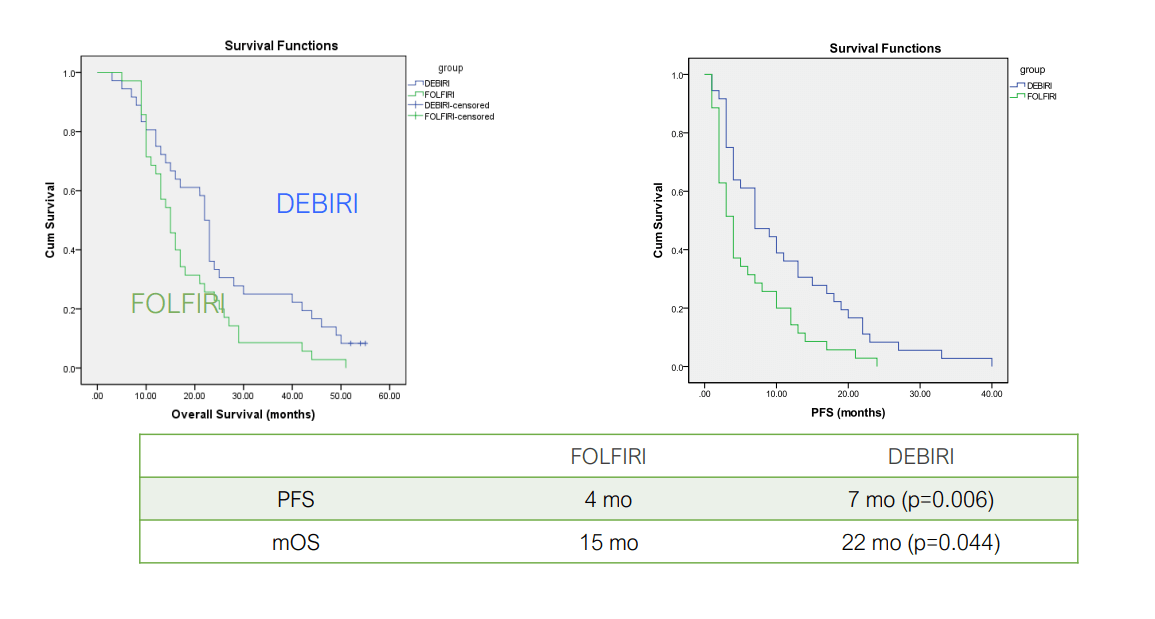
Aliberti C et al Ancancer Res 2011;31:4581
Richardson A et al J Vasc Interv Radiol 2013;24:1209
**DEBIRI = TACE, FOLFIRI = IV therapy
For a more detailed understanding, we recommend watching an interview with Professor Attila Kovács, a leading expert in interventional oncology and radiology, who explains how TACE works, its effectiveness in managing advanced-stage cancer.
VIDEO
Prof. Kovács:
Why Interventional Oncology Should Be the Fourth Pillar of Cancer Care
Interventional Radiology
BOOK CONSULTATION
Dendritic Cell Therapy
Dendritic cell therapy is a Nobel Prize-winning form of immunotherapy [5]. It can enhance the body's ability to recognize and attack cancer cells by utilizing specialized immune cells known as dendritic cells. These cells are extracted from the patient and trained to recognize cancer-specific antigens. Then, they are reintroduced into the body to initiate a targeted immune response against metastatic tumors.
In particular, this approach can be promising for stage 4 uterine cancer, including stage 4b uterine cancer, where conventional treatments often fall short. It has low toxicity compared to chemotherapy. As such, dendritic cell therapy can offer a viable option for patients with limited tolerance to standard therapies. Moreover, studies suggest that it may help improve survival and reduce recurrence.
For a better understanding, we want to invite our readers to watch this video interview with Professor Frank Gansauge. He is a leading expert in immunotherapy with over two decades of experience. In this interview, he explains how dendritic cells function as the "officers" of the immune system. He also shares real-world cases of patients who experienced long-term remission through this treatment.
HIPEC (Hyperthermic Intraperitoneal Chemotherapy) for Endometrial Cancer
Hyperthermic Intraperitoneal Chemotherapy (HIPEC) is an advanced treatment designed for patients with abdominal metastases, including those with stage 4 endometrial cancer [7]. Specifically, this procedure involves surgically removing visible tumors from the abdominal cavity, followed by the infusion of heated chemotherapy directly into the area to destroy any remaining cancer cells. The heat can increase the effectiveness of the chemotherapy. This allows for better drug absorption and improved outcomes compared to standard intravenous methods. As the research suggests, HIPEC has shown promising results in extending survival and reducing recurrence rates in patients with final stages of uterine cancer. One of its advantages is its ability to deliver high-dose chemotherapy locally while minimizing systemic side effects.
Patient selection criteria — the peritoneal carcinomatosis index, performance status, and absence of extra-abdominal metastases — are the variables determining HIPEC eligibility. These must be confirmed before travel is organized, not on arrival.
Booking Health evaluates each patient's imaging and functional status against those criteria before the program is proposed, so the surgical planning consultation begins from a confirmed rather than presumed eligibility basis.
GET A SECOND OPINION FOR MY CASEFor more information, we recommend our readers to watch the following video interview with Professor Michael Lipp. He is the Head of the Department of Abdominal and Colorectal Surgery at Asklepios Hospital Barmbek in Hamburg. In the interview, Professor Lipp explains how HIPEC works. He also discusses patient selection criteria and shares encouraging results from real-world cases.
VIDEO
Leading German Surgeon
Dr. Lipp Reveals the Power of
HIPEC in Cancer Treatment
General and Abdominal Surgery, Hepatopancreatobiliary Surgery and Hernia Surgery
BOOK CONSULTATION
Hyperthermia Therapy for Endometrial Cancer
Hyperthermia therapy is a non-invasive or minimally invasive treatment. It involves raising the temperature of tumor tissues (typically between 40°C and 43°C) to enhance the effectiveness of conventional cancer therapies. When it comes to the management of stage 4 uterine cancer, it is being explored as an adjunct to chemotherapy and radiation therapy due to its ability to sensitize cancer cells; impair their repair mechanisms; increase blood flow for better drug delivery; and stimulate immune activity. For example, studies have shown that when hyperthermia is combined with radiation, it can result in improved tumor shrinkage and local control in advanced gynecologic cancers, including endometrial cancer.
In particular, modern hyperthermia techniques, such as radiofrequency and microwave energy, allow for targeting of pelvic tumors and metastatic lesions through whole-body or regional application. Early clinical evidence suggests that hyperthermia may improve survival and quality of life when used as part of a multimodal treatment plan. In particular, it is considered effective when integrated with immunotherapy and innovative drug delivery systems.
Comparative Endometrial Cancer Treatment Statistics
When patients evaluate options for stage 4 endometrial cancer treatment, they should consider factors such as treatment efficacy, survival rates, and costs.
Comparing Standard & Innovative Treatment Outcomes
| Therapy type | 2-Year Survival Rate | Response Rate | Duration | Side Effects |
|---|---|---|---|---|
| Standard Treatment | ~25% for advanced cancer | Less than 10% | Several cycles | Severe (nausea, fatigue, hair loss, immunosuppression, skin irritation) |
| Innovative Methods | ~60% for advanced cancer | 45-65% | Up to 4 sessions | Mild (localized discomfort) |
Treatment costs for Stage 4 Uterine Cancer
*The cost estimates listed below are approximate. They may vary depending on factors such as the country of treatment, hospital fees, length of hospital stay, technology used, complexity of the procedure, and individual patient needs.
| Treatment Method | GERMANY* | GB | USA |
|---|---|---|---|
| Standard Treatment | €80,000 - €150,000 full course | €90,000 - €165,000 full course | €100,000 - €180,000 full course |
| Innovative Methods | €25,000 - €60,000 full course | €70,000 - €120,000 full course | €100,000 - €150,000 full course |
Germany's innovative method pricing is the lowest of the three, and patients coordinating through Booking Health reach those rates without the foreign patient surcharge applied to self-referred non-citizens.
A fully itemized budget is confirmed before any commitment, and complication insurance of up to €200,000 is included.
Get full treatment coordination supportSuccess Stories of Endometrial Cancer Patients
Endometrial cancer stage 4 is a serious diagnosis. However, the implementation of targeted therapy, immunotherapy, and alternative treatments for uterine cancer has significantly improved stage 4 uterus cancer survival rates and quality of life for many patients.
Suzanne Lynne O'Donoghue was diagnosed with ovarian and breast cancer. She decided to turn to Booking Health to help organize her treatment in Germany. Suzanne was referred to one of the best clinics in Frankfurt where she could benefit from the combination of standard and innovative methods. She described her treatment experience as well-coordinated, thanks to professional support that ensured her comfort and understanding of medical procedures.
Suzanne's treatment allowed her to prolong her life and improve her quality of life. She is grateful for personalized cancer care and patient-centered support that she received. She believes that innovative therapies are making a positive difference in the fight against advanced cancers.
A Medical Journey: Every Step of the Way With Booking Health
Finding the best treatment strategy for your clinical situation is a challenging task. Being already exhausted from multiple treatment sessions, having consulted numerous specialists, and having tried various therapeutic interventions, you may be lost in all the information given by the doctors. In such a situation, it is easy to choose a first-hand option or to follow standardized therapeutic protocols with a long list of adverse effects instead of selecting highly specialized innovative treatment options.
To make an informed choice and get a personalized cancer management plan, which will be tailored to your specific clinical situation, consult medical experts at Booking Health. Being at the forefront of offering the latest medical innovations for already 12 years, Booking Health possesses solid expertise in creating complex cancer management programs in each case. As a reputable company, Booking Health offers personalized stage 4 uterine cancer treatment plans with direct clinic booking and full support at every stage, from organizational processes to assistance during treatment.
We provide:
- Assessment and analysis of medical reports
- Development of the medical care program
- Selection of a suitable treatment location
- Preparation of medical documents and forwarding to a suitable clinic
- Preparatory consultations with clinicians for the development of medical care programs
- Expert advice during the hospital stay
- Follow-up care after the patient returns to their native country after completing the medical care program
- Taking care of formalities as part of the preparation for the medical care program
- Coordination and organization of the patient's stay in a foreign country
- Assistance with visas and tickets.
- A personal coordinator and interpreter with 24/7 support
- Transparent budgeting with no hidden costs
Health is an invaluable aspect of our lives. Delegating management of something so fragile yet precious should be done only to experts with proven experience and a reputation. Booking Health is a trustworthy partner who assists you on the way of pursuing stronger health and a better quality of life. Contact our medical consultant to learn more about the possibilities of personalized treatment with innovative methods for metastatic uterine cancer with leading specialists in this field.
Booking Health holds ISO 9001 quality certification, reflecting well-established processes and strict quality control at every stage of the treatment journey — not just at the initial consultation, but throughout.

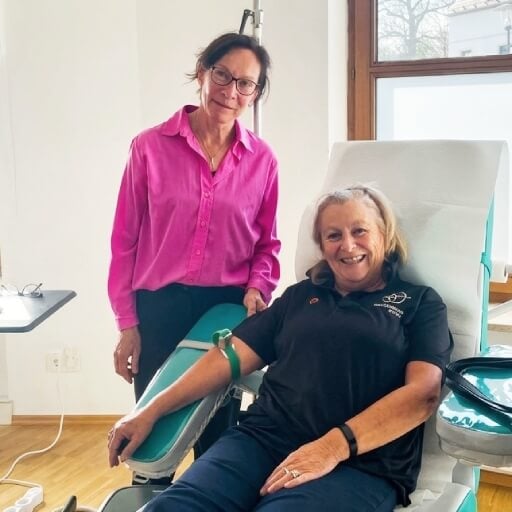
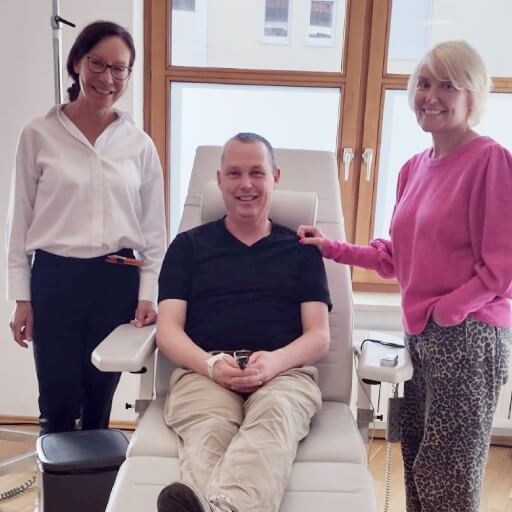
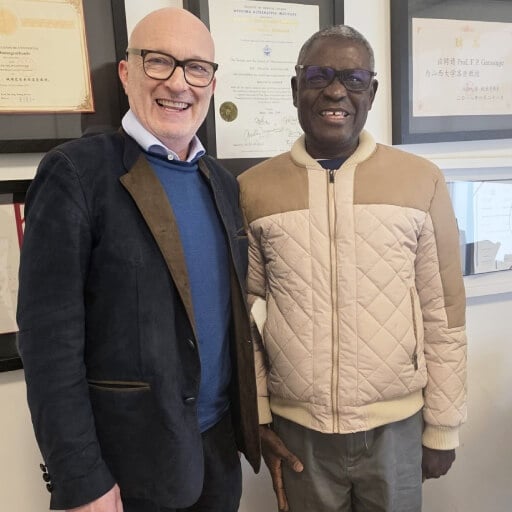
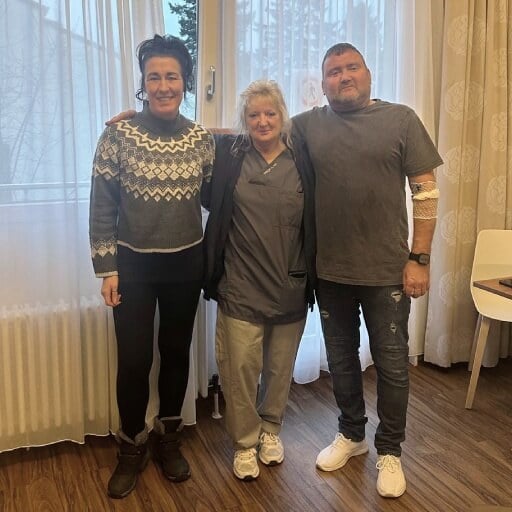
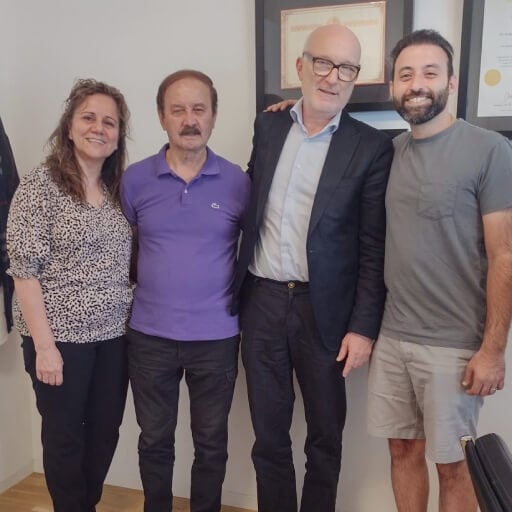
Cancer Treatment Abroad: Patient Experiences with Booking Health









Frequently Asked Questions of Our Patients About Stage 4 Endometrial Cancer Treatment
Stage 4 uterine cancer is the most advanced stage of endometrial carcinoma. This means that the cancer has spread beyond the uterus to distant organs such as the lungs, liver, bones, or lymph nodes. It is considered metastatic cancer, which requires a combination of systemic treatments and targeted therapies.
Final stages of uterine cancer symptoms may include pelvic pain, abnormal vaginal bleeding, weight loss, fatigue, difficulty urinating, and swelling in the legs. However, if the cancer spreads to the lungs or liver, additional symptoms like shortness of breath or jaundice may appear.
Treatment for stage 4 endometrial cancer includes chemotherapy, radiation therapy, hormone therapy, and newer options like immunotherapy, dendritic cell therapy, HIPEC, hyperthermia, and chemoembolization (TACE). In addition, palliative care may also be used for symptom relief.
The stage 4 endometrial cancer prognosis can depend on factors like tumor spread, overall health, and treatment response. The 5-year stage 4 endometrial cancer survival rate is approximately 15-20%. However, newer targeted therapies can improve outcomes.
Life expectancy for those with stage 4 uterine cancer can vary depending on the extent of metastasis and treatment effectiveness. Many patients live 1-3 years when treated with standard approaches. However, newer therapies have shown promising improvements in survival rates, even with stage 4 uterine cancer spread to lungs life expectancy.
Complete remission from stage 4 endometrial cancer is rare. However, some patients may achieve long-term remission or stable disease with advanced treatments like immunotherapy, chemoembolization, and HIPEC.
Unlike earlier stages of uterine cancer, stage 4 uterine cancer has spread beyond the uterus to distant organs. This makes localized treatments like surgery less effective. Typically, systemic therapies are the primary treatment approach.
The most common metastatic sites for stage 4 uterine cancer include the lungs, liver, bones, lymph nodes, and peritoneal cavity.
Newer treatments for stage 4 uterine cancer include dendritic cell therapy, hyperthermia therapy, HIPEC, chemoembolization (TACE), and immunotherapy. These approaches can offer better tumor control and improved survival rates.
For stage 4 uterine (endometrial) cancer, the 2-year survival rate averages around 25% with standard therapy. However, it may reach up to 60% when innovative treatments (e.g., dendritic cell therapy, TACE, and HIPEC) are used.
The response rate for standard stage 4 uterine cancer treatment is typically below 10%. In turn, innovative approaches can achieve 45-65%, particularly when combining interventional radiology or immunotherapy methods.
Conventional treatments for stage 4 uterine cancer usually last several chemotherapy or radiation cycles over months. On the other hand, innovative therapies often involve up to four sessions and therefore offer shorter recovery times.
Traditional stage 4 uterine cancer treatments often cause severe side effects such as nausea, fatigue, hair loss, and immune suppression. In contrast, modern innovative treatments usually lead to mild, localized discomfort with significantly fewer systemic effects.
For stage 4 endometrial cancer traditional surgery or chemotherapy often isn’t enough. Interventional radiology (can precisely target tumors), dendritic cell therapy (stimulates the immune system) and HIPEC or hyperthermia (treat metastases directly) offer a chance to slow progression and improve quality of life.
The best hospitals (experienced in complex uterine cancers) focus on coordinating multiple therapies. In German specialized teams integrate interventional radiology, dendritic cell immunotherapy and advanced heating techniques.
Choose treatment abroad and you will for sure get the best results!
Sources:
01. Cancer Research Institute. What Makes Immunotherapy for Uterine Cancer a Promising Treatment? https://www.cancerresearch.org/immunotherapy-by-cancer-type/uterine-endometrial-cancer
02. WebMD. What Is Metastatic Endometrial Cancer? https://www.webmd.com/uterine-cancer/metastatic-endometrial-cancer
03. Cancer Research UK. Survival for womb cancer. https://www.cancerresearchuk.org/about-cancer/womb-cancer/survival
04. Vito Andrea Capozzi, Elisa Scarpelli, Alessandra De Finis at al. Optimal Management for Stage IVB Endometrial Cancer: A Systematic Review. Cancers (Basel). 2023 Oct 24;15(21):5123. doi: 10.3390/cancers15215123. [DOI] [PMC free article]
05. Roman Volchenkov, Florian Sprater, Petra Vogelsang, Silke Appel. The 2011 Nobel Prize in physiology or medicine. Scand J Immunol. 2012 Jan;75(1):1-4. doi: 10.1111/j.1365-3083.2011.02663.x. [DOI] [PubMed]
06. Giammaria Fiorentini, Camillo Aliberti, Massimo Tilli at al. Intra-arterial infusion of drug-eluting beads (DEBIRI) versus intravenous therapy (FOLFIRI) for hepatic metastases from colorectal cancer: final results of a phase III study. Anticancer Res. 2012 Apr;32(4):1387-95. [PubMed]
07. International Journal of Gynecological Cancer. Cytoreductive Surgery With Hyperthermic Intraperitoneal Chemotherapy for the Treatment of Recurrent Endometrial Carcinoma Confined to the Peritoneal Cavity. https://www.international-journal-of-gynecological-cancer.com/article/S1048-891X(24)03668-5/fulltext
Read:
01. Comprehensive Guide to Ovarian Cancer: Treatment Options
02. Comprehensive Guide to Stage 4 Breast Cancer: Treatment Options