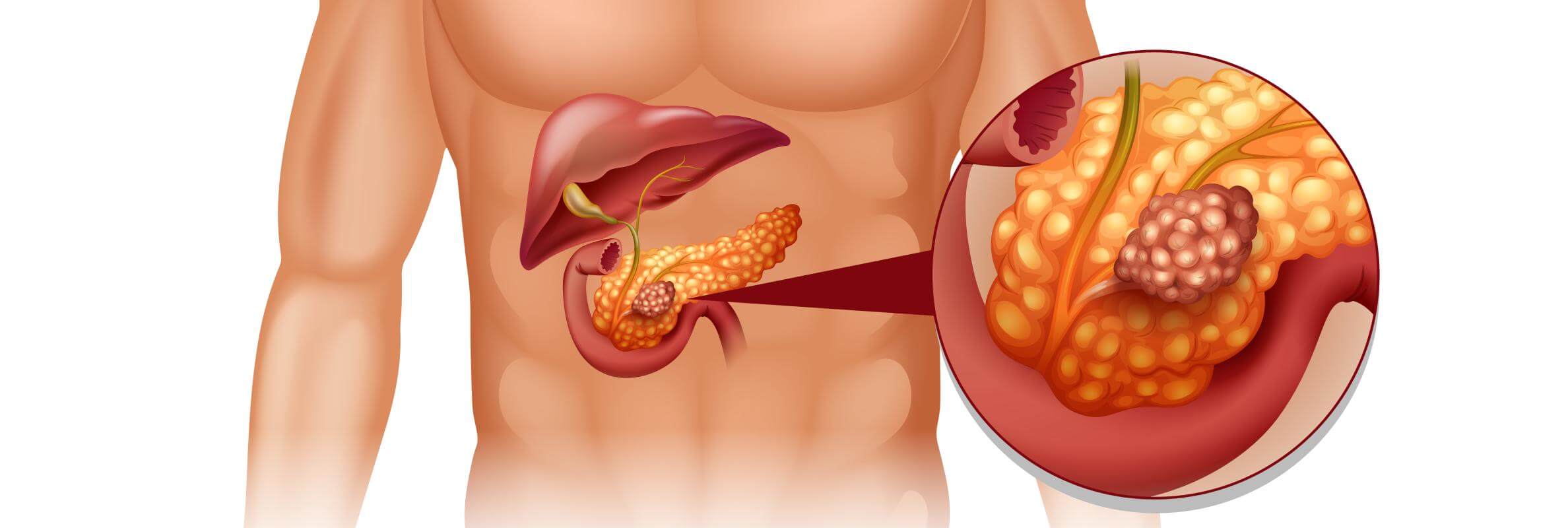
Pancreatic cancer (PC) remains one of the most aggressive forms of gastrointestinal carcinomas [1]. Just imagine that in 2022, approximately 467,000 deaths were attributed to this disease [2]; that places PC among the top six causes of cancer-related mortality worldwide [3].
The overall 5-year survival rate sits around 13% [4]. That is a horrific statistic. For localized cases, survival can improve to roughly 44%, but here's the problem: most patients don't get diagnosed until the disease has already metastasized, which drops the 5-year survival rate to about 3% [5].
Despite these statistics, we want to ask pancreatic cancer patients to not despair. Potential for earlier intervention and improved outcomes are connected with recent developments of new innovative diagnostic tools and treatment modalities.
Pancreatic cancer treatment continues evolving. We encourage patients and families to read this article – to explore treatment options available.
Conventional Therapies for Pancreatic Cancer: What Is Currently Available
Treatment approach for pancreatic cancer (PanCa) depends on tumor stage and location. Surgery, chemotherapy, and radiation therapy form the basis of pancreatic cancer treatment protocols [6].
Surgery is preferred when tumors are confined to the pancreas, without indistinctive borders or distant spread. The most common surgical procedure is the Whipple operation. It involves removing the head of the pancreas along with nearby structures – e.g., parts of the stomach, small intestine, bile duct, and gallbladder. As the available evidence suggests, it can offer the best chance for long-term survival in eligible patients. However, it is a complex and demanding procedure that requires a high level of skill – it must be performed only by the best specialists in this field.
That last point carries more weight than it may appear to. Surgical volume is one of the strongest predictors of outcome in Whipple procedures: centers performing fewer than ten per year show measurably higher complication rates than high-volume institutions.
Booking Health's hospital selection process evaluates annual case volume and individual surgeon experience for procedures of this complexity — not because reputation is irrelevant, but because a hospital's general ranking and its specific expertise in a given operation are often two different things.
Chemotherapy is usually used as a primary treatment for stage 3 pancreatic cancer, it is designed for the cases when the tumor is considered inoperable or has spread to nearby structures. It is also widely utilized in stage 4 pancreatic cancer. The response rates are often limited, although this approach can extend survival in both stages. In stage 3, chemo can help slow the disease progression and reduce tumor size, improve symptoms. In stage 4 it can help manage this metastatic disease by controlling tumor growth. Regardless of the stage of the disease, this treatment strategy can cause significant side effects that impact the overall well-being of pancreatic cancer patients.
Radiation therapy is used as supportive treatment (alone or combined with chemotherapy). Recent studies suggest it may help relieve pain and shrink tumors in specific locations – it can also reduce risk of local recurrence. However, the overall benefit in terms of long-term survival is modest – similar to chemo.
If patients want to receive the best treatment for pancreatic cancer, overcoming high recurrence rates and limited survival, they should consider more modern and personalized options, sometimes beyond the borders of their homeland.
Innovative Therapies for Pancreatic Cancer
Treatment strategies are changing thanks to discoveries in medical research and science – new pancreatic cancer treatments can improve the body's own ability to fight cancer or target tumors more effectively with fewer side effects. Dendritic cell therapy and transarterial chemoembolization (TACE) are considered 2 of the most promising innovations today.
Dendritic Cell Therapy for Pancreatic Cancer
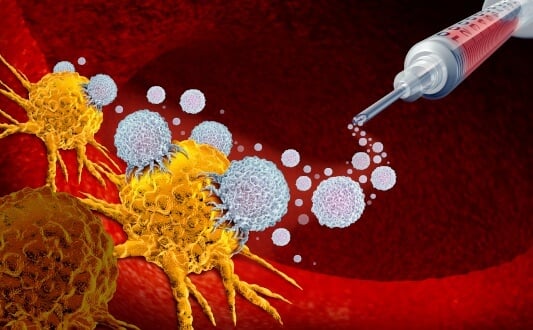
Dendritic cell therapy is advanced form of immunotherapy that works by utilizing the body's own immune system—this approach was recognized with a Nobel Prize in Physiology or Medicine in 2011[7]. Dendritic cells are responsible for identifying threats and activating cancer-fighting T cells. In therapy, a patient's dendritic cells are collected and trained in a lab to recognize cancer-specific markers.
They are reinfused into the body to produce a targeted immune response against pancreatic tumor cells. Studies show that dendritic cell therapy can lead to tumor regression and slower disease progression; it can also lead to improved quality of life (all with minimal side effects) – these make it a suitable option even for frail/elderly patients with advanced pancreatic cancer. That is a crucial advantage when you consider how harsh conventional treatments can be on already weakened patients.
For patients at that point of physical depletion — where the question is no longer only which treatment works, but which treatment the body can still tolerate — the selection of the right immunotherapy protocol and the right administering physician becomes the entire decision.
Booking Health's case review at this stage focuses on matching the patient's current functional status and prior treatment history to centers with documented experience in dendritic cell therapy for pancreatic tumors specifically: because immunotherapy outcomes in this disease vary significantly depending on the tumor's molecular markers and the preparation method used.
To better understand how dendritic cell therapy works and how it potentially offers long-term remission, we invite readers to watch a video interview with Professor Frank Gansauge—a leading immunologist in Germany with over two decades of experience. In this interview, he explains the science behind dendritic cells and shares success stories of his patients.
VIDEO
How Dendritic Cell Therapy is Transforming Modern Cancer Treatment
To manage pancreatic cancer in patients with advanced or unresectable disease, minimally invasive image-guided interventions are implemented more and more often. These techniques mean targeted elimination of tumor tissue with minimal injury to surrounding structures due to real-time guidance using ultrasound and computed tomography (CT).
Thermal ablation (radiofrequency ablation – RFA, microwave ablation – MWA) is used for locally advanced pancreatic adenocarcinoma (PAC). These methods work by applying intense heat directly into tumor to induce destruction. Thermal ablation isn't yet included in standard protocols of care, however research shows promise in selected cases where it improves symptom control. Recent prospective data demonstrated local control rates and radiological response of 60-75% at 6 to 12 months.
Cryoablation uses subzero temperatures. It destroys malignant cells through ice crystal formation—associated with minimal perioperative complications and low number of side effects (pain, indigestion). This approach is especially useful when lesions are close to critical structures like the portal vein. Cryoablation can be administered in cases of metastatic pancreatic ductal cancer or resectable tumors when patient is unwilling or unable to undergo surgery. Research is still ongoing, but cryoablation is efficient in dealing with locally advanced pancreatic cancer (LAPC): pilot studies showed progression-free survival of approximately 66% at 6 months in LAPC patients following cryoablation.
Electrochemotherapy (ECT) treatment for pancreatic cancer is a technique, which enhances chemotherapeutic uptake through electric current-mediated impact. It is currently under evaluation for chemotherapy-resistant or surgically inaccessible pancreatic tumors. Although still considered investigational in this realm, early-phase trials report pancreatic tumor responses of up to 65%, especially for borderline resectable or recurrent malignant lesions involving high vascularization. Additionally, electro-chemotherapy induces an immunotherapeutic effect, offering a potential advantage when combined with immunotherapy in advanced pancreatic disease scenarios.
ECT employs needle electrodes positioned 2.5-3 centimeters apart, creating tension fields coordinated by computer-controlled pulse generators synchronized with the patient's ECG. Treatment involves two sessions with three-week intervals for assessment. When considering electrochemotherapy cost, patients should note that the cost of electrochemotherapy varies by institution and location. The method is evaluated for its potential to avoid extensive surgery and achieve disease control in resistant cases.
VIDEO
Prof. Kovács: How Electrochemotherapy Became the Gold Standard for Hard-to-Reach Tumors
Transarterial chemoembolization (TACE) is an advanced and new treatment for pancreatic cancer that is considered effective for inoperable tumors or those that have metastasized to the liver or lungs. As many know, traditional chemotherapy circulates throughout the body. In contrast, TACE can deliver treatment directly into the artery feeding the tumor while simultaneously blocking blood flow. This maximizes drug concentration at tumor site and starves cancer cells of oxygen and nutrients. As a result – this targeted approach helps shrink tumors and prolong survival. Patient comfort increases with fewer systemic side effects. Due to these advantages, TACE is often used as part of broader oncology plan, as it can be combined with other therapies (immunotherapy, for instance) for more personalized and effective treatment path.
VIDEO
Prof. Kovács: When to Use DEB-TACE, Conventional TACE, or Radioembolization (TARE)
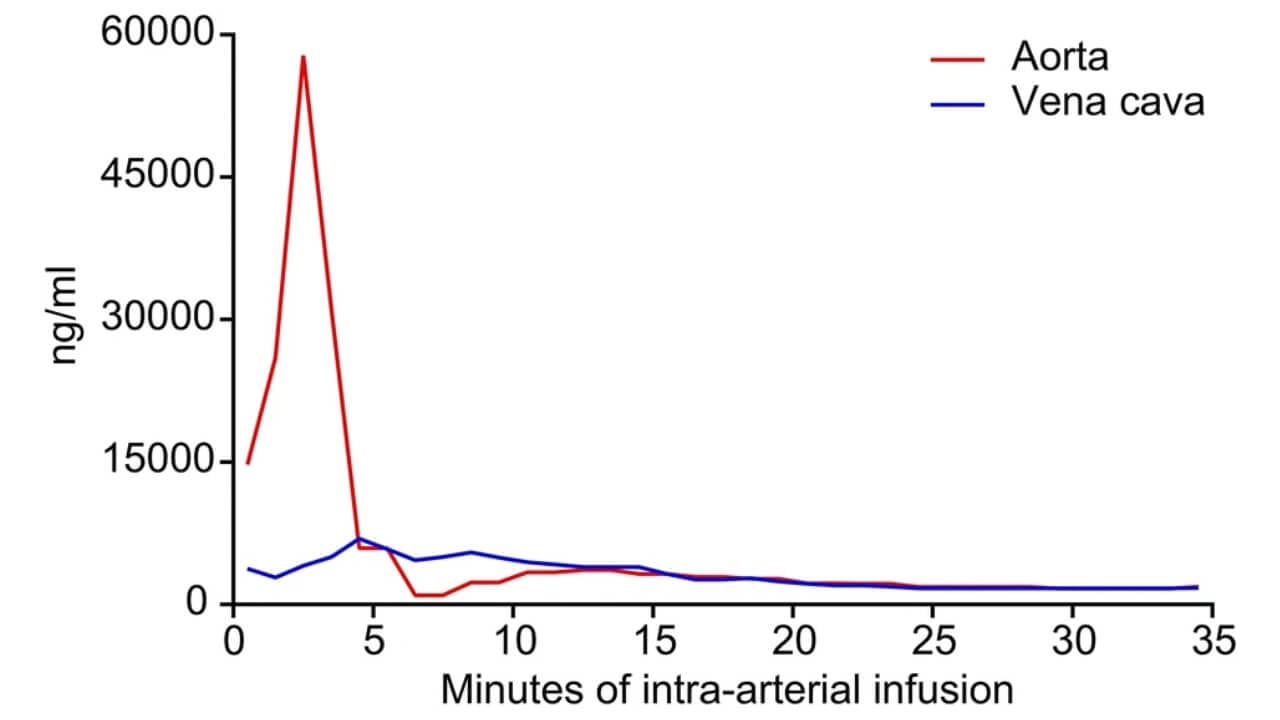
Regional chemotherapy for pancreatic cancer – isolated upper abdominal perfusion – delivers enormous doses of chemo to the tumor (you can see it on the illustration below). Surgeons insert specialized balloon catheters through both groin vessels and position them carefully in your aorta and vena cava beneath the diaphragm. After that, the balloons inflate, temporarily blocking blood flow while concentrated medications flood only your upper abdomen for one minute. Then the upper balloon shifts position, creating complete isolation for successful regional chemotherapy of the pancreas. Five minutes of intense drug exposure to the tumor region.
But here's the crucial difference with regional chemotherapy for pancreatic cancer – chemofiltration follows immediately. A filtration system cleanses your blood for 45 minutes, removing remaining medications before they can circulate systemwide. Patients often see the filtered waste turn vivid colors depending on the treatment agents used for regional chemotherapy of pancreatic cancer. This blood-cleansing step explains why side effects stay minimal: drugs never reach toxic levels elsewhere in your body.
Drug concentrations during intra-arterial infusion [8]
FAPI PET Imaging and FAPI-Based Therapy for Pancreatic Cancer
For a patient whose pancreatic tumor never lit up clearly on a standard scan, the uncertainty is not abstract – it means treatment decisions get made on incomplete information. FAPI PET for pancreatic cancer addresses this gap directly. Instead of tracking glucose metabolism, the tracer binds to fibroblast activation protein – a marker densely expressed in the supportive tissue that surrounds pancreatic tumors. This matters clinically: pancreatic adenocarcinoma is known for its dense, fibrotic microenvironment, which means FAPI PET/CT for pancreatic cancer often shows tracer uptake far exceeding what FDG produces in the same lesion. Sharper contrast on imaging is not a cosmetic improvement – it can change whether a concomitant liver lesion is classified as benign tissue or as disease that alters the entire treatment plan.
This distinction becomes most consequential when the question is not "is there a tumor" but "has it spread." FAPI PET for pancreatic cancer metastases has shown particular value in detecting small liver deposits that FDG, hindered by the liver's own glucose activity, can miss entirely – and missing a metastasis means a patient may undergo major surgery that offers no real benefit. The same logic applies after treatment, when scar tissue and inflammation make standard imaging difficult to interpret. And FAPI PET for pancreatic cancer recurrence can help separate post-surgical or post-radiation changes from genuinely active tumor, sparing patients from either false reassurance or unnecessary further intervention.
Where FAPI uptake is high enough, a second possibility opens up. FAPI radioligand therapy for pancreatic cancer uses the same molecule that produced the diagnostic image, now carrying a therapeutic radionuclide such as Lutetium-177, to irradiate the tumor from within. FAPI therapy for pancreatic cancer is not offered to every patient, however, because uptake varies considerably between individuals and even between regions of the same tumor – without sufficient binding, there is nothing for the radionuclide to deliver its dose through. This is precisely why a dedicated nuclear medicine review matters: it tells a patient, before any commitment is made, whether this pathway is biologically plausible for their specific disease – and Booking Health can coordinate that review, connect patients with German centers experienced in FAPI imaging and therapy, and provide a transparent cost estimate before any travel decision is made.
Comparative Table of Pancreatic Cancer Treatments
Characteristics/Therapy type
2-Year Survival Rate
Response Rate
Duration
Side Effects
Standard Treatment
~25% for advanced cancer
Less than 10%
Several cycles
Severe (nausea, fatigue, hair loss, immunosuppression, skin irritation)
Innovative Methods
~60% for advanced cancer
45-65%
Up to 4 sessions
Mild (localized discomfort)
Treatment costs for Pancreatic Cancer Treatment
The cost of each treatment can vary significantly based on factors such as the country of treatment, the reputation of the hospital or clinic, the complexity of the case, the length of hospital stay, the follow-up care required, and whether the treatment is part of a broader combination therapy plan. Additional expenses, such as diagnostics, travel, accommodation, and supportive care, may also affect the total cost.
Treatment Method
GERMANY*
GB
USA
Standard Treatment
€80,000 - €150,000 full course
€90,000 - €165,000 full course
€100,000 - €180,000 full course
Innovative Methods
€25,000 - €60,000 full course
€70,000 - €120,000 full course
€100,000 - €150,000 full course
Success Stories of Pancreatic Cancer Patients
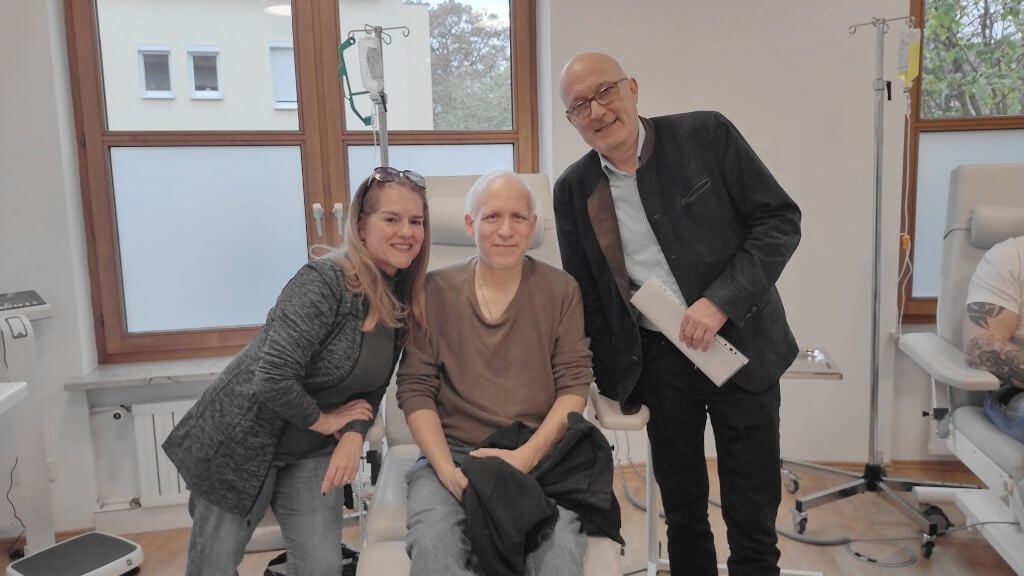
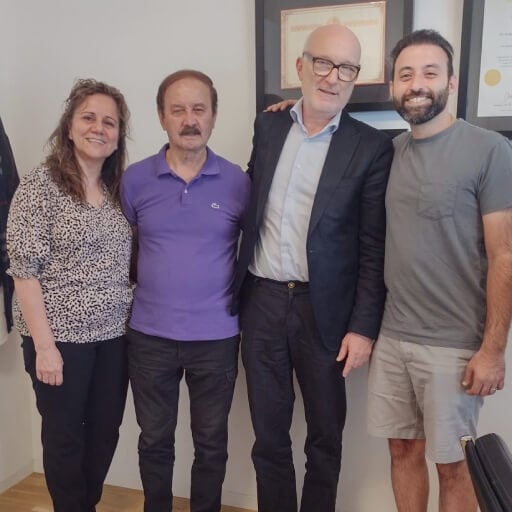
Robert Franklin Smith (USA) received a pancreatic cancer diagnosis and immediately began looking for the best treatment for pancreatic cancer in the world.
A short line first: he underwent liver-metastasis surgery. Then the longer one: after resection of metastatic lesions linked to the primary pancreatic tumour, Robert continued systemic chemotherapy, following a standard protocol that offered disease control but still felt limited in terms of long-term possibilities.
However, Robert's family was not satisfied with the limitations of standard treatment in the United States. During their search for more advanced solutions, they discovered the pancreatic cancer alternative treatment options available in Germany. In particular, they were interested in dendritic cell therapy offered by Dr. Frank Gansauge at LDG Laboratories in Berg.
The Smiths didn’t want to handle logistics alone, so they contacted Booking Health for support. Mrs Smith later mentioned how impressed they were by the organisation, the clarity of communication, and the genuinely warm attitude they experienced — small details that matter when stress levels are high. She described Dr Gansauge’s combination of medical accuracy and human approach as something that made them feel safe and properly understood.
Dendritic cell therapy stabilised Robert’s condition, lowered recurrence risk, and improved his general well-being – appetite, energy, day-to-day function.
For families like the Smiths, Germany may be considered the best country for pancreatic cancer treatment. Advanced medical care here can create real possibilities.
Robert Franklin Smith
Why It Is Important to Choose the Best Place for Pancreatic Cancer Treatment
Patients have to make many decisions. The first stage – and sometimes the hardest – is choosing the right hospital for treatment. As we discussed in this article, the best medical centers for treatment of pancreatic cancer offer patients greatest chance for positive outcome - they combine advanced technologies with experienced pancreatic cancer specialists.
Key advantages of best hospitals for pancreatic cancer treatment include: accurate diagnostics, access to minimally invasive surgical options, expertise in complex procedures like the Whipple procedure (pancreaticoduodenectomy), availability of advanced therapies (immunotherapy, targeted radiation oncology, interventional radiology), and a multidisciplinary team [3].
Patients can also refer to pancreatic cancer hospitals rankings and patient reviews. These help find the best pancreatic cancer hospitals in the world that offer best possible outcomes.
Overall, we want to emphasize: it is essential that pancreatic cancer patients select the best pancreatic cancer doctors and top pancreatic cancer treatment centers.
The difficulty is that "best" is not a fixed category — it is case-specific. A center that leads in robotic Whipple procedures is not automatically the right destination for a patient whose disease has already progressed past resectability and who needs interventional radiology combined with immunotherapy. Rankings capture institutional prestige; they do not capture whether a given center has treated enough cases with your tumor's molecular profile to have meaningful outcome data. This is the gap that an independent case review fills.
Booking Health analyzes incoming medical records not to find the highest-ranked hospital on a general list, but to identify which institution — and which physician within it — has the most documented experience with the specific clinical presentation in front of them: because for pancreatic cancer, where the margin between the right treatment at the right center and a plausible-sounding alternative can be measured in months, that specificity is not a luxury.
Best Treatment Centers for Pancreatic Cancer: Global Rankings
Below we want to offer our readers the list of some of the best pancreatic cancer treatment centers globally.
Pancreatic Treatment Centers
Country
Specialty Highlights
Mayo Clinic
USA
Advanced diagnostic and therapeutic options – e.g., minimally invasive surgery, chemo, RT, palliative care
Johns Hopkins Hospital
USA
Expertise in Whipple procedure; availability of pancreatic cancer vaccines
University Hospital RWTH Aachen
Germany
Minimally invasive surgery; another advantage – advanced research
University Hospital Freiburg
Germany
Advanced surgical oncology (robotic and conventional); the hospital tends to personalized therapy
University Hospital Tuebingen
Germany
Multidisciplinary team; innovative research
Mayo Clinic
Mayo Clinic, USA is NCI-designated comprehensive cancer center. High survival rates set this institution apart. At this facility, highly individualized treatment plans are developed against background of approved protocols and advanced research—that is why it's often called the best hospital to treat pancreatic cancer.
University Hospital RWTH Aachen
University Hospital RWTH Aachen in Germany. European standards lead to excellence in pancreatic cancer surgery. Here, patients receive complex treatment with specialists from different departments and Euregional Comprehensive Cancer Center Aachen.
Johns Hopkins Hospital
Johns Hopkins Hospital leads in pancreatic cancer research and performs intricate surgeries—it provides access to the Sol Goldman Pancreatic Cancer Research Center, one of world's leading research hubs for pancreatic malignancies. At this hospital, patients receive innovative and personalized care designed for complex cases (including borderline resectable tumors that other centers might consider inoperable). The surgical expertise here is exceptional, particularly for challenging anatomical presentations involving vascular involvement.
University Hospital Freiburg
University Hospital Freiburg, Germany offers something different: truly integrated care where surgical oncologists, interventional radiologists, medical oncologists, gastroenterologists collaborate on every case – not just during occasional tumor board meetings but throughout entire treatment journey. Treatment options available here include robotic surgery for select patients, conventional open procedures when anatomy demands it, neoadjuvant chemotherapy tailored to tumor biology based on molecular profiling. That is why outcomes are consistently strong.
University Hospital Tuebingen
University Hospital Tuebingen, Germany, is focused on research to promote innovation in the treatment of pancreatic cancer. It has a highly integrated oncology team. This team offers patients access to innovative therapies and customized treatment plans – all aimed at maximizing outcomes. UniHospital Tuebingen emphasizes translational research. This approach allows the hospital to bring laboratory discoveries into clinical practice. By doing so, facility ensures patients benefit from latest advancements in cancer care before these treatments become widely available at other institutions.
Each of these institutions has a different clinical profile — and for a pancreatic cancer patient, the difference between them is not cosmetic. A patient with a borderline resectable tumor involving vascular structures needs a different center than a patient pursuing immunotherapy after completed first-line chemotherapy.
Booking Health's case analysis maps a patient's specific disease stage, molecular profile, and prior treatment history against the documented strengths of each institution — because referring a patient to a prestigious center that lacks specific experience in their presentation is not meaningfully better than staying home.
Best hospitals in the world offer exceptional care to those struggling with pancreatic cancer. We hope readers see that now. However, we'd like to draw attention to top pancreatic cancer hospitals in Germany specifically – they're known for innovative technologies, high surgical success rates, affordable healthcare compared to many Western countries (particularly USA where costs can be 2-3 times higher for equivalent treatment).
Many clinics in Germany participate in international research collaborations. As such, they offer access to advanced research projects. German clinics assist patients through every step of treatment journey by providing navigation services—patients benefit from shorter waiting times and comprehensive support services including: appointment scheduling, translation support, visa assistance, accommodation arrangements, treatment coordination.
Advanced investigations available at German centers include dendritic cell therapy protocols, combination immunotherapy approaches, novel interventional radiology techniques like TACE and cryoablation, emerging targeted molecular therapies based on genetic tumor profiling.
A Medical Journey: Every Step of the Way With Booking Health
Finding the best treatment strategy for your clinical situation is a challenging task. Being already exhausted from multiple treatment sessions, having consulted numerous specialists, and having tried various therapeutic interventions, you may be lost in all the information given by the doctors. In such a situation, it is easy to choose a first-hand option or to follow standardized therapeutic protocols with a long list of adverse effects instead of selecting highly specialized, innovative treatment options.
To make an informed choice and get a personalized cancer management plan, which will be tailored to your specific clinical situation, consult medical experts at Booking Health. Being at the forefront of offering the latest medical innovations for already 12 years, Booking Health possesses solid expertise in creating complex cancer management programs in each case. As a reputable company, Booking Health offers personalized stage 4 pancreatic cancer treatment plans with direct clinic booking and full support at every stage, from organizational processes to assistance during treatment.
We provide:
Assessment and analysis of medical reports
Development of the medical care program
Selection of a suitable treatment location
Preparation of medical documents and forwarding to a suitable clinic
Preparatory consultations with clinicians for the development of medical care programs
Expert advice during the hospital stay
Follow-up care after the patient returns to their native country after completing the medical care program
Taking care of formalities as part of the preparation for the medical care program
Coordination and organization of the patient's stay in a foreign country
Assistance with visas and tickets
A personal coordinator and interpreter with 24/7 support
Transparent budgeting with no hidden costs
Health is an invaluable aspect of our lives. Delegating management of something so fragile yet precious should be done only to experts with proven experience and a reputation. Booking Health is a trustworthy partner who assists you on the way of pursuing stronger health and a better quality of life. Contact our medical consultant to learn more about the possibilities of personalized treatment with innovative methods for metastatic pancreatic cancer with leading specialists in this field.
Advanced Cancer Treatment: Patient Success Stories with Booking Health
Ronald John C. (Canada), May 2026
Tommy G. (Ireland), April 2026
Sarah M. (United Kingdom), April 2026
Diane O. (United Kingdom), March 2026
Faeqa M. (Bahrain), March 2026
Paul K. (United Kingdom), February 2026
Jared Todd M. (USA), February 2026
Emmanuel K. (USA), January 2026
Peter H. (United Kingdom), January 2026
Patrick D. (Ireland), December 2025
Monica A. (Croatia), October 2025
Robert B. (USA), September 2025
David D. (United Kingdom), September 2025
Sargon B. (USA), August 2025
Frequently Asked Questions of Our Patients with Pancreatic Cancer
What is the latest treatment for pancreatic cancer?
Take a look at dendritic cell immunotherapy and TACE (transarterial chemoembolization) – these are the two that can have targeted effects with fewer side effects. You can check the full list of the available options of the Booking Health website.
What is the most effective treatment for pancreatic cancer?
Surgery (if possible) and interventional radiology techniques, chemo, and innovative therapies like immunotherapy are often combined – so the best result possible can be achieved after the course. And personalized medical plan is the most efficient option.
How fast does pancreatic cancer spread without treatment?
Very quickly due to aggressive nature of the disease. It is important to avoid postponing and start therapy ASAP, in the specialized healthcare facility; while you can always receive second opinion elsewhere and change your choice.
What role does chemotherapy play in pancreatic cancer treatment?
This is one of the essential methods used in pancreatic cancer treatment, particularly for inoperable or metastatic cases; regimens are numerous and are selected individually – among approved protocols. It can help shrink primary and metastatic neoplasms, manage disturbing cancer manifestations.
What are the most successful treatments for pancreatic cancer?
There is no a single one, and this is reasonable. Surgery, chemotherapy, dendritic cell therapy – all have their place and timing. Personalized strategies are important, as each clinical case has its peculiarities requiring action, sometimes beyond the standard protocol.
What are the treatment options for pancreatic cancer?
A patient may need action from invasive intervention to medication intake. This includes surgery (e.g., the Whipple procedure), chemotherapy, RT, immunotherapy, targeted therapy. Innovative treatments are expanding patient choices, you can read about them on the Booking Health website.
What is the prognosis for someone diagnosed with pancreatic cancer?
Early-stage detection and fast action offer better outcomes. Advanced stages often require more expertise, complex schemes and innovative approaches to prolong life. The prognosis is always individual; discuss it with your healthcare provider – and, if necessary, receive second opinion in specialized centers abroad.
How much does pancreatic cancer treatment cost?
Booking Health helps patients manage their expenses by providing transparent pricing and assistance with hospital negotiation, insurance issues. The costs can vary from €20,000 for immunotherapy to over €150,000 – for prolonged chemotherapy, etc.
How long can you live with pancreatic cancer with treatment?
Some patients live for several months to years. New therapies – dendritic cell immunotherapy and others – help extend life expectancy, even in advanced cases.
What lifestyle changes can support pancreatic cancer treatment and recovery?
What is recommended and supported by clinical trials data, is diet balancing carefully, staying physically active, managing stress; it is also great to receive emotional support. Feel free to contact support groups and patient communities, this can be of great use.
What is the best hospital for pancreatic cancer treatment in the world?
First, take a look at Mayo Clinic and Johns Hopkins Hospital (USA), University Hospital RWTH Aachen, University Hospital Freiburg, and University Hospital Tuebingen – all are located in Germany. Booking Health will help you with selection.
Which hospitals offer the highest survival rates for pancreatic cancer?
Top hospitals in rankings have highest survival rates. Mayo Clinic, Johns Hopkins Hospital , UniHospital RWTH Aachen, University Hospital Freiburg, and UniHospital Tuebingen report better outcomes compared to general hospitals.
What makes a hospital the best choice for pancreatic cancer?
Access to multidisciplinary teams, experience with complex surgeries, personalized treatment plans – all an individual patient needs.
How can I get a second opinion from a leading pancreatic cancer center?
Booking Health can help arrange a second opinion cancer diagnosis from top-ranked pancreatic cancer centers worldwide. Any suspicion must be excluded before therapy starts.
What are the top-ranked hospitals for pancreatic cancer?
Mayo Clinic and Johns Hopkins Hospital (USA), University Hospital RWTH Aachen, University Hospital Freiburg, and University Hospital Tuebingen – all are located in Germany – deserve patients’ attention. Don’t be afraid because of the location, they are open for people from all countries.
Do top pancreatic cancer centers offer personalized treatment plans?
Absolutely. Best centers provide highly personalized care approach. Patients can be certain that each treatment plan will be customized.
Are there specific hospitals that specialize in advanced-stage pancreatic cancer?
Yes. University Hospital RWTH Aachen, University Hospital Freiburg, and University Hospital Tuebingen; Mayo Clinic and Johns Hopkins Hospital (USA). Booking Health will arrange an appointment in any of them.
Are immunotherapy options available at the best pancreatic cancer hospitals?
Yes. Many of the best pancreatic cancer hospitals offer access to immunotherapy. These treatments are typically part of advanced programs – that aims to improve outcomes for patients with pancreatic cancer.
What is the 2-year survival rate for stage 4 pancreatic cancer?
For stage 4 pancreatic cancer, the 2-year survival rate with standard chemotherapy is around 25%. On the other hand, innovative methods (e.g., dendritic cell therapy, TACE, or ablation) can extend survival to approximately 60%.
What response rates are achieved in stage 4 pancreatic cancer with innovative treatments (e.g., dendritic cell therapy, TACE, ablation)?
In stage 4 pancreatic cancer, standard chemotherapy achieves a response rate below 10%. In contrast, innovative approaches like dendritic cell therapy, electrochemotherapy, and thermal ablation can reach 45-65%.
How long does treatment for stage 4 pancreatic cancer usually take?
Standard chemotherapy for stage 4 pancreatic cancer often requires several treatment cycles over many months. In turn, innovative treatments (e.g., TACE, ablation, or dendritic cell therapy) are usually completed in up to four sessions.
What side effects can occur during stage 4 pancreatic cancer treatment?
Standard treatments for stage 4 pancreatic cancer often cause severe side effects, including fatigue, nausea, and immune suppression. However, innovative therapies (e.g., TACE, cryoablation, or dendritic cell therapy) typically cause only mild, localized discomfort.
What is the best treatment option for pancreatic cancer?
Treatment selection in pancreatic cancer depends on stage, resectability and patient performance status. Standard approaches include – surgery, systemic therapy and radiotherapy (when indicated). Interventional radiology is used for local tumor control or management of tumor-related complications; dendritic cell therapy may be considered as an adjunct immunological strategy.
What country is the best for pancreatic cancer treatment?
From a clinical perspective Germany provides access to standard pancreatic cancer therapies and extended treatment options. Interventional radiology procedures and dendritic cell therapy can be integrated into individualized treatment plans within regulated medical settings – which is relevant for patients requiring approaches beyond conventional guidelines.
Choose treatment abroad and you will for sure get the best results!
Authors:
This article was edited by medical experts, board-certified doctors Dr. Nadezhda Ivanisova, and Dr. Bohdan Mykhalniuk. For the treatment of the conditions referred to in the article, you must consult a doctor; the information in the article is not intended for self-medication!
Our editorial policy, which details our commitment to accuracy and transparency, is available here. Click this link to review our policies.
07. Roman Volchenkov, Florian Sprater, Petra Vogelsang, Silke Appel. The 2011 Nobel Prize in physiology or medicine. Scand J Immunol. 2012 Jan;75(1):1-4. doi: 10.1111/j.1365-3083.2011.02663.x.[DOI][PubMed]
08. Aigner, K.R., Gailhofer, S., Selak, E. et al. Intra-arterial infusion chemotherapy versus isolated upper abdominal perfusion for advanced pancreatic cancer: a retrospective cohort study on 454 patients. J Cancer Res Clin Oncol 145, 2855–2862 (2019). https://doi.org/10.1007/s00432-019-03019-6.[DOI]
thank you for reaching out! One of our medical advisors is currently reviewing your details. You can expect a call from us within one business day to discuss your request.
Note: The incoming call will appear as a German number or your local area code. This call is entirely free of charge.
Booking Health guarantees:
Expert Placement
We use rigorous statistical analysis to ensure you are treated at the best-rated facility for your specific diagnosis.
Total Cost Protection
No hidden fees or unexpected bills. We provide a fixed price guarantee, backed by insurance that covers any additional complications.
12-Month Extended Care
Your recovery is our priority. Benefit from a full year of direct medical support following your procedure.