Because pancreatic cancer is rarely detected before it has already spread, the diagnosis arrives not as a warning but as a crisis — and the treatment decisions that follow carry weight that standard oncology protocols were not always designed to bear. Pancreatic cancer treatment centers in Germany have built their care around precisely this reality: that patients arriving here have often already exhausted what was available to them elsewhere, and that what they need is not a repetition of what failed. The approximately 466,000 people diagnosed globally each year are not a statistical category. They are patients for whom the distance between available treatment and effective treatment determines everything.
Understanding the Scope and Impact of Pancreatic Cancer
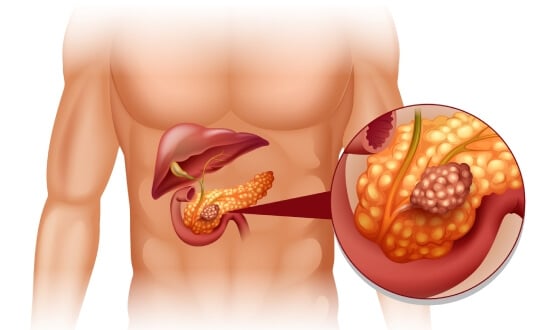
Pancreatic cancer is difficult to detect early not because the tools are inadequate, but because the disease produces no reliable symptoms until it has already progressed — which explains why the overall five-year survival rate sits at just 10–12%. That figure shifts dramatically for cases caught while still localized, which means early diagnostics are not a clinical preference. They are the variable most likely to determine whether a patient is choosing between treatment options or between treatment and palliation.
What Germany offers in this context is not optimism as a substitute for evidence. It is a treatment infrastructure that combines established protocols with innovations developed specifically for the conditions that make pancreatic cancer so resistant to standard care — and that addresses survival prognosis and quality of life as inseparable rather than competing priorities.
Established Treatment Approaches
The cornerstone of pancreatic cancer treatment in Germany is a multidisciplinary approach (i.e., surgery, medications, and radiation techniques). Pancreatic cancer treatment centers excel in such modalities:
Chemotherapy protocols-measurable improvements in survival and quality of life compared to earlier approaches
Precision radiotherapy-uses advanced delivery techniques to maximize tumor targeting and protect surrounding tissues
Personalized treatment strategies are what the German approach is about. German oncologists craft individualized plans that respond to each patient's unique disease characteristics, physical condition, and personal preferences – a precision approach that represents a significant advancement over conventional models.
VIDEO
Leading German Surgeon Dr. Lipp Reveals the Power of HIPEC in Cancer Treatment
General and Abdominal Surgery, Hepatopancreatobiliary Surgery and Hernia Surgery
Dendritic Cell Therapy as a Breakthrough Treatment
The confidence German oncology places in dendritic cell therapy for pancreatic cancer is grounded in a specific clinical observation: that for patients who have exhausted conventional options, the immune system — properly trained — represents a mechanism the tumor has not yet learned to fully defeat. Ralph Steinman's Nobel Prize in Medicine in 2011 recognized the discovery that made this possible, establishing dendritic cells as the immune system's primary antigen-presenting mechanism.
How Dendritic Cell Therapy Works
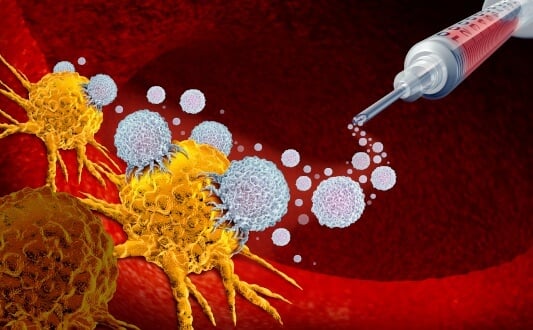
The process begins with what the patient already carries. Dendritic cells are extracted from the patient's blood, processed in a laboratory where they are exposed to markers specific to pancreatic cancer cells, and reintroduced into the body — where they activate cytotoxic T-cells capable of identifying and destroying malignant cells throughout the system while largely sparing healthy tissue.
The immune response that follows is not generic. It is built from the patient's own biology, directed at the specific antigenic profile of their tumor, and operating through a pathway that chemotherapy and radiation were never designed to use.
Clinical Outcomes & Benefits
For patients with advanced pancreatic cancer who have exhausted what conventional treatment could offer, the question is no longer which standard protocol to try next — it is whether anything exists that works through a different mechanism entirely. Dendritic cell therapy answers that question with more than a decade of clinical data from German centers, where protocol refinement has produced outcomes that early-stage experimentation cannot claim: disease stabilization, reduced tumor burden, and survival periods that extend beyond what initial prognoses indicated.
The therapy’s side effect profile is substantially lower than that of conventional treatment, as it involves the patient's own immune system. So, patients who can not tolerate aggressive intervention are still candidates. It runs alongside surgery, chemotherapy, and targeted agents — rather than replacing them.
Two clinical variables determine whether a specific patient will fall within the range of those favorable outcomes: the currency of the antigen source used to load the vaccine, and whether the patient's immune function — after prior chemotherapy — still supports a viable monocyte yield or needs additional interventions before the DC procedure starts. A patient who has received multiple chemotherapy cycles may have significantly depleted monocyte reserves, affecting the vaccine's cellular composition and targeting precision.
Booking Health's pre-treatment case review assesses both of these conditions before the treatment program is designed, because arriving at LDG Laboratories without that assessment means those questions are answered on the day of blood collection rather than in advance.
Targeted Precision: TACE Delivers Chemotherapy Directly to Tumors
For patients with locally advanced or metastatic pancreatic cancer, the fundamental limitation of systemic chemotherapy is not the drug — it is the delivery. Concentrations high enough to act on the tumor are also high enough to damage healthy tissue throughout the body, which forces oncologists to dose below the therapeutic threshold the cancer actually requires. TACE resolves this by removing the systemic route entirely: an interventional radiologist threads a catheter through the arterial system directly to the blood vessels feeding the tumor, administering chemotherapeutic agents and embolic materials at the site itself. The result is drug concentration at the tumor up to 20 times higher than systemic delivery achieves — while healthy tissue elsewhere receives dramatically less exposure, which explains why nausea, fatigue, and immune suppression are substantially reduced compared to conventional chemotherapy cycles.
The embolic component adds a second mechanism. By blocking the blood supply to the tumor simultaneously with chemotherapy delivery, TACE deprives the malignancy of the vascular infrastructure it depends on for growth — which means the procedure is not simply delivering a drug more efficiently. It is attacking the tumor's survival conditions at the same time.
German centers have refined TACE even more. Drug-eluting beads (DEB) release chemotherapy in a controlled, sustained manner over extended periods. This enhances therapeutic impact and reduces the peak toxicity that conventional bolus delivery produces. The minimally invasive nature of the procedure makes it suitable for patients whose age or comorbidities would exclude them from more aggressive intervention. Most patients return home within 24-48 hrs.
The choice between DEB-TACE and conventional TACE depends on tumor vascularity, hepatic reserve, and whether prior treatment has altered the vascular feeding pattern of the metastatic lesions. That selection is not made by a general oncologist: it requires an interventional radiologist with high procedural volume in pancreatic liver metastasis cases specifically.
Booking Health's physician-level case matching identifies which center's interventional radiology team has the documented TACE volume and experience that corresponds to the patient's hepatic disease burden — not which hospital has the highest general oncology reputation.
Regional chemotherapy for pancreatic cancer delivers concentrated medications directly to tumors while protecting the rest of your body – a game-changing approach pioneered in Germany by Prof. Karl Reinhard Aigner.
Germany leads in regional chemotherapy of pancreatic cancer through unmatched clinical experience. Prof. Aigner's Medias Clinic in Burghausen has performed over 20,000 regional perfusion procedures – more than any center worldwide. His landmark study of 454 advanced pancreatic cancer patients reveals striking survival advantages that conventional oncology simply cannot match [4].
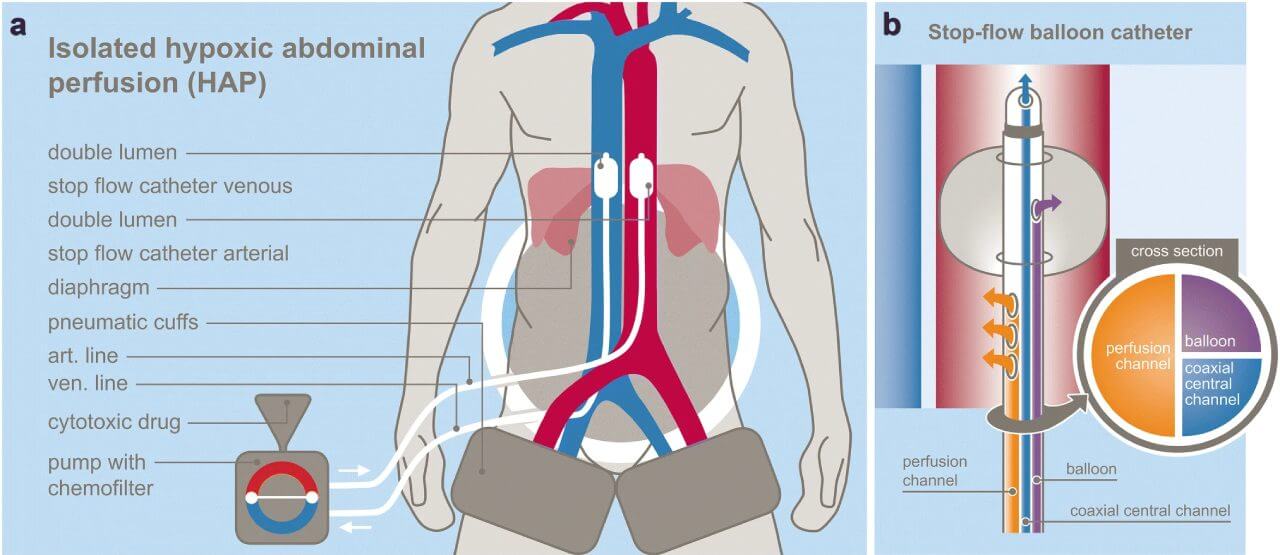
Two specialized techniques define regional chemotherapy of the pancreas. Simpler intra-arterial infusion threads catheters through your groin directly to the celiac trunk, delivering medications for five minutes daily across four consecutive days. The advanced isolated upper abdominal perfusion (UAP-F) uses balloon catheters positioned in your aorta and vena cava, creating temporary blockage while flooding the tumor region with concentrated drugs. What follows makes all the difference – 45 minutes of blood filtration eliminates remaining medications before they circulate systemwide.
Stage III patients receiving regional chemotherapy in Germany achieved 12-month median survival with UAP-F versus only 7.6 months with standard infusion. Stage IV patients also benefited significantly: 8.7 versus 6.6 months median survival. The technique resolved severe fluid accumulation in 92% of cases. [4]
Drug concentrations at the tumor site reached 60,000 ng/mL while blood levels elsewhere stayed remarkably low. Side effects remained minimal – nothing like systemic chemotherapy's devastating impact.
a Scheme of UAP-F technique. b Stop-flow balloon catheter [4]
UAP-F's survival advantage over standard arterial infusion — 4.4 additional months at stage III, 2.1 at stage IV — is not theoretical. But it applies only to patients whose vascular anatomy, renal function, and prior treatment burden support the procedure's temporary abdominal isolation.
Booking Health conducts pre-travel eligibility assessment before the trip is organized, confirming which of the two techniques is viable for a specific patient — so that the first appointment at a clinic is a treatment session, not a suitability conversation.
Advanced Minimally Invasive Techniques
Additional minimally invasive treatments for pancreatic cancer in Germany are approaches that offer effective alternatives for pancreatic cancer management while preserving patient quality of life.
Radiofrequency Ablation (RFA) and Microwave Ablation
Precisely directed energy — delivered through small incisions under real-time imaging guidance — gives RFA and microwave ablation something open surgery cannot offer patients who can no longer tolerate it: local tumor control without the recovery burden that conventional operative approaches demand. The treating physician monitors the ablation zone as it develops rather than estimating its boundaries afterward, which is what produces the local control rates of 65–80% at 12 months that German facilities report. Those figures reflect accumulated protocol refinement, not just technical execution — and for patients who have run out of surgical options, they represent active treatment rather than managed decline.
Cryoablation
Heat-based ablation has an anatomical boundary. That is, tumors adjacent to critical structures cannot be safely treated with thermal techniques that spread their action beyond the targeted zone. Cryoablation works within that boundary: extreme cold destroys malignant cells through ice crystal formation and membrane rupture. And because the freeze-thaw cycle can be repeated, the technique remains available when disease recurs or when initial application requires reinforcement. Vessel integrity is preserved in conditions where RFA and microwave ablation would compromise it, which is precisely why cryoablation exists as a distinct option rather than a fallback — it reaches anatomical locations the other techniques cannot safely address.
Irreversible Electroporation (IRE)
Neither heat nor cold — IRE operates through brief, high-voltage electrical pulses. They create permanent pores in cancer cell membranes, triggering cell death without the thermal effect that makes other ablative methods dangerous near critical structures. For pancreatic tumors bordering major blood vessels or bile ducts, that distinction determines whether a patient has a local treatment option at all. German centers have applied IRE specifically to lesions that other techniques cannot reach without unacceptable collateral damage — not as an experimental extension of existing approaches, but as the intervention designed from the outset for the cases every other method had to refuse.
Electrochemotherapy (ECT) treatment for pancreatic cancer
Pancreatic tumors hide behind a fortress. Dense fibrotic tissue surrounds the cancer cells, blocking traditional chemotherapy from penetrating effectively – which explains why this disease resists treatment so stubbornly.
Electrochemotherapy uses precisely controlled electrical pulses to temporarily create microscopic pores in cancer cell membranes – thus, increasing drug uptake. It is like unlocking the cell's defenses for concentrated medication to flood inside.
During the intervention surgeons position needle electrodes around the tumor, typically spacing them 2.5 to 3 centimeters apart. A computer-controlled pulse generator coordinates the electrical delivery – synchronized with your heartbeat via ECG monitoring to ensure safety. Each pulse series lasts mere seconds, but the impact is profound.
Unlike systemic chemotherapy that floods your entire body with toxic agents, ECT targets only the tumor region. The difference? Conventional approaches dilute medications through 5-7 liters of blood before reaching the cancer. ECT delivers concentrated doses exactly where needed and patients experience minimal side effects.
When considering electrochemotherapy cost and the overall cost of electrochemotherapy including protocol, remember that electro-chemotherapy should be evaluated for its potential to avoid more invasive surgeries and achieve control in otherwise resistant disease. For detailed insights into Prof. Aigner's pioneering work with ECT and regional chemotherapy techniques, watch the complete interview below.
Peritoneal metastasis from pancreatic cancer presents a specific delivery problem. The abdominal cavity that the disease has colonized is precisely the space that systemic chemotherapy reaches least effectively, because vascular distribution was never designed to saturate tissue surfaces the way PIPAC does. The procedure is laparoscopic — chemotherapy is aerosolized under pressure directly inside the abdominal cavity, where distribution through mist rather than blood flow allows penetration into cancerous tissue that liquid delivery cannot achieve at equivalent concentrations. German centers have been central to developing the standardized protocols that make this reproducible across facilities, and because PIPAC runs alongside systemic treatment rather than replacing it, patients do not face a choice between approaches — they benefit from both simultaneously.
What connects PIPAC to every minimally invasive technique covered here is a shared clinical consequence: patients who could not tolerate more aggressive intervention are not excluded from active treatment. Recovery times are shorter, functional status is preserved, and the therapeutic options available extend across the full disease spectrum — from patients newly diagnosed and building a first treatment plan to those managing advanced disease and choosing how to sustain the fight on their own terms.
PIPAC is a repeatable procedure — typically administered in cycles several weeks apart — which creates a specific coordination challenge for international patients managing active pancreatic disease from abroad.
Between cycles, carcinomatosis index reassessment imaging must reach the German center so the treating team can determine whether disease burden has shifted sufficiently to alter the next session's protocol.
Booking Health's personal coordinator maintains this information channel across the full treatment course: scheduling return visits, translating interim imaging reports, and ensuring the German team makes each cycle decision on current rather than outdated clinical data.
FAPI PET Imaging and FAPI-Based Therapy for Pancreatic Cancer
A scan that comes back ambiguous does not just delay a decision — it forces patients and oncologists to choose between acting on incomplete information or waiting while the disease continues on its own schedule. FAPI PET for pancreatic cancer was developed for exactly this gap, because the tracer binds to fibroblast activation protein on the cells that build the tumor's supportive scaffolding rather than tracking glucose metabolism the way FDG does. This distinction is not academic: pancreatic tumors are surrounded by dense fibrotic tissue rich in these cells, which means FAPI PET/CT for pancreatic cancer frequently produces tracer uptake several times higher than FDG achieves at the same site — and higher uptake against a quiet background is what turns an inconclusive image into a clear one.
That clarity has direct consequences once metastatic disease enters the picture. Liver involvement is notoriously difficult to read on FDG imaging, since healthy liver tissue is itself metabolically active — which is precisely the condition under which FAPI PET for pancreatic cancer metastases has shown an advantage, identifying small hepatic deposits that would otherwise remain invisible until they grow large enough to matter. The same applies after treatment, when scar tissue from surgery or ablation can mimic active disease on conventional scans: FAPI PET for pancreatic cancer recurrence helps distinguish post-treatment change from genuine regrowth, a distinction that determines whether a patient moves toward further intervention or toward surveillance.
Where uptake is strong enough across the tumor, the same molecule is used for treatment. FAPI radioligand therapy for pancreatic cancer pairs the targeting compound with a therapeutic isotope such as Lutetium-177, delivering radiation directly into FAP-rich tissue rather than through the bloodstream at large. FAPI therapy for pancreatic cancer is not assumed for every diagnosis, however — uptake intensity varies considerably between patients and even between regions of one tumor, and without that uptake the therapy has no mechanism to act through.
Because of this variability, FAPI PET/CT functions less as a replacement for standard imaging and more as a decision point: a finding that either opens or closes the door to radioligand therapy. Booking Health's case review incorporates this assessment into the broader treatment program, matching patients to German centers with documented FAPI imaging experience and providing a cost estimate before travel is arranged.
Best Pancreatic Cancer Hospitals in Germany
Germany remains one of the leading destinations for patients with pancreatic tumors – due to modern oncology and complex surgery. International patients often search for information about pancreatic cancer treatment centers, compare pancreatic cancer costs in Germany and choose institutions where decisions are made by a multidisciplinary team – not a single doctor.
Modern programs include radical surgery, systemic therapy, local interventional methods and immunotherapy. Queries such as best treatment for stage 4 pancreatic cancer in Germany reflect the need for a comprehensive approach combining ablation, regional therapy and chemotherapy. The cost of treatment depends on the stage and extent of interventions – so pancreatic cancer treatment costs in Germany are determined individually after a full examination.
Financial planning is also important. Patients often specify the cost of pancreatic cancer surgery in Germany and the cost of pancreatic cancer immunotherapy, because these methods determine the main part of the budget. For this purpose different types of pancreatic cancer treatment in Germany clinics are compared, paying attention to the experience of surgeons and the certification of the oncology center.
Top Pancreatic Cancer Hospitals in Germany
Hospital
City
Key Features
University Hospital RWTH Aachen
Aachen
Complex resections, vascular reconstruction, international protocols, molecular diagnostics
Research-focused, immuno-oncology, access to new systemic drugs
Luisen Hospital Aachen
Aachen
Fast treatment initiation, practical surgical experience, coordinated oncology care
Asklepios Hospital Barmbek Hamburg
Hamburg
Minimally invasive interventions, systemic therapy, palliative support, symptom control
RWTH Aachen University Hospital
RWTH Aachen is known for treating complex and borderline resectable pancreatic tumors. Here, extended resections with vascular reconstruction are performed when other clinics consider the case inoperable. Doctors work closely with oncologists and radiologists, adapting treatment tactics at different stages. This pancreatic cancer center in Germany also participates in international researches and uses modern molecular diagnostics.
University Hospital Freiburg
Freiburg is chosen by patients who value a balance between aggressive treatment and preserving quality of life. Freiburg is often considered the best pancreatic cancer treatment hospital Germany provides. The clinic is strong in radiotherapy and interventional radiology – this is especially relevant for locally advanced forms. Neoadjuvant strategies are often used to increase the chances of radical tumor removal. Decisions are made at regular oncology councils involving specialists from various fields.
University Hospital Tuebingen
Tuebingen is known as a research center where treatment is closely linked to scientific programs. Patients here have access to new systemic drugs and immuno-oncology methods within the framework of controlled programs. This pancreatic cancer hospital in Germany focuses on individual tumor biology, using advanced histological and molecular evaluation. That is why this institution is often sought after as the best pancreatic cancer clinic Germany provides for access to innovative treatment methods.
Luisen Hospital Aachen
Luisen Hospital is considered one of the best pancreatic cancer treatment centers in Germany. The clinic combines practical surgical experience with a clearly organized clinical process. Patients with an established diagnosis often come here for a quick start to treatment. The Department of Visceral Surgery performs a large number of operations on the abdominal organs, including the pancreas. The clinic provides postoperative support and coordination of further oncology therapy.
Asklepios Hospital Barmbek Hamburg
Asklepios Barmbek is the best pancreatic cancer treatment hospital in Germany with a modern oncology infrastructure. It is chosen by patients who need complete treatment in one institution – from diagnosis to systemic therapy. Minimally invasive interventions and supportive care are actively used here in advanced stages. Particular attention is paid to symptom control, pain relief and nutritional support – this is critical for patients with pancreatic cancer.
Those five centers serve genuinely different clinical profiles. RWTH Aachen is the destination for borderline resectable tumors where vascular reconstruction determines operability. Freiburg for locally advanced disease where interventional radiology and neoadjuvant sequencing maximize the resection window. Tübingen for patients whose tumor biology qualifies them for trial-based systemic drugs. Luisen Aachen for patients who need rapid treatment initiation without waiting-list delays. Asklepios Barmbek for patients requiring comprehensive minimally invasive and palliative management in a single institution.
Booking Health maps each patient's resectability status, metastatic pattern, and treatment urgency against these distinct profiles — because a patient routed to a research center when speed is the clinical priority, or to a surgical center when local control through interventional radiology is the more appropriate first step, has been matched to the wrong institution regardless of its general ranking.
Comparison of Pancreatic Cancer Treatment Approaches
Characteristic
Standard Treatment
Innovative Methods
2-Year Survival Rate
~25% for advanced cancer
~60% for advanced cancer
Response Rate
Less than 10%
45-65%
Treatment Duration
Several cycles over months
Up to 4 sessions
Side Effects
Severe (nausea, fatigue, hair loss, immunosuppression, skin irritation)
Mild (localized discomfort)
Costs in pancreatic cancer treatment centers in Germany
Country
Standard Treatment
Innovative Methods
Germany
€80,000 - €150,000 full course
€25,000 - €60,000 full course
Great Britain
€90,000 - €165,000 full course
€70,000 - €120,000 full course
USA
€100,000 - €180,000 full course
€100,000 - €150,000 full course
The Germany-to-USA differential on innovative methods — up to €125,000 on equivalent treatment — reflects negotiated institutional pricing, not a quality trade-off. Patients coordinating through Booking Health access Germany's rates without the foreign patient surcharge clinics apply to self-referred international cases.
A fully itemized budget specific to the patient's treatment program is provided before any commitment, with strict invoice control and return of unspent funds. Complication insurance covering up to €200,000 is included as standard — a financial safeguard that self-organized treatment abroad does not carry.
Patient's Pancreatic Cancer Treatment Path in Germany
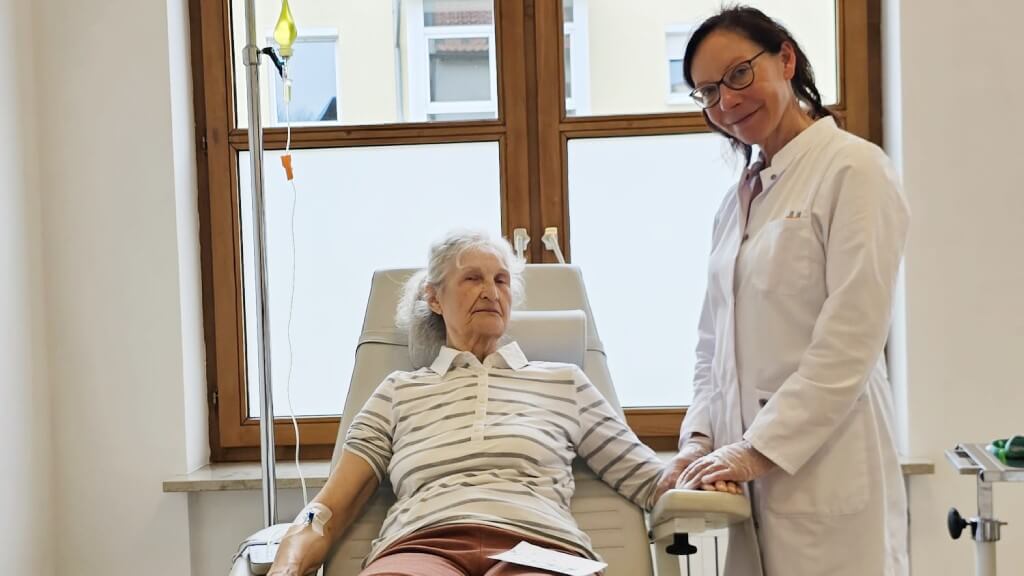
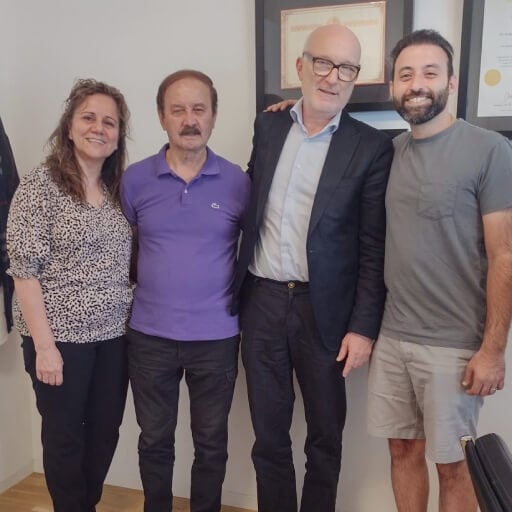
When Olga Vondrackova's diagnosis came back — pancreatic cancer with liver metastases — the question her family faced was not only whether treatment existed, but whether anyone could design a program precise enough to address two distinct disease burdens simultaneously. She traveled from the Czech Republic to Germany, where her treatment combined dendritic cell therapy at LDG Laboratories in Berg under Professor Gansauge with a targeted TACE procedure at University Hospital Frankfurt am Main under Professor Thomas Vogl — not as two separate decisions made in sequence, but as a single coordinated strategy built around her specific clinical situation.
What Olga's case also demonstrates is the clinical reasoning behind a two-center program: DC vaccination at LDG Laboratories addressed systemic immune activation against the primary tumor, while TACE at Frankfurt targeted the hepatic metastatic burden — two distinct therapeutic goals requiring two different specialists. That program was not assembled by searching for clinics independently; it was designed by Booking Health's medical team as a coherent treatment strategy, with documentation prepared and forwarded to both centers in advance, and a personal coordinator managing the logistics between two German cities throughout the treatment course.
For the Vondrackova family, the organization was what made the medicine bearable. Flawless coordination meant they could focus on Olga's recovery rather than on managing the logistics of treatment in a foreign country. Their interpreter Velika provided language support and something harder to systematize — emotional steadiness rooted in genuine belief in healing, at a moment when that belief was precisely what the family needed to keep pursuing the path they had chosen.
Olga Vondrackova
Care for Late-Stage Pancreatic Cancer Patients
"Options are limited" — four words delivered at the moment a patient most needs the opposite to be true, and that the integrated approaches developed in German centers are increasingly in a position to contradict. Late-stage pancreatic cancer creates conditions that standard protocols were not designed to address without consuming the patient's remaining functional reserves: treatment resistance, systemic spread, and a disease burden that demands interventions built for exactly those circumstances rather than adapted from regimens designed for earlier-stage disease.
Because every pancreatic cancer carries a distinct molecular profile, the program that works for one patient may be precisely wrong for the next — which is why effective late-stage management begins not with a protocol but with a clinical question: what does this patient's specific disease require? The answer may draw on dendritic cell immunotherapy, which generates systemic immune activation with a side effect burden far below conventional chemotherapy; on targeted interventions like TACE that deliver agents directly to tumor sites without systemic exposure; on precision medicine approaches guided by biomarkers and genetic features; and on pain management and nutritional support that preserve the functional status patients need to sustain treatment over time.
With the right medical coordination, patients pursuing stage 3 and stage 4 pancreatic cancer treatment in Germany are not navigating a foreign healthcare system alone — they are following a program designed in advance, by a team that has already done the clinical matching, prepared the documentation, and built the logistics around the treatment rather than alongside it. That structure is what transforms the decision to seek care abroad from an act of desperation into a deliberate choice — one patients are making for themselves, and building their recovery around.
Your Trusted Partner: Every Step of the Way With Booking Health
Finding the best treatment strategy for your clinical situation is a challenging task. Being already exhausted from multiple treatment sessions, having consulted numerous specialists, and having tried various therapeutic interventions, you may be lost in all the information given by the doctors. In such a situation, it is easy to choose a first-hand option or to follow standardized therapeutic protocols with a long list of adverse effects instead of selecting highly specialized innovative treatment options.
To make an informed choice and get a personalized cancer management plan, which will be tailored to your specific clinical situation, consult medical experts at Booking Health. Being at the forefront of offering the latest medical innovations for already 12 years, Booking Health possesses solid expertise in creating complex cancer management programs in each individual case. As a reputable company, Booking Health offers personalized stage 4 pancreatic cancer treatment plans with direct clinic booking and full support at every stage, from organizational processes to assistance during treatment.
We provide:
Assessment and analysis of medical reports
Development of the medical care program
Selection of a suitable treatment location
Preparation of medical documents and forwarding to a suitable clinic
Preparatory consultations with clinicians for the development of medical care programs
Expert advice during the hospital stay
Follow-up care after the patient returns to their native country after completing the medical care program
Taking care of formalities as part of the preparation for the medical care program
Coordination and organization of the patient's stay in a foreign country
Assistance with visas and tickets
A personal coordinator and interpreter with 24/7 support
Transparent budgeting with no hidden costs
Health is an invaluable aspect of our lives. Delegating management of something so fragile yet precious should be done only to experts with proven experience and a reputation. Booking Health is a trustworthy partner who assists you on the way of pursuing stronger health and a better quality of life. Contact our medical consultant to learn more about the possibilities of personalized treatment with innovative methods for metastatic pancreatic cancer (mPC) with leading specialists in this field.
Advanced Cancer Treatment: Patient Success Stories with Booking Health
Ronald John C. (Canada), May 2026
Tommy G. (Ireland), April 2026
Sarah M. (United Kingdom), April 2026
Diane O. (United Kingdom), March 2026
Faeqa M. (Bahrain), March 2026
Paul K. (United Kingdom), February 2026
Jared Todd M. (USA), February 2026
Emmanuel K. (USA), January 2026
Peter H. (United Kingdom), January 2026
Patrick D. (Ireland), December 2025
Monica A. (Croatia), October 2025
Robert B. (USA), September 2025
David D. (United Kingdom), September 2025
Sargon B. (USA), August 2025
Frequently Asked Questions About Pancreatic Cancer Treatment in Germany
What are the best hospitals in Germany for pancreatic cancer treatment?
In Germany, treatment for pancreatic cancer at University Hospital Frankfurt am Main, LDG Laboratories in Berg, and specialized centers in Munich is famous for the specific clinical infrastructure that pancreatic cancer demands: multidisciplinary teams where surgical expertise, medical oncology, and precision radiation work from a shared treatment plan rather than in parallel. For patients with complex or advanced disease, that coordination is not an institutional feature — it is what determines whether the components of treatment reinforce each other or operate in isolation.
Is Germany known for advanced pancreatic cancer therapies?
In Germany, pancreatic cancer treatment is grounded in a specific clinical investment: developing therapies for the conditions that standard protocols cannot address. Dendritic cell therapy, TACE, and minimally invasive ablative techniques are not offered as supplements to conventional care — they are applied where conventional care has reached its limits, which is precisely why German centers report survival rates of approximately 60% for advanced cases compared to 25% with standard treatments. That gap is not a marketing figure. It is the measurable consequence of treating resistant disease with tools designed for it.
How much does pancreatic cancer treatment cost in Germany?
Costs of treatments in Germany for pancreatic cancer vary by approach: conventional chemotherapy and radiation therapy range from €21,100-€58,400 per procedure/cycle, PIPAC costs €18,000-€20,000, and pancreatic cancer immunotherapy cost in Germany (dendritic cell therapy) runs €20,000-€38,000. These treatments offer potential cure pathways at prices lower than in Great Britain or the USA.
Do German clinics offer the Whipple procedure for pancreatic cancer?
The Whipple procedure is one of the most technically demanding operations in abdominal surgery, and German surgical centers have refined its execution specifically — achieving recovery times, complication rates, and functional outcomes that reflect sustained procedural volume rather than occasional performance. For patients with resectable pancreatic cancer, the quality of Whipple execution is not a secondary consideration. It is the variable most directly linked to long-term survival, which is why the center and surgeon performing it matter as much as the decision to operate.
Can international patients receive pancreatic cancer care in Germany?
International patients access treatment in Germany for pancreatic cancer through medical coordination services that manage what traveling for treatment actually requires: language support, logistics between facilities, documentation transfer, and the continuity of care that prevents gaps from forming between a patient's home country and their German treatment center. For patients whose options at home have been exhausted, that infrastructure is not a convenience — it is what makes the clinical opportunity pancreatic cancer hospital Germany offers accessible rather than theoretically available.
How do I get a second opinion for pancreatic cancer in Germany?
For a second opinion on pancreatic cancer treatments in Germany, patients can submit medical records to specialized German pancreatic cancer centers through Booking Health. Booking Health offers remote consultations before travel, providing expert assessment of diagnosis and treatment options from leading oncologists.
Are German cancer centers accredited internationally?
Each major pancreatic cancer center Germany has maintains rigorous international accreditations that are not self-reported but externally audited — verified compliance with European and international oncology guidelines through certification processes that require regular reassessment. For international patients evaluating where to seek care, accreditation is not reassurance. It is the structural evidence that the standards a center claims are the standards it is held to.
What symptoms does pancreatic cancer show?
Patients with pancreatic cancer may complain of pain in the upper abdomen, weight loss, poor appetite, jaundice, etc. Such complaints are non-specific and can be indicative of both cancer and benign pathologies – it is better to visit your doctor timely.
What are the costs of pancreatic cancer treatment worldwide?
In the German healthcare system, it is €80,000-€150,000 for standard therapy and €25,000-€60,000 for innovative methods – the best balance of cost and quality. In Great Britain: €90,000-€165,000 and €70,000-€120,000; in the USA: €100,000-€180,000 and €100,000-€150,000. Booking Health will guide you through hospitals and prices.
What is the 2-year survival rate for pancreatic cancer?
Around 25% with standard treatment. Up to 60% with innovative therapies.
What is the response rate to pancreatic cancer treatment?
Below 10% for standard methods. Between 45–65% for innovative approaches.
What is the duration of pancreatic cancer treatment?
Standard therapy takes several months and multiple cycles. Innovative treatments are completed in about four sessions.
What side effects occur during pancreatic cancer treatment?
Standard methods cause severe side effects like fatigue, nausea, or hair loss. Innovative ones lead to mild, short-term discomfort.
What is the best treatment option for pancreatic cancer?
In Germany pancreatic cancer patients can access advanced therapies (tailored to tumor type and patient condition). Here treatments combine different progressive approaches to slow disease progression.
What country is the best for pancreatic cancer treatment?
Germany is recognized for its pancreatic cancer care – here patients benefit from innovative therapies, that integrate interventional, immunological,and targeted approaches to achieve optimal outcomes.
Choose treatment abroad and you will for sure get the best results!
Authors:
This article was edited by medical experts, board-certified doctors Dr. Nadezhda Ivanisova, and Dr. Bohdan Mykhalniuk. For the treatment of the conditions referred to in the article, you must consult a doctor; the information in the article is not intended for self-medication!
Our editorial policy, which details our commitment to accuracy and transparency, is available here. Click this link to review our policies.
Sources:
01. Laura D Wood, Marcia Irene Canto, Elizabeth M Jaffee, Diane M Simeone. Pancreatic Cancer: Pathogenesis, Screening, Diagnosis, and Treatment. Gastroenterology. 2022 Aug;163(2):386-402.e1. doi: 10.1053/j.gastro.2022.03.056.[DOI][PMC free article]
02. Umar Hayat, Phillip S Croce, Aseel Saadeh et al. Current and Emerging Treatment Options for Pancreatic Cancer: A Comprehensive Review. J Clin Med. 2025 Feb 10;14(4):1129. doi: 10.3390/jcm14041129.[DOI][PMC free article]
03. Freek R van‘t Land, Marcella Willemsen, Koen Bezemer et al. Dendritic Cell–Based Immunotherapy in Patients With Resected Pancreatic Cancer. J Clin Oncol. 2024 Jul 1;42(26):3083–3093. doi: 10.1200/JCO.23.02585.[DOI][PMC free article]
04. Aigner, K.R., Gailhofer, S., Selak, E. et al. Intra-arterial infusion chemotherapy versus isolated upper abdominal perfusion for advanced pancreatic cancer: a retrospective cohort study on 454 patients. J Cancer Res Clin Oncol 145, 2855–2862 (2019). https://doi.org/10.1007/s00432-019-03019-6.[DOI]
05. Philipp Horvath, Stefan Beckert, Florian Struller, Alfred Königsrainer, Marc André Reymond. Pressurized intraperitoneal aerosol chemotherapy (PIPAC) for peritoneal metastases of pancreas and biliary tract cancer. Clin Exp Metastasis. 2018 Oct;35(7):635-640. doi: 10.1007/s10585-018-9925-7.[DOI][PubMed]
06. Sabrina Bimonte, Maddalena Leongito, Vincenza Granata et al. Electrochemotherapy in pancreatic adenocarcinoma treatment: pre-clinical and clinical studies. Radiol Oncol. 2016 Feb 16;50(1):14–20. doi: 10.1515/raon-2016-0003.[DOI][PMC free article]
thank you for reaching out! One of our medical advisors is currently reviewing your details. You can expect a call from us within one business day to discuss your request.
Note: The incoming call will appear as a German number or your local area code. This call is entirely free of charge.
Booking Health guarantees:
Expert Placement
We use rigorous statistical analysis to ensure you are treated at the best-rated facility for your specific diagnosis.
Total Cost Protection
No hidden fees or unexpected bills. We provide a fixed price guarantee, backed by insurance that covers any additional complications.
12-Month Extended Care
Your recovery is our priority. Benefit from a full year of direct medical support following your procedure.