To understand the scope of the problem, just imagine that nearly 300,000 men are diagnosed with prostate cancer yearly. Stage 4 diagnosis presents serious challenges, but ny patients live considerably longer with appropriate treatment – despite the 31% 5-year survival rate. German clinics offer options beyond standard care. These are radioligand therapies with Lutetium-177 and Actinium-225, NanoKnife electroporation, cryotherapy, and dendritic cell immunotherapy. International patients can receive German medical excellence with professional assistance in hospital selection and treatment coordination. Medical programs are tailored to their specific condition and transform a frightening medical journey into a way to the best possible outcome. [1]
Understanding Stage IV Prostate Cancer
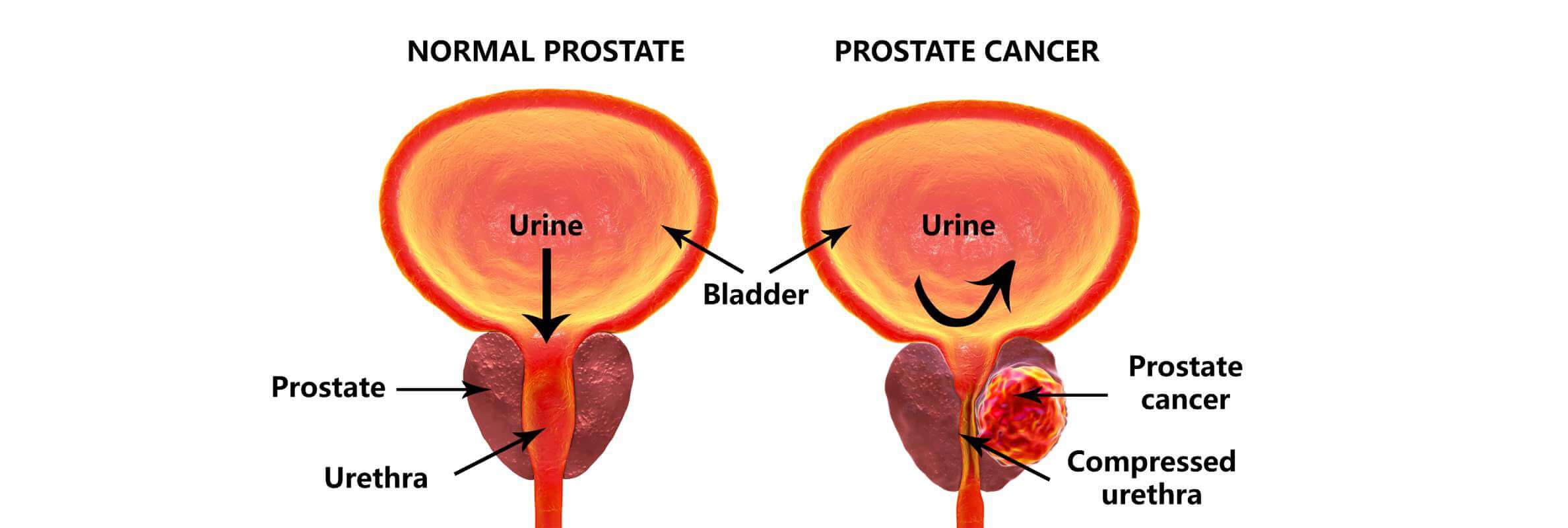
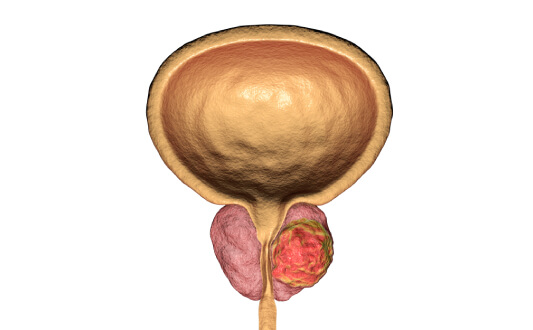
A stage 4 prostate cancer diagnosis indicates that cancer cells have journeyed beyond the prostate gland itself. This advanced stage, representing about 4-5% of initial diagnoses, can manifest in several ways:
Spread to nearby organs like the bladder or rectum
Invasion of lymph nodes – regional
Metastasis to distant sites (with bones, lungs, and liver being the most common)
Stage 4 prostate cancer is not curable, but patients and families must remember that it is treatable, in many ways. Modern therapies focus on such goals:
Suppressing further disease progression
Preventing complications – like spine fractures from bone metastases
Improving quality of life by reducing painful symptoms
Giving patients more precious time with loved ones
It is considered that five-year survival rates are below 30% for metastatic cases. But many men respond well to treatment – and live several years with a good quality of life. [2]
Standard Stage IV Prostate Cancer Treatment in Germany
Standard treatments for advanced prostate cancer cannot typically cure the disease. They effectively control symptoms and slow progression, which is valuable as well. German medical centers tailor approaches to each patient's specific condition.
The primary treatment options:
Hormone Therapy blocks testosterone production (or prevents it from reaching cancer cells). Options include LHRH agonists and anti-androgens.
Chemotherapy Drugs are delivered IV every three weeks to destroy rapidly dividing cancer cells. Chemo is often combined with hormone therapy, for enhanced effectiveness.
Radiation Therapy namely external beam radiation, to relieve bone pain and control localized symptoms. It is usually delivered in short courses for palliative benefit.
Symptomatic Treatments are focused on quality of life. These are pain management protocols, bone-strengthening medications, interventions for urinary problems, etc. [3]
Treatment resistance often develops as cancer cells mutate over time. German specialists sequence these therapies optimally and monitor response closely, considering this fact.
The sequencing that German specialists apply — hormone therapy, chemotherapy, radioligand therapy, and immunotherapy in a specific order matched to resistance patterns — depends on knowing which of these has already been administered and what the PSA trajectory and imaging have shown in response to each. An incoming record that documents diagnosis and current disease burden but does not detail the prior treatment sequence and each therapy's documented response leaves the sequencing discussion without its most important input.
Booking Health prepares a complete, translated treatment history — organized by therapy, dosing, and documented response — and forwards it before the first consultation, so the German specialist's optimization of the sequence begins from the full picture.
Innovative and Novel 4th Stage Prostate Cancer Treatment in Germany
German clinics offer advanced prostate cancer therapies that give stage 4 prostate cancer patients new options beyond standard care. From freezing cancer cells to death to teaching the immune system to hunt down tumors: the advanced treatment for adenocarcinoma prostate cancer Germany offers fight against cancer while allowing patients to live their lives.
Brachytherapy: Receiving Radiation From Within
Brachytherapy is internal radiation therapy for stage 4 prostate cancer patients in German clinics. The method has fewer side effects than traditional radiation approaches.
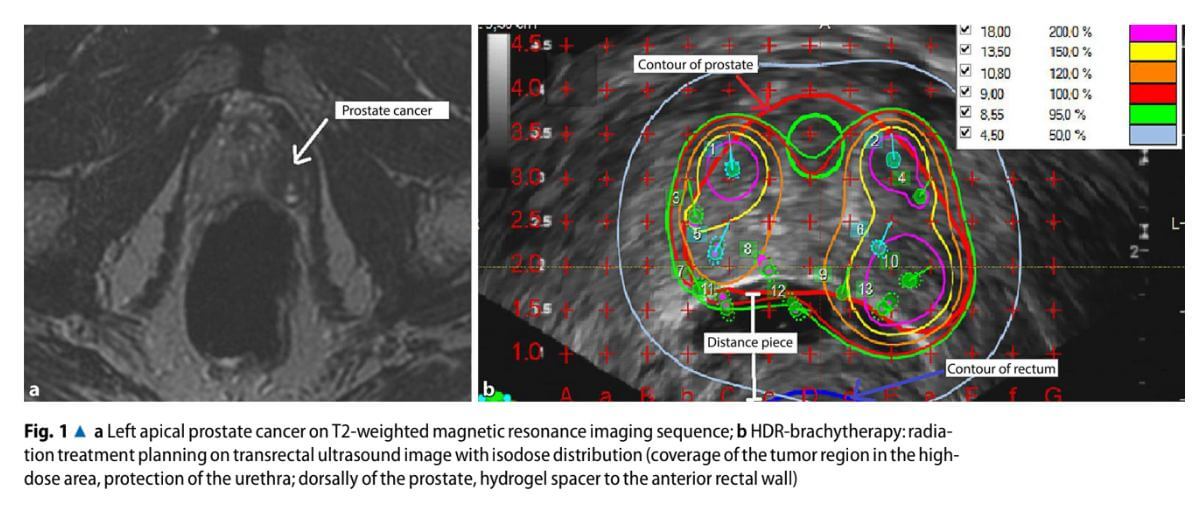
The treatment of adenocarcinoma of prostate in Germany includes 2 modalities, these are LDR (low-dose-rate) brachytherapy and HDR (high-dose-rate) brachytherapy. LDR means permanent placement of rice-sized radioactive seeds that deliver radiation gradually over several months. HDR is the placement of stronger radioactive sources, temporarily. [4]
German specialists use transrectal US guidance for precise seed placement, it is combined with sophisticated treatment planning software. This approach is particularly suitable for debilitated patients. Brachytherapy can be used either as a standalone option or combined with external beam radiation – for higher effectiveness of treatment for adenocarcinoma on prostate cancer in Germany.
NanoKnife Electroporation (IRE) of Prostatic Tumors
NanoKnife irreversible electroporation (IRE) is an innovative non-thermal ablation technique that is used in specialized German clinics. It was primarily indicated for localized recurrent prostate cancer, but selected stage 4 patients may be candidates – when their cancer is well-defined and has a Gleason score under 8.
The procedure uses electrical pulses to create permanent pores in cancer cell membranes. Via this mechanism, it causes cancer cell death without heating surrounding tissues.
Key benefits:
Preservation of nerves, blood vessels, sphincter – critical anatomical structures
Continence preservation in 100% of patients
Maintained sexual potency in 95% of cases
Suitability for tumors located near essential structures
Minimal impact on quality of life compared to traditional treatments
NanoKnife offers a promising alternative for selected advanced prostate cancer patients – for men who seek treatment options that minimize side effects. [5]
The Gleason score under 8 and well-defined tumor boundary are the eligibility conditions that make a stage 4 patient a NanoKnife candidate rather than a candidate for a different approach. Current multiparametric MRI and confirmed Gleason score from a recent biopsy are the data the German specialist needs to make that determination — and both are frequently outdated or absent from incoming records.
Booking Health identifies whether current mpMRI and biopsy data are present and arranges any missing workup in Germany before NanoKnife is proposed as the appropriate pathway.
Transarterial chemoembolization (TACE) is used in German clinics for stage 4 prostate cancer patients with lung and liver metastasis. This technique is endovascular. It delivers chemotherapy directly to the tumor through prostatic arteries, which is followed by the introduction of embolic particles that trap the medication and cut off the blood supply. [7]
Investigations of prostate arterial chemoembolization as an advanced prostate cancer therapy demonstrated:
100% technical success rate with no major adverse events
84.2% of patients showing negative biopsy results months after treatment
The mean overall survival of 30 months
86.7% success in controlling cancer-related bleeding
77.3% recovery of spontaneous urination in catheter-dependent patients
Average 55.5% reduction in prostate volume
TACE is suitable for stage 4 patients who cannot tolerate surgery or conventional chemotherapy due to their condition. It can be performed even on an outpatient basis.
Cryotherapy: Precision Freezing
Cryotherapy is an advanced freezing technique. It is available in German clinics and can benefit select stage 4 prostate cancer patients. The procedure uses ultrasound-guided cryoprobes that are inserted through the perineum to create extreme cold and form lethal ice crystals inside cancer cells. [8]
German specialists may recommend minimally invasive cryotherapy for advanced prostate cancer patients:
Cancer has returned after initial treatment
Localized treatment might help manage symptoms
Other treatments aren't suitable due to the patient's condition
Targeting specific problematic areas could improve quality of life
The procedure offers significant advantages for stage 4 patients, preserving urinary continence in up to 99% of cases and erectile function in 71-90%, allowing maintenance of daily activities with minimal recovery time. Most patients return home the same day with temporary side effects that resolve within approximately two weeks.
Efficacy of cryoablation in focal prostate cancer (mpMRI and PET/CT imaging) [6]
Dendritic Cell Immune Therapy for Stage 4 Prostate Cancer
Dendritic cell vaccines are immunological treatment used in German medical centers – specifically for stage 4 prostate cancer. The discovery of dendritic cells earned the 2011 Nobel Prize in Physiology or Medicine [9]. With DC vaccines, this is the immune system that does the fighting. [10]
For patients with metastatic, hormone-resistant cancer, the benefits are:
Personalised immune response targeting specific cancer cells
Single administration generates long-lasting immunity
Effective against metastases distributed throughout body
Remarkably few side effects versus conventional treatments
Compatible with — and potentially enhancing — other ongoing therapies
Quality of life matters here. German specialists offer this treatment when traditional approaches have failed — not as last resort in the dismissive sense, but as genuinely viable option. By training immune system to recognise cancer cells specifically, the therapy provides something patients with limited options rarely receive: targeted hope. It works as standalone treatment or as addition to broader cancer management. The point is, it does not replace your care plan — it strengthens it.
Dendritic Cell Immunotherapy: A Revolutionary Approach to Cancer Treatment
VIDEO
How Dendritic Cell Therapy is Transforming Modern Cancer Treatment
Modern oncology offers high-tech solutions for the fight against common tumors, among which radioligand therapy for prostate cancer occupies one of the leading places. This method of nuclear medicine has become a critical tool in the treatment of metastatic diseases, as it allows to act systematically on all foci in the body at the same time. In stage 4 prostate cancer, this approach is implemented as a targeted radioligand therapy – high-precision treatment using the radionuclides Lutetium-177 and Actinium-225. Thanks to the usage of specific conductor molecules, the radioactive substance is targeted to accumulate in cells expressing the PSMA receptor, providing a powerful therapeutic effect even in cases where traditional methods have exhausted their resources.
Radioligand therapy with Lutetium-177
In prostate cancer, radioligand therapy with Lutetium-177-PSMA combines radioactive isotope (Lutetium-177) and molecules that are specifically designed to find PSMA receptors – abundant on cancer cells. It is an option for men with metastatic castration-resistant prostate malignancies.
FDA granted this "breakthrough therapy" designation in 2021, following results from the VISION trial. Clinical outcomes include: 5-year survival rates climbing toward 30%, remission sustained for up to two years in 30–40% of patients, and minimal collateral damage to healthy structures nearby. Patients who have exhausted hormone therapy and chemotherapy now have a meaningful alternative.
German specialists carefully select candidates for radioligand therapy. Prostate cancer patients undergo PSMA PET/CT imaging with Gallium-68 to ensure sufficient receptor presence before proceeding with this innovative therapy.
PSMA expression confirmed by Ga-68 PET/CT is the eligibility gate that determines whether Lutetium-177 therapy is viable — but the scan must be recent.
PSMA expression can change after prior treatments, meaning a PET/CT performed before the last line of therapy may no longer reflect current receptor status.
Booking Health identifies whether current PSMA imaging is present in the incoming record and, where it is not, arranges updated Ga-68 PET/CT in Germany before radioligand therapy is scheduled — because a Lutetium-177 program assigned on the basis of outdated imaging is not targeted therapy.
For patients who don't respond enough to Lutetium-177, Actinium-225-PSMA therapy is alternative in metastatic castration-resistant prostate cancer treating. This radioligand therapy utilizes the same PSMA carrier molecule but delivers different therapeutic properties.
Actinium-225's patient-centered benefits include:
Exceptional precision with radiation affecting only 1-2 surrounding cells
Minimized damage to healthy tissues throughout the body
An effective option when other treatments have failed
Potential for meaningful PSA level reduction
Flexibility to be used at various stages of treatment
Compatible with other ongoing treatments in your care plan
Finding Your Ideal Stage IV Prostate Cancer Treatment
To navigate advanced prostate cancer therapies, you need to understand the unique advantages each approach offers. German specialists carefully evaluate factors including cancer spread patterns, previous treatment history, and individual health status to create personalized treatment plans.
Comparing Treatment Options for Stage IV Prostate Cancer
Treatment Method
Best For
Key Benefits
Recovery Time
Brachytherapy
Patients needing targeted radiation with minimal systemic effects
Concentrated radiation delivery with protection of surrounding tissues; available in LDR or HDR options
Minimal downtime; can be an outpatient procedure
NanoKnife (IRE)
Patients with well-defined tumors and a Gleason score ≤8 seeking to preserve function
100% continence preservation; 95% potency maintenance; preservation of critical structures
Minimal recovery; maintains daily activities
Transarterial Chemoembolization (TACE)
Patients unable to tolerate surgery or conventional chemotherapy
Direct drug delivery to the tumor, cuts off the blood supply, and improves urination in 77% of patients
Outpatient procedure with short recovery
Cryotherapy
Patients with recurrent cancer or needing symptom management
Preserves continence (99%) and erectile function (71-90%); targets specific problematic areas
Same-day return home; temporary side effects resolve within two weeks
Dendritic Cell Therapy
Patients with hormone-resistant metastatic cancer
Long-lasting immunity with single administration; minimal side effects; works throughout the body
Minimal downtime; complements other treatments
Lutetium-177 PSMA
Patients with PSMA-expressing metastases in bones, lymph nodes, and lungs
Precision targeting affecting only 100-200 surrounding cells; increased survival rates
Minimal recovery requirements
Actinium-225 PSMA
Patients who haven't responded to Lutetium-177 therapy
Ultra-precise targeting, minimized healthy tissue damage, compatible with other treatments
Customized schedules based on patient condition
Every "Best For" column in this table describes a patient category that requires confirmation against current data before treatment is assigned. Gleason score for NanoKnife, PSMA expression for radioligand therapy, hepatic function for TACE — each eligibility condition needs current diagnostic data, not the profile at initial diagnosis.
Booking Health's physician-level case review maps each patient's confirmed current parameters to the treatment category whose eligibility conditions they meet, responding within 24 hours of receiving the record.
The table makes the distinctions clear; the case review confirms which column applies to a specific patient.
Success Stories: Patient Experiences with Stage 4 Prostate Cancer Treatments in Germany
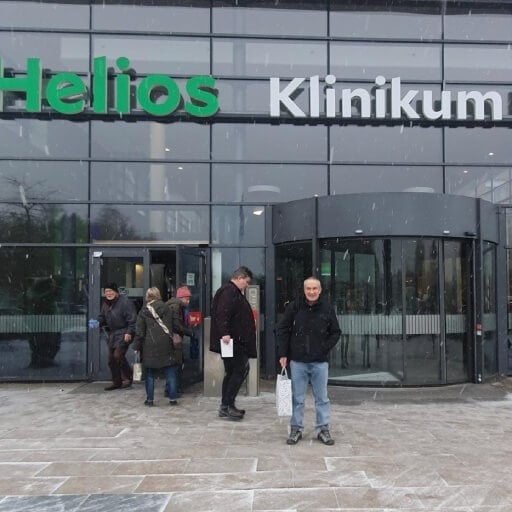
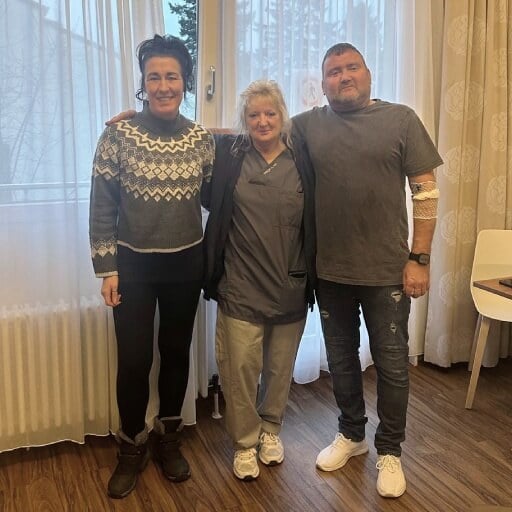
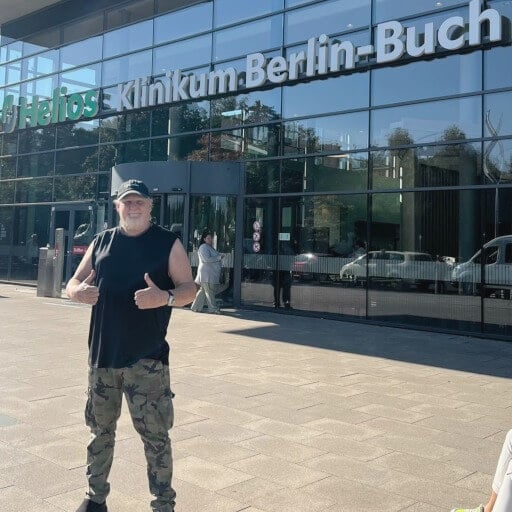
Ronald Joseph Limberger from the USA was treated at Helios Hospital Berlin-Buch's Department of Nuclear Medicine under Prof. Dr. med. Stefan Dresel. Prof. Dresel is a specialist with over 22 years of experience in nuclear medicine and in Lu-177 PSMA therapy for prostate cancer.
"I was impressed with how professional the personnel are, yet manage to remember they are dealing with people with long-term illnesses," shares Ronald. His experience is about the approach with compassion that characterizes German cancer care.
What made his treatment journey particularly smooth was having assistance with the logistical aspects of international medical travel.
"Booking Health provided us with transportation between the hotel and hospital, which included a car and a driver, as well as translators to help us deal with the health professionals," Ronald explains. When he needed a wheelchair between testing and treatment sessions, this was promptly arranged.
Ronald's experience demonstrates how proper coordination can make overseas treatment much more manageable. With Booking Health's assistance, he could focus on his treatment and benefit fully from the advanced prostate cancer therapies available at German medical centers.
The logistics Ronald describes — transportation, translation, a wheelchair arranged the moment it was needed — were possible because Booking Health's coordinator was on-site throughout, not available by phone from another city. Before Ronald arrived, his PSMA PET/CT confirmed sufficient receptor expression for Lutetium-177 and his prior treatment history was forwarded to Prof. Dresel in translated, organized form.
The professional compassion Ronald experienced at Helios was the clinical environment. The coordination that made the trip manageable ran underneath it.
Advanced Cancer Treatment: Patient Success Stories with Booking Health
Tommy G. (Ireland), April 2026
Peter R. (USA), February 2026
Emmanuel K. (USA), January 2026
Peter H. (United Kingdom), January 2026
Patrick D. (Ireland), December 2025
Ronald C. (Canada), November 2025
Robert B. (USA), September 2025
Sargon B. (USA), August 2025
Dan J M. (Canada), September 2024
John H. (Canada), November 2023
Timothy L. (USA), April 2023
Best Hospitals for Stage 4 Prostate Cancer Treatment in Germany
Germany is a world leader in prostate cancer treatment, where patients with stage 4 prostate cancer receive not just therapy, but fully personalized medical support. Best prostate cancer hospitals in Germany combine advanced technology, the experience of leading specialists and a comprehensive approach – providing accurate diagnostics, innovative treatment methods and support at all stages of the disease. For international patients this means that the complex treatment process becomes manageable and understandable – that's why the chances of a long life with maximum quality increase. It is worth noting that the metastatic prostate cancer treatment cost in Germany is transparent with no hidden fees.
Stage 4 Prostate Cancer Treatment Hospitals in Germany
Clinic
Key Strengths
University Hospital Munich
Multidisciplinary approach, PSMA diagnostics, Lutetium-177 and Actinium-225 therapy, NanoKnife, cryotherapy
University Hospital Ulm
Expertise in interventional radiology, personalized treatment for metastatic castration-resistant prostate cancer
Urology Clinic Wiener Platz
Minimally invasive procedures, symptom management, patient-focused care, rapid recovery
University Hospital Munich
The University Hospital Munich is among the best hospitals for stage 4 prostate cancer adenocarcinoma treatment in Germany – this clinic offers a multidisciplinary approach that combines hormonal, chemo- and radiotherapy with innovative methods such as brachytherapy and NanoKnife. The center also actively uses PSMA-radioligand therapy for patients with metastases, which allows to significantly increase the effectiveness of treatment. The clinic pays attention not only to disease control, but also to maintaining quality of life.
University Hospital Ulm
University Hospital Ulm is known for its experience in the use of interventional radiology, as well as modern approaches to PSMA-ligand therapy and personalized treatment of castration-resistant prostate cancer. The center is among the best hospitals for advanced prostate cancer in Germany, as it combines clinical research and practical work with patients with complex forms of the disease. Doctors create individual treatment plans, carefully monitoring the effectiveness and adjusting the strategy.
Urology Clinic Wiener Platz
Urology Clinic Wiener Platz specializes in minimally invasive urological procedures and support for patients with stage 4 prostate cancer. The center is considered one of the top hospitals for stage 4 prostate cancer treatment in Germany – due to its personalized approach, a combination of symptomatic treatment, cryotherapy and palliative interventions. Booking Health can help patients to choose clinics for stage 4 prostate cancer treatment in Germany and receive comprehensive treatment that aims to control symptoms, support urinary function and improve quality of life.
Those three centers serve different clinical priorities. A patient with confirmed PSMA-expressing bone metastases pursuing radioligand therapy needs a different center than one with localized recurrence seeking cryotherapy.
Booking Health maps each patient's current PSMA imaging, castration resistance status, and functional priorities to the center whose documented capabilities most directly address their specific situation.
Stage 4 prostate cancer adenocarcinoma treatment in Germany is the best choice for international patients – it opens up access to modern methods that can prolong life and improve its quality. Patients often undergo complex treatment, so it is important to understand various financial aspects of treatment – for example, the prostate cancer stage 4 surgery cost in Germany or the stage 4 prostate cancer spread to liver cost in Germany, to plan treatment and make informed decisions.
Comparative Prices in German Cancer Hospitals
Treatment Method
The Cost of Treatment
What's Included
Notable Benefits
Hormone Therapy
€10,000 - €15,000
Multiple treatment cycles
Non-invasive, well-tolerated long-term option
Lutetium-177 PSMA
€12,700 - €28,900
Per session (multiple sessions possible)
Targeted radiation for metastatic disease with minimal side effects
Actinium-225 PSMA
€15,000 - €29,000
Per session (multiple sessions possible)
More precise targeting than Lutetium-177, effective for resistant tumors
Cryotherapy
€5,000 - €15,000
Per session (repeatable procedure)
Minimally invasive with quick recovery and high response rate
Dendritic Cell Therapy
€20,000 - €38,000
One-time procedure
Highly personalized with lifelong immunity and minimal side effects
NanoKnife (IRE)
€35,300 - €38,900
One-time procedure
Non-thermal precision ablation that spares critical structures
Traditional Surgery
€25,000 - €45,000
Complete procedure
Potential for complete tumor removal in earlier stages
These figures reflect Germany's institutional rates before the foreign patient surcharge. Patients undergoing treatment abroad with Booking Health access those rates directly, receive a fully itemized budget before any commitment is made, and are covered by complication insurance of up to €200,000 as standard.
For a patient comparing Lutetium-177 in Germany against the same therapy in the US — where costs can exceed €100,000 per course — the financial case mirrors the clinical one: Germany offers the same targeted precision at a fraction of the price, without the surcharge that independent referral adds.
A Medical Journey: Every Step of the Way With Booking Health
Finding the best treatment strategy for your clinical situation is a challenging task. Being already exhausted from multiple treatment sessions, having consulted numerous specialists, and having tried various therapeutic interventions, you may be lost in all the information given by the doctors. In such a situation, it is easy to choose a first-hand option or to follow standardized therapeutic protocols with a long list of adverse effects instead of selecting highly specialized innovative treatment options.
To make an informed choice and get a personalized cancer management plan, which will be tailored to your specific clinical situation, consult medical experts at Booking Health. Being at the forefront of offering the latest medical innovations for 12 years, Booking Health possesses solid expertise in creating complex cancer management programs in each case. As a reputable company, Booking Health offers personalized stage 4 prostate cancer treatment plans with direct clinic booking and full support at every stage, from organizational processes to assistance during treatment.
We provide:
Assessment and analysis of medical reports
Development of the medical care program
Selection of a suitable treatment location
Preparation of medical documents and forwarding to a suitable clinic
Preparatory consultations with clinicians for the development of medical care programs
Expert advice during the hospital stay
Follow-up care after the patient returns to their native country after completing the medical care program
Taking care of formalities as part of the preparation for the medical care program
Coordination and organization of the patient's stay in a foreign country
Assistance with visas and tickets
A personal coordinator and interpreter with 24/7 support
Transparent budgeting with no hidden costs
Health is an invaluable aspect of our lives. Delegating management of something so fragile yet precious should be done only to experts with proven experience and a reputation. Booking Health is a trustworthy partner who assists you on the way of pursuing stronger health and a better quality of life. Contact our medical consultant to learn more about the possibilities of personalized treatment with innovative methods for metastatic prostate cancer with leading specialists in this field.
Frequently Asked Questions About Stage Four Prostate Cancer
Is adenocarcinoma of prostate curable in Germany?
Stage 4 prostate adenocarcinoma may not be curable. But with advanced German therapies, it remains highly treatable. Treatment focuses on disease progression control, symptoms management, and extending survival and maintaining quality of life.
What is the best treatment for adenocarcinoma in prostate in Germany?
The best treatment depends on cancer spread patterns, Gleason score, and previous treatment history. German specialists create personalized plans that combine standard therapies with innovative options – PSMA radioligand therapy, dendritic cell immunotherapy, NanoKnife, and cryotherapy.
How serious is adenocarcinoma in prostate?
Stage 4 prostate adenocarcinoma is a serious condition. Despite a 31% five-year survival rate, many patients respond well to modern German treatments and live several productive years with good quality of life.
What is likely to stimulate prostate adenocarcinoma growth?
Testosterone and other male hormones (androgens) are the primary stimulators of prostate adenocarcinoma growth. This is why hormone therapy – blocking testosterone production or preventing it from reaching cancer cells – is a cornerstone treatment.
What is the life expectancy with stage IV prostate cancer?
5-year survival rate is around 31%, but many patients live considerably longer – with appropriate treatment. Modern therapies from German top hospitals can significantly extend survival and maintain quality of life.
What are the treatment options for stage IV prostate cancer in Germany?
Germany offers standard treatments like hormone therapy, chemotherapy, and radiotherapy. Innovative options include NanoKnife, cryotherapy, dendritic cell immunotherapy, and Lutetium-177 and Actinium-225 therapy for comprehensive cancer management.
Can I get Lutetium-177 therapy in Germany?
Yes. Lu-177-PSMA therapy is widely available in German specialised clinics for mCRPC patients. It targets cancer cells with precision — affecting only 100–200 surrounding cells per target — while minimising damage to healthy tissue. Clinical data shows meaningful improvement in survival rates for eligible patients.
Is stage IV prostate cancer curable?
Cure is not realistic goal at this stage. What German specialists focus on instead: suppressing progression, preventing complications, and giving patients more time — real time, with family, with acceptable quality of life. That is not a small thing.
Can international patients get treated in Germany?
Yes. Booking Health facilitates entire process for international patients — personalised treatment plans, hospital selection, medical document preparation, visa assistance, translation services, and support throughout the medical journey. Patients don't navigate this alone.
How quickly can treatment start in Germany?
With professional assistance, treatment typically begins within 3–7 days after medical document review and hospital selection. Urgent cases receive priority processing — because in advanced cancer, timing genuinely matters.
Are German hospitals better than local options?
German medical centers often provide access to innovative cancer treatment unavailable elsewhere, including advanced targeted therapies and immunotherapy options. Their multidisciplinary approach and experience with international patients offer comprehensive care for complex cases.
Is it safe to travel with stage 4 cancer?
It depends on symptom control and current mobility. Most stage 4 prostate cancer patients can travel safely to Germany with proper medical clearance and appropriate arrangements in place. Booking Health assists with logistics to ensure journey doesn't become additional burden.
How much does prostate cancer treatment cost in Germany?
Cost of treatment varies by therapy type. Hormone therapy is €10,000-€15,000, Lutetium-177 therapy €12,700-€28,900 per session, NanoKnife €35,000-€39,000, and dendritic cell immunotherapy €20,000-€38,000. Booking Health can arrange treatment with transparent pricing and no hidden costs.
Which German hospitals specialize in prostate cancer treatment?
Leading specialists work at Helios Hospital Berlin-Buch, Urology Clinic Wiener Platz Munich, Vitus Clinic for Innovative Cancer Treatment. Centers offer comprehensive treatment programs, advanced therapies for stage 4 prostate cancer patients.
What are the benefits of NanoKnife (IRE)?
Preserves urinary continence in 100 % of patients, sexual potency – in 95 % of cases. It also spares critical anatomical structures – nerves, vessels, sphincter – and has minimal impact on quality of life.
What are the benefits of transarterial chemoembolization (TACE)?
TACE offers a 100 % technical success rate; 84.2 % negative biopsy results months after treatment; mean overall survival around 30 months; 86.7 % control of cancer-related bleeding – which is impressive when we talk about cancer patients.
What are the benefits of cryotherapy?
With cryotherapy, urinary continence is preserved in up to 99 % of cases, and erectile function – in 71-90 % of patients. The method is suitable for recurrent disease or for symptom management. Side effects, if any, are temporary and resolve in ~2 weeks.
What are the benefits of dendritic cell therapy?
DCT creates personalized immune response targeting cancer cells – 1 administration may generate long-lasting immunity. DCT has minimal side effects compared to conventional therapy – it can complement other treatments.
What are the benefits of Lutetium-177 PSMA?
These are precision targeting of PSMA-expressing metastases in bone, lymph nodes and lung. 5-year survival rates are increasing to ~30 %. Around 30-40 % of patients maintain remission for up to 2 years.
What are the benefits of Actinium-225 PSMA?
Ultra-precise targeting (radiation affects only ~1-2 cells around target). Minimal damage to healthy tissues. This is an effective option for patients who have not responded to Lutetium-177, in addition, the one compatible with other treatments.
Which hospital is the best for prostate cancer treatment in Germany?
Patients with stage 4 prostate cancer in Germany receive care in specialized centers (where advanced treatments are applied). Here treatments are individualized and coordinated by multidisciplinary teams for optimal outcomes.
What country is the best for prostate cancer treatment?
Germany offers some of the most advanced prostate cancer care worldwide – here patients benefit from innovative therapies (ensuring personalized treatment plans and comprehensive monitoring throughout therapy).
What is radioligand therapy for prostate cancer in stage 4 disease?
This is an innovative method of treatment based on the usage of radioactive isotopes that aim to destroy tumor cells throughout the body. For patients with an advanced tumor process, the most effective solution is radioligand therapy. For prostate cancer at stage 4, this means the possibility of a point effect on metastases in bones, lymph nodes and internal organs with the help of Lu-177 or Ac-225 drugs.
Who may benefit from radioligand therapy for prostate cancer treatment in Germany?
German experts consider this method as one of the most promising for men with advanced forms of the disease that cannot be treated as standard. First of all, patients with advanced forms of the disease can get a significant benefit in radioligand therapy. Prostate cancer in the castration-resistant stage or with numerous bone metastases becomes the main target for such therapy.
Choose treatment abroad and you will for sure get the best results!
Authors:
This article was edited by medical experts, board-certified doctors Dr. Nadezhda Ivanisova, and Dr. Bohdan Mykhalniuk. For the treatment of the conditions referred to in the article, you must consult a doctor; the information in the article is not intended for self-medication!
Our editorial policy, which details our commitment to accuracy and transparency, is available here. Click this link to review our policies.
Sources:
01. Jie Lin, Darryl Nousome, Jiji Jiang et al. Five-year survival of patients with late-stage prostate cancer: comparison of the Military Health System and the U.S. general population. Br J Cancer. 2023 Jan 6;128(6):1070–1076. doi: 10.1038/s41416-022-02136-3.[DOI][PubMed][PMC free article]
02. Philip Posdzich, Christopher Darr, Thomas Hilseret et al. Metastatic Prostate Cancer—A Review of Current Treatment Options and Promising New Approaches. Cancers (Basel). 2023 Jan 11;15(2):461. doi: 10.3390/cancers15020461.[DOI][PubMed][PMC free article]
03. Okelue E Okobi, Tobechukwu J Okobi, Francis Okobi et al. Comparative Effectiveness of Management Strategies for Stage IV Prostate Cancer: A Narrative Review. Cureus. 2025 Aug 5;17(8):e89396. doi: 10.7759/cureus.89396.[DOI][PubMed][PMC free article]
05. Sean Ong, Matthew Leonardo, Thilakavathi Chengodu, Dominic Bagguley, Nathan Lawrentschuk. Irreversible Electroporation for Prostate Cancer. Life (Basel). 2021 May 27;11(6):490. doi: 10.3390/life11060490.[DOI][PubMed][PMC free article]
06. Attila Kovács, Michael Pinkawa. Interventional therapy in malignant conditions of the prostate. Radiologe. 2019 Dec;59(Suppl 1):28-39. doi: 10.1007/s00117-019-00632-x.[DOI][PubMed]
07. Vanesa Lucas-Cava, Francisco Miguel Sánchez-Margallo, Fei Sun. Effectiveness and Safety of Prostatic Artery Embolization for Patients with Prostate Cancer: A Systematic Review and Meta-Analysis. Cardiovasc Intervent Radiol. 2025 Jul 10;48(9):1263–1277. doi: 10.1007/s00270-025-04107-6.[DOI][PubMed][PMC free article]
08. Jakub Karwacki, Justyna Kiełbasa, Zuzanna Szczepaniak et al. Current Status of Cryoablation in Prostate Cancer Management. Clin Med Insights Oncol. 2025 Jul 3;19:11795549251350830. doi: 10.1177/11795549251350830.[DOI][PubMed][PMC free article]
09. Roman Volchenkov, Florian Sprater, Petra Vogelsang, Silke Appel. The 2011 Nobel Prize in physiology or medicine. Scand J Immunol. 2012 Jan;75(1):1-4. doi: 10.1111/j.1365-3083.2011.02663.x.[DOI][PubMed]
10. Helen F M Pacheco, Jhessyka L F Fernandes, Fernanda C R Dias et al. Efficacy of Using Dendritic Cells in the Treatment of Prostate Cancer: A Systematic Review. Int J Mol Sci. 2025 May 21;26(10):4939. doi: 10.3390/ijms26104939.[DOI][PubMed][PMC free article]
thank you for reaching out! One of our medical advisors is currently reviewing your details. You can expect a call from us within one business day to discuss your request.
Note: The incoming call will appear as a German number or your local area code. This call is entirely free of charge.
Booking Health guarantees:
Expert Placement
We use rigorous statistical analysis to ensure you are treated at the best-rated facility for your specific diagnosis.
Total Cost Protection
No hidden fees or unexpected bills. We provide a fixed price guarantee, backed by insurance that covers any additional complications.
12-Month Extended Care
Your recovery is our priority. Benefit from a full year of direct medical support following your procedure.