




Immune-based therapy is an innovative method of cancer treatment, and one of the most promising innovations is dendritic cell therapy. This radical approach utilizes the strength of the patient's immune system to attack carcinoma and destroy tumor cells. The 2011 Nobel Prize in Medicine, awarded to Ralph M. Steinman as a discoverer of the importance of dendritic cells and their role in adaptive immunity, was a recognition of their importance in carcinoma treatment. [1]
German oncologists nowadays provide different forms of immune therapy, such as specialized cancer immunotherapy vaccines, checkpoint inhibitors, and CAR T-cell therapy, while selecting a treatment according to the specific tumor cells of a particular patient. In Germany, combining immune-based therapy with traditional treatments has been remarkably successful in controlling both early- and late-stage oncological diseases. This approach greatly enhances survival rates and quality of life, and some patients even achieve stable remission.
We decided to create an immunotherapy appointment guide that can help understand all the processes the patients should undergo.
Cancer Immunotherapy Overview
The intricate defense system called the immune system is comprised of organs (bone marrow, lymph nodes, spleen), immune cells (leukocytes), and signaling molecules (interleukins, interferons). It is charged with the responsibility of identifying and eliminating tumor cells. It usually differentiates normal and harmful cells and treats the foreign invaders as threats. The immune system uses T-cells to destroy carcinoma.
Yet, due to several factors, the immune system of the body is unable to control the malignant tumors:
- Since the cells of the malignant tumor can imitate normal ones, distinguishing between them as dangerous may be difficult
- The immune system eliminates millions of aberrant cells every day, but occasionally the response is insufficient to eradicate tumor cells entirely
- To prevent immune system cells and cancer-fighting immune cells from launching a successful attack, some tumor cells secrete chemicals
Training and boosting the patient's immune system to successfully attack abnormal cells and slow tumor growth is the primary objective of cancer immunotherapy. There are various ways to accomplish this:
- To better fight oncologic disease, natural immune response mechanisms should be strengthened and stimulated
- Utilizing adoptive cell transfer immunotherapy, antitumor vaccines, or monoclonal antibodies to enhance or replicate particular immune system responses
- Restoring the function of worn-out T-cells against tumor antigens with the use of immune checkpoint inhibitors or targeted therapies
The Nobel Prizes in 2011 and 2018 for discoveries in dendritic cell biology and immunological checkpoints confirm the significance of these developments [1]. To better target tumor cells, control symptoms, and increase survival, German oncologists now combine different types of cancer treatment. Immunotherapy is also combined with other methods. In addition to helping oncological patients, this integrated approach greatly improves their quality of life after undergoing cancer treatment immunotherapy in Germany.
Which combination applies to a given patient depends on biomarker status, tumor mutational burden, and prior treatment history.
Booking Health's medical team conducts an individual case review before recommending any clinic or protocol, because general eligibility for immunotherapy and eligibility for the right immunotherapy are not the same question.
CHECK IF A BETTER SOLUTION EXISTS FOR YOUMain Types of Immunotherapy for Cancer
Modern cancer immunotherapy works by teaching the immune system to recognize and destroy tumor cells. It includes different approaches from systemic drugs to innovative methods such as T cell transfer therapy or intratumoral immunotherapy. Cost may vary and depends on many factors, including the type of tumor, the stage of the disease, the chosen therapy.
Dendritic Cell Therapy in Oncology
The sentinels of the immune system are dendritic cells. Simply put, the best cancer immunotherapy doctors first take these cells from the patient and expose them to tumor antigens in the lab. This approach belongs to the category of specific immunotherapy, as an immune response is formed against specific tumor targets. After returning to the body, dendritic cells transfer these antigens to the lymph nodes, where they are presented to T-cells.
This triggers a chain reaction in which T-lymphocytes are activated, proliferate, and move through the bloodstream in the pursuit of tumor cells. T-cells attach to abnormal cells and produce cytotoxic substances that destroy tumor cells, leaving healthy tissues intact. Other immune cells are involved in the process, forming a coordinated and long-term immune response that can last for months or even years.
In clinical practice, similar technologies can be used both systemically and locally, including the introduction of drugs directly into the tumor. That is why patients are often interested not only in the effectiveness of the method but also in immune therapy cost, which depends on the type of drug, the complexity of laboratory preparation of cells, and the individual treatment program.

Monoclonal Antibodies for Cancer Treatment
Monoclonal antibodies are drugs that bind to specific proteins on the surface of tumor cells. In this way, they help the immune system recognize the tumor and trigger its destruction. Some of these drugs block the signals necessary for tumor growth. Others deliver chemotherapeutics or radioactive substances directly to abnormal cells, reducing the effects on healthy tissues [3].
Such drugs are part of an advanced immunotherapy for cancer, which involves the use of modern targeted and immune mechanisms to increase the effectiveness of treatment. A separate direction is intratumoral immunotherapy. Germany provides such directions of treatment, where immune drugs are injected directly into the tumor to enhance the local antitumor response.
Immune Checkpoint Inhibitors for Cancer
The immune system has built-in "brakes", called immune checkpoints, which normally prevent it from attacking normal tissues. Carcinoma can use these mechanisms to avoid recognition by T-cells. Checkpoint inhibitors relieve this inhibition, allowing T-cells to remain active longer. They multiply, enter the tumor, and secrete substances that destroy tumor cells. At the same time, the interaction of other immune cells increases. This approach is an example of targeted immunotherapy for cancer and has significantly improved treatment outcomes for metastatic melanoma and advanced lung cancer.

Adoptive Cell Therapy (CAR T-cells) for Cancer
In adoptive CAR-T cell immunotherapy (TCR T immunotherapy), T-cells of a patient are removed and genetically engineered in a laboratory to turn them into CAR T-cells. Certain tumor antigens have been taught to these cells. Once reinfused, they multiply and actively pursue tumor cells all over the body. CAR T-cells identify the target and attach to the cancerous cell, releasing chemicals known as granzymes and perforins, which pierce through the cell membrane of the abnormal cell and kill it. The antigens released by the dying tumor cells also induce the immune system response, which leads to a self-perpetuating cycle of the immune cells and T-cells attacking the carcinoma in areas where no prior treatment is successful. Prostate, colorectal, and other types of cancers are being researched for this treatment, which has demonstrated impressive results in treating blood malignancies.

The immunotherapy types are not interchangeable: each is aimed against a different point in the immune-tumor interaction. And selection depends on where that interaction is failing for a specific patient's specific tumor. A patient with MSI-H colorectal tumor responds differently to checkpoint inhibitors than one with PD-L1-negative lung cancer. A patient who has gone through checkpoint inhibition requires a different approach than one who is immunotherapy-naive.
Booking Health's medical review applies that level of molecular and clinical specificity before recommending any protocol — because the wrong immunotherapy, even at an experienced center, produces non-response and lost time, while the right one, matched to the tumor's biology, is what the durable remission data in this field is actually built on.
When is Immunotherapy Administered to Treat Cancer?
Immunotherapy and cancer treatment are quite different today and can be used at various stages of the disease, from the early form to the metastatic process. The decision to prescribe it depends on the type of tumor, molecular characteristics, and general condition of the patient. Patients pay special attention to the possibilities of personalized cancer immunotherapy. Cancer treatment in Germany is perceived as where modern protocols and innovative immune drugs are available.
Immunotherapy in the Early Stages of Cancer
In the early stages, immunotherapy for cancer may be given after surgery or together with other treatments to reduce the risk of relapse. The goal is to activate the immune system before residual tumor cells can start growing again. In this case, the immunotherapy procedure is selected individually depending on the type of tumor and its molecular characteristics.
Among the main benefits of immunotherapy in the early stages are improved disease control and a potential increase in chances of long-term remission. During treatment planning, patients also discuss the cost of immunotherapy for cancer, as the duration and regimen of therapy may vary.
Immunotherapy in Advanced Stages of Cancer
In advanced or metastatic processes, immunotherapy for cancer patients is often used as a monotherapy or in combination with chemotherapy or targeted therapy. In such cases, immune-based therapy can slow the progression of the disease and prolong the patient's life.
A specific immunotherapy cancer treatments are determined by the clinical situation: it can be checkpoint inhibitors, monoclonal antibodies, or cellular methods. Some patients consider immunotherapy abroad if the necessary drugs or protocols are not available in their country.
In Which Diseases Is This Method of Treatment Used?
Immunotherapy treatment in Germany has proven effective in many cancers, including non-small cell lung carcinoma, metastatic melanoma, kidney carcinoma, bladder carcinoma, stomach carcinoma, and some breast and prostate cancers. Certain methods, such as T cell immunotherapy for cancer, are already actively used for malignant blood diseases. Thanks to the accumulated clinical data, immune-based therapy has become an important part of modern standards of treatment in both early and late stages of oncological diseases.
In Which Cancers Does Immunotherapy Show the Best Results?
Immunotherapy in cancer treatment has already become an important part of the modern therapeutic strategy. It shows the best results in those tumors where the immune system is able to actively recognize and attack malignant cells. That is why the latest immunotherapy for cancer is constantly implemented in clinical practice, especially in the leading German clinics which specialize in immunotherapy. Europe provides support in the development of this direction of medicine.
Today, the high effectiveness of immune-based therapy has been proven at:
- non-small cell lung carcinoma;
- metastatic melanoma;
- kidney carcinoma;
- bladder carcinoma;
- stomach carcinoma;
- certain subtypes of breast carcinoma;
- prostate carcinoma.
In melanoma and lung cancer, checkpoint inhibitors significantly improved survival even in patients with an advanced process. In kidney and bladder cancer, immune-based therapy is often included in treatment standards.
Interestingly, immunologic therapy has shown significantly more modest results in pancreatic cancer and most forms of colorectal cancer. One possible reason is the low mutational burden of the tumor, which makes it less "noticeable" for the immune system [6].
Exceptions may be individual subtypes, for example, tumors with high microsatellite instability (MSI-H), where cancer cell immunotherapy may be effective. However, in most cases, the search for new combined approaches continues for these localizations [7].
Immunotherapy vaccines for cancer are aimed at forming a specific immune response against tumor antigens. These approaches are being actively researched and implemented in various solid tumors. Some patients have stabilization of the disease or prolonged remission. Importantly, immunotherapy for cancer treatment is usually well tolerated because the patient's own cells are used, reducing the risk of severe toxic reactions. That is why vaccination with dendritic cells is considered a promising and clinically justified direction of modern immune-mediated therapy.
Below you can read detailed materials about each of these diseases and find out exactly how immune therapy is used in a specific clinical situation:
- Lung cancer
- Breast cancer
- Liver cancer
- Pancreatic cancer
- Colon cancer
- Prostate cancer
- Melanoma
- Glioblastoma
- Bladder cancer
- Lymphoma
- Kidney cancer
Current cancer research efforts are focused on finding additional tumor antigens and potential cancer immunotherapy targets. The progress of dendritic cell therapy in various forms of carcinoma and stages gives hope to oncological patients. Modern cancer immunotherapy can enhance survival, disease control, and fight cancer better than ever by stimulating T-cells to go into action.
Advantages of Cancer Immunotherapy in Germany
Germany is a leader in advanced cancer immunotherapy, and this offers the patient a range of treatment possibilities. German clinics are a combination of the latest therapeutic techniques and accurate diagnostic immunotherapy procedures.
In Germany, immunotherapy is usually mentioned in various forms, which include:
- Monoclonal antibodies that stimulate the immune system recognize the tumor cells.
- The use of immune checkpoint inhibitors, which unlock the brakes on T-cells to enhance the response of the immune system.
- A change in the tumor environment that makes tumor cells more visible to the immune system.
- CAR T immunotherapy, the T cell transfer therapy that develops highly specific cancer-killing immune cells that are personalized to match the tumor antigens of the patient.
- Sync T therapy, the T cell cancer treatment in which the patient's own tumor is used as a personalized vaccine by combining localized tumor destruction with direct injection of immune-activating agents.
- TIL therapy, in which immune cells already present within the tumor are extracted, expanded in large numbers outside the body, and reinfused to intensify the immune attack — a method increasingly sought by patients exploring TIL treatment cancer options abroad.
- Dendritic cell therapy, in which the dendritic cells are conditioned to identify tumor cells and induce T-cells to attack the disease [8].
- An oncogen vaccine, a peptide vaccine for cancer, in which short protein fragments derived from tumor-specific mutations are used to train the immune system to identify and target cancer cells carrying those mutations.
Individualized care coupled with highly developed technology is also one of the greatest benefits of cancer immunotherapy in Germany. When planning therapy, patients are informed in advance about the expected price of immunotherapy, which depends on the selected protocol and duration of treatment. The choice of treatment is not only to cure cancer but also to avoid harm to healthy cells, as well as to decrease the side effects. Immunotherapy hospitals in Germany often combine immune therapy with other types of cancer treatments (e.g., chemotherapy or radiation) to improve overall effectiveness, but without compromising the quality of life of the patients.
Also, continuous improvement in therapy protocols can be attributed to current cancer research work in Germany. Novel tumor antigens, novel cancer immunotherapy vaccines, and new approaches to cancer treatment, such as adoptive cell based immunotherapy, are extended to new cancer types, such as bladder cancer, prostate cancer, colon cancer, and lung cancer. The specialized hospitals are carefully selected and monitored so that cancer patients get the best cancer immunotherapy for their particular condition.
Comparing the Effectiveness of Cancer Treatment Methods
Before choosing treatment tactics, patients often ask how immune-based therapy differs from chemotherapy, targeted or hormone therapy, and in which cases it may be more effective within a broader strategy of cancer and immunotherapy treatment. According to Booking Health, the results of German clinics show that in certain types of cancer, immune-mediated therapy can provide longer disease control and better tolerance in some patients.
Below is a comparative table to help understand the key differences between these approaches.
Comparing the effectiveness of cancer treatment methods
| Type of Treatment | Toxicity | Therapy Duration | Early Stage Effectiveness (5-year survival rate) | Duration of Treatment Effect |
|---|---|---|---|---|
| Dendritic Cell Vaccines | Very low (about 1%) | Single injection and lifelong immunity for a given tumor type | Up to 95% with minimal impact on quality of life | Reliable long-term result, long-lasting remission |
| Monoclonal Antibodies | Low-moderate (about 10-25%) | Courses every 2-4 weeks, from several months to a year or more | Up to 70-80% at appropriate targets | Long-term disease control in the presence of target protein expression |
| Immune Checkpoint Inhibitors | Moderate (15-30%), immune-mediated adverse reactions are possible | Usually 1-2 years or until progression | Up to 60-75% in sensitive tumors | May provide long-term remission even after treatment is complete |
| Adoptive Cell Therapy (CAR T-cell Immunotherapy for Cancer) | Moderate (risk of cytokine syndrome 20-30%) | Single infusion after the preparatory stage | Up to 70-90% in malignant blood diseases | Potentially long-lasting or sustained effect when full response is achieved |
| Chemotherapy | High (65-80%) | Depending on the stage of the disease, lifelong | Up to 75%, with significant side effects | Short-term effect, limited to the course of treatment |
| Targeted Therapy | Low (15-20%) | Depending on the stage of the disease, treatment may take about a year | Up to 75% for matching mutations only | The effect is quite long-lasting in the presence of specific mutations in the tumor |
| Hormone Therapy | Low (10-15%) | Given for several months, usually followed by chemotherapy | Up to 70% for hormone-sensitive cases only | The effect is present only during treatment |
This comparison shows why immune therapy in cancer, especially dendritic cell immunotherapy in Germany, is becoming more popular. It helps the immune system recognize and attack cancer cells directly. Although it can take a few weeks to activate T-cells and other immune cells, the immune system’s response provides lasting protection against tumor cells and lowers the chances of recurrence.
What the comparative table makes visible — but does not explain — is why the toxicity gap between dendritic cell therapy and chemotherapy is as wide as it is. Chemotherapy's 65–80% toxicity rate is not an acceptable trade-off for a better response rate; it is a structural consequence of attacking all rapidly dividing cells rather than targeting the tumor's specific molecular identity, which means patients often spend the period when their immune system most needs to be functional in a state of chemotherapy-induced immunosuppression.
This is precisely why the timing of dendritic cell vaccination relative to other treatments matters clinically: administering it when immune cell counts are suppressed from prior chemotherapy reduces the vaccine's ability to generate the T-cell response it depends on. Booking Health's medical coordinators work with treating physicians on this sequencing question specifically — because getting the right therapy at the wrong moment in the treatment course produces results that understate the method's actual potential.
GET A SECOND OPINION FOR MY CASEProgress in Immunotherapy for Cancer
Current research has continued to push our knowledge boundaries of cancer therapy. Immunotherapy types are applied to treat different cancers, such as bladder cancer, prostate cancer, colorectal cancer, and lung cancer.
This personalized immunotherapy approach is important for training the immune system of the body to differentiate between abnormal cells and normal cells, thereby triggering the immunity to combat cancer but not normal tissues.
Dendritic cell immunotherapy abroad today raises many questions – from the mechanism of action to the actual results of treatment. Professor Gansauge explains exactly how this method works, in which cases it is most effective, whether it can be combined with other types of therapy, and what patients can expect.
VIDEO
How Dendritic Cell Therapy is Transforming Modern Cancer Treatment
Dendritic Cell Therapy
BOOK CONSULTATION
Limitations and Side Effects of Immunotherapy
Immune-based therapy is considered a modern and promising method of treatment, but it has its limitations, contraindications, and risks.
Side Effects
Most often, patients note mild or moderate symptoms: rash, increased fatigue, flu-like manifestations. Such reactions are characteristic, in particular, of vaccine immunologic therapy.
When using checkpoint inhibitors, more serious immune-mediated complications are possible: inflammation of the intestines, thyroid gland, lungs, or liver. Cases of severe autoimmune reactions have also been described.
Therapies that activate immunotherapy T cells may be accompanied by cytokine release syndrome, which requires monitoring at a specialized center.
Contraindications
Immune-mediated therapy is not recommended for patients with active autoimmune diseases, uncontrolled inflammatory processes, or severe immunodeficiencies. Some patients may not respond to treatment. A high percentage of so-called "non-responders" remains a clinical problem solved by using new cancer treatment immunotherapy.
Other Restrictions
The effectiveness of some drugs depends on the presence of certain biomarkers, so genetic or molecular testing is necessary before starting immunotherapy for cancer treatment in Germany.
In some cases, there are other limitations to immunotherapy. Stage 4 cancer treatment may require longer usage, and the response can develop more slowly compared to chemotherapy.
Methods such as micro immunotherapy or cellular technologies are available mainly in specialized centers, which limits their wide administration. In addition, the high cost of therapy may be a factor that influences the choice of treatment.
Patient Success Stories: Immunotherapy for Cancer
The demand for immunotherapy treatments among cancer patients is constantly growing. More and more people are looking for methods that not only affect the tumor, but also activate their own immune system. Top immunotherapy treatments for cancer allow personalizing treatment, taking into account the type of tumor, its biomarkers, and previous therapy.
Patients note that treatment immunotherapy is often combined with standard chemotherapy and radiation therapy, without significantly reducing quality of life. Of particular interest are vaccine and immunotherapy programs, as well as cellular approaches, including adoptive immunotherapy for cancer.
Booking Health helps patients from different countries to access individualized treatment programs in leading clinics in Germany. Through detailed case-by-case analysis and collaboration with specialized centers, many patients achieved disease control and maintained an active lifestyle.
Benefits Reported by Patients
- Better tolerability of standard treatment
- Preservation of healthy tissues
- Activation of T-cells and other cells of the immune system
- Positive dynamics of tumor reduction
- Minimal side effects
- Professional support at all stages of treatment
These clinical examples demonstrate that current types of immunotherapy for all cancers can enhance standard cancer treatment. Although the results are individualized, patients' experience confirms the potential of immune approaches in complex oncology therapy.
Daria's Story of Hope
In January 2024, Daria Rogers was diagnosed with stage 4 glioblastoma. She underwent surgery very quickly, but the treatment was not effective enough. At that point, she began exploring additional options due to her diagnosis of stage 4 cancer. Immunotherapy became one of the treatment approaches she considered. Fortunately, she was able to find access to dendritic cell immunotherapy for cancer in Germany through Booking Health. After that, her body's immune system was able to recognize and eliminate remaining cancer cells while she continued standard radiotherapy and chemotherapy at home. Within three months, her follow-up scans showed no evidence of recurrence. The treatment was well tolerated, with minimal side effects, allowing Daria to maintain her quality of life and energy levels – an outcome made possible by engaging cancer-fighting immune cells and a targeted immune response, demonstrating the potential of immunotherapy for stage 4 cancer.
VIDEO
Daria Rogers, Ireland:
How Modern Cancer Treatment
in Germany Changed
My Glioblastoma Prognosis
Dendritic Cell Therapy
FIND THE RIGHT SPECIALIST FOR MY CASE
Immunotherapy Abroad and in Europe
An increasing number of patients are considering immunotherapy abroad, as not all modern methods are available in their country. Some types of immunotherapy require specialized laboratories, certified centers, and multidisciplinary teams, which are only available in leading clinics.
Immunotherapy is associated with high safety standards, modern diagnostics, and access to innovative treatment protocols. New cellular technologies, personalised vaccines, and combined immune schemes are being actively introduced in many European countries. New research is ongoing in the field of immunotherapy. Cancer in Europe is often associated with access to innovative and advanced treatment options.
Leading immunotherapy hospitals offer a comprehensive approach: from molecular testing to the selection of individual therapy and monitoring of results. A separate role is played by specialized immune-based therapy services that accompany the patient at all stages, from the initial consultation to the completion of treatment.
International patients need to understand organizational steps. That is why such companies as Booking Health help to prepare medical documents, undergo a remote assessment of the case, and quickly organize the start of treatment abroad.
Thus, treatment outside the home country often opens up access to broader therapeutic options and innovative methods that can significantly affect the patient's prognosis and quality of life.
Cost of Cancer Immunotherapy in Germany
The cost for immunotherapy in Germany depends on the patient’s diagnosis, the duration of the therapeutic program, and the specific treatment used. Most immunotherapy procedures are outpatient, allowing patients to receive care without mandatory hospitalization.
Patients often ask about the average cost of immunotherapy, but there is no universal price. Even within the same nosology, cancer immunotherapy costs can vary significantly due to different durations of therapy or the need for complex regimens.
Different types of immunotherapy have varying costs:
- Monoclonal antibody therapy ranges from €375,000 to €420,000. The final price is calculated individually, depending on treatment duration and combination with other cancer treatments (e.g., immunotherapy after chemo).
- CAR T-cell therapy costs between €450,000 and €550,000. Pricing is personalized according to the treatment plan and program length.
- Dendritic cell therapy ranges from €20,000 to €38,000, depending on the patient-specific preparation and combination with other services.
It is important to understand the factors influencing the cancer immunotherapy cost. Germany provides an individual price after analyzing medical documentation, molecular indicators of the tumor, and previous treatment. The final immunotherapy price depends on the type of drug, the number of cycles, the need for hospitalization, and additional examinations [9].
If cancer immunotherapy abroad is considered, Germany remains one of the countries with the most structured approaches to financial planning. Clinics provide a detailed estimate in advance, which allows the patient to understand the full immunotherapy for cancer cost even before the start of treatment.
Immunotherapy for cancer in Germany attracts patients thanks to the implementation of modern protocols and constant advances in immunotherapy for cancer treatment. Advantages include access to innovative technologies, multidisciplinary follow-up, and the opportunity to receive treatment that may not be available in the home country.
German clinics provide transparent cost planning and support patients through every step of the process, ensuring access to cancer immunotherapy while optimizing the treatment plan for each cancer patient. The investment covers highly specialized care, use of advanced technology, and the opportunity to benefit from leading-edge therapies available in Germany.
Immunotherapy cancer treatment cost in Germany can vary significantly depending on the country, the type of clinic, and the specific treatment method. This is especially true of modern cellular technologies and personalized programs. Many patients consider cancer immunotherapy treatment in Germany, as German clinics combine clear financial planning with access to innovative protocols [10].
The table below presents a comparison of the cost and level of availability of immunotherapeutic methods in different countries.
Comparison of the cost and availability of immunotherapy in different countries
| Type of Treatment | Germany | USA | UK | Canada | Australia |
|---|---|---|---|---|---|
| Dendritic cell therapy | €20,000 – €38,000 | €100,000 – €150,000 | Not available | Not available | Not available |
| Monoclonal Antibodies | €375,000 – €420,000 for the full course | €400,000 – €500,000 for the full course | €600,000 – €1,000,000 for the full course | €300,000 – €500,000 for the full course | €16,000 per 1 cycle |
| Immune Checkpoint Inhibitors | €20,000 – €38,000 for 1 cycle | €25,000 – €45,000 for 1 cycle | €35,000 – €60,000 for 1 cycle | €40,000 – €90,000 for 1 cycle | up to €100,000 for the full course |
| Adoptive cell therapy (CAR T-cells) | €450,000 – €550,000 | €500,000 – €1,000,000 | €280,000 – €450,000 | €400,000 – €700,000 | €500,000 – €750,000 |
Immunotherapy Journey: Dendritic Cell Treatment with Booking Health


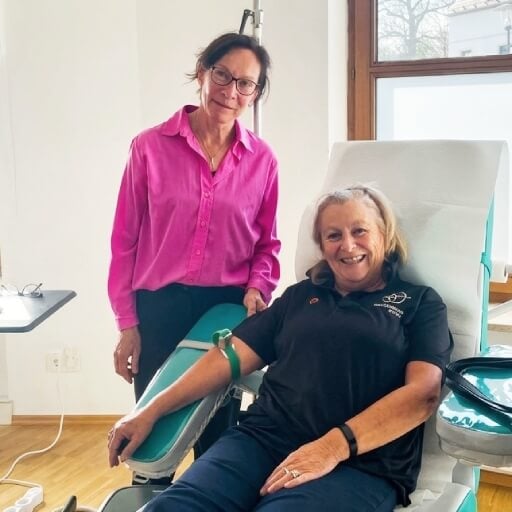

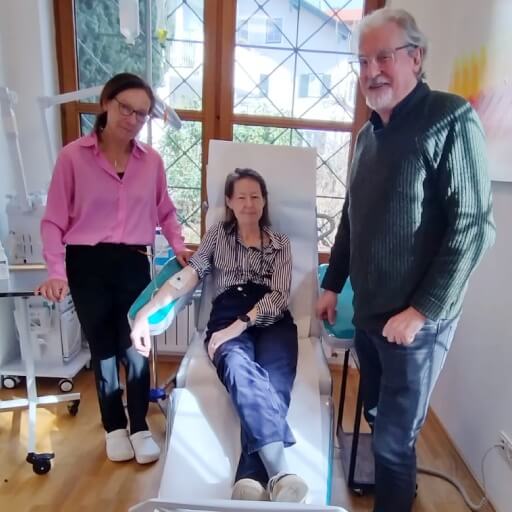


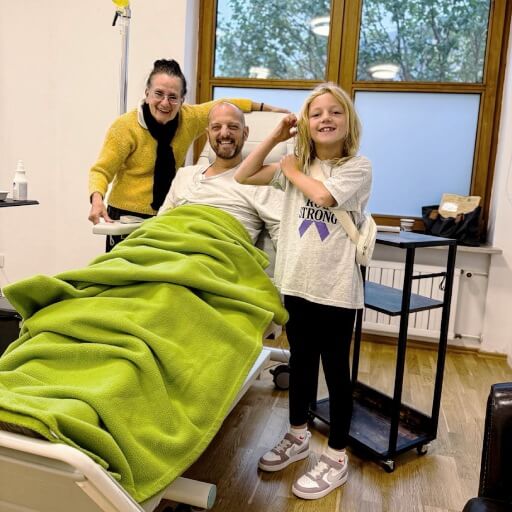

A Medical Journey: Every Step of the Way With Booking Health
Finding the best treatment strategy for your clinical situation is a challenging task. Being already exhausted from multiple treatment sessions, having consulted numerous specialists, and having tried various therapeutic interventions, you may be lost in all the information given by the doctors. In such a situation, it is easy to choose a first-hand option or to follow standardized therapeutic protocols with a long list of adverse effects instead of selecting highly specialized innovative treatment options.
To make an informed choice and get a personalized cancer management plan, which will be tailored to your specific clinical situation, consult medical experts at Booking Health. Being at the forefront of offering the latest medical innovations for already 12 years, Booking Health possesses solid expertise in creating complex management programs in each individual case. As a reputable company, Booking Health offers personalized treatment plans with direct clinic booking and full support at every stage, from organizational processes to assistance during treatment.
We provide:
- Assessment and analysis of medical reports
- Development of the medical care program
- Selection of a suitable treatment location
- Preparation of medical documents and forwarding to a suitable clinic
- Preparatory consultations with clinicians for the development of medical care programs
- Expert advice during the hospital stay
- Follow-up care after the patient returns to their native country after completing the medical care program
- Taking care of formalities as part of the preparation for the medical care program
- Coordination and organization of the patient's stay in a foreign country
- Assistance with visas and tickets
- A personal coordinator and interpreter with 24/7 support
- Transparent budgeting with no hidden costs
Health is an invaluable aspect of our lives. Delegating management of something so fragile yet precious should be done only to experts with proven experience and a reputation. Booking Health is a trustworthy partner who assists you in pursuing stronger health and a better quality of life. Contact our medical consultant to learn more about the possibilities of personalized treatment with innovative methods and with leading specialists in this field.
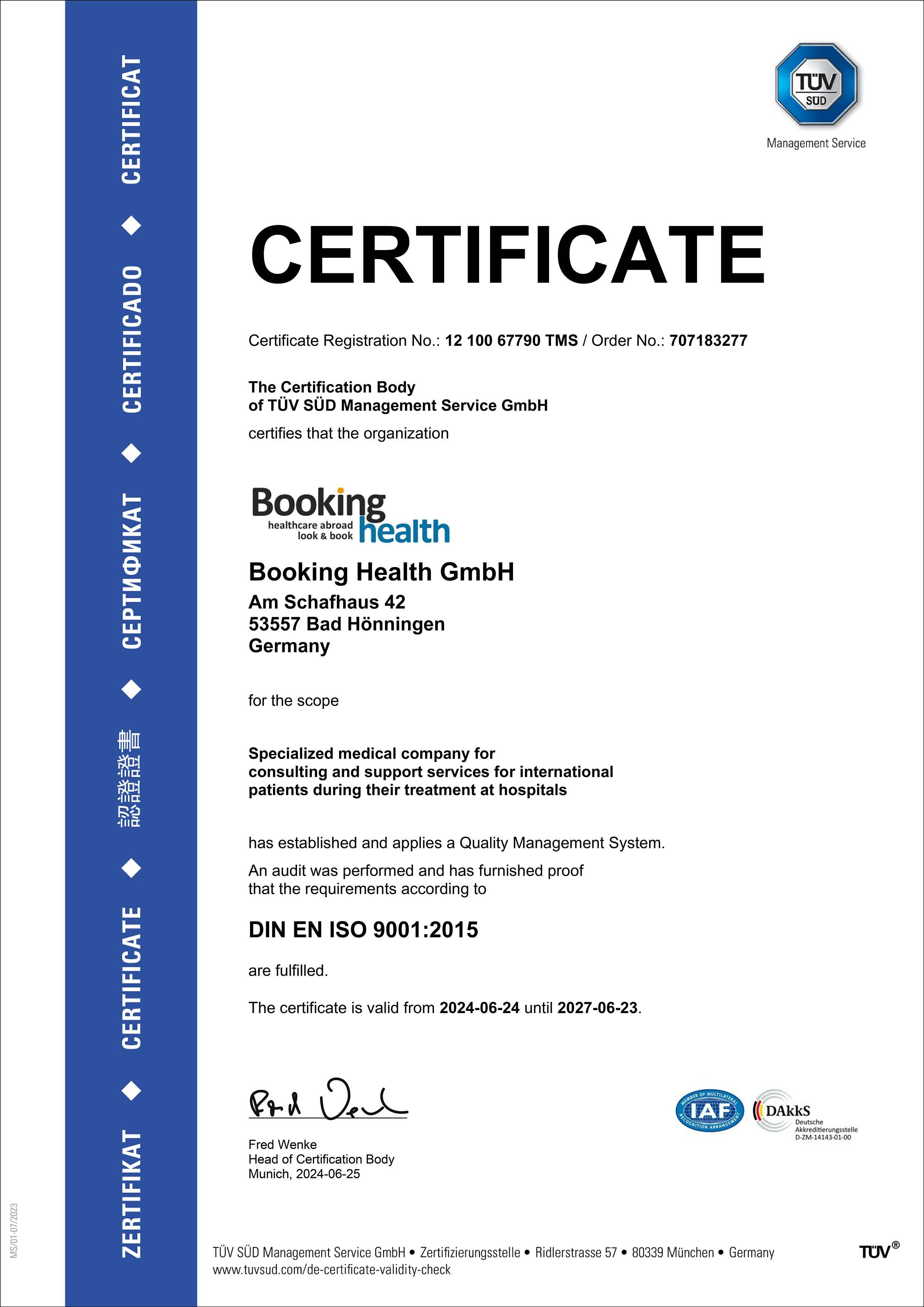
Booking Health holds ISO 9001 quality certification, reflecting well-established processes and strict quality control at every stage of the treatment journey — not just at the initial consultation, but throughout.

FAQ: Immunotherapy for Cancer
Current approaches are based on advances in cancer immunology and cancer immunotherapy. These include checkpoint inhibitors, monoclonal antibodies, immunotherapy, cell therapy (CAR-T, TIL therapy), cytokines, as well as vaccine immunotherapy, including dendritic vaccines and peptide vaccine for cancer.
Immunotherapy shows the best results in melanoma, non-small cell lung cancer, kidney cancer, bladder cancer and certain forms of breast cancer. Immunotherapy for metastatic cancer is already included in the standards in many clinical situations. Efficacy depends on the mutational load of the tumor and the activity of the immune microenvironment. That is why target immunotherapy is selected according to biomarkers.
Yes. In specialized centers many types of treatments are available, especially cancer immunotherapy. Germany is the most popular country which provides such method. Immunotherapy treatment for cancer in Germany includes checkpoint inhibitors, CAR-T, TIL therapy, dendritic vaccines and other new immunotherapy for cancer. Standard methods may be combined with immunotherapy treatment. Germany is not an exception for such cases.
Immunotherapy cost per treatment depends on the type of therapy, the stage of the disease, and the duration of treatment. Common immunotherapy cancer treatment costs can vary significantly (monoclonal antibodies ~ €375,000-420,000; CAR-T ~ €450,000-550,000; dendritic cell therapy ~ €20,000-38,000). Private immunotherapy cost Germany sets should also be taken into account if the treatment is carried out outside insurance coverage.
Booking Health helps organize immunotherapy for cancer abroad, in particular, cancer immunotherapy treatment Germany offers. Support includes analysis of medical documents, clinic selection, appointment for consultation, and coordination of treatment. Patients are provided with full immunotherapy services covering logistics and follow-up after therapy.
Dendritic cell therapy belongs to the direction of new immunotherapy cancer treatment. In the early stages, some studies show high survival rates. The method is used as a dendritic cell immunotherapy for cancer abroad, especially in cases where standard therapy is limited.
Dendritic vaccines activate the patient's own immune response and belong to the concept of oncogen vaccine and personalized vaccine therapy. Among the benefits are long-term tumor control and good tolerability. This is an example of modern advances in cancer immunotherapy.
Chemotherapy can cause significant toxicity (up to 80% of serious side effects). Immunotherapy, including vaccines, has lower levels of toxicity. That is why patients increasingly seek to fight cancer with immunotherapy, especially if there are contraindications to aggressive treatment.
Unlike chemotherapy, which only works during the course, dendritic vaccines create long-term immune memory. The immune system continues the process of immunotherapy of cancer cells even after treatment is completed, which reduces the risk of recurrence.
Hormone therapy is effective only for hormone-dependent tumors. Immunotherapy and immune system interaction are based on activating the body’s natural defense mechanisms to recognize and destroy cancer cells. Immunotherapy with chemotherapy is often used to reinforce results. This is an example of the benefits of immunotherapy combinations.
Targeted therapy works only in the presence of a specific mutation. Dendritic vaccines teach the immune system to recognize a wide range of antigens. That is why many patients consider the best immunotherapy for cancer to be within personalized programs.
The immunotherapy for cancer price for dendritic therapy is about €20,000-38,000. This is lower than the costs of CAR-T or long-term targeted therapy. The final immunotherapy treatment cost depends on the program.
Access to innovative methods is available, especially with immunotherapy cancer treatment. Germany provides such a type of therapy. To confirm this, patients often look for the immunotherapy specialist. Germany is known for its doctors and actively implements new immunotherapy, maintains high standards of treatment. Some facts can describe in detail such method as immunotherapy. Patient stories consist of positive experiences which help other people make a decision to have cancer immunotherapy treatment in Germany.
Choose treatment abroad and you will be sure to get the best results!
Sources:
01. Roman Volchenkov, Florian Sprater, Petra Vogelsang, Silke Appel. The 2011 Nobel Prize in physiology or medicine. Scand J Immunol. 2012 Jan;75(1):1-4. doi: 10.1111/j.1365-3083.2011.02663.x. [DOI] [PubMed]
02. Charlotte M de Winde, Clare Munday, Sophie E Acton. Molecular mechanisms of dendritic cell migration in immunity and cancer. Med Microbiol Immunol. 2020 May 25;209(4):515–529. doi: 10.1007/s00430-020-00680-4. [DOI] [PMC free article]
03. David Zahavi, Louis Weiner. Monoclonal Antibodies in Cancer Therapy. Antibodies (Basel). 2020 Jul 20;9(3):34. doi: 10.3390/antib9030034. [DOI] [PMC free article]
04. Xueqing Kong, Jinyi Zhang, Shuwei Chen et al. Immune checkpoint inhibitors: breakthroughs in cancer treatment. Cancer Biol Med. 2024 May 24;21(6):451–472. doi: 10.20892/j.issn.2095-3941.2024.0055. [DOI] [PMC free article]
05. Shi Du, Jingyue Yan, Yonger Xue, Yichen Zhong, Yizhou Dong. Adoptive cell therapy for cancer treatment. Exploration (Beijing) . 2023 Jul 2;3(4):20210058. doi: 10.1002/EXP.20210058. eCollection 2023 Aug. [DOI] [PubMed]
06. Sia Pei Ling, Long Chiau Ming, Jagjit Singh Dhaliwal et al. Role of Immunotherapy in the Treatment of Cancer: A Systematic Review. Cancers (Basel). 2022 Oct 24;14(21):5205. doi: 10.3390/cancers14215205. [DOI] [PMC free article]
07. Anna N Wilkinson. Immunotherapy. Can Fam Physician. 2021 Jul;67(7):512–515. doi: 10.46747/cfp.6707512. [DOI] [PMC free article]
08. Håkan Mellstedt, Gustav Gaudernack, Winald R Gerritsen et al. Awareness and understanding of cancer immunotherapy in Europe. Hum Vaccin Immunother. 2014 Apr 28;10(7):1828–1835. doi: 10.4161/hv.28943. [DOI] [PMC free article]
09. Hongming Zhang, Jibei Chen. Current status and future directions of cancer immunotherapy. J Cancer. 2018 Apr 19;9(10):1773–1781. doi: 10.7150/jca.24577. [DOI] [PMC free article]
10. Christian Sordo-Bahamonde, Seila Lorenzo-Herrero, Ana P Gonzalez-Rodriguez et al. Chemo-Immunotherapy: A New Trend in Cancer Treatment. Cancers (Basel). 2023 May 25;15(11):2912. doi: 10.3390/cancers15112912. [DOI] [PMC free article]
Read:
01. Best Hospitals for Cancer in the World
02. Medical Treatment in Germany
03. Treatment abroad - Advanced medicine and personal patient care