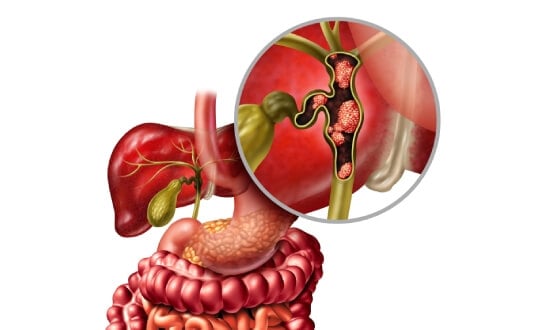
Bile duct cancer, also known as cholangiocarcinoma, is a malignant tumor that can originate in any part of the bile duct system. Bile duct cancer is considered to be rare as compared to other types of cancer, with less than 8,000 people diagnosed with it every year [1]. Females are less likely to suffer from the disease than males. Nevertheless, survival rates are quite low, starting from around 20% for stage 1 and dropping to 2-3% for stage 4 bile duct cancer. This demonstrates the low efficacy of current diagnostic and treatment protocols.
Depending on where the initial tumor is located, bile duct cancer can be intrahepatic, meaning it is in the small bile ducts of the liver, or extrahepatic, meaning it is perihilar cancer, Klatskin tumors, or distal duct cancer. Based on this classification, the manifestation and treatment of bile duct cancer may differ slightly. Due to the late detection of bile duct cancer and its typically poor prognosis in advanced stages, there is an urgent need for novel therapies, which has led to the discovery of innovative treatment modalities.
Tumor Staging and Clinical Manifestations of Cholangiocarcinoma
One of the biggest challenges of bile duct cancer is its "clinical silence," meaning it usually has no symptoms until the disease reaches a locally advanced stage. For example, the early stages of bile duct cancer, regardless of location, are typically confined to the bile duct wall and do not invade nearby blood vessels or lymph nodes. The disease rarely manifests at this stage.
Stage 2 bile duct cancer is characterized by one or more of the following:
Invasion of the liver or nearby fat tissue (perihilar cancer)
Tumors have grown into blood vessels, or there are two tumors (intrahepatic bile duct cancer)
Cancer has grown up to 12mm or it has spread to 1-3 regional lymph nodes (distal bile duct cancer)
Some patients, especially those with intrahepatic bile duct cancer and perihilar cancer, may experience certain symptoms at this stage. The disease can cause discomfort and heaviness in the right upper quadrant, persistent fatigue, and sometimes jaundice at this stage. Stage 2 bile duct cancer may be an accidental discovery during further examination.
Stage 3 bile duct cancer, also known as locally advanced cancer, means that the malignancy has spread to the surrounding tissues:
It has spread to more than 4 regional lymph nodes or is actively invading regional blood vessels, such as the superior mesenteric artery and/or the common hepatic artery (distal bile duct cancer)
Invasion of the main liver blood vessels and/or their branches on the one or both sides, as well as growth of the tumor outside the bile duct while spreading to 1-3 lymph nodes on the site (perihilar bile duct cancer)
Visceral peritoneum or other nearby structures are invaded by malignant cells (intrahepatic bile duct cancer)
Specialists report that a majority of bile duct cancer cases are diagnosed at this stage. Typical symptoms include nausea, dull pain in the right upper quadrant, jaundice, and general malaise.
Stage 4 bile duct cancer usually implies that the disease has spread to distant sites (distal bile duct cancer and intrahepatic bile duct cancer) or has invaded more than 4 lymph nodes in the region. Apart from jaundice and other liver- and gallbladder-related symptoms, patients start experiencing symptoms caused by metastatic invasion. These symptoms may differ depending on the organs involved.
The stage of the tumor directly influences the treatment strategy. Due to the fact that many cases are diagnosed when the cancer is locally advanced, therapy focuses on disease control and maintaining quality of life as long as possible.
Booking Health has more than 20 years of experience in organizing treatment abroad for patients from all around the world. We ensure you receive access to the best clinics as soon as possible, thanks to the fact that we work directly with the German medical facilities and personally coordinate every step, from initial consultation to post-treatment follow-up.
Treatment for bile duct cancer typically varies based on the tumor location and stage of the disease [2]. The main cholangiocarcinoma treatment options include surgery, chemotherapy, and certain types of immunotherapy.
Surgical treatment is the foundation of treatment protocols for all types of bile duct cancer. For intrahepatic tumors, resection with negative margins implies performing a hemihepatectomy, a segmentectomy, and a resection of the bile duct bifurcation and the extrahepatic bile duct (for select patients). Extrahepatic tumors often require a hepatic lobectomy or bile duct excision with regional lymphadenectomy, which is often performed without the need for a permanent stoma. Klatskin treatment or management of perihilar tumors usually involves extended hepatectomy with bile duct resection. Reconstruction of the portal vein may be required as a result of this intervention.
Systemic chemotherapy is the cornerstone of treatment for patients with unresectable or metastatic disease. Neoadjuvant and adjuvant chemotherapy are both recommended for bile duct cancer patients. Since neoadjuvant chemotherapy is known to induce tumor response, it is used for initially unresectable tumors. Adjuvant chemotherapy is typically administered after surgery because of the high risk of recurrence.
Immunotherapy has recently been included into bile duct cancer guidelines following studies showing considerable growth in both overall survival and progression-free time. Additionally, immune checkpoint inhibitors are administered to patients who demonstrate disease progression after the first round of treatment. A combination of targeted therapy, particularly immune checkpoint inhibitors (PD-L1 inhibitors) and HER2 inhibitors for HER2 positive tumors, with systemic chemotherapy showed improved overall survival. This combination is used when first-line therapy fails.
Innovations for Bile Duct Cancer
Conventional therapy has been studied for years and has helped many patients with liver duct tumors. However, an increasing number of cholangiocarcinoma cases are becoming treatment resistant. In addition, systemic treatments are associated with significantly aggravated side reactions, causing patients to discontinue treatment. Consequently, new treatments have emerged to improve treatment efficacy and overall quality of life. These innovative cholangiocarcinoma treatment options include dendritic cell therapy, transarterial chemoembolization, and interventional radiology techniques.
Dendritic Cell Therapy for Bile Duct Cancer
Dendritic cell therapy is a type of immunotherapy for bile duct cancer that is currently under active investigation. Dendritic cells (DCs) are the type of immune cells that can identify malignant cells and initiate a targeted immune response against them. As a result, one receives a cancer-specific immunotherapy that spares healthy tissues. Dendritic cell therapy became a revelation in cancer treatment when Ralph Steinmann was awarded the 2011 Nobel Prize in Physiology or Medicine for its discovery [3].
Immunotherapy has already proven its clinical worth in treating unresectable or recurrent bile duct cancer. Dendritic cell vaccines are a type of personalized immunotherapy that stimulates both the innate and adaptive immune responses. They have proven effective in the treatment for cholangiocarcinoma. Studies of 36 cholangiocarcinoma patients who had previously undergone surgery revealed that dendritic cell therapy slowed disease progression. Another study of patients with intrahepatic cholangiocarcinoma reported improved survival rates and decreased chances of recurrence, especially when DCs were combined with other immunotherapies or systemic treatments.
DC therapy can be prescribed at any stage of the disease, though it is most often indicated for the advanced stage of cancer. Apart from having high response rates when combined with conventional therapy, DCs have a quite favorable safety profile and generally do not cause any severe side effects. Even when applied with systemic treatments like radiation therapy, combined treatment is reported to be well-tolerated, with only minor side effects like pain.
Interventional Radiology for Bile Duct Cancer
Interventional radiology is currently gaining traction for bile duct cancer treatment as it provides minimally invasive tumor eradication while sparing the surrounding healthy tissues. The most recognized methods are thermal ablation, cryotherapy, electrochemotherapy, and artery embolization.
Thermal Ablation for Bile Duct Cancer
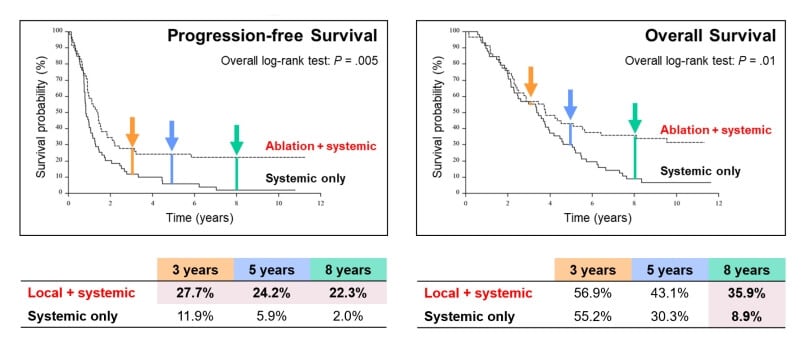
Thermal ablation is an interventional technique that uses heat to destroy tumors precisely. There are two main subtypes of the procedure: radiofrequency ablation (RFA) and microwave ablation (MWA). Both are currently included in official treatment guidelines. These techniques are indicated for early- to intermediate-stage intrahepatic cholangiocarcinomas (stages I and II), especially for tumors smaller than 3 cm. Retrospective studies have reported a median overall survival (OS) of 30 to 40 months when thermal ablation is combined with systemic chemotherapy, compared to 12-18 months with systemic chemotherapy alone [4].
Chemotherapy + local ablation vs chemotherapy alone in patients with unresectable colorectal liver metastases Source: Ruers T et al. Local Treatment of Unresectable Colorectal Liver Metastases: Results of a Randomized Phase II Trial. J Natl Cancer Inst. 2017 Sep 1;109(9)
Another recent study demonstrated that RFA provided 1- and 3-year OS rates of 82% and 47%, respectively, with better outcomes in patients with one malignant lesion. Given its favorable local control rates and good safety profile, thermal ablation is a valuable option for the early stages of bile duct cancer.
Cryotherapy for Bile Duct Cancer
Cryoablation is another novel intervention available on the modern medical market. It induces tumor necrosis through repeated cycles of freezing [5]. Cryoablation is usually suggested for patients with early (stage I and II) bile duct cancer and solitary tumors. Although cryoablation is less commonly used than thermal ablation or transarterial chemoembolization, it offers a potentially safer alternative to classical surgical resection, especially near critical structures where thermal injury might pose a risk. Some studies have reported local tumor control rates of 70-80% and a median progression-free survival time of about 10 months. In addition, cryoablation is patient-friendly, leading to faster rehabilitation and shorter hospital stays.
Electrochemotherapy for Bile Duct Cancer
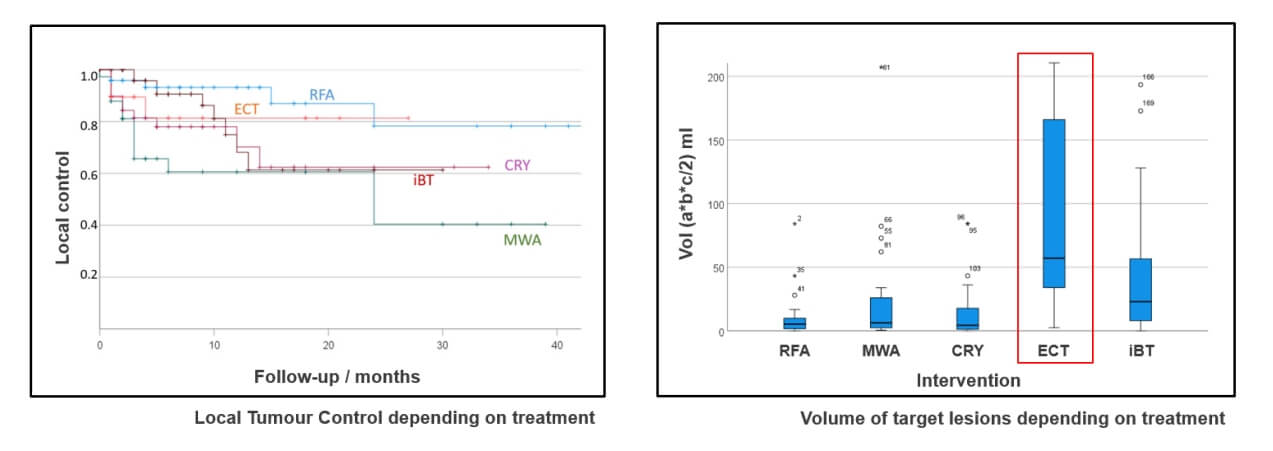
Electrochemotherapy (ECT) is another minimally invasive intervention that is currently gaining traction for bile duct cancer patients [6]. It operates by using electrical pulses to create tiny pores in malignant cell membranes so as to allow chemotherapy to eliminate the tumors more selectively and effectively. Although still under clinical evaluation, ECT has already shown promising results in patients with unresectable or locally advanced cholangiocarcinoma. Electrochemotherapy (ECT) treatment for Klatskin tumor is also used. Studies, including a 2021 Phase II trial, have reported that local disease control was achieved in 75%-80% of cases, with a median overall survival of up to 17 months and minimal systemic toxicity. What is more, electrochemotherapy for Klatskin tumor is particularly useful for tumors near major vessels where thermal ablation poses risks.
Local Tumor Control and Volume of Targeted Lesions Depending on the Type of Treatment Source: Kovács A et al. Long-Term Comparative Study on the Local Tumor Control of Different Ablation Technologies in Primary and Secondary Liver Malignancies. J Pers Med. 2022 Mar 9;12(3):430
ECT also has an ability to potentiate immunotherapy by stimulating the immune response. Several reports have documented significant improvements in progression-free time and overall survival rates when electro-chemotherapy is combined with immunotherapy. This combination with electrochemotherapy of cholangiocellular carcinoma shows great potential for treating locally advanced and even metastatic bile duct cancer. Electrochemotherapy cost is quite justified, as it improves treatment efficacy significantly. You can find cost of electrochemotherapy on the Booking Health website.
VIDEO
Prof. Kovács: How Electrochemotherapy Became the Gold Standard for Hard-to-Reach Tumors
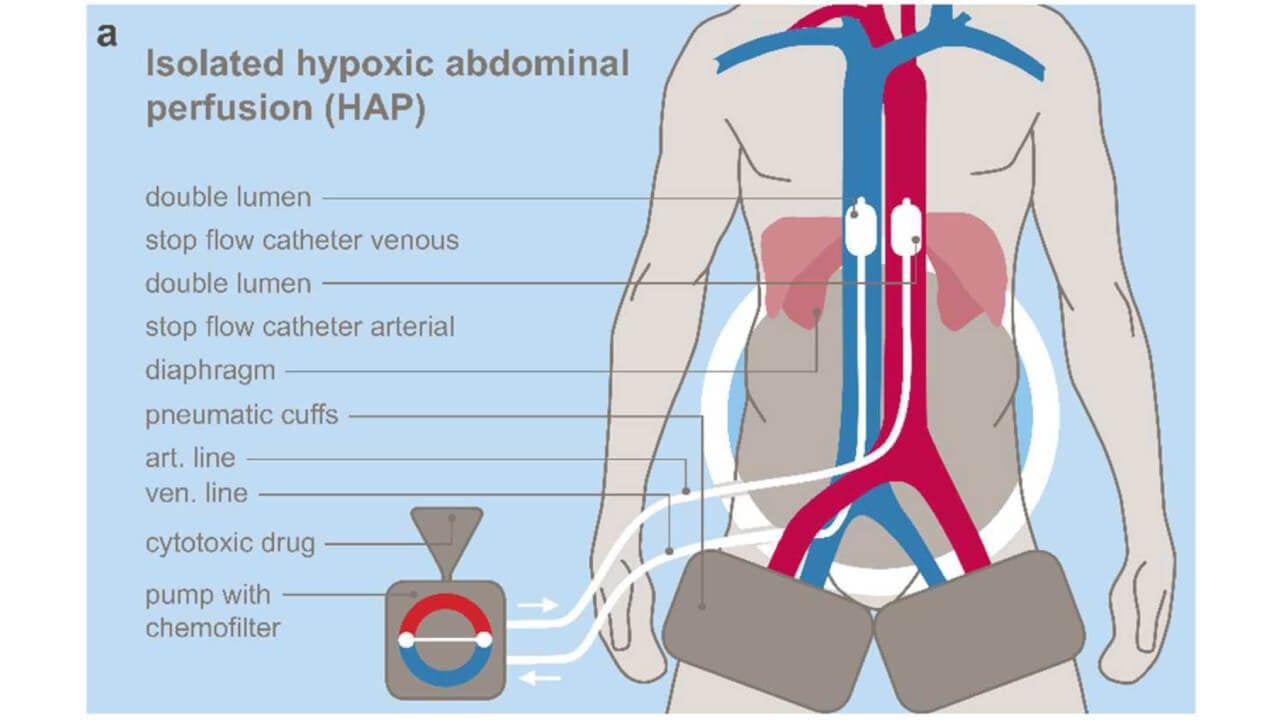
Regional chemotherapy for cholangiocarcinoma represents a vital treatment option for advanced disease. This targeted approach delivers chemotherapy directly to tumor sites through arterial infusion and perfusion techniques – including hypoxic abdominal perfusion (HAP), upper abdominal perfusion (UAP), and isolated thoracic perfusion (ITP). That is why bile duct cancer regional chemotherapy treatments achieve higher drug concentrations at tumor locations while reducing systemic toxicity.
Prof. Karl R. Aigner and colleagues at Medias Klinikum Burghausen pioneered regional chemotherapy in Germany, demonstrating efficacy in patients with diffuse metastatic disease. The study applied 189 cycles of regional chemotherapy for biliary tract tumors, showing remarkable results: 38% achieved partial response, 41% stable disease, with median overall survival reaching 23 months – superior to conventional approaches.
EXPERT
Professor Karl Reinhard Aigner
Oncology, Regional Chemotherapy, Oncological Surgery
Professor Karl Reinhard Aigner pioneered combining arterial perfusion with electrooration, he performed over 20,000 procedures throughout his career.
The technique works by isolating blood flow to specific regions and flooding tumors with concentrated agents designed to destroy cancer cells. At the same time, chemo-filtration removes cytotoxic substances before they circulate systemically. No grade III or IV complications occurred, proving this safe even in patients with poor performance status (ECOG 2-3).
(a) schematic principle of isolated hypoxic abdominal perfusion [8]
Transarterial Chemoembolization (TACE) for Bile Duct Cancer
Transarterial chemoembolization or TACE is one more minimally invasive approach that is actively used for cholangiocarcinoma treatment, especially for locally advanced or stage 4 cholangiocarcinoma treatment [7]. The procedure involves administering chemotherapeutic drugs directly into the tumor while blocking the artery that feeds it. Various studies have shown improved overall survival rates, with some reporting an increase from 3.3 to 12.2 months. Efficacy improves when TACE is combined with systemic treatments such as chemotherapy. Furthermore, transarterial chemoembolization has proven to be much more effective than traditional supportive therapy for patients with terminal symptoms because it improves overall survival even at that stage. A study of patients with unresectable bile duct cancer revealed that 52.5% were alive 12 months after undergoing TACE, as opposed to 8.3% in the conservative treatment group. Due to its high safety profile and lower rates of intra- and postoperative complications, TACE is considered a valuable alternative to systemic chemotherapy for treating unresectable tumors.
Comparative Characteristics of Bile Duct Cancer Treatment Methods
Booking Health data
Characteristics/Therapy type
2-Year Survival Rate
Response Rate
Duration
Side Effects
Standard Treatment
~25% for advanced cancer
Less than 10%
Several cycles
Severe (nausea, fatigue, hair loss, immunosuppression, skin irritation)
Innovative Methods
~60% for advanced cancer
45-65%
Up to 4 sessions
Mild (localized discomfort)
Comparison of Costs for Standard vs. Innovative Treatments of Bile Duct Cancer
*Cost may vary depending on the type and duration of treatment, as well as the combinations of methods used for each individual clinical case
Treatment Method
GERMANY*
Great Britain
USA
Standard Treatment
€80,000 - €150,000 full course
€90,000 - €165,000 full course
€100,000 - €180,000 full course
Innovative Methods
€25,000 - €60,000 full course
€70,000 - €120,000 full course
€100,000 - €150,000 full course
The research shows an increase in treatment response rate in the advanced stage, up to 65%. This is due to high personalization and a multidisciplinary treatment plan that leading German clinics are employing in everyday practice. But many patients fear that treatment abroad is expensive and not for everyone.
Booking Health’s programs for patients include insurance that offers the same affordable rates as those for German patients, which can be up to 70% lower than typical prices for international individuals. Also, this insurance provides protection of up to €200,000. Plus, patients booking through Booking Health won't have to worry about any risk charges if complications happen.
Germany is a leader in the treatment of malignant bile duct tumors – offering a wide range of modern and personalized treatment methods. Here international patients can find world-class clinics, that use a multidisciplinary approach (combining surgical techniques, systemic and regional chemotherapy, interventional interventions and immunotherapy programs). In Germany best hospitals for treating cholangiocarcinoma provide effectiveness and safety.
In such institutions, specialists create individual treatment plans, taking into account the stage of the disease, tumor localization and the patient's general condition. In Germany doctors use multimodal approaches, which include: surgical removal of the tumor, targeted and systemic chemotherapy, TACE (transarterial chemoembolization) and immunotherapy programs. This makes Germany attractive to patients from all over the world who are looking for the best bile duct cancer center.
Below are three leading institutions that are recognized as bile duct cancer best hospital in terms of technology, doctor experience and treatment success.
Best Hospitals for Treating Cholangiocarcinoma
Clinic
City
Key Treatment Approaches
University Hospital RWTH
Aachen
Surgical resection, bile duct and portal vein reconstruction, systemic and regional chemotherapy, TACE, electrochemotherapy
LMU University Hospital
Munich
Advanced hepatobiliary surgery, immunotherapy, combined protocols for recurrent and unresectable tumors
Asklepios Hospital Barmbek
Hamburg
Systemic and regional chemotherapy, TACE, electrochemotherapy, supportive care, treatment of metastatic and unresectable bile duct cancer
University Hospital RWTH Aachen
University Hospital RWTH Aachen is a leading university hospital, that combines research and clinical practice in the field of liver and bile duct oncology. The center specializes in complex surgical interventions – including resection of perihilar and intrahepatic tumors, reconstruction of bile ducts and portal vessels.
Patients are offered a full range of treatments: from systemic and regional chemotherapy to interventional therapy (including TACE and minimally invasive ablative methods). The interdisciplinary team ensures a high level of safety and minimizes side effects making RWTH Aachen one of the best hospital for treating cholangiocarcinoma in Germany.
LMU University Hospital
LMU University Hospital in Munich is one of the largest university centers in Europe, specializing in comprehensive oncology and the treatment of rare tumors (including cholangiocarcinoma).
This hospital for treatment of cholangiocarcinoma offers advanced surgical procedures, systemic and targeted chemotherapy, immunotherapy and combinations of these methods for the treatment of recurrent and unresectable cases. A high level of personalization, control of side effects and scientific support make LMU one of the best cholangiocarcinoma treatment centers for patients from different countries.
Asklepios Hospital Barmbek
Asklepios Hospital Barmbek in Hamburg is a modern multidisciplinary center specializing in the treatment of malignant tumors of the hepatobiliary system.
This cholangiocarcinoma best treatment center uses systemic and regional chemotherapy, TACE, electrochemotherapy and support programs for patients with advanced stages. Asklepios Barmbek is known for its high safety of procedures, rapid rehabilitation and the possibility of outpatient treatment – which makes it one of the best hospitals for bile duct cancer and a reliable choice for international patients.
Bile Duct Cancer Patient Story
A bile duct cancer diagnosis may sometimes feel like you are drawn into a corner. Conventional treatments are not as effective as expected, and their adverse effects further disrupt your already compromised life. Khedidja had a similar experience and decided to explore innovations in the treatment for bile duct cancer.
Looking for an alternative treatment for her bile duct cancer, Khedidja flew to Germany, knowing it to be at the forefront of advanced technologies and novel medical treatments with state-of-the-art bile duct cancer treatment centers. She was consulted by one of the top gastroenterologists in Germany and bile duct cancer specialist who tailored a unique medical plan for her. As her symptoms kept progressing, a decision was made towards transarterial chemoembolization, a minimal invasive approach that delivers regional chemotherapy while blocking tumor blood supply. Initially, Khedidja was anxious about the procedure because she had previously experienced exhausting chemotherapy side effects. However, the doctors comforted her, emphasizing that TACE is superior to standard chemotherapy because it does not cause systemic adverse effects.
Khedidja eventually opted for the novel treatment and could not be more pleased. "Everything was professional and efficient," she comments. The fast response time, which allowed for the organization of treatment within a week, alongside the all-round care provided by Booking Health, let Khedidja relax and focus solely on the treatment. All the organizational procedures, including transfers and interpreting services, were fully covered, ensuring a smooth, trouble-free treatment process. "It was a great experience," Khedidja summarizes, highlighting the importance of working with high-end professionals like those at Booking Health to expand the search for novel bile duct cancer treatment options.
What made a difference for Khedidja is that every step of her journey was completely coordinated. She was able to get her treatment without any stressful events that can occur when organizing such an advanced procedure like TACE.
Booking Health is always in touch to support our patients from initial consultation to up to 12 months post-treatment.
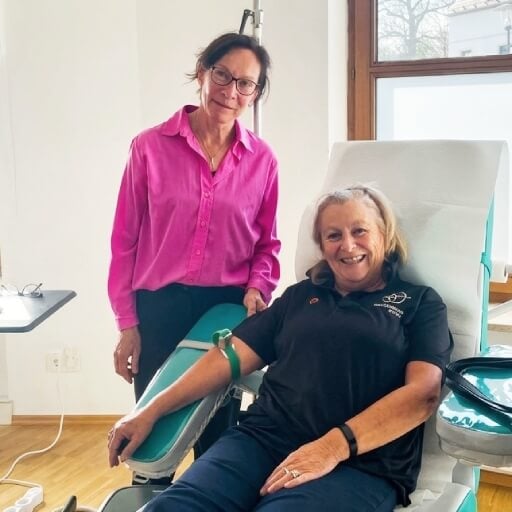
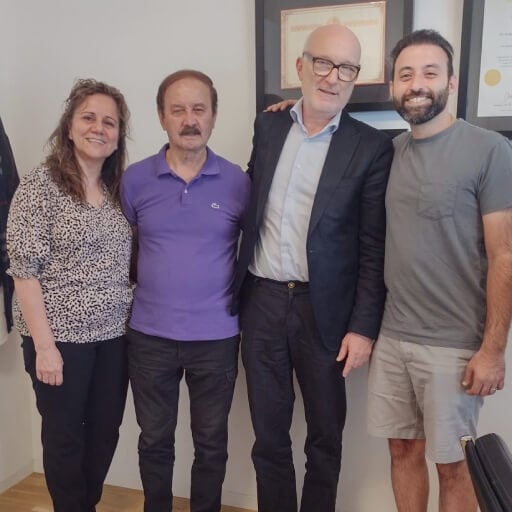
Khedidja Bekkouche and Prof. Dr. med. Sükrettin Güldütuna
Management of Advanced Bile Cancer: There is Always a Way Out
Hearing a diagnosis of metastatic bile duct cancer can be an emotionally overwhelming experience. It often comes with a feeling of despair, as if it were "the end of life," especially when doctors cautiously explain that treatment options are quite limited. However, despite these daunting moments, hope remains. Thanks to the medical innovations, it is not just a sentiment, but a real possibility.
These days, the field of medicine is evolving at an extraordinary pace. Innovations are emerging rapidly, ranging from advanced therapies and precision-targeted treatments to cutting-edge technologies like robotic-assisted surgery. Although traditional modalities for bile duct cancer treatment have helped many patients, they become less effective over time as tumors adapt and develop drug resistance. These standard therapies often have significant side effects, require frequent hospital visits, and entail complex drug regimens, all of which can greatly impact daily life. Many patients find themselves physically and emotionally drained, struggling to maintain their quality of life and their will to continue the treatment.
This is where a brand new treatment for bile duct cancer comes into play. Advanced therapies such as dendritic cell immunotherapy, chemoembolization, and interventional therapy are transforming the prognosis for patients with late-stage cancer. These treatments are designed not only to combat the disease progression, but also to strengthen the immune system and improve overall well-being.
One of the most striking aspects of these innovative treatment methods is their convenience and tolerability. Unlike conventional systemic treatments, many of these interventions can be delivered in outpatient settings, often requiring minimal hospital stays and resulting in fewer, less exhausting adverse effects. They offer a renewed sense of control even for patients with terminal disease, providing tools to fight metastases and slow the disease progression.
Today's oncology specialists are equipped with powerful tools that were once only theoretical. If you or a loved one is dealing with advanced cancer, remember that the horizon of stage 4 bile duct cancer treatment is broader than it once was. Do not give up on the possibility of better outcomes and increased life expectancy. Instead, explore innovative, evidence-driven treatments that offer renewed hope when it's needed most.
A Medical Journey: Every Step of the Way With Booking Health
Finding the best treatment strategy for your clinical situation is a challenging task. Being already exhausted from multiple treatment sessions, having consulted numerous specialists, and having tried various therapeutic interventions, you may be lost in all the information given by the doctors. In such a situation, it is easy to choose a first-hand option or to follow standardized therapeutic protocols with a long list of adverse effects instead of selecting highly specialized innovative treatment options.
To make an informed choice and get a personalized cancer management plan, which will be tailored to your specific clinical situation, consult medical experts at Booking Health. Being at the forefront of offering the latest medical innovations for already 12 years, Booking Health possesses solid expertise in creating complex cancer management programs in each individual case. As a reputable company, Booking Health offers personalized stage 4 bile duct cancer treatment plans with direct clinic booking and full support at every stage, from organizational processes to assistance during treatment.
We provide:
Assessment and analysis of medical reports
Development of the medical care program
Selection of a suitable treatment location
Preparation of medical documents and their forwarding to a suitable clinic
Preparatory consultations with clinicians for the development of medical care programs
Expert advice during the hospital stay
Follow-up care after the patient returns to their native country after completing the medical care program
Taking care of formalities as part of the preparation for the medical care program
Coordination and organization of the patient's stay in a foreign country
Assistance with visas and tickets
A personal coordinator and interpreter with 24/7 support
Transparent budgeting with no hidden costs
Health is an invaluable aspect of our lives. Delegating management of something so fragile yet precious should be done only to experts with proven experience and a reputation. Booking Health is a trustworthy partner who assists you on the way of pursuing stronger health and a better quality of life. Contact our medical consultant to learn more about the possibilities of personalized treatment with innovative methods for metastatic bile duct cancer with leading specialists in this field.
Fighting Cancer Together: Treatment Journeys with Booking Health
Ronald John C. (Canada), May 2026
Tommy G. (Ireland), April 2026
Sarah M. (United Kingdom), April 2026
Diane O. (United Kingdom), March 2026
Faeqa M. (Bahrain), March 2026
Paul K. (United Kingdom), February 2026
Jared Todd M. (USA), February 2026
Emmanuel K. (USA), January 2026
Peter H. (United Kingdom), January 2026
Patrick D. (Ireland), December 2025
Monica A. (Croatia), October 2025
Robert B. (USA), September 2025
David D. (United Kingdom), September 2025
Sargon B. (USA), August 2025
Frequently Asked Questions About Bile Duct Cancer Treatment
What are the most effective treatments for bile duct cancer?
The most effective treatments include surgical resection (if resectable), chemotherapy, targeted therapy (e.g., FGFR inhibitors for specific mutations), and immunotherapy. Treatment choice depends on the stage, location, and molecular profile of the cancer.
Is bile duct cancer (cholangiocarcinoma) curable at any stage?
Unfortunately, cholangiocarcinoma is only completely curable in the early stages. Curative treatment usually requires a complete surgical resection with negative margins. In advanced or metastatic stages, patients receive palliative treatment aimed at prolonging life and relieving symptoms.
What is the survival rate for bile duct cancer?
The overall five-year survival rate is approximately 20-25% for early stages of cancer. For metastatic cases, the five-year survival rate is less than 5%.
How is bile duct cancer diagnosed?
How is it diagnosed depends on the level of the medical facility and presence or advance of the symptoms the patient presents with. Diagnosis How is it diagnosed depends on the level of the medical facility and presence or advance of the symptoms the patient presents with. Diagnosis typically involves: Imaging (MRI/MRCP, CT, ultrasound), tumor markers (CA 19-9, CEA), tissue biopsy (endoscopic or percutaneous methods).
Endoscopic retrograde cholangiopancreatography (ERCP) and cholangioscopy are quite helpful in both diagnosis and staging of bile duct cancer.
What are the symptoms of bile duct cancer in early and late stages?
Early stages are often asymptomatic but may include mild abdominal pain or abnormal liver enzyme levels.
Late stages manifest themselves with jaundice, dark urine, pale stools, pruritus, weight loss, and fatigue due to bile duct obstruction or liver involvement.
How fast does bile duct cancer spread?
Cholangiocarcinoma is generally aggressive, though it varies. It often spreads to the liver, lymph nodes, and peritoneum. Delayed diagnosis is common due to subtle early symptoms.
What is the prognosis for stage 4 bile duct cancer?
The prognosis for stage 4 bile duct cancer is usually poor. The median survival is typically 6-12 months. Treatment focuses on controlling symptoms and improving quality of life. However, new therapies may modestly extend survival in select patients.
Can bile duct cancer be treated with surgery?
Yes, surgery is the primary treatment for a potential cure in the early stages. Depending on the tumor location, procedures may include hepatic resection or Whipple surgery. Surgical candidacy depends on tumor size, spread, and liver function.
Are there new treatments for bile duct cancer?
Recent medical advancements include immunotherapy (dendritic cells, PD-1 inhibitors) and interventional radiology techniques (thermal ablation, cryoablation). Research are actively exploring novel targeted agents and combination therapies.
What is the life expectancy with end-stage bile duct cancer?
Depending on the response to palliative treatments and overall health status, life expectancy is typically a few months to one year. Supportive care plays a key role in managing symptoms.
Other modifiable environmental factors include smoking and certain foods. Raw seafood products and fungi are among the foods to avoid, as they increase the risk of a specific parasitic infection of the bile duct. This infection is statistically associated with higher levels of bile duct cancer in Asia. However, most cases have no identifiable cause.
Is bile duct cancer hereditary?
Generally, it is not. Most cases of bile duct cancer are sporadic. However, genetic conditions like Lynch syndrome and BRCA mutations may slightly increase the risk.
What is the difference between intrahepatic and extrahepatic bile duct cancer?
Intrahepatic: Originates in bile ducts within the liver.
Extrahepatic: Arises in bile ducts outside the liver, including perihilar (Klatskin tumors) and distal bile duct cancers. Location influences symptoms, treatment, and prognosis.
Which hospitals or specialists are best for treating bile duct cancer?
Top-tier care can be found at major bile duct cancer treatment centers possessing both hepatobiliary surgery and oncology expertise such as: MD Anderson Memorial Sloan Kettering Hospital University Hospital of Ludwig Maximillian University of Munich Helios Hospital Berlin-Buch
What are the main treatment options for bile duct cancer?
Treatment for bile duct cancer depends on the tumor's location and stage. Standard options include surgery, chemotherapy, and immunotherapy. However, in advanced or recurrent cases, innovative methods are used to improve survival and reduce side effects. Such strategies include dendritic cell therapy, electrochemotherapy (ECT), thermal ablation, and transarterial chemoembolization (TACE), among others.
How much does bile duct cancer treatment cost in different countries?
The cost of bile duct cancer treatment can vary. In Germany, innovative treatments typically cost €25,000-€60,000, while standard full-course therapy ranges between €80,000-€150,000. In the United Kingdom, expenses reach €90,000-€165,000, and in the United States about €100,000-€180,000. On the other hand, in Australia, the cost and availability of advanced therapies are significantly higher and more limited compared to Europe.
What is the average 2-year survival rate for bile duct cancer?
Across all stages, the 2-year survival rate for bile duct cancer averages around 25% with standard therapies. In turn, innovative treatments (e.g., TACE, ECT, and dendritic cell immunotherapy) have shown survival improvements up to 60% in clinical studies.
What is the typical treatment response rate for bile duct cancer?
When evaluating the treatment response rate for bile duct cancer, conventional chemotherapy achieves less than 10% response rates. In contrast, innovative multimodal approaches can reach 45-65%.
How long does bile duct cancer treatment usually take?
In bile duct cancer treatment, standard chemotherapy regimens often involve several treatment cycles over many months. On the other hand, newer interventional and immunotherapy methods – for example TACE, ECT, or dendritic cell therapy – typically require up to four sessions, shortening the overall treatment course.
What side effects are common with bile duct cancer treatments?
Traditional bile duct cancer treatments may cause nausea, fatigue, hair loss, and weakened immunity. In contrast, innovative, targeted therapies generally result in mild or localized side effects (e.g., temporary discomfort at the treatment site).
What is the best treatment option for bile duct cancer?
Treatment for bile duct cancer often requires approaches that can act directly on the tumor (when standard chemotherapy is insufficient). In Germany options may include interventional radiology procedures, TACE, regional chemotherapy and dendritic cell therapy ㄧ allowing more localized tumor control and expanding possibilities for advanced or unresectable disease.
Which hospital is the best for bile duct cancer treatment?
The best hospitals for bile duct cancer treatment are centers experienced in managing complex hepatobiliary tumors. In Germany specialized oncology clinics bring together surgeons, oncologists and interventional specialists ㄧ allowing treatment plans to be adapted to tumor location, spread and response (rather than relying on a single standard approach).
What country is the best for bile duct cancer treatment?
For bile duct cancer Germany offers a treatment environment focused on complex and advanced cases. Its healthcare system supports specialized cholangiocarcinoma centers, access to innovative therapies and coordinated decision-making ㄧ which is especially important when treatment options are limited or require non-standard strategies.
Choose treatment abroad and you will for sure get the best results!
Authors:
This article was edited by medical experts, board-certified doctors Dr. Nadezhda Ivanisova, and Dr. Bohdan Mykhalniuk. For the treatment of the conditions referred to in the article, you must consult a doctor; the information in the article is not intended for self-medication!
Our editorial policy, which details our commitment to accuracy and transparency, is available here. Click this link to review our policies.
03. Roman Volchenkov, Florian Sprater, Petra Vogelsang, Silke Appel. The 2011 Nobel Prize in physiology or medicine. Scand J Immunol. 2012 Jan;75(1):1-4. doi: 10.1111/j.1365-3083.2011.02663.x.[DOI][PubMed]
04. Theo Ruers, Frits Van Coevorden, Cornelis J A Punt et al. Local Treatment of Unresectable Colorectal Liver Metastases: Results of a Randomized Phase II Trial. J Natl Cancer Inst. 2017 Sep 1;109(9):djx015. doi: 10.1093/jnci/djx015.[DOI][PubMed]
07. Joseph J Zechlinski, William S Rilling. Transarterial Therapies for the Treatment of Intrahepatic Cholangiocarcinoma. Semin Intervent Radiol. 2013 Mar;30(1):21–27. doi: 10.1055/s-0033-1333650.[DOI][PMC free article]
08. Yogesh Vashist, Kornelia Aigner, Sabine Gailhofer and Karl R. Aigner. Therapeutic Effect of Regional Chemotherapy in Diffuse Metastatic Cholangiocarcinoma. Cancers 2022, 14(15), 3701; https://doi.org/10.3390/cancers14153701.[DOI]
thank you for reaching out! One of our medical advisors is currently reviewing your details. You can expect a call from us within one business day to discuss your request.
Note: The incoming call will appear as a German number or your local area code. This call is entirely free of charge.
Booking Health guarantees:
Expert Placement
We use rigorous statistical analysis to ensure you are treated at the best-rated facility for your specific diagnosis.
Total Cost Protection
No hidden fees or unexpected bills. We provide a fixed price guarantee, backed by insurance that covers any additional complications.
12-Month Extended Care
Your recovery is our priority. Benefit from a full year of direct medical support following your procedure.