Today, pulmonary fibrosis remains an incurable disease with an extremely unfavorable prognosis: five-year survival is only 20-40%, and the median survival after diagnosis does not exceed 3-5 years [1]. A progressive decrease in pulmonary function leads to the development of chronic respiratory failure, which critically limits the daily activity of patients and necessitates constant oxygen support. The high lethality and limitations of conventional therapy highlight the urgent need to develop innovative approaches, in particular, using dendritic cells. But there is one approach that works. Dendritic cell immunotherapy is a novel method that trains the immune system to eliminate the specific cells that cause lung scarring and protect healthy tissue. Unlike traditional medications requiring daily dosing with significant side effects, dendritic cell therapy involves a single personalized treatment that can halt fibrosis progression and measurably improve breathing capacity. Moreover, it is a revolutionary discovery of Canadian scientist Ralph Steinman, for which he was awarded the Nobel Prize in Physiology or Medicine [2].
The Clinical Challenge of Pulmonary Fibrosis
Pulmonary fibrosis is an aggressive disease in which functional lung tissue is gradually replaced by non-functional scars. The pathophysiology is based on the mechanism of self-sustaining abnormal healing: false signals in the tissues provoke continuous deposition of collagen at the alveolar level. This closed cycle of damage irreversibly destroys the lung structure, making the breathing process increasingly difficult and eventually turning gas exchange into a critical test for the body.
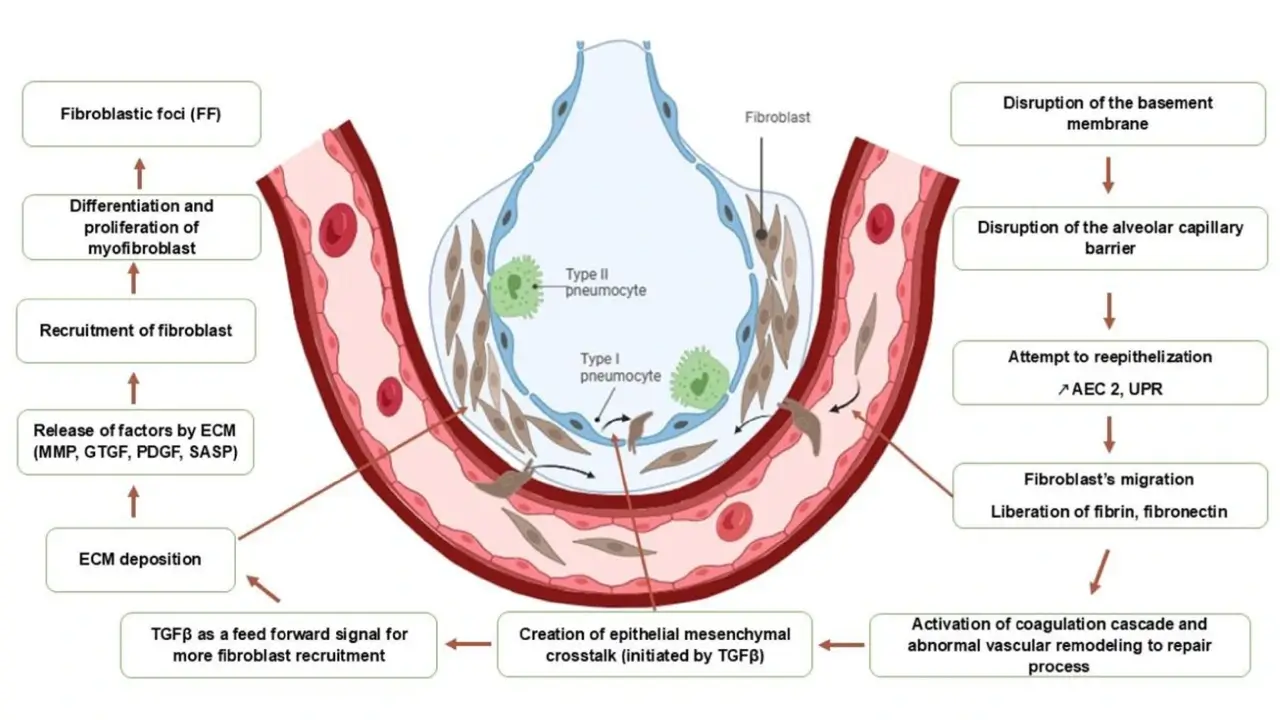
Schematic overview of the pathogenesis of Idiopathic Pulmonary Fibrosis [9]
The clinical picture of the disease is extremely insidious due to its gradual onset. What is perceived as a normal dry cough or mild shortness of breath in the first stages can progress to severe disability in just a few months. The most destructive form is idiopathic pulmonary fibrosis (IPF), which mainly affects people over 50 years of age.
The burden of the disease radically transforms daily routine, turning the patient's life into a constant struggle for every breath. This is manifested in the following aspects:
Physical exhaustion: common activities like climbing stairs or taking a short walk become almost impossible.
Social isolation: due to shortness of breath, even a simple conversation becomes intermittent, which limits communication.
Oxygen dependence: during the first two years, most patients need constant oxygen support.
Psychological pressure: loss of independence often leads to the development of anxiety disorders and depression in both patients and their loved ones.
The situation is complicated by a significant economic and medical deficit. Although lung transplantation remains the only radical method of intervention, due to the acute lack of donor organs, most patients never get a chance for surgery [3]. At the same time, the cost of supportive care, involving hospitalizations and antifibrotic drugs, often exceeds $50,000 per year. Given that the prevalence of the disease is 13-20 cases per 100,000 population and continues to grow, the development of fundamentally new curative approaches is a critical medical necessity.
Conventional Treatment Approaches for Pulmonary Fibrosis
Currently used methods applied widely are best understood as disease-modifying rather than curative. They slow, not stop. FDA-approved antifibrotic agents can reduce the rate of forced vital capacity (FVC) decline by approximately 50% in some patients, offering a meaningful but clearly bounded benefit [4]. No approved therapy reverses established scarring of the lungs or restores lost lung architecture.
The fundamental limitation of current approaches lies in their mechanistic breadth – broad suppression of fibrotic activity rather than precision targeting of the cells driving it:
Failure to address the root cause: overactivated fibroblasts that continuously deposit scar tissue
Inability to eliminate cells already producing excessive collagen
Repair pathway neglect – the lung's endogenous regenerative mechanisms remain unaddressed and unsupported
By the time most patients receive a diagnosis, significant and irreversible lung damage has occurred already. This diagnostic lag reflects the insidious onset of the disease. And current therapeutic paradigm, as we see, amounts to damage control rather than healing. This therapeutic gap has created demand for innovative approaches that can specifically target disease-causing cells and preserve healthy lung tissue.
The fundamental problems with conventional approaches include:
Failure to address the root cause: overactivated fibroblasts that continuously deposit scar tissue
Inability to eliminate cells already producing excessive collagen
No restoration of the lung's natural repair mechanisms
Broad effects on both diseased and healthy tissue
No solution for patients with advanced disease
The distinction between IPF and other pulmonary fibrosis subtypes — hypersensitivity pneumonitis, connective tissue disease-associated fibrosis, occupational fibrosis — is clinically consequential for dendritic cell therapy. The antigen targets and immune activation protocols differ depending on the underlying driver of fibrotic activity. A treatment program designed for IPF may not be optimally configured for occupational fibrosis with a different inflammatory signature.
Booking Health's initial case review identifies the fibrosis subtype, the available lung function data, and the patient's prior treatment history before recommending a German center or protocol — because precision targeting only works when the precision is applied to the right target.
Dendritic Cells and the Basis of Dendritic Cell Therapy in Pulmonary Fibrosis
Modern medicine makes a fundamental transition from general suppression of inflammation to personalized immunotherapy, which has a targeted effect on the driver cells of the disease. At the heart of this breakthrough is a deep understanding of the role of dendritic cells. Pulmonary fibrosis has become the object of targeted immunotherapy, which changes the prognosis for patients. As we mentioned above, the work of these cells as the main immune regulators was so significant that the Nobel Committee in 2011 awarded a prize in physiology and medicine to their discoverer.
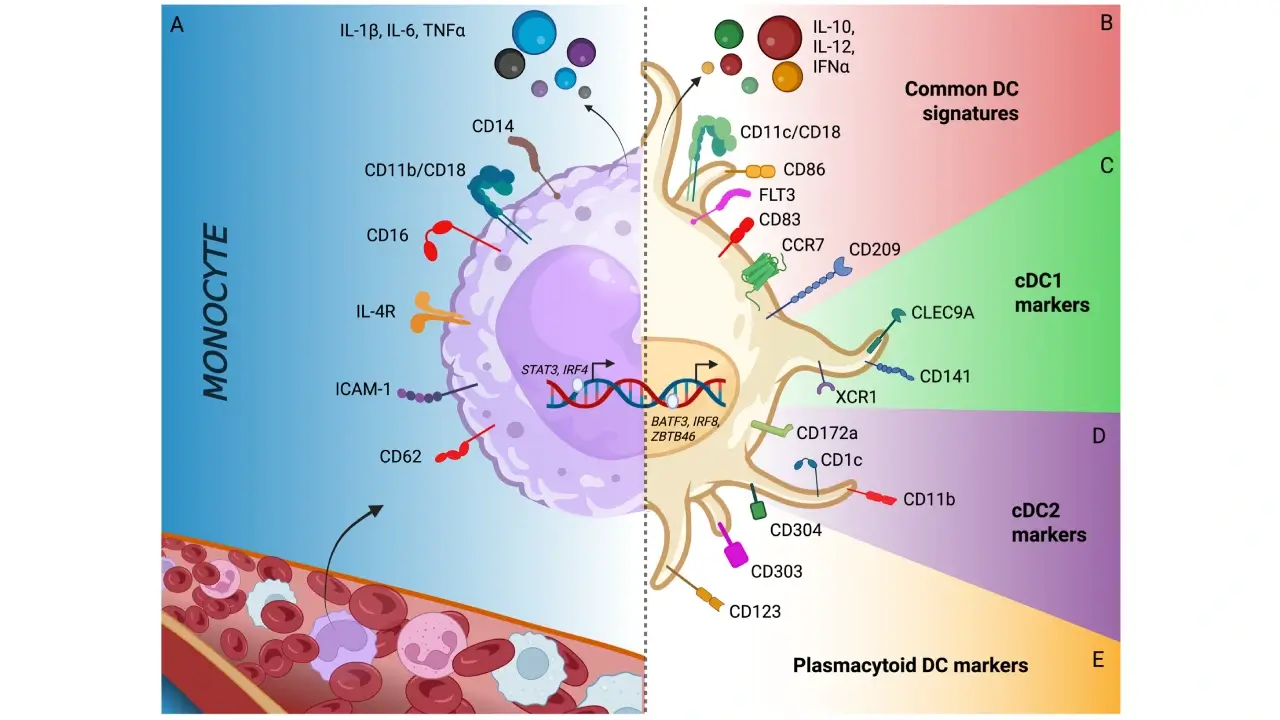
Microscopic characteristic of the dendritic cell [12]
By their nature, these cells are the most powerful and effective antigen presenting cells. Pulmonary fibrosis is under action by the immune system, which receives a clear signal to destroy pathological tissues. In the context of fibrosis treatment, they act as a high-precision conductor: they capture specific proteins (antigens) of pathological cells, "process" them, and present them to T-lymphocytes. Thanks to this, immunity receives a clear order: to recognize and destroy exactly those cells responsible for excessive collagen deposition, without damaging healthy tissues.
The answer to the question "What do dendritic cells do in pulmonary fibrosis?" during therapy is to create a targeted immune response. Scientists have identified molecular "fingerprints" of fibrosis – proteins ADAM12 and GLI1, which appear massively in scar tissue but are almost absent in healthy lungs. Dendritic cells are programmed to recognize these markers, making therapy as accurate as possible. The treatment mechanism is implemented through a sequential chain of events:
Antigen presentation – dendritic cells show specific fibrosis-associated antigens to the immune system.
Target elimination – activated T-cells migrate into the lungs and systematically destroy hyperactive fibroblasts.
Restoration of the environment – removal of excess fibrous tissue reduces the mechanical stiffness of the lungs.
Dendritic cell role in pulmonary fibrosis allows not only to stop the degradation of the organ, but also to create conditions for regeneration. When the immune system "cleanses" the lungs of pathological collagen, the cellular microclimate normalizes, and the natural mechanisms of self-renewal of the lungs begin to function again. Such a treatment strategy allows targeted removal of scar tissue using activated dendritic cells. Pulmonary fibrosis ceases to be a sentence, as the restoration of lung elasticity restores patients' ability to breathe freely.
The Clinical Value of Dendritic Cell Therapy in Pulmonary Fibrosis Treatment
Today, results that were previously considered unattainable for traditional treatments are demonstrated by dendritic cell therapy. Pulmonary fibrosis thus moves from the category of progressive pathologies to a measurable functional recovery. While standard antifibrotic drugs only slow down the decrease in forced vital capacity (FVC) of the lungs, immunotherapy aimed at ADAM12 and GLI1 proteins allows to achieve regression of the pathology.
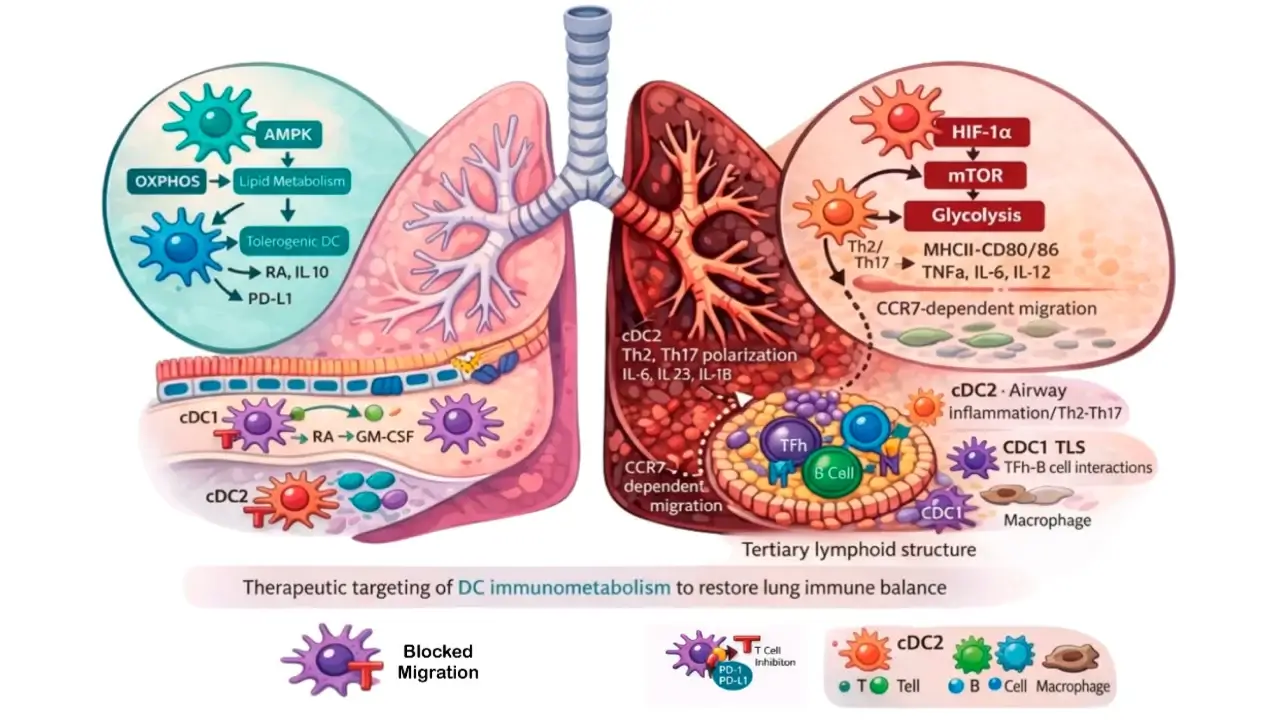
Metabolic reprogramming of dendritic cells (via the specific pathways) plays a key role in the formation of lymphoid organs that enhance local immunity. Modulation of metabolism and DC control points is a promising strategy for restoring immune balance and stopping fibrotic lung damage.
Studies show an impressive reduction in the volume of lung scarring by 60-80%, which is accompanied by a restoration of the immune system's ability to independently eliminate pathological cells without affecting healthy tissues.
The path to measurable health recovery opens up the application of dendritic cell based therapy. Pulmonary fibrosis is one of the diseases that demonstrates this. This is confirmed by positive dynamics according to several critical indicators:
Clinical outcomes and quality of life improvement.
Significant increase in respiratory capacity: patients note significant relief with each breath, which is confirmed by objective tests of respiratory function.
Reduction of oxygen dependence: thanks to the restoration of gas exchange in the alveoli, the need for additional oxygen support is significantly reduced or disappears altogether.
Increased exercise tolerance: the ability to do routine tasks and engage in light activity returns without the critical shortness of breath that previously made this impossible.
Symptom reduction: there is a marked decrease in the intensity and frequency of chronic cough.
Overall improvement in well-being: high scores on quality of life (QoL) scales suggest a return of patients to a socially active life.
An important advantage of targeting dendritic cells for pulmonary fibrosis treatment is its high security profile. Unlike systemic immunosuppressants, this method does not suppress general immunity and does not harm the body's natural healing processes. Clinical experience confirms that the earlier the therapy is started (before the formation of massive irreversible scars), the higher its effectiveness is. For patients who previously faced only the prospect of slow fading, this approach opens the way to measurable functional improvement and real health recovery.
"Most effective when initiated before extensive scarring has developed" is the clinical statement that carries the most practical urgency in this article. A patient who spends months navigating independent referrals, waiting for responses from clinics, and arranging travel on their own timeline may arrive at the German center at a significantly more advanced stage of fibrosis than when they first considered treatment.
Booking Health secures priority access to the treating center and coordinates documentation, visa, and travel simultaneously — because for pulmonary fibrosis, the window between "eligible for the best outcomes" and "eligible for a less favorable outcome" is measured in months of lung function, not administrative convenience.
The following table compares the key characteristics of traditional approaches and treatment using dendritic cells:
Comparative characteristics of standard antifibrotic therapy and immunotherapy with dendritic cells
Data from Booking Health clinical analysis. Treatment outcomes may vary based on individual patient factors, disease severity, and timing of intervention. Consult with our lung specialists for personalized treatment planning and comprehensive care coordination.
Characteristic
Standard Treatment
Standard Treatment + Dendritic Cell Vaccine
Treatment Mechanism
Broad anti-fibrotic suppression
Targeted elimination of disease-causing cells
Treatment Approach
One-size-fits-all protocol
Personalized immunotherapy
Disease Progression
Slows progression moderately
Halts progression and promotes tissue repair
Treatment Duration
Continuous daily medication
Single outpatient procedure + follow-up
Life expectancy
Extends life by several months
Potential for significant life extension
The life expectancy row's "potential for significant life extension" is conditioned on the same variable the clinical evidence section identifies: timing of intervention relative to fibrosis extent.
Booking Health's medical team reviews each patient's most recent FVC measurements, HRCT imaging, and current oxygen dependency before confirming program eligibility — because a patient whose FVC has declined below a critical threshold may be better positioned for a combination protocol than for DC therapy alone.
That determination is made by a physician who responds within 24 hours of receiving the clinical record, not a coordinator who routes the request to a waiting list.
The Use of Dendritic Cell Therapy in Pulmonary Fibrosis at Different Stages
The effectiveness of pulmonary fibrosis treatment critically depends on the timeliness of the intervention. Since the disease is progressive, the therapeutic window for best results opens in the early and middle stages, when lung tissue still retains significant regenerative potential.
Early stage
At the early stage, the disease is often disguised as mild shortness of breath during exertion or an episodic dry cough [5]. However, it is during this period that a hidden decrease in lung function begins. At this stage, immunotherapy has the most powerful preventive effect. Dendritic cells "teach" the immune system to recognize specific antigens of pathological fibroblasts that are just beginning to overproduce collagen. This stops the fibrotization process even before the lung architecture undergoes serious deformities. Early intervention ensures the highest level of functional independence of the patient and avoids aggressive medication load in the future.
Locally-advanced stage
At the locally-advanced stage (stage of progression), destructive processes become obvious:
Physiological indicators: there is a drop in forced vital capacity (FVC) of the lungs by ≥5% per year.
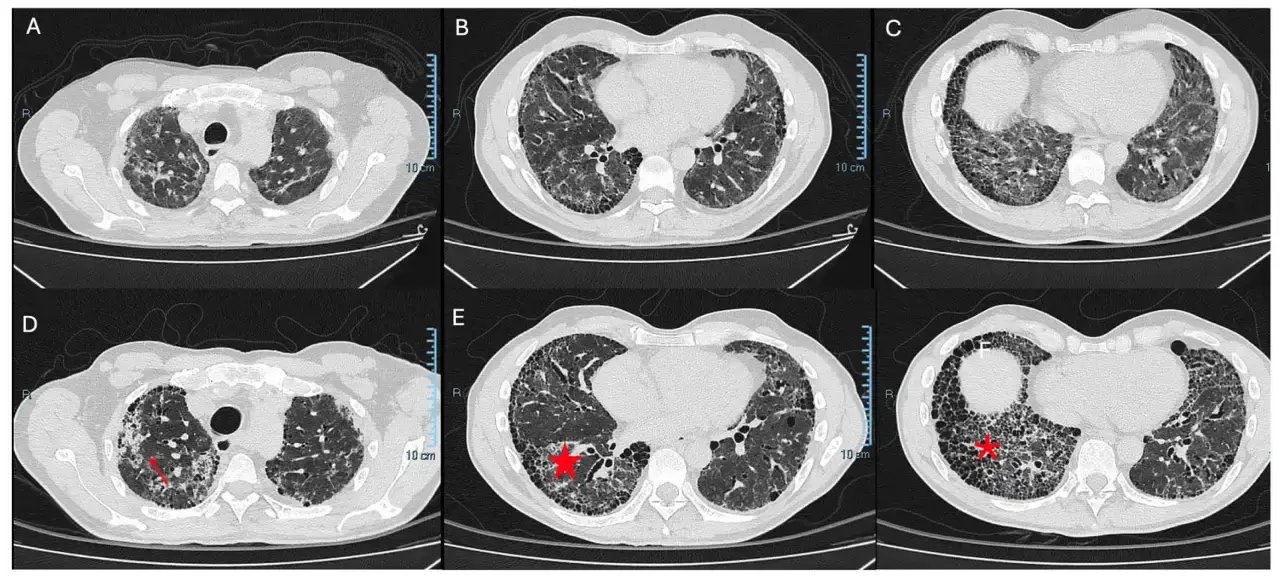
Radiological changes: CT scans clearly visualize reticular changes, traction bronchiectasis, and increased lobar volume loss [5].
When destructive processes become apparent on CT, dendritic cell therapy is directed to localization and inhibition of foci of active fibrosis. It acts synergistically with pulmonary rehabilitation: while the patient trains the respiratory muscles, immunotherapy targeted the cells causing reticular changes and bronchiectasis. This is a critical moment to prevent the process from entering the phase of the "cellular lung", maintaining the remaining tidal volume.
Radiological progression of the disease. (A-C) Architectural distortion of the lung parenchyma. (D) Signs of progressive pulmonary fibrosis. (E) (Red star) Bronchiectasis. (F) Volume loss [10]
It is at these stages that the usage of immunotherapy with dendritic cells is most justified.
Advanced stage
In the advanced stages, the disease enters the phase of critical disorders. Patients suffer from debilitating cough, severe asthenia, and weight loss. Associated pathologies often develop: pulmonary hypertension and cardiovascular complications [6].
During this period immunotherapy acts as a stabilizer of systemic processes. Although irreversible changes (scarring) are already formed, dendritic cells help suppress chronic inflammation, which provokes shortness of breath and debilitating cough. An important aspect at this stage is also the antitumor protection: since long-term fibrosis increases the risk of developing lung cancer, immunotherapy helps to detect and destroy atypical cells, extending the patient's life and improving his quality.
Terminal stage
In the terminal stage, traditional methods often exhaust themselves, and the focus of medicine shifts to palliative care and controlling shortness of breath. Mechanical ventilation at this stage is usually considered only as a "bridge" before transplantation, since independent restoration of organ function during total scarring is extremely difficult [6].
At the terminal stage, dendritic cells are integrated into the high-tech palliative care program. Even with significant tissue damage, immunotherapy helps maintain general immunological tone, which reduces the risk of fatal infectious complications. For patients waiting for transplantation, this therapy becomes a method of supporting the body, helping to preserve the functionality of other systems (cardiovascular, immune) until the moment of surgery.
Who will benefit the most from the therapy? The highest clinical response to innovative treatment is demonstrated by the next patients:
They have a preserved physical form: dendritic cell therapy and rehabilitation act synergistically when the body has a resource for recovery
They are under multidisciplinary supervision: the combination of immunotherapy with high-quality symptomatic care prolongs life and improves its quality
Treatment is started at the first signs of progression: preventive removal of pathological fibroblasts prevents the disease from entering the terminal phase [7]
Why is early intervention critical? The integration of modern techniques such as dendritic cell therapy has radically altered prognosis since diagnosis. Early intervention allows not just to slow down degradation (as standard antifibrotics do), but to maintain the patient's level of independence. This reduces the need for hospitalizations, relieves psychological state (fear and anxiety), and allows the patient to avoid aggressive resuscitation measures in the future, maintaining the ability to breathe freely for as long as possible.
Growing Patient Trust in Dendritic Cell Therapy for Pulmonary Fibrosis Treatment
The growing confidence of patients in dendritic cell therapy is not accidental – it is based on the urgent need for an alternative to traditional protocols, which often do not live up to expectations in the long term. When the diagnosis of idiopathic pulmonary fibrosis (IPF) ceases to be a sentence and becomes the object of high-tech immune control, the motivation of patients to seek innovation becomes the driving force behind the development of medicine [8].
The main reason for the search for new methods is the refractoriness of IPF to standard treatment. Although existing antifibrotic drugs can slow lung degradation, they do not stop the fibrotization process completely and have a limited effect on the median survival, which remains at 2-5 years for decades. Patients who face the progression of the disease despite taking expensive drugs naturally turn to immunologically targeted therapy as a chance for a more radical change in prognosis.
Modern studies of the immune profile allow the usage of dendritic cells as specific biomarkers.
Individual pulmonary fibrosis vaccines: using the patient's own cells to create a personalized immune response minimizes the risks of rejection.
Correction of immune "failure": innovative treatment is not aimed at masking symptoms, but at correcting the abnormal interaction between the alveoli and the immune system, which is the root cause of fibrosis.
One of the key reasons for the growing trust in dendritic cells is the possibility of radically changing the format of long-term treatment. Unlike lifelong antifibrotics, immunotherapy offers higher specificity and safety. This allows to achieve the following goals:
Reduction of drug pressure: Due to the point effect on foci of fibrosis, patients can avoid systemic intoxication and gastrointestinal disorders characteristic of traditional drugs.
Synergy and control: The integration of dendritic cells into combination treatment regimens allows for long-term stabilization of lung function, significantly reducing the frequency of emergency hospitalizations.
Survival strategy: Orientation to the experience of successful immunotherapy in oncology gives patients with IPF not just temporary relief, but a real prospect of significantly prolonging life with minimal interference in its daily quality.
Instead of passive containment of the disease, patients choose the path of active immune recovery, which greatly eases the overall burden of fighting the diagnosis in the long term.
Possible Side Effects and Contraindications of Dendritic Cell Therapy for Pulmonary Fibrosis
One of the key advantages of immunotherapy with dendritic cells is its high specificity. Unlike traditional antifibrotic drugs or systemic immunosuppressants, this method works targeted, which allows to avoid toxic damage to healthy organs. However, like any high-tech medical intervention, therapy has its own application features and certain limitations.
Clinical experience shows that side effects when using dendritic cells are rare and usually have a mild, temporary nature. Since the patient's own cells are used for treatment, the risk of serious allergic reactions or rejection is minimised.
Among the possible reactions, the most often observed:
Flu-like syndrome: slight increase in body temperature (subfebrile), mild weakness or chills within the first 24-48 hours after drug administration. This indicates the activation of the immune response.
Local reactions: slight redness or slight swelling at the injection site.
Temporary fatigue: a short-term feeling of fatigue that usually resolves on its own without additional treatment.
It is important to note that this therapy does not cause severe gastrointestinal disorders or liver toxicity, which are common problems when taking standard fibrosis medications.
Despite the high efficiency of the method, there are clinical conditions in which therapy with dendritic cells is not carried out due to the impossibility of achieving a therapeutic result or the peculiarities of the patient's condition. The main contraindications include:
Terminal organ failure: severe renal or hepatic failure in the decompensation stage is a critical limitation for conducting a course of immunotherapy.
State after organ transplantation: patients who have undergone organ transplantation and are forced to take life-long immunosuppressive therapy are not candidates for this method. Since immunosuppressants inhibit the work of immune cells, the action of the dendritic vaccine will be completely neutralized.
Haematological diseases (leukemia): the specificity of working with dendritic cells in the context of fibrosis does not involve the treatment of patients with oncohematological diagnoses.
Acute infectious processes: therapy is recommended to be postponed until complete recovery from acute viral or bacterial infections.
The following table provides a comparison of typical adverse reactions for the main treatment categories.
Comparative safety profile: effect of antifibrotic agents and immunotherapy on the patient's body
Characteristics
Standard antifibrotics
Systemic corticosteroids and immunosuppressants
Dendritic cell therapy
Effects of the GI tract
Mean: severe diarrhea (up to 60% cases), nausea, loss of appetite
Moderate: risk of stomach ulcers, weight gain
Absent: does not affect the digestive system
Hepatotoxicity
High: requires regular monitoring of liver enzymes
Medium: risk of toxic damage with long-term usage
Absent: does not exert a load on the liver
The immune system
Does not directly affect, but can deplete the body's resources
Suppresses: high risk of secondary infections (pneumonia, etc.)
Stimulates: "teaches" immunity to recognize only pathological cells
Skin reactions
Photosensitization (sun sensitivity), rash
Thin skin, tendency to bruise, slow wound healing
Temporary slight redness only at the injection site
General condition
Fatigue, headache, significant weight loss
Swelling, sleep disturbances, mood changes, risk of diabetes
Short-term "flu-like" syndrome (passes in 24-48 hours)
Step-by-Step Process of Dendritic Cell Therapy for Pulmonary Fibrosis
The process of immunotherapy with dendritic cells is a clearly coordinated medical protocol aimed at "retraining" the patient's immune system. It is important to understand that in practice, a specific treatment program may differ slightly depending on the choice of the clinic, its internal standards, and the individual health of the patient.
Below is a typical example of the implementation of a therapeutic cycle, which allows the patient to orient himself in the stages of treatment:
Step 1: Consultation and preparation
The first visit lasts about 30 minutes and is devoted to a detailed history. At this stage, the doctor is:
studying the medical history and current indicators of lung function;
issuing informed consent for therapy;
discussing with the patient alternative treatment options, issues of nutrition, and the usage of auxiliary medical means to support the body.
Step 2: Biomaterial collection and immune stimulation
This stage takes about 90 minutes. The patient is allowed to have breakfast before the manipulations.
Blood collection: 150-200 ml of blood is taken from the patient, from which monocytes will be isolated in the laboratory for further cultivation of dendritic cells.
Maintenance therapy: after blood collection, an infusion containing vitamin C and a complex of B vitamins is given.
Immune activation: the patient is given an intramuscular injection of vitamin D (50,000 IU) to stimulate natural killer cells (NK cells) and prepare an immune background.
Step 3: Administration of the dendritic vaccine
After a week, when the dendritic cells are already "trained" to recognize fibrosis markers, direct therapy is carried out (about 90 minutes):
Cell administration: dendritic cells are administered intradermally, being a recommended method for optimal cell migration to lymph nodes.
Re-support: similarly to the second day, vitamin infusion (C and group B) and intramuscular injection of vitamin D are given.
Further recommendations: the patient is prescribed a maintenance course of vitamin D orally (for example, 40,000 IU per week) to consolidate the therapeutic effect and maintain the activity of the immune system.
The 7 day manufacturing window between blood collection and vaccine administration creates a specific logistical structure for international patients: the initial visit for blood draw and the return visit for injection can be collapsed into a single trip.
Booking Health coordinates both visits in parallel with vaccine preparation, so that the patient's travel schedule and the laboratory's manufacturing schedule converge without either waiting on the other. The personal coordinator and on-site interpreter are present at both visits.
Clinic Selection for Dendritic Cell Therapy for Pulmonary Fibrosis in Germany
Innovative immunotherapy with dendritic cells is available today only in a limited number of specialized centers around the world. Germany traditionally remains the leader in this field, where strict state quality control (GMP standards), many years of clinical research experience, and an advanced laboratory base are combined. German doctors were among the first to successfully apply immunotherapy methods not only in oncology, but also for the treatment of degenerative and fibrotic lung diseases.
Below are the leading centers that offer dendritic cell therapy programs for both German citizens and foreign patients:
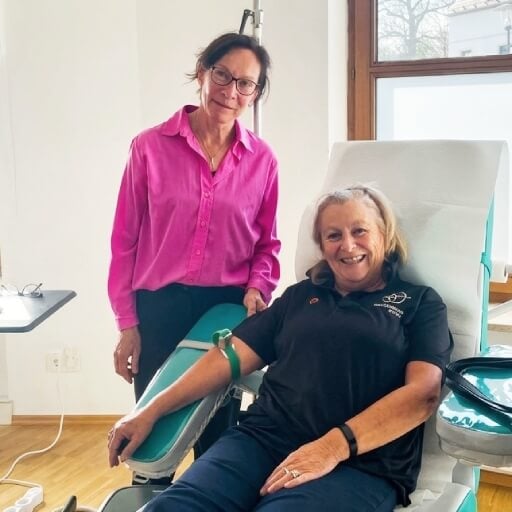
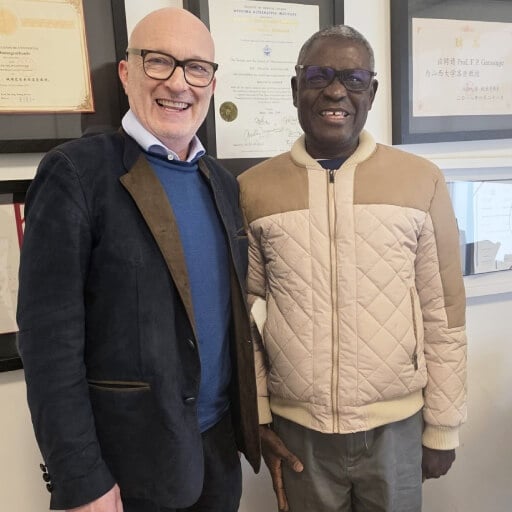
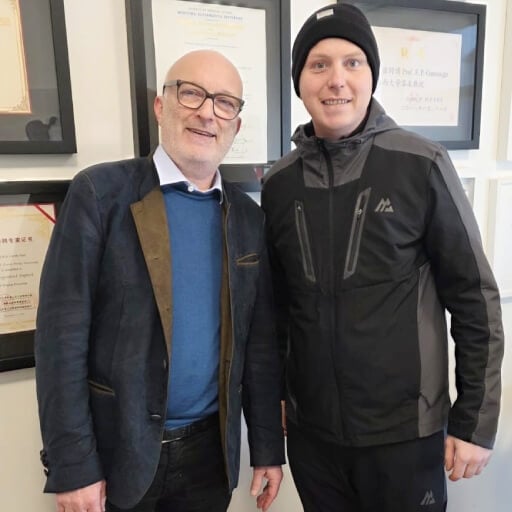
LDG Laboratories – Professor Gansauge (Berg)
The LDG Laboratories, under the direction of Professor Gansauge, is considered one of the most reputable centers in Europe. The clinic has more than 22 years of practical experience and its own GMP-certified vaccine preparation laboratory.
Features: Professor Gansauge applies a strictly personalized approach that includes individual antigen loading and strict quality control to achieve maximum immune response.
Why choose this clinic: thanks to unique monitoring protocols and vast experience in the field of cellular technologies, patients receive a high level of safety and an individual strategy to combat fibrosis.
IOZK (Immune and Oncology Center, Cologne)
IOZK is a world-renowned institution specializing in combined immunotherapy methods. The center is very popular among international patients due to its modern infrastructure and comprehensive approach to treatment.
Features: The center is known for the combination of cell therapy with virotherapy and hyperthermia, which allows creating a multi-vector effect on pathological processes in the body.
Advantages: The high level of scientific research and experience with the most complex clinical cases make IOZK one of the flagships of innovative medicine in Germany.
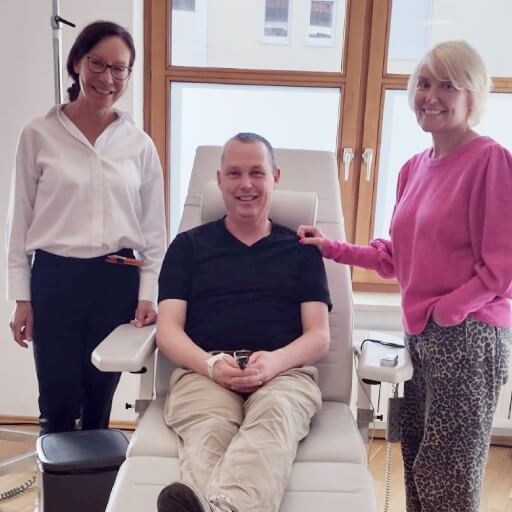
Praxisgemeinschaft für Zelltherapie (Duderstadt)
Specialized practice in Duderstadt offers cell therapy in conditions of comfortable outpatient treatment. This clinic is known for its integrative approach and special attention to the psychological comfort of the patient.
Features: The clinic is ideal for those who value individual attention in a calm, stress-free atmosphere.
Advantages: The facility has proven success in the treatment of chronic diseases and has a high level of trust among patients from all over the world, thanks to the combination of traditional care and the latest cellular technologies.
The choice of a clinic in Germany guarantees patients access to the highest level of medical standards, where each stage – from blood collection to the administration of a ready-made pulmonary fibrosis and pneumonia vaccine – is performed with German accuracy and scientific validity.
Cost of Dendritic Cell Therapy for Pulmonary Fibrosis in Germany
The issue of the cost of treatment is one of the key issues when choosing a therapeutic strategy. At Booking Health, our mission is to provide patients with transparent, reliable, and up-to-date information that will help them make informed health choices. We rely on the principles of medical objectivity, analyzing data from the world's leading clinics and scientific centers.
The cost of immunotherapy with dendritic cells varies significantly depending on the country where the treatment is carried out. It is important to consider not only the financial aspect, but also the availability of the technology: in many countries, patients face the problem of extremely long waiting times (queues) for the production of a personalized vaccine. Pulmonary fibrosis doesn’t always "give" patients time for waiting.
Today, the situation with regard to availability and cost is as follows:
Germany: Considered the gold standard for "price-quality". Thanks to a developed network of specialized laboratories and many years of experience, the cost of the course here is between €20,000 and €38,000. German clinics ensure a quick start of the process without a long wait.
USA: Therapy is affordable, but its cost is the highest in the world and ranges from €100,000 - €150,000 per course, often making it financially unattainable for many patients.
United Kingdom and Australia: At present, this innovative treatment method specifically for pulmonary fibrosis is not available in widespread clinical practice in these countries.
The Booking Health team constantly monitors updates in the medical field so that you only have verified facts. Below we have prepared a table of costs in different countries.
The cost analysis of dendritic cell therapy by country (2026)
Country
Germany
GB
USA
Australia
Cost
€20,000 - €38,000
Not available
€100,000 - €150,000
Not available
Increasing the Effectiveness of Dendritic Cell Therapy in Pulmonary Fibrosis by Combining It with Other Treatments
The most progressive strategy for combating idiopathic pulmonary fibrosis (IPF) today is considered to be a multimodal approach. The combination of innovative dendritic cell immunotherapy with traditional and auxiliary methods allows not only to slow down the biological destruction of the lungs, but also to significantly improve the quality of the patient's daily life. Complex treatment is aimed at all links of pathogenesis at the same time: from inhibition of scarring to physical rehabilitation.
The integration of different therapeutic directions allows to achieve stabilization of the condition even in cases that were previously considered refractory:
Antifibrotic pharmacotherapy: using these drugs together with dendritic cells creates a double barrier. While the drugs inhibit the activity of tyrosine kinases, immunotherapy carefully removes already existing aggressive fibroblasts.
Pulmonary rehabilitation: special physical exercises improve tolerance to exertion and help the lungs use the stored volume more effectively.
Oxygen therapy: the usage of high-flux nasal cannulas (HFNC) ensures optimal blood oxygen levels, reducing the load on the heart and preventing hypoxemia.
Psychological support: working with anxiety and depression with anxiolytics or psychotherapy is critical to maintaining patient motivation for treatment [9]
For patients at the terminal stage, a comprehensive approach includes preparation for lung transplantation as the only radical method.
Combining these techniques creates a holistic system of body defenses. However, behind each medical protocol is a real person with his own history of struggle, fears, and victories. To understand how these complex scientific mechanisms work in practice and how immunotherapy changes everyday life, it is worth turning to the experience of those who have already gone through this path.
Below, we present the story of one of our patients who agreed to share his results and personal impressions of taking a course of dendritic cell therapy in Germany.
Patient Stories of Dendritic Cell Therapy for Pulmonary Fibrosis with Booking Health
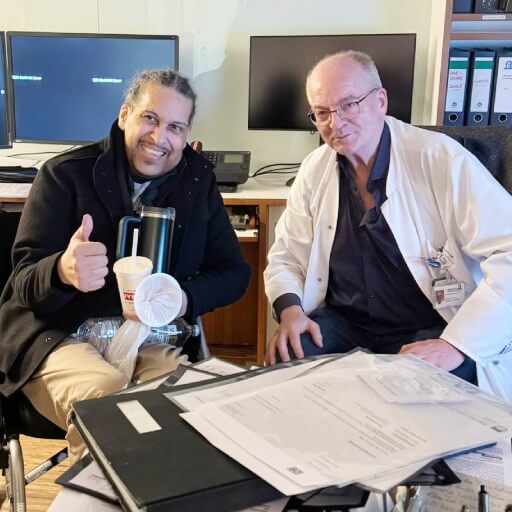
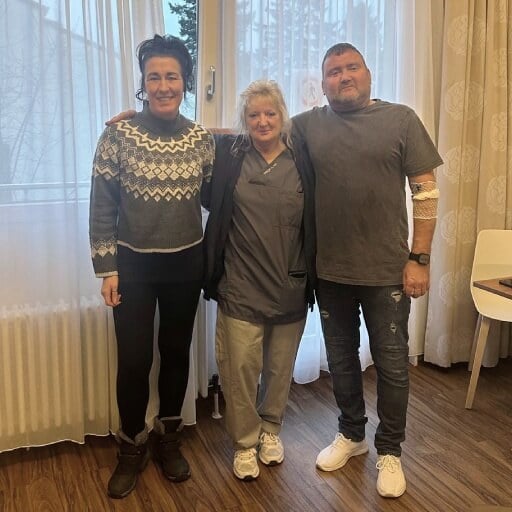
Francis Bekele's case illustrates what becomes possible when precision immunotherapy is applied where conventional approaches have already been exhausted. At 43, this mining company worker from Accra, Ghana, faced a condition that threatened not only his livelihood but his capacity to perform the most basic physical tasks. The disease had not arrived without cause. Living and working near active mining operations, Francis developed pulmonary fibrosis complicated by pneumothorax in 2018 – a combination in which occupational dust exposure accelerated a fibrotic process that standard medical intervention in Ghana was unable to slow.
Despite treatment with corticosteroids and antibiotics over a two-year period, Francis continued experiencing severe breathlessness, chronic cough, chest pain, and fatigue that made short walks impossible. He was hospitalized at Agogo Presbyterian Hospital on five or six separate occasions, with no measurable improvement in functional capacity between admissions. The turning point came through an indirect route. A friend based in the UK, familiar with the international latest treatment for pulmonary fibrosis, connected Francis with a specialized center in Germany – where he received dendritic cell therapy targeting the underlying immune dysfunction driving his fibrosis.
The reported transformation has been substantial. Francis describes his current condition as approximately 80-90% recovered – able to walk distances without significant breathlessness, perform daily tasks independently, and return to work. Before treatment, supplemental oxygen was required for even minimal exertion. Thus, dendritic cell therapy can offer functional recovery in patients for whom conventional medicine had effectively reached its ceiling.
VIDEO
DENDRITIC CELL THERAPY IN GERMANY FOR PULMONARY FIBROSIS
Dendritic Cell Therapy for Pulmonary Fibrosis in Germany with Booking Health
Finding the best treatment strategy for your clinical situation is a challenging task. Being already exhausted from multiple treatment sessions, having consulted numerous specialists, and having tried various therapeutic interventions, you may be lost in all the information given by the doctors. In such a situation, it is easy to choose a first-hand option or to follow standardized therapeutic protocols with a long list of adverse effects instead of selecting highly specialized innovative treatment options.
We are a group of doctors with over 12 years of experience in medical tourism. Our team provides comprehensive solutions for finding and implementing personalized treatment programs abroad, focusing on the following aspects:
Solutions for complex clinical cases: development of individual medical protocols where standard schemes do not produce results.
Access to innovation: enabling patients to undergo dendritic cell therapy and other advanced techniques not available in most countries.
Highly qualified support: medical consultations and support by expert doctors at every stage – from the first request to the end of therapy.
Maximum therapeutic effect: implementation of all available combinations of treatments to achieve the best prognosis.
Long-term monitoring: we stay in touch with the patient even after returning home, providing medical support in the post-rehabilitation period.
To make an informed choice and get a personalized management plan, which will be tailored to your specific clinical situation, consult medical experts at Booking Health. Being at the forefront of offering the latest medical innovations for already 12 years, Booking Health possesses solid expertise in creating not only complex cancer management programs in each case. As a reputable company, Booking Health offers personalized pulmonary fibrosis treatment plans with direct clinic booking and full support at every stage, from organizational processes to assistance during treatment.
We provide:
Assessment and analysis of medical reports
Development of the medical care program
Selection of a suitable treatment location
Preparation of medical documents and forwarding to a suitable clinic
Preparatory consultations with clinicians for the development of medical care programs
Expert advice during the hospital stay
Follow-up care after the patient returns to their native country after completing the medical care program
Taking care of formalities as part of the preparation for the medical care program
Coordination and organization of the patient's stay in a foreign country
Assistance with visas and tickets.
A personal coordinator and interpreter with 24/7 support
Transparent budgeting with no hidden costs
Health is an invaluable aspect of our lives. Delegating management of something so fragile yet precious should be done only to experts with proven experience and a reputation. Booking Health is a trustworthy partner who assists you in pursuing stronger health and a better quality of life. Contact our medical consultant to learn more about the possibilities of personalized treatment with innovative methods for pulmonary fibrosis with leading specialists in this field.
We do our best so you can focus on the main goal of your recovery as long as we take care of all the organizational details of your journey to health.
Dendritic Cell Therapy: Patient Stories with Booking Health
Ronald John C. (Canada), May 2026
Tommy G. (Ireland), April 2026
Sarah M. (United Kingdom), April 2026
Diane O. (United Kingdom), March 2026
Faeqa M. (Bahrain), March 2026
Paul K. (United Kingdom), February 2026
Jared Todd M. (USA), February 2026
Emmanuel K. (USA), January 2026
Peter H. (United Kingdom), January 2026
Patrick D. (Ireland), December 2025
Monica A. (Croatia), October 2025
Robert B. (USA), September 2025
David D. (United Kingdom), September 2025
Sargon B. (USA), August 2025
Frequently Asked Questions About Dendritic Cell Therapy for Pulmonary Fibrosis
What is pulmonary fibrosis and what causes it?
This is a disease of the lungs in which healthy tissue is replaced by scar tissue. Causes are environmental toxins, medications, family history of genetic changes, etc. And in many patients, despite thorough testing, no clear trigger appears.
What are the symptoms of pulmonary fibrosis?
Symptoms worsen over time – as lung function declines. These are cough (persistent, dry), shortness of breath during activity, fatigue, chest discomfort, and gradual weight loss.
Can pulmonary fibrosis be cured?
Although a cure is not that likely to happen, innovative treatment of idiopathic pulmonary fibrosis (dendritic cell therapy, stem cell treatments) can halt progression and improve lung function. They offer hope beyond conventional approaches.
What treatments are available for pulmonary fibrosis?
Antifibrotic medications, oxygen concentrator therapy, pulmonary rehabilitation, and innovative approaches like dendritic cell immunotherapy are available options. Treatment for idiopathic pulmonary fibrosis is personalized: based on disease severity and patient needs.
What is the difference between idiopathic pulmonary fibrosis and other types?
The distinction comes down to cause. Idiopathic lung fibrosis is a form of interstitial lung disease with an unknown cause. And typically worse prognosis. Other types have identifiable causes – like occupational exposures, medications, autoimmune conditions.
When is a lung transplant considered for pulmonary fibrosis?
Lung transplant is considered for patients under 65 with advanced disease who remain healthy enough for surgery. Limited organ availability means most patients never receive transplants and that is why new treatment for pulmonary fibrosis is crucial.
Does oxygen therapy help in pulmonary fibrosis?
Yes. Oxygen therapy helps maintain adequate oxygen saturation levels. It reduces strain on the heart and improves QoL. Many patients use portable oxygen during activities or continuous oxygen – as the disease progresses.
How fast does pulmonary fibrosis progress?
Progression varies significantly. Some patients experience rapid decline within months, others have slower progression over years. Regular monitoring helps track changes – and adjust treatment options for pulmonary fibrosis.
What is the life expectancy with pulmonary fibrosis?
Life expectancy varies widely depending on disease type and severity. IPF typically has 2-5 year median survival from diagnosis. Some patients live far longer than early estimates suggest. Prognosis informs decisions – it doesn’t define destiny.
Can pulmonary fibrosis go into remission?
Traditional lung fibrosis treatment cannot achieve remission. But breakthrough therapies like dendritic cell immunotherapy have shown potential to halt progression and even restore lung function.
Are there any new treatments or clinical studies for pulmonary fibrosis?
Yes, new pulmonary fibrosis treatment – including dendritic cell therapy and stem cells – is available. Booking Health can provide information about accessing these options.
How often should lung function be monitored?
Spirometry and pulmonary function tests are typically performed every 3-6 months to monitor disease progression. HRCT scans may be done annually – or when symptoms change significantly – to assess lung tissue changes.
Is pulmonary fibrosis considered a terminal illness?
Fibrosis of the lung is serious and progressive, but innovative pulmonary fibrosis treatment guidelines change outcomes. Pulmonary rehabilitation and respiratory therapy combined with newer immunotherapies offer hope for extended survival and improved quality of life.
What modern methods of pulmonary fibrosis treatment are used in severe stages of the disease?
In stage 4 pulmonary fibrosis, antifibrotic drugs, immunosuppressants, and innovative methods like dendritic cell therapy are used. It allows the immune system to destroy the cells that cause fibrosis, stopping the progression of the disease and stimulating the natural regeneration of lung tissue.
How much does dendritic cell therapy cost for pulmonary fibrosis?
The cost of dendritic cell therapy for pulmonary fibrosis in Germany is on average €20,000-38,000, depending on the individual program and combination with other methods. In the UK and the USA, prices are usually higher, while in Australia, this method is currently only available in a few clinics, mainly within the framework of clinical studies.
How effective is dendritic cell therapy for stage 4 pulmonary fibrosis than standard treatment?
Compared to standard treatment, which only slows the progression of fibrosis, dendritic cell therapy not only stops the progression but also promotes the regeneration of lung tissue. Patients show improved respiratory function, reduced cough, and less dependence on oxygen support.
How does dendritic cell therapy affect the lifespan of patients with pulmonary fibrosis?
Clinical data show that patients who receive dendritic cell therapy in the early and middle stages have a significantly improved prognosis. While standard drugs prolong life by a few months, innovative treatment can provide a significant increase in lifespan by reducing fibrotic lesions by up to 60-80%.
How does the mechanism of action of standard treatment differ from dendritic cell vaccine in stage 4 pulmonary fibrosis?
Standard therapy reduces inflammation in general, but does not affect the cells that produce scar tissue. Dendritic cell vaccine works in a targeted manner – it activates T-cells that destroy pathological fibroblasts, preserving healthy tissue and promoting its self-repair.
What are the side effects of traditional and innovative methods of treating pulmonary fibrosis?
Antifibrotic drugs often cause side effects in the gastrointestinal tract, liver, and skin. In contrast, dendritic cell therapy is much better tolerated – only short-term immune reactions are possible, without organ damage or a long recovery period.
Can dendritic cell therapy reduce the need for oxygen support in pulmonary fibrosis?
Yes, some patients experience a decrease in oxygen demand after therapy. Restoring natural breathing mechanisms and lung tissue elasticity allows for improved blood oxygen saturation and improved overall quality of life, even in stage 4 of the disease.
What country is the best for pulmonary fibrosis treatment using dendritic cells?
Germany is recognized for pulmonary fibrosis care (especially when advanced therapies like dendritic cell treatment are considered). Hospitals there combine close respiratory monitoring with specialized immunotherapy programs – ensuring patients receive personalized treatment.
Is pulmonary fibrosis curable?
There is no cure for pulmonary fibrosis. The new and best treatment for pulmonary fibrosis – like dendritic cell immunotherapy – is worth paying attention to. They restore repair mechanisms and thus reduce further fibrosis development.
Choose treatment abroad and you will for sure get the best results!
Authors:
This article was edited by medical experts, board-certified doctors Dr. Nadezhda Ivanisova, and Dr. Daria Sukhoruchenko. For the treatment of the conditions referred to in the article, you must consult a doctor; the information in the article is not intended for self-medication!
Our editorial policy, which details our commitment to accuracy and transparency, is available here. Click this link to review our policies.
Sources:
01. Golchin N, Patel A, Scheuring J et al. Incidence and prevalence of idiopathic pulmonary fibrosis: a systematic literature review and meta-analysis. BMC Pulm Med. 2025 Aug 7;25:378. doi: 10.1186/s12890-025-03836-1.[DOI][PubMed][PMC free article]
02. Roman Volchenkov, Florian Sprater, Petra Vogelsang, Silke Appel. The 2011 Nobel Prize in physiology or medicine. Scand J Immunol. 2012 Jan;75(1):1-4. doi: 10.1111/j.1365-3083.2011.02663.x.[DOI][PubMed]
03. Niroomand A, Lindstedt S. Current challenges in lung transplantation. J Intern Med. 2025 Apr;297(4):355-365. doi: 10.1111/joim.20072.[DOI][PubMed]
05. Koo Kang H, Woo Song J. Progressive Pulmonary Fibrosis: Where Are We Now? Tuberc Respir Dis (Seoul). 2023 Dec 18;87(2):123–133. doi: 10.4046/trd.2023.0119.[DOI][PubMed][PMC free article]
06. Micco A. Carpentieri E et al. Palliative care and end of life management in patients with idiopathic pulmonary fibrosis. Multidiscip Respir Med. 2023 Feb 21;18:896. doi: 10.4081/mrm.2023.896.[DOI][PubMed][PMC free article]
07. Alsomali H, Palmer E et al. Early Diagnosis and Treatment of Idiopathic Pulmonary Fibrosis: A Narrative Review. Pulm Ther. 2023 Feb 11;9(2):177–193. doi: 10.1007/s41030-023-00216-0.[DOI][PubMed][PMC free article]
08. Bocchino M, Zanotta S et al. Dendritic Cells Are the Intriguing Players in the Puzzle of Idiopathic Pulmonary Fibrosis Pathogenesis. Front Immunol. 2021 Apr 30;12:664109. doi: 10.3389/fimmu.2021.664109.[DOI][PubMed][PMC free article]
09. Senhaji L, Senhaji N et al. Idiopathic Pulmonary Fibrosis: A Comprehensive Review of Risk Factors, Genetics, Diagnosis, and Therapeutic Approaches. Journals. Biomedicines. Volume 14. Issue 1. doi: 10.3390/biomedicines14010090.[DOI]
10. Noboa-Sevilla MB, Hernández-González F et al. Evolving Concepts in Progressive Pulmonary Fibrosis: A Clinical Update. Journals. JoR. Volume 5. Issue 3. doi: 10.3390/jor5030014.[DOI]
11. Fonseca-Balladares DC, Costa G O.S. et al. Metabolic Checkpoints and Lymphoid Neogenesis in Lung Dendritic Cells: Mechanisms Guiding Tolerance and Chronic Lung Inflammation. Journals. IJMS. Volume 27. Issue 6. doi: 10.3390/ijms27062887.[DOI]
12. Marchelek EM, Nemeth A et al. Dendritic Cell Therapy in Immuno-Oncology: A Potentially Key Component of Anti-Cancer Immunotherapies. Journals. Cancers. Volume 18. Issue 1. doi: 10.3390/cancers18010123.[DOI]
thank you for reaching out! One of our medical advisors is currently reviewing your details. You can expect a call from us within one business day to discuss your request.
Note: The incoming call will appear as a German number or your local area code. This call is entirely free of charge.
Booking Health guarantees:
Expert Placement
We use rigorous statistical analysis to ensure you are treated at the best-rated facility for your specific diagnosis.
Total Cost Protection
No hidden fees or unexpected bills. We provide a fixed price guarantee, backed by insurance that covers any additional complications.
12-Month Extended Care
Your recovery is our priority. Benefit from a full year of direct medical support following your procedure.