





A comprehensive medical check-up is a structured, multi-specialist health evaluation — conducted over 1 to 3 days — that combines advanced laboratory panels, whole-body imaging, and functional diagnostics for early detection of a disease, assessing individual risk, and building a personalised prevention plan before symptoms appear.
Office work and a sedentary lifestyle have become a real trap for modern individuals. Research shows that prolonged sitting and lack of physical activity increase cardiovascular risks by 50%, the likelihood of weight gain by 20-30% [10], and cancer risk by 20-60%. Serious health problems can appear even at a young age.
If changing your lifestyle is impossible, regular medical examinations — check-ups — become especially important. A timely, high-quality preventive medical check-up will give you the information and tools to combat the hidden dangers of a sedentary lifestyle. But the hard part isn’t the tests — it’s knowing where to start; that’s what a coordinator takes care of.
Why Regular Health Screening Matters
Many chronic diseases develop silently, causing no alarm until late stages or life-threatening complications develop. High blood pressure, elevated cholesterol, and pre-diabetic conditions can remain undetected for years.
Regular medical examinations play a key role in identifying these "silent killers":
- Hypertension: leads to cardiovascular complications, including ischemic heart disease, myocardial infarction, aortic aneurysm, stroke, retinopathy, and chronic kidney disease [1].
- Type 2 diabetes: adversely affects blood vessels and nerve endings, causing diabetic nephropathy, retinopathy, polyneuropathy, diabetic foot syndrome, erectile problems in men, and other complications.
- Oncology: without timely diagnosis, progresses to late stages with metastasis to lymph nodes, bones, liver, lungs, and other vital organs, significantly reducing treatment effectiveness and worsening prognosis.
- Hyperlipidemia: causes vascular wall transformation with atherosclerotic plaque formation, arterial stenosis, and consequently, ischemic heart disease, myocardial infarction, and ischemic stroke [4].
- Osteoporosis: leads to hip, vertebral, and distal forearm fractures with prolonged immobilization, complications, significant quality of life reduction, and increased mortality.
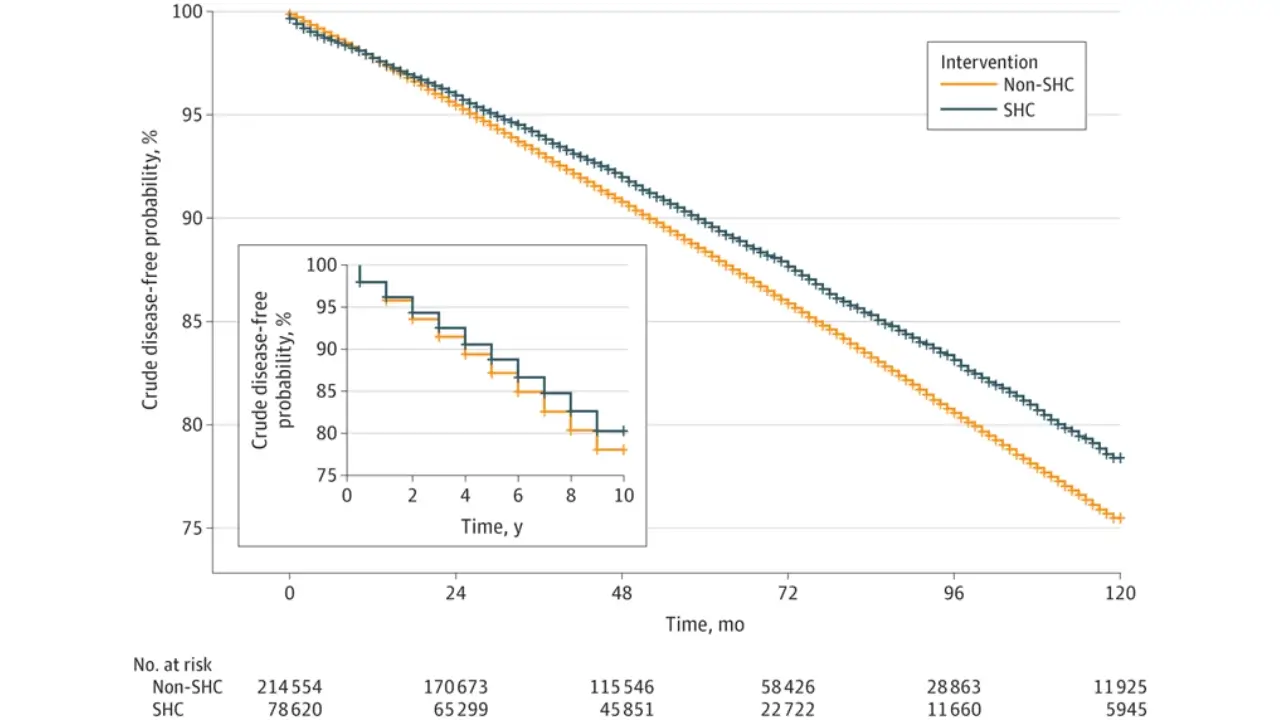
A preventive approach to health allows for detecting these and other diseases at an early stage when treatment is most effective. This approach enables you to ensure your health is in order and live with peace of mind, or identify individual risk factors and address them promptly before pathology develops.
How Often Should You Have a Medical Examination
The frequency of medical examinations depends on age, family history, and risk factors:
- Under 35:annual basic check-up
- 35-50 years:annual expanded examination
- Over 50 years:annual complete examination, including specialized oncology diagnostics and cardiology screening
- With risk factors present:individual examination schedule at least once a year
It’s important to remember that a preventive examination is not just a reaction to a problem but a proactive step toward maintaining health. This approach prevents disease development and promotes higher quality of life and wellness in the long term.
The diseases listed above share the same vulnerability: they are detectable early by the right combination of tests, and their consequences are largely preventable when that detection happens on time. An executive check-up in Germany is not a luxury — it is the diagnostic infrastructure that makes early detection reliable rather than incidental.
Full Medical Check-Up List: What Does a Full Body Examination Include?
The phrase "full body health check abroad" describes something specific: a diagnostic programme that evaluates every major organ system, not just those the patient suspects may be compromised. Where a targeted examination follows a complaint, a full body examination follows a systematic map — laboratory tests, imaging, functional, and specialist — covering the cardiovascular, metabolic, oncological, neurological, musculoskeletal, and endocrine systems in a single clinical encounter.
Comprehensive Diagnostics and Imaging
The full body check-up includes expanded laboratory tests and instrumental diagnostics:
- Expanded blood tests: general and biochemical analysis in an advanced laboratory, expanded lipid profile, hormonal profile, vitamin and microelement analysis, tumor markers
- Modern imaging methods: whole body MRI / low-dose CT, ultrasound, Doppler sonography of vessels
- Functional tests: cardiology evaluation with stress tests, spirometry, obstructive sleep apnea test
- Specialized tests: densitometry, assessment of body immunology
During the comprehensive medical check-up in Europe, the latest-generation equipment is used, ensuring maximum accuracy and informativeness of examinations.
Consultations with Specialists from Various Fields
The executive program includes consultations with leading specialists:
- Therapist/family doctor for general coordination
- Cardiologist
- Gastroenterologist
- Endocrinologist
- Neurologist
- Dermatologist
- Urologist (for men)
- Gynecologist (for women)
- Ophthalmologist
- Orthopedist
- Nutritionist
- Anti-aging medicine specialist
Each specialist conducts a thorough examination in their field and contributes to forming an overall picture.
Personal Health Improvement and Prevention Plan
Based on examination results, the patient receives:
- Detailed medical report with all examination results
- Personalized plan with recommendations on nutrition, physical activity, and lifestyle
- Individual risk reduction program for disease prevention
- Further observation plan indicating an optimal frequency of follow-up examinations
- Recommendations for vitamin and supplement intake if necessary
- Support — the possibility of remote consultations after returning home
An important advantage is the comprehensive approach — doctors consider the body as a unified system, allowing identification of the root of health problems and offering the most effective solutions.
The remote consultations after returning home are not a formality — they are the mechanism through which the check-up’s value extends beyond the three days spent in Germany. A cardiovascular risk identified during imaging, a hormonal imbalance detected in blood tests, a pre-diabetic marker requiring monitoring: each of these requires a follow-up protocol that the patient’s home physician must understand and act on. Booking Health maintains communication with the German clinic after the patient returns home, ensuring that findings are relayed, questions answered, and the personalized prevention plan actually followed rather than filed away.
Health Check-Up Programs by Duration and Scope
Not every patient requires the same depth of evaluation, and the structure of modern check-up programs reflects that. Duration drives scope, but scope must be matched to risk profile, age, and the specific health questions the patient brings to the clinic.
Basic Check-Up
A single-day check-up covers the essential laboratory panel — full blood count, basic metabolic markers, urinalysis — alongside a standard ECG, blood pressure assessment, and consultation with a general internist. It establishes a health baseline and identifies acute abnormalities, but its compressed scope means it cannot address imaging, specialist consultations beyond one discipline, or functional testing in depth. For healthy individuals under 35 without significant family history or risk factors, it provides a meaningful annual reference point. For patients over 40, or those with any identified risk, it is the floor — not the ceiling.
Comprehensive Full Body Check-Up
The two-to-three-day programme is where a comprehensive health check becomes fully accessible. This is the structure in which whole-body MRI and low-dose CT are standard, in which the expanded laboratory panel runs to tumor markers, hormonal profiling, and advanced lipid fractionation, and in which the patient moves through eight to twelve specialist consultations within a coordinated clinical schedule [3].
Leading clinics for full body health check in Europe — particularly in Germany, Switzerland, and Austria — run these as integrated inpatient-style programmes, often in dedicated executive health units, where all diagnostic infrastructure is housed under one roof and results are processed in parallel rather than sequentially. The result is that a programme requiring twelve separate outpatient appointments in a conventional healthcare system is compressed into three clinical days without loss of diagnostic depth.
Specialized Health Screening Programs
Focused screening programmes serve patients whose risk profile concentrates in a specific domain. A cardiac screening programme deploys coronary CT angiography, carotid intima-media thickness measurement, advanced lipid profiling, and stress echocardiography to build a precise cardiovascular risk picture — the appropriate choice for patients with hypertension, family history of heart disease, or metabolic syndrome.
An oncology screening programme integrates whole-body MRI with tumour-marker profiling and colonoscopy, addressing the detection gap that standard check-ups address only partially.
Women’s health programmes combine gynaecological oncology screening (cervical cytology, mammography or breast MRI, transvaginal ultrasound) with hormonal and thyroid evaluation, bone density assessment, and cardiovascular profiling [6]. Men’s health programmes address prostate health, testosterone and metabolic profiling, and urological assessment alongside the standard cardiovascular and oncological workup.
Neurological screening is increasingly relevant for patients over 50 or those with cognitive concerns, incorporating cerebral MRI, neurocognitive testing, and carotid Doppler evaluation.
Executive (Private) Health Check-Up
The executive health check-up — sometimes described as a private or premium programme — extends the comprehensive model in two directions: diagnostic depth and service infrastructure. Diagnostically, it adds genetic profiling, advanced immunological assessment, microbiome analysis, and expanded oncological imaging to the comprehensive base [9]. The extended timeline allows for cardiology stress testing, sleep laboratory evaluation, and subspecialty consultations that a two-day programme cannot accommodate without compression. The full medical check-up list:
- Advanced diagnostics: comprehensive blood and urine analyses, including tumor markers, hormonal profile, genetic research
- Imaging: MRI, CT, ultrasound examination, densitometry
- Functional testing: stress tests, spirometry, electrocardiogram with load
- Multidisciplinary approach: consultations with specialists from various fields
- Personalized approach: individual examination plan taking into account the patient’s wishes and needs
- Comfort and confidentiality: no queues, separate rooms and VIP zones, personal coordinator
The service dimension is the other defining feature: no waiting time, private consultation rooms, a personal medical coordinator who manages the patient’s schedule and acts as a continuous point of contact, VIP transfer from the airport, and accommodation arranged to clinical standards rather than hospitality ones.
Comparison of Check-Up Programs
| Criterion | Basic Check-Up | Comprehensive Full Body Check-Up | Executive Health Check-Up |
|---|---|---|---|
| Duration | 1 day | 2–3 days | 3+ days |
| Imaging | Basic ultrasound | Whole-body MRI, low-dose CT, extended ultrasound | Full imaging + genetic & immunological profiling |
| Lab panels | Standard blood & urine | Expanded incl. tumor markers, hormones, vitamins | Maximum panel incl. genetic risk, microbiome |
| Specialist consultations | 1–2 | 8–12 | 12+ subspecialties |
| Results turnaround | Standard | 24–48 hours | 24 hours with same-day preliminary briefing |
| Prevention plan | General advice | Detailed personalised plan | Individual risk-reduction programme with follow-up protocol |
| Service level | Standard | Premium | Personal coordinator, VIP transfer, private facilities |
Prices for comprehensive executive check-up in leading European hospitals start from €12,974. This includes a full spectrum of diagnostic procedures, consultations with all necessary specialists, and creating a personalized treatment or prevention plan.
Why Choose a Health Screening Abroad
The decision to pursue a check-up abroad is not primarily driven by price — it is driven by access. In most high-income countries, assembling a comprehensive diagnostic picture through the domestic healthcare system requires navigating referral chains, specialist waitlists, and imaging queues that can extend the process over three to six months, with no single physician responsible for integrating the results [2]. A check-up program abroad concentrates that entire diagnostic sequence into one to three days at a single facility — which means the patient receives a unified medical picture rather than a collection of disconnected reports.
Germany has established itself as the reference destination for this model, not because of marketing but because of measurable infrastructure. German hospitals consistently rank among the highest in Europe for diagnostic accuracy, equipment generation, and clinical outcome data; the country’s "Vorsorgeuntersuchungen" preventive examination programme is among the most structurally developed in the world, adapted for different age groups and risk profiles and embedded within a healthcare culture that treats prevention as a clinical discipline rather than a wellness trend.
The practical advantages include complete examination within 1–3 days rather than several weeks of separate appointments; strict European data protection standards governing medical confidentiality; access to diagnostic methods not routinely available in many countries’ domestic systems; and a holistic clinical assessment in which the body is evaluated as an integrated system — not as a set of organ-specific concerns distributed across unconnected specialists [7].
Best Destinations for Medical Check-Ups: Costs & Availability
Medical Check-Up in the USA
The United States has world-class diagnostic technology and elite specialist expertise concentrated in its major academic centres — yet for the patient seeking a comprehensive preventive check-up, the system’s design works against them. Access depends on either navigating a fragmented, insurance-gated referral chain or paying out-of-pocket at executive health programs whose waitlists for non-acute international patients frequently extend to three to six months [2]. The infrastructure for coordinated multi-specialist preventive screening exists at institutions like Mayo Clinic and Cleveland Clinic, but it sits inside a healthcare model built around acute intervention rather than prevention — which means the patient has to work against the system’s grain to reach it.
Medical Check-Up in the UK
The National Health Service provides condition-specific screening at defined age thresholds, but a full-spectrum preventive check-up sits entirely outside that framework. Private hospitals in London and other major cities offer comprehensive programmes that meet the highest standards of European clinics — physician training, regulatory oversight, and equipment generation are comparable to Germany — but the structural constraint is capacity. Waitlists for coordinated multi-specialist programmes in the UK private sector regularly run to two to six weeks, and the integrated one-facility model that makes a German check-up possible in two days requires considerably more assembly time in the British context.
Medical Check-Up in Canada
Canada’s public system does not cover comprehensive preventive check-ups beyond age-specific condition screening, and the private sector alternative is geographically concentrated in Toronto and Vancouver. For international patients, the coordination challenge is the same as for domestic ones: assembling whole-body imaging, expanded laboratory panels, and multi-specialist review across separate private providers takes time that the German integrated model does not require. The programmes available are clinically sound; the gap is structural rather than qualitative.
Medical Check-Up in Australia
Australia has a well-developed medical tourism infrastructure oriented toward inbound patients from Southeast Asia, and its private health facilities offer preventive screening of genuine scope. For patients travelling from Europe or North America, however, the distance introduces a cost and time burden that shifts the comparison decisively toward European destinations offering equivalent programme quality. The domestic private market runs comprehensive programmes, but the travel overhead changes the calculus for patients whose primary concern is diagnostic depth rather than geography.
Medical Check-Up in Germany
Germany holds the reference position among European check-up destinations for reasons that are structural rather than reputational. Equipment generation at leading diagnostic centres is consistently at the clinical frontier — 3T MRI systems, dual-source CT with sub-millisievert protocols, and PET-MRI for oncological assessment are programme standards rather than exceptional additions. The physicians running these programmes are not generalists adding preventive screening to an acute caseload; they work within dedicated preventive medicine units whose entire clinical focus is diagnostic depth and personalised risk stratification.
The model that makes Germany distinctive is interdisciplinary rather than merely multidisciplinary. A cardiologist, endocrinologist, oncologist, and neurologist do not simply examine the same patient in sequence — they review findings together and contribute to a single integrated report. That coordination infrastructure is what allows a two-to-three-day programme to yield the diagnostic picture that months of fragmented domestic referrals cannot reliably produce. Waitlists for international patients at coordinated German check-up facilities are typically one to two weeks. Results are available within 24–48 hours of programme completion. The combination of access speed, diagnostic scope, and integration is what positions Germany as the best country for a medical check-up across European markets.
Why Booking Health sends check-up patients to Germany. We recommend Germany for one reason: it produces a diagnosis you can rely on. German centres perform more MRI examinations than any other country in Europe — around 13.5 million a year — on equipment at the clinical frontier, where 3T MRI, dual-source low-dose CT, and PET-MRI are programme standards rather than exceptions [13]. But the decisive factor is not the machines; it is how the reading is done. A cardiologist, endocrinologist, oncologist, and neurologist review your findings together and sign one integrated report, instead of issuing separate opinions that never meet. That is what turns a stack of results into a correct diagnosis — one that does not need to be re-checked at home, and that your own doctor can act on with confidence. Results are ready within 24–48 hours, and international patients typically wait one to two weeks for a slot, not months.
Estimated Health Screening Prices by Country
*Prices are indicative and may vary by provider. Final costs and availability should be confirmed directly with the healthcare facility.
| Country | Basic | Comprehensive | Executive | Avg. Wait |
|---|---|---|---|---|
| Germany | From €2,500 | From €4,500 | From €12,900 | 1-2 weeks |
| UK | From £600 | From £4,000 | From £10,500 | 2-6 weeks |
| USA | From $3,000 | From $5,800 | From $14,000 | 1-3 months |
| Canada | From CAD $1,500 | From CAD $4,000 | From CAD $10,000 | 4-8 weeks |
| Australia | From AUD $1,200 | From AUD $3,500 | From AUD $8,000 | 2-5 weeks |
Patient Story: A Check-up in Germany Gave Me the Right Diagnosis
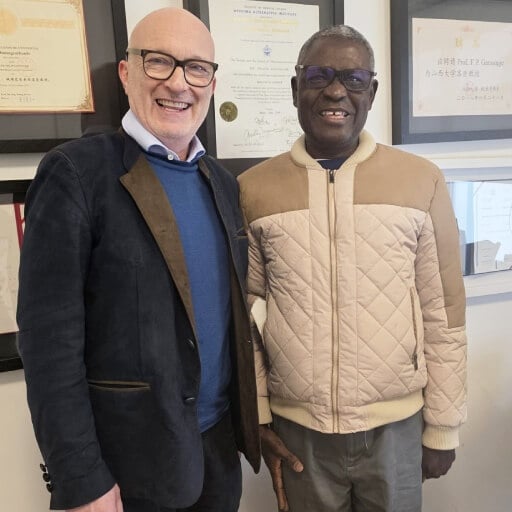
Akot Arech from South Sudan contacted Booking Health after unsuccessful attempts to determine the cause of chest and back pain in his country.
"South Sudan has problems with medical facilities and a shortage of medicines," says Akot. "That’s why I couldn’t get treatment in Juba — doctors couldn’t find the cause of my problems."
Before traveling to Germany for a complete medical check-up, Akot was given several incorrect diagnoses. "I was in Dubai for almost a year and a half, and doctors at that hospital told me I had an autoimmune disease. I was very scared for my life."
In the German hospital, Akot was diagnosed with bronchitis and heart valve problems – the true causes of his chest and back pain. "In Germany, they discovered completely different causes of my problems, not those mentioned before. I’m definitely better now. Before treatment, I lost a lot of weight due to pain, but after starting German medication, my condition improved significantly."
Akot highly appreciated the full body scan in Europe organization: "I really appreciate what you did for me. You organized everything, helped prepare document packages and obtain a visa, and provided an interpreter who accompanied us at the hospital. Everything was done very quickly — in less than two weeks."
"Less than two weeks" covers document preparation, visa processing, clinic scheduling, flight, accommodation, and an interpreter — all handled simultaneously rather than one step at a time. For Akot, who had already spent a year and a half in the wrong diagnostic pathway, that speed was not a convenience. It was the difference between another extended detour and a correct answer. Booking Health’s parallel coordination is the specific mechanism that made two weeks possible where months had already been lost.
Medical Check-Up Abroad
The argument for a medical tourism full body check-up is not medical snobbery — it is diagnostic logic. In most domestic healthcare systems, comprehensive preventive screening is either not covered, not available within a reasonable timeframe, or structurally fragmented across providers who do not communicate with each other. The patient who needs whole-body imaging, a hormonal panel, oncological markers, and specialist reviews of the results faces a coordination problem that their GP cannot solve quickly enough to be useful.
Traveling for a health screening in Europe solves this structurally. The concentrated diagnostic model — all examinations, all specialists, all results within one to three days at one facility — eliminates the coordination gap and replaces it with an integrated clinical picture delivered while the patient is still present to discuss its implications. Six reasons consistently drive the decision:
Time efficiency is typically the primary factor. Completing a full evaluation in three days, rather than across three months of domestic referrals, is not a premium — it is the condition under which a busy patient can actually access comprehensive preventive care without it displacing everything else in their life.
Diagnostic depth is the second. Methods unavailable or inconsistently available domestically — whole-body MRI, low-dose CT with coronary calcium scoring, PET-based oncological screening, genetic risk panels — become routine components of the programme rather than exceptional additions.
Confidentiality matters for patients in professional environments where a preventive health evaluation, if known, could attract unwanted scrutiny. European medical data protection standards, particularly under GDPR, provide a structural guarantee that few other systems match.
Holistic integration — the fact that twelve specialists reviewing one patient’s results produce a unified clinical picture rather than twelve separate opinions — is the structural advantage that domestic fragmented systems cannot replicate without significant deliberate effort [8].
Long-term value is the compounding argument. Identifying a pre-diabetic state at 45 rather than at 55, or a calcified coronary artery before an event rather than after, changes the trajectory of the next decade, not just the clinical management of the next year [5].
Continuity after return is the element most often underestimated. The value of a comprehensive check-up is fully realised only when its findings are acted upon — which requires that the patient’s home physician understands the results, can follow the recommended protocol, and has a channel for questions when they arise. Well-organised medical coordinators maintain communication between the German hospital and the home physician after the patient returns, making implementation of the prevention plan a realistic expectation rather than an optimistic one.
How to Book a Medical Check-Up Abroad with Booking Health
What Booking Health does during your check-up. You are responsible for one decision — to start. Everything after it is ours. Booking Health reviews your history and current concerns, selects the programme and clinic that fit your case rather than the one that markets hardest, arranges the schedule so that specialists and equipment are ready before you arrive, and stays with you through language, logistics, and the final consultation. Our purpose is narrow and complete: the shortest, best-founded path to one reliable picture of your health — and to the person who can explain what it means.
The process of arranging the best medical check-up in Europe is simpler than most patients expect — because the complexity is managed on their behalf rather than delegated to them. This is how to book a medical check-up abroad through Booking Health:
- Submit a medical inquiry with your health history, current concerns, and programme preferences. A medical coordinator reviews the information and proposes the most appropriate clinic and programme for your profile.
- Receive a personalised programme proposal including a programme outline, cost breakdown, and clinic profile — with options at different scope levels so the choice is informed rather than assumed.
- Confirm the booking and dates. The coordinator handles all clinic-side scheduling, ensuring that specialists and diagnostic equipment are allocated to your programme dates before you travel.
- Document and visa support. For patients requiring medical visas, the coordinator prepares the documentation package and guides the application process — the step that, without support, most often delays or derails the plan.
- Travel and accommodation arrangements are coordinated alongside the clinic booking — not as a separate process but as parallel logistics, which is the specific mechanism that compresses the total lead time from months to weeks.
- Airport transfer and clinical orientation on arrival. A coordinator or interpreter accompanies the patient through the clinical environment, ensuring that language is not a diagnostic obstacle.
- Programme delivery across one to three days, with results interpreted and delivered through a final consultation before departure.
- Post-return follow-up. The medical coordinator maintains communication with the hospital on the patient’s behalf, relaying findings to their home physician and answering clinical questions as the prevention plan is implemented.
The most important thing to know before you start is that knowing where to start is not your responsibility — it is the coordinator’s. The gap between "I should get a medical check-up in Europe" and "I have booked a comprehensive check-up in Germany for international patients" is bridged by one conversation.
A Medical Journey: Every Step of the Way With Booking Health
A comprehensive check-up produces a great deal of data. Its value is not in the data — it is in walking away with one clear, complete, and reliable picture of your health. That is what Booking Health exists to deliver.
A result you can hold in your hands. Behind every programme is a team whose only job, for more than 12 years, has been to match the right patient to the right clinic. Our medical coordinators — physicians among them — have organised care for over 100,000 patients from more than 75 countries, and rank clinics against 400+ quality indicators before recommending one. For you that means something simple: for a fair price and in a matter of days, you leave not with a folder of disconnected test results, but with a single, complete report on the state of your health — the questions answered, the risks named, the next steps clear. And that report is more than paperwork. It is the difference between hoping and knowing: patients who follow this level of early, in-depth screening go on to avoid the manifestation of serious conditions such as cancer and cardiovascular disease in roughly 95% of cases, against a global average below 70%. Behind that number is the only thing it was ever about — the freedom to live fully, and to enjoy that life, without the quiet weight of the unknown.
Speed that changes the answer, not just the schedule. A full evaluation that would take three to six months of referrals at home is completed in one to three days, with results in 24–48 hours and urgent access within 48 hours of your first call. Because Booking Health works directly with the clinics and physicians, you skip the queue at a hospital's international office — where a patient applying alone typically waits two to three weeks just for a first answer. Documents, visa, travel, and scheduling are handled in parallel, not one step at a time — the same coordination that let one patient complete everything in under two weeks after eighteen months had been lost to the wrong pathway. Speed here is not convenience; it is learning the truth about your health while that truth still changes what you can do about it.
Peace of mind that lasts years, not weeks. You leave with a single written report signed off by German board-certified specialists — a status that in Germany requires 5 to 6 years of structured specialty training and a state board examination beyond medical school [12]. Several of them — a cardiologist, endocrinologist, oncologist, neurologist — review your findings together, so the conclusion is cross-checked before it ever reaches you, within a system where a documented second opinion is a patient right written into law [14]. A picture assembled this way is one you can rely on: for the next five to ten years you are not left wondering whether something was missed or whether it all needs checking again. It already has been.
We rely on facts, are honest about what the information does and does not show, and speak plainly —- without pressure or promises that cannot be guaranteed. To take the first step, contact a Booking Health medical consultant.
Booking Health holds ISO 9001 quality certification, reflecting well-established processes and strict quality control at every stage of the treatment journey — not just at the initial consultation, but throughout.

Real Stories, Real Results: Meet Booking Health International Patients


Frequently Asked Questions of Our Patients About Medical Check-Ups
A comprehensive medical check-up includes expanded laboratory analysis (full blood count, biochemical panel, hormonal profile, tumor markers, vitamin status), advanced imaging (whole-body MRI, low-dose CT, vascular ultrasound and Doppler), functional diagnostics (ECG, stress testing, spirometry, sleep apnea assessment), and coordinated consultations with eight to twelve specialists covering cardiology, endocrinology, oncology, neurology, and gastroenterology. What is included in a medical check-up at the comprehensive level goes well beyond what a standard GP visit can offer — the diagnostic difference is not incremental, it is structural. The programme concludes with a personalised prevention plan and a follow-up protocol mapped to each identified risk.
In Germany, a basic one-day check-up starts from approximately €1,500; a comprehensive full body checkup covering whole-body imaging, extended labs, and multi-specialist consultations typically ranges from €4,500 to €10,000; an executive health check-up with genetic profiling, maximum diagnostic panel, and premium service infrastructure starts from €12,900. These figures reflect all-inclusive programme pricing — without the hidden accumulation of referral fees, imaging charges, and consultation costs that often make equivalent domestic evaluation more expensive than it initially appears.
Germany leads European medical tourism rankings for preventive check-up programmes, driven by the combination of diagnostic technology, physician specialisation in preventive medicine, short international patient waitlists, and integrated programme infrastructure. For patients prioritising proximity, Switzerland and Austria offer equivalent quality at comparable cost. For patients from North America who prefer English-language coordination, UK private clinics offer strong programmes — at higher cost and longer waitlists than Germany.
A basic check-up is a single day. A comprehensive full body check-up runs two to three days. An executive health check-up with maximum diagnostic scope and extended specialist consultations takes three or more days. Results are available within 24–48 hours of programme completion at leading European facilities — compared to up to two weeks for equivalent diagnostics assembled through fragmented domestic referrals.
Structurally, yes — and many patients do exactly that. The clinical programme occupies two to three days; travel to and from Germany typically adds two more. A week’s itinerary that includes the check-up, a recovery day, and several days in Munich, Berlin, or another European city is entirely practical. The more relevant consideration is sequencing: the check-up is best placed at the beginning of the trip, so that any findings requiring immediate attention can be addressed before departure rather than after.
Citizens of EU member states, the UK, USA, Canada, Australia, Japan, and a number of other countries do not require a visa for short-term stays in Germany. Citizens of countries that require a Schengen visa can obtain a medical visa by providing clinic confirmation, a programme outline, and proof of accommodation and travel insurance — documentation that a medical coordinator assembles as a standard part of the booking process. The visa step is manageable; the key is initiating it in parallel with clinic scheduling rather than sequentially. For those still deciding where can I get a full medical check-up, Germany offers the most accessible entry point.
Choose treatment abroad and you will for sure get the best results!
Sources:
01. Yusuf S, Hawken S, Ôunpuu S, Dans T, Avezum A, Lanas F, et al. Effect of potentially modifiable risk factors associated with myocardial infarction in 52 countries (the INTERHEART study): case-control study. Lancet. 2004;364(9438):937–52. doi:10.1016/S0140-6736(04)17018-9. [DOI]
02. Biswas A, Oh PI, Faulkner GE, Bajaj RR, Silver MA, Mitchell MS, et al. Sedentary time and its association with risk for disease incidence, mortality, and hospitalization in adults: a systematic review and meta-analysis. Ann Intern Med. 2015;162(2):123–32. doi:10.7326/M14-1651. [DOI] [PubMed]
03. Siegel RL, Miller KD, Jemal A. Cancer statistics, 2020. CA Cancer J Clin. 2020;70(1):7–30. doi:10.3322/caac.21590. [DOI]
04. Ettehad D, Emdin CA, Kiran A, Anderson SG, Callender T, Emberson J, et al. Blood pressure lowering for prevention of cardiovascular disease and death: a systematic review and meta-analysis. Lancet. 2016;387(10022):957–67. doi:10.1016/S0140-6736(15)01225-8. [DOI]
05. Tabák AG, Herder C, Rathmann W, Brunner EJ, Kivimäki M. Prediabetes: a high-risk state for developing diabetes. Lancet. 2012;379(9833):2279–90. doi:10.1016/S0140-6736(12)60283-9. [DOI]
06. Kanis JA, Johansson H, Harvey NC, McCloskey EV. A brief history of FRAX. Arch Osteoporos. 2018;13(1):118. doi:10.1007/s11657-018-0510-0. [DOI]
07. Steptoe A, Shankar A, Demakakos P, Wardle J. Social isolation, loneliness, and all-cause mortality in older men and women. Proc Natl Acad Sci USA. 2013;110(15):5797–801. doi:10.1073/pnas.1219686110. [DOI]
08. Goff DC Jr, Lloyd-Jones DM, Bennett G, Coady S, D'Agostino RB, Gibbons R, et al. 2013 ACC/AHA guideline on the assessment of cardiovascular risk. J Am Coll Cardiol. 2014;63(25 Pt B):2935–59. doi:10.1016/j.jacc.2013.11.005. [DOI]
09. Lauby-Secretan B, Scoccianti C, Loomis D, Benbrahim-Tallaa L, Bouvard V, Bianchini F, et al. Body fatness and cancer — viewpoint of the IARC Working Group. N Engl J Med. 2016;375(8):794–8. doi:10.1056/NEJMsr1606602. [DOI]
10. NCD Risk Factor Collaboration. Trends in adult body-mass index in 200 countries from 1975 to 2014: a pooled analysis of 1698 population-based measurement studies with 19.2 million participants. Lancet. 2016;387(10026):1377–96. doi:10.1016/S0140-6736(16)30054-X. [DOI]
11. Takeuchi M et al. (2024). "Universal Health Checkups and Risk of Incident Diabetes and Hypertension." JAMA Network Open, 7(12):e2451813. DOI: 10.1001/jamanetworkopen.2024.51813. [DOI]
12. Bundesärztekammer. (Muster-)Weiterbildungsordnung (MWBO) [Internet]. Berlin: Bundesärztekammer; [cited 2026 Jul 24]. Available from: https://www.bundesaerztekammer.de/en/work-and-training-in-germany
13. Eurostat. Healthcare resource statistics – technical resources and medical technology [Internet]. Luxembourg: Eurostat; [cited 2026 Jul 24]. Available from: https://ec.europa.eu/eurostat/statistics-explained/index.php?title=Healthcare_resource_statistics_-_technical_resources_and_medical_technology
14. Bundesministerium der Justiz. Sozialgesetzbuch (SGB) Fünftes Buch (V) – Gesetzliche Krankenversicherung. §27b Zweitmeinung [Internet]. Berlin: Bundesministerium der Justiz; [cited 2026 Jul 24]. Available from: https://www.gesetze-im-internet.de/sgb_5/__27b.html
Read:
01. One day diagnostics in Germany
02. Check-up in Germany - comprehensive medical examinations for an all round sound bill of health
03. Diagnosis in Germany - Accurate identification of the disease with a selection of timeous treatments