

MD Anderson Cancer Center (USA)
MD Anderson Cancer Center (USA), which has revolutionized targeted therapy approaches through sophisticated molecular profiling



Written by:
Reviewed by:
According to official statistics from the WHO in 2022, oncological diseases are now the cause of one in every six deaths worldwide [1]. This has encouraged the international medical community to develop new advanced stage 4 cancer treatment methods and increase the effectiveness of the already existing ones. This is particularly important for patients with late-stage cancer, where, due to the tumor's metastatic spreading, almost the entire body is affected.
In 2018, the Study of the Immune System in Patients with Malignancies [7] was awarded the Nobel Prize in Medicine [2]. The activation of a patient's own immunity and the training of his immune cells to recognize cancer cells is the basis of safe therapy for healthy tissues. This can be used even in the end-stage cancer. It is possible in customized treatment to adapt to the characteristics of the disease’s progression in a particular patient.
New effective treatments for stage 4 cancer are emerging from ongoing research in the world, impacting life expectancy and guiding consultants to recommend advanced screening and test procedures. The latest cancer treatments are raising awareness among patients and healthcare providers, while also prompting insurance companies to reevaluate coverage for 4th stage cancer treatment options, potentially improving access to cutting-edge therapies.
Classical medicine offers many possibilities in the treatment of cancer grade 4, which can affect a malignant neoplasm directly or through a modification of the tumor’s microenvironment [3]:
Depending on both the stage 4 tumor type and the patient's general condition, stage 4 treatments can be used in monotherapy or combination (for example, radiation therapy is complemented by symptomatic treatment, surgery is followed by chemotherapy, etc.). Recent breakthroughs in treating cancer at stage 4 span multiple specialties, from hematology to neurology, with promising results in prostate, lung, colon, liver, pancreatic, ovarian, cervical, and bone cancers, as well as pediatric malignancies. Advanced imaging techniques, including high-resolution ultrasound, are enhancing early detection and treatment monitoring across these cancer types, offering new hope for patients with stage 4 disease.
Despite the extensive arsenal of classical techniques available and the vast practical experience of their use, the classical approach to cancer treatment has several limitations [4]. These include:
Because standard protocols are designed for the broadest possible patient population, they are not built to account for what happens when that population's most difficult cases stop responding. The gap between what is available globally and what is offered locally is rarely explained to patients, because the physicians they consult most often have no practical access to what lies beyond it.
This is the specific problem that Booking Health, with over 20 years of experience in international oncology case management, was built to solve: not finding "another attempt," but conducting a structured review of what has been tried, identifying where the reasoning behind previous treatment choices broke down, and mapping that analysis onto the physicians and programs internationally that have documented results for that exact diagnosis.
CHECK IF A BETTER SOLUTION EXISTS FOR YOUWhen it comes to treatment, stage 4 cancer in Germany is managed using the main principle: the restoration of the body's own defenses, the immune system, and nonspecific antitumor mechanisms. The therapy provides a long-term result and the complete elimination of cancer cells. In classical medicine, the tumor and its metastases are removed artificially. However, alternative methods activate an "internal protection", which reveals metastases and groups of atypical cells, which may not be detected by even the most accurate medical equipment.
The conception of integrative medicine is characterized by the following aspects:
In leading European Cancer Centres, the doctors practice an integrated approach for metastatic stage 4 cancer treatment. In the Europe of the 21st century, the integrative approach includes potentially useful classical medical methods for the patient (for example, surgical removal of a tumor part) and complements these with alternative methods. It is a proven fact that the individual concept of comprehensive medical treatment gives the best clinical outcome.
When the disease reaches stage 4, conventional therapies begin to cost more than they return. Chemotherapy and radiation act broadly on healthy tissue alongside the tumor – which explains why their side effect profiles so often become the limiting factor in advanced disease. Immunotherapy with dendritic cells works because it recruits what the body already has: specificity. It reprograms the patient's own immune cells with tumor antigens and returns them to circulation with a precise mission, not a systemic one.
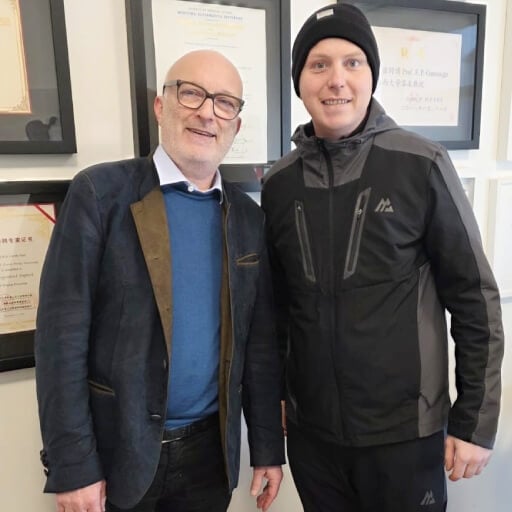
German medical centers have led this development for over two decades, with Professor Frank Gansauge among its earliest practitioners — implementing dendritic cell therapy since 2001, with documented outcomes across gastrointestinal tumors, prostate cancer, breast cancer, melanoma, and glioblastoma, including cases of extended survival and complete recovery. Treatment in Germany typically ranges from 20,000 to 38,000 EUR depending on case complexity and whether combination strategies are required. Tolerability is not a secondary consideration here: the therapy is well-tolerated precisely because it works with the immune system rather than overriding it.
The question patients rarely think to ask is not whether dendritic cell therapy works — it is whether the physician administering it has treated their cancer type enough times to have earned the protocol they are using. Glioblastoma and pancreatic cancer both respond to dendritic cell vaccines, yet the antigen targets, preparation methods, and combination strategies differ so substantially between them that a center's general competence in immunotherapy does not travel across diagnoses. Volume produces refinement. Refinement produces outcomes that general experience cannot replicate. Booking Health evaluates each case against documented treatment data — not institutional prestige — and identifies the specific physician whose track record maps to the patient's exact tumor profile and prior treatment history, because in a therapy this dependent on protocol precision, the right center and the merely good center are not the same choice.
VIDEO
Dendritic Cell Therapy
Hyperthermia is the heating of a body part, an anatomical area, or the whole body to an effective temperature of 38-42 °C. The normal vessels and capillary networks do not have enough time to form in fast-growing malignancies. Therefore, with a temperature increase, their blood flow decreases to almost zero. Without an adequate blood supply, the tumor and metastases do not receive the necessary nutrients and are quickly destroyed by the influence of their own toxic metabolic products. During this procedure for the treatment of 4 stage cancer in Germany, the periods of the body heating and cooling alternate, so it is well tolerated by patients.
One of the innovative types of thermotherapy is laser-induced interstitial thermotherapy (LITT) [5]. This procedure is performed using specialized equipment– the Nd: YAG-laser, which consists of a neodymium-doped yttrium aluminum garnet crystal. With the help of a miniature fiberglass applicator, the doctor delivers laser radiation directly to the tumor. During the treatment, the temperature in the target area reaches between 60 °C and 110°C, which leads to the tumor’s destruction.
LITT procedure is successfully used in stage 4 cancer and inoperable tumors of the liver, kidneys, lungs, breast, prostate, and other organs. LITT also allows doctors to carefully destroy metastases in parenchymal organs and lymph nodes. This procedure is the treatment of choice in patients with stage 4 cancer metastasized to the liver and lungs who may not survive after surgery.
The stage 4 cancer treatment prices (comprehensive medical program that includes hyperthermia and infusion therapy) typically range between 18,000 and 19,000 euros, varying based on the hospital's level and the treating physician's expertise.
Infusion therapy for cancer last stage treatment in Germany includes the introduction of many substances:
Depending on the type of malignancy and the results of histological diagnostics, other rare and specialized methods of stage 4 cancer treatments in Germany may also be used. The cost of cancer treatment in stage 4 with a program that includes hyperthermia and infusion therapy typically ranges between 18,000 and 19,000 euros, varying based on the hospital's level and the treating physician's expertise.
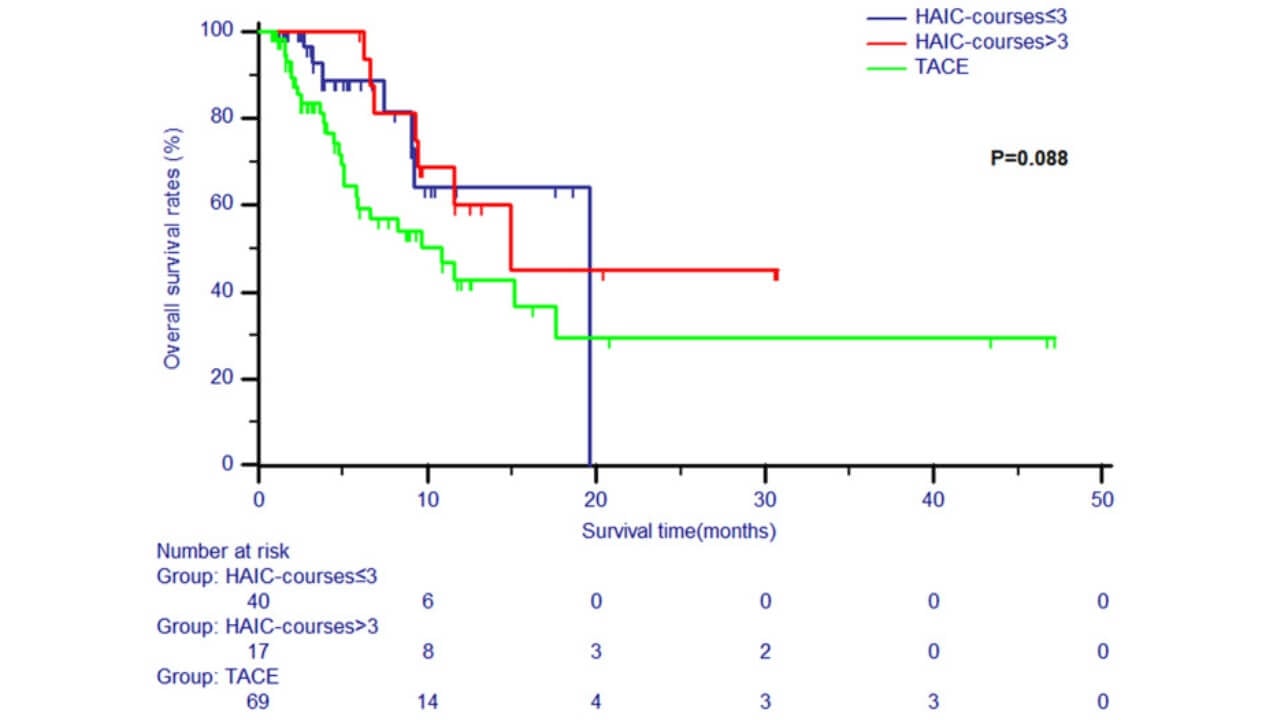
Transarterial chemoembolization (TACE) is among the stage 4 cancer new treatments. It has a local effect on the tumor, using high dosages of chemotherapy drugs. Embolization is successfully used in the stage 4 cancer treatment in Germany for tumors with an active blood supply, for example, liver cancer, breast cancer, and colorectal tumors. Unlike classical systemic chemotherapy, chemoembolization [6]:
Due to its excellent tolerability, TACE is performed on an outpatient basis and requires only a short inpatient stay. At the preparation stage, doctors conduct angiography, which is a contrast radiography allowing for precise imaging of the tumor vessels. The leading cancer clinics use only angiography devices with high image accuracy since it is important to identify all sources of blood supply. Also, CT, MRI, and PET-CT results are taken into account during stage IV cancer treatment in Germany.
During the procedure, a thin catheter is inserted into the femoral artery, which moves through the blood vessels and reaches the target area (for example, the hepatic artery). The next step is chemotherapy drug injection into the tumor. The artery is "blocked" with an embolus. There may also be used drug-coated microspheres (DEM), for example, LifePearl or HepaSphere microspheres.
Once TACE is completed, the catheter is removed and the femoral artery is covered with a pressure bandage for 3 hours. During the first few hours, the patient should stay in bed, after which he can return to his usual life. The next day after the intervention, the patient should have a follow-up CT scan to evaluate the effectiveness of treatment. If necessary, TACE will be repeated several times to completely block the smallest tumor vessels and make stage four cancer treatment in Germany the most effective.
With cancer stage 4, the cost of treatment with chemoembolization varies significantly, ranging from 6,500 to 24,000 EUR, depending on the hospital's level, the complexity of the case, and the tumor location. For instance, treating liver metastases is technically simpler and therefore less expensive than addressing adrenal metastases.
Traveling abroad for a procedure like TACE introduces a layer of complexity that has nothing to do with medicine — and yet directly affects outcomes, because a patient who arrives exhausted, disoriented, or without correctly translated imaging records is not in a position to begin treatment on schedule.
Booking Health coordinates the full pre-arrival infrastructure: direct communication with the treating physician, preparation of medical documentation in the clinic's required format, and complete travel logistics including flights, transfers, accommodation, and on-site interpretation — so that the patient's energy, on arrival, goes entirely toward recovery.
FIND THE RIGHT SPECIALIST FOR MY CASEVIDEO
Interventional Radiology
Regional chemotherapy overcomes a fundamental limitation of systemic treatment: drug dilution across the entire circulatory system, which means that only a part of it reaches tumors. This targeted approach isolates specific anatomical regions with the help of balloon catheters and creates closed treatment circuits where chemotherapy concentrations are 15-20 times higher than with conventional administration.
Regional chemotherapy for stage 4 oncology treatment in Germany employs 3 specialized techniques. Doctors choose the one depending on the localization of metastases:
Each method uses fluoroscopic guidance to position catheters precisely and ensure accurate regional isolation. What is important is that sophisticated blood filtration removes residual chemotherapy within 45 minutes after the procedure finishes. Patients treated in the morning often walk that same afternoon freely – what a contrast to conventional chemotherapy's side effects.
When we compare options for cancer treatment, stage 4 price for regional chemotherapy in Germany is approximately 45,000 EUR; it depends on the healthcare facility and individual health aspects.
Electro-chemotherapy (ECT) was created to overcome resistance mechanisms that limit conventional chemotherapy's effectiveness. Cancer cell membranes block chemomolecules through selective permeability, and ECT temporarily removes this barrier, with the help of controlled electrical pulses. [10]
The procedure positions specialized electrodes at calculated intervals around tumors, under imaging guidance. Computer-controlled generators deliver pulses synchronized with cardiac rhythm – preventing arrhythmia. Brief electrical fields create nanoscale temporary pores in tumor cell membranes. When pores are present, chemodrugs penetrate malignant cells at concentrations 70-80% higher than usual introduction permits.
German medical centers have refined this technique through thousands of procedures, learning which drugs penetrate optimally, which tumor types respond most dramatically, and how to combine electroporation with other methods, for synergistic effects. Treatment typically involves general anesthesia, it lasts 60-90 minutes. Most patients are discharged within 48 hours. The method aims to make stage 4 cancer cured or controlled.
The cost of electrochemotherapy ranges from 7,500 to 12,000 EUR. Electrochemotherapy cost includes specialized equipment, imaging guidance, anesthesia, and multidisciplinary coordination – expertise concentrated in select European centers with demonstrated technical mastery.
ECT is available in only a small number of European centers precisely because its effectiveness depends not on equipment alone but on accumulated procedural experience — which means the selection of the right facility is inseparable from the treatment decision itself.
For patients whose oncologists at home are unfamiliar with ECT, the barrier is not access to information but the absence of a clinical relationship with the centers that offer it.
Booking Health maintains direct working relationships with the specialized German and European programs where ECT is performed at volume, monitors emerging clinical evidence on electroporation combinations continuously, and identifies — for each individual case — whether ECT represents a standalone option or a component of a broader integrative protocol.
The advancement of stage IV cancer treatment options has brought encouraging improvements and hope. Different therapeutic approaches show varying degrees of success, with some newer methods demonstrating particularly promising results.
*Booking Health data. Survival rates vary widely depending on the type of cancer, the patient's condition, and specific circumstances.
**Booking Health data. Response rate is the number of patients who show improvement after treatment.
***The cost of treatment depends on the type of tumor, stage of cancer, and other factors.
| Treatment | 2-Year Survival Rate* | Response Rate** | Cost of treatment, €*** | Indications |
|---|---|---|---|---|
| Classical chemotherapy | up to 30% | up to 20% | 80,000 - 150,000 for the full course | diverse cancer types |
| Immunotherapy | up to 85% | up to 90% | 20,000 - 38,000 | diverse cancer types |
| Targeted therapies | up to 45% | up to 45% | 375,000 - 420,000 for the full course | diverse cancer types |
| LITT | up to 35% | up to 25% | on request | liver, brain tumors |
| CAR T-cell therapy | up to 50% | up to 40% | 450,000 - 550,000 | hematologic cancers |
| Hyperthermia + Immunotherapy | up to 45% | up to 75% | 20,000 - 38,000 | diverse cancer types |
| Chemoembolization | up to 50% | up to 80% | 6,500 - 24,000 | liver cancer, liver metastasis, breast cancer, etc. |
Recent data suggest that success rates continue to improve as treatment protocols evolve and new combinations are discovered. Healthcare professionals now have more tools than ever to create personalized treatment plans and achieve better outcomes.
The treatment of stage 4 cancer has evolved, with international medical centers standing at the forefront of innovation, such as:
MD Anderson Cancer Center (USA), which has revolutionized targeted therapy approaches through sophisticated molecular profiling
German Cancer Research Center (DKFZ), which excels in personalized immunotherapy development
Gustave Roussy Institute (France), which leads European immunotherapy research with complex protocols
In addition to immunotherapy, advanced treatment options for stage 4 disease now include proton beam therapy, which is available at specialized centers in Switzerland and Germany. Selected research hospitals worldwide are conducting promising CRISPR gene editing trials. New variants of CAR T-cell therapy are being tested in international investigation networks [9].
Specialized German clinics have gained particular recognition for the integrative treatment cancer stage 4 patients typically receive. It combines:
Logistics can break a patient before treatment ever begins. Translating medical records, making appointments, thinking about visa requirements, language barriers – each task demands expertise that most families simply don't have. And they manage all of this while facing a serious illness.
This is where Booking Health steps in. With over 20 years in international oncology and ISO 9001 quality certification, they absorb the entire coordination burden – so patients don't have to. Documentation, translations, travel arrangements, hotel bookings, airport transfers, interpreter support: every detail handled. Every single one.
Get full treatment coordination supportMany patients travel abroad for advanced care, seeking the best stage 4 cancer treatment. Doctors then help design personalized therapy plans.
Only a limited number of specialized Cancer Centers can offer patients with stage IV cancer the medical equipment and the services of qualified specialists for alternative therapy. The most significant results at stage 4 are demonstrated by the Clinic of Advanced Biological Medicine in Frankfurt am Main and its Head, Dr. Med. Gerhard Siebenhüner. Also, the Department of Adult and Paediatric Diagnostic, Interventional Radiology at the University Hospital Frankfurt am Main, with its Head Prof. Dr. Med. T. Vogl, leads the LITT and TACE areas. They are experts in stage 4 cancer treatment in Germany.
The therapeutic methods of cancer treatment in the fourth stage in Germany are applied in the following sequence:
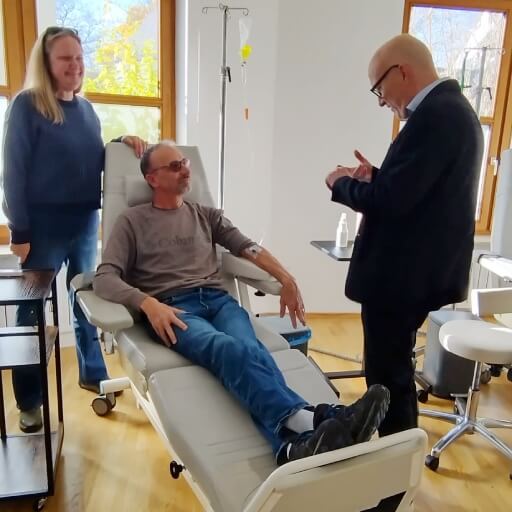
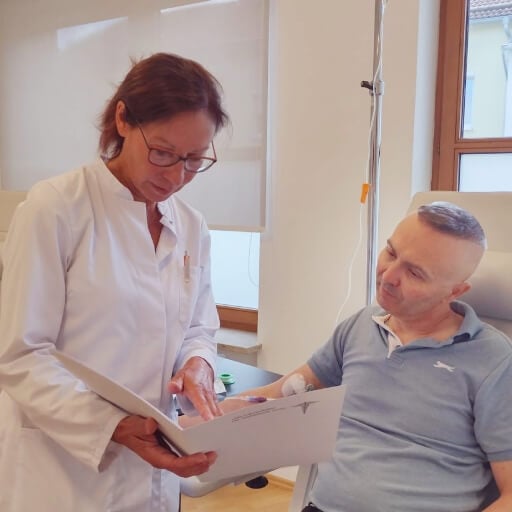
Another effective combination of treatments for stage 4 cancer is offered through the partnership of specialized immunotherapy centers and Prof. Dr. Med. Frank Gansauge's clinic. This program of fourth degree cancer treatment in Germany combines infusion immunotherapy with advanced dendritic cell treatment. The stage 4 treatment protocol includes:
The complete program of treatment for cancer stage 4 in Germany typically spans about 9 days, accounting for the time needed for vaccine preparation. The treatment plan is highly individualized and can be adjusted based on the patient's condition and response to therapy.

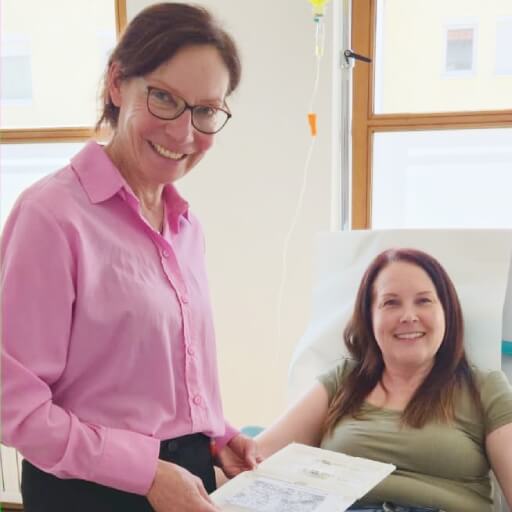
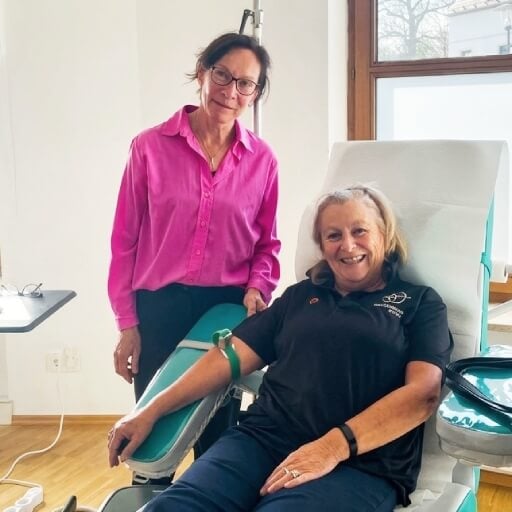
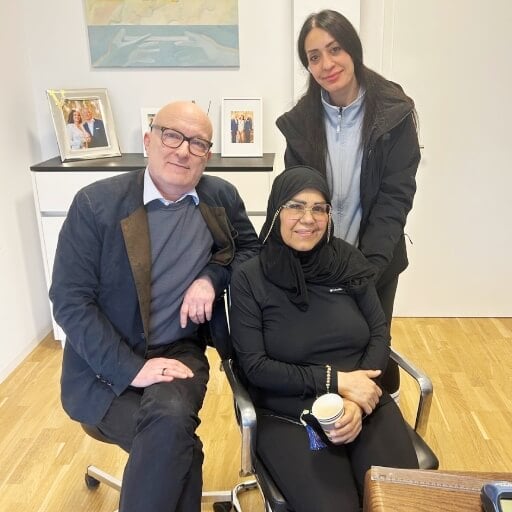
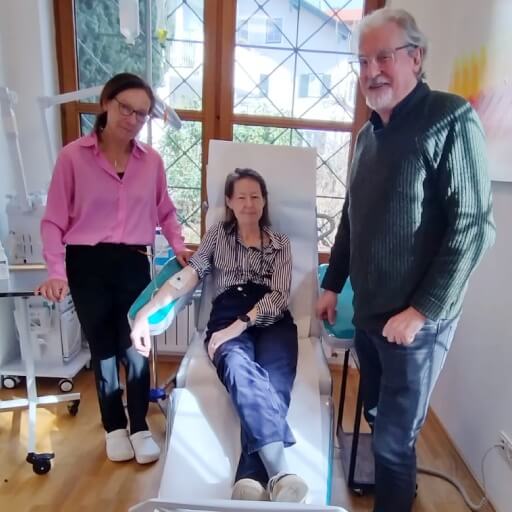
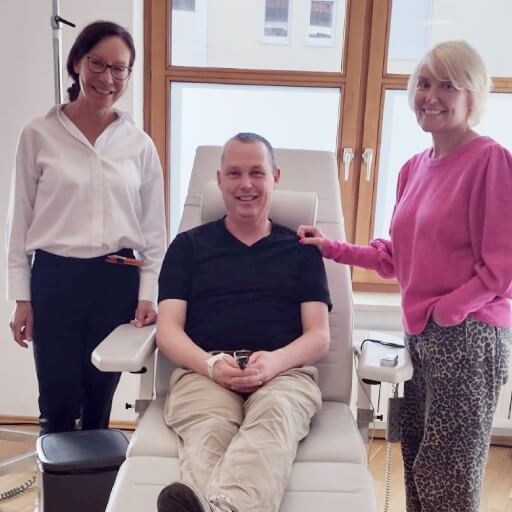
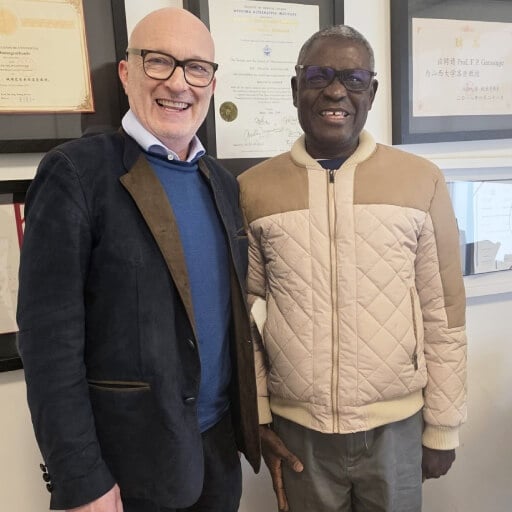
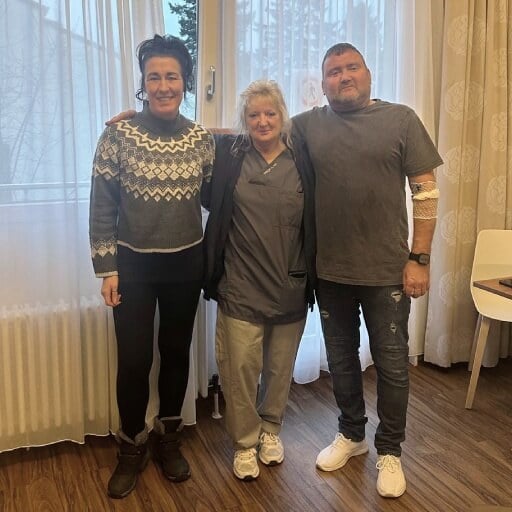

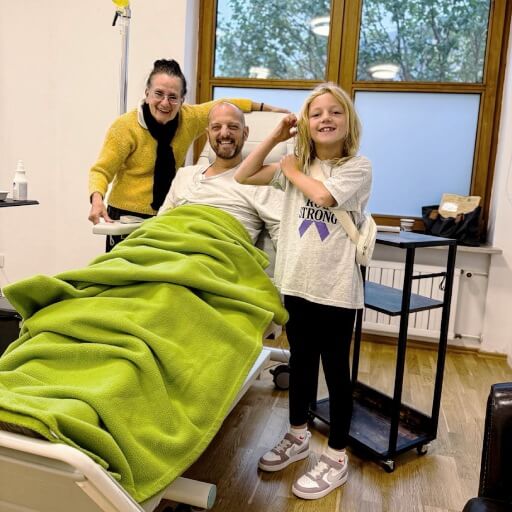
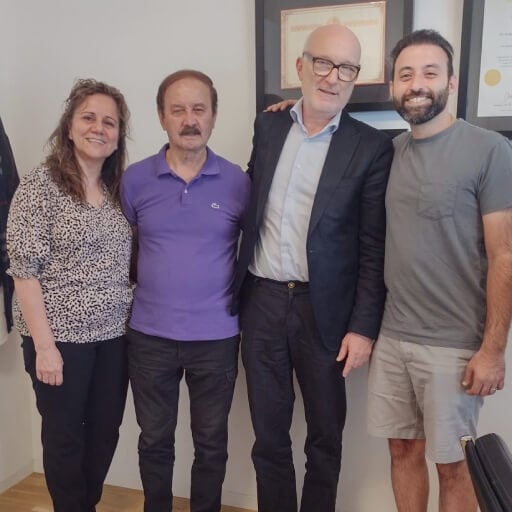
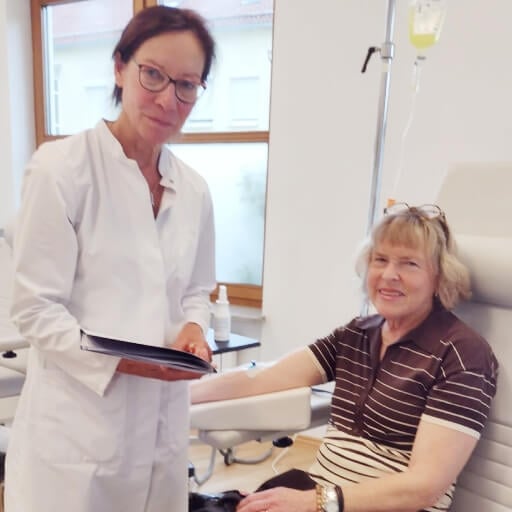
While stage four cancer has traditionally been considered incurable, modern treatment options for stage 4 cancer in Germany are changing this perspective. Recent investigations from 2022 to 2024 have documented cases of long-term remissions across various stage 4 cancer types, and even aggressive brain tumors like glioblastoma. These results are leading oncologists to cautiously discuss the possibility of such remissions becoming permanent cures.
Comprehensive therapy of the fourth stage of cancer in Germany has demonstrated significant efficacy in treating cancer at advanced stages, including:
To determine the most appropriate treatment program, patients should consult with medical experts. Booking Health brings extensive expertise in international medical tourism, facilitating urgent appointments with leading specialists, providing comprehensive cost planning, and ensuring individual case evaluation by medical boards. Each patient receives personalized support through a dedicated medical coordinator and interpreter, with the complete organization of treatment.
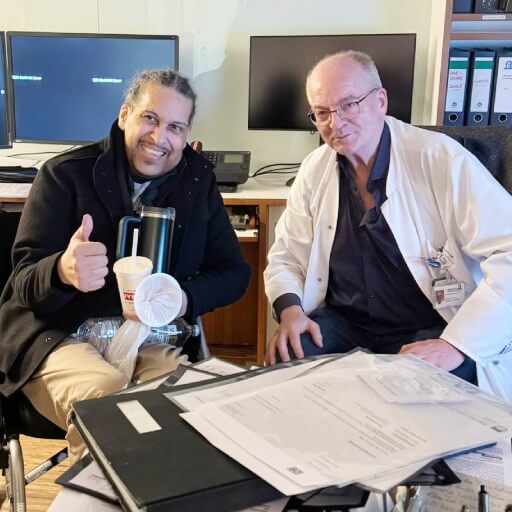
The effectiveness of comprehensive treatment for stage 4 cancer in Germany is best illustrated through the success stories of stage 4 of cancer survivors. Diagnosed with grade 4 glioblastoma in January 2024, Daria Rogers received dendritic cell immunotherapy as the fourth stage of cancer treatment, which was combined with standard treatments. Against traditional prognoses, her follow-up MRI scans showed no evidence of cancer progression. "I wouldn't have been here sitting right now talking to you if it wasn't for dendritic cell treatment," shares Daria. You can watch Daria's full inspiring journey to recovery in our video interview.
VIDEO
Dendritic Cell Therapy
Both citizens of the country and international patients can undergo the best treatment for stage 4 cancer in Germany. If you are seeking medical care from a foreign clinic for the first time, it will be safer and more effective to be in charge of the organization of treatment. Booking Health is a medical tourism operator that helps patients from seventy-five different countries undergo innovative stage 4 cancer treatments abroad.
With due consideration and all of the subtleties of care for patients with stage 4 cancer with metastases in Germany, the Booking Health experts will help you with all the important issues:
To get professional help in planning the treatment of stage 4 cancer in Germany, leave your request on the official Booking Health website. A competent medical consultant will discuss with you all of the medical details and help you correctly prepare for the flight and stage 4 cancer treatment Germany offers.
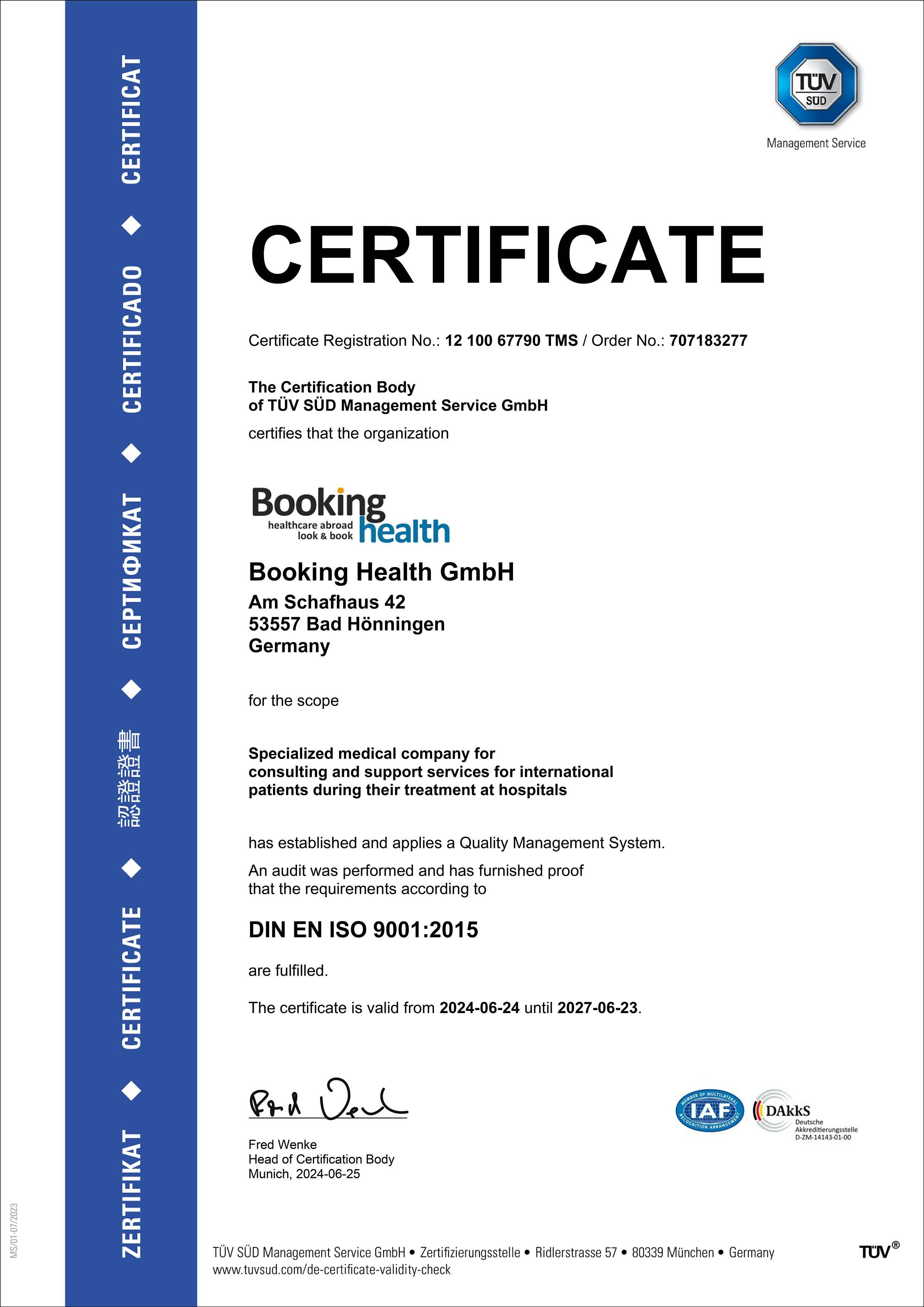
Booking Health holds ISO 9001 quality certification, reflecting well-established processes and strict quality control at every stage of the treatment journey — not just at the initial consultation, but throughout.

New effective treatments for stage IV cancer include immunotherapies, targeted therapies, CAR T-cell therapy, and advanced radiation techniques such as proton therapy. These treatments aim to serve as cures for stage 4 cancer or at least improve survival rates and quality of life by targeting cancer cells more precisely.
CAR T-cell therapy involves modifying a patient's T-cells to express chimeric antigen receptors (CARs) that can recognize and attack cancer cells. This personalized treatment boosts the immune system's ability to target and destroy cancer cells effectively.
Proton therapy provides highly precise radiation treatment, minimizing damage to surrounding healthy tissues. This is particularly beneficial for stage IV cancer patients, as it reduces side effects and allows for higher doses of radiation to be delivered directly to the tumor.
Yes, emerging targeted therapies are continuously being developed to target specific genetic mutations and proteins associated with cancer growth. These therapies offer a more personalized approach to treatment, potentially leading to better outcomes when a cure for stage 4 cancer is not possible.
Patients can access these new treatments through specialized cancer centers and hospitals that offer cancer stage 4 treatment in Germany. Many clinics participate in international trials, offering patients the opportunity to receive cutting-edge therapies. Consultation with a medical specialist is essential to determine eligibility and develop an appropriate treatment plan.
Stage four cancer treatment typically involves a combination of approaches, including immunotherapy and dendritic cell vaccination, chemoembolization, and systemic chemo for stage 4 cancer, with the specific protocol determined by the cancer type, location of metastases, and individual patient factors.
Stage 4 cancer often presents with chronic pain, sudden weight loss, weakness, shortness of breath, loss of appetite, blood in the stool or urine and enlarged lymph nodes. These symptoms indicate metastatic spread of the tumor and require immediate diagnosis.
The cost of cancer treatment in the fourth stage in Germany ranges from €6,500 (TACE) to €38,000 (immunotherapy or hyperthermia). In the UK and the US, the cost of the cancer treatment stage 4 demands is higher. In Australia, access to innovative methods such as CAR-T and dendritic cell therapy is still limited.
Stage 4 cancer chemo provides up to ~30% two-year survival and up to ~20% response. It is indicated as a basic systemic method for a wide range of tumors; it is associated with high systemic toxicity (nausea, fatigue, cytopenias) and is used in multiple cycles to control progression.
Immunotherapy for stage 4 cancer demonstrates up to ~85% two-year survival and up to ~90% response in selected patients. The method is well tolerated, has minimal overall toxic effects compared to chemotherapy and is widely used in complex protocols for various tumor types.
Targeted therapy shows up to ~45% two-year survival and up to ~45% response, especially effective in the presence of appropriate molecular markers. This is a personalized approach with mild side effects that requires molecular profiling.
LITT for stage 4 cancer gives up to ~35% two-year survival and ~25% response for localized lesions (liver, brain, lungs). Advantages: minimally invasive local tumor destruction without major surgery. Side effects are usually local. Cost and duration are determined individually.
CAR T-cell therapy is an innovative method of treating stage 4 cancer that uses genetically modified immune cells from the patient. Survival rates reach 50% and response rates are 40%.
TACE provides up to 50% two-year survival and 80% response to therapy. The price of cancer treatment stage 4 in Germany is €6,500–24,000. It is a minimally invasive method for the treatment of liver tumors and metastases.
The highest effectiveness is demonstrated by immunotherapy (up to 85% survival), TACE (up to 50%), and CAR T-cell therapy (up to 50%). Their combination with hyperthermia or infusion therapy increases the effectiveness and improves the quality of life of patients even with widespread metastases.
Stage 4 cancer treatment focuses on disease control (rather than curing stage 4 cancer). Modern approaches include: immunotherapy, targeted drugs, hyperthermia and locoregional techniques (such as transarterial chemoembolization, or TACE) – these methods may slow progression, reduce symptoms and improve survival in selected patients.
Only a limited number of centers treat stage 4 cancer with advanced methods. The Clinic of Advanced Biological Medicine in Frankfurt, led by Dr. Gerhard Siebenhüner, has achieved strong results with innovative therapies.
Germany holds leading positions in the treatment of stage 4 cancer. Germany has specialized cancer centers, that provide access to innovative treatments and advanced medical equipment. German multidisciplinary teams are focused on managing advanced and treatment-resistant disease.
A universal stage 4 cancer cure doesn't exist yet – not for metastatic stage 4 cancer. But "no cure" doesn't mean "no options." Immunotherapy, targeted drugs, and locoregional procedures increasingly achieve long-term remission or cancer stage 4 cure in selected patients, controlling disease for years at a time. The line between "incurable" and "manageable" is shifting.
The field is moving fast. Several latest cancer treatments are transforming advanced oncology. Among the most promising stage 4 cancer new treatments are immunotherapy, CAR T-cell therapy, targeted drugs, dendritic cell vaccines, and locoregional techniques such as chemoembolization or electrochemotherapy. These methods focus on destroying tumors more precisely while reducing systemic toxicity.
Yes — stage 4 cancer treatment without chemo is possible. Depending on tumor biology, metastasis location, and overall condition, doctors may build an entire treatment strategy around immunotherapy, targeted therapy, dendritic cell vaccines, hyperthermia, or procedures like TACE. Chemotherapy is one tool. Not the only one.
Patients seeking cancer treatment in the fourth stage in Germany can access advanced therapies and specialized cancer centers. Immunotherapy, targeted drugs, hyperthermia, chemoembolization, and minimally invasive procedures – often combined within individualized protocols designed by multidisciplinary teams. For patients whose local options have narrowed, specialized German facilities frequently provide pathways that standard oncology departments simply don't have.
Definitively, in most cases – no. Metastases affecting multiple organs make complete eradication exceptionally difficult. Treatment typically focuses on disease control and extended survival rather than cure. That said, some patients on modern regimens achieve durable remissions lasting years. Occasionally, much longer. The boundaries of what's possible keep expanding.
Not automatically. Metastatic cancer is serious – the most advanced stage, by definition. But serious isn't the same as immediate. Many patients live for years with modern therapies, maintaining quality of life and daily function while treatment keeps the disease in check. Immunotherapy, targeted therapy, locoregional procedures – these don't just extend survival statistics. They change what living with stage 4 cancer actually looks like.
Sources:
[1] World Health Organization. Cancer https://www.who.int/news-room/fact-sheets/detail/cancer
[2] Mark J Smyth, Michele WL Teng. 2018 Nobel Prize in physiology or medicine. Clin Transl Immunology. 2018 Oct 24;7(10):e1041. doi: 10.1002/cti2.1041. [DOI] [PMC free article]
[3] NIH, National Library of Medicine. Chapter 19 - PRINCIPLES OF ANTICANCER THERAPY. https://www.ncbi.nlm.nih.gov/books/NBK9546/
[4] Aasma Zafar, Summaiya Khatoon, Muhammad Jawad Khan et al. Advancements and limitations in traditional anti-cancer therapies: a comprehensive review of surgery, chemotherapy, radiation therapy, and hormonal therapy. Discov Oncol. 2025 Apr 24;16:607. doi: 10.1007/s12672-025-02198-8. [DOI] [PMC free article]
[5] Clark Chen, Ian Lee, Claudio Tatsui et al. Laser interstitial thermotherapy (LITT) for the treatment of tumors of the brain and spine: a brief review. J Neurooncol. 2021 Feb 21;151(3):429–442. doi: 10.1007/s11060-020-03652-z. [DOI] [PMC free article]
[6] Elliott L Fite, Mina S Makary. Transarterial Chemoembolization Treatment Paradigms for Hepatocellular Carcinoma. Cancers (Basel). 2024 Jul 1;16(13):2430. doi: 10.3390/cancers16132430. [DOI] [PMC free article]
[7] Xingxing Zang. 2018 Nobel Prize in medicine awarded to cancer immunotherapy: Immune checkpoint blockade – A personal account. Genes Dis. 2018 Oct 18;5(4):302–303. doi: 10.1016/j.gendis.2018.10.003. [DOI] [PMC free article]
[8] Cai Z, He C, Zhao C, Lin X. Survival Comparisons of Hepatic Arterial Infusion Chemotherapy and Transarterial Chemoembolization in Patients With Unresectable Intrahepatic Cholangiocarcinoma. Front Oncol. 2021 Apr 1;11:611118. doi: 10.3389/fonc.2021.611118. [DOI]
[9] Guzman G, Reed MR, Bielamowicz K, et al. CAR-T therapies in solid tumors: opportunities and challenges. Curr Oncol Rep. 2023 May;25(5):479-489. doi: 10.1007/s11912-023-01380-x. [DOI]
[10] Tsoneva I, Semkova S, Bakalova R, et al. Electroporation, electrochemotherapy and electro-assisted drug delivery in cancer: a state-of-the-art review. Biophys Chem. 2022 Jul;286:106819. doi: 10.1016/j.bpc.2022.106819. [DOI]
Start Treatment in 48 Hours — Fixed Price

Same Clinic Price — Many More Benefits with Booking Health
| benefit | direct clinic booking | With Booking Health |
|---|---|---|
| Clinic list price | same clinic price | same clinic price |
| Fixed, all‑inclusive estimate (no hidden fees) | ||
| Total savings on travel & logistics (≈ 40 – 70 %) | ||
| Start of treatment within 48 hours | ||
| 10 + years medical‑tourism expertise | ||
| Medical case review by a dedicated medical board | ||
| Personal coordinator 24/7 in your language | ||
| Visa, flights, transfer and accommodation support | ||
| Certified translations & document handling | ||
| Access to innovative methods in Germany | ||
| Pre‑negotiated fixed pricing with top clinics | ||
| Risk of unexpected extra costs | fixed price |
Contact Us
Booking Health guarantees
thanks for your request.
Within 1 working day, a medical advisor will study your request and contact you by phone (German or your local number will be displayed).
This call is free for you.
Contact Us
Booking Health guarantees
thanks for your request.
Within 1 working day, a medical advisor will study your request and contact you by phone (German or your local number will be displayed).
This call is free for you.

Booking Health guarantees