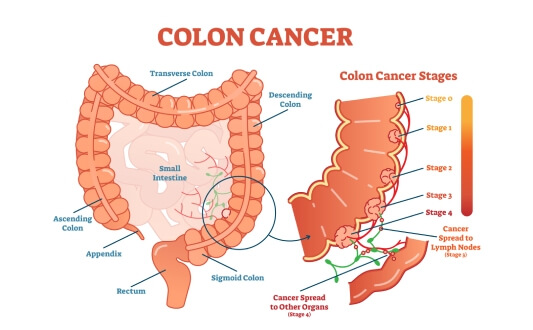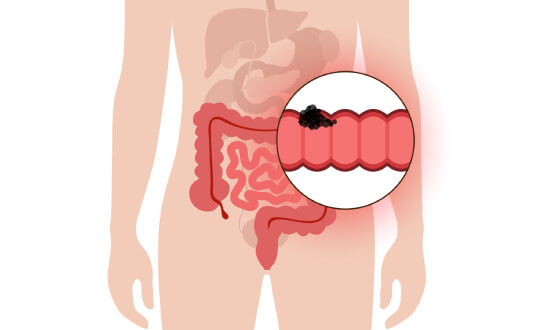





A stage 4 colon cancer diagnosis can be a challenge for the patient and their family. The presence of metastases indicates the spread of cancer to the distant organs, with the stage being shown in 22% of patients at the moment of diagnosis [1]. Conventional approaches can achieve a 13% five-year survival rate [2], which is not much. The picture is changing with breakthrough therapies in oncology – advanced treatments now have two-year survival rates of up to 60%. There is reason for hope because today’s personalized approaches can really translate into longer survival and better quality of life.
What Bowel Cancer Stage 4 Means: When Cancer Spreads
Stage 4 metastatic colon cancer develops if malignant cells leave the original site in the bowel and, through the bloodstream or lymphatic vessels, travel to distant locations. Some of the most common places where metastases migrate are [3]:
- Liver (stage 4 colon cancer metastasized to liver is found in 11.8-14.4% of cases)
- Lungs
- Peritoneum (abdominal lining)
- Distant lymph nodes
At this stage, the disease is complicated, and the patient should be examined by a multidisciplinary team of specialists who will determine the optimal treatment plan. Treatment strategies are highly individualized, depending on the location and resectability of metastases, tumor characteristics, the patient’s general condition, nutritional status, and personal goals.
For some, the goal may be to eliminate the disease. For others, the goal may be to control symptoms and improve quality of life. The 5-year traditional survival rate is around 13%, but this statistic does not account for the impact of newer treatments.
While the survival rates are low in the case of metastatic colon cancer, patients can still experience fulfilling years of life when they start the treatment process as soon as possible. The therapy can’t be based on a single approach; it should include a complex molecular analysis of tumor characteristics like genetic mutations (e.g., KRAS, NRAS, BRAF), microsatellite instability (MSI) status, and specific biomarker expression.
The advanced management strategy offers a wide range of options, including personalized immunotherapy, targeted therapy paired with comprehensive cytoreductive surgery, and regional chemotherapy, but most countries have limited access to modern technologies. Booking Health helps patients get access to new technologies without limitations. Our experienced medical consultants will match your specific tumor characteristics to an appropriate treatment that you can greatly benefit from. Also, we will find a specialized clinic just for your case with proven success rates in the required procedures.
CHECK IF A BETTER SOLUTION EXISTS FOR YOUStandard Treatment Options for Colon Cancer Stage 4: Surgery, Chemotherapy, and Radiation
Colon cancer stage 4 treatment options usually include a combination of therapies [4].
If the cancer has spread only to a limited number of areas that can be fully removed, surgery may be considered. While surgery at this stage is not always curative, it can help patients live longer or ease symptoms. Surgical procedures may include:
- The removal of the part of the colon with the main tumor, as well as the involved organs and nearby lymph nodes
- A colostomy or ileostomy creation
- Fixing some problems during a colonoscopy with a stent, such as a blocked colon
Chemotherapy is often considered a first step in managing inoperable cancer. It can also be used to shrink the tumor before surgery or to eliminate the remaining cancer cells after. There are a few combinations of drugs available for patients, and some of them include targeted therapies. Many patients may need multiple rounds of chemotherapy to get the optimal results. Also, these drugs can cause severe side effects requiring dose modifications or alternative treatment approaches.
Radiation therapy with high-energy X-rays is used to target cancer cells. It is not usually curative for stage 4 metastatic bowel cancer, but it can help shrink tumors and relieve symptoms such as pain. It is often administered externally, but there are other types, including stereotactic, intra-operative, and selective internal radiation therapy (SIRT). Side effects include tiredness and skin irritation.
Palliative care is focused on improving comfort and controlling symptoms such as pain. It is used when the cancer has spread widely or aggressive treatments are not appropriate or desired. It can substantially improve the quality of life, but only for a limited period.
Advanced Treatments for Abdominal Spread of Stage 4 Colon Cancer
Nowadays, there are multiple options for a new treatment for colon cancer stage 4 that is designed specifically to target not only the primary tumor but also metastases. This provides an option for patients who were not responding to the standard approach or became resistant. When colon cancer metastasizes to the peritoneum, achieving effectiveness with standard intravenous chemotherapy alone can be challenging.
HIPEC for Colon Cancer Stage 4: Heated Chemotherapy for Abdominal Cancer
HIPEC (hyperthermic intraperitoneal chemotherapy) is a targeted, dual-action therapy for stage 4 bowel cancer in people with peritoneal metastases. It consists of two major parts: cytoreductive surgery (CRS), during which surgeons laboriously remove all visible tumor from the abdominal cavity and involved organs, and the perfusion of heated chemotherapy solution (usually 40-43°C) throughout the abdomen for a given time (30-90 minutes) [5].
The advantages of HIPEC are:
- The chemotherapy is delivered directly to the tumor and metastasis site with up to 15-20 times higher concentrations compared to traditional systemic administration. This approach also helps to reduce the harmful effects on the healthy cells in the rest of the body.
- The higher temperature of the chemotherapy solution allows for better drug penetration and effectiveness.
- The local exposure allows targeting microscopic residual tumor cells that have been left out after surgery.
HIPEC is promising as a stage 4 colon cancer treatment, but it involves extensive surgery and usually requires a hospital stay of 10-14 days. The extent of tumor resection at the initial cytoreductive surgery is a critical prognostic factor.
Dr. Michael Lipp, an expert in hepatopancreatobiliary surgery at Asklepios Hospital Hamburg, has been performing HIPEC operations since 2015 with astonishing results in the treatment of peritoneal carcinomatosis from colon cancer. In this expert interview, he explains why HIPEC represents the only potentially curative treatment for abdominal spread and how proper patient selection can lead to complete cancer cure in select cases.
VIDEO
Leading German Surgeon
Dr. Lipp Reveals the Power of HIPEC in Cancer Treatment
General and Abdominal Surgery, Hepatopancreatobiliary Surgery and Hernia Surgery
BOOK CONSULTATION
PIPAC for Stage 4 Colon Cancer: Minimally Invasive Aerosol Chemotherapy
Pressurized intraperitoneal aerosol chemotherapy (PIPAC) is a minimally invasive alternative for patients who are not candidates for major surgery and HIPEC. This technique of 4 stage colorectal cancer treatment is performed laparoscopically and requires only two small abdominal incisions. The drugs are delivered to the abdominal cavity as an aerosol under pressure, allowing for even distribution. This pressurized aerosol can also penetrate cancer cells more effectively, making it more effective than regular therapies.
PIVAC is a short procedure that generally only takes 60 to 90 minutes. The minimal physical trauma and faster recovery are a great advantage for the patients and often allow for:
- Outpatient procedures or brief hospital stays of only 2-3 days versus 10-14 days with HIPEC
- Treatments that are repeatable, allowing for continued disease management
- Compatibility with systemic chemotherapy
- An alternative for patients who are frail to undergo major surgery
PIPAC may also be able to downstage the disease, potentially opening up future surgical options.
Precision Treatment for Liver Metastases in Stage 4 Colon Cancer – TACE
The liver is the most common site of metastases of colon cancer. Transarterial chemoembolization (TACE) can be a treatment choice for stage 4 colon cancer spread to liver if surgery is not an option or if systemic chemotherapy has failed [6].
Transarterial chemoembolization is a cutting-edge precision therapy designed specifically for liver metastases. This minimally invasive procedure involves an interventional radiologist inserting a thin catheter through a small incision (usually in the groin) and guiding the catheter through blood vessels directly to the arteries supplying the liver tumors. This technique takes advantage of the fact that healthy liver tissue is supplied with blood by the portal vein, whereas liver tumors are primarily dependent on blood flow from the hepatic arteries.
The mixture of concentrated chemotherapeutic drugs and special embolus is delivered directly to the targeted vessel. This allows for:
- The high concentrations (up to 20 times more) of chemotherapy are to be delivered directly to malignant cells
- The further blood supply blockage allows for starving the cancer of oxygen and nutrients
- The chemotherapy is trapped in the tumor for a longer period of time, which provides a better effect
TACE offers notable advantages, such as greatly reduced systemic side effects compared with traditional chemotherapy and precise tumor targeting. Recovery periods are typically short, often just 24-48 hours, and procedures can frequently be performed on an outpatient basis. TACE can be repeated as needed to achieve the longest possible disease control.
VIDEO
Prof. Kovács: When to Use DEB-TACE, Conventional TACE, or Radioembolization (TARE)
Interventional Radiology
BOOK CONSULTATION
Dendritic Cell Vaccines: Training Your Body to Fight Stage 4 Colon Cancer
Immunotherapy for colon cancer is a more modern approach to the treatment that stimulates the body’s own immune system to recognize and destroy cancer cells.
Dendritic cell therapy for colon cancer is one of the most breakthrough therapeutic options available for patients with colon cancer. The dendritic cells were discovered by Ralph Steinman, who received the 2011 Nobel Prize in Medicine for his revolutionary findings that helped deepen understanding of the immune system and offered a new perspective on approaches to cancer treatment [7].
The vaccination with dendritic cells starts with collecting a patient’s blood to harvest the cells. Then, in the laboratory, they are "educated" to specifically recognize unique proteins from the individual patient's colon cancer cells, creating a personalized vaccine. After administration back to the patient, dendritic cells stimulate and guide the immune response against the malignant cell throughout the body.
The big plus about the dendritic cell treatment for stage 4 colon cancer is that there are very few side effects – you might feel like you have the flu for a day or two. It provides:
- A whole body approach that works against metastatic disease
- Compatible with other treatments, including surgery and chemo
- Help maintain patient quality of life
- Maintained efficacy post-initial treatment with extended activated immunity
- Suitable for patients who are too frail for more aggressive conventional treatments
The results in Europe are promising, with this treatment for bowel cancer stage 4, they are reporting disease stabilization, reduced tumor burden, extended survival, and improved quality of life for patients.
Prof. Frank Gansauge, one of Germany’s leading experts in dendritic cells, has been working on this immunotherapy for more than 20 years, with great success in treating advanced colon cancer. In this in-depth interview, he explains how his clinical practice has shown that dendritic cell therapy can significantly reduce colon cancer recurrence and improve survival among patients receiving palliative care. Hear from this leading expert why he believes every cancer patient should have an individualized treatment approach using the power of their own immune system.
VIDEO
How Dendritic Cell Therapy is Transforming Modern Cancer Treatment
Dendritic Cell Therapy
BOOK CONSULTATION
Dendritic cell vaccination used as adjuvant therapy can help patients, even with advanced cancer, to achieve tumor control or remission after comprehensive cytoreductive surgery. It provides immune activation, biomarker reduction, and potential improvement in disease-free survival.
Booking Health's case review assesses whether the treating center's DC protocol is designed specifically for colon cancer and reports high success rates with the multimodal use of this therapy. Then we help patients to safely get to their treatment destination by organizing visas, flights, and transportation, all of which are accompanied by personalized supervision 24/7.
Genetic Testing in Stage 4 Colon Cancer: Tailoring Treatment to Your Tumor
A key aspect of modern stage 4 colon cancer treatment options is the use of molecular profiling. Major guidelines now recommend testing tumors for certain gene mutations or characteristics, including RAS (KRAS, NRAS), BRAF, HER2 amplification, and microsatellite instability (MSI-H) or mismatch repair deficiency (dMMR). These biomarkers help doctors determine how likely a tumor is to respond to certain targeted and immunotherapy treatments.
For example, RAS or BRAF V600E mutations can affect the efficacy of certain targeted therapies, such as EGFR inhibitors. HER2 amplification and NTRK fusions can make tumors susceptible to specific HER2 or NTRK inhibitors. MSI-H / dMMR tumors are especially sensitive to a class of immunotherapies called immune checkpoint inhibitors. This personalized approach to molecular testing helps ensure that patients receive the most appropriate and potentially effective systemic therapy for their unique cancer.
Tumor Destruction Without Surgery: Heat and Cold Therapies for Stage 4 Colon Cancer
Patients who are not candidates for major cytoreductive surgery can greatly benefit from thermal tumor ablation as an alternative treatment for colon cancer stage 4 to destroy tumors with minimal invasion.
Heat-Based Tumor Destruction in Stage 4 Colon Cancer: RFA and Microwave Ablation
Radiofrequency ablation (RFA) and microwave ablation (MWA) are the most commonly used techniques that use heat to destroy the tumor tissue. RFA works by delivering a high-frequency electrical current that heats the tumor to 60-100°C with a thin needle. MWA utilizes microwave energy to treat tumors, allowing for quicker and more effective procedures near blood vessels.
These procedures can often be performed on an outpatient basis with minimal recovery time and lower complication rates compared to surgical resection. They are effective for liver and lung metastases and can be repeated if new tumors develop.
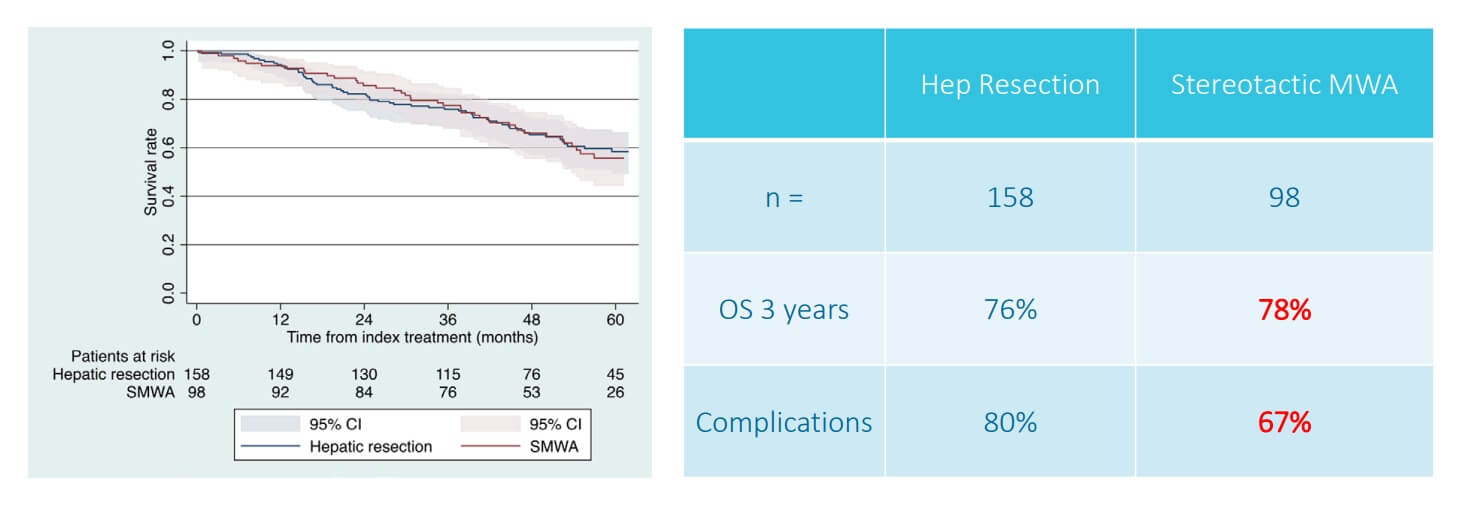

*P. Tinguely et al. / European Journal of Cancer 187 (2023) 65–76
Cryotherapy in Stage 4 Colon Cancer: Eliminating Tumors Through Controlled Freezing
Cryotherapy (cryoablation) is a colon cancer treatment stage 4 new treatment that uses extreme cold, typically below -75°C from liquid nitrogen, to freeze and destroy cancer cells. Probes are inserted into the tumor to create an "ice ball" that is frozen and thawed multiple times to ensure complete destruction.
This technique offers excellent visibility during the procedure, allowing for precise control to preserve healthy tissue. It can be effective near blood vessels and other critical structures. Cryoablation is often reserved for:
- Patients with multiple tumors
- Those in locations difficult for surgery
- High-risk surgical candidates
Traditional vs. Innovative Approaches for Colon Cancer
Based on Booking Health clinical data. Final treatment costs fluctuate according to patient-specific factors, inpatient care duration, ongoing medical supervision needs, and ancillary expenses covering diagnostics, travel coordination, and housing arrangements.
| Characteristic | Standard Treatment | Innovative Methods |
|---|---|---|
| 2-Year Survival Rate | ~25% for advanced cancer | ~60% for advanced cancer |
| Response Rate | Under 10% response rate | 45-65% positive response |
| Treatment Duration | Several cycles over months | Up to 4 sessions |
| Adverse Effects | Significant and widespread (severe nausea, profound weakness, complete alopecia, compromised immunity, dermatitis) | Mostly mild effects (mainly limited to temporary discomfort at the treatment site) |
| Cost in Germany | €80,000 - €150,000 full course | €25,000 - €60,000 full course |
| Cost in Great Britain | €90,000 - €165,000 full course | €70,000 - €120,000 full course |
| Cost in the USA | €100,000 - €180,000 full course | €100,000 - €150,000 full course |
A major challenge for international patients is quickly accessing advanced procedures, as with stage 4 colon cancer, waiting is not an option.
Booking Health works directly with Germany’s leading clinics and can arrange treatment within 48 hours for time-critical cases. This facilitates the delivery of care promptly, ensuring the patient gains the maximum benefit.
FIND THE RIGHT SPECIALIST FOR MY CASEHope in Action: Rebecca's Stage 4 Colon Cancer Treatment Success Story
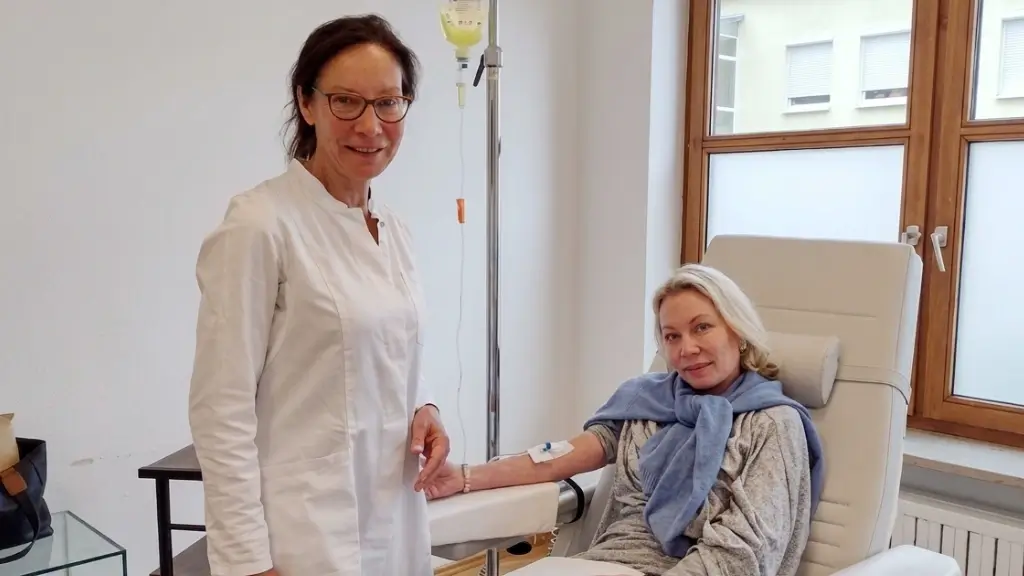
Rebecca Kavanaugh, from the USA, knew she had to explore every type of treatment when she was diagnosed with stage 4 colon cancer with liver metastases. Seeking the most advanced therapies, she headed to LDG Laboratories in Germany, a well-known clinic led by Dr. Gansauge Berg that specializes in dendritic cell immunotherapy. "I cannot yet comment on the physical results of my medical treatment at the clinic, but I can say that my care in Germany was very well organized," Rebecca shares. The assistance of BookingHealth/MedExpert Consulting in organizing treatment abroad was priceless.
She was particularly amazed by all the support that she was provided: "At all points made by Kate, Nassim, and my on-site translator, Claudia, were excellent. Everything proceeded on schedule, and I felt well-supported with travel arrangements, communication with the doctor, and clinic staff."
Her story is an example of how important it is not to be afraid to seek innovation, even when it means receiving care in another country. Having a dedicated support team that assists with language barriers, coordinates care, and ensures smooth communication between patients and medical teams makes it much easier to concentrate on your health and receive treatment without worry.
Rebecca's trust in the whole process was described in her statement: "Will book again!" It’s about the comfort that comes from finding the right treatment approach and support system, even when facing the uncertainty of advanced cancer.
Finding Hope and the Right Treatment Team in Stage 4 Colon Cancer
An advanced disease presents significant challenges, but the landscape of treatment of stage 4 colon cancer and 4 stage rectal cancer has changed dramatically.
With the availability of therapies like HIPEC, PIPAC, TACE, dendritic cell therapy, and advanced ablation techniques, patients have a chance for personalized cancer management that is based on molecular profiling. This ensures treatment effectiveness and gives a chance to keep the tumor under control so that patients can enjoy more years with their loved ones while not compromising quality of life.
Compared with conventional therapies, innovative procedures improve survival outcomes and achieve much higher response rates in appropriately selected patients. Also, the fact that most of these modern approaches are performed with minimal invasiveness and are associated with fewer side effects ensures a shorter hospital stay and limited disruption to patients' daily routines.
It is essential that patients and families facing a diagnosis find bowel cancer treatment for stage 4 at specialized centers that provide comprehensive evaluations and access to a broad spectrum of treatment modalities, including novel and experimental options. Multidisciplinary teams can help you sort through the maze of treatment options to find the best combination of therapies for your unique situation and tumor characteristics.
A terminal illness is no longer a death sentence – it’s a call to explore the best treatment for colon cancer stage 4 today. With the right expertise, personalized approach, and access to novel therapies, many patients can experience meaningful disease control, prolonged survival, and a good quality of life. There are many reasons to be hopeful.
Your Trusted Partner: Every Step of the Way With Booking Health
Finding the best treatment strategy for your clinical situation is a challenging task. Being already exhausted from multiple treatment sessions, having consulted numerous specialists, and having tried various therapeutic interventions, you may be lost in all the information given by the doctors. In such a situation, it is easy to choose a first-hand option or to follow standardized therapeutic protocols with a long list of adverse effects instead of selecting highly specialized innovative treatment options.
To make an informed choice and get a personalized cancer management plan, which will be tailored to your specific clinical situation, consult medical experts at Booking Health. Being at the forefront of offering the latest medical innovations for 12 years, Booking Health possesses solid expertise in creating complex cancer management programs in each case. As a reputable company, Booking Health offers personalized stage 4 colon cancer treatment plans with direct clinic booking and full support at every stage, from organizational processes to assistance during treatment.
We provide:
- Assessment and analysis of medical reports
- Development of the medical care program
- Selection of a suitable treatment location
- Preparation of medical documents and forwarding to a suitable clinic
- Preparatory consultations with clinicians for the development of medical care programs
- Expert advice during the hospital stay
- Follow-up care after the patient returns to their native country after completing the medical care program
- Taking care of formalities as part of the preparation for the medical care program
- Coordination and organization of the patient's stay in a foreign country
- Assistance with visas and tickets
- A personal coordinator and interpreter with 24/7 support
- Transparent budgeting with no hidden costs
Health is an invaluable aspect of our lives. Delegating management of something so fragile yet precious should be done only to experts with proven experience and a reputation. Booking Health is a trustworthy partner who assists you in pursuing stronger health and a better quality of life. Contact our medical consultant to learn more about the possibilities of personalized treatment with innovative methods for metastatic bowel cancer with leading specialists in this field.
Booking Health holds ISO 9001 quality certification, reflecting well-established processes and strict quality control at every stage of the treatment journey — not just at the initial consultation, but throughout.

International Cancer Care: Patient Stories with Booking Health








FAQ About Stage 4 Colon Cancer Answered
Treatment options include surgery, chemotherapy, radiation therapy, and innovative approaches like HIPEC, PIPAC, TACE, dendritic cell therapy, and thermal ablation. The prognosis depends on individual factors, with newer treatments offering better chances than traditional methods.
With the standard cancer management strategies, there is a 13% five-year survival rate. But with the novel therapies and personalized approach, patients can achieve up to 60% two-year survival.
The conventional chemotherapy usually has less than 10% of response rate. But if used in the form of innovative treatments, it can show 45-65% positive responses. The therapies like HIPEC and TACE can be effective even in resistant or recurrent cases.
Yes, stage 4 colon cancer means the cancer has metastasized to distant organs. This is a serious condition and affects 22 % of patients who face the diagnosis of colorectal cancer and requires immediate multidisciplinary treatment planning.
The liver is the most common site, followed by lungs, peritoneum, and distant lymph nodes. Less commonly, metastases can also affect bones and kidneys.
Yes, immunotherapy options such as dendritic cell therapy and checkpoint inhibitors show promise. They work by training your immune system to recognize and destroy cancer cells. They beat the disease at the cellular level and can potentially achieve remission with minimal side effects.
Breakthrough approaches include HIPEC, PIPAC, TACE, and dendritic cell therapy. Today’s research shows that these new therapies provide better chances of survival and quality of life than standard treatments.
Genetic testing is done to look for specific mutations like RAS, BRAF, or HER2. This personalized approach ensures patients are offered the most effective treatment based on the unique characteristics of their tumor, improving the odds of success.
If the cancer has spread only to parts of the liver or lungs that can be removed, surgery can be considered. Not curable, but surgery can prolong the patient's life and help control symptoms, such as obstruction.
The survival rates can differ depending on age, the tumor's molecular characteristics, and previously received therapies. Advanced treatments now reach up to 60% two-year survival rates, and maintenance strategies support sustained improvements across all age groups.
The symptoms, such as increased pain levels, cough, general weakness, and low energy levels, can indicate that the tumor has spread. The main diagnostic tools include a CT scan, an MRI, or a PET scan to identify metastases and their precise location.
Innovative approaches such as HIPEC offer the possibility of excellent disease control in selected patients, while traditional treatments have had limited success. The trick is not to give up – a terminal diagnosis doesn’t necessarily mean death, with all the progress we’ve made.
The two-year survival rate for stage 4 colon cancer with traditional chemotherapy is approximately 25%. However, it can reach 60% in patients treated with advanced methods (e.g., HIPEC, TACE, PIPAC, or dendritic cell therapy).
How does progression-free survival compare between standard and innovative treatments for stage 4 colon cancer?
With traditional chemotherapy for stage 4 colon cancer, progression-free survival is often only a couple of months. Innovative and targeted options, on the other hand, can stretch the duration to 8-12 months or more.
In stage 4 colon cancer, conventional chemotherapy achieves response rates under 10%. In turn, modern approaches (e.g., TACE or dendritic cell immunotherapy) can reach 45-65%.
The usual treatment for stage 4 colon cancer is multiple cycles, given over a period of months. In comparison, advanced localized treatments typically require up to four sessions, each with a brief recovery period.
Standard chemotherapy for stage 4 colon cancer causes extreme fatigue, nausea, hair loss, and immune suppression. In contrast, localized or immune-based therapies tend to produce only mild, short-term discomfort or low-grade fever.
Novel treatments for stage 4 colon cancer generally preserve quality of life much better than standard regimens. Patients tell us that they recover faster, have fewer systemic side effects, and can return to normal daily life sooner after procedures such as TACE or dendritic cell therapy.
Management is multimodal and depends on metastatic spread. For peritoneal involvement cytoreductive surgery with HIPEC or PIPAC may be considered; liver-dominant disease can be treated with TACE; dendritic cell therapy may be added as an immune-supportive option.
The best outcomes are achieved in high-volume centers with expertise in advanced colorectal oncology. German hospitals offering HIPEC, PIPAC, interventional radiology procedures (such as TACE) and access to dendritic cell immunotherapy – enable individualized treatment strategies (beyond systemic therapy alone).
Germany is considered a leading destination (due to structured oncology guidelines and availability of advanced locoregional therapies). Specialized centers integrate HIPEC, PIPAC, TACE and immune-based treatments – allowing tailored approaches for patients with metastatic or treatment-resistant disease.
Choose treatment abroad and you will for sure get the best results!
Sources:
01. Jeffery Roberson, Lillias Maguire. Epidemiological trends in stage IV colorectal cancer. Seminars in Colon and Rectal Surgery 34(2):100967, DOI:10.1016/j.scrs.2023.100967. [DOI]
02. American Cancer Society. Survival Rates for Colorectal Cancer.
03. Matias Riihimäki, Akseli Hemminki, Jan Sundquist, Kari Hemminki. Patterns of metastasis in colon and rectal cancer. Sci Rep. 2016 Jul 15;6:29765. doi: 10.1038/srep29765. [DOI] [PMC free article]
04. WebMD. What Are the Treatments for Stage IV Colon Cancer?
05. Alexander Loftus, Richard Hoehn, Timothy Nywening. Evolving role of cytoreduction and HIPEC for colorectal cancer. Seminars in Colon and Rectal Surgery 34(3):100970. DOI:10.1016/j.scrs.2023.100970. [DOI]
06. Roberto Iezzi, Attila Kovacs, Hans Prenen, Patrick Chevallier, Philippe L Pereira. Transarterial chemoembolisation of colorectal liver metastases with loaded beads: What every interventional radiologist should know. Eur J Radiol Open. 2020 May 13;7:100236. doi: 10.1016/j.ejro.2020.100236. [DOI] [PMC free article]
07. Roman Volchenkov, Florian Sprater, Petra Vogelsang, Silke Appel. The 2011 Nobel Prize in physiology or medicine. Scand J Immunol. 2012 Jan;75(1):1-4. doi: 10.1111/j.1365-3083.2011.02663.x. [DOI] [PubMed]
Read:
01. Treatment of stage 4 colon cancer in Germany