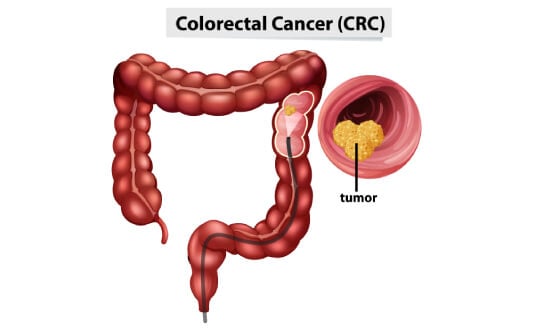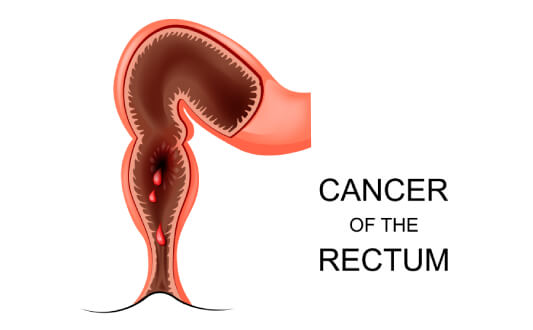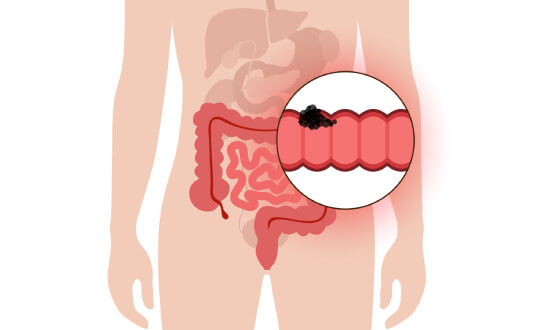




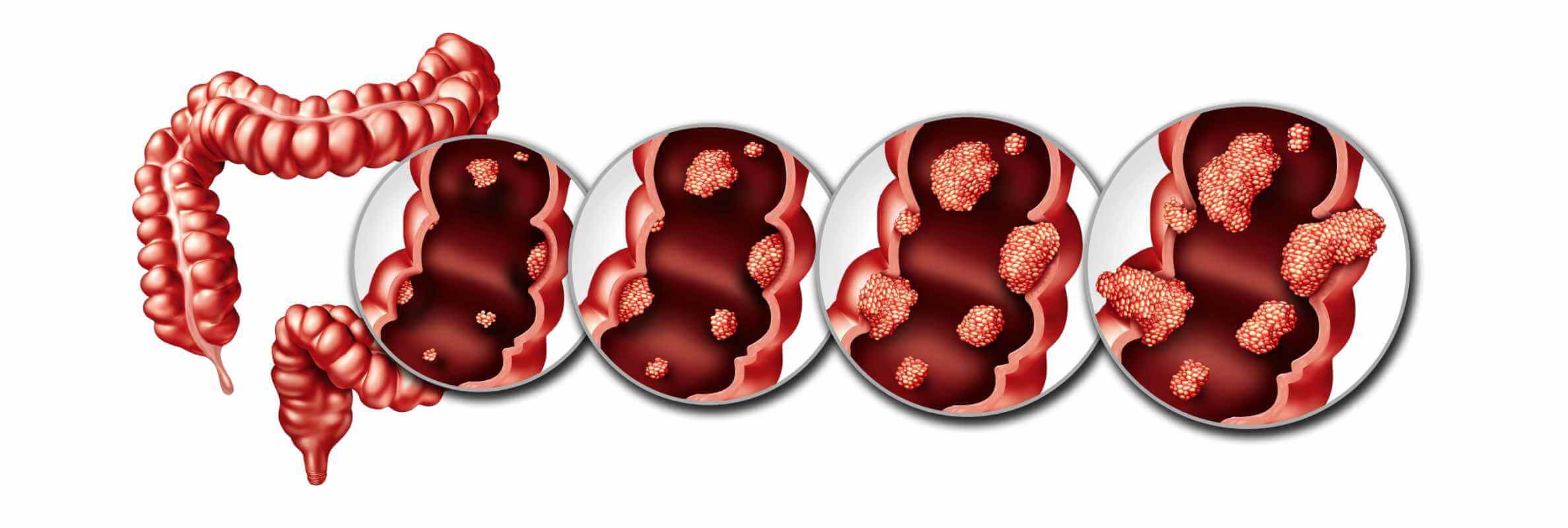
A stage 4 colorectal cancer diagnosis indicates that the disease spread to other distant organs. In other words, the cancer cells travelled from the main tumor and metastasized beyond the colon or rectum to organs like the peritoneum, lungs, liver, or bones. Colorectal cancer stage 4 is the most advanced and aggressive form of the disease. WHO ranks colorectal cancer as the third most common cancer worldwide, with over 1.9 million new cases and more than 930,000 deaths reported annually [1]. Nearly 20% of patients diagnosed with colorectal cancer have stage 4, indicating that the tumor has already spread [2]. The 5-year survival rate for stage 4 colorectal cancer is estimated at around 13% [3]. But the numbers directly depend on the patients' comorbidities and the chosen strategy of treatment.
The late-stage diagnosis can be scary, and patients can feel hopeless. However, the treatment for stage 4 colorectal cancer has seen significant progress and development in recent years.
The use of traditional treatments, such as chemotherapy, is being complemented by emerging technologies. This makes the modern approach highly targeted and much more efficient. There is no doubt that in adenocarcinoma stage 4 colon tumor is a serious diagnosis, but modern oncological strategy allows many patients to live longer, more fulfilling lives.
Standard Treatments for Stage 4 Colorectal Cancer
Chemotherapy has always been one of the main methods of stage 4 colorectal cancer treatment [4]. It shrinks tumors, slows progression, and can relieve symptoms at the start of the treatment process. In cases where metastases are present, chemotherapy plays a palliative role. It is aimed at improving the quality of life and extending survival rather than curing the cancer. One of the treatment's limitations is severe side effects like general weakness, vomiting, gastrointestinal disruption, and blood count changes, which significantly impact the daily living of the patient. Nowadays, chemotherapy is typically used in combination with targeted therapies. This approach aims to enhance its effectiveness.
Targeted therapy is an available option for adenocarcinoma. Colon stage 4 treatment is used to disrupt the specific proteins in cancer cells, which initiate their uncontrolled division. Medications are selected based on a tumor’s unique genetic profile. Another benefit includes the improved precision, which helps manage advanced colorectal cancer more efficiently.
Selected patients with discomfort due to tumor size or its location may benefit from palliative radiation therapy. It is not the first line of treatment, but it is often effective in rectal tumors or metastatic lesions that cause bleeding, pain, or mechanical obstruction.
Surgery is considered a secondary option in the management of advanced-stage disease, but it sometimes plays a critical role. When the metastasis invades one of the vital organs, such as the liver or lungs, or stool can no longer pass through the colon, the surgical resection of both the primary tumor and the metastatic sites may give a chance for much longer survival.
Innovations in Advanced Stage 4 Colorectal Cancer Care
Until recently, adenocarcinoma colon cancer stage 4 treatment was primarily focused on slowing disease progression and managing symptoms. Modern oncological standards are helping patients to receive a more personalized approach. The combination of therapies targets different aspects of cancer growth and shows more results.
Dendritic Cell Therapy for Stage 4 Colorectal Cancer
One of the most innovative strategies in modern immunotherapy for bowel cancer is dendritic cell therapy. This treatment option uses the patient's own immune system to target and destroy cancer cells. It is one of the few effective approaches that can be used even in the treatment of stage 4 metastatic colorectal adenocarcinoma.
Dendritic cells are a special subtype of immune cells. Their main function is to identify foreign particles and "train" other immune cells to attack them. The process of developing the vaccine is:
- Dendritic cells are collected from the patient's blood sample
- In a laboratory, they are being exposed to patients’ own tumor-specific antigens, often adenocarcinoma (the most common type of colorectal cancer)
- Once "educated," they are injected into the patient's body and immediately start to modulate an immune response against the cancer
For this incredible discovery of dendritic cells and their key role in adaptive immunity, Canadian immunologist Ralph Steinman was awarded the Nobel Prize in Physiology or Medicine in 2011 [5].
To enhance the effectiveness, it can be used with other treatments, such as checkpoint inhibitors or chemotherapy. It is important for patients with resistant or relapsed disease, where standard therapies do not show any results. Dendritic cell vaccination can extend survival, slow disease progression, and, in some cases, lead to remission.
Hyperthermic Intraperitoneal Chemotherapy (HIPEC) for Stage 4 Colorectal Cancer
For adenocarcinoma colorectal cancer stage 4 treatment with peritoneal metastasis, which means that the cancer cells have spread to the lining of the abdominal cavity, standard chemotherapy often simply does not work. That’s where treatment called HIPEC becomes a new option for certain patients.
During HIPEC, the first step is cytoreductive surgery (CRS) [6]. The process includes the following steps:
- Surgical removal of visible cancer sites within the abdominal cavity.
- After surgery, a heated chemotherapy solution is circulated inside the abdomen.
- Heat helps a chemotherapeutic drug to be better absorbed by the remaining tumor cells. It increases the effectiveness of the chemotherapy and targets remaining microscopic cancer cells that are left out after the surgery.
HIPEC is effective for patients with peritoneal carcinomatosis from rectal or sigmoid tumors because systemic chemotherapy can’t provide significant results in these cases. Studies have shown that in some patients, CRS combined with HIPEC can increase the 5-year survival rate to up to 51%.
For a closer look at how HIPEC works, we recommend watching this informative video interview with Professor Michael Lipp, Head of Abdominal and Colorectal Surgery at the Asklepios Hospital Barmbek. He explains that CRS combined with HIPEC is currently the most effective curative approach for patients with peritoneal carcinomatosis, especially from colorectal cancer.
"HIPEC Treatment: A Breakthrough in Advanced Abdominal Cancer Care" - Interview with Dr. Michael Lipp
Pressurized Intraperitoneal Aerosol Chemotherapy (PIPAC) for Stage 4 Colorectal Cancer
In patients with stage 4 adenocarcinoma, colon metastasis to the peritoneum is typical. For those who are not the ideal candidates for open surgery, PIPAC offers a valuable alternative. During laparoscopy, aerosolized chemotherapy is delivered directly into the abdominal cavity, making it a minimally invasive treatment.
PIPAC is getting chemotherapy delivered in the form of a mist, which, unlike the other methods, penetrates cancer tissues evenly and deeply. Another benefit is that the procedure can be repeated every 6 to 8 weeks and is well-tolerated by patients with advanced stages.
Studies indicate that median survival varies from 8 to 37.8 months, influenced by previous treatments and tumor features. PIPAC enhances patients' quality of life and results in fewer side effects than systemic chemotherapy.
Interventional Radiology for Stage 4 Colorectal Cancer
Interventional radiology (IR) is a technology that targets tumors locally thanks to innovative imaging techniques. IR is a great option to use in patients with liver metastases and for those who can’t tolerate systemic treatments due to age or comorbidities.
Radiofrequency ablation (RFA) and microwave ablation (MWA) are types of treatment for stage 4 adenocarcinoma, colorectal cancer spreading to the liver, with metastases smaller than 3 cm. During ablation, heat is applied directly to tumor cells, which allows for the preservation of healthy liver tissue. Thanks to IR, local control rates can reach 80-90%, and 5-year survival rates are sometimes higher than 50%. The key features of IR procedures are:
- They are done percutaneously under CT or ultrasound guidance, which makes them minimally invasive
- Can be repeated many times, depending on the location of tumors and recurrence detection
- Often used as part of a multimodal approach in combination with systemic therapy or surgery for better outcomes
Cryoablation is another type of IR that uses extreme cold to destroy malignant cells. It is performed when tumors are close to critical structures like blood vessels, nerves, or bile ducts. Cryoablation significantly reduces the risk of damage in sensitive areas.
Some key benefits of cryoablation are:
- Significantly lower post-operative pain
- Faster recovery and shorter hospital stay
- Precise tumor targeting because of real-time visualization
Cryoablation is particularly effective for treating tumors in difficult-to-access locations and for patients with limited treatment choices.
Prof. Kovács on Electrochemotherapy – How Electric Pulses Help Chemo Actually Work
Electrochemotherapy (ECT) is an IR procedure that uses the combination of short electrical stimulation with low-dose chemotherapy. It significantly improves drug delivery into cancer cells by opening cell membranes, which allows the drug to penetrate the cancer cell much more effectively.
In colorectal liver metastases, ECT has shown objective response rates up to 85.7% and a median progression-free survival of approximately 9 months. ECT is:
- Thanks to its low systemic toxicity is well tolerated
- Great option for recurrent or treatment-resistant types of cancer
- Is usually combined with precise imaging techniques for accurate delivery
It is regarded as an option for lesions that cannot be resected, including complex or previously treated areas of the liver.
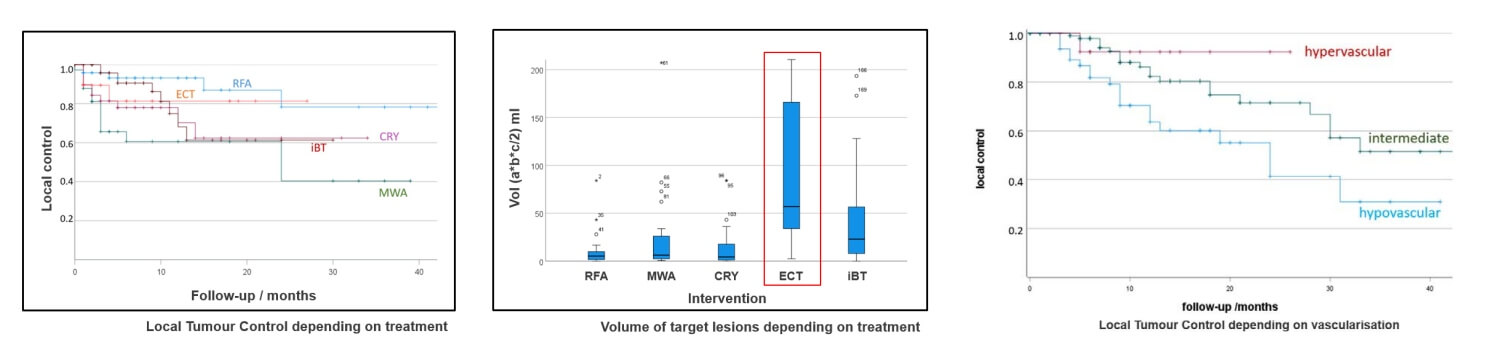
Arterial embolization (AE) is a procedure that uses the blockage of the blood vessels that supply the tumor to cause oxygen and nutrient starvation. Hypervascular liver metastases are a main target of AE, but it can also be used in combination with local chemotherapy (chemoembolization). The main advantages of AE include:
- Minimally invasive and can be performed multiple times if necessary
- Angiographic guidance is used to perform these procedures by interventional radiologists
- Suitable for patients with advanced cancer, when surgery is not an option or as palliative therapy
AE helps improve tumor control and relieve pain. Many patients experience prolonged survival even with metastases from colorectal cancer in the liver.
Stenting is another treatment that can help in emergencies where, due to extensive tumour growth, there is a blockage of stool movement. In advanced stages, this can lead to chronic intoxication and constipation, even peritonitis, which significantly impair quality of life. The stent is made of a metal and can be inserted under fluoroscopic or endoscopic guidance to restore bowel function.
Stenting benefits are:
- Provides a quick relief and time to stabilise the patient before surgical treatment in curable cases
- Can be used for palliative patient care in inoperable cases
- Reduces the necessity for emergency surgery and shortens hospital stays
Transarterial chemoembolization (TACE) is a modern, effective, minimally invasive treatment that can directly target liver tumors and metastases [7]. TACE involves the following steps:
- A catheter is inserted into the hepatic artery, which supplies blood to the liver
- Chemotherapy drugs are delivered directly to the tumor site
- Tiny embolic particles are injected afterwards to block the tumor's blood supply
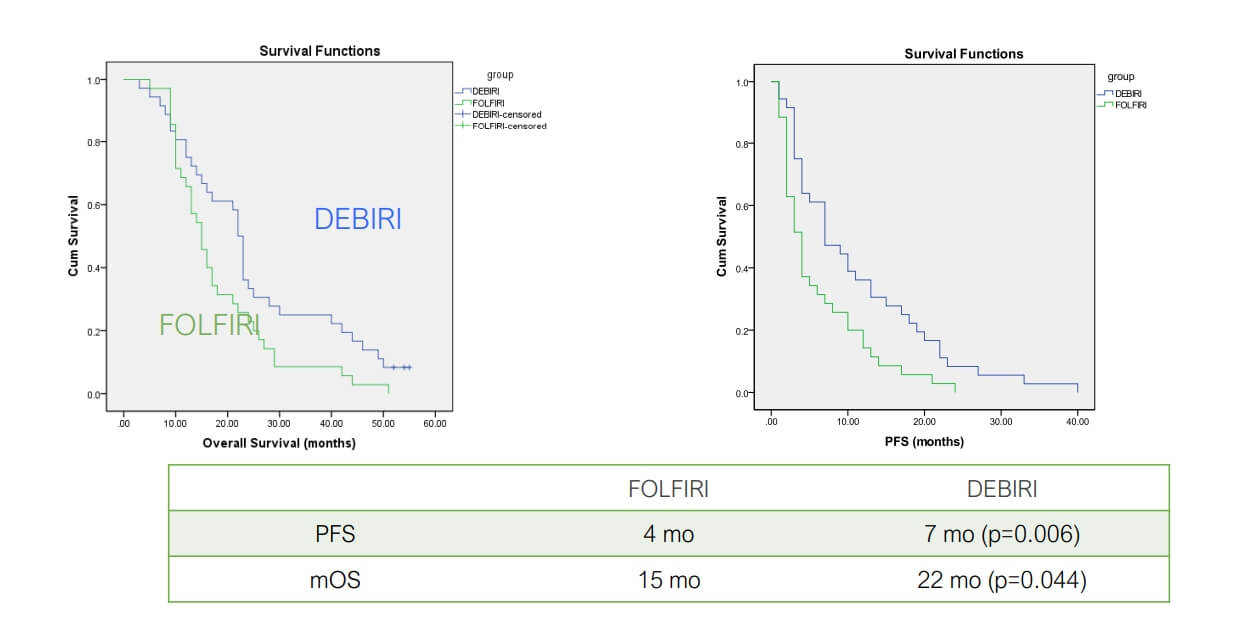
This approach is known as drug-eluting bead TACE that keeps chemotherapy concentrated within the tumor while depriving it of oxygen and nutrients.
Aliberti C et al Ancancer Res 2011;31:4581
Richardson A et al J Vasc Interv Radiol 2013;24:1209
The TACE technique reduces systemic toxicity by delivering chemotherapy directly to the tumor. Studies have shown a 54.3% improvement in disease control and a median overall survival of 47.4 months in patients treated with this method.
TACE treatment can be repeated and is generally well-tolerated, even in patients with advanced disease. Also, it can be used with systemic chemotherapy or immunotherapy to maximize results. It can extend life expectancy and improve quality of life in cases of stage 4 colorectal cancer that are often inoperable.
Hyperthermia for Stage 4 Colorectal Cancer
Hyperthermia therapy is an innovative treatment option for colorectal stage 4 cancer and other advanced GI (gastrointestinal) malignancies. It works by raising the tumor temperature to 40-43°C (104-109.4°F), enhancing the effectiveness of chemotherapy while also directly damaging cancer cells.
Hyperthermia is often used in:
- 4 stage bowel and colorectal cancer with severe invasion into the abdominal wall or metastases
- Small bowel cancer treatment when tumors are difficult to remove surgically
- Duodenal cancer treatment, which is used for better local control when combined with systemic therapy
This technique increases blood flow to tumors and helps chemotherapy drugs reach cancer cells at higher concentrations. This heat-based therapy also increases cancer cells’ membrane permeability, making them more sensitive to chemotherapeutic drugs. This improves the effectiveness of standard treatments. Additionally, hyperthermia induces apoptosis (programmed cell death), directly damaging cancer cells.
One of the key advantages of hyperthermia treatment is its local delivery, making it minimally invasive. For patients undergoing 4 stage bowel cancer treatment, hyperthermia can be a valuable option to keep the tumor growth and spread under control.
| Therapy Type | 2-Year Survival Rate | Response Rate | Duration | Side Effects |
|---|---|---|---|---|
| Standard Treatment | ~25% for advanced cancer | Less than 10% | Several cycles | Severe (nausea, fatigue, hair loss, immunosuppression, skin irritation) |
| Innovative Methods | ~60% for advanced cancer | 45-65% | Up to 4 sessions | Mild (localized discomfort) |
*Booking Health data
Medical Procedures Costs Around the World for Colorectal Cancer
| Treatment Method | GERMANY* | Great Britain | USA |
|---|---|---|---|
| Standard Treatment | €80,000 - €150,000 full course | €90,000 - €165,000 full course | €100,000 - €180,000 full course |
| Innovative Methods | €25,000 - €60,000 full course | €70,000 - €120,000 full course | €100,000 - €150,000 full course |
*Prices may vary depending on the course of treatment and tumor characteristics
Stage 4 Colorectal Cancer Patient Story: Beating the Odds with TACE
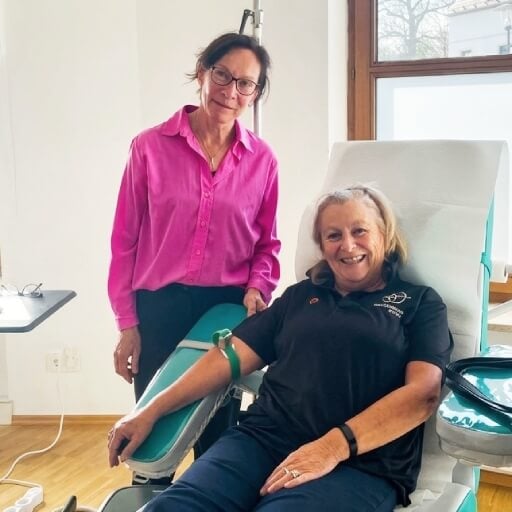
Let’s take a look at the story of one of the patients who was diagnosed with colorectal cancer stage 4 with liver metastases, named Sarasibala Premachandran from the United Kingdom. She was advised to undergo the standard treatment procedures in her home country, but they offered little promise. That’s why she and her family reached out to Booking Health for help.
Sarasibala traveled to Germany's top clinic. She underwent a TACE procedure at the University Hospital in Frankfurt, curated by Professor Thomas Vogl, a world-top expert in interventional oncology. They provided a comprehensive diagnosis of the tumor and, based on its characteristics, designed the plan for a localized tumor growth and symptom control.
Her daughter, Sughandi, noticed not only the excellent medical care but also the support that they received from the company. She noted, "Booking Health made everything easier. Their team explained every step, translated complex medical information, and made sure we felt safe and understood throughout the process."
Thanks to this blend of expert cancer care and compassionate management, Sarasibala saw a clear enhancement in her quality of life.
International Cancer Care: Patient Stories with Booking Health









Regain Hope with Innovative Stage 4 Colorectal Cancer Treatments
Receiving a diagnosis like colorectal cancer stage 4 can be scary, and patients usually feel lost and overwhelmed. Words like "metastatic" and "terminal" often lead patients to think that there is no hope for a cure. Many oncologists can tell you that not many treatment options are available. However, it is important not to give up and seek a second opinion and a modern approach.
Medicine is always evolving. The patients once considered untreatable now have real possibilities for improved survival thanks to new transforming therapies. Traditional treatments like chemotherapy remain an important part of cancer management, but resistance can develop, and side effects are decreasing patients' quality of life. That’s why a personalized treatment plan is important. It helps to respect patients’ preferences and goals.
Modern treatment methods like dendritic cell immunotherapy, TACE, and targeted molecular therapy aim to empower the body to combat cancer itself, instead of harming all tissues. These approaches are way more tolerable and are more effective, even for those with metastatic invasion.
At Booking Health, we believe that every patient deserves a fair chance in fighting their disease. We provide access to the best medical professionals in the field, innovative protocols, and full support because you are not alone in this journey.
A Medical Journey: Every Step of the Way with Booking Health
Finding the best stage 4 colorectal cancer treatment can be a challenging task, especially when you are facing conflicting opinions, complex protocols, and emotional exhaustion. At Booking Health, we help patients make informed decisions by offering individualized treatment strategies developed in cooperation with top cancer specialists in Europe.
With over 12 years of experience in coordinating complex cancer care, we ensure each patient receives access to advanced therapies, accurate diagnosis, and world-class medical teams. Our service includes:
- Full assessment of medical documents and records
- Development of a tailored treatment map
- Selection of the most suitable clinic and medical experts
- Translation and preparation of clinical documents
- Direct communication with leading specialists before treatment
- Ongoing expert support during hospitalization
- Post-treatment coordination and follow-up planning
- Assistance with visa, travel, and accommodation
- A dedicated personal coordinator and interpreter available 24/7
- Transparent pricing with no hidden costs
We manage every detail so you can focus on healing instead of logistics. Your health is one of the most valuable aspects of life. When it comes to managing something so fragile and precious, it should be entrusted only to experienced professionals with a strong reputation.
Booking Health is a reliable partner, supporting you in your journey toward better health and improved quality of life. Contact our medical consultant to learn more about personalized treatment options using innovative methods for metastatic colorectal cancer, provided by leading specialists in the field.
Frequently Asked Questions About Stage 4 Colorectal Cancer
Send request for treatmentStage 4 colorectal cancer is characterised by the spread of the tumor to distant organs such as the liver, lungs, or peritoneum. It is also called metastatic.
The symptoms may include abdominal pain, rectal bleeding, weight loss, fatigue, alterations in bowel habits, and symptoms associated with metastasis, such as jaundice or shortness of breath.
To confirm the diagnosis, a colonoscopy with a biopsy is the main procedure. To detect the presence of metastases, CT, MRI scans, a PET scan, and blood tests, including tumor markers like CEA (carcinoembryonic antigen), can be performed.
The life expectancy directly correlates with the stage of the tumor and the response to treatment. Now, the modern advances in treatment approaches allow patients to live multiple active years after receiving a diagnosis.
The 5-year survival rate for advanced stages is approximately 13%, but it can be higher with the use of personalized treatment strategies.
The complete cure is rarely possible, especially with metastatic spread, but with the use of therapies like dendritic cell vaccinations and localized chemotherapy, patients have a chance to achieve long-term remission.
Standard treatment options include chemotherapy, targeted therapy, immunotherapy. More modern and innovative techniques are HIPEC, TACE, PIPAC, dendritic cell therapy, and interventional radiology.
Chemotherapy is still one of the primary treatment options when combined with other therapies. It can reduce tumor size, relieve symptoms, and prolong survival.
Yes. Immunotherapy, including checkpoint inhibitors and dendritic cell therapy, is used in leading treatment centers.
The prognosis is based on the patient's comorbidities, the number and anatomical location of metastases, and the availability of advanced therapeutic options. Many patients attain disease management and prolonged survival.
Side effects are different with each treatment type and include fatigue, nausea, neuropathy, hair loss, and immune suppression. But when using modern treatment options, side effects are often mild and more tolerable.
Yes, there are patients who made a decision to receive advanced treatments like TACE and got their quality of life back, proving that prolonged survival is possible.
The cost of stage 4 colorectal cancer treatment depends on the country and treatment plan. Germany offers a modern approach that is more affordable than in other countries.
The average 2-year survival rate for stage 4 colorectal cancer if conventional treatments are used is around 25%. But with the modern innovative therapies (e.g., TACE, HIPEC, or dendritic cell immunotherapy), the survival rate can increase to 60%, depending on individual response and metastasis extent.
The traditional stage 4 colorectal cancer treatment normally involves multiple cycles over several months. On the other hand, newer interventional or immunotherapy-based methods (e.g., TACE, PIPAC, dendritic cell therapy, etc.) often require only up to four sessions.
The general treatment response rate is below 10% with standard chemotherapy. The use of innovative therapies showed substantially higher response rates – ranging between 45% and 65% – by combining targeted, immune, and interventional techniques.
Standard systemic therapies for stage 4 colorectal cancer often cause nausea, fatigue, hair loss, and weakened immunity. By contrast, advanced methods (e.g., dendritic cell therapy, HIPEC, or ECT) tend to produce mild, localized side effects, allowing patients to maintain a better quality of life during treatment.
For stage 4 colorectal cancer treatment aims to control both primary and metastatic disease. In Germany innovative options include ㄧ dendritic cell therapy, HIPEC, PIPAC, interventional radiology procedures and hyperthermia (which allow highly targeted tumor management).
Hospitals (that excel in stage 4 colorectal cancer) combine surgical expertise with advanced therapies. German centers integrate dendritic cell therapy, HIPEC, PIPAC, interventional radiology and hyperthermia in multidisciplinary programs ㄧ tailoring treatment plans to tumor distribution, patient condition and potential response to complex interventions.
Germany provides one of the most comprehensive care environments for stage 4 colorectal cancer. Its specialized centers offer access to advanced treatments ㄧ giving patients advanced options that are rarely coordinated together in routine oncology practice elsewhere.
It is stage 4 cancer — when malignant cells have escaped the colon and invaded distant organs. Over 95% of all colorectal cancers are adenocarcinomas.
Rarely, once metastasis has occurred — but that is not the full picture. Modern approaches like dendritic cell therapy, HIPEC, and TACE help patients achieve long-term remission. Early-stage adenocarcinoma carries significantly higher curative potential with surgery and adjuvant therapy.
Aggressive — particularly at advanced stages. It invades surrounding tissue and spreads through the lymphatic system or bloodstream with little warning. Yet aggression varies: tumor genetics, microsatellite instability status, and metastatic extent all influence how quickly the disease advances.
Choose treatment abroad and you will for sure get the best results!
Authors:
This article was edited by medical experts, board-certified doctors Dr. Nadezhda Ivanisova, and Dr. Bohdan Mykhalniuk. For the treatment of the conditions referred to in the article, you must consult a doctor; the information in the article is not intended for self-medication!
Our editorial policy, which details our commitment to accuracy and transparency, is available here. Click this link to review our policies.
Sources:
[1] WHO. Colorectal cancer. https://www.who.int/news-room/fact-sheets/detail/colorectal-cancer
[2] Brian V Monahan, Takshaka Patel, Juan Lucas Poggio. Stage IV Colorectal Cancer at Initial Presentation versus Progression during and after Treatment, Differences in Management: Management Differences for Initial Presentation versus Progression of Disease after Initial Treatment. Clin Colon Rectal Surg. 2023 Apr 16;37(2):108–113. doi: 10.1055/s-0043-1761626. [DOI] [PMC free article]
[3] Medical News Today. How long will a person with stage 4 colon cancer live? https://www.medicalnewstoday.com/articles/325230
[4] American Cancer Society. Chemotherapy for Colorectal Cancer. https://www.cancer.org/cancer/types/colon-rectal-cancer/treating/chemotherapy.html
[5] Roman Volchenkov, Florian Sprater, Petra Vogelsang, Silke Appel. The 2011 Nobel Prize in physiology or medicine. Scand J Immunol. 2012 Jan;75(1):1-4. doi: 10.1111/j.1365-3083.2011.02663.x. [DOI] [PubMed]
[6] Oliver M Fisher, Chris Brown, Jesus Esquivel et al. Hyperthermic intraperitoneal chemotherapy in colorectal cancer. BJS Open. 2024 May 8;8(3):zrae017. doi: 10.1093/bjsopen/zrae017. [DOI] [PubMed]
[7] Yen-Cheng Chen, Ching-Wen Huang, Ching-Chun Li et al. Efficacy of transarterial chemoembolization with drug-eluting beads combined with systemic chemotherapy and targeted therapy in colorectal cancer liver metastasis. World J Surg Onc 21, 378 (2023). https://doi.org/10.1186/s12957-023-03253-w. [DOI]
Read:
Colorectal Cancer: Full Treatment Guideline