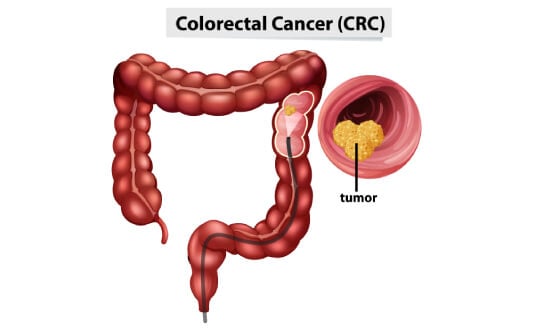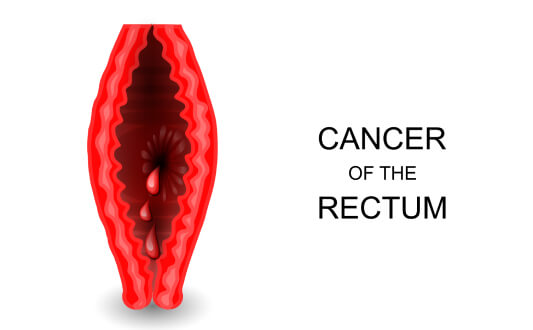




Rectal cancer is a disease in which cancer cells form in the tissues of the rectum. The most common histological form of rectal cancer is adenocarcinoma. The location of such tumors presents challenges due to their proximity to critical structures such as the bladder, sphincter, and reproductive organs. The strategy of rectal cancer management can be different and depends on the extent of the tumor spread.
The World Health Organization [1] states that colorectal tumors rank as the third most common cancer globally and are the second leading cause of cancer-related mortality [2]. Germany reports over 60,000 new cases of colorectal cancer annually, with more than a third affecting the rectum [3]. The stage significantly influences survival rates. When detected early (stages 1 and 2), the 5-year survival rates can reach above 80%, but when diagnosed at a locally advanced or metastatic stage, the chance of long-term remission significantly reduces [4].
Sadly, rectal cancer often develops with no specific symptoms in the early stages. The red flags, like bleeding, bowel obstruction, or abdominal pain, start showing when the tumor reaches an advanced stage.
But even beyond those challenges, the modern management of rectal cancer has been transformed. More innovative and personalized approaches are applied in specialized clinics, with patients achieving cancer control and success even in advanced stages. Many continue to live fulfilling lives, not just surviving their diagnosis.
The treatment of rectal cancer is influenced by the extent of its spread and individual biochemical tumor characteristics, including BRAF V600E, MSI/MMR status (microsatellite instability), and HER2/neu expression.
Before the initial consultation with Booking Health, the medical expert will carefully review your submitted documentation, select all the appropriate diagnostic results, and identify any missing information.
Based on that, you will receive personalized recommendations and a list of the best facilities and doctors with clinical expertise and successful treatment experience just for your case, all within 24 hours.
CHECK IF A BETTER SOLUTION EXISTS FOR YOUStandard Treatment Protocols for Rectal Cancer (Stages 1-3)
The rectal cancer treatment by stage is different for small and non-invasive rectal cancer or locally advanced rectal cancer. It can also be modified based on the tumor site, invasiveness, and the patient's overall health. Stage 1 rectal cancer treatment international guidelines suggest surgery for the removal of the tumor. It can be done with a minimally invasive laparoscopic approach or with a robot. Most patients typically recover quickly and retain their bowel function. Treatment for stage 1 rectal cancer usually ends with only a surgical approach and does not require any other therapies.
Stage 2 rectal cancer treatment can be performed using different approaches. Usually, the first step is neoadjuvant chemoradiation, which is then followed by a surgical resection. This helps shrink and lower the aggressiveness of the tumor, which reduces the risk of local recurrences. Also, neoadjuvant therapy can prevent the need for a stoma in patients with a tumor localized high in the rectum.
Stage 3 rectal cancer treatment can rely on a more aggressive strategy due to lymph node involvement. Chemotherapy and radiation are usually given before surgery to provide better tumor control and get clear margins for resection. Afterward, in the form of adjuvant chemotherapy, it is used to target residual malignant cells. The sphincter-sparing procedures are given priority to preserve the quality of life, but only if they are oncologically safe. If the cancer is causing a serious blockage or is in the lower part of the rectum, a temporary or permanent colostomy may be needed to allow the bowel to heal. In conclusion, management of stage 3 rectal cancer is tailored to the individual with a multimodal approach and treatment of the primary tumor and regional lymph nodes to optimize long-term results.
Standard therapy with all those side effects can feel overwhelming and disheartening. The joys of life can slowly wear away from constant fatigue and debilitating symptoms, and even the best of outcomes can seem just beyond reach.
This is where Booking Health can help. We are a company with more than 20 years of experience that provides an organization of treatment abroad. But not just any treatment! We focus on modern & personalized procedures. Every patient is assessed by a multidisciplinary team and provided with a comprehensive treatment plan to cure or control the condition and maintain quality of life from start to finish.
Get full treatment coordination supportLimitations of Conventional Approaches to Rectal Cancer Treatment
It is true that standard procedures are still recognized as a basis for rectal cancer management, but they can cause significant challenges. Even when patients undergo surgery with further chemotherapy and radiation, they still have a high chance of local recurrences and metastasis to the liver, lungs, or lymph nodes. This makes the survival rates drop dramatically, and the window for curative treatment of rectal cancer narrows.
Also, traditional approaches can cause some severe side effects, which can be difficult to manage. Patients can suffer from bowel dysfunction, pain, fatigue, bleeding, and reduced quality of life. Often, the duration of treatment, frequent hospital visits, and post-surgical complications highly affect the patient's recovery and influence their mental well-being. Over time, the tumor can become resistant to traditional therapies, which can also decrease a long-term prognosis.
New and Innovative Approaches for Rectal Cancer
With the advancement of medical science, patients today have many more options for treating rectal cancer than ever before, well beyond the traditional protocols. To reduce the exhausting side effects and improve patients' quality of life, new treatments can be applied.
Some of them, like targeted therapies, block cancer growth on a molecular level, while others, such as immunotherapy, activate the body’s immune system to fight malignancy. These therapies can work as standalone treatments or be used together with standard therapies like chemotherapy and radiation therapy, improving their efficacy. Nowadays, surgical procedures have become more advanced and less invasive due to robotic and laparoscopic methods that guarantee better precision and faster recovery duration.
These new approaches offer patients with rectal cancer alternative treatment or, having exhausted conventional options, not only a longer life but a more dignified and comfortable journey through treatment. Patients achieve stable disease or remission in some cases with significantly fewer complications than with traditional therapies.
Dendritic Cell Therapy for Rectal Cancer
Dendritic cell therapy is one of the ways to receive rectal cancer treatment without surgery. This is a type of immune therapy that harnesses the power of the body’s immune system to fight cancer. This new approach goes to the root of the disease, teaching the immune cells to recognize and kill tumor cells.
Dendritic cells are known as the "gatekeepers" of the body's immunity. They detect harmful organisms as well as cancer cells and present their particles, called antigens, to T-lymphocytes. This process starts the active immune response towards the intruder. During dendritic cell therapy, the patients' own dendritic cells are extracted from the blood and are exposed to cancer samples in the lab. Once they are "trained" to target the tumor’s specific markers, the vaccines are administered, where they immediately activate T-cells to locate and attack the cancer.
This innovation was recognized after Nobel laureate Dr. Ralph Steinman first introduced the concept of dendritic cell-based therapy [5]. This led to the development of an advanced vaccine that is highly beneficial for patients with metastases or those seeking a non-surgical option. Dendritic cell therapy does not damage healthy tissues and has a low rate of side effects, which makes it highly tolerable.
Interventional Radiology for Rectal Cancer
Interventional radiology (IR) is one of the advanced rectal cancer treatment options designed for patients with complex cases. It is a set of minimally invasive procedures that combine imaging like CT, PET/CT, and MRI scanning, with targeted therapies that are delivered precisely to the tumor. IR techniques are now frequently used as part of rectal cancer stage 3 treatment to relieve obstruction, control bleeding, or shrink tumors when conventional methods are not enough. They are rapidly becoming part of the best treatment for rectal cancer, especially when standard options fail.
Thermal ablation is a group of minimally invasive approaches that includes radiofrequency ablation (RFA) and microwave ablation (MWA). They use high temperatures to destroy malignant cells. It shows the best results on tumors that have spread to the liver or pelvis [6]. The studies indicate that when used in combination with chemotherapy, local tumor control is achieved in more than 80% of patients for 1 year, with progression-free survival extended by 4-8 months.
MWA creates a larger ablation zone than RFA, so it can be more effective in tumors with complex anatomy. Heat is delivered percutaneously using advanced imaging techniques, which reduces patients' hospital stay and supports a quicker recovery.
Cryoablation is another interventional radiological technique that freezes tumor cells by forming ice crystals inside, damaging cells and blood vessels. It is a great technique for tumors near sensitive structures, like the bladder or nerves. A recent study showed disease stabilization and substantial relief from bowel pain and urinary symptoms in 67-70% of patients with unresectable pelvic malignancies. This method is usually preferred when thermal methods pose an excessive risk to adjacent structures, because the freeze-thaw cycle can be carefully controlled. Cryoablation can also be repeated, if needed, allowing flexibility in long-term tumor management.
VIDEO
Prof. Kovács: How Electrochemotherapy Became the Gold Standard for Hard-to-Reach Tumors
Interventional Radiology
BOOK CONSULTATION
Electrochemotherapy (ECT) is a method that combines local application of electric pulses with chemotherapy to enable drug uptake into tumor cells. Although still experimental for rectal cancer, ECT has shown response rates up to 68% in pre-treated patients. Furthermore, it might trigger local immune responses; it is a potential partner to immunotherapy. ECT is especially useful for superficial or perineal recurrences and can be performed under local or general anesthesia, depending on the tumor location. Due to its low systemic toxicity, it is well tolerated even by elderly or frail patients.
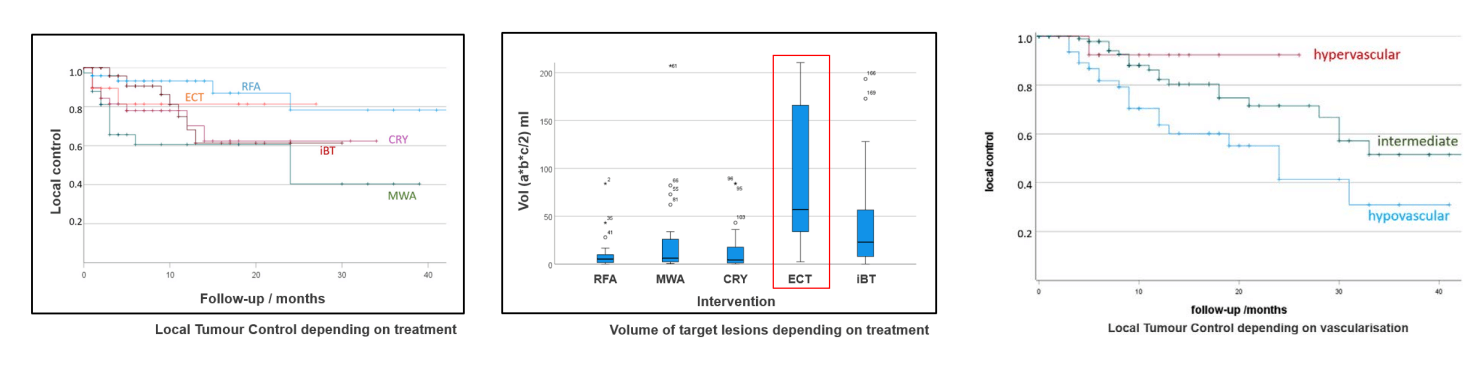
Irreversible electroporation (IRE) is a non-thermal technique that uses intense electrical pulses to disrupt cancer cell membranes without damaging surrounding blood vessels or nerves [7]. Recent data shows progression-free survival of 10.3 months and local control rates of 65-80% in rectal cancer recurrences treated with IRE. This technique is suitable for anatomically difficult locations such as near the sacral plexus, major blood vessels, or ureters. IRE preserves the structural integrity of tissues and can be useful if future interventions are needed. It is a safe and repeatable treatment that is often used in conjunction with other treatments, such as systemic chemotherapy or radiation therapy.
Arterial embolization (AE) is a minimally invasive procedure that occludes the blood supply of a tumor, leading to its shrinkage or stabilization. It is very useful in patients with bleeding, pelvic pain, or tumors that are not amenable to surgery or systemic chemotherapy. AE does not provide any drugs for TACE but focuses on occluding the vessels with small particles or coils. Clinical studies report bleeding control rates of 90 to 95 percent and pain relief in 70 to 80 percent of patients, often within just a few days. AE is often incorporated into palliative treatment regimens and is especially useful in patients with advanced or metastatic rectal cancer who need palliation of symptoms without significant side effects.
Transarterial chemoembolization (TACE) is the most advanced targeted procedure available today. It provides significant results in patients with colorectal cancer metastases. This is how TACE works: chemotherapy is injected directly into the blood vessel feeding the tumor. Then they block the blood flow with a special embolic agent so the chemotherapy is trapped within the malignancy. This also starves the tumor of nutrients and oxygen and limits the chemotherapy exposure to the rest of the body.
TACE is particularly effective in treating metastases in the liver or lungs, the most common sites to which rectal cancer spreads. In those cases, conventional systemic therapies may not be enough. TACE lets the interventional oncologist isolate and aggressively treat those metastases without subjecting the whole body to high-dose chemotherapy.
Studies have shown that TACE can achieve response rates of 45% to 65%, and some patients experience tumor shrinkage, allowing surgery or ablation. Progression-free survival of 8 to 12 months has been reported in patients with solitary liver metastases, even after failure of standard therapies.
Interventional radiology’s precision offers patients a highly effective solution for cancer management, regardless of the stage at which they are diagnosed. Reducing the exposure of healthy tissue to chemical or physical agents can significantly improve the patient's quality of life without compromising the quality of treatment. Many patients can access those procedures when deciding to be treated overseas.
Receiving treatment abroad can be complicated, but you don’t have to handle it by yourself. Booking Health offers comprehensive assistance, including documentation, clinic liaising, and travel organization. Patients receive a clear treatment budget, decision support, and ongoing care for up to 12 months. Plus, they get complication insurance up to €200,000 for financial security.
FIND THE RIGHT SPECIALIST FOR MY CASEComparative Table: Rectal Cancer Treatments
*Booking Health data
| Therapy Type | 2-Year Survival Rate | Response Rate | Duration | Side Effects |
|---|---|---|---|---|
| Standard Treatment | ~25% for advanced cancer | Less than 10% | Several cycles | Severe (nausea, fatigue, hair loss, immunosuppression, and skin irritation) |
| Innovative Methods | ~60% for advanced cancer | 45-65% | Up to 4 sessions | Mild (localized discomfort) |
Medical Procedures Costs Around the World for Rectal Cancer
*Prices may vary depending on the course of treatment and tumor characteristics
| Treatment Method | GERMANY | GB | USA |
|---|---|---|---|
| Standard Treatment | €80,000 - €150,000 full course | €90,000 - €165,000 full course | €100,000 - €180,000 full course |
| Innovative Methods | €25,000 - €60,000 full course | €70,000 - €120,000 full course | €100,000 - €150,000 full course |
Rectal Cancer Patient Story: Marta's Journey to Recovery
Marta Zielińska, 58, a language teacher from Poland, was diagnosed with stage 3 rectal cancer after months of unexplained fatigue, intermittent rectal bleeding, and changes in her bowel habits. It was a shock to receive the diagnosis. But she’d missed a routine colonoscopy during the pandemic, despite her active lifestyle and health screening commitments. The delay allowed the tumor to grow uncontrolled.
She had standard chemotherapy and radiation, and then surgical treatment. The operation had successfully removed the main tumor, but Marta's post-operative scans revealed small but alarming metastases in her liver. Her oncologist had told her that even with the best conventional care, the cancer had already begun to spread.
Marta did not want to be limited to the options available at her local clinic, so she turned to Booking Health for help. They took her to a leading German clinic, which put her on a personalized program including dendritic cell therapy to enhance her immune response and TACE to target her liver metastases directly.
Imaging after three cycles of TACE showed a significant reduction of liver lesions. Dendritic immunotherapy was added, and her condition stabilized further with blood markers steadily improving. Marta had very few side effects and no interruption in her daily routine. For the first time in months, she felt some control over her health.
And nowadays, one year later, she is in remission and living a fulfilling life again. She has returned to her part-time teaching and speaks openly about her journey. "The treatment didn't just save my life," she says. "It gave me back my strength."
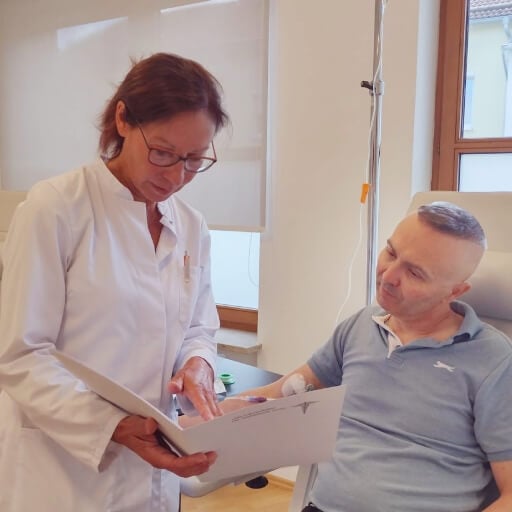
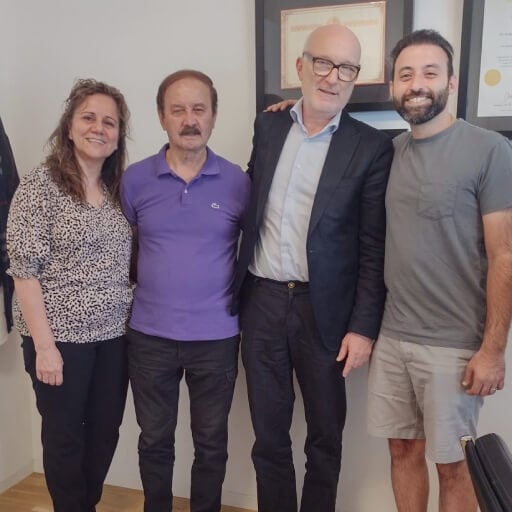
Advanced Cancer Treatment: Patient Success Stories with Booking Health





Hope Beyond the Stage: Managing Advanced and Terminal Rectal Cancer Cases
Being diagnosed with metastatic or advanced rectal cancer can make patients feel lost, exhausted, and confronted with mortality. They are often told that the options are very limited and that there is nothing they can do if the disease progresses. But with advances in modern medicine, there is hope! Advanced cancer management is not limited to conventional procedures.
The development of procedures such as dendritic cell immunotherapy, chemoembolization, and targeted radiological techniques provides patients of all kinds with a chance to slow disease progression and reduce tumor symptoms – all with minimal side effects. These procedures are mostly outpatient, minimally invasive, and tailored for each individual case.
Stage 4 rectal cancer treatment involves an individualized strategy with a combination of standard systemic procedures and innovative approaches. This enables us to focus on stabilizing the disease, with patients’ quality of life as the priority. This also helps improve survival in advanced tumor cases.
At Booking Health, we are experts in helping patients to get access to these innovations and integrative cancer care. Together, we can find the right solution for your individual situation.
Booking Health: Your Partner in Personalized Cancer Care
It is not easy to find the right strategy for managing rectal cancer, particularly after a difficult diagnosis or failed prior treatments. Many patients are overwhelmed by conflicting medical advice, limited access to innovative therapies, or just plain tired of enduring standard protocols that no longer deliver meaningful results. During these moments, seeking a fresh expert opinion is crucial. This is where Booking Health comes in.
Booking Health is a medical tourism facilitator with over 12 years of experience. It specializes in organizing personalized cancer treatment programs, including advanced rectal cancer treatment by stage in Germany. Whether you're searching for the top hospital for rectal cancer treatment, seeking a second opinion from a leading proctologist, or exploring new therapies such as dendritic cell immunotherapy or chemoembolization, we link you to the world's foremost specialists and clinics.
We provide extensive support on your medical journey, including:
- Assessment and review of your medical history
- Development of an individual treatment plan
- Selecting the most suitable clinic for your case
- Preparation and secure transmission of all medical documents
- Pre-treatment consultation with specialized physicians
- Professional advice during your hospitalization
- Coordination of follow-up care post-treatment at home
- Taking care of all formalities and logistics
- Visa assistance, flight booking, and lodging arrangements
- 24/7 Assistance from a personal medical coordinator
- Transparent pricing, no hidden charges
Your health is one of your most valuable assets, so it's essential to entrust it to those with proven expertise. Booking Health ensures that you receive compassionate care tailored to your condition, offering comfort and advanced solutions when you need them most.
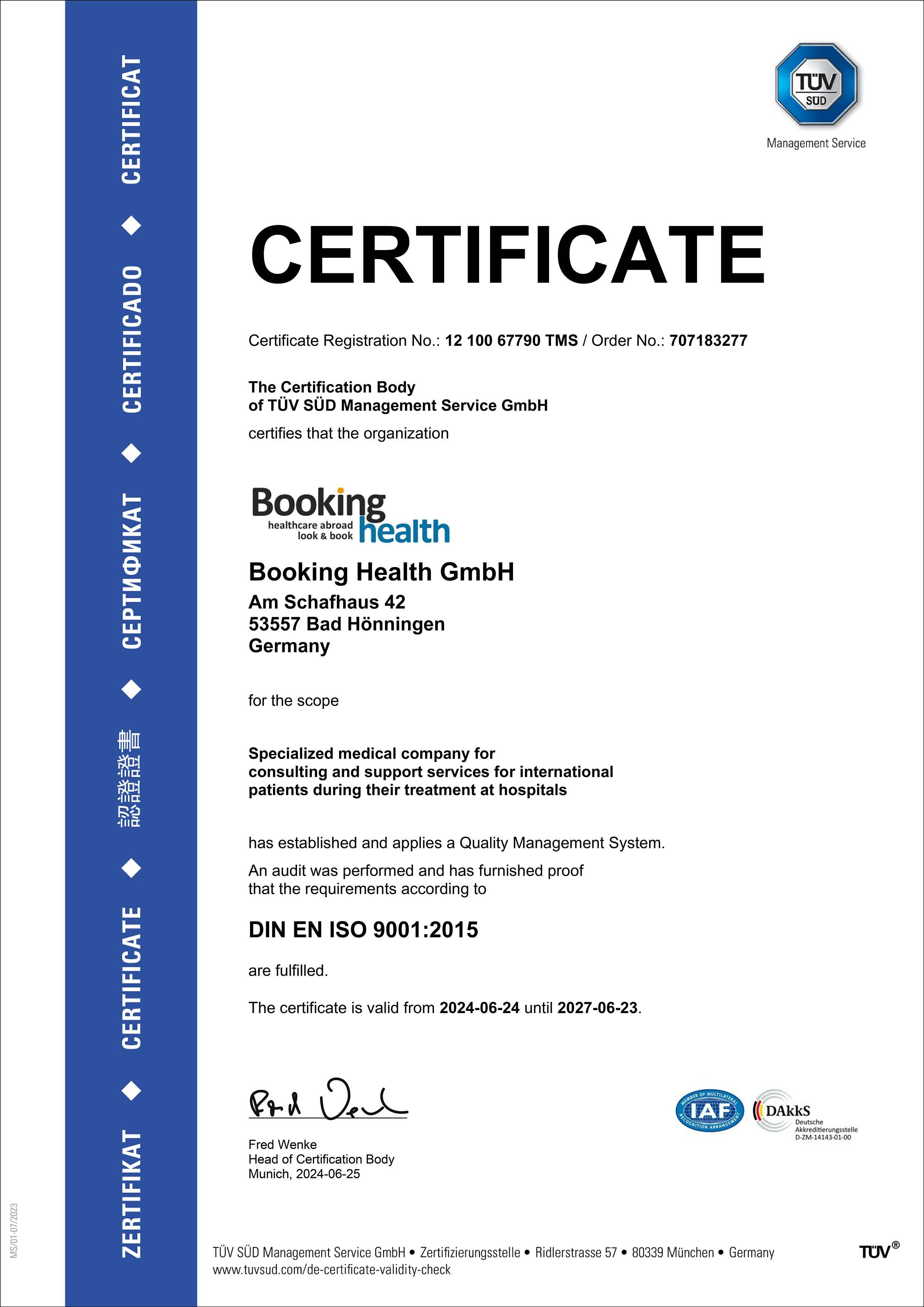
Booking Health holds ISO 9001 quality certification, reflecting well-established processes and strict quality control at every stage of the treatment journey — not just at the initial consultation, but throughout.

Frequently Asked Questions of Our Patients About Rectal Cancer Treatment
There are standard treatments that include surgery, systemic chemotherapy, and radiation therapy. The modern approaches are interventional radiological procedures and immunotherapy.
The diagnosis is based on colonoscopy with a biopsy to confirm the malignant growth, and whole body imaging like MRI and CT scans to determine cancer spread.
Both of them are a part of a wider group called colorectal cancer. But rectal cancer treatment requires more precise management because of the rectum's location near critical structures.
Not always. Some cases respond to rectal cancer treatment without surgery, especially when innovative therapies are used.
That depends on the type of treatment used. Bowel dysfunction, immunosuppression, pain, and general weakness are among them. The most aggressive side effects are often experienced by patients who undergo chemotherapy. Their quality of life can be severely disrupted.
Chemoembolization, immunotherapy, and radiation therapy are all non-surgical options for managing malignancy at any stage.
There are cases where chemo can be highly beneficial for the patient, but it should be carefully planned and integrated into a personalized treatment plan.
Radiation can be used when the malignancy is inoperable to relieve symptoms and as a neoadjuvant approach to shrink the tumor before surgery.
Survival depends on the stage and the treatment performed. For early cancers, a five-year survival rate is more than 80%, but for late-stage cases of stage IV or metastatic rectal cancer, it drops to 12-14%.
Doctors often combine surgery, chemoradiation and innovative treatments such as TACE or dendritic cell therapy.
Targeted therapy, immunotherapy, and minimally invasive radiological techniques are new treatments that are designed to battle rectal cancer.
Neoadjuvant therapy is a number of chemotherapy or radiation therapy cycles that are administered to shrink the tumor before the surgery.
The treatment duration is from a few weeks to a few months, depending on the stage and technique.
Yes, recurrence is possible, so staying consistent with regular follow-up care is really important for your well-being.
The best treatment is a combination of different modern approaches, like dendritic cell immunotherapy and interventional radiology techniques. New minimally invasive rectal cancer treatments have response rates of 45-65%, aiding in sphincter preservation and preventing permanent colostomy.
The existing treatment for locally advanced rectal cancer involves neoadjuvant therapy followed by surgery that preserves the sphincter. Newer methods such as TACE and thermal ablation can reduce tumor size, increasing the likelihood that patients can undergo surgery without requiring a stoma.
No. Non-surgical treatment of rectal cancer includes dendritic cell therapy, TACE, thermal ablation, and electrochemotherapy. These minimally invasive techniques are very effective in controlling tumors, especially in complex cases, without the need for major surgery.
The most recent treatments involve immunotherapy for MSI-H rectal cancer and various other tumor types, along with dendritic cell therapy and interventional radiology techniques. Choosing the best location for rectal cancer treatment in Europe allows access to these innovative methods and yields excellent outcomes.
Therapies for rectal cancer without chemotherapy options include: dendritic cell immunotherapy, thermal ablation, cryoablation, and TACE. These options allow for good tumor control without the serious side effects of traditional chemotherapy regimens.
The cost of rectal cancer surgery in Germany differs from that in the USA. Germany provides innovative treatment options costing between €25,000 and €60,000, compared to €80,000 to €150,000 for standard care. Meanwhile, the USA's expenses for comprehensive care range from €100,000 to €180,000.
For advanced rectal cancer, standard systemic therapy typically offers about a 25% 2-year survival rate. On the other hand, innovative methods (e.g., dendritic cell therapy, TACE, radiofrequency/microwave ablation, electrochemotherapy, IRE), can help reach ~60% 2-year survival in some patients.
In rectal cancer, standard chemotherapy often achieves a response rate <10% in advanced stages. However, innovative options (e.g., dendritic cell therapy, TACE, thermal ablation, ECT/IRE) can reach ~45-65% response in appropriately chosen cases.
Standard rectal cancer care involves several cycles of therapy over months. In turn, innovative therapies (e.g., TACE, RFA/MWA, ECT, dendritic cell therapy) are usually delivered in blocks – often up to 4 sessions – with short hospital stays or outpatient visits.
In rectal cancer, standard therapy prioritizes disease control but often with modest response and longer, heavier treatment courses. In contrast, innovative approaches (e.g., image-guided ablation, intra-arterial chemoembolization, and immunotherapy) aim for higher local control/response (≈45-65%) and a shorter, session-based course.
What are typical costs for rectal cancer care by country (and what about access/costs in Australia)?
For rectal cancer care abroad, totals often fall around: Germany (~€80,000-150,000 standard; ~€25,000-60,000 innovative), Great Britain (~€90,000-165,000 standard; ~€70,000-120,000 innovative), and the USA (~€100,000-180,000 standard; ~€100,000-150,000 innovative). In Australia, access to several innovative options can be limited and comparatively expensive.
The optimal hospital is one with experience in advanced oncology (and access to innovative treatments). German cancer centers can integrate interventional radiology with immune-based approaches (such as dendritic cell therapy) – allowing individualized treatment planning based on tumor behavior and patient condition.
From a clinical standpoint Germany provides access to both standard oncologic care and extended treatment options. Interventional radiology and dendritic cell therapy can be applied within regulated medical frameworks – enabling personalized management for patients requiring non-standard treatment strategies.
Choose treatment abroad and you will for sure get the best results!
Sources:
01. World Health Organization. [WHO]
02. Leon Klimeck, Thomas Heisser, Michael Hoffmeister, Hermann Brenner. Colorectal cancer: A health and economic problem. Best Pract Res Clin Gastroenterol. 2023 Oct:66:101839. doi: 10.1016/j.bpg.2023.101839. [DOI]
03. Tarik Ghadban, Matthias Reeh, Maximilian Bockhorn et al. Decentralized colorectal cancer care in Germany over the last decade is associated with high in-hospital morbidity and mortality. Cancer Manag Res. 2019 Mar 12;11:2101–2107. doi: 10.2147/CMAR.S197865. [DOI] [PMC free article]
04. National Cancer Control Indicators. Relative survival by stage at diagnosis (colorectal cancer).
05. Roman Volchenkov, Florian Sprater, Petra Vogelsang, Silke Appel. The 2011 Nobel Prize in physiology or medicine. Scand J Immunol. 2012 Jan;75(1):1-4. doi: 10.1111/j.1365-3083.2011.02663.x. [DOI] [PubMed]
06. Martijn R Meijerink, Robbert S Puijk, Aukje A J M van Tilborg et al. Radiofrequency and Microwave Ablation Compared to Systemic Chemotherapy and to Partial Hepatectomy in the Treatment of Colorectal Liver Metastases: A Systematic Review and Meta-Analysis. Cardiovasc Intervent Radiol. 2018 Apr 17;41(8):1189–1204. doi: 10.1007/s00270-018-1959-3. [DOI] [PMC free article]
07. Yilun Koethe, Nicole Wilson, Govindarajan Narayanan. Irreversible electroporation for colorectal cancer liver metastasis: a review. Int J Hyperthermia. 2022;39(1):682-687. doi: 10.1080/02656736.2021.2008025. [DOI] [PubMed]
Read:
01. Treatment of stage 4 colon cancer in Germany
02. Immunotherapy for Cancer Treatment
03. Dendritic cell therapy in cancer treatment in Germany - Vaccination against cancer