Prostate cancer (PC) is the most common type of cancer in men and one of the main causes of death in developed countries of Europe and North America [1]. The incidence of it has risen annually by 3% since 2014 [2]. Prostate cancer is the second-leading cause of death among males in the US. According to the American Cancer Society, about 1 in 44 men will die of prostate cancer [3]. The pathology is not always diagnosed, characterized by a latent course, which may be a reason why more of the advanced forms of prostate cancer are found at late stages in the present days. Therefore, it is crucial to be aware of all stage 4 prostate cancer treatment options.
Standard Treatment for Stage 4 Prostate Cancer
Selecting the stage 4 prostate cancer treatment often depends on factors like the extent of metastasis, prior treatments, and the patient’s personal preferences. There are several treatment strategies that are considered to be the standard of treatment for 4th stage prostate cancer, including hormones, radio- and chemotherapy, immunotherapy, targeted therapy, and surgery [4].
Hormonal therapy is the basis of advanced adenocarcinoma of the prostate treatment. It is a systemic type of treatment, which is aimed at blocking the synthesis of male hormones (androgens) since they facilitate tumor growth. Hormonal therapy controls disease progression in about 70–85% of advanced cases temporarily. Biomarker identification can guide personalized treatment plans, which is a reason it is recommended to be done prior to selecting a management strategy.
Chemotherapy is another systemic treatment for metastatic adenocarcinoma in prostate. Typically, 6 to 10 cycles of chemotherapy have to be performed in order to reach effect. It is also more beneficial for patients with hormone-resistant and metastatic cancer, especially when combined with other interventions (radio- and/or immunotherapy).
Radiotherapy is a standard therapy for recurrent and advanced prostate cancer. It is typically administered alongside hormone therapy (for hormone-sensitive tumors) and chemotherapy (so-called triplet systemic therapy). If a tumor is resistant to previous treatment options, radiopharmaceuticals can be applied such as Radium-223. Radium-223 works best for advanced stage 4 prostate adenocarcinoma with metastases to bones. Radium-223 delivers radiation directly to bone metastases, minimizing damage to healthy tissue. It is commonly administered in combination with androgen deprivation therapy (hormones) and/or chemotherapy.
Targeted therapy is the first-line treatment for stage IV prostate cancer alongside other treatment modalities. These drugs target specific proteins on the surface of malignant cells, which are responsible for cancer cells’ growth and nutrition. Targeted therapy statistically improves progression-free survival in patients with metastatic castration-resistant cancer. When used in combination with hormone therapy, it can lead to a significant reduction of PSA levels, improved survival rates, and better disease control.
Oftentimes, these methods are combined for the management of metastatic cancer in order to provide maximum eradication and disease control. But standard therapies like chemotherapy, hormonal therapy, and radiation often cause severe side effects and lower tolerance in patients, especially if the cancer is advanced or recurrent. Therefore, other novel therapeutic modalities are emerging, which demonstrate better tolerability and fewer adverse effects. These innovative methods include dendritic cell therapy, chemoembolization, and treatment with Actinium and Lutetium.
Patients with metastatic prostate adenocarcinoma are no longer told that there is nothing that can be done. Thanks to advances in modern medicine and new technology, there are more options available than ever. High personalization and a multidisciplinary approach help patients, even with advanced tumors, to slow their spread and reduce symptoms so that they are not compromising quality of life.
With more than 20 years of experience, Booking Health helps patients access all available innovations in stage 4 prostate cancer treatment. Our medical experts evaluate your documentation and provide an initial consultation with an approximate treatment plan within 24 hours of your request.
Interventional Radiology for Stage 4 Prostate Cancer
Interventional radiology provides a variety of minimally invasive procedures for treating advanced adenocarcinoma of the prostate. These image-guided techniques provide options for targeted treatment with less injury to the surrounding healthy tissue. Interventional procedures are usually performed percutaneously with specialized instruments under real-time imaging guidance, such as ultrasound or computed tomography (CT), allowing the physician to precisely target abnormal tissues while sparing normal structures. There are various interventional modalities used in contemporary clinical practice, each having specific advantages in treating different aspects of prostate cancer.
Thermal ablation is one of the main types of ablation, which uses high temperatures to destroy prostate cancer adenocarcinoma. The modalities that have been most investigated in this category are high-intensity focused ultrasound (HIFU), which uses concentrated ultrasound energy and laser interstitial thermal therapy (LITT), which focuses laser energy on tumor sites. Thermal ablation was originally indicated for benign prostatic hyperplasia (BPH) and locally advanced prostate cancer but has become relevant for the treatment of stage 4 prostate cancer, particularly in the setting of recurrence after radiation therapy (RT).
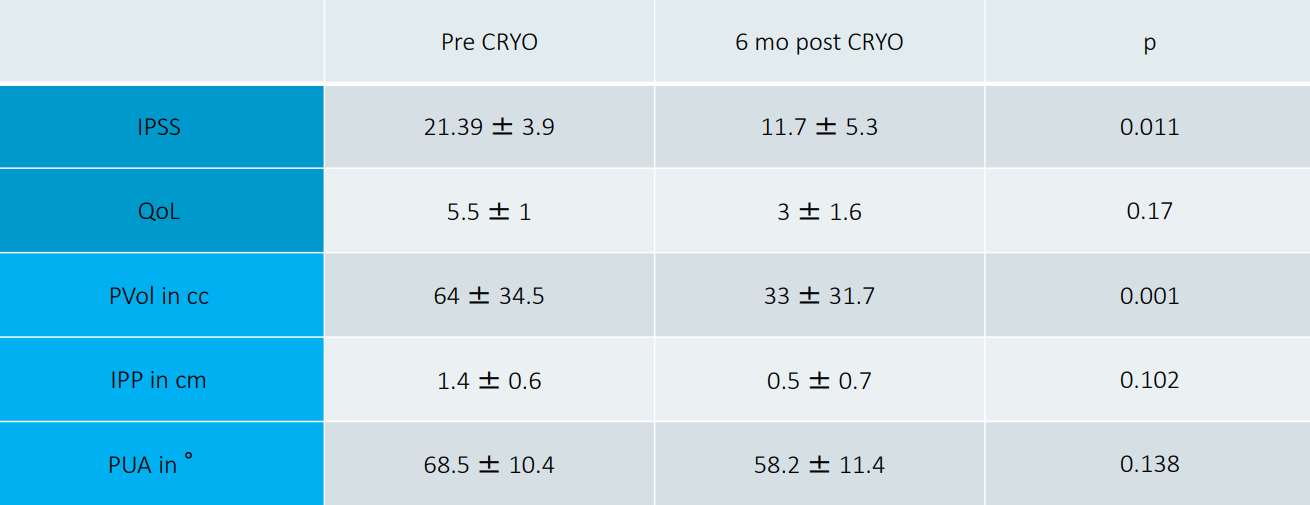
Cryoablation is another ablation energy-based therapeutic modality utilizing freezing to cause cellular death in tumors. In the context of advanced prostate cancer management, it proved to have promising outcomes, such as a considerable reduction in prostate-specific antigen (PSA) levels. The post-treatment investigation also shows stable prostate volumes and clinically valid local tumor suppression. In addition, cryoablation is associated with a low number of side effects presenting it as a patient-friendly cancer treatment modality [8].
Dynamics of clinical indicators of patients before and 6 months after cryoablation *Data of Prof. Dr. med. Attila Kovács
Electrochemotherapy (ECT) is an innovative treatment of prostate cancer stage 4 that employs targeted electrical currents with the chemotherapy injection to maximize tumor cell elimination. It is a promising option for large tumors located near vital structures or in inaccessible areas. Also, ECT enhances immune response activation, which can be beneficial when immunotherapy is added to the management of metastatic prostate cancer [8].
VIDEO
Prof. Kovács: How Electrochemotherapy Became the Gold Standard for Hard-to-Reach Tumors
Chemoembolization is a minimally invasive, local therapy that delivers high doses of chemotherapy directly to the tumor and blocks its blood supply. The procedure involves placing a catheter into the blood vessel (usually in the groin). This technique is especially useful as a treatment of prostate cancer, the fourth stage, to target metastatic lesions to the liver or other localized sites.
Studies have shown that chemoembolization significantly reduces the size of metastatic tumors and prostate size. This approach is two-pronged and serves to control the tumor and relieve symptoms in patients with stage 4 prostate cancer. It is also very effective in controlling the negative symptoms like gross hematuria or urinary retention secondary to lower urinary obstruction in patients with advanced prostate cancer. The accuracy of this targeted approach.
To explore the steps of how the procedure is performed and the practical benefits of chemoembolization, we suggest you watch the interview with Professor Attila Kovács, who discusses what chemoembolization is, indications, and contraindications for this treatment.
VIDEO
Prof. Kovács: When to Use DEB-TACE, Conventional TACE, or Radioembolization (TARE)
Prostatic artery embolization (PAE) is a minimally invasive intervention that offers valuable palliative benefits for stage 4 prostate cancer patients. While initially recognized for benign prostatic hyperplasia, PAE has proven increasingly relevant for advanced cancer management where quality of life is a critical concern.
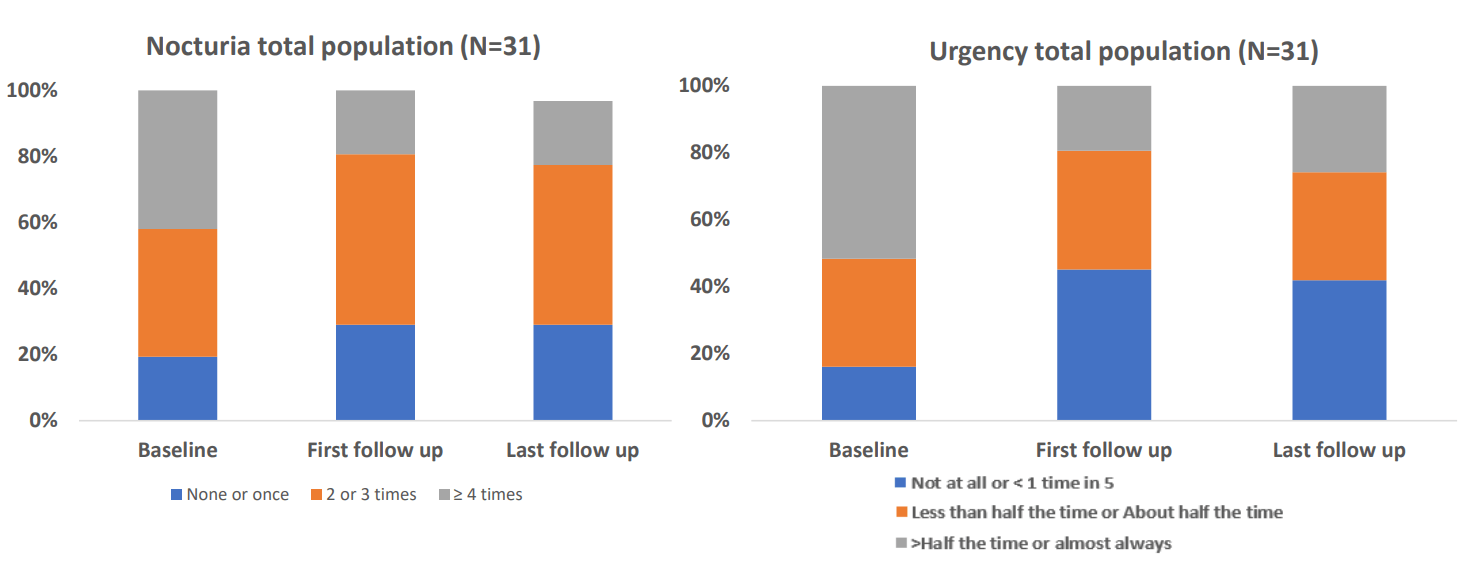
PAE works by strategically reducing blood flow to the prostate and metastatic lesions, helping control tumor-related symptoms and complications. It is particularly effective for patients with persistent lower urinary tract symptoms, which frequently accompany advanced prostate cancer. These symptoms typically include urinary retention, nocturia, and incomplete bladder emptying.
Reduction of Nocturia and Urgency with PAE *Data of Prof. Dr. med. Attila Kovács
In the context of supportive therapy for the management of patients with stage 4 prostate cancer, PAE has been shown to have a favorable safety profile and minimal side effects. PAE is an effective treatment for complications of advanced disease such as bleeding, pain, and urinary obstruction. It is an outpatient procedure that requires little recovery time and can provide rapid symptom relief when curative options are limited. PAE is a major patient-centric option providing significant gains in comfort and quality of life in the holistic prostate cancer stage four care.
VIDEO
Prostate Embolization Before Radiation: Prof. Kovács on a Game-Changing Approach to Prostate Cancer
Modern minimally invasive therapies like ablation or electrochemotherapy are available only in the best hospitals abroad. For patients, it can be challenging to receive treatment independently due to language barriers, long waiting lists, and differences in the overall functioning of the healthcare system.
Booking Health is here to assist you every step of the way. We collaborate closely with top hospitals around the globe, especially in Germany, where patients can access the latest medical procedures. After thoroughly reviewing your case, we will help you find the perfect clinic that suits your needs and diagnosis.
Immunotherapy with Dendritic Cells for Stage 4 Prostate Cancer
This therapy leverages the patient’s immune system by training. Dendritic cells are antigen-presenting cells that capture foreign antigens, analyze them, and mediate immune response while promoting tolerance to the self and harmless environment. As a result, dendritic cells can activate specific T-cells programmed for killing the pathogen expressing this specific antigen. Being a massive scientific breakthrough, it brought its discoverer (Ralph M. Steinman) a Nobel Prize in medicine [5]. Immunotherapy with dendritic cells offers a personalized approach, strengthening the body’s natural defense mechanisms.
Dendritic cell immunotherapy is particularly useful for advanced cancers such as 4th stage prostate cancer treatment or recurrent prostate cancer. Hormone-refractory and metastatic prostate cancers are also preferable candidates for immunotherapy with dendritic cells. Immunotherapy is commonly well-tolerated and has fewer side effects compared to standard treatment modalities.
To learn more about this promising treatment, watch an interview with Prof. Gansauge, who is delving into the latest advancements in cancer treatment and answering common patient questions.
VIDEO
How Dendritic Cell Therapy is Transforming Modern Cancer Treatment
Modern oncological practice demonstrates that radioligand therapy for prostate cancer has become one of the most effective options for helping patients at the 4th stage of the disease. This innovative method of nuclear medicine is implemented as a targeted radioligand therapy, combining accurate diagnosis and therapeutic impact at the molecular level. The use of the radionuclides Lutetium-177 and Actinium-225 enables targeted irradiation of tumor foci, reducing the load on critical organs. This approach is a priority in 4 stage prostate cancer treatment, especially when traditional therapy no longer works, and the patient needs an individual approach based on the genetic and molecular characteristics of the tumor.
Dendritic cell vaccination as an adjuvant therapy is a promising approach that can really make a difference for patients, even those with advanced prostate cancer. It is useful in promoting tumor control or remission after extensive cytoreductive surgery. This therapy is associated with immune activation, reduction of biomarkers and may lead to an improved disease-free survival.
In your case review, Booking Health assesses whether the center's DC protocol is suitable for your case of prostate cancer. Then we help patients to get to their treatment safely, arranging visas, flights and transportation, all with personal supervision 24/7.
Actinium Treatment for Stage 4 Prostate Cancer
Actinium-225 PSMA-617 is a novel, award-winning type of radionuclide therapy for treating prostate cancer in the fourth stage [6]. It targets a specific protein named PSMA, which is typically found on the surface of cancer cells in a remarkably high amount compared to healthy prostate cells. PSMA-617 is a specific artificially created molecule that searches for cancer cells expressing the PSMA protein on their surface and connects with them.
The ability of alpha particles to cause irreversible breaks in both strands of tumor DNA forms the basis of radioligand therapy. Prostate cancer metastases that cannot be removed surgically or irradiated distantly are effectively destroyed by high-energy Actinium-225 radiation [7].
Since PSMA-617 possesses the ability to carry radionuclides such as Actinium-225, by binding to cancer cell proteins, it enables targeted irradiation of these cells. Actinium-225 PSMA therapy forms an extremely firm bond with PSMA antigens on the surface of cancer cells, granting a chance to eliminate even the most distant metastases. Owing to such characteristics, Actinium-225 PSMA-617 showed quite promising results in various studies in patients with metastatic castration-resistant prostate cancer (mCRPC), such as quite high treatment response rates, low toxicity, and overall pain reduction.
Treatment with Lutetium for Stage 4 Prostate Cancer
Lutetium-177 vipivotide tetraxetan is an innovative therapeutic agent designed for advanced metastatic prostate cancer, such as for PCa treatment stage 4. As a part of a new branch of medicine – theranostic medicine – this novel method combines diagnostic imaging with targeted radiation [9]. As a result, this targeted radionuclide therapy delivers radiation specifically to prostate cancer cells expressing the Prostate-Specific Membrane Antigen (PSMA).
Using PET-CT with Gallium-68 allows doctors to accurately visualize all foci of advanced prostate cancer. Radioligand therapy using Lutetium-177 provides further point effects on these zones, destroying the tumor at the molecular level without significantly damaging the surrounding healthy tissues.
Lutetium-177 is usually administered alongside its companion diagnostic substance gallium-68 gozetotide, which is used in PSMA PET imaging to accurately identify PSMA-positive cancer cells [10].
In order to understand this method better, we invite you to watch Dr. Stefan Dresel talking about how Lutetium-177 PSMA therapy works. Both the lutetium-177 PSMA therapy and the gallium-68 PSMA imaging received FDA approval, with clinical evidence demonstrating notable improvements in survival outcomes, quality of life, and delayed disease progression for prostate cancer patients. It is validated by inspiring stories from our patients as well. John Baker, who struggled with metastatic prostate cancer, went through several therapeutic modalities. Yet, when he found out about Lutetium-177, he decided to try it out. And it proved to be worthwhile. Watch his cancer management journey and find out more about his experience with Lutetium.
VIDEO
Leading Nuclear Medicine Expert Prof. Dresel Reveals the Power of Lutetium-177 Treatment
Patients with advanced prostate cancer are increasingly considering treatment abroad, as large cancer centers offer a multidisciplinary approach, PSMA diagnostics, and advanced treatment methods. When choosing the best prostate cancer hospitals, men consider not only the results but also the cost of prostate cancer stage 4 treatment. In the case of metastases, the metastatic prostate cancer treatment cost is estimated separately – the full treatment cost for advanced prostate cancer depends on the chosen treatment method and other factors. Germany offers state-of-the-art care – here, stage 4 prostate cancer treatment in clinics provides access to advanced diagnostics and innovative therapies. In Germany, patients can access the transparent cost of stage 4 prostate cancer treatment with no hidden fees.
Best Hospitals for Stage 4 Prostate Cancer Treatment
Clinic
Country
Key Strengths
University Hospital Munich
Germany
PSMA diagnostics, comprehensive approach, multidisciplinary team
University Hospital Ulm
Germany
Expertise in interventional radiology, PSMA therapy, advanced prostate cancer treatment
Urology Clinic Wiener Platz
Germany
Minimally invasive urology procedures, local therapy
University Hospital Munich
The University Hospital Munich is considered one of the leading centers for urological oncology in Europe. Here, patients with stage 4 are offered individual regimens of hormonal, chemo- and PSMA-radioligand therapy, as well as palliative interventions to control symptoms. In complex cases, doctors explain in detail the prostate cancer stage 4 surgery cost if surgery is considered to alleviate the condition. The center is included in the list of best hospitals for stage 4 prostate cancer treatment, as it combines the scientific basis and advanced treatment methods. Much attention is paid to the quality of life and pain relief.
University Hospital Ulm
The University Hospital Ulm is recognized for its strong expertise in interventional radiology. The institution is often mentioned among the top hospitals for stage 4 prostate cancer treatment, as it treats a large number of patients with advanced cancer. Teams of urologists and oncologists work together, adjusting therapy when the course of the disease changes. Supportive treatment (aimed at controlling pain and complications of metastases) plays a significant role.
Urology Clinic Wiener Platz
The Urology Clinic Wiener Platz specializes in modern urology and minimally invasive interventions. Patients who need symptom control, local procedures, or a second opinion on systemic therapy come here. The clinic is considered one of the best hospitals for advanced prostate cancer due to its narrow specialization and personalized support. At the same time, the center cooperates with large oncology institutions. Wiener Platz is one of the most reliable stage 4 prostate cancer treatment hospitals for patients who value comfort, rapid treatment organization, and an individual approach.
Stage 4 Prostate Cancer Treatment Cost
Treatment Method
Germany
Great Britain
USA
Standard Treatment
€80,000 - €150,000 full course
€90,000 - €165,000 full course
€100,000 - €180,000 full course
Innovative Methods
€25,000 - €60,000 full course
€70,000 - €120,000 full course
€100,000 - €150,000 full course
A significant challenge for international patients is obtaining new treatments for prostate cancer in the fourth stage quickly, especially in urgent cases, where waiting isn’t feasible.
Booking Health collaborates directly with top clinics in Germany and can organize treatment within 48 hours for urgent cases. This coordination system supports all medical specialties, with the priority level aligned to the patient's clinical timeline determined by their diagnosis.
Comparative Chart with the Effectiveness of the Listed Methods in Stage 4 Prostate Cancer
Research indicates that the best treatment for advanced prostate cancer is comprehensive, using a multidisciplinary strategy. Combining hormone therapy with chemotherapy or incorporating newer antiandrogenic drugs can prolong survival and slow disease progression. Also, it is essential to undergo regular monitoring and make adjustments to treatment for stage 4 prostate cancer, which are essential for addressing changes in the disease’s behavior.
These novel therapies offer new hope for patients with prostate cancer level 4, improving survival and quality of life. In research, new approaches are being looked at and there is hope for a cure. Contact our medical team for a consultation and the best treatment option for you.
Here's a comparative chart showcasing the effectiveness of the listed methods for treating advanced-stage prostate cancer:
Data depends on the stage of the disease
Therapy type
2-Year Survival Rate
Response Rate
Duration
Side Effects
Standard Treatment
~25% for advanced cancer
Less than 10%
Several cycles
Severe (nausea, fatigue, hair loss, immunosuppression, skin irritation)
Innovative Methods
~60% for advanced cancer
45-65%
Up to 4 sessions
Mild (localized discomfort)
A Medical Journey: Every Step of the Way With Booking Health
Finding the best treatment strategy for your own clinical situation is a challenging task. Being already exhausted from multiple treatment sessions, having consulted numerous specialists, and having tried various therapeutic interventions, you may be lost in all the information given by the doctors. In such a situation, it is easy to choose a first-hand option or to follow standardized therapeutic protocols with a long list of adverse effects instead of selecting highly specialized innovative treatment options.
In order to make an informed choice and get a personalized cancer management plan, which will be tailored to your own specific clinical situation, consult medical experts at Booking Health. Being at the forefront of offering the latest medical innovations for already 12 years, Booking Health possesses solid expertise in creating complex cancer management programs in each individual case. As a reputable company, Booking Health offers personalized stage 4 prostate cancer treatment plans with direct clinic booking and full support at every stage — from organizational processes to assistance during treatment.
We provide:
Assessment and analysis of medical reports
Development of the medical care program
Selection of a suitable treatment location
Preparation of medical documents and forwarding them to a suitable clinic
Preparatory consultations with clinicians for the development of medical care programs
Expert advice during the hospital stay
Follow-up care after the patient returns to their native country after completing the medical care program
Taking care of formalities as part of the preparation for the medical care program
Coordination and organization of the patient's stay in a foreign country
Assistance with visas and tickets.
A personal coordinator and interpreter with 24/7 support.
Transparent budgeting with no hidden costs
Health is an invaluable aspect of our lives. Delegating management of something so fragile yet precious should be done only to experts with proven experience and reputation. Booking Health is a trustworthy partner, who assists you on the way of pursuing stronger health and better quality of life. Contact our medical consultant to learn more about the possibilities of personalized treatment with innovative methods for metastatic prostate cancer with leading specialists in this field.
Every Patient Has a Story: Booking Health Treatment Journeys that Inspire
Seyed A. (United Kingdom), May 2026
Tommy G. (Ireland), April 2026
Peter R. (USA), February 2026
Jared Todd M. (USA), February 2026
Emmanuel K. (USA), January 2026
Ronald C. (Canada), November 2025
Dan J M. (Canada), September 2024
John H. (Canada), November 2023
Timothy L. (USA), April 2023
Robert McLean T. (Jamaica), January 2023
Frequently Asked Questions of Our Patients About Stage 4 Prostate Cancer Treatment
What is metastatic prostatic adenocarcinoma?
Stage 4B prostate cancer is the same term as metastatic prostatic adenocarcinoma. The verification of the diagnosis needs visualization – CT scan, MRI etc.
What is an adenocarcinoma of the prostate?
Adenocarcinoma of the prostate is one of the known types of prostate cancer. It is the most common type in any age due to its glandular origin.
How aggressive is adenocarcinoma of the prostate?
Gleason score, PSA level, tumor staging, genetic features, etc., determine the aggressiveness of the tumor. In some cases, adenocarcinoma grows slowly, and in others, it metastasizes rapidly – your healthcare provider elaborates a personal treatment plan to address your tumor’s level of aggressiveness.
What is the best treatment for adenocarcinoma in prostate?
In the complex treatment, doctors may use hormone therapy, chemotherapy, targeted therapy, etc. Innovative methods – like Lutetium-177 PSMA therapy and dendritic cell vaccination – and interventional radiology procedures are also used for advanced adenocarcinoma. Surgery is considered in selected men.
What is Stage 4 prostate cancer, and how is it diagnosed?
The disease spreads beyond the prostate to nearby tissues (4A) or distant organs like bones or lymph nodes (4B). Diagnosis includes PSA tests, biopsies, and imaging (CT, MRI, bone scans).
What are the symptoms of Stage 4 prostate cancer?
Symptoms include persistent bone pain, fatigue, difficulty urinating, weight loss, swelling in the legs, and general weakness.
What are the survival rates for Stage 4 prostate cancer?
The 5-year survival rate for Stage 4 is approximately 30%, with higher rates in cases confined to nearby structures (Stage 4A).
What are the treatment options for metastatic prostate cancer?
Prostate cancer metastasis treatment includes hormone therapy, chemotherapy, immunotherapy, targeted therapy, radiation therapy, and palliative care. Cytotoxic chemotherapy is often used in cases where hormonal therapies fail to control the disease.
Can Stage 4 prostate cancer be cured or only managed?
Stage 4 is typically managed rather than cured, focusing on controlling the disease, alleviating symptoms, and improving quality of life.
What is the role of hormone therapy in treating advanced prostate cancer?
Hormone therapy lowers or blocks testosterone, slowing cancer growth. It is often the first-line treatment for metastatic prostate cancer.
How effective is chemotherapy for Stage 4 prostate cancer?
Chemotherapy is effective in reducing symptoms and improving survival in many patients with metastatic prostate cancer, but it is not curative.
What are the common side effects of Stage 4 prostate cancer treatments?
Side effects include fatigue, nausea, weakened bones, hormone-related effects (like hot flashes), and increased infection risk. Long-term hormone therapy can increase the risk of osteoporosis in patients.
How does prostate cancer spread to other parts of the body, such as bones?
Cancer cells travel via the bloodstream or lymphatic system, often lodging in bones, lungs, or the liver.
What is the difference between Stage 4A and Stage 4B prostate cancer?
Staging 4A involves local spread to nearby structures or lymph nodes, while Stage 4B includes distant metastases, often in bones or organs.
How can palliative care help patients with Stage 4 prostate cancer?
Palliative care focuses on relieving pain, managing symptoms, and providing emotional and psychological support to enhance quality of life.
What is the life expectancy with Stage 4 prostate cancer?
Life expectancy varies widely, often depending on the extent of metastasis and the effectiveness of treatment of stage 4 prostate cancer, but many patients live several years with advanced care.
How long can you live with stage 4 prostate cancer with treatment?
Survival varies based on individual factors, but modern treatments can significantly extend a patient’s life expectancy. Many studies report median survival ranging from 2 to 5 years, though some patients experience longer periods of disease stabilization. Outcomes depend on overall health, tumor characteristics, and treatment response.
Can stage 4 prostate cancer be cured?
Stage 4 prostate cancer is generally not considered curable because it has spread beyond the prostate. Instead, treatment focuses on controlling disease progression, alleviating symptoms, and improving overall quality of life. Some patients may experience extended remission with advanced therapies, but the goal is management rather than cure.
What are the new treatment options for advanced prostate cancer?
Recent advances in prostate cancer stage IV treatment include targeted therapies such as PARP inhibitors, next-generation antiandrogenic drugs, and innovative immunotherapies. Radioligand therapies and refined chemotherapy regimens also offer new hope.
What is the 2-year survival rate in stage 4 prostate cancer?
The 2-year survival rate with standard stage 4 prostate cancer treatments (e.g., hormone therapy, chemo, radiotherapy) is around 25%. On the other hand, with innovative options like dendritic cell immunotherapy, TACE/chemoembolization, electrochemotherapy (ECT), PSMA-targeted radionuclide therapy (Actinium-225, Lutetium-177), or focal ablation (HIFU, cryoablation), programs report rates around 60% even with advanced tumors like prostate cancer stage 4b.
What response rates are typical in stage 4 prostate cancer for standard vs innovative therapies?
Prostate cancer treatment stage 4 with standard systemic therapy generally achieves a response rate under 10%. However, innovative approaches (e.g., dendritic cell therapy, ECT, focal thermal/cryoablation, and PSMA-targeted radionuclide therapy) can reach about 45-65%.
How long does treatment usually last in stage 4 prostate cancer?
Typically, standard regimens for stage four metastatic prostate cancer involve several chemotherapy and/or hormone-therapy cycles over many months (often with ongoing maintenance). In contrast, innovative modalities (e.g., TACE, focal ablation (HIFU, cryo), ECT, or dendritic cell therapy) are often delivered in up to four sessions, sometimes spaced weeks apart, and may be combined within a multimodal plan.
What side effects should I expect from stage 4 prostate cancer treatments – standard vs innovative?
Standard treatments for stage 4 prostate cancer commonly cause moderate to severe side effects (e.g., fatigue, nausea, hair loss, immunosuppression, skin/urinary/bowel effects). In turn, innovative therapies (e.g., TACE, focal ablation, ECT, dendritic cell immunotherapy, and PSMA-targeted radionuclides) tend to have milder, more localized side effects (e.g., transient discomfort, low-grade fever, injection-site soreness).
What is the best treatment option for stage 4 prostate cancer?
Stage 4 prostate cancer management includes standard treatments and innovative methods (such as PSMA-targeted radioligand therapy (lutetium-177, actinium-225), interventional radiology and dendritic cell therapy). Treatment is individualized based on disease burden and patient performance status.
Which hospital is the best for stage 4 prostate cancer treatment?
German centers (with experience in advanced prostate cancer radioligand therapy) provide integrated care. Hospitals capable of combining PSMA-targeted lutetium or actinium therapy, interventional radiology, and dendritic cell therapy can provide tailored treatment plans – according to disease progression and patient condition.
What country is the best for stage 4 prostate cancer treatment?
Germany offers access to innovative therapies; structured clinical programs allow incorporation of dendritic cell therapy and local tumor interventions providing individualized management for advanced prostate cancer patients.
How much does stage 4 prostate cancer treatment cost in Germany?
The cost of treating the fourth stage of prostate cancer in Germany depends on the chosen therapies. Prostate cancer stage 4 price for the full course of treatment using standard methods generally costs between €80,000 and €150,000, whereas opting for innovative approaches may reduce the overall cost to between €25,000 and €60,000.
What support services are available for patients in Germany?
Stage four prostate cancer patient services in Germany include comprehensive support such as medical coordination, English-speaking staff, airport transfers, visa assistance, translation of documents, and 24/7 patient care managers. Booking Health and similar platforms ensure smooth communication and improved access to top clinics.
Can you travel for treatment with stage 4 prostate cancer?
Yes, medical travel for prostate cancer treatment is possible and common, even in the fourth stage of the treatment of prostate cancer. Germany welcomes international patients and offers fast access to diagnostics and personalized treatment plans. Travel is typically allowed as long as the patient is stable and accompanied if needed.
How is radioligand therapy for prostate cancer used in stage 4 disease?
The most effective strategy in stage IV prostate cancer treatment is radioligand therapy. For prostate cancer in the metastatic stage, it means targeted delivery of radioactive isotopes (Lu-177 or Ac-225) directly to cancer cells in bones and lymph nodes, etc.
Can radioligand therapy prostate cancer treatment be combined with other advanced therapies?
Current protocols in Germany often involve a combined approach to achieve the best result in treatment. Prostate cancer stage 4 patients with aggressive tumors can highly benefit from radioligand therapy with a combination of targeted drugs or immunotherapy, which shows higher sensitivity to treatment, allowing for more effective control of metastatic spread.
Choose treatment abroad and you will for sure get the best results!
Authors:
This article was edited by medical experts, board-certified doctors Dr. Nadezhda Ivanisova, and Dr. Yana Dmytryshyn. For the treatment of the conditions referred to in the article, you must consult a doctor; the information in the article is not intended for self-medication!
Our editorial policy, which details our commitment to accuracy and transparency, is available here. Click this link to review our policies.
Sources:
01. Prashanth Rawla. Epidemiology of Prostate Cancer. World J Oncol. 2019 Apr 20;10(2):63–89. doi: 10.14740/wjon1191.[DOI][PMC free article]
02. Tyler B Kratzer, Natalia Mazzitelli, Jessica Star et al. Prostate cancer statistics, 2025. CA Cancer J Clin. 2025 Sep 2;75(6):485–497. doi: 10.3322/caac.70028.[DOI][PMC free article]
03. Sigrid V Carlsson, Andrew J Vickers. Screening for Prostate Cancer. Med Clin North Am. 2020 Sep 16;104(6):1051–1062. doi: 10.1016/j.mcna.2020.08.007.[DOI][PMC free article]
04. Sobia Wasim, Jieun Park, Seungyoon Nam, Jaehong Kim. Review of Current Treatment Intensification Strategies for Prostate Cancer Patients. Cancers (Basel). 2023 Nov 28;15(23):5615. doi: 10.3390/cancers15235615.[DOI][PMC free article]
05. Roman Volchenkov, Florian Sprater, Petra Vogelsang, Silke Appel. The 2011 Nobel Prize in physiology or medicine. Scand J Immunol. 2012 Jan;75(1):1-4. doi: 10.1111/j.1365-3083.2011.02663.x.[DOI][PubMed]
06. Jiao Ma, Lanying Li, Taiping Liao, Weidong Gong, Chunyin Zhang. Efficacy and Safety of 225Ac-PSMA-617-Targeted Alpha Therapy in Metastatic Castration-Resistant Prostate Cancer: A Systematic Review and Meta-Analysis. Front Oncol. 2022 Feb 3;12:796657. doi: 10.3389/fonc.2022.796657.[DOI][PMC free article]
07. Anil P Bidkar, Luann Zerefa, Surekha Yadav, Henry F VanBrocklin, Robert R Flavell. Actinium-225 targeted alpha particle therapy for prostate cancer. Theranostics. 2024 May 11;14(7):2969–2992. doi: 10.7150/thno.96403.[DOI][PMC free article]
08. Attila Kovács, Michael Pinkawa. Interventional therapy in malignant conditions of the prostate. Radiologe. 2019 Dec;59(Suppl 1):28-39. doi: 10.1007/s00117-019-00632-x.[DOI][PubMed]
09. Konstantin Egon Seifert, Robert Seifert, Katharina Kessel et al. Lutetium-177 Labelled PSMA Targeted Therapy in Advanced Prostate Cancer: Current Status and Future Perspectives. Cancers (Basel). 2021 Jul 23;13(15):3715. doi: 10.3390/cancers13153715.[DOI][PMC free article]
10. Mehmet Erdogan, Sevim S Sengul, Bulent Cetin et al. The role of Ga68 PSMA PET/CT imaging in Lu177 PSMA treatment planning in metastatic castration-resistant prostate cancer. Ann Nucl Med. 2022 Jun;36(6):562-569. doi: 10.1007/s12149-022-01739-3. Epub 2022 Apr 9.[DOI][PubMed]
thank you for reaching out! One of our medical advisors is currently reviewing your details. You can expect a call from us within one business day to discuss your request.
Note: The incoming call will appear as a German number or your local area code. This call is entirely free of charge.
Booking Health guarantees:
Expert Placement
We use rigorous statistical analysis to ensure you are treated at the best-rated facility for your specific diagnosis.
Total Cost Protection
No hidden fees or unexpected bills. We provide a fixed price guarantee, backed by insurance that covers any additional complications.
12-Month Extended Care
Your recovery is our priority. Benefit from a full year of direct medical support following your procedure.