




The central failure of conventional autoimmune treatment results is not that it lacks potency — it is that it addresses the wrong target. Immunosuppressants and corticosteroids suppress the immune system broadly to reduce symptoms, but the misfiring that causes the immune system to attack its own tissue continues underneath that suppression. Symptoms return, and long-term use results in the development of infections and malignancies [4].
More than 80 diverse autoimmune pathologies — rheumatoid arthritis, multiple sclerosis, systemic lupus erythematosus, Crohn's disease, ulcerative colitis, etc — affect about 5–10% of population [1]. Women represent up to 80% of diagnosed cases [2], and over 24 million people live with these disorders in the United States alone [3]. That scale of chronic suffering, managed but not resolved by the treatments most patients currently receive, is the clinical context in which dendritic cell immunotherapy becomes relevant.
What dendritic cell therapy offers is not a stronger suppression — it is a correction. With the help of immune tolerance-promoting and addressing the pathological self-recognition process directly, this advanced therapy for autoimmune diseases creates the conditions for long-term remission without disrupting the immune defenses the patient needs.
What Are Dendritic Cells?
Dendritic cells occupy a position in the immune system that no other cell type replicates: they sit at the boundary between innate and adaptive immunity, capturing and presenting antigens to T cells and determining through that presentation whether what follows is an immune attack or immune tolerance [5]. That determination is not incidental — it is the mechanism through which the immune system decides what to fight and what to leave alone. Under healthy conditions, dendritic cells maintain this distinction reliably, identifying pathogens as threats and body tissue as self. When that function breaks down, the distinction collapses — and the immune system begins targeting the tissue it was designed to protect, which leads to the development of chronic inflammation and organ damage that define autoimmune disease [1, 5].
Dendritic cells can both activate T cells against genuine threats and promote tolerance toward the body's own tissues — a bidirectional capability that makes them uniquely suited to therapeutic use in autoimmune conditions, where the goal is not to eliminate immune activity but to redirect it away from self-tissue and back toward genuine pathogens [5].
How Dendritic Cell Therapy Works
Dendritic cell therapy for autoimmune disease does not work by quieting the immune system — it works by teaching it [6]. The process begins with the patient's own blood, from which monocytes are isolated and transferred to a specialized laboratory. There, exposure to growth factors and cytokines transforms them into tolerogenic dendritic cells — cells specifically prepared to promote immune tolerance rather than immune activation. These cells are then loaded with the disease-specific autoantigens that the patient's immune system has been misidentifying as threats, and reintroduced into the body, where they interact with T cells and establish tolerance toward the self-tissue the autoimmune response has been targeting.
The result is an immune system that has been corrected rather than suppressed — which produces a clinical profile that conventional treatment cannot match. Targeted immune modulation, reduced side effects, preservation of general immune function, and the potential for long-term remission are not theoretical advantages over immunosuppressants [6]. They are the direct consequences of treating the source of the problem rather than managing its symptoms — and for patients with rheumatoid arthritis, multiple sclerosis, systemic lupus erythematosus, and other autoimmune conditions, they represent a fundamentally different relationship with a disease that conventional treatment had consigned them to managing indefinitely.
The antigen loading step — exposing lab-grown dendritic cells to disease-specific autoantigens — requires that the correct self-antigen is identified and available for the patient's specific condition. For rheumatoid arthritis, that is type II collagen; for MS, myelin proteins; for SLE, nuclear autoantigens. A center that uses a standardized antigen panel rather than condition-specific loading will not produce a tolerogenic response calibrated to the patient's actual immune target.
Booking Health verifies that the German center's protocol uses disease-specific antigen loading matched to the patient's confirmed diagnosis before recommending it.
CHECK IF A BETTER SOLUTION EXISTS FOR YOU
Autoimmune Diseases Treated with Dendritic Cells
Treatment of autoimmune disorders with dendritic cells does not offer a single protocol applied across all conditions — it offers a disease-specific correction of the immune misrecognition driving each one. The five conditions below are the autoimmune diseases where tolerogenic dendritic cell immunotherapy has demonstrated the clearest therapeutic promise — each through a mechanism calibrated to the specific self-antigen the immune system has learned to attack.
Rheumatoid Arthritis
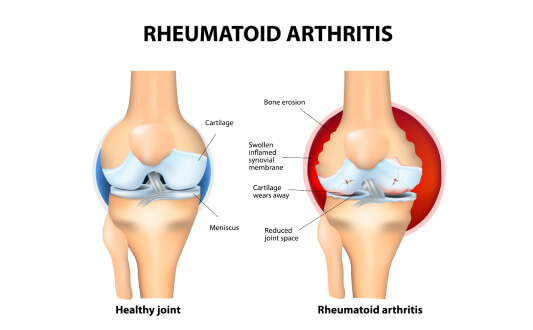
The pathology affects approximately 1% of the global population, targeting the synovial lining of joints and producing chronic pain, swelling, and progressive deformity that conventional treatment manages without correcting [7]. The immune system's attack on joint tissue is driven by T cells that have lost tolerance toward self-antigens — which is precisely the process that tolerogenic dendritic cells loaded with type II collagen are designed to reverse. Research results shows that this approach can reduce disease activity and lower reliance on conventional immunosuppressants [8], because it addresses the immune programming that sustains the attack rather than the inflammation the attack produces. For patients with rheumatoid arthritis, that distinction is the difference between a treatment that requires indefinite continuation and one oriented toward long-term immune correction.
Multiple Sclerosis
More than 2.8 million people worldwide live with multiple sclerosis — and the level of its development is rising, particularly among young adults whose diagnosis arrives decades before the neurological damage it produces reaches its full extent [9]. The immune system's attack on the myelin sheath surrounding nerve fibers is not random misfiring; it is antigen-specific, driven by T cells that have lost tolerance toward myelin proteins. Dendritic cell immunotherapy intervenes at precisely that point — inducing tolerance to myelin oligodendrocyte glycoprotein and myelin basic protein through tolerogenic dendritic cells calibrated to the immune target driving demyelination in each patient. Phase I clinical study results have confirmed safety and tolerability, with reductions in pro-inflammatory cytokines and relapse rates that standard MS treatments, which suppress immune activity broadly, do not achieve through the same mechanism [10]. What those treatments cost the patient in compromised immune defense, this approach does not — because correcting a specific pathway leaves everything else intact.
Affected Intestine: Crohn's Disease and Ulcerative Colitis
The growing demand for effective treatment options for Crohn's disease reflects the fact that over 10,000,000 people live with Crohn's disease or ulcerative colitis [11]. Both conditions share a fundamental mechanism: the immune system targeting gut microbiota and intestinal tissue it should tolerate, producing chronic ulceration, diarrhea, weight loss, and pain that accumulates over years of inadequately controlled inflammation. Conventional biologics address this inconsistently in severe cases — which is why the patients who reach dendritic cell therapy have typically already exhausted the treatment options designed to precede it. Dendritic cells regulate intestinal immunity at a level no biologic drug replicates, and their dysfunction is directly implicated in inflammatory bowel disease pathogenesis — making tolerogenic dendritic cell immunotherapy not an experimental alternative but a mechanistically logical intervention for the specific immune failure driving the disease. Pilot study results in patients with severe, biologic-resistant Crohn's and ulcerative colitis have shown reductions in inflammation and promotion of mucosal healing [12] — outcomes that represent, for patients who had stopped expecting them, a return to the possibility of remission.
Psoriasis
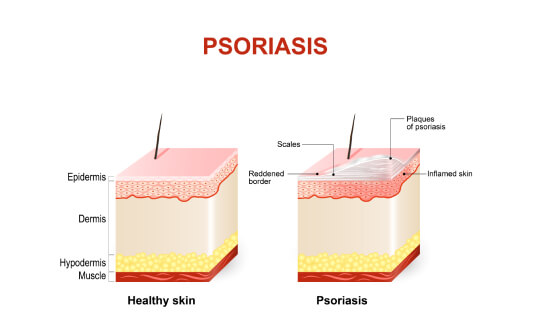
Psoriasis affects approximately 125 million people worldwide — roughly 2–3% of the global population — producing immune-mediated overproduction of skin cells that manifests as scaly plaques, redness, and persistent itching [13]. Dysregulated dendritic cells sit at the center of this pathogenesis, triggering aberrant T cell activation in the skin that drives the cycle of excessive cell proliferation. Modified dendritic cells designed to suppress that signaling aim to restore immune balance at the point where it breaks down rather than managing the skin manifestations it produces. Early-phase research results have shown potential in reducing lesion severity and lowering relapse rates after discontinuation of topical and systemic treatments [14]. This finding suggests the therapy may interrupt the cycle rather than simply slow it.
Systemic Lupus Erythematosus
Systemic lupus erythematosus affects more than 5 million people globally. Up to 90% of patients are women — frequently diagnosed during their reproductive years, when the disease's capacity to damage skin, joints, kidneys, heart, lungs, and brain carries consequences that extend across decades of life [15]. In lupus, abnormal dendritic cells present self-antigens excessively, driving widespread immune activation and inflammation that no single organ system is reliably spared from. Tolerogenic dendritic cells address this by reprogramming autoreactive T cells and reducing autoantibody production — downregulating the immune responses that drive flares and accumulate the organ damage that defines long-term disease burden [16]. For patients managing a condition that conventional treatment controls incompletely and often toxically, that correction is not a supplementary option. It is the most mechanistically direct intervention currently available for the immune dysfunction SLE is built on.
SLE's multi-organ involvement — skin, joints, kidneys, heart, lungs, brain — means that the organ systems currently active in the patient's disease determine which autoantigens the tolerogenic DC protocol should target and which organ function parameters need to be assessed before manufacturing begins. A patient with active lupus nephritis arrives with a different clinical profile than one whose primary manifestation is arthritis and serositis.
Booking Health's physician-level case review maps the patient's current organ involvement and autoantibody profile to the German center's protocol specifics before the program is recommended.
FIND THE RIGHT SPECIALIST FOR MY CASEClinical Evidence and Research for Systemic Autoimmune Diseases
When Dr. Ralph Steinman received the Nobel Prize in Physiology or Medicine in 2011 for discovering dendritic cells and their role in adaptive immunity, the recognition did more than honor a scientific achievement — it established the biological foundation on which an entirely different approach to autoimmune treatment became possible. The clinical research that followed has built steadily on that foundation, producing evidence for tolerogenic dendritic cells across multiple autoimmune conditions with a safety profile that decades of immunosuppressant development has never approached.
Safety outcomes across studies have been consistent in a way that matters clinically: no serious adverse events, minimal infection risk, and dendritic cells immune modulation achieved without global suppression — the combination that separates this therapy from every conventional alternative autoimmune patients currently manage their disease with. What emerges across conditions as biologically distinct as Crohn's disease, ulcerative colitis, psoriasis, etc., is a pattern of therapeutic consequences that reflects a common underlying mechanism:
- Reduction in systemic inflammation and disease-specific biomarkers — the measurable signal that immune correction is occurring.
- Improved immune tolerance through antigen-specific T-cell reprogramming. A redirection of immune response — away from self-tissue and toward the pathogens it was designed to fight.
- Decreased frequency and severity of disease flares, which for patients managing a chronic condition translates into something more consequential than a clinical metric: days, weeks, and months of life not consumed by active disease.
- Lower reliance on corticosteroids and immunosuppressants — because a treatment that corrects the underlying immune misfiring progressively reduces the need for drugs that were only ever managing its consequences.
- Preservation of protective immune function — the capacity to respond to genuine threats that broad suppression progressively compromises and that no autoimmune patient can afford to lose.
The clinical picture emerging from this body of research is not one of marginal improvement over existing options. Ongoing development of the evidence base continues to expand the conditions for which dendritic cell immunotherapy applies — and what it is expanding toward is a fundamentally different therapeutic objective: durable remission achieved through correction, pursued by patients who had previously been told that management was the best medicine could offer.
The shared benefit of "lower reliance on corticosteroids or immunosuppressants" is clinically significant for a reason the bullet point does not surface: many patients considering DC therapy are currently on immunosuppressants, and the timing of DC vaccination relative to active immunosuppression affects the therapy's tolerogenic mechanism.
A patient on high-dose corticosteroids at the time of monocyte collection may yield a dendritic cell population whose tolerogenic function is blunted.
Booking Health's case review assesses current medication status against the German center's preparation protocol — identifying whether a medication adjustment window is needed before collection, and coordinating that timing with the patient's treating physician at home.
Where to Get Dendritic Cell Therapy for Autoimmune Diseases
Access to dendritic cell immunotherapy remains limited globally — not because the science development is unestablished, but because the manufacturing precision, clinical infrastructure, and specialist experience required to deliver it correctly are concentrated in very few centers worldwide. While trials exist in the United States, Japan, and select EU countries, Germany has become the destination of choice for patients seeking immunotherapy for autoimmune conditions in clinical practice rather than through trial enrollment, particularly those with complex or treatment-resistant diseases that standard protocols have already failed to control.
What draws patients to Germany is not reputation alone. Strict clinical standards, advanced diagnostic infrastructure, and dendritic cell protocols whose development spans years of accumulated clinical experience create a treatment environment where the therapy's mechanism can be delivered with the precision it requires — disease-specific antigen loading, manufacturing quality verified against the patient's confirmed diagnosis, and personalized planning that accounts for the individual immune profile rather than a generalized autoimmune category. For patients who have spent years managing a chronic condition with treatments that suppress without correcting, Germany's specialized centers offer something those treatments cannot: the possibility of pursuing remission rather than indefinitely deferring it.
A Medical Journey: Every Step of the Way with Booking Health
Finding the right clinic for treatment of autoimmune diseases can be overwhelming – especially after years of battling symptoms, trying conventional therapies, and receiving conflicting medical advice. In such situations, it is easy to settle for standard care options, even when advanced therapies are available. That is where Booking Health steps in.
As a certified medical tourism provider with over 12 years of experience, Booking Health connects patients to leading specialists in Germany, where advanced and innovative treatments, such as dendritic cell therapy, are available. We help you make an informed decision by providing a fully personalized medical journey – one that meets your specific diagnosis, disease progression, and health goals.
We offer:
- Expert assessment and analysis of your medical records
- Development of a customized treatment program
- Direct booking with specialized clinics in Germany
- Preparation and translation of medical documents
- Pre-treatment consultations with German doctors
- Coordination of your travel, visa, and accommodation
- 24/7 support from a personal coordinator and interpreter
- Transparent pricing with no hidden costs
Dendritic cell therapy is changing the way autoimmune diseases are treated – offering targeted, long-term solutions without the side effects of traditional immunosuppressants. As research continues to advance, more patients are gaining access to therapies that restore immune balance and improve quality of life.
Health is one of your most valuable assets. Choosing where and how to receive your therapy should be entrusted to professionals with proven international expertise. Booking Health is your reliable partner – supporting you at every step toward safer, more effective autoimmune treatment.
If you or your loved one is seeking a more effective and personalized approach to managing an autoimmune disease, consult with Booking Health today and discover your path to better health.
Booking Health holds ISO 9001 quality certification, reflecting well-established processes and strict quality control at every stage of the treatment journey — not just at the initial consultation, but throughout.

Personalized Dendritic Cell Treatment: Experience with Booking Health













Frequently Asked Questions About DC Vaccination for Autoimmune Diseases
Dendritic cell therapy retrains the immune system rather than suppressing it — using laboratory-modified dendritic cells loaded with disease-specific autoantigens to promote tolerance toward the tissue the immune system has been attacking. The result is reduced inflammation and slowed disease progression achieved through immune correction, not through the broad immune dampening that leaves patients vulnerable to infections and malignancies over time.
Early-phase trial results have confirmed a favorable safety profile, with most patients experiencing mild or no side effects — a consequence of using autologous cells derived from the patient's own blood, which eliminates the rejection and toxicity risks that external pharmacological agents carry. The therapy is targeted by design, which means it does not impose the systemic risks that long-term immunosuppression accumulates.
Current treatment programs and clinical studies target rheumatoid arthritis, multiple sclerosis, Crohn's disease, ulcerative colitis, psoriasis, and systemic lupus erythematosus — each through a protocol calibrated to the specific autoantigen driving that condition's immune misfiring. Research into additional chronic autoimmune conditions is ongoing, and the therapeutic scope of dendritic cell therapy continues to expand as clinical evidence accumulates.
Immunosuppressants reduce immune activity broadly — which controls symptoms while leaving the patient's general immune defenses compromised. Dendritic cell therapy promotes antigen-specific tolerance: the immune system is not quieted but corrected, taught to stop attacking self-tissue while retaining its capacity for development of response to genuine threats. That distinction is not a refinement. It is a fundamentally different therapeutic objective.
In Germany dendritic cell treatment is available in clinical practice rather than confined to research settings — with several leading German centers offering this therapy under strict protocols developed through years of accumulated clinical experience. For patients seeking personalized autoimmune care at the level Germany's specialized centers provide, Booking Health identifies which center's protocol is matched to the patient's specific condition and confirmed diagnosis before any recommendation is made.
The cost of treating autoimmune diseases with dendritic cells in Germany usually ranges from 20,000€ to 38,000€ per. The price depends on the type of disease (e.g. multiple sclerosis, rheumatoid arthritis or lupus), the stage of the process and the number of vaccinations required.
In Germany dendritic cell therapy for autoimmune conditions is conducted with careful patient evaluation. There treatments are tailored individually, administered under close supervision and combined with ongoing monitoring – to maximize safety and modulate immune activity effectively.
Choose treatment abroad and you will for sure get the best results!
Sources:
01. National Institute of Allergy and Infectious Diseases. Autoimmune Diseases.
02. Fariha Angum, Tahir Khan, Jasndeep Kaler, Lena Siddiqui, Azhar Hussain. The Prevalence of Autoimmune Disorders in Women: A Narrative Review. Cureus. 2020 May 13;12(5):e8094. doi: 10.7759/cureus.8094. [DOI] [PMC free article]
03. National Institutes of Health. Report of the Office of Autoimmune Disease Research in the Office of Research on Women's Health (OADR-ORWH).
04. Inês Soldin, Nídia Pereira. Autoimmunity and Cancer: Two Stations on the Same Continuum. Cureus. 2024 Feb 16;16(2):e54317. doi: 10.7759/cureus.54317. [DOI] [PMC free article]
05. Ali Roghanian, University of Southampton Faculty of Medicine, UK. Dendritic Cells.
06. Ignacio Heras-Murillo, Irene Adán-Barrientos, Miguel Galán et al. Dendritic Cells as Orchestrators of Anticancer Immunity and Immunotherapy. Nat Rev Clin Oncol. 2024 Apr;21(4):257-277. doi: 10.1038/s41571-024-00859-1. [DOI]
07. World Health Organization. Rheumatoid Arthritis. [WHO]
08. C M U Hilkens, J D Isaacs. Tolerogenic Dendritic Cell Therapy for Rheumatoid Arthritis: Where Are We Now? Clin Exp Immunol. 2013 Apr 10;172(2):148–157. doi: 10.1111/cei.12038. [DOI]
09. Clare Walton, Rachel King, Lindsay Rechtman et al. Rising Prevalence of Multiple Sclerosis Worldwide: Insights from the Atlas of MS, Third Edition. Mult Scler. 2020 Dec;26(14):1816-1821. doi: 10.1177/1352458520970841. [DOI]
10. Barbara Willekens, Silvia Presas-Rodríguez, MJ Mansilla et al. Tolerogenic Dendritic Cell-Based Treatment for Multiple Sclerosis (MS): A Harmonised Study Protocol for Two Phase I Trials Comparing Intradermal and Intranodal Cell Administration. BMJ Open. 2019 Sep 9;9(9):e030309. doi: 10.1136/bmjopen-2019-030309. [DOI]
11. Daopo Lin, Yang Jin, Xiaoxiao Shao et al. Global, Regional, and National Burden of Inflammatory Bowel Disease, 1990-2021: Insights from the Global Burden of Disease 2021. Int J Colorectal Dis. 2024 Sep 7;39(1):139. doi: 10.1007/s00384-024-04711-x. [DOI]
12. David Bernardo, María Chaparro, Javier P. Gisbert. Human Intestinal Dendritic Cells in Inflammatory Bowel Diseases. [DOI]
13. National Psoriasis Foundation. Psoriasis Statistics.
14. Xiaolei Ma, Rui Cong, Xin Cui et al. Dendritic Lipopeptide-Based Transdermal siRNA Delivery Systems for Effective Non-Invasive Therapy in Psoriasis. Journal of Controlled Release, Volume 381, 10 May 2025, 113581. [DOI]
15. Megan R W Barber, Cristina Drenkard, Titilola Falasinnu et al. Global Epidemiology of Systemic Lupus Erythematosus. Nat Rev Rheumatol. 2021 Aug 3;17(9):515–532. doi: 10.1038/s41584-021-00668-1. [DOI]
16. Xiaodong Qin, Yujiao Wang, Yi Chen, Dong Xie, Xinran Yuan. Human CD141+ Dendritic Cells: A Unique Tolerogenic Subset Inducing Immune Tolerance in Systemic Lupus Erythematosus Patients. Rheumatology & Autoimmunity. First published: 27 February 2025 doi: 10.1002/rai2.12173. [DOI]
Read:
01. Treatment of autoimmune diseases in Germany
02. Dendritic cell therapy for psoriasis treatment
03. Dendritic cells: a possible key to treating ulcerative colitis