

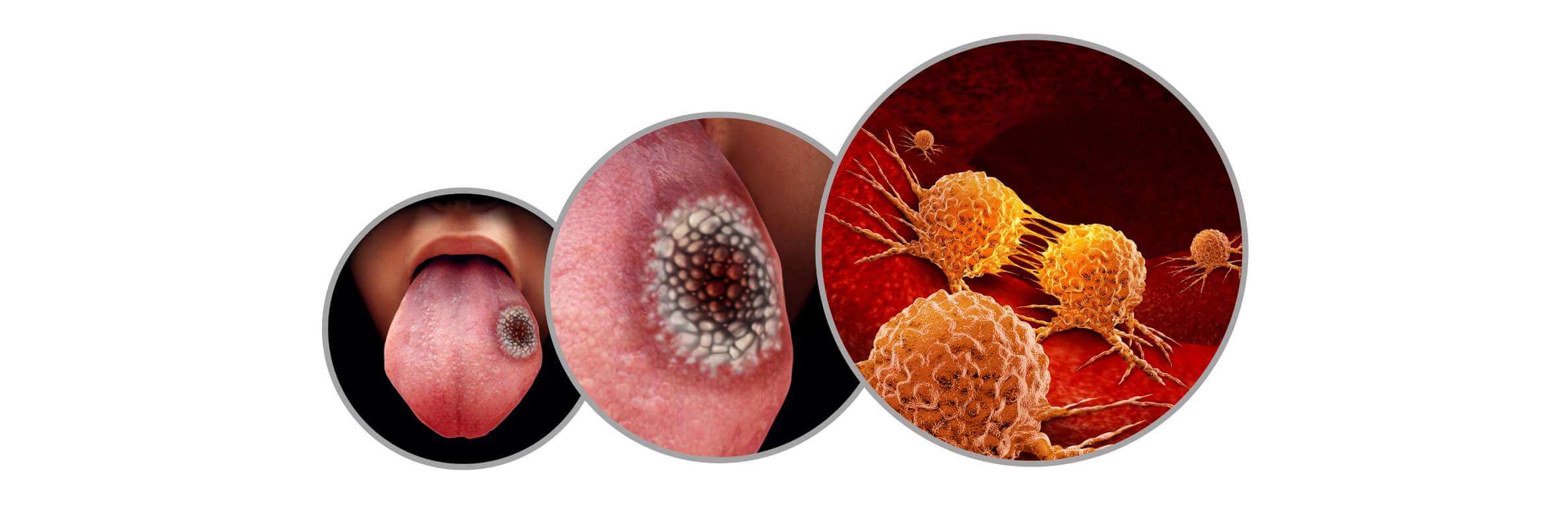


Oropharyngeal cancer, specifically cancer of the base of the tongue, is a distinct clinical form of cancer on the tongue that differs in anatomical location, biological characteristics, and treatment approaches. The tongue, along with the lip and the floor of the mouth, is one of the most frequently affected subsections within the oral cavity. It is important to note that although the anterior two-thirds of the tongue is considered part of the oral cavity, the posterior third (the base of the tongue) belongs to the subsections of the oropharynx. Cancer of the tongue base differs from such forms as oral cancer side of tongue, mouth cancer on side of tongue, cancer on end of tongue, tip of tongue cancer, and oral cancer on front of tongue, as these locations have different anatomy, clinical course, and treatment approaches. Squamous cell carcinoma of the base of the tongue often has a more aggressive course compared to lesions of the anterior parts of the tongue and is often diagnosed at later stages due to minimal early symptoms. Oral pathological processes are two to three times more common in men than in women in most ethnic groups. According to world reports, oral and pharyngeal malignancies together rank sixth among the most common cancers in the world [1].
The two most important independent risk factors for developing oral tongue squamous cell carcinoma (OTSCC) are heavy smoking and alcohol consumption. Tobacco smoke contains known carcinogens, preferably nitrosamines and polycyclic hydrocarbons. Alcohol in the process of metabolism is converted into acetaldehyde, which negatively affects the mechanisms of DNA repair [2]. Squamous cancer of the tongue is the most common histological type of malignant lesions of the tongue and requires a stage-oriented approach to treatment. Among other risk factors, the human papillomavirus (HPV) plays an important role, being mainly associated with oropharyngeal carcinomas. HPV vaccine is an effective preventive measure that reduces the risk of developing HPV-associated malignant tumors, in particular oropharyngeal cancer [3]. Squamous cancer of the tongue is the most common histological type of malignant lesions of the tongue and requires a stage-oriented approach to treatment.
Tongue cancer stages
The American Joint Committee on Cancer uses the TNM system to stage head and neck cancer with localization in mind. The updated classification takes into account the prognostic value of extranodal spread: the presence of a clinically pronounced extranodal lesion automatically corresponds to stage N3b.
The stage of the primary head and neck cancer, oral cancer is determined by the size and depth of the invasion. Absence of tumor corresponds to T0, carcinoma in situ – Tis. Tumors up to 2 cm with an invasion depth of ≤5 mm are classified as T1. At an invasion depth of >5 mm or dimensions of 2-4 cm, T2 is established. T3 includes tumors 2-4 cm with an invasion depth of >10 mm or tumors >4 cm with an invasion depth of ≤10 mm. The T4a stage is determined in >4 cm tumors with an invasion depth of >10 mm or when germinating into adjacent structures, while T4b corresponds to the spread into deep anatomical spaces or the involvement of the internal carotid artery.
The assessment of regional lymph nodes begins with N0 in the absence of metastases. N1 – single ipsilateral node ≤3 cm without extranodal propagation. N2 includes nodes up to 6 cm (N2a – single, N2b – multiple ipsilateral, N2c – bilateral or contralateral). Metastasis >6 cm without extranodal spread corresponds to N3a, and its presence is – N3b.
The category of distant metastases includes Mx (estimation impossible), M0 (metastases absent) and M1 (available). The table below presents the classification of tongue carcinoma by stage, based on the characteristics of the primary tumor, the state of regional lymph nodes, and the presence of distant metastases [4].
| Stage 0 | Tis | N0 | M0 |
|---|---|---|---|
| Stage I | T1 | N0 | M0 |
| Stage II | T2 | N0 | M0 |
| Stage III | T1-2 T3 | N1 N0-1 | M0 |
| Stage IVA | T1-3 T4a | N2 No-2 | M0 |
| Stage IVB | Any T T4b | N3 Any N | M0 |
| Stage IVC | Any T | Any N | M1 |
Diagnosis and tests for tongue cancer
It is mandatory to pay attention to tongue cancer symptoms (red or white patches, induration, bleeding, pain). To clarify the clinical situation, it is worth conducting a thorough examination of the oral cavity using lighting to detect atypical areas, endoscopic examination of the oral cavity and pharynx using a thin flexible endoscope, as well as palpation to detect enlarged nearby lymph nodes.
In patients with severe neck lymphadenopathy, it is also possible to perform a fine needle aspiration biopsy (FNA) under ultrasound control.
CT Scan (computed tomography scan) of the neck with intravenous contrast is an important component of the diagnostic algorithm. In the case of initial presentation of a patient with a widespread tumor process, additional imaging of the chest organs is usually performed using CT or positron emission tomography of the whole body in combination with CT (PET Scan – positron emission tomography) in order to rule out a distant metastatic lesion [1].

Standard treatment methods for tongue cancer
Tongue cancer treated with modern methods allows for better local control of the disease and preservation of patients' quality of life, provided that an individually selected treatment plan is followed. The basis of tongue cancer treatment in modern clinical practice is based on a multidisciplinary approach with a combination of high-precision radiation therapy, systemic treatment, and, according to indications, organ-sparing methods. Treatment of cancer of the tongue according to standard protocols involves an individual approach with a combination of surgery, radiation therapy, and systemic treatment depending on the stage and extent of the process. Surgical standard treatment remains a first-line method, especially in the early stages of the diagnosed oropharyngeal cancers, and often provides good results. In more common tumors, the scope of surgery may be greater and require reconstructive interventions, which prolongs the recovery period.. Modern reconstructive techniques make it possible to largely compensate for functional disorders, although the rehabilitation process is sometimes long.
Radiation therapy for cancers of the tongue and chemoradiotherapy play an important role as adjuvant treatment or in cases where surgery is limited. These methods may be accompanied by side effects that are usually controlled with proper follow-up and maintenance therapy, but require careful monitoring and recovery time.
Protocol treatments for focal oral lesions, including surgery, radiation and chemoradiotherapy, can be accompanied by a number of complications, the severity of which varies depending on the scope of treatment and the individual characteristics of the patient. After the operation, temporary or permanent disorders of speech and swallowing, changes in the sensitivity of this anatomical site, as well as an extended rehabilitation period are possible. Radiation therapy for this oral disease is not uncommonly associated with mucositis, dry mouth, fibrotic soft tissue changes, and reduced quality of life, while chemotherapy may cause general weakness, nausea, hematological impairment, and increased vulnerability to infections. In most cases, these complications are manageable with proper multidisciplinary follow-up, however, they require careful monitoring and time to recover [5].
Innovative treatment methods for tongue cancer
The aim of any therapeutic effort should be to consistently preserve and, where possible, improve the quality of life. The patient should no longer suffer from anticancer therapy than from the tumor process itself. This highlights the need to develop and validate new treatment types, with more tolerable treatment options.
Regional chemotherapy for tongue cancer
Regional chemotherapy (RCT) is a method of anticancer treatment in which chemotherapy drugs are injected directly into the vessels that feed the tumor, and not systemically (into a vein), as in classical chemotherapy. There are studies that use intra-arterial short-term infusions, which in most cases lead to rapid tumor regression without deterioration of the quality of life.
The effectiveness of intraarterial chemotherapy depends significantly on the method of its implementation. The principle of increased tumor toxicity is based on high absorption of cytostatics during the first passage through the cancer cells (abnormal cells) of tumor area or its vessels. A well vascularized tumor shows a better response to treatment than a tumor with poor blood supply. Exposure of cytostatics (concentration × time) causes an increase in concentration and improved accumulation of the drug in tumor tissue. Already with relatively low doses and reduced infusion time, a powerful local effect can be achieved. Short-term infusions of approximately 7 to 12 minutes were found to be optimal in terms of exposure.
Available studies demonstrating that intra-arterial regional chemotherapy using short-term infusion of cytostatics directly into the tumor feeding pool (common carotid arteries) may provide a rapid and pronounced antitumor response [6].
Dendritic cell therapy for tongue cancer
In 2011, American immunologist Ralph Steinman was awarded the Nobel Prize for a defining fundamental discovery in the field of immunology [7].
Dendritic cell therapy Germany is considered an innovative immunotherapeutic approach used in specialized oncology centers with a focus on personalized treatment and minimal systemic toxicity. The essence of the method is to use the patient's own dendritic cells – key cells of the immune system responsible for the presentation of tumor antigens to T-lymphocytes. In clinical practice, DC (dendritic cells) are usually obtained from peripheral blood, cultured ex vivo, "loaded" tumor antigens from cancer cells (in particular, squamous cell carcinoma antigens) and after activation are injected back into the patient in order to trigger a specific antitumor immune response [8].
Treatment of cancer in tongue with DCT (dendritic cell therapy) is mainly carried out:
- as adjuvant treatment after surgery or chemoradiotherapy to reduce the risk of recurrence;
- in patients with recurrent or common disease, when standard methods have limited efficacy;
- within clinical trials or individualized protocols.
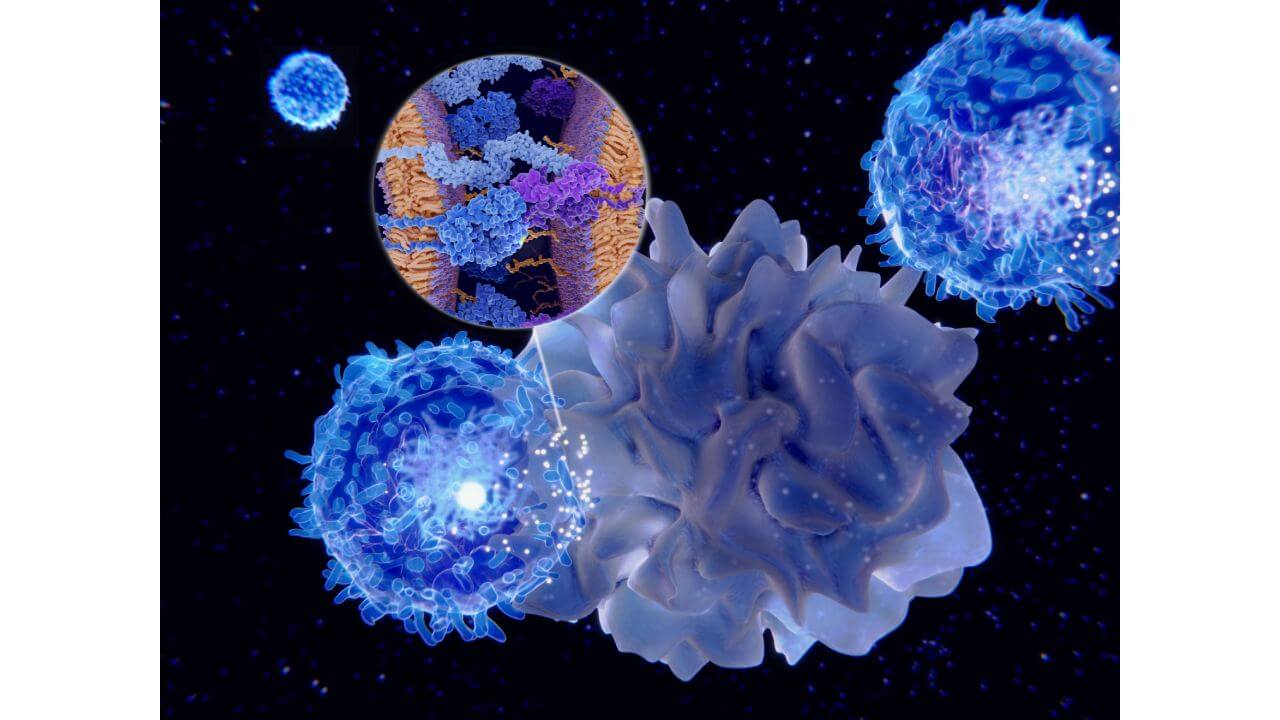
A potential advantage of this approach is high selectivity and low systemic toxicity, as the immune response is directed specifically against tumor cells. However, clinical findings are currently heterogeneous: although individual studies demonstrate immunological activation and disease stabilization, strong evidence of significant effects on overall survival in cancers of the tongue is not yet sufficient.
The table below compares treatments on key clinical parameters, including efficacy, tongue cancer survival rates, side effect profile, and duration of therapy [9].
| Treatment Type | Toxicity and side effects | Quality of life | Duration |
|---|---|---|---|
| Surgery | moderate; risk of postoperative infections, bleeding, swallowing dysfunction | significantly reduced | one-time intervention but with a long rehabilitation period |
| Chemotherapy | high systemic; hematologic, gastrointestinal side effects, neuro-, nephrotoxicity | often temporarily disrupted | need for repeated treatment cycles |
| Radiation Therapy | high; acute mucositis, xerostomia, swallowing dysfunction | reduced during treatment | usually 5-7 weeks |
| Regional Chemotherapy | low; localized effects due to targeted drug delivery | largely preserved | limited number of short treatment courses |
| Dendritic Cell Therapy | low; usually limited to mild local reactions, flu-like symptoms | preserved | a single injection that boosts lasting anticancer immunity |
Treatment for tongue cancer stage IV
Stage 4 squamous cell carcinoma of the tongue is usually accompanied by significant local spread or lymph node involvement and requires intensive combination therapy, taking into account the patient's prognosis and quality of life. Treatment of tongue cancer stage four is determined by the prevalence of the tumor process and the presence of metastases. If the tumor is not resectable or there are contraindications to surgery, radical chemoradiotherapy is used; regional intra-arterial chemotherapy and proton therapy for cancers of the tongue may be considered in best hospitals for tongue cancers.
When regional lymph nodes are affected, tactics include cervical dissection or chemoradiotherapy, taking into account cancer tongue prognosis, including the depth of invasion and extranodal spread [1].
In the presence of distant metastases, radical surgical treatment is not indicated. The basis of therapy of tongue cancer fourth stage is systemic treatment – chemotherapy and immunotherapy with PD-1/PD-L1 inhibitors. Local methods are used mainly for palliative purposes to control symptoms and stabilize the disease. The long term prognosis of patients with SCC of the tongue is generally poor, with 5-year stage 4 oral cancer survival rates around 50% [2]. Treatment for cancer in Germany (stage IV) is based on the use of the most modern technologies, innovative techniques, and a multidisciplinary approach in certified oncology centers.
The table below provides a comparative overview of the cost of the main tongue cancer treatment methods, allowing you to assess their financial characteristics depending on the scope of therapy and the resources required.
| Treatment Type | Cost Germany | Cost USA | Cost GB | Cost Australia |
|---|---|---|---|---|
| Surgery | €25,000 - €45,000 | €65,000 - €85,000 | €35,000 - €55,000 | €30,000 - €70,000 |
| Chemotherapy | €80,000 - €150,000 full course | €100,000 - €180,000 full course | €90,000 - €165,000 full course | €45,000 - €120,000 |
| Radiation therapy | €28,000 - €42,000 | €40,000 - €80,000 | €35,000 - €65,000 | €25,000 - €50,000 |
| Dendritic Cell Therapy | €20,000 - €38,000 | €40,000 - €100,000 | not available | not available |
| Regional Chemotherapy | €18,000 - €75,000 per session | €37,000 - €150,000 | €30,000 - €118,000 | €30,000 - €80,000 |
History of a patient with tongue cancer
Tongue cancer patient stories often emphasize the importance of early diagnosis, an individualized approach to treatment, and maintaining quality of life during and after therapy. A 47-year-old patient was diagnosed with locally advanced tongue base squamous cell carcinoma with bilateral cervical lymph node involvement (cT3 cN2b cM0, stage IVA), accompanied by speech impairment and significant difficulty eating. The patient refused the standard treatment with radical surgery after chemoradiotherapy, noting: "I wanted a treatment that would give a chance to preserve speech and normal life".
As an organ-sparing alternative, regional intra-arterial chemotherapy was applied with short-term infusions through both common carotid arteries using a combined cytostatic regimen and chemofiltration to reduce systemic toxicity. Already after the second year of therapy in one of the best tongue cancer treatment centers in Germany, complete clinical and radiological regression of the tumor and regional metastases, restoration of speech, significant improvement of swallowing function and a significant decrease in pain syndrome without clinically significant side effects were recorded.
After completing the third, supportive course, the patient remains in long-term relapse-free remission with fully preserved functions and a good quality of life, summarizing the result of the treatment with the words: "Today I live without pain and with the feeling that I have regained a normal life".
A Medical Journey: Every Step of the Way With Booking Health
Finding the best treatment strategy for your clinical situation is a challenging task. Being already exhausted from multiple treatment sessions, having consulted numerous specialists, and having tried various therapeutic interventions, you may be lost in all the information given by the doctors. In such a situation, it is easy to choose a first-hand option or to follow standardized therapeutic protocols with a long list of adverse effects instead of selecting highly specialized innovative treatment options.
To make an informed choice and get a personalized cancer management plan, which will be tailored to your specific clinical situation, consult medical experts at Booking Health. Being at the forefront of offering the latest medical innovations for already 12 years, Booking Health possesses solid expertise in creating complex cancer management programs in each case. As a reputable company, Booking Health offers personalized tongue cancer treatment plans with direct clinic booking and full support at every stage, from organizational processes to assistance during treatment. We provide:
- Assessment and analysis of medical reports
- Development of the medical care program
- Selection of a suitable treatment location
- Preparation of medical documents and forwarding to a suitable clinic
- Preparatory consultations with clinicians for the development of medical care programs
- Expert advice during the hospital stay
- Follow-up care after the patient returns to their native country after completing the medical care program
- Taking care of formalities as part of the preparation for the medical care program
- Coordination and organization of the patient's stay in a foreign country
- Assistance with visas and tickets.
- A personal coordinator and interpreter with 24/7 support
- Transparent budgeting with no hidden costs
Health is an invaluable aspect of our lives. Delegating management of something so fragile yet precious should be done only to experts with proven experience and a reputation. Booking Health is a trustworthy partner who assists you on the way of pursuing stronger health and a better quality of life. Contact our medical consultant to learn more about the possibilities of personalized treatment with innovative methods for tongue carcinoma with leading specialists in this field.
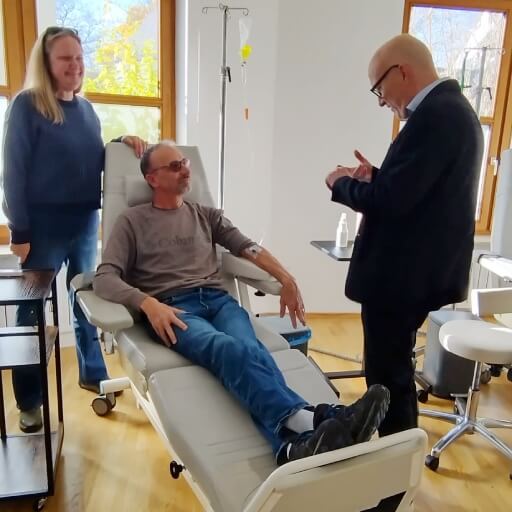
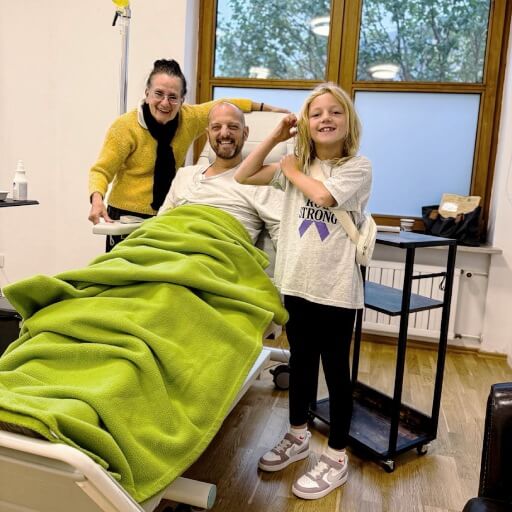
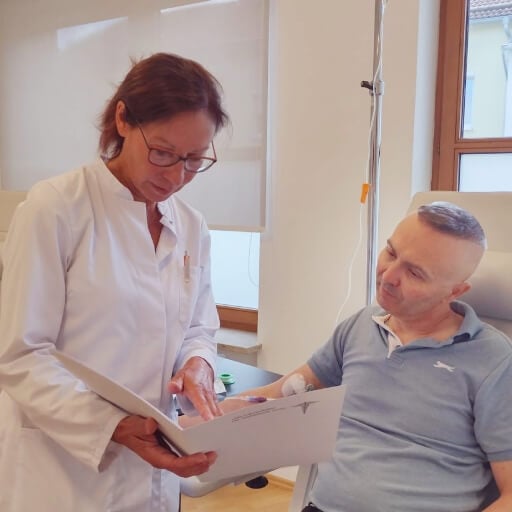
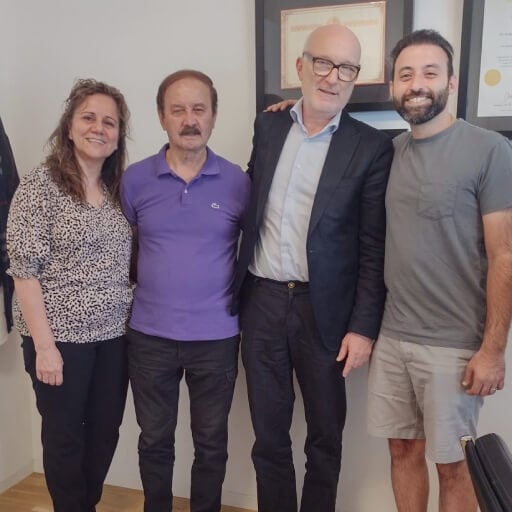
Hope in Cancer Treatment: Patient Success with Booking Health


Frequently Asked Questions About Tongue Cancer
Send request for treatmentTongue cancer is a relatively frequent subtype of oral cancer; according to SEER (Surveillance, Epidemiology, and End Results Program, National Cancer Institute), the lifetime risk for tongue cancer is around 0.4%.
Oropharyngeal cancer of tongue – is a cancer of the base of the tongue (base of tongue), which anatomically belongs to the oropharynx; it differs from cancer of the anterior 2/3 of the tongue in treatment plan approaches and prognosis, often having a relationship with human papillomavirus (HPV infection).
Yes, tongue cancer is potentially curable, especially in the early stages; the chances depend on the cancer stage, the possibility of radical treatment and the biology of the tumor.
Most commonly, tongue cancer begins with the mucous membrane of a multilayer squamous epithelium (mainly squamous cell carcinoma), affecting the mobile part of the tongue or the base of the tongue.
The first manifestations may include red or white patches, non-healing ulcer/seal, local pain, discomfort when swallowing or chewing; importantly, the symptoms are non-specific.
For early stage tongue cancer treatment, stage I usually corresponds to a small tumor without lymph node involvement; clinically, it may appear as a small ulcer/infiltrate that does not heal.
Repeated red or white patches, ulcer >2 weeks, induration, bleeding, pain, speech/chewing changes – reason for examination and biopsy (diagnosis through histology).
For tongue cancer stage four are typical: severe pain, dysphagia/odynophagia, weight loss, speech disorders, sometimes – bleeding, odor from the mouth; there are often enlarged cervical lymph nodes, and with M1 – symptoms of target organ damage.
Tongue cancer is confirmed by biopsy (incisional/punch biopsy) with histology; CT/MRI is used for staging, sometimes PET-CT – is part of standard treatment protocols.
Tongue cancer stage four usually means a locally advanced tumor (T4) or significant lymph node involvement (N2-N3), or distant metastases (M1) – depending on the specific TNM combination (cancer stage).
Most often, tongue cancer spreads lymphogenically into the cervical lymph nodes; with distant metastasis, the lungs, bones, and liver are typically affected (depending on the situation).
With the tongue cancer fourth stage without distant metastases (M0), radical treatment is sometimes possible; with M1, the goal is more often – disease and symptom control (complete cure is rare).
Rates vary by stage: for oral/tongue cancers, 5-year survival generally falls significantly with regional and distant spread; the 5-year survival rate for SCC of the tongue is around 50%.
Best tongue cancer treatment depends on the stage: in early ones – usually surgery or radiation; on common stages – combined treatment (surgery + adjuvant radiation therapy for tongue cancer ± chemotherapy) or chemoradiotherapy in individual cases. Dendritic cell therapy is always a suitable addition.
Most often, the base is surgery, and radiation therapy for tongue cancer is used as an adjuvant or as a component of combined treatment – is the basis of tongue cancer treatment in most protocols.
Yes, new therapies (new treatments) appear: dendritic cells cancer treatment, electrochemotherapy and regional chemotherapy can be considered.
Yes, in certain situations (unresectability, contraindications, individual oropharyngeal tumors), treatment can be based on radiation therapy for tongue cancer or chemoradiation therapy; the decision determines the treatment plan of the team.
Tongue cancer treatment in Germany is based on the latest technologies, innovative techniques (immunotherapy, targeted therapy, dendritic cell therapy, regional chemotherapy) and personalized protocols in certified oncology centers. In some of them there is proton therapy for tongue cancer.
The cost of tongue cancer treatment in Germany strongly depends on the stage and scope of treatment. As a reference point in commercial calculators for oral cancer, the ranges are given: surgery with cervical dissection approximately €20,000 - €33,000, chemoradiotherapy – about €20,000 - €31,000.
As examples of tongue cancer treatment centers are University Hospital Rechts der Isar Munich or Charite Berlin.
The most effective treatment options depends on the cancer stage (early stage tongue cancer treatment is considered often with surgery, locally advanced – with combined treatment (surgery + adjuvant radiation therapy for tongue cancer ± chemotherapy), for metastatic disease may be considered innovative therapies in Germany.
Choose treatment abroad and you will for sure get the best results!
Authors:
This article was edited by medical experts, board-certified doctors Dr. Nadezhda Ivanisova, and Dr. Daria Sukhoruchenko. For the treatment of the conditions referred to in the article, you must consult a doctor; the information in the article is not intended for self-medication!
Our editorial policy, which details our commitment to accuracy and transparency, is available here. Click this link to review our policies.
Sources:
[1] César Rivera. Essentials of oral cancer. Int J Clin Exp Pathol. 2015 Sep 1;8(9):11884–11894. [PMC free articled]
[2] Crispian Scully, Jose Bagan. Oral squamous cell carcinoma overview. Oral Oncol. 2009 Apr-May;45(4-5):301-8. doi: 10.1016/j.oraloncology.2009.01.004. Epub 2009 Feb 26. [DOI] [PubMed]
[3] K Kian Ang, Jonathan Harris, Richard Wheeler et al. Human Papillomavirus and Survival of Patients with Oropharyngeal Cancer. N Engl J Med. Author manuscript; available in PMC: 2011 Jan 1. Published in final edited form as: N Engl J Med. 2010 Jun 7;363(1):24–35. doi: 10.1056/NEJMoa0912217. [DOI] [PMC free articled]
[4] National comprehensive cancer network. https://www.nccn.org/
[5] Kedar Kirtane, Cristina P Rodriguez. Postoperative Combined Modality Treatment in High Risk Resected Locally Advanced Squamous Cell Carcinomas of the Head and Neck (HNSCC). Front Oncol. 2018 Dec 4;8:588. doi: 10.3389/fonc.2018.0058. [DOI] [PMC free articled]
[6] Karl R. Aigner. 55 Monate nach regionaler Chemotherapie eines fortgeschrittenen Zungengrundkarzinoms. Onkologische Welt 2022; 13(04): 238-241. doi: 10.1055/a-1789-0614. [DOI]
[7] Roman Volchenkov, Florian Sprater, Petra Vogelsang, Silke Appel. The 2011 Nobel Prize in physiology or medicine. Scand J Immunol. 2012 Jan;75(1):1-4. doi: 10.1111/j.1365-3083.2011.02663.x. [DOI] [PubMed]
[8] Wenyue Chen, Zhengqiang Li, Jin Tang, Shuguang Liu. Dendritic cell-based immunotherapy for head and neck squamous cell carcinoma: advances and challenges. Front Immunol. 2025 May 26:16:1573635. doi: 10.3389/fimmu.2025.1573635. eCollection 2025. [DOI] [PubMed]
[9] Vidya Mallipattana Anne Gowda, T Smitha. The dendritic cell tool for oral cancer treatment. J Oral Maxillofac Pathol. 2019 Sep-Dec;23(3):326–329. doi: 10.4103/jomfp.JOMFP_325_19. [DOI] [PMC free articled]
Read: